



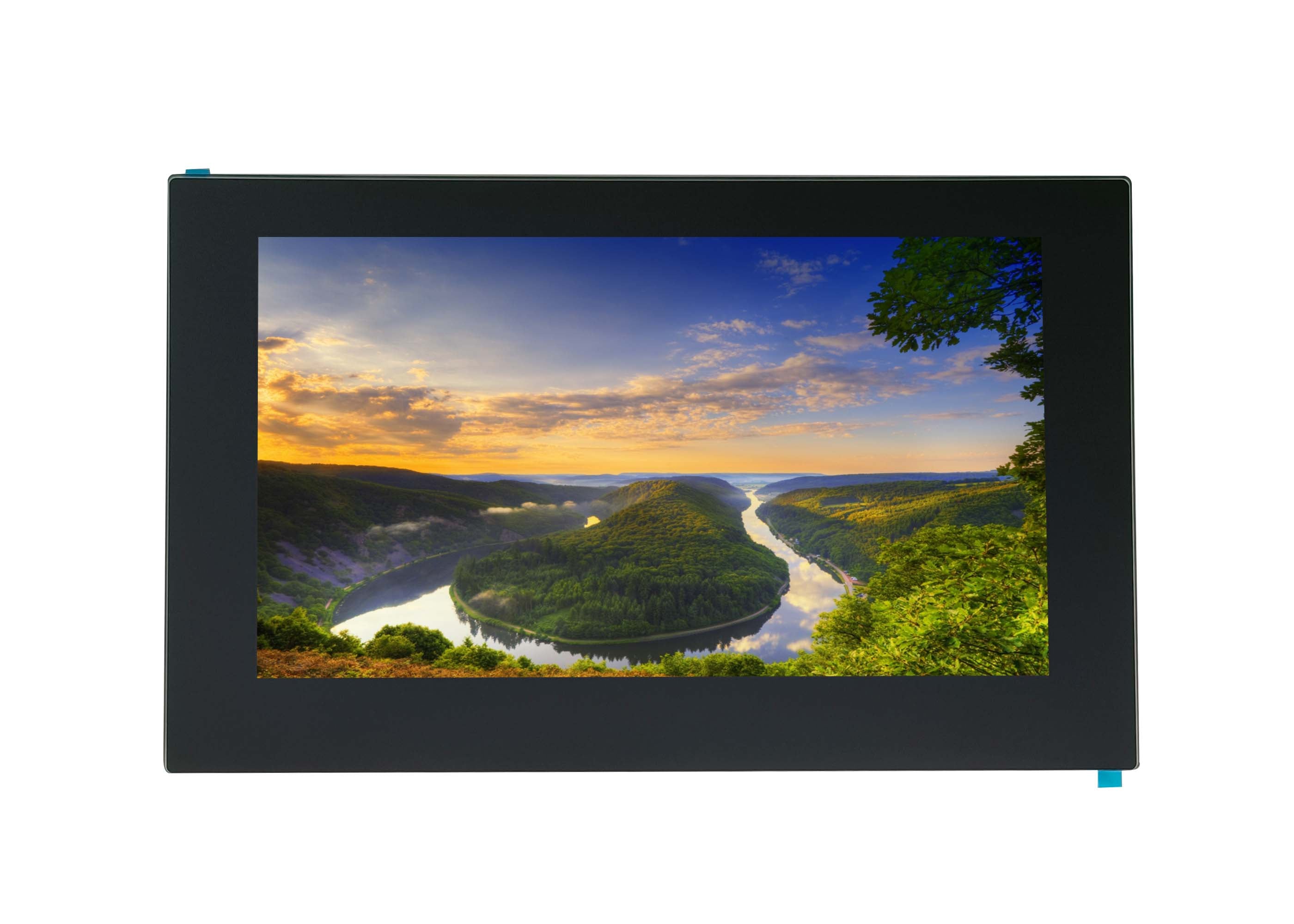
The IPS Display Module excels with balanced tech strengths: exceptional color accuracy (average Delta E <2, near-perfect for true hues), wide 178-degree viewing angles keeping colors consistent ...
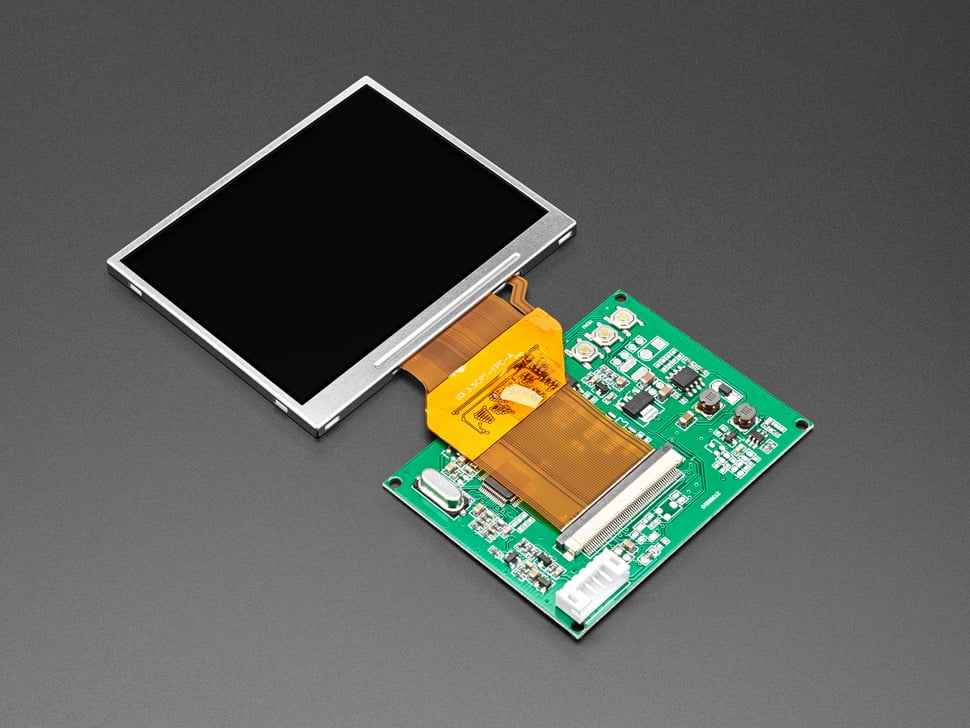
Industrial TFT LCDs are engineered for tough settings, merging strong durability with broad temperature adaptability—operating steadily from -30°C to +85°C (extending to -40°C in rugged models) to ...
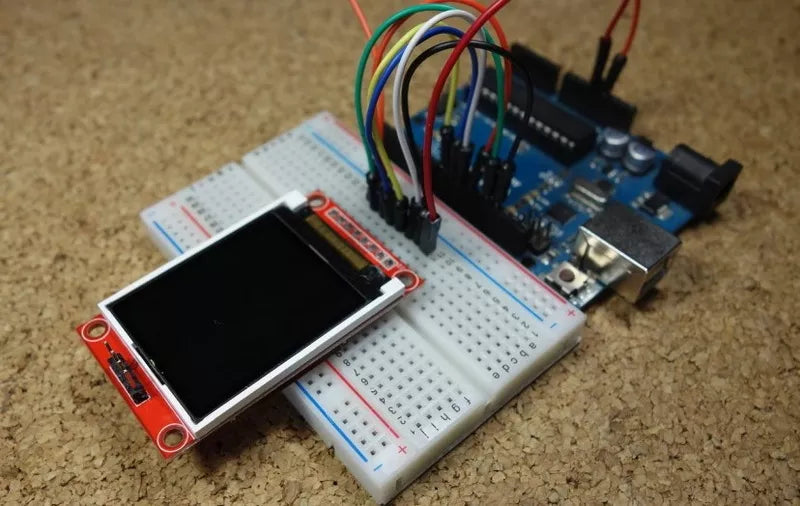
When selecting a TFT LCD, start with size: 24-27 inches suits most desktops for immersive tasks, while 15-17 inches fits portables. Brightness is key—aim for 250-350 nits indoors to ease eye strain...
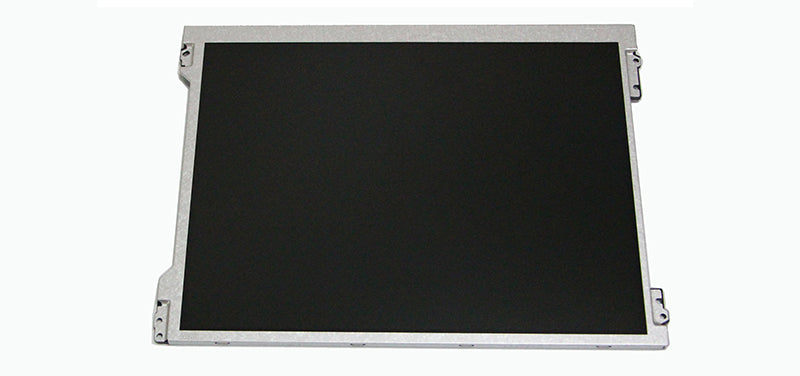
TFT LCD technology employs a thin-film transistor array to precisely control liquid crystal molecules, featuring a typical 5-8ms response time as backlight passes through aligned crystals and color...
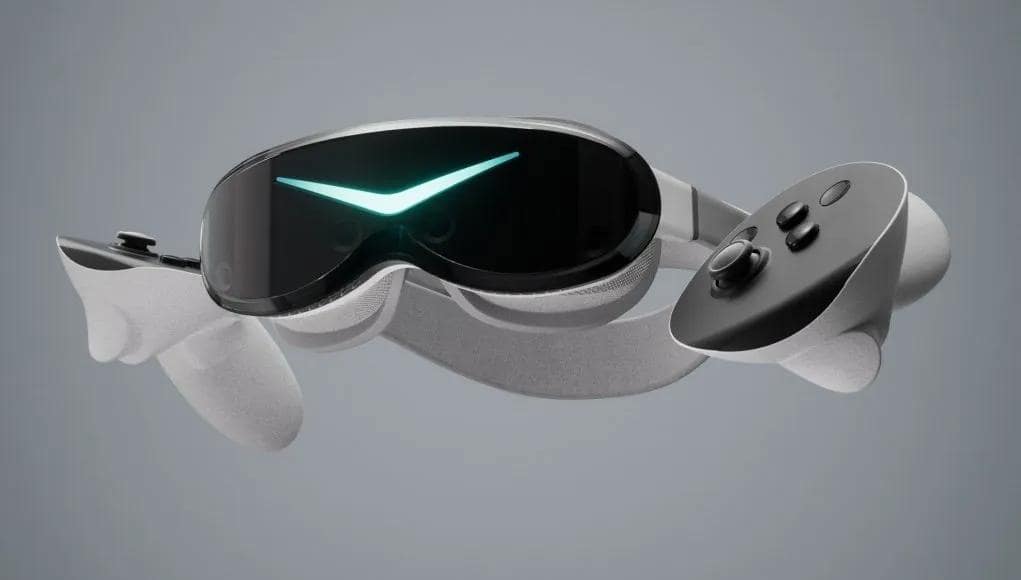
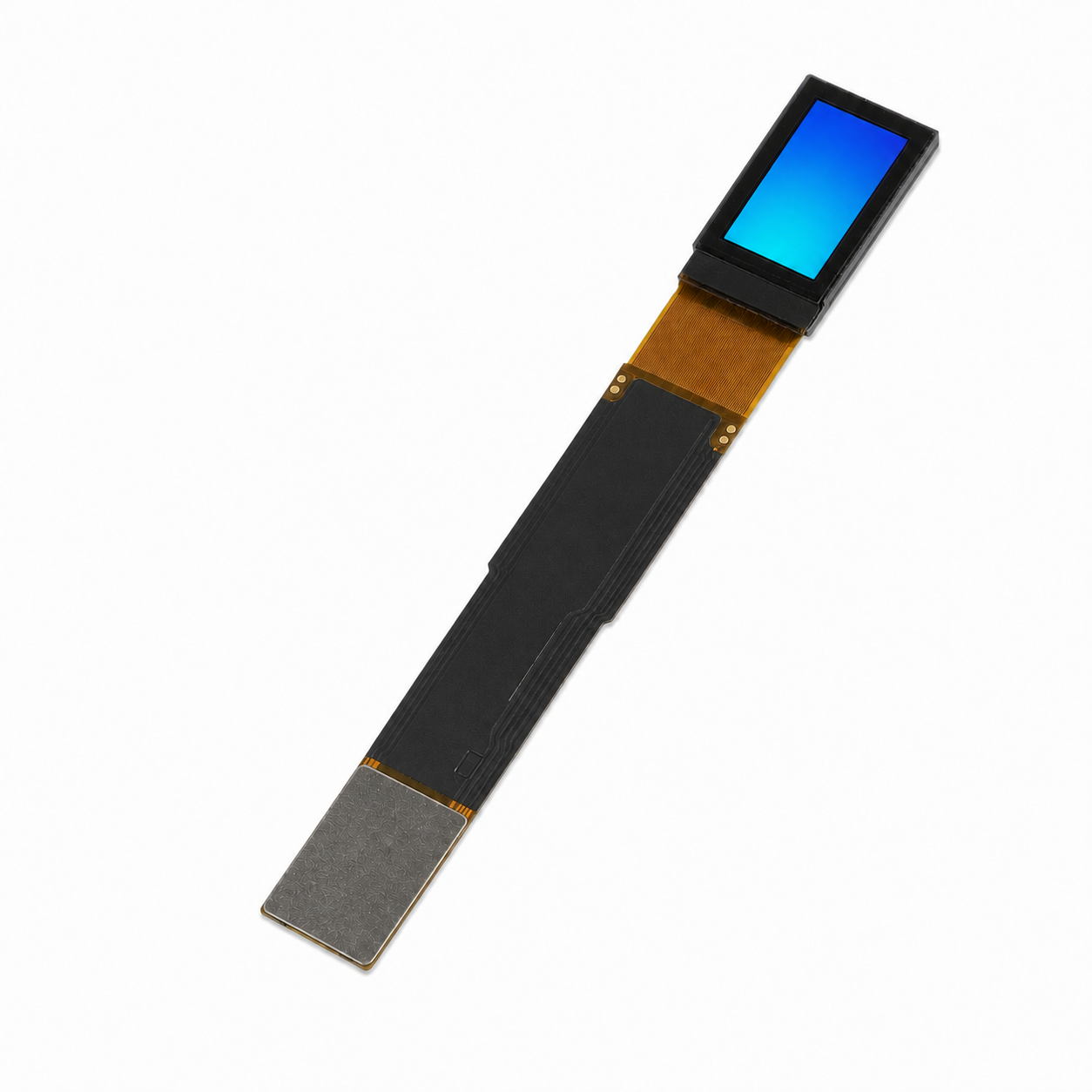
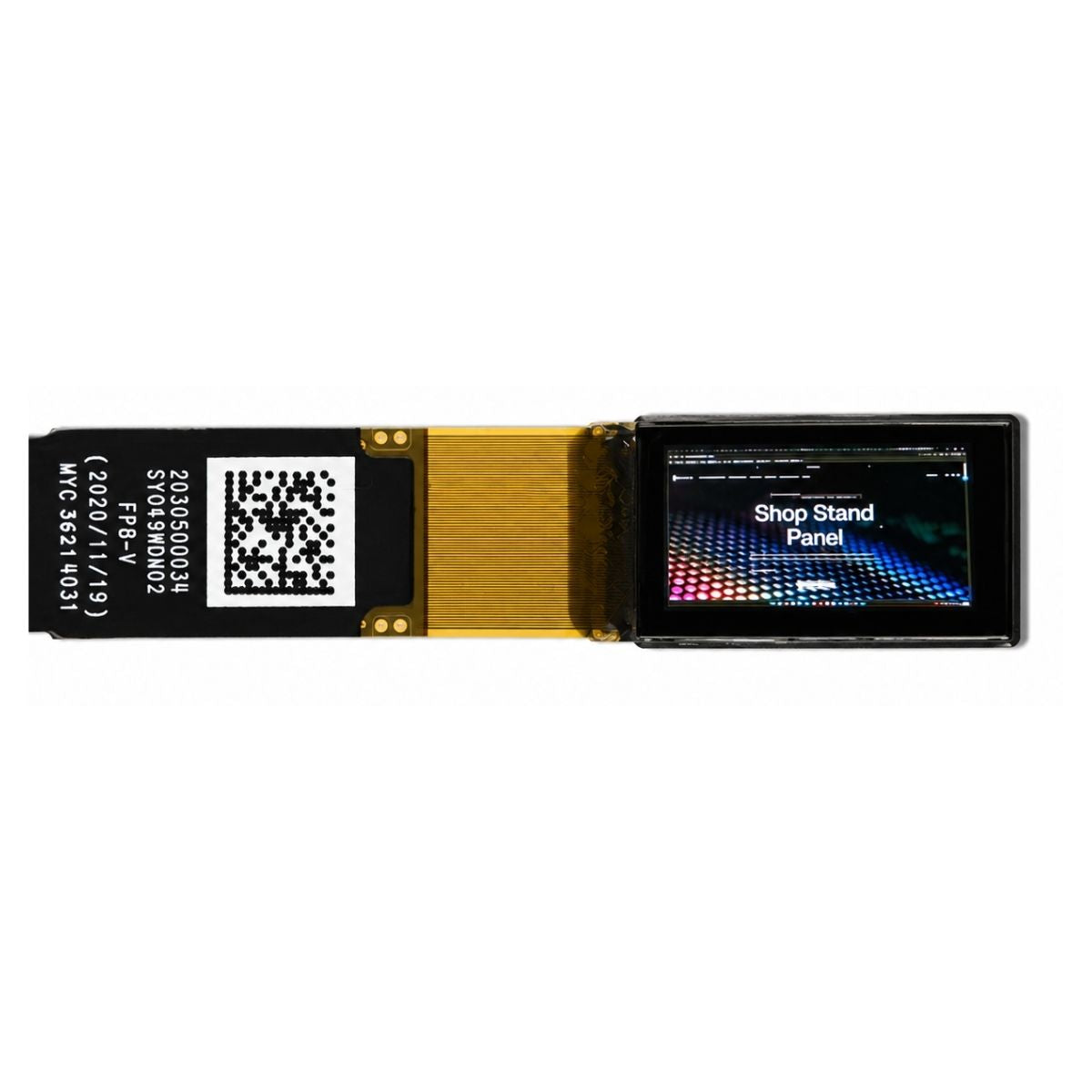
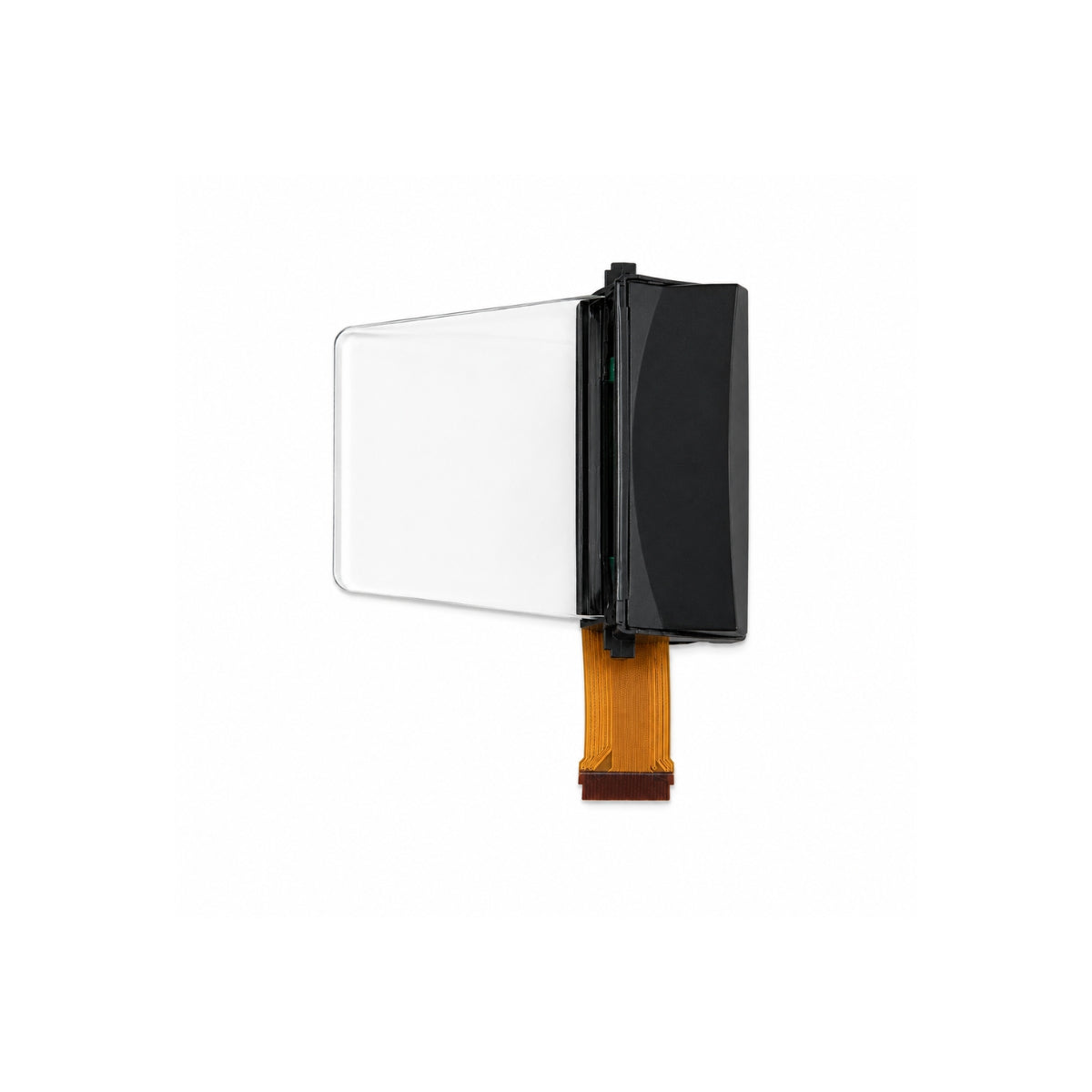
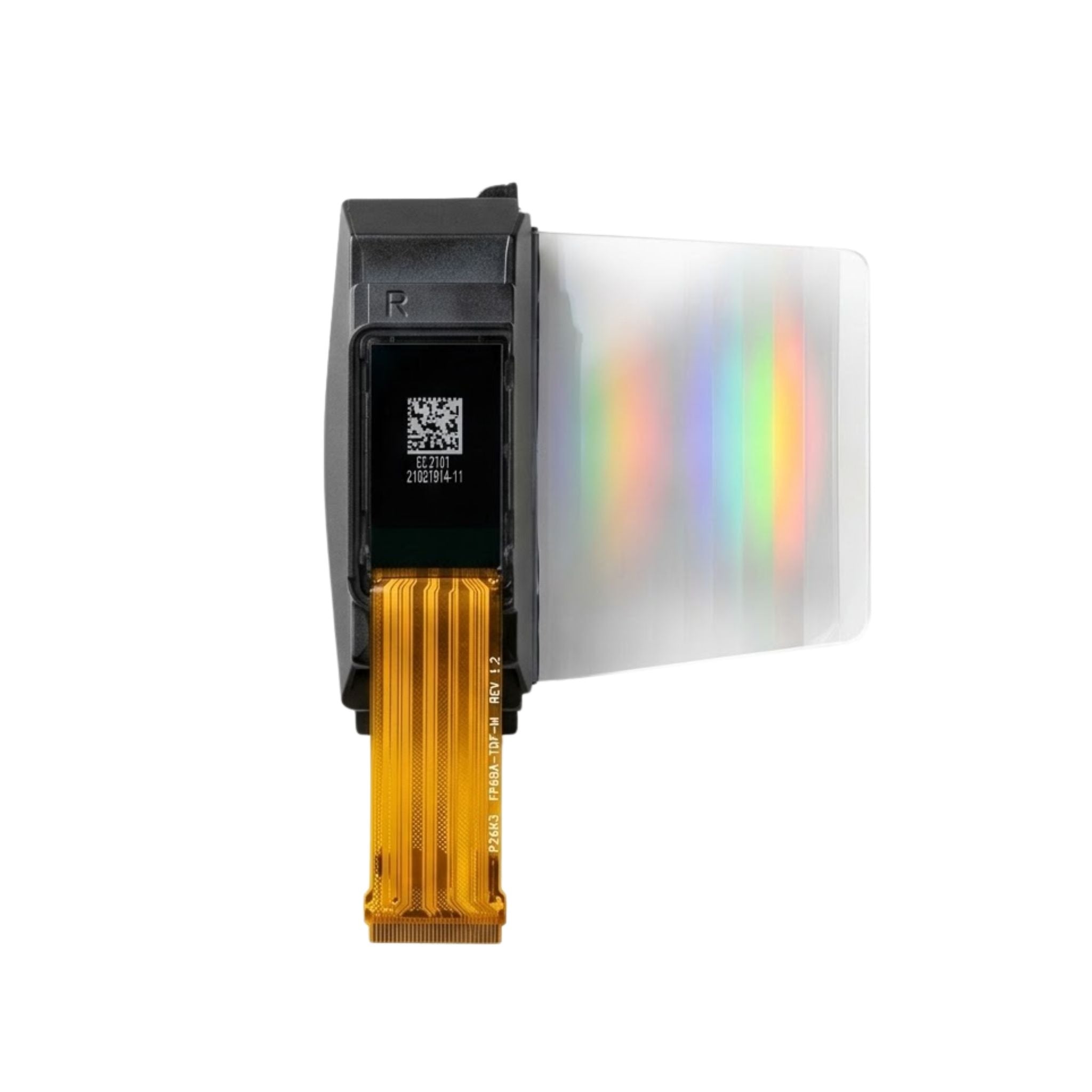
Choose Micro OLEDs for VR: 0.9" panels deliver 50°+ FOV, sub-10μs gray-scale response (system latency <20ms to reduce dizziness), and >1M:1 contrast. Validate via optical simulation and timin...
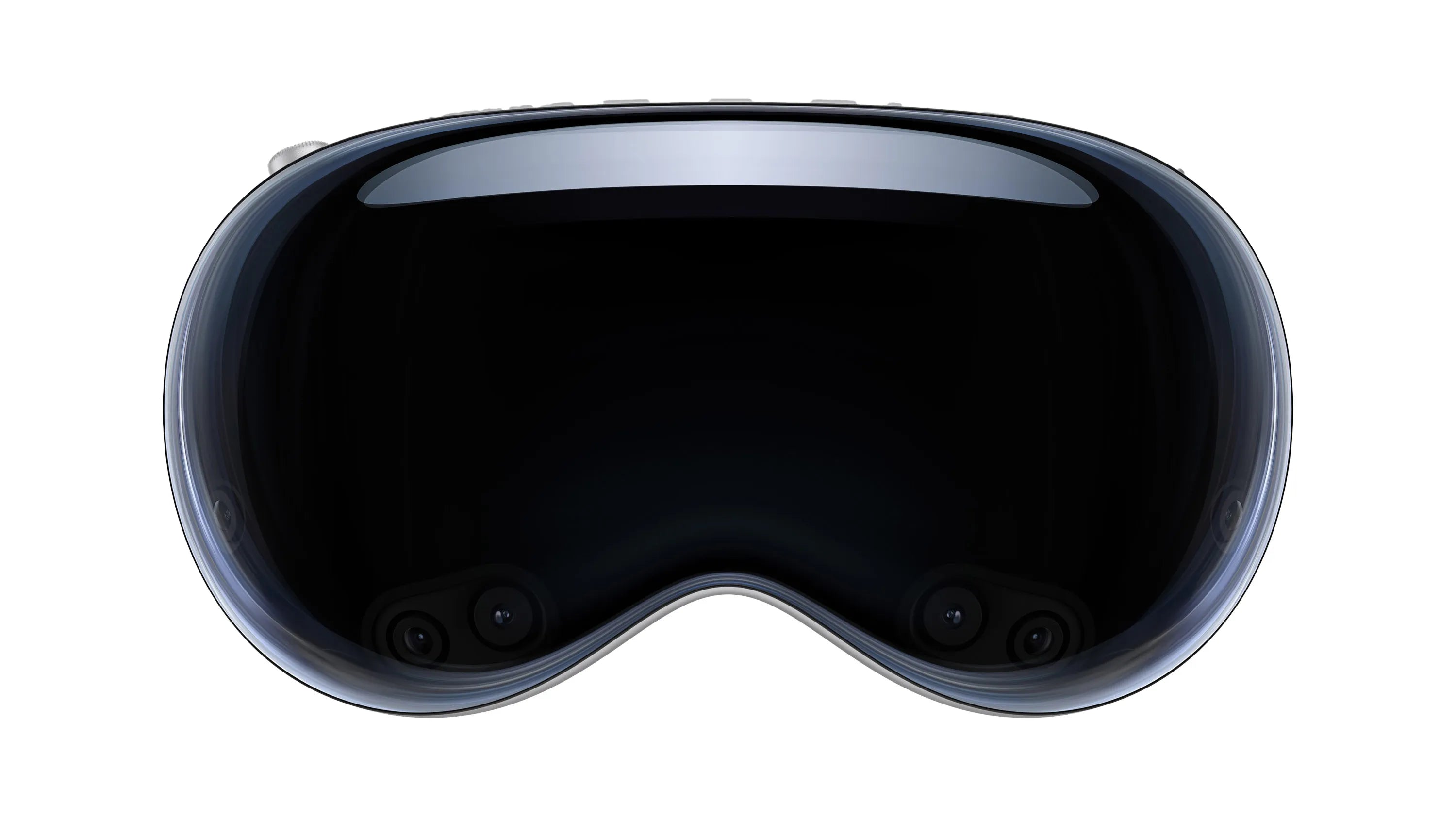
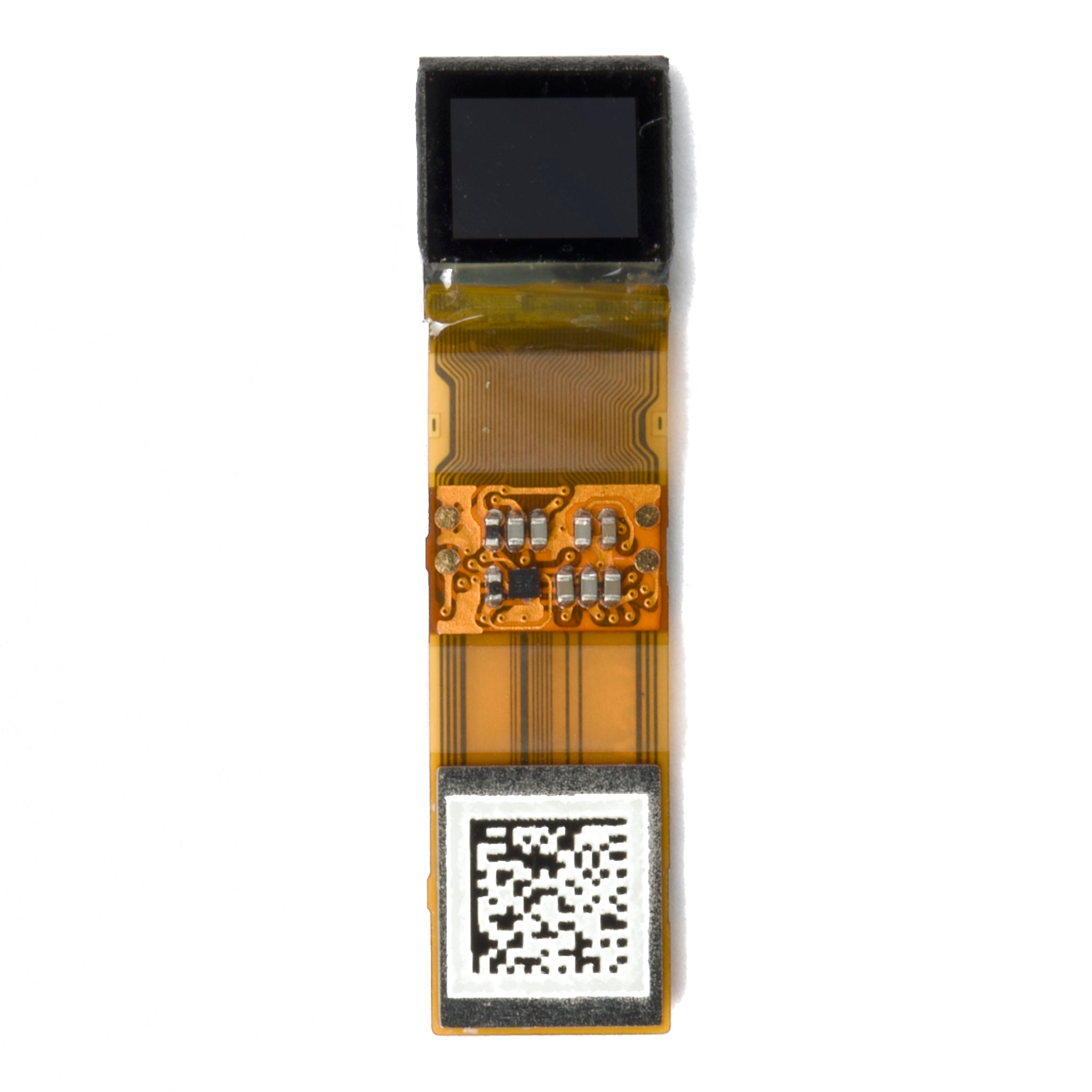
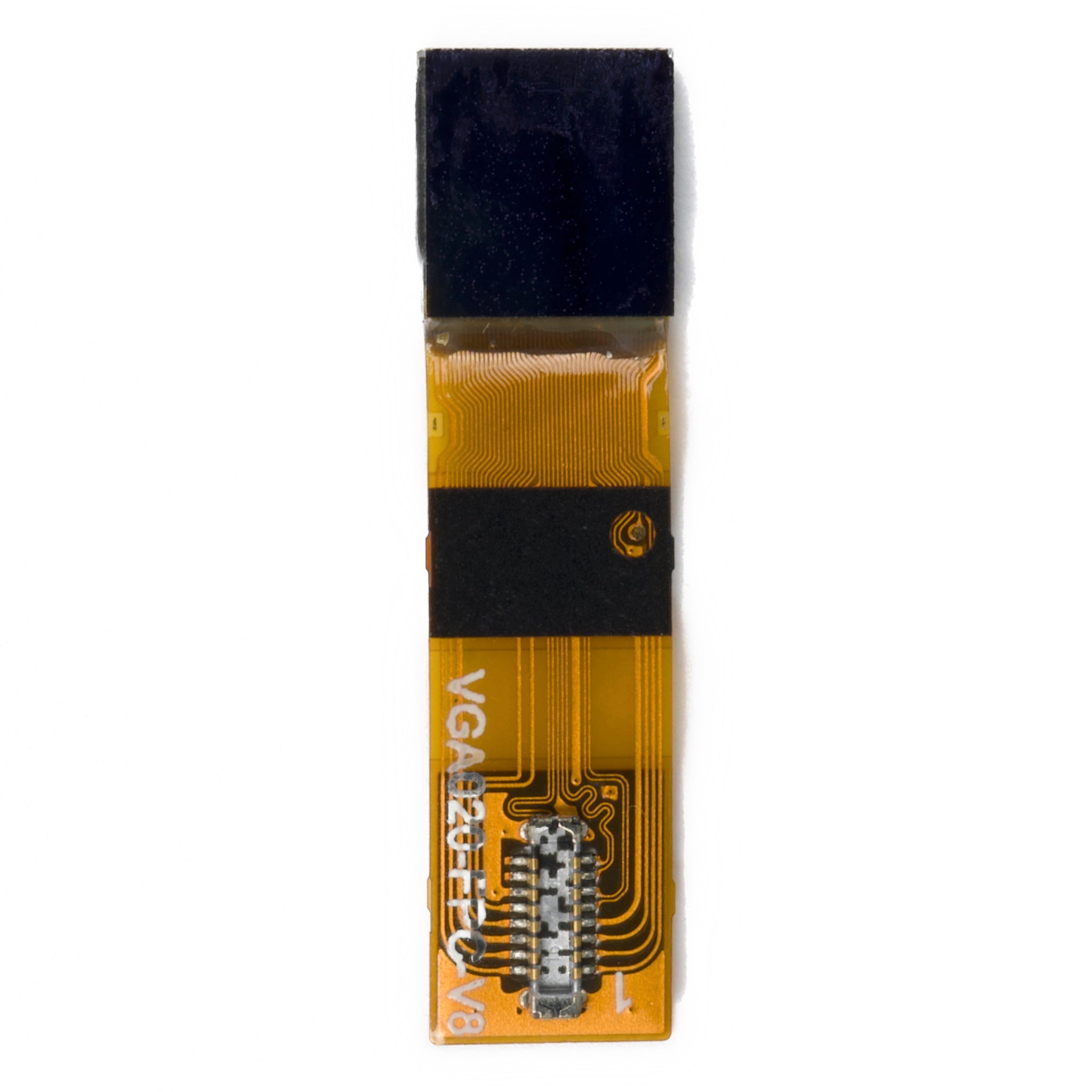
Micro OLED panels vary: qVGA (320x240) for low-power, WVGA (800x480) for clarity; RGB variants hit 1M:1 contrast (mono: 500k:1), <5mW at 30Hz. Validate via datasheets for response time (<1ms)...

Micro OLED panels vary: qVGA (320x240) for low-power, WVGA (800x480) for clarity; RGB variants hit 1M:1 contrast (mono: 500k:1), <5mW at 30Hz. Variants The core differentiator lies in how the 8....

1920x1200 resolution, ΔE<1.5 color accuracy (calibrated via X-Rite), >2000nits brightness. Priced 500-1000/unit, they deliver DCI-P3 95% coverage for medical/industrial imaging, validated by ...
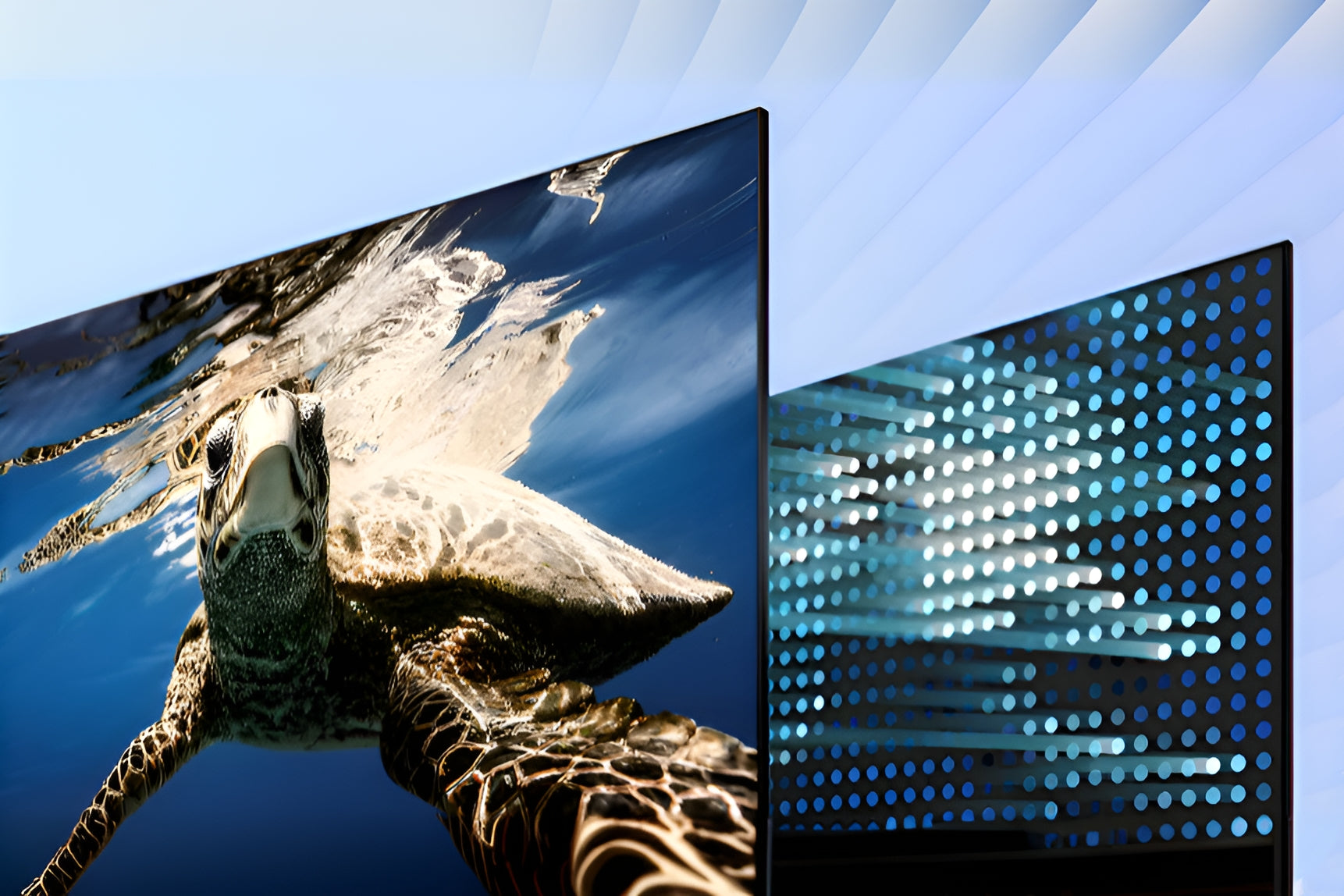
Micro OLEDs surpass OLEDs: 1M:1 contrast (OLEDs ~500k:1), lifespan >100k hrs (OLEDs 50k via aging tests), yet cost 30-50% more. Validate via ANSI brightness checks and lifetime reports for AR/VR...