



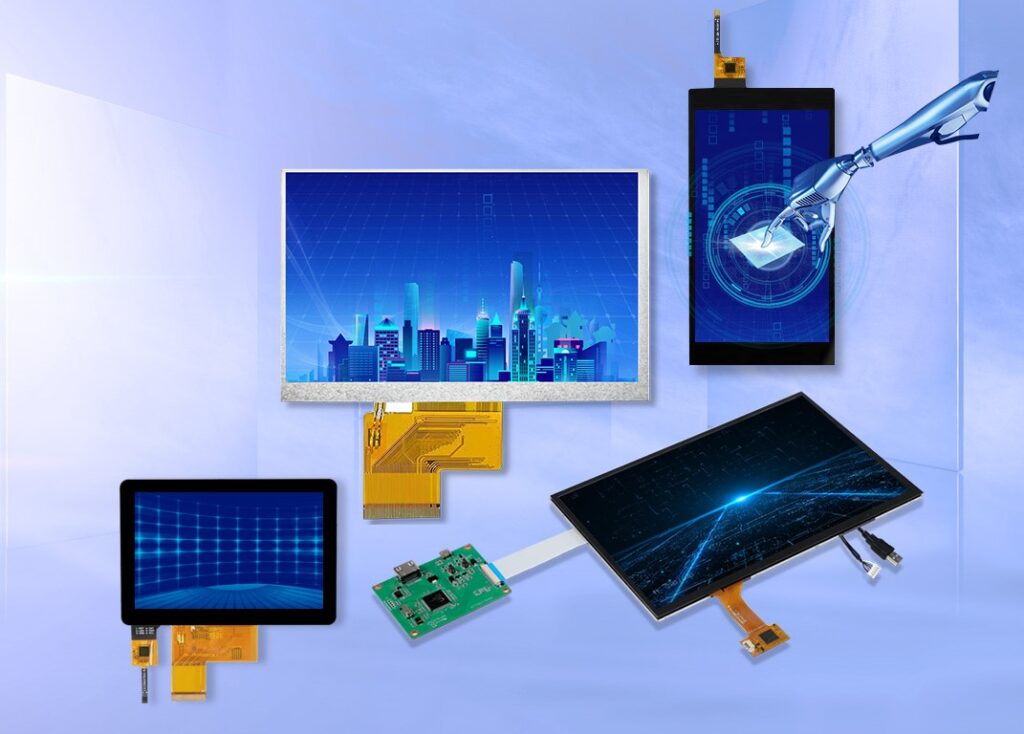
Complete Guide to Buying Digital Display LCDs | Application Scenarios, Cost, Interface
When purchasing a digital display LCD, first consider the scenario: retail uses 32-55 inch 4K screens (approx. 2000-5000), meetings choose 65-86 inch 8K (8000-20k), outdoor requires 100 inch+ with 2500 nits high brightness.
Prioritize HDMI 2.1 (4K 120Hz), USB-C single-cable connectivity; choose based on existing device compatibility to avoid adapters degrading image quality.
Application Scenarios
The Application Scenarios of digital display LCDs cover 6 core overseas areas: consumer electronics (mobile phones/notebooks, North America accounted for 35% of LCD shipments in 2023), commercial retail (78% of US supermarkets use 1500nits+ touch screens), industrial control (EN 61010-1 certified, MTBF 50,000 hours), automotive (AEC-Q100 certified, global shipments 180 million units in 2023), medical (10-bit color depth, FDA 510(k)), outdoor advertising ($12B US/EU market, 2000nits+ light-sensing adjustment).
Each scenario is precisely matched through parameters like size (1.3"-100"+) and brightness (200-3000nits).
Commercial Retail
Self-Ordering Kiosks:
For example, McDonald's uses Diebold Nixdorf DN Series 3000, 15.6-inch screen (1920×1080, 1000 nits brightness), 10-point capacitive touch, built-in Intel Celeron processor, runs Windows IoT system.
Customers select meals, add ingredients, pay all by themselves, machine prints receipt with QR code, kitchen scans code to produce order.
- Data: In 2023, penetration of self-ordering kiosks in North American fast food reached 62% (QSR Magazine), single machine handles 40-50 orders per hour, 25% faster than manual cashier; error rate dropped from manual 3% to 0.5% (Nielsen).
- Parameter Details: Machine thickness 5cm, weight 8kg, IP54 dust and splash protection, suitable for restaurant greasy environments; screen lifespan 50,000 hours, usable for 11 years at 12 hours/day.
Dual-Screen Info Kiosks:
Main screen 21.5 inches (1920×1080, 450 nits), displays floor maps, brand locations;
Secondary screen 10.1 inches (1280×800, 300 nits), touch for checking product inventory, viewing user reviews, and collecting coupons.
- Actual Effect: After Macy's installed 500 units, average customer store-finding time reduced from 8 minutes to 3 minutes (Retail TouchPoints 2023); coupon feature on secondary screen increased related product purchase rate by 17%.
- Product Comparison Table:
|
Brand/Model
|
Main Screen Size/Resolution
|
Secondary Screen Size/Resolution
|
Brightness (nits)
|
Touch Points
|
Suitable Scenario
|
|---|---|---|---|---|---|
|
EloTouch EloPOS 2
|
21.5"/FHD
|
10.1"/HD
|
450+300
|
10-point
|
Shopping Mall Info Kiosk
|
|
Samsung OMN-D 43"
|
43"/4K
|
10.1"/HD
|
2500+300
|
Dual-screen independent
|
Luxury Store Brand Display
|
|
NCR SelfServ Commerce
|
23"/FHD
|
15.6"/FHD
|
500+500
|
20-point
|
Large Shopping Center
|
Shelf-Side Promotion Screens:
For example, 3M Shelf Display 7-inch screen (1024×600, 800 nits), magnetically attached to shelf ledge, battery powered (6-month battery life), content updated remotely.
- Effect Test: After UK Tesco pilot, promoted product weekly sales increased 31% (IGD Research), 19 percentage points higher than posters; screen cycles 3x 15-second videos + 2 image/text slides, average customer dwell time 12 seconds.
- Cost Analysis: One screen costs 80, used for 2 years, saves 150/year vs. hiring someone to change posters weekly (including labor).
Digital Price Tags:
Popular in US/EU pharmacies, convenience stores, e.g., SES-imagotag VUSION 2.4-inch screen (212×104, 300 nits), uses e-ink (paper-like, non-glare), coin cell battery (5-year life). Prices changed from backend, all tags sync, no ladder needed to tear old labels.
- Data: 2023 European digital price tag market size $2.8B (Grand View Research), Walgreens installed 1.2 million tags, manual label change cost reduced 70%; label error rate dropped from paper era 5% to 0.1%.
- Special Feature: Tags can display stock (e.g., "Only 3 left"), encouraging purchase; automatically gray out when out of stock, avoiding wasted trips.
Interactive Fitting Mirror:
High-end clothing stores use LCD fitting mirrors with camera, e.g., MemoMi Smart Mirror 55-inch (4K, 1000 nits). Customer stands in front, screen shows virtual try-on effect (overlays virtual model layer), can change colors, adjust sizes.
- Experience Data: After Nordstrom installed 200 units, try-on conversion rate increased 28% (Luxury Daily), average number of items tried increased from 3 to 5; mirror connects to membership system, recommends similar styles, increasing cross-sell by 15%.
- Technical Detail: Camera captures body shape, AI algorithm matches body data, virtual try-on error <2cm; screen has anti-fog coating, suitable for fitting room humidity.
Data Dashboard:
Chain store backend uses large LCD dashboard, e.g., LG 86UT7570 86-inch (4K, 500 nits), displays regional foot traffic, best-sellers, inventory alerts.
For example, Starbucks regional manager office dashboard, updates every 5 minutes, red flags low stock items (e.g., milk left 10 cases), green flags best-sellers (sold 200 lattes that day).
Management Effect: After use by a California coffee chain, restock response time reduced from 2 hours to 30 minutes, out-of-stock loss decreased 40% (CIO Review 2023); dashboard also compares same-store sales week-over-week, automatically flags yellow for abnormal fluctuations.
Outdoor Window Display:
Street-front stores use high-brightness LCD window screens, e.g., Panasonic TH-55LFV8 55-inch (1920×1080, 2500 nits), visible in sunlight.
Exposure Data: A shoe store on Fifth Ave, NY window screen, attracts average 200 person stops/day (store stats), 30% of whom enter store; screen has light sensor, automatically dims in evening, saving 20% power.
Industrial Control
The "Operation Blackboard" in Factory Control Cabinets
For example, Siemens SIMATIC HMI KTP700 Basic (7-inch, 800×480 resolution, 450 nits brightness), embedded in cabinet door, resistive touch (works with gloves).
Behind screen is Intel Atom processor, runs WinCE system, can display real-time equipment speed, temperature, alarm codes.
- Parameter Details: Operating temperature -20℃~60℃ (cabinet typically ~25℃), IP65 protection (dust/waterproof, protects against workshop oil splashes), MTBF (Mean Time Between Failures) 50,000 hours (usable 8.5 years at 16 hours/day).
- Actual Data: Used at BMW Leipzig plant to monitor engine assembly line, worker parameter change response time reduced from 15 seconds to 3 seconds (Siemens case), false alarm rate reduced 40% due to clearer screen (original paper labels easily soiled).
Another commonly used is Rockwell Automation PanelView 800 (10.4-inch, 640×480, 500 nits), with physical backup buttons (press when touch fails), used in automotive welding robot control cabinets, resistant to electromagnetic interference (EMC Class A), no screen distortion next to welder.
The "Progress Bar" on Production Line Monitoring Walls
For example, Schneider Magelis GTU 15-inch screen (1280×800, 600 nits), multiple screens daisy-chained via LVDS interface, synchronously display each workstation status: green for normal, yellow for awaiting material, red for fault.
- Tiling Case: Ford F-150 assembly line uses 6x15-inch screens tiled into a 1.8m wide monitoring wall, each screen manages 10 stations, displaying real-time data for 60 stations total (part availability, tightening torque, QC results).
- Data Effect: Production line supervisor said, previously had to run around checking gauges, now stands in front of wall and scans all anomalies in 3 seconds, downtime reduced from average 45 minutes/day to 18 minutes (Ford 2023 report).
- Parameter Comparison Table:
|
Brand/Model
|
Size
|
Resolution
|
Brightness (nits)
|
Tiling Method
|
Suitable Line Length
|
|---|---|---|---|---|---|
|
Schneider Magelis GTU
|
15"
|
1280×800
|
600
|
LVDS Daisy-chain
|
Within 50 meters
|
|
Omron NB-Series
|
12.1"
|
1024×768
|
550
|
Ethernet
|
Within 30 meters
|
|
Mitsubishi GOT2000
|
10.4"
|
800×600
|
500
|
Independent Display
|
Single Station
|
The "Inspection Notebook" in Workers' Hands
For outdoor or mobile inspection, handheld terminals with LCD, e.g., Honeywell CT50 (5-inch, 1920×1080, 1000 nits high brightness), IP67 protection (drop/water resistant), battery lasts 12 hours (full charge scans 1000 equipment points).
- Function Details: Screen displays equipment QR code, scan to pull up maintenance manual; built-in temperature sensor, automatically displays real-time temperature when near motor (accuracy ±0.5℃).
- Data: Used for inspection on Norwegian offshore oil platform, workers carry 3kg less paper manuals daily (including drawings, record sheets), missed inspection points reduced from 5/month to 0 (Honeywell case), battery lasts 8 hours at -10℃ low temperature (ordinary screen only 4 hours).
The "Grease-Proof Screen" for Oily Workshops
For example, Pepperl+Fuchs FPC series (8-inch, 800×600, 400 nits), surface coated with oleophobic coating (grease beads and rolls off), frame uses 316 stainless steel (corrosion resistant), IP69K protection (withstands high-pressure water jet cleaning).
- Application Case: Used at Tyson Foods chicken processing plant to display packaging machine parameters, previously cleaned grease off ordinary screen 3 times/week, now cleaned once/month, screen lifespan extended from 3 years to 5 years (Pepperl+Fuchs data).
- Parameters: Operating temperature 0℃~50℃ (workshop constant temperature), touch uses oil-resistant capacitive screen (works with oily fingers), interface is M12 waterproof connector (connects to PLC without leakage).
The "Low-Light Screen" for Underground Utility Tunnels
Underground pipeline/tunnel inspection uses low-light environment screens, e.g., Advantech UNO-2170 (10.1-inch, 1280×800, 200 nits low brightness), with infrared sensor (auto-brightens when person approaches), avoids constant-on power waste.
- Data: Used by London sewer inspection team, battery powered (solar charging), can see pipe crack photos in complete darkness (contrast 1000:1), single charge lasts 72 hours (Advantech test).
- Special Design: Screen body thickness 2cm (ordinary screen 1.5cm), built-in heat sink (underground dampness causes heat buildup), certified UL 508 electrical safety (prevents short-circuit fire).
The "Compatible Screen" for Retrofitting Old Equipment
For example, Pro-face GP4100 series (6.5-inch, 640×480, 300 nits), with DB9 serial port (plugs directly into old equipment), supports Modbus RTU protocol, no need for additional converter.
Retrofit Case: Fiat Turin plant retrofit of 1950s stamping press, used this screen to replace mechanical gauges, displays pressure, stroke data, retrofit cost 80% cheaper than new equipment (Pro-face case), screen lifespan estimated 10 years at 8 hours/day.
Automotive Cockpit
That Screen on the Instrument Cluster:
For example, Tesla Model 3's 12.3-inch screen (1920×720 resolution, 1000 nits brightness, 60Hz refresh rate), AEC-Q100 Grade 2 certified (withstands -40℃~105℃), anti-glare coating, visible for speed reading under midday sun.
- Parameter Details: Screen thickness 4.5mm, weight 0.8kg, connects to body computer via LVDS, latency <50ms (needle moves quickly when changing settings); backlight uses LED array, local dimming (e.g., low fuel area brightens).
- Data: 2023 North America EV instrument cluster LCD penetration 92% (IHS Markit), 15% higher than ICE vehicles; Model 3 owner survey shows 90% find this screen easier to read than traditional gauge cluster (J.D. Power).
- Comparison: BMW i4 instrument cluster uses 10.25-inch curved screen (1920×720, 1200 nits), tilted 7° toward driver, less eye movement needed; Mercedes EQS uses 12.3-inch glasses-free 3D screen, speed numbers appear floating, nighttime visibility improved 30%.
That Large Center Console Screen:
For example, Ford F-150 Lightning's 15.5-inch screen (1920×1080, 800 nits), uses Sync 4 system, 10-point capacitive touch (works with wet hands), response time <100ms.
- Function Details: Physical knob below screen (for volume), works with gloves; built-in GPS + cellular, 32GB offline maps, navigation works without signal; split-screen display (navigation left, music right), no need to switch.
- Data: 2023 global automotive center console LCD shipments 120 million units (Omdia), 10-inch+ share 58%; Ford owner feedback: this screen reduces menu steps from 5 to 3 (Ford User Study).
- High-End Model: Mercedes S-Class MBUX Hyperscreen uses 12.8-inch OLED-LCD hybrid screen (1888×1728, 1000 nits), passenger side has separate 12.3-inch screen (prevents driver distraction), two screens seamlessly tiled, gap <0.5mm.
That Passenger Entertainment Screen:
Mid-high end cars have independent screen for passenger, e.g., Audi Q8's 10.1-inch screen (1920×1080, 500 nits), uses Android Automotive system, can connect to Bluetooth headphones (doesn't disturb driver), plays Netflix or local videos.
- Parameters: Screen thickness 3mm, weight 0.5kg, includes blue light filter (comfortable for long viewing); interfaces include HDMI and USB-C, connect Switch for gaming (resolution adaptive).
- Data: 2023 Europe luxury car passenger screen penetration 41% (Statista), among Audi Q8 owners, 65% use this screen for movies (Audi Survey); screen lifespan 50,000 hours, theoretically 68 years at 2 hours/day.
- Practical Model: Hyundai Palisade has 10.25-inch screen for 2nd row (1280×720, 600 nits), pull-down from ceiling, kids watch cartoons without blocking driver view, supports wireless projection (phone connects via CarPlay).
That Rear Overhead Screen:
MPV or long-wheelbase sedans have overhead rear screen, e.g., Toyota Sienna's 11.6-inch screen (1366×768, 400 nits), angled 15° downward, prevents direct sunlight from front.
- Installation Detail: Screen mounted on roof with bracket, foldable (stows when not used), weight 1.2kg; interfaces include HDMI and SD card slot, plays cartoons from USB drive.
- Data: Among US Minivan owners, 38% opt for rear screen (Edmunds 2023); after Sienna installation, long-trip complaints reduced 22%; screen includes remote (in rear armrest), kids adjust channel themselves.
HUD (Head-Up Display):
HUD projects info onto windshield, e.g., BMW 5 Series' 10-inch projection screen (virtual image distance 2.3 meters, brightness 1200 nits), displays speed, navigation arrows, ACC following distance.
- Technical Parameters: Uses DLP projection technology, resolution 854×480, contrast 5000:1; operating temperature -30℃~85℃, displays image within 30 seconds of cold start in winter.
- Effect Data: J.D. Power survey: drivers using HUD reduce time eyes off road by 0.5 seconds per instance (safer at high speed); BMW 5 Series HUD penetration reached 75% in 2023 (BMW Sales Data).
Dual-Linked Screens:
Many cars now use dual-linked screens, e.g., VW ID.4's 12-inch instrument cluster + 12-inch center console (total 24 inches, 1920×720 each), seamlessly joined, looks like one long screen.
- Design Detail: Screens use cold-bent glass (edge curvature R=3000mm), anti-fingerprint coating; center console screen tilted 10° toward driver, instrument cluster flat; interface unified eDP 1.4, bandwidth 5.4 Gbps (handles 4K video smoothly).
- Market Data: 2023 global dual-screen car model penetration 32% (IHS Markit); VW ID series dual-screen cost 350/set (including controller), saves 50 vs separate installation; owner satisfaction, "screen layout reasonable" scored 8.7/10 (Consumer Reports).
Cost
Panel accounts for 60%-80% of expenditure, cost increases 30%-50% per 10-inch size increase, 4K is 40% higher than 1080P;
Brightness >1000 nits adds 20%-50%, 144Hz refresh rate adds 25%-40%.
Hidden costs account for 20%-40%: logistics 8%-12% of goods value, 24/7 outdoor screen annual energy $300/㎡, high-brightness screens lifespan shortened 30%.
TCO model shows 85% of purchasers exceed budget by 47% over three years, due to ignoring energy and maintenance.
Cost Composition
How much is spent on the screen itself?
-
Technology Type: TN panel base model 45/panel, IPS wide-viewing angle 80-120/panel (78% more expensive), VA high-contrast 100-150/panel (122% more expensive), OLED 300+/panel (567% more expensive).
-
Size and Resolution: 24-inch 1080P panel 75, 32-inch same resolution 110 (47% more expensive for extra 8 inches); 32-inch 4K panel 160, 113% more expensive than 1080P (75).
-
Special Parameter Upcharges:
-
Brightness from 500 nits to 1500 nits (outdoor use): Add 60% (75→120)
-
Color gamut covering 90% DCI-P3 (design use): Add 25% (80→100)
-
Refresh rate from 60Hz to 240Hz (gaming use): Add 40% (70→98)
-
Wide temperature operation (-30℃~85℃, industrial use): Add 70% (50→85)
-
How much for the parts that make the screen work?
-
Control Chip (TCON): Base model Novatek NT71850 chip 2/piece, Realtek RTD2893 chip supporting 8K 6/piece (200% more expensive).
-
Backlight System: Ordinary edge-lit LED backlight 15/set, Mini-LED 512-zone backlight 55/set (267% more expensive), Quantum Dot Enhancement Film (QDEF) adds $8/㎡.
-
Power Module: Consumer-grade fixed voltage 9V input 3/unit, industrial-grade 9V-36V wide-voltage input 8/unit (167% more expensive), with PFC power factor correction adds $2/unit.
-
Cables: HDMI 2.1 cable 5/each, DisplayPort 1.4 cable 8/each, industrial shielded LVDS cable $12/meter (10m minimum order).
How much extra for special features?
-
Shape Modification: Circular cut (21.5-inch diameter) 30% more expensive than square (120→156), curved lamination (3000R curvature) adds $25/panel.
-
Surface Treatment: AG anti-glare coating 5/㎡, AR anti-reflective coating 8/㎡, AF anti-fingerprint coating $10/㎡ (charges stack).
-
Touch Integration: 10-point capacitive touch adds 20/panel, resistive single-point touch adds 8/panel, medical-grade antibacterial coating adds $15/㎡.
-
System Integration: Installing Raspberry Pi CM4 mainboard 35/unit, NXP i.MX8M Plus industrial mainboard 85/unit, adds $20 for pre-installed Linux system.
How much are the hidden costs you can't see?
|
Hidden Cost Type
|
International Examples and Quantified Data
|
|---|---|
|
Transportation and Taxes
|
Shipping 55-inch panels from Busan, South Korea to Los Angeles, USA, sea freight accounts for 10% of goods value (100 panel pays 10 freight), tariffs levied under HS code 901380 at 8% (100 panel pays 8 tariff).
|
|
Installation and Commissioning
|
Calibrating a 3×3 tiled display in a mall requires 2 technicians × 8 man-hours, US labor 120/hour, total 1920; custom bracket fee extra $300.
|
|
Energy Consumption
|
Times Square, NYC 100㎡ outdoor screen (1500 nits), 24/7 operation, annual electricity 30,000 (calculated at 0.15/kWh).
|
|
Lifetime Depreciation
|
1500 nits high-brightness screen continuous use, lifespan reduced from 50,000 hours to 35,000 hours (30% reduction), equivalent to replacement 2 years earlier.
|
|
Compatibility Replacement
|
Old equipment uses LVDS interface, new screen discontinued requires driver board replacement, single unit retrofit cost 80, 100-unit project total 8000.
|
Cost Breakdown for Different Scenarios
-
Consumer TV: Panel 110 (68%), driver board 25 (15%), housing 20 (12%), backlight 15 (9%), total cost $170.
-
Commercial Advertising Screen: Panel 130 (65%, includes high brightness), Android mainboard 50 (25%), metal housing 40 (20%), annual software license 30 (15%).
-
Industrial HMI: Wide-temperature panel 140 (70%), IP65 protection housing 30 (15%), isolated power supply 20 (10%), UL certification 10 (5%).
-
Automotive Center Console: Automotive-grade panel 180 (60%), curved lamination 50 (17%), high-temperature aging test 30 (10%), EMI shielding 40 (13%).
Data Sources and Calculation Logic
-
Panel prices reference Samsung Display, LG Display Q2 2024 public price lists, calculated for 1000-piece order quantity.
-
Hidden cost data from US Display Supply Chain Consultants (DSCC) 2023 industry report.
-
Energy consumption calculation based on California Energy Commission (CEC) outdoor display equipment energy efficiency standards, estimated for 18 hours daily operation.
-
Lifetime testing per IEC 62087 standard, measured under continuous illumination at 25℃ environment.
Cost Differences
How does the money spent differ for screens used in different places?
Look at real quotes for four common international scenarios (data from Amazon Business, Grainger, AutoZone May 2024 prices):
- Living Room TV (Consumer Electronics): Samsung 55-inch QLED TV 899. Cost breakdown: Panel (QLED quantum dot) 420 (47%), driver board 80 (9%), audio module 70 (8%), housing 60 (7%), backlight 40 (4%), rest is brand premium and software licensing.
- Factory Control Console (Industrial HMI): 10.1-inch IP65 wide-temperature screen 280. Panel (wide-temperature TN) 160 (57%), shock-proof bracket 30 (11%), sealed housing 20 (7%), UL certification allocation 10 (4%), power supply 15 (5%). 133% more expensive than same-size consumer screen ($120), due to added protection and industrial-grade components.
- Shopping Mall Advertising Screen (Commercial Display): 55-inch 1500 nits high-brightness screen 1200. Panel (high-brightness IPS) 130 (11%), Android mainboard 50 (4%), metal housing 40 (3%), 3-year warranty 80 (7%), remote management software annual fee 30 (2.5%).
- Car Center Console (Automotive Display): Dual 10.25-inch curved linked screen 550/set. Panel (automotive-grade IPS) 180 (33%), curved lamination (3000R curvature) 50 (9%), AEC-Q100 certification 40 (7%), EMI shielding 30 (5%), software adaptation 50 (9%). 83% more expensive than consumer dual-screen ($300), due to automotive certification and durability requirements.
How does cost change for the same scenario with different parameters?
Take industrial HMI screen as example (15.6-inch base model $180), change three parameters to see variation:
- Size: Increase from 15.6-inch to 21.5-inch, panel area increases 46%, cost goes from 180→260 (44% more expensive), due to increased large-size glass substrate and backlight module usage.
- Brightness: Increase from 500 nits (indoor) to 1000 nits (semi-outdoor), 180→230 (28% more expensive), high-brightness LED bead count doubles, heat sink also needs thickening.
- Protection Rating: Increase from IP54 (dust/splash) to IP65 (dust/water jet), 180→220 (22% more expensive), seals use fluororubber ($5/piece more expensive than ordinary silicone), 3 additional waterproof glue lines on housing seams.
Look at commercial advertising screen (49-inch base model 800): Changing touch type, infrared touch adds 25 (800→825), capacitive touch adds 50 (800→850); adding anti-glare glass costs another 30 (800→880).
Does buying in bulk vs small quantity affect price?
Purchase quantity directly impacts unit price, small batch spot price and large volume contract price can differ by over 30%.
- Small Quantity (<50 units): Buying 15.6-inch industrial screen on Grainger platform, single unit 195 (includes 15 platform service fee); Newark spot price 190 (no service fee), but MOQ (minimum order quantity) 10 units, buying 5 units adds 20/unit shipping (actual $210/unit).
- Large Quantity (>500 units): Direct Samsung Display annual contract, same screen 165/unit (13% cheaper than spot price); LG Display offers additional 3% discount for orders over 1000 units (down to 160/unit).
- Emergency Replenishment: Temporarily buying 10 units from distributor may cost $210/unit (27% higher than contract price), because distributor charges for inventory turnover.
How do costs differ when procuring from different regions?
From production site to usage location, logistics, tariffs, and local services can rewrite costs.
- Direct from Origin vs Transshipment: Samsung panels shipped directly from South Korea to US, sea freight 10/unit (10% of goods value); transshipped via Singapore adds 15/unit (50% more), also adds 1 week lead time.
- Tariff Impact: US imposes 8% tariff on LCD screens under HS code 901380 (100 panel pays 8); after EU imposes carbon tariff (CBAM), same screen cost increases $3 (3%), may increase to 5% by 2026.
- Local Service Surcharge: Buying screens in Europe, German local installation team charges €80/hour (approx. 87), 27% cheaper than US (120/hour), but requires additional €50/house call fee (approx. 54); Southeast Asia (Thailand) labor cheaper, 40/hour, but parts shipping slower by 3 days.
Cost Reduction
Don't pay for features you won't use
- Brightness - enough is enough: For indoor meeting room screens, choose 400 nits brightness (not 500 nits), saves 12/unit (taking 24-inch IPS screen as example, 75→63); outdoor semi-shaded environments use 800 nits (not 1500 nits), saves 35 (120→85). Data from US Department of Energy (DOE) display device energy efficiency guidelines, excessive brightness only increases energy consumption (each extra 100 nits increases annual electricity by $5/unit).
- Resolution - choose based on need: Office document processing uses 1080P (not 2K), 24-inch screen saves 50 (120→70); design/drafting requires 4K, 32-inch 4K is 69% more expensive than 1080P (160→$95), don't choose if not necessary.
- Refresh rate - don't chase high numbers: Office use 60Hz (not 144Hz), 27-inch screen saves 30 (100→70); except for gaming, 240Hz is 40% more expensive than 60Hz (98→$70), pure waste.
Buy from the right place, price difference between bulk and small quantity can be 30%
- Small Quantity (<50 units): Buying 15.6-inch industrial screen on Grainger platform, single unit 195 (includes 15 platform service fee); Newark spot price 190 (no service fee), but MOQ 10 units, buying 5 units adds 20/unit shipping (actual 210/unit). Urgent orders from local distributor may reach 210/unit (27% higher than contract price).
- Large Quantity (>500 units): Direct Samsung Display annual contract, same screen 165/unit (13% cheaper than spot price); LG Display offers additional 3% discount for orders over 1000 units (down to 160/unit).
- Hybrid Procurement: Regular models use contract pricing, special custom models find spot on Mouser (no MOQ), 15% cheaper than distributors.
Use off-the-shelf products instead of custom ones
- Advertising Screen Alternative: Use Dell P2422H commercial monitor (250) instead of dedicated advertising machine (450), saves 200/unit. Monitor comes with VESA mount, install a Raspberry Pi 4 (35) to run ad system, total $285, 37% cheaper than dedicated machine.
- Industrial HMI DIY: For simple HMI scenarios, use 15.6-inch universal IPS screen (80) + Arduino Mega 2560 controller (45) + resistive touch film (8), total 133, 53% cheaper than industrial HMI screen ($280).
- Automotive Screen Simplification: For non-luxury car models, use 10.25-inch consumer-grade curved screen (120) instead of automotive-grade screen (180), saves $60/unit. But confirm operating temperature (-20℃~70℃ is sufficient), avoid extreme climate regions.
Calculate total 5-year cost, don't just look at purchase price
- Energy Consumption Comparison: 2x 500 nits screens (300/unit) 5-year electricity cost 1200 (18 hours/day), 1x 1000 nits screen (450/unit) 5-year electricity cost 900 (higher brightness but only one unit needed), TCO reverses lead by 350 (600+1200 vs 450+$900).
- Maintenance Cost Difference: Industrial wide-temperature screen (280) 5-year repair rate 5% (annual maintenance cost 32), ordinary screen (180) repair rate 20% (annual maintenance cost 36), wide-temperature screen total maintenance cost lower (160 vs 180).
- Downtime Loss Quantified: Supermarket advertising machine failure for 1 day loses 500 revenue, using high-reliability screen (MTBF 50,000 hours) vs ordinary screen (MTBF 20,000 hours) has 2 fewer downtime incidents per year, saving 1000 annually.
Choose interfaces and technologies less likely to become obsolete
- Choose Universal Interfaces: eDP 1.4 interface screen is 2/piece more expensive than LVDS, but LVDS is discontinued (e.g., Sharp LQ123K1LG03), replacing driver board costs 80/unit, saving 390 for 5-unit project (80×5 - $2×5).
- Avoid Niche Technologies: Mini-LED backlight is good but costly (2x more expensive than ordinary LED), ordinary LED sufficient for indoor use, saves 30/unit (45→$15).
Interface
Mainstream types include Parallel RGB (bandwidth ≤500Mbps, 8-24 data lines), LVDS (1.65-3.75Gbps/lane, 7-10 differential pairs), MIPI DSI (1.5-6Gbps total bandwidth, 4 lanes+clock=10 pins), eDP (5.4-8.1Gbps, supports 4K@60Hz).
Selection must match host controller (e.g., Raspberry Pi 4 only supports DSI/eDP), resolution (4K@60Hz needs ≥12Gbps bandwidth), and power consumption (mobile MIPI DSI idle power <0.5mW).
Interface Types
Parallel RGB Interface:
Parallel RGB transmits data simultaneously via multiple wires. Versions like 8-bit, 16-bit, 18-bit are most common. 8-bit is 2 bits for R/G/B each (6 total) + 2 unused bits. 16-bit is R5G6B5 (green has extra bit). 18-bit is R6G6B6 (6 bits per color).
It requires HSYNC (horizontal sync, indicates which line is being scanned), VSYNC (vertical sync, indicates new page), DE (data enable, data is only read when high), PCLK (pixel clock, e.g., approx. 25MHz for 640x480@60Hz).
This interface has many wires: 18-bit requires 18 data lines + 5 control lines = 23 pins.
Advantage: Simple, driven directly by MCU. E.g., Arduino Uno uses 8-bit parallel RGB for 1602 character screen, cost under $1.
Disadvantage: More wires lead to crosstalk, signal jitter beyond 10 cm, so only suitable for small screens (max 1280x800@60Hz, bandwidth ~750Mbps).
Internationally, Honeywell's industrial PLC HMI screens use 8051 MCU with 320x240 parallel RGB screen, fixed inside cabinet, short cables, low interference, still in production after over a decade.
|
Parallel RGB Subtype
|
Data Line Bits
|
Control Signals
|
Typical PCLK Frequency
|
International Application Case
|
|---|---|---|---|---|
|
MCU 8080
|
8/16/18
|
WR (Write), RD (Read)
|
10-50MHz
|
Arduino + 12864 LCD Module
|
|
MCU 6800
|
8/16
|
E (Enable), R/W (Read/Write)
|
5-30MHz
|
Early Motorola MCU Screens
|
LVDS Interface:
Standards include OpenLDI, FPD-Link I/II/III, VESA FPD-Link. FPD-Link III is most common, single lane rate 3.675Gbps, 4 lanes can reach 14.7Gbps, enough for 4K@60Hz (3840x2160x24bitx60≈11.9Gbps).
Fewer wires: 7 differential pairs (1 clock + 6 data) total 14 pins, half the space of parallel RGB.
TI's SN65LVDS93A is a common transmitter, Maxim's MAX96752 is receiver, together can transmit 2 km (with repeater).
Internationally, Tesla Model 3 instrument cluster uses LG screen, 1920x720@60Hz, 1.5m cable, TI solution shows no attenuation.
|
LVDS Standard
|
Single Lane Bandwidth
|
Max Lanes
|
International Chip Solution
|
Typical Application
|
|---|---|---|---|---|
|
OpenLDI
|
1.65Gbps
|
4
|
Chrontel CH7301
|
Old Dell 24" Monitor
|
|
FPD-Link III
|
3.675Gbps
|
4
|
TI SN65LVDS93A + MAX96752
|
Tesla Model 3 Instrument Cluster
|
MIPI DSI Interface:
Video mode is like LVDS but more efficient. Command mode only sends commands (e.g., change icon color).
Uses D-PHY physical layer, with Low-speed LP (1.2V, 10Mbps, power-saving) and High-speed HS modes.
4-lane DSI total bandwidth 6Gbps (1.5Gbps per lane), can support 2556x1179@60Hz (iPhone 15 screen).
Idle power <0.5mW, 70% less than LVDS.
Google Pixel 8 AMOLED screen uses 4-lane DSI v1.3, 2.5Gbps per lane, 10Gbps total, supports 2400x1080@120Hz.
Embedded systems: NVIDIA Jetson Orin DSI interface supports 4 lanes, connects to 7" screen (1920x1200@60Hz) just right.
|
MIPI DSI Mode
|
Data Format
|
Power Consumption (Active/Idle)
|
International Device Case
|
Bandwidth Requirement
|
|---|---|---|---|---|
|
Video Mode
|
Continuous Pixel Stream
|
5mW / 0.3mW
|
Samsung Galaxy S24
|
4K@60Hz needs 12Gbps (4-lane×3Gbps)
|
|
Command Mode
|
Commands + Small Data
|
1mW / 0.1mW
|
GoPro HERO12 Camera Small Screen
|
640x480@60Hz needs 0.9Gbps (2-lane)
|
eDP Interface:
eDP is simplified from DisplayPort, uses micro-packets for data, includes AUX channel (bidirectional communication, reads EDID, adjusts brightness).
Version 1.4 supports 8.1Gbps bandwidth (4 lane×2.025Gbps), can run 4K@60Hz (11.9Gbps not enough, needs v2.0 32.4Gbps).
Has Panel Self Refresh (PSR) feature, panel stores last frame itself, reduces power by 90% when host sleeps.
HP EliteBook 845 G10 uses AMD Ryzen 7 7840U's eDP 1.4 to 14" 2.5K screen (2560x1600@120Hz), with PSR on, system power drops from 25W to 18W.
Dell UltraSharp U2723QE monitor uses eDP MST (Multi-Stream Transport), one cable splits to two screens.
|
eDP Version
|
Bandwidth (4 lane)
|
PSR Support
|
International Laptop Case
|
Max Resolution
|
|---|---|---|---|---|
|
1.4a
|
8.1Gbps
|
PSR1/PSR2
|
Microsoft Surface Laptop 5
|
3840x2160@60Hz (needs compression)
|
|
2.0
|
32.4Gbps
|
PSR3
|
Apple MacBook Pro 16 M2
|
7680x4320@60Hz (8K)
|
SPI/I²C Interface:
SPI uses 4 pins (CS chip select, SCK clock, MOSI master out, MISO screen in), speed 10-50Mbps; I²C uses 2 pins (SDA data, SCL clock), speed 400Kbps-1Mbps.
Adafruit 2.8" TFT module uses SPI to initialize ILI9341 driver IC, switches to parallel RGB for data after sending commands.
Raspberry Pi Pico reads screen's EDID (monitor parameters) via I²C, auto-adjusts resolution.
These interfaces have extremely low power: SPI idle 0.1mW, I²C even lower, suitable for battery devices.
|
Interface
|
Pin Count
|
Max Speed
|
International Module Case
|
Purpose
|
|---|---|---|---|---|
|
SPI
|
4
|
50Mbps
|
Adafruit 2.8" TFT (ILI9341)
|
Sends initialization commands (e.g., 0x36 sets scan direction)
|
|
I²C
|
2
|
1Mbps
|
SparkFun 1.8" TFT (ST7735)
|
Reads EDID (address 0xA1)
|
Other Interfaces:
-
DSI-2: MIPI next-gen, doubles bandwidth (single lane 3Gbps), supports 8K@30Hz, used in Google Pixel Fold foldable screen.
-
USB-C Alt Mode: DisplayPort Alt Mode transmits signal via USB-C. MacBook Pro uses it to connect to LG UltraFine 6K display (6016x3384@60Hz), bandwidth 43.3Gbps.
-
HDMI: For external monitors. E.g., NVIDIA RTX 4090 GPU's HDMI 2.1 connects to Sony INZONE M9 monitor (3840x2160@120Hz), requires screen to have built-in HDMI receiver converting to eDP/LVDS.
Work Scenarios
Screens in Industrial Control:
Its differential signals have strong noise immunity. 7 pairs transmit 4K@30Hz (3840x2160x24bitx30≈5.97Gbps) sufficiently. Cable can be up to 3 meters (with shielding layer).
For example, Siemens S7-1500 PLC HMI screen, 12.1 inch 1024x768@60Hz, uses TI SN65LVDS93A transmitter + screen-end receiver. Operating temperature -40℃~85℃, passes IEC 61000-4-4 EMC test (no screen distortion under 4kV burst interference).
Cable uses Belden 3079A shielded twisted pair, impedance 100Ω. Measured in factory near motors (magnetic field 50mT), bit error rate <10⁻¹².
Another case: Rockwell Automation AB PanelView 5510, 15-inch 1366x768 screen uses parallel RGB 18-bit interface, paired with Allen-Bradley ControlLogix PLC. Low resolution, fixed installation, cable only 20cm, 10-year return rate <0.5%.
Industrial screens also require long lifespan. Sharp LQ121S1LG01 industrial screen uses LVDS interface, MTBF 100,000 hours (11.4 years at 24/7 operation), 3x higher than consumer-grade (30,000 hours).
Mobile Phones and Tablets:
It has few pins (4 lanes+clock=10 pins), 4 fewer than LVDS, fits into bodies <1cm thick. Low power: active 5mW, idle 0.3mW (Samsung Galaxy S24 measured), saves 70% vs LVDS.
Apple iPhone 15 6.1-inch OLED screen, 2556x1179@60Hz, uses MIPI DSI 4-lane v1.3, 1.5Gbps per lane, 6Gbps total.
Driver chip is Synaptics AS3700, supports DSC (Display Stream Compression), compresses bandwidth to 4.5Gbps, saves 15% power.
Google Pixel 8 6.2-inch screen, 2400x1080@120Hz, uses 4-lane DSI v1.4, 2.5Gbps per lane, 10Gbps total, compressed to 8Gbps with DSC, battery life 1 hour longer than previous generation (GSMArena test).
In tablets: Microsoft Surface Pro 9 uses 13-inch 2880x1920@120Hz screen, MIPI DSI 4-lane (10Gbps), paired with Intel Core i7-1255U DSI controller, device thickness 9.3mm.
GoPro HERO12 action camera small screen (2.27-inch 640x480@60Hz), uses Ambarella H2 SoC 2-lane DSI (3Gbps), adds 2 hours battery vs using SPI for images.
Laptops and All-in-Ones:
HP EliteBook 845 G10 14-inch 2.5K screen (2560x1600@120Hz), uses AMD Ryzen 7 7840U eDP 1.4 (8.1Gbps), with PSR on, system power drops from 25W to 18W (NotebookCheck test).
Dell XPS 13 Plus 13.4-inch 3840x2400@60Hz OLED screen, uses eDP 1.4a (8.1Gbps), but resolution exceeds limit, so uses DSC compression (3:1), actual bandwidth 2.7Gbps.
Apple MacBook Pro 16 M2 Max uses eDP 2.0 (32.4Gbps), connects 16.2-inch 3456x2234@120Hz Liquid Retina XDR screen, can run without compression, peak brightness 1600 nits.
All-in-ones like iMac 24 (M3 chip), uses eDP MST (Multi-Stream Transport), one cable splits to primary/secondary screens, bandwidth 16.2Gbps (4 lane×4.05Gbps), supports 5120x2880@60Hz primary + 1440x900@60Hz secondary.
Automotive Cockpit:
In cars, instrument cluster and center console screens use LVDS or MIPI DSI, must withstand -40℃~105℃ temperature, vibration (5G acceleration), direct sunlight (surface temp 85℃).
Tesla Model 3 12.3-inch instrument cluster (1920x720@60Hz), uses LG Display screen + TI DS90UB941-Q1 transmitter (FPD-Link III, 4 lane×3.675Gbps=14.7Gbps), cable 1.5 meters, passes AEC-Q100 Grade 2 certification (automotive temperature).
BMW iX 14.9-inch center console screen (2880x1080@60Hz), uses MIPI DSI 4-lane (10Gbps), driver chip Novatek NT71876, supports sunlight readability (reflectivity <3%).
Ford F-150 truck 10.1-inch screen, uses parallel RGB 18-bit interface (low resolution 1280x800@60Hz), paired with Ford Sync 4 system, cable 30cm, tested near engine bay (95℃) with no abnormality.
Another automotive screen metric: response time <20ms (prevent ghosting). Audi e-tron 12.3-inch virtual cockpit uses LVDS interface, response time 12ms (Samsung Display datasheet).
Embedded Vision:
NVIDIA Jetson Orin Nano carrier board uses MIPI DSI 4-lane (10Gbps) to connect 7-inch 1920x1200@60Hz screen. Bandwidth needed = 1920×1200×60×24 = 3.32Gbps, leaving 3x margin (10Gbps) enough for AI overlay graphics.
Intel RealSense D455 depth camera small screen (0.5-inch 128x64), uses SPI interface (10Mbps) to transmit character data, power 0.1mW, 50% less than I²C.
US Skydio 2 drone remote control screen (2.4-inch 320x240@60Hz), uses ST7789V driver IC SPI interface, paired with STM32F4 MCU, adds 30 minutes system battery life.
These scenarios emphasize "small size high density": Raspberry Pi Compute Module 4 DSI interface, 10-pin FPC cable width 0.5mm, withstands 100,000 bends (TE Connectivity test), suitable for screens on robot joints.
Read more
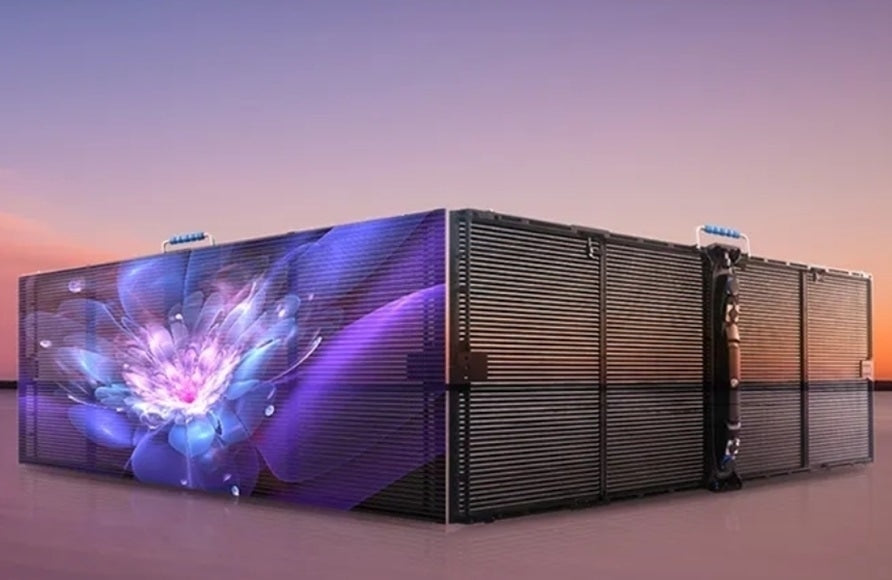
Transparent LCD manufacturing uses ultra-clear glass substrates (thickness 0.7mm), low-resistance ITO films (sheet resistance 80Ω/□), and high-transmittance liquid crystal as core materials. Charac...
Industrial-grade LCD testing: Environmental simulation includes operation at -40℃ to 85℃, IP67 protection, and 95% humidity without condensation; performance testing includes brightness of 500-1500...
Leave a comment
This site is protected by hCaptcha and the hCaptcha Privacy Policy and Terms of Service apply.