



Custom TFT Displays vs. Off-the-Shelf | Performance, Cost
Custom TFT displays win when the environment or the enclosure is fixed and no catalogue part fits; off-the-shelf modules win when volume is modest and the product lifecycle is short. Decide on three inputs: the worst ambient condition the screen must survive, the annual volume, and how long the product will stay in production. Everything else follows from those.
What customization actually changes
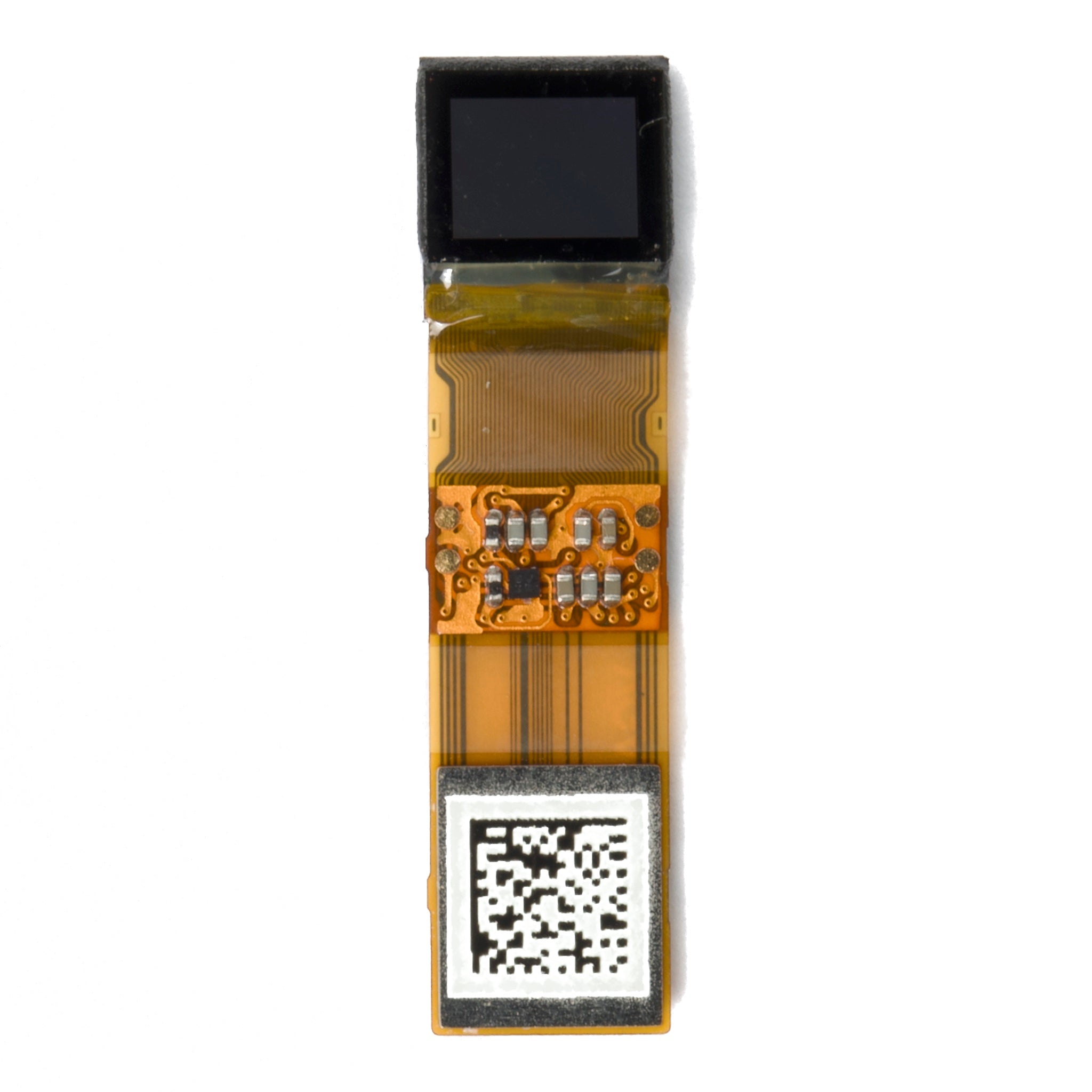
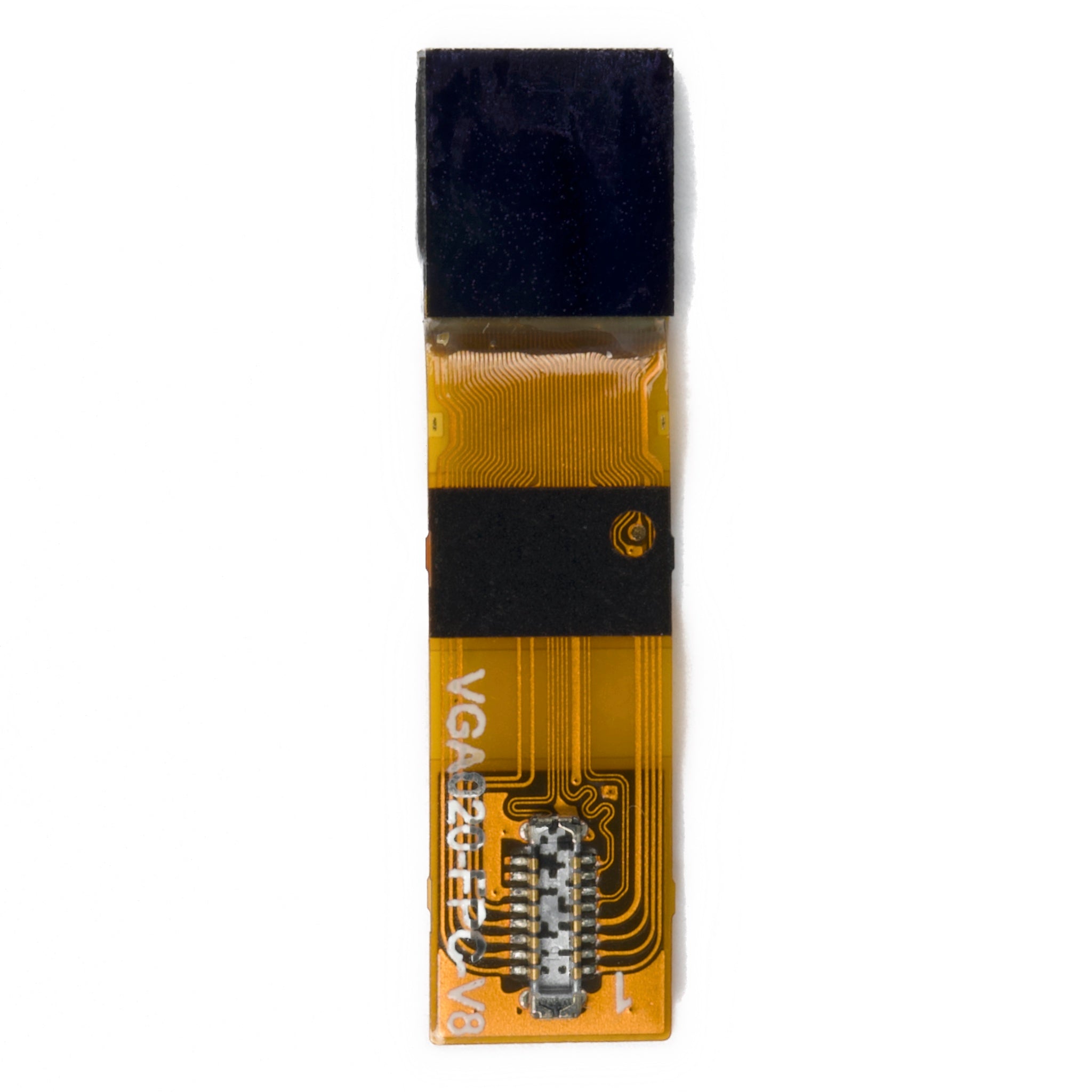
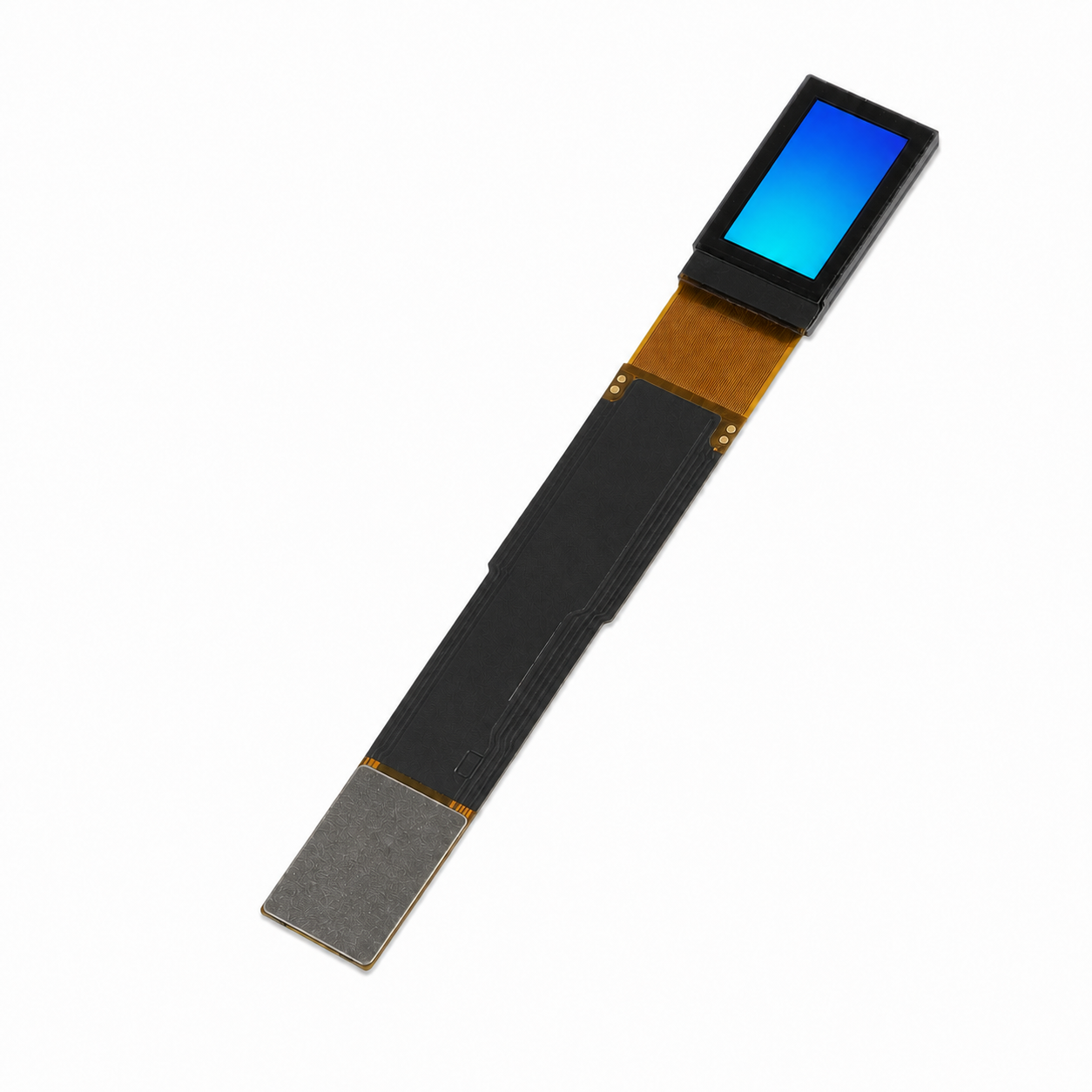
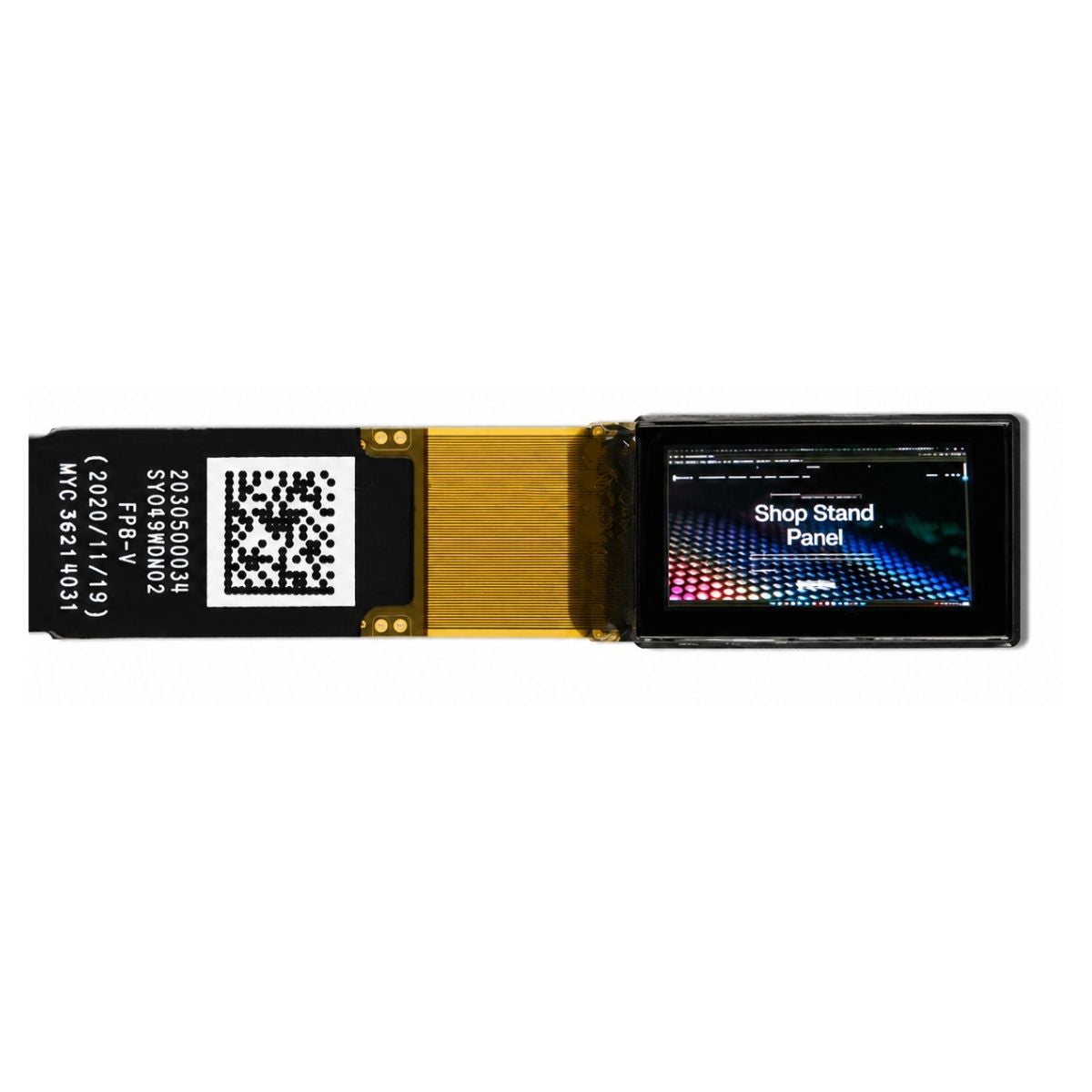
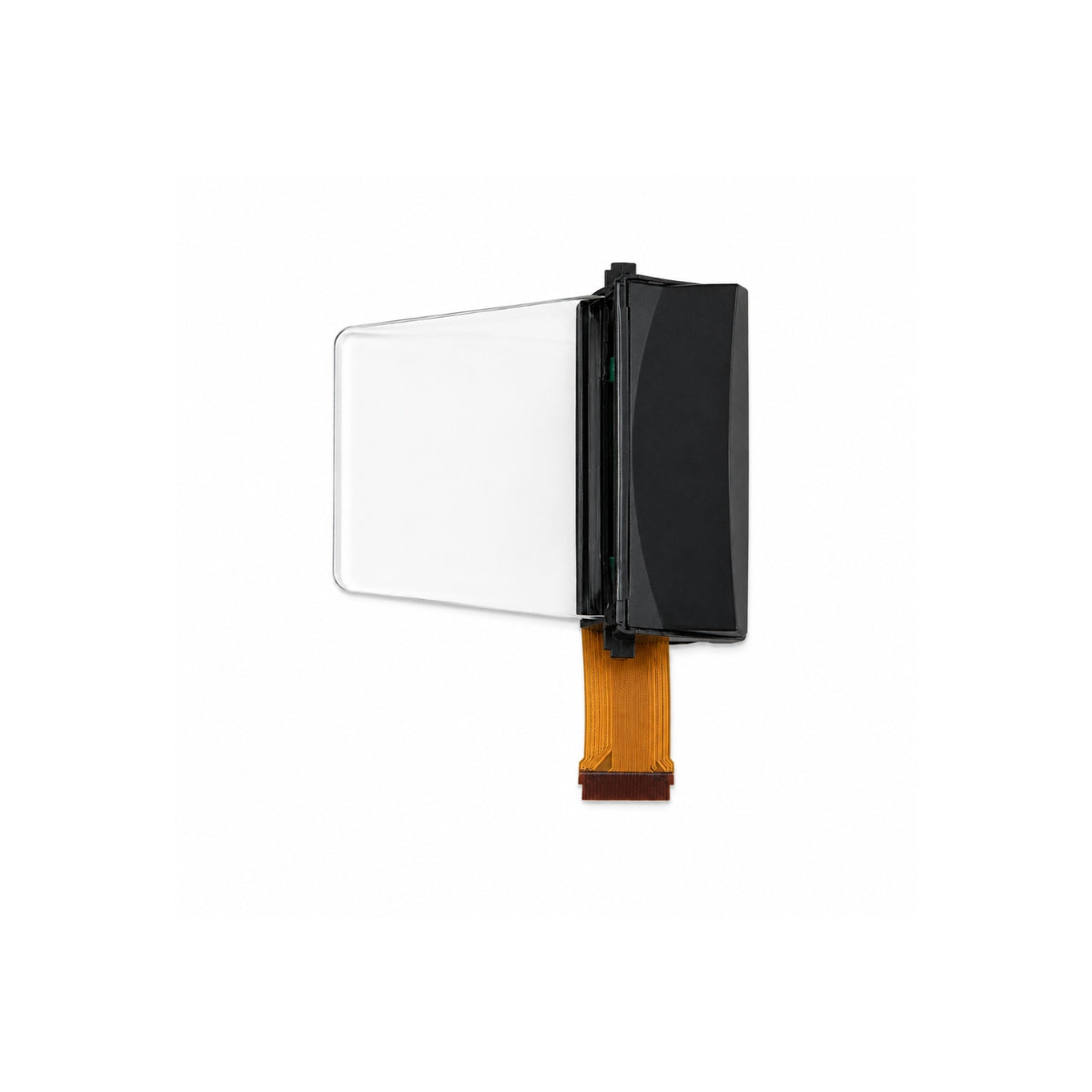
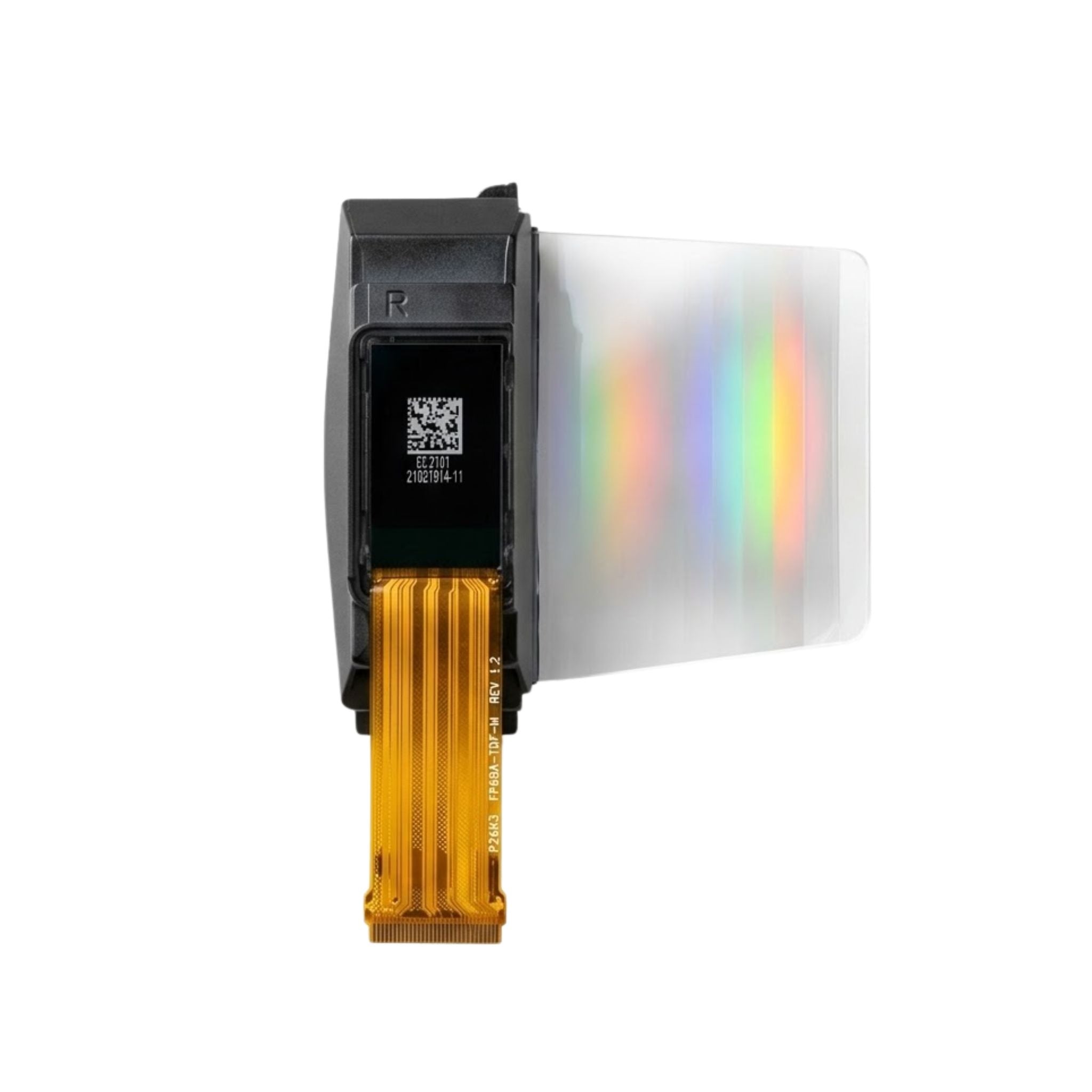
A custom program rarely means a new liquid crystal mode. It usually means the layers around a proven panel: a brighter backlight with a redesigned light guide, a different polariser grade, optical bonding to a cover glass, a flex tail with the connector where your housing needs it, a driver board with the interface your processor speaks, and initialisation code burned to match.
The two routes differ as supply relationships too: one ships from stock against a fixed datasheet, the other against a drawing you own.
Where catalogue parts stop working
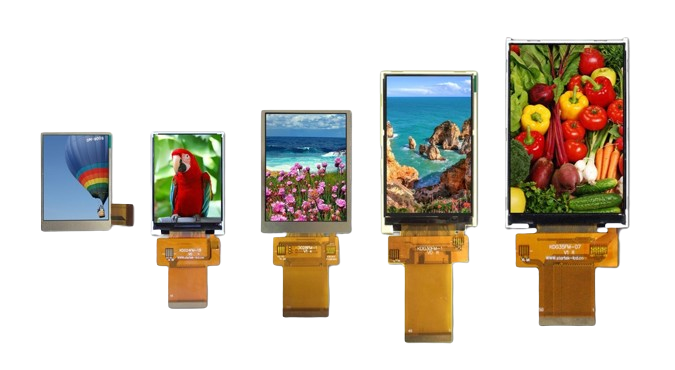
Standard modules are built for indoor consumer use: brightness set for office lighting, temperature range set for a room, outline set for a bezel someone else designed. Four situations break that assumption.
Sunlight comes first. A transmissive display in bright ambient light loses contrast because reflected ambient light adds to both the white and the black state, and no amount of backlight brightness recovers contrast that the front surface reflection has already destroyed. The second is temperature: below the rated range the liquid crystal mixture becomes viscous and response slows noticeably, and above it the polariser and the backlight materials age faster.
The third is geometry. If the product is a handheld instrument with a sealed front, the display, the touch layer and the cover glass have to be one bonded stack with a defined overall thickness. The fourth is lifecycle: a consumer panel that will be discontinued in a couple of years is a poor foundation for a product with a decade-long service obligation.
Brightness is a thermal problem
Raising brightness is often described as a backlight upgrade. In practice it is a heat problem with an optical solution. More LED chips, or higher drive current, raise the luminous output and the waste heat together, and the extra heat has to leave through the same mechanical interface as before.
High-brightness designs therefore add metal backing, thicker thermal paths, and in outdoor products a bonded stack that conducts heat through the front. They also draw more power, which matters in a battery-powered instrument.
Optical bonding and readability
An unbonded assembly has two glass-to-air interfaces above the panel: the inside of the cover glass and the front polariser. Each reflects several percent of the ambient light, and those reflections sit in front of the image. Filling the gap with an adhesive whose refractive index is close to that of glass removes both interfaces. Contrast under bright light improves because the reflected component drops, not because the panel changed.
Bonding also changes the mechanical behaviour. The adhesive couples the cover glass to the panel, so impact energy spreads over a larger area instead of concentrating at the touch layer, and the stack becomes stiffer. The cost is process yield and rework: a failed lamination usually scraps both parts, and the equipment is not something a small assembly house can improvise.

What the engineering charge pays for
The non-recurring engineering charge is not a markup. It pays for specific work: optical and mechanical design of the backlight, a new light guide tool, the flex and driver board layout, firmware for the initialisation sequence, engineering samples across several build rounds, and the test fixtures.
Ask for the charge broken into those lines, because a single total hides which parts are reusable if the design changes and which you pay for again on every revision.
Unit price is not total cost
A catalogue module with a lower unit price can cost more in total. If its logic rail differs from yours, you add a level shifter. If its connector sits on the wrong edge, you add a jumper flex. If its brightness is marginal, you add a light sensor and firmware. If its dimensions force a housing change, you have just paid for tooling anyway.
Add the engineering hours to bring up an unfamiliar driver, and the certification re-test if the display change touches an EMC or safety submission.
The break-even calculation
The arithmetic is simple enough to do before the first meeting. Divide the total engineering charge by the number of units you expect to build over the product's life; that is the engineering cost carried by each unit. Add it to the custom unit price and compare the result with the catalogue part plus its adaptation cost.
If the engineering charge is fifty thousand dollars and the lifetime build is a hundred and fifty thousand units, the engineering adds about a third of a dollar per unit — small next to a brighter backlight. At fifteen thousand units the same charge adds more than three dollars per unit, and the case for customization has to rest on something other than unit economics.
The honest threshold is a range, not a number. Below roughly ten thousand units a year, customization is usually justified only by a hard requirement: sunlight readability, an extreme temperature, a sealed front, or a shape no catalogue part provides.
Supply continuity
Catalogue parts disappear. Manufacturers issue a product change notification or an end-of-life notice, and the buyer has a window to place a last-time buy or qualify a replacement. Both options cost money: a last-time buy ties up cash and shelf space, and a replacement means a new mechanical fit, a new initialisation sequence and a fresh round of verification.
Custom programs are not immune, because the panel inside the custom stack is still somebody's catalogue product. What changes is that you usually know the panel's roadmap earlier, and the supplier has a reason to keep the line running. Ask for that commitment in writing.
Evidence to demand from a supplier
Certificates are a starting point, not proof. An ISO 9001 certificate describes a quality system; it does not describe the yield on your particular stack. Ask instead for the actual test report for the conditions you specified: the temperature cycling profile and the number of cycles, the damp heat duration, the drop height, the vibration spectrum. Ask how many units were tested and what failed.
For medical or automotive end products, the relevant system standards — ISO 13485 or IATF 16949 — indicate that the supplier is audited on traceability and change control, which is what protects you when a material substitution is proposed two years into production. For general industrial use, a long-life industrial display module from a supplier that publishes its change-notification policy is often enough.
A decision sequence
Start with the environment: if the product must be readable in sunlight, survive sub-zero storage, or fit a sealed front, go custom and budget for bonding. Then check volume against break-even. Then check lifecycle: a five-year product can live on a catalogue part with a second source identified; a fifteen-year product cannot.
If the answer is off-the-shelf, choose a standard TFT module from a family with documented longevity, and design the housing around the module rather than the reverse. If the answer is custom, treat the drawing as a controlled document from day one, because every later change is billed.
Whichever route you take, specify luminance and contrast together with the measurement conditions used to obtain them, so that two quotations can be compared at all[1]. Panel technology has improved steadily on both routes, and the gap between a good catalogue module and a modest custom one is narrower than the marketing suggests[2].
Bottom line
Custom buys fit, not performance by default. Use it when the environment or the enclosure leaves no choice, and when lifetime volume can absorb the engineering charge. Otherwise a catalogue module with a well-designed housing is the cheaper and faster answer.
References
- ISO 9241-307:2008 — Ergonomics of human-system interaction — Part 307: Analysis and compliance test methods for electronic visual displays. International Organization for Standardization. https://www.iso.org/standard/40102.html
- Hilsum, C. (2010). Flat-panel electronic displays: a triumph of physics, chemistry and engineering. Philosophical Transactions of the Royal Society A, 368(1914), 1027–1082. https://doi.org/10.1098/rsta.2009.0247
Read more
IPS modules extend lifespan via aluminum heatsinks + thermal paste (core ≤45°C, below 50°C industry max) cutting thermal stress, and 12V±0.6V supply.
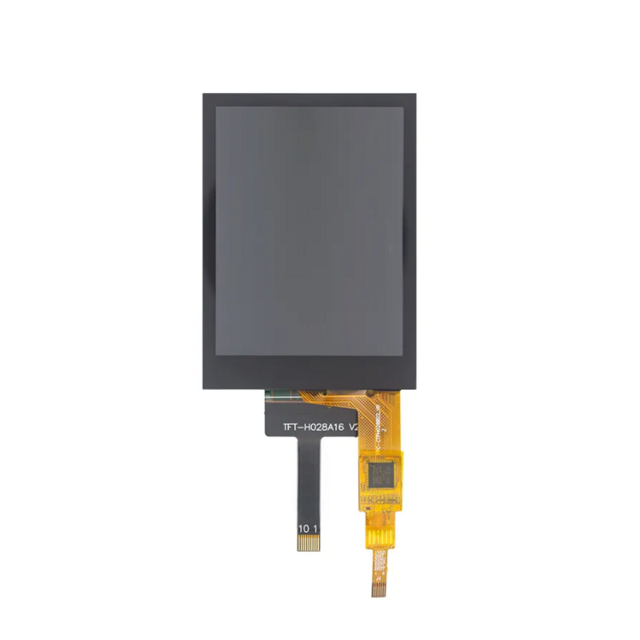
Selecting a TFT module must closely align with specifications and interfaces. Resolution (e.g., 800x480) and brightness (starting at 500 nits) are.
Leave a comment
This site is protected by hCaptcha and the hCaptcha Privacy Policy and Terms of Service apply.