

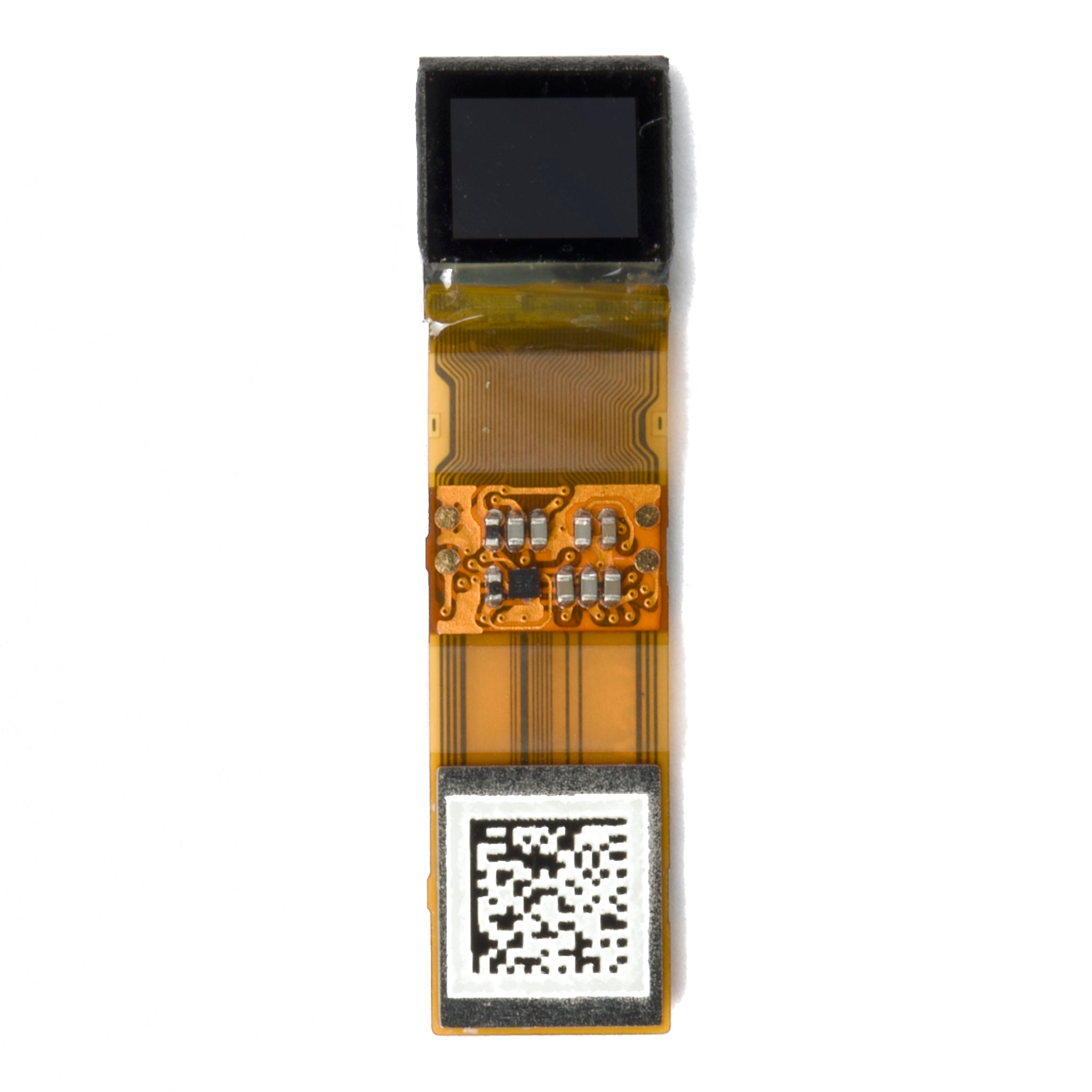
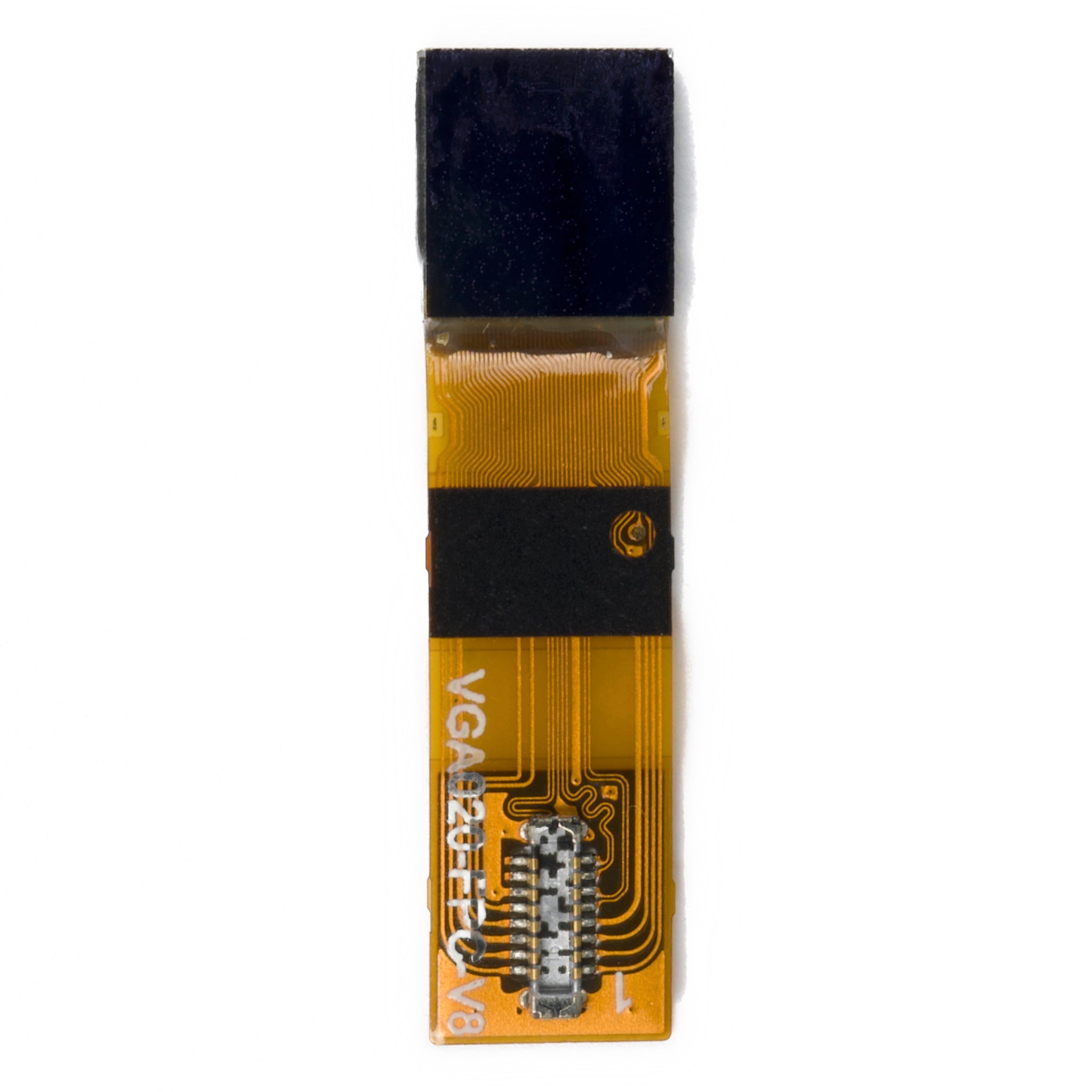
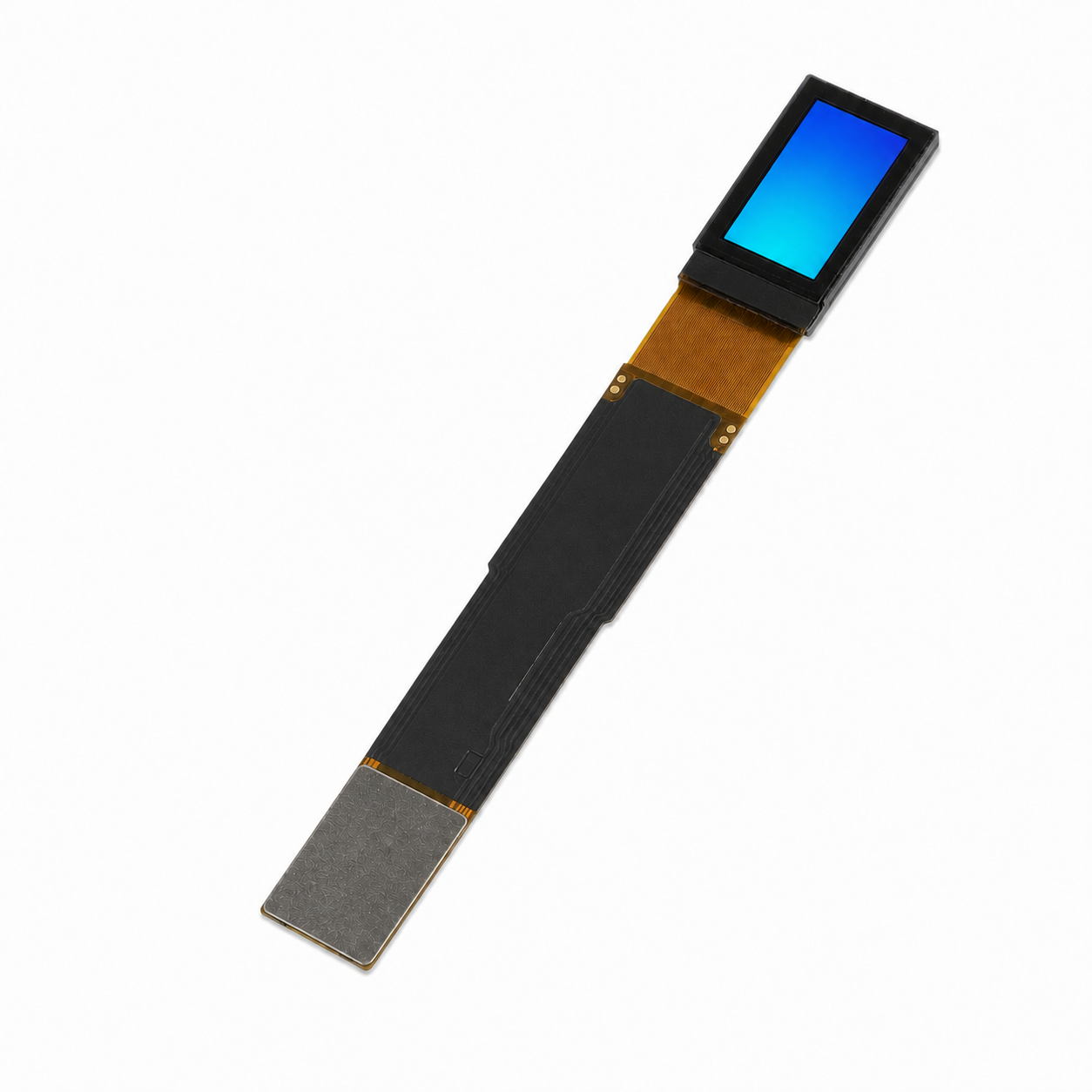
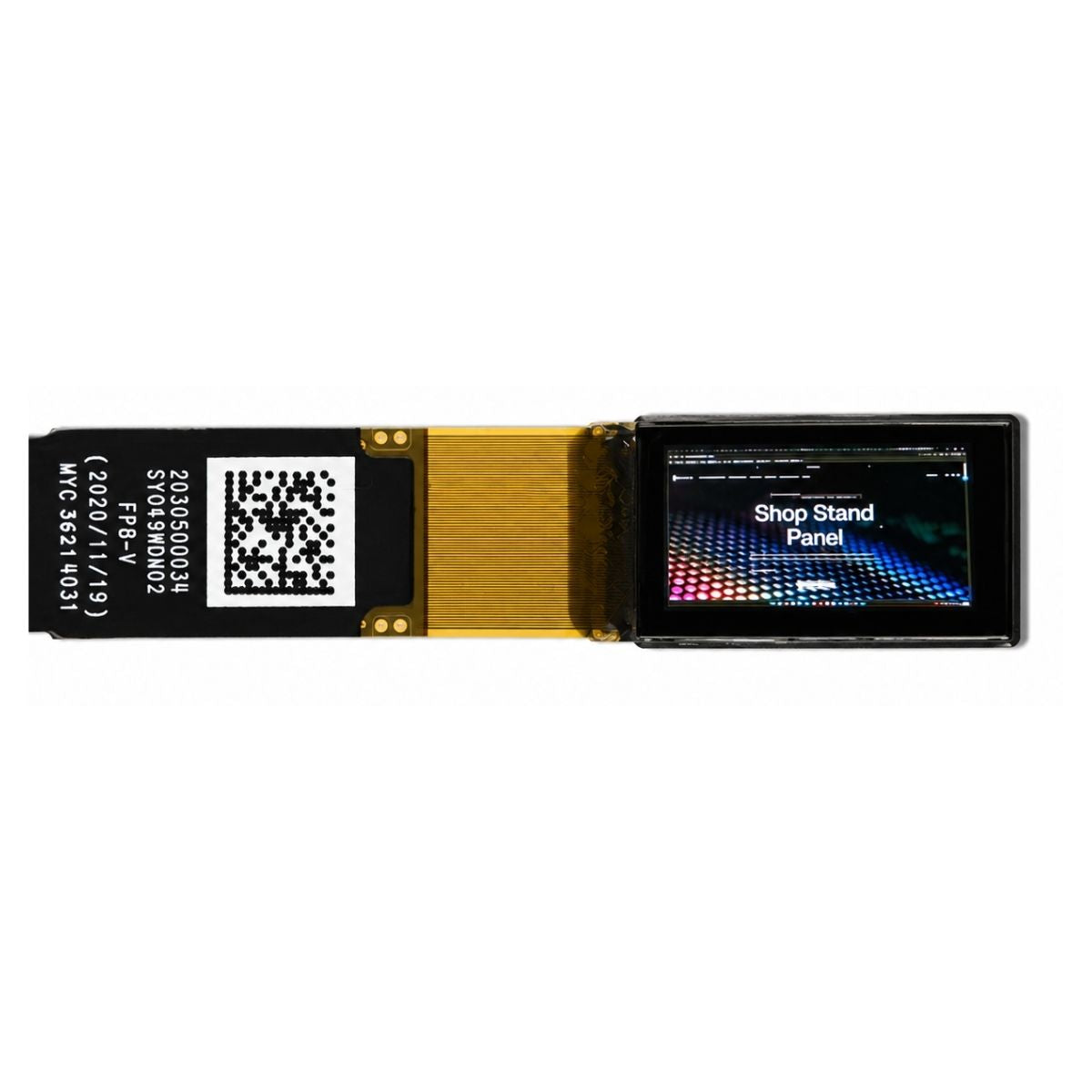
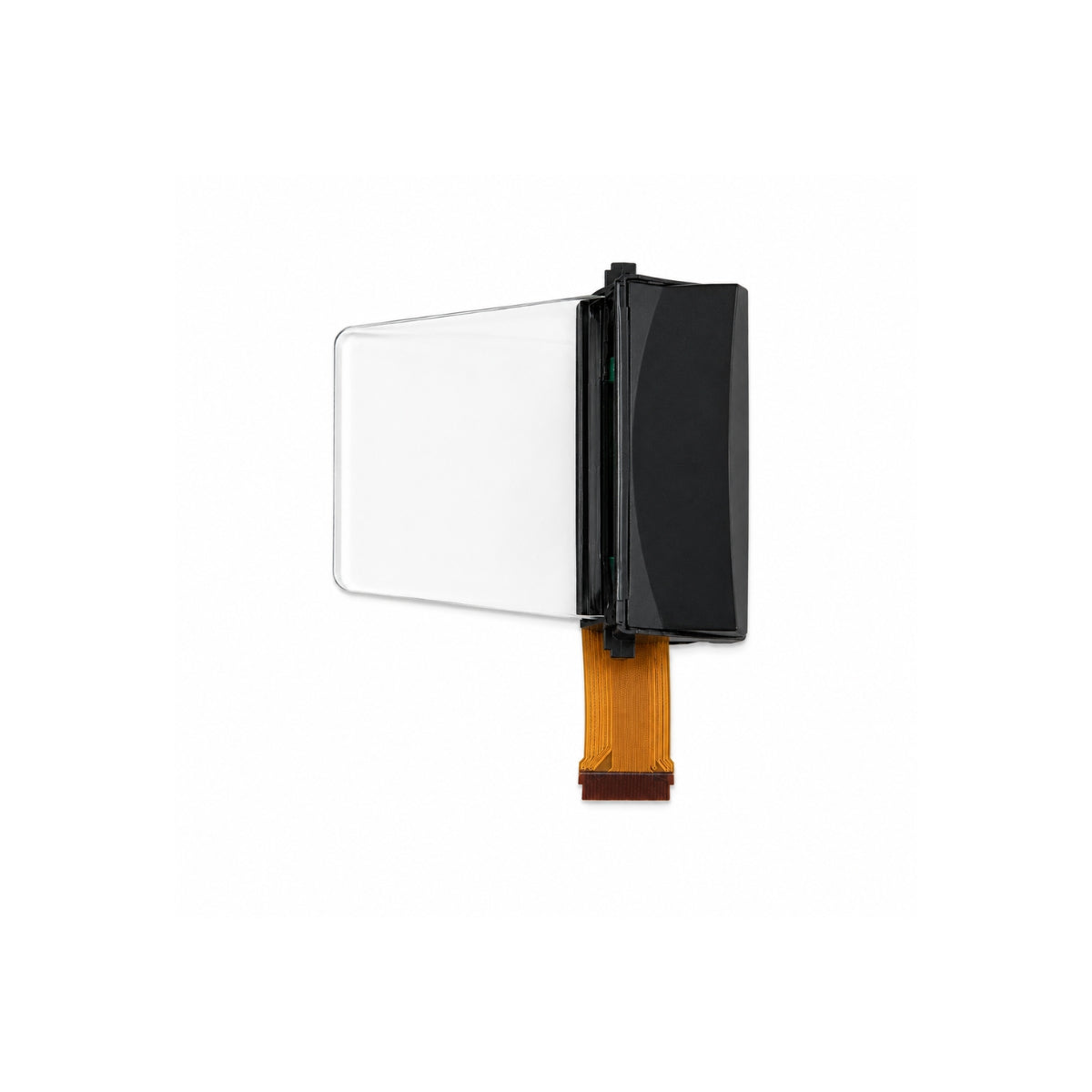
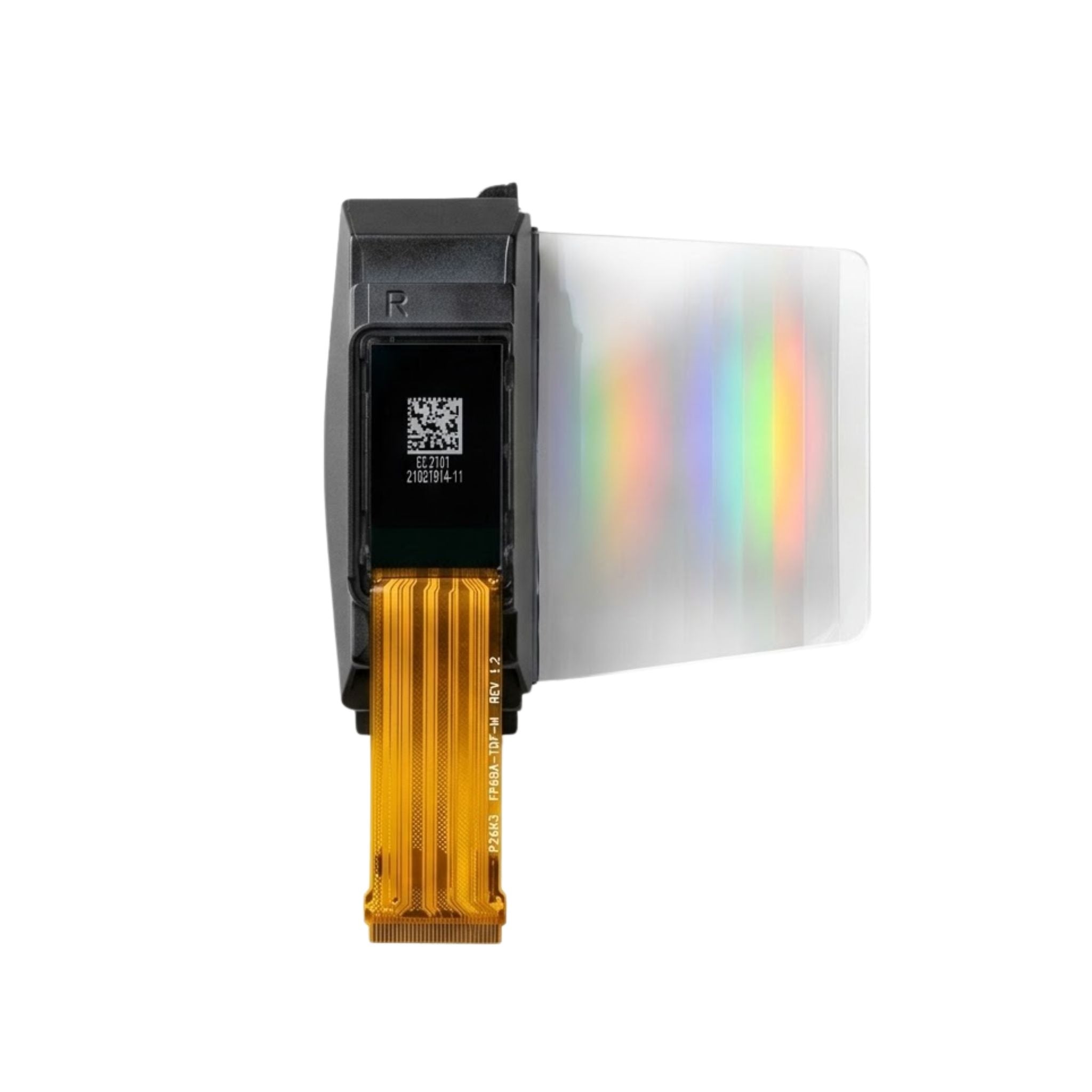


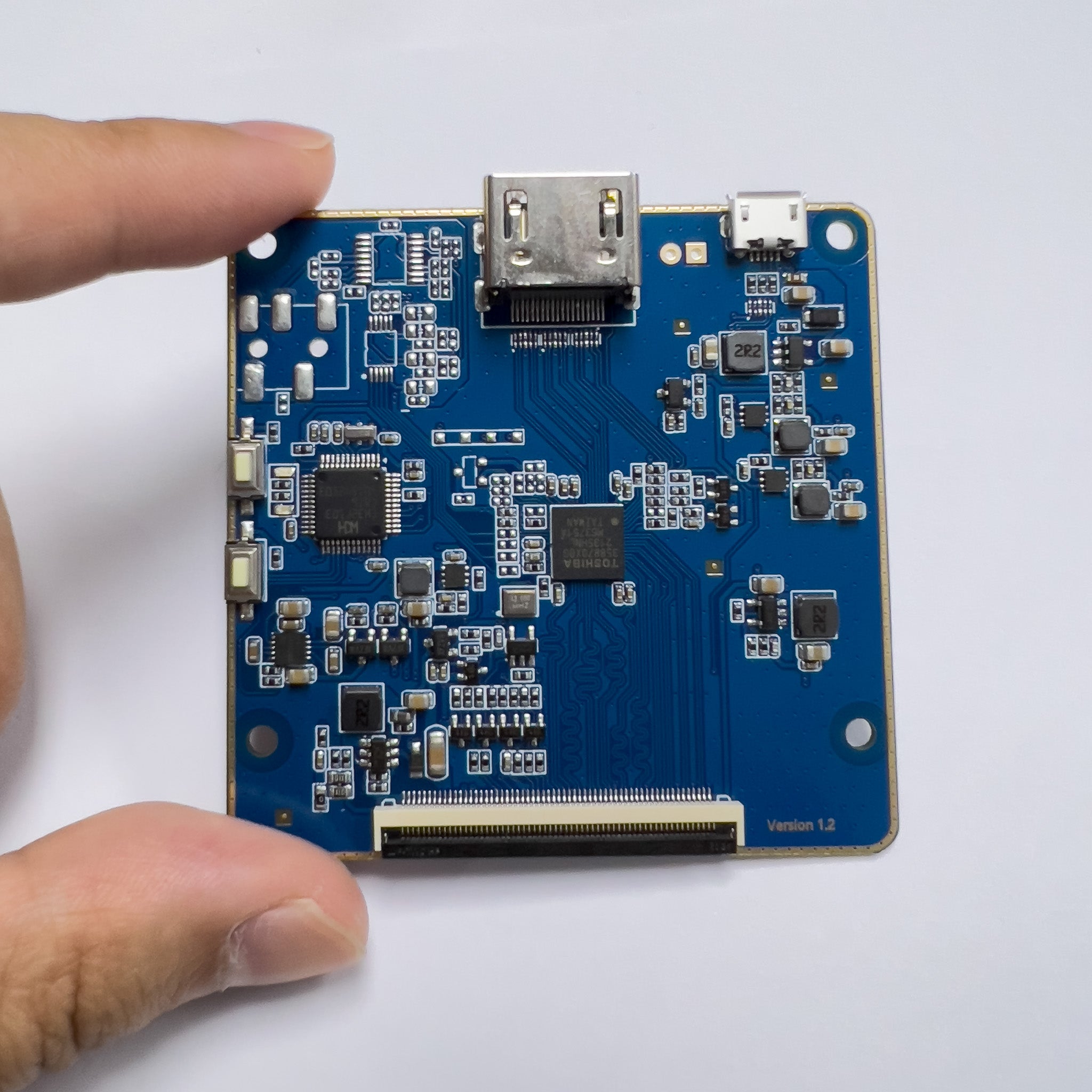
HDMI (High-Definition Multimedia Interface) and MIPI (Mobile Industry Processor Interface) are two distinct video interface standards. HDMI to MIPI adapters are designed to convert signals between ...
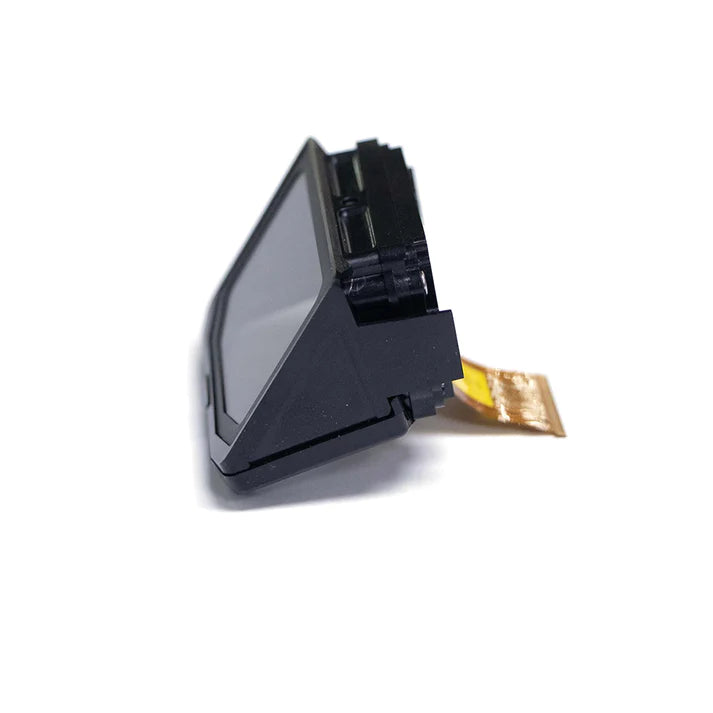
In recent years, Augmented Reality (AR) and Virtual Reality (VR) devices have made significant technological advancements, attracting more and more users. To provide better visual experiences, many...

Virtual Reality (VR) technology is becoming increasingly popular, promising immersive experiences for users. However, many VR devices are affected by a visual phenomenon known as the "screen door e...
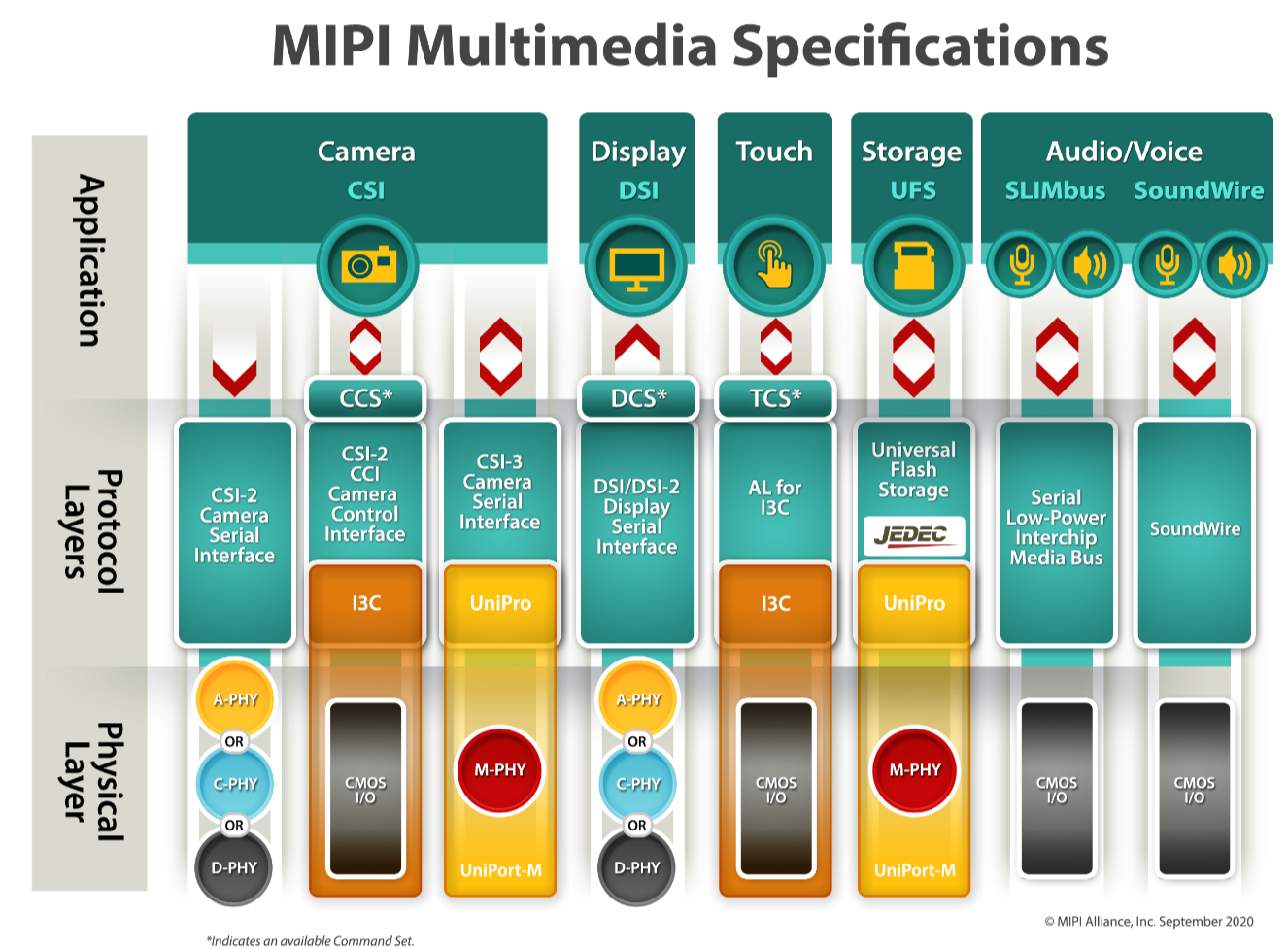
Introduction MIPI : Mobile Industry Processor Interface.MIPI Alliance was founded in 2003 by ARM, Nokia, ST,TI etc., including Phone manufacturers, semiconductor manufacturers, software manufacture...

The Birdbath optical solution is widely used in AR glasses due to its low cost and high-quality imaging. In this article, we explore the structure of the BB optical scheme to understand why it is ...

FOV of the human eye FOV stands for "field of view." It's a term used to describe how much of a scene or environment a person can see without moving their head or eyes. Imagine you're standing in ...
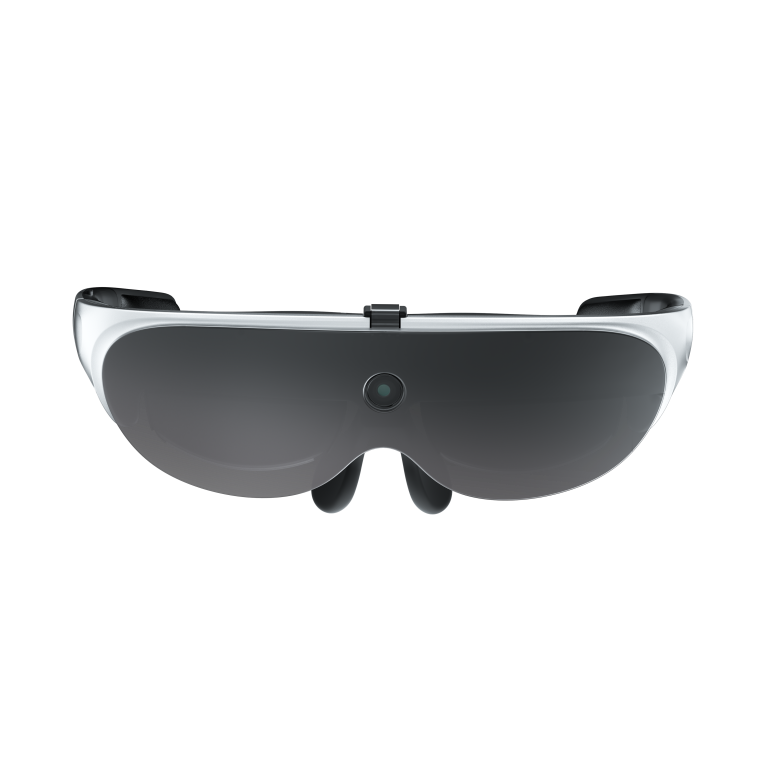
LCoS + Prism Features: Cheap, small in size, small field of view, cannot be made into glasses due to obstructed line of sight. Products: Google Glass, Vuzix M300. Micro OLED + Freeform or Birdbat...
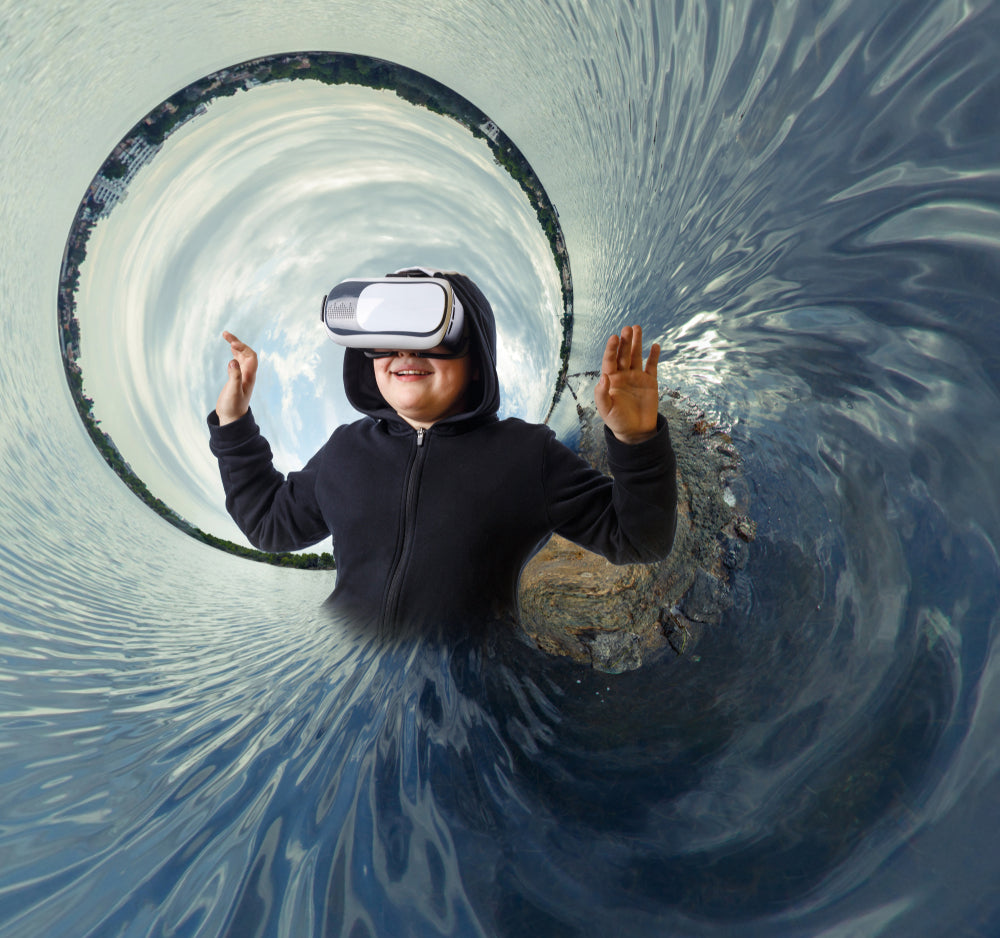
VR devices can provide an unprecedentedly realistic visual experience, but they also demand higher comfort requirements. This is because the VR headset covers the entire visual range of the human e...
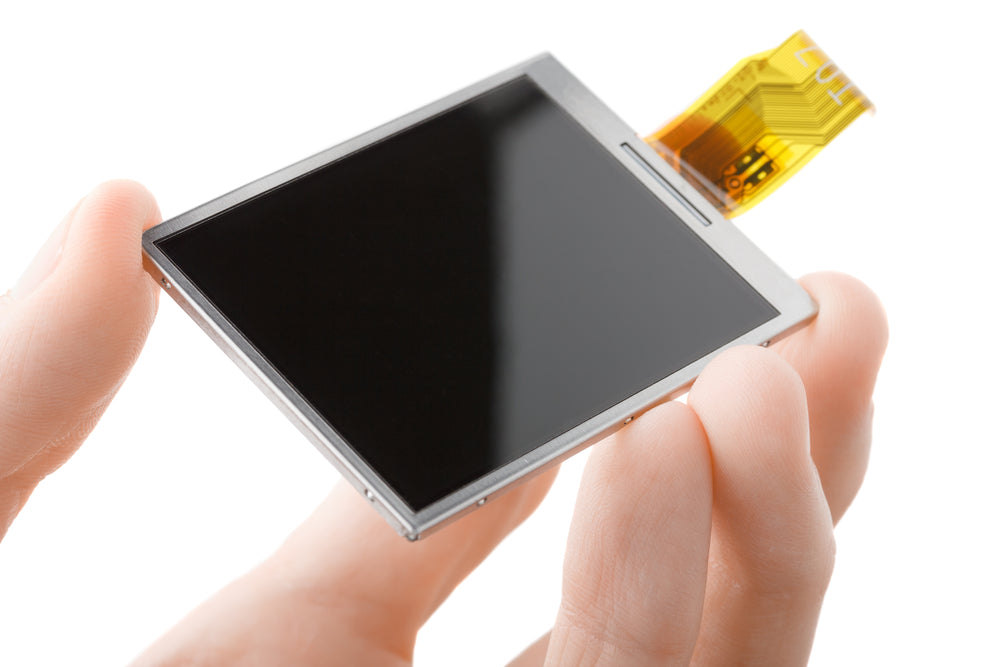
OLED technology is a type of organic light-emitting diode technology that works by applying an electric field to cause organic light-emitting materials to emit light between electrodes. An OLED dis...