

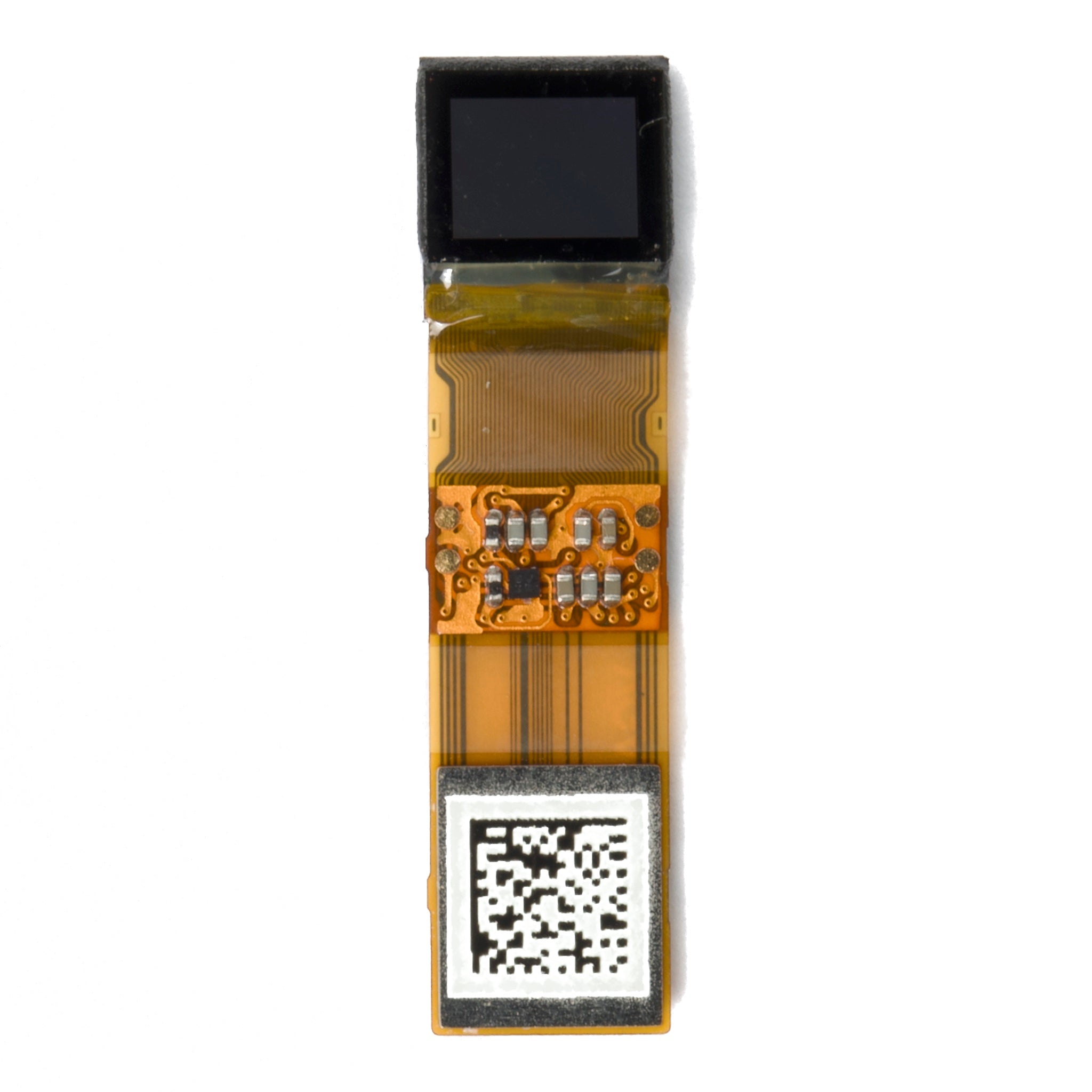
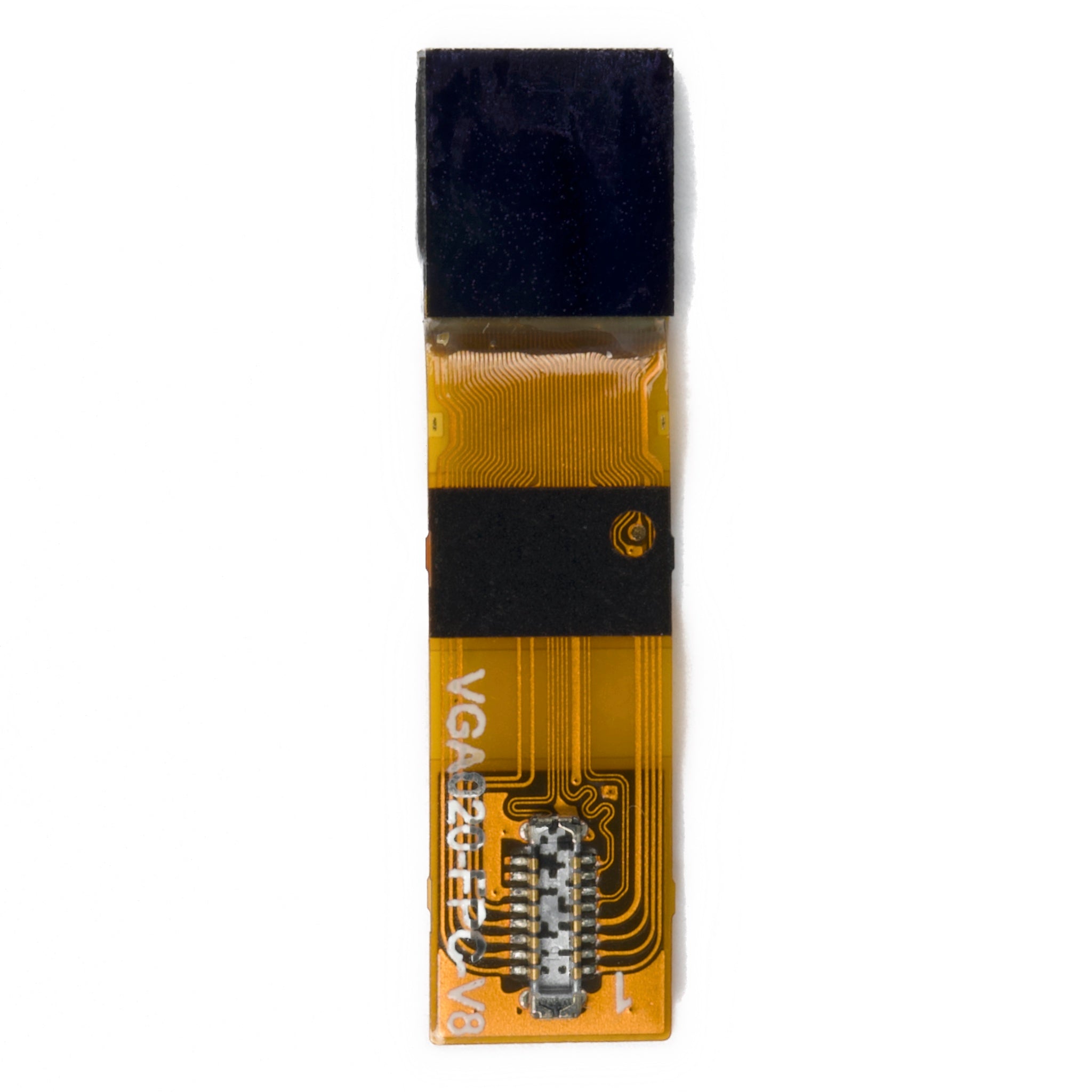
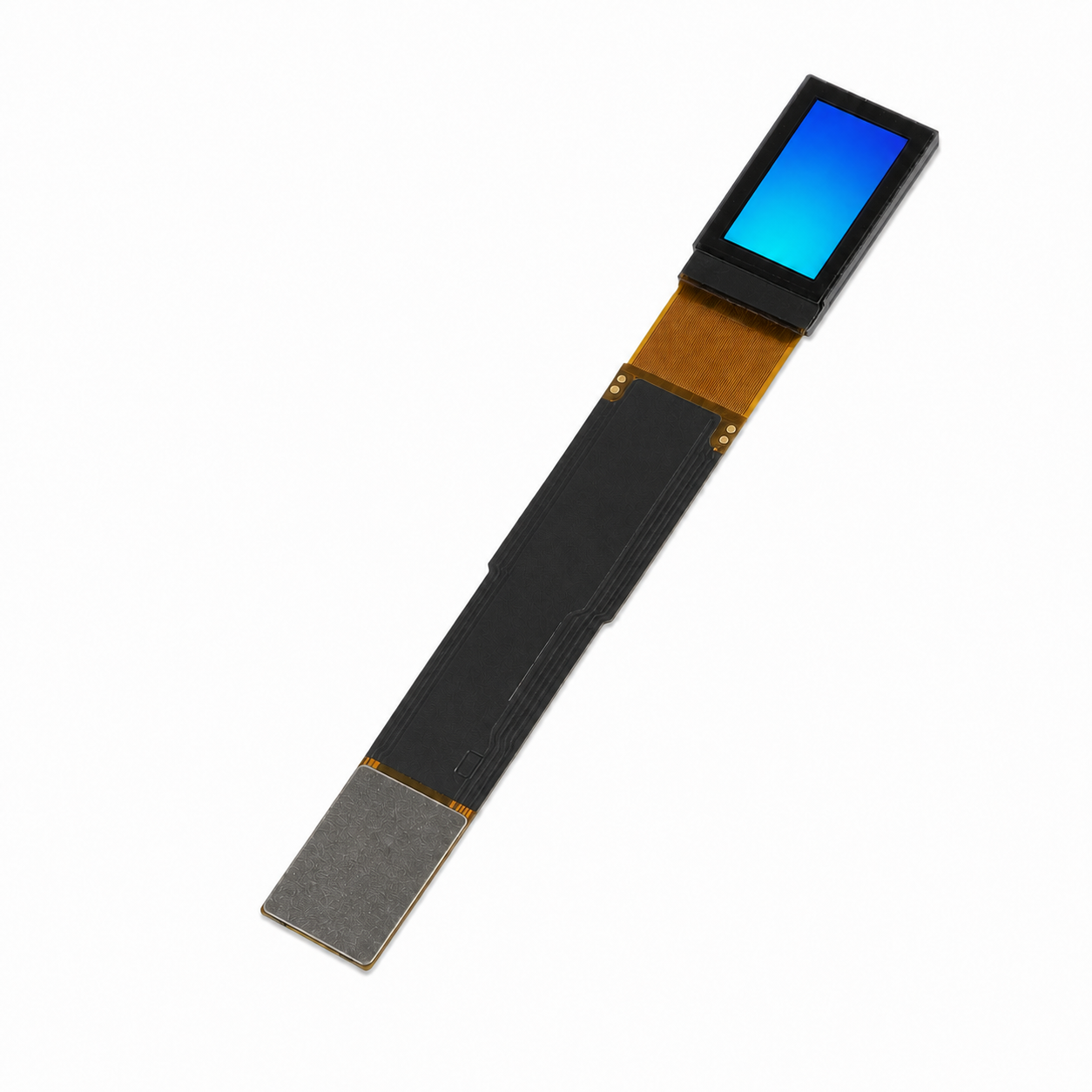
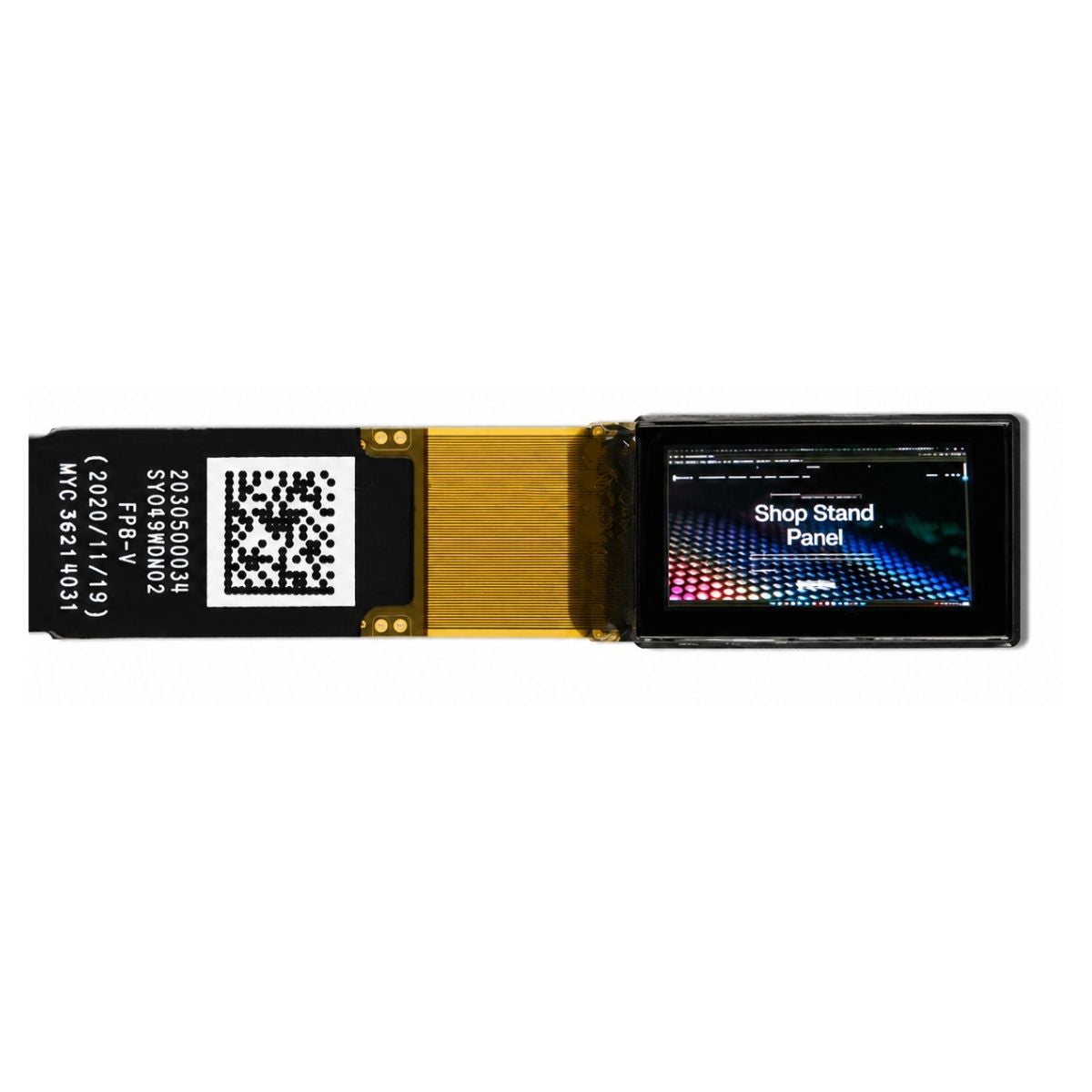
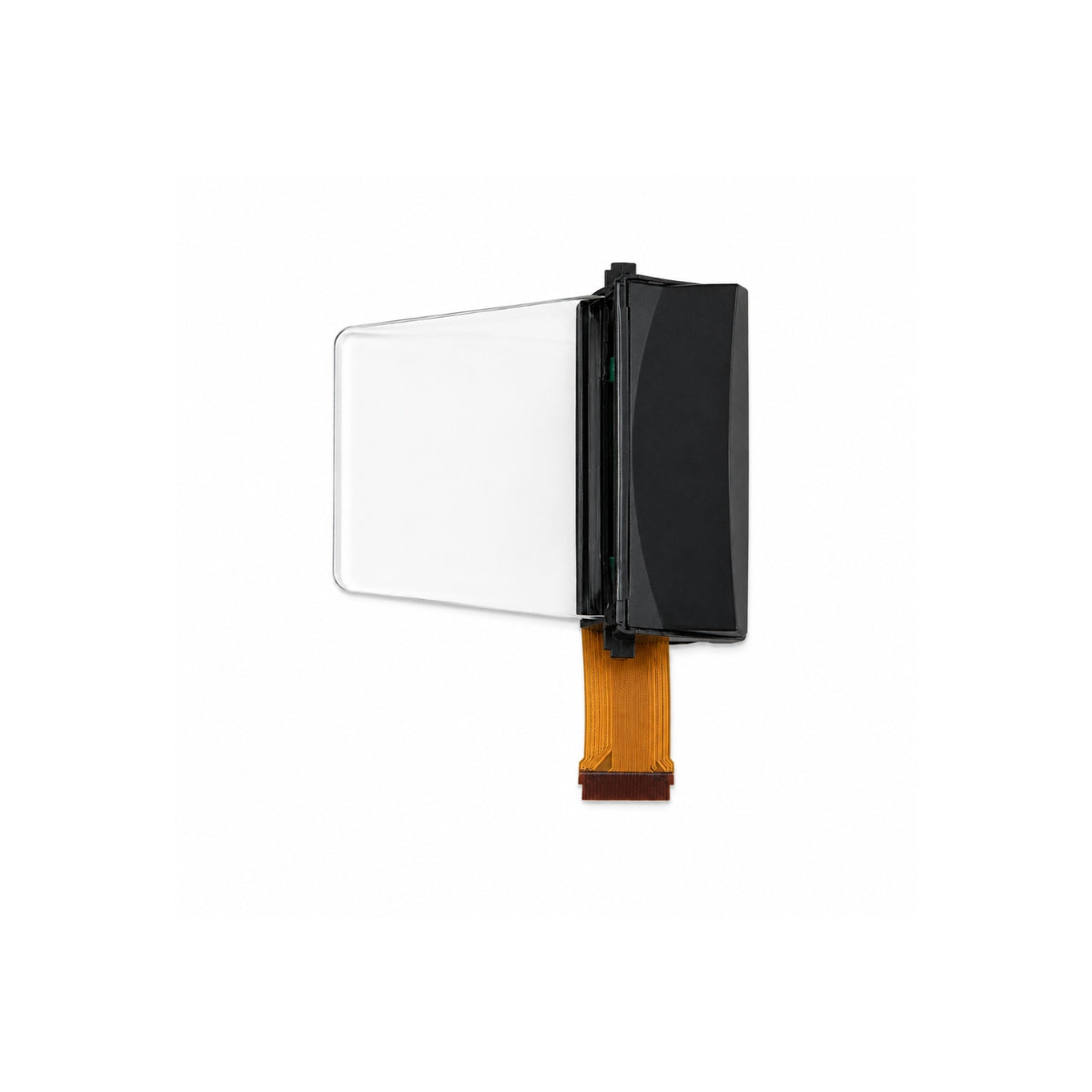
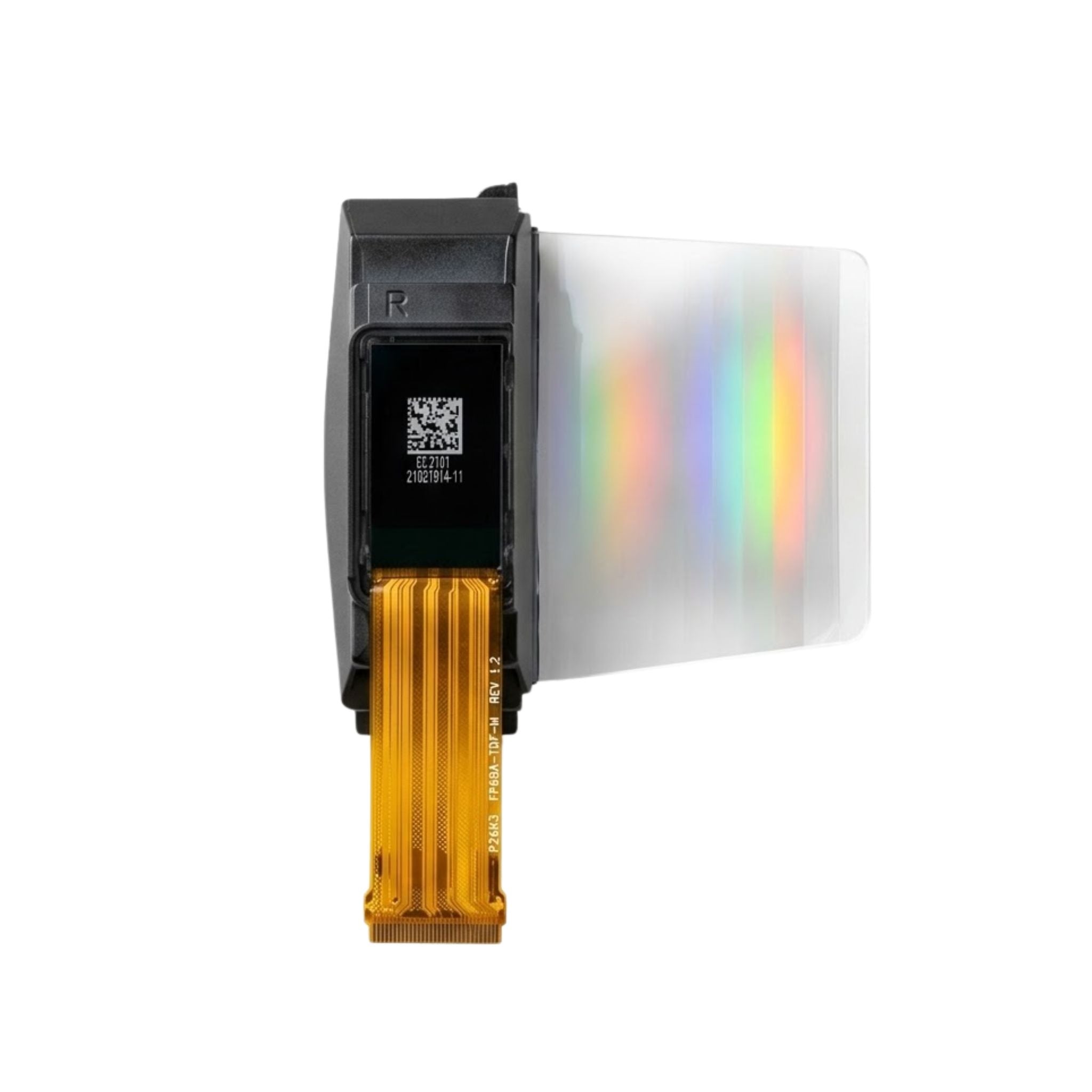


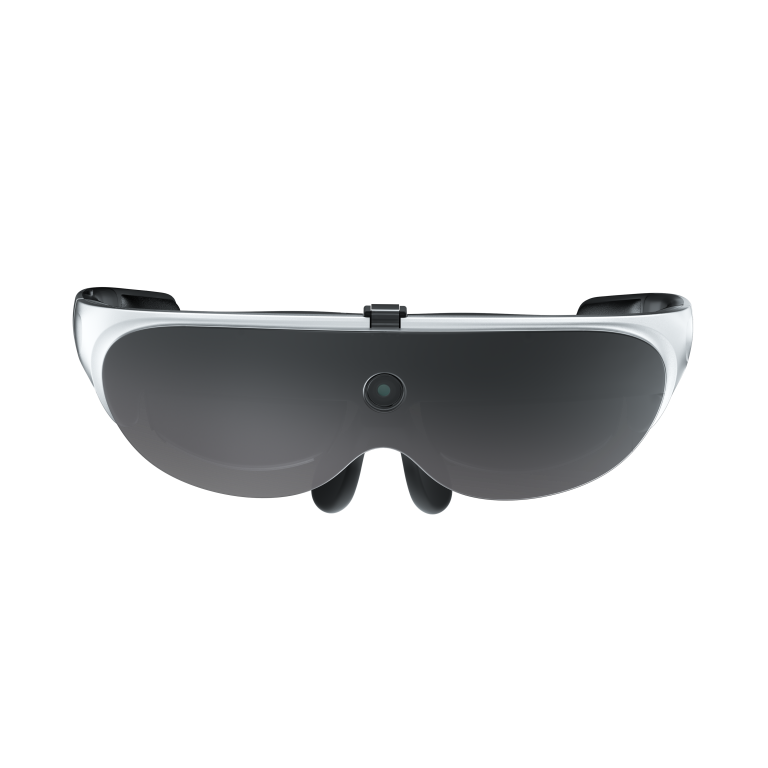
LCoS + Prism Features: Cheap, small in size, small field of view, cannot be made into glasses due to obstructed line of sight. Products: Google Glass.
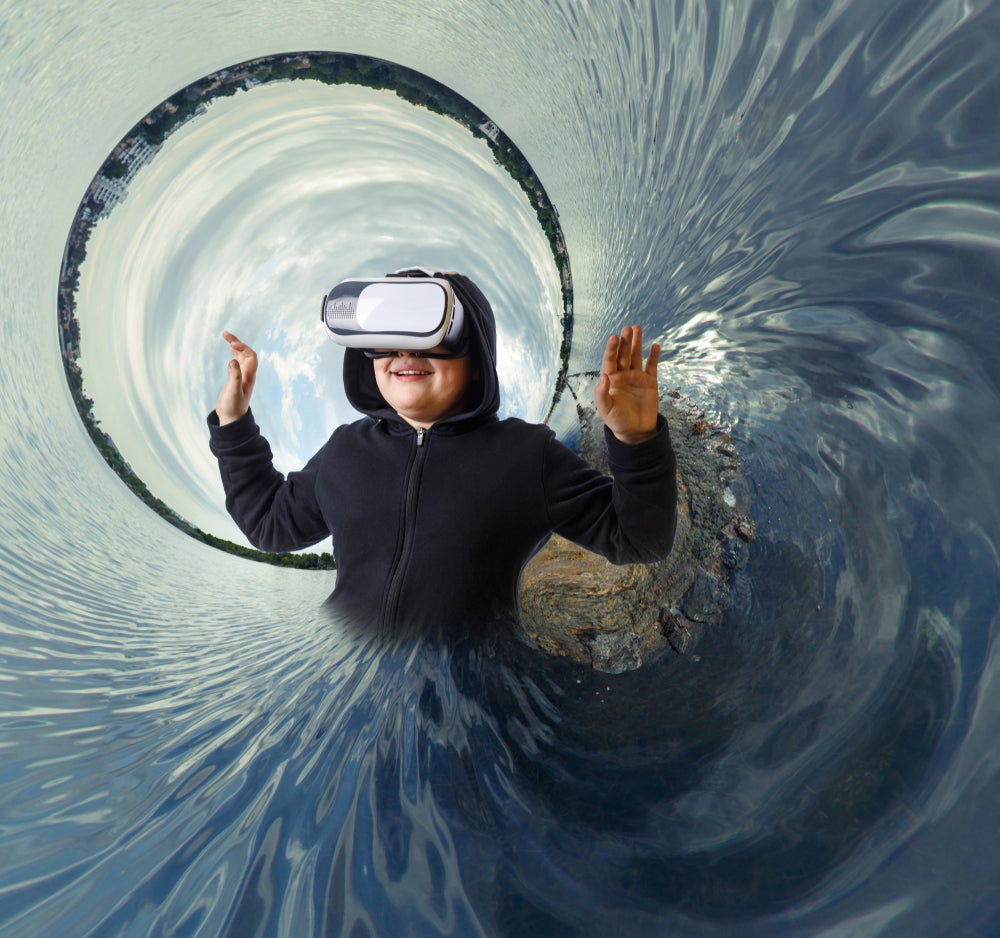
VR devices can provide an unprecedentedly realistic visual experience, but they also demand higher comfort requirements. This is because the VR headset.
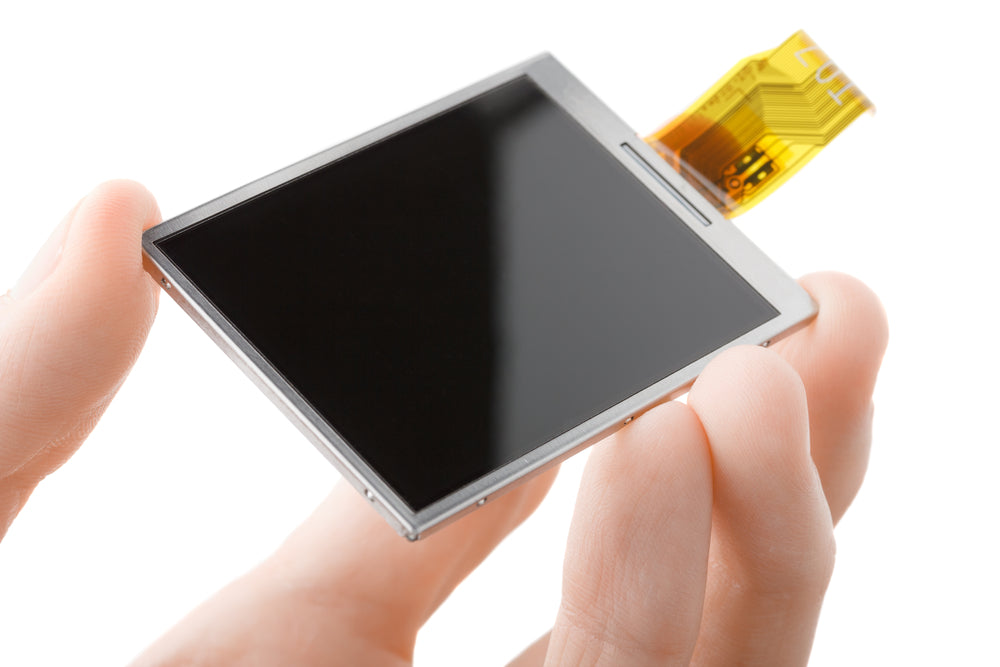
OLED technology is a type of organic light-emitting diode technology that works by applying an electric field to cause organic light-emitting materials to.

Fast-LCD thrives in VR for its 90-120Hz refresh rates, ≤1ms response cutting motion blur, and zero burn-in risk vs OLED. Cost-effective, it pairs well.

AR and VR are two distinct technologies used in the realm of digital experiences. AR stands for Augmented Reality, while VR stands for Virtual Reality.

Augmented reality (AR) is a rapidly developing technology that is changing the way we interact with the world around us. AR applications overlay virtual.

AR glasses generate stereoscopic depth using dual micro-displays (e.g., 500+ PPI OLEDs) projecting slightly offset images—2-5mm horizontal disparity per.
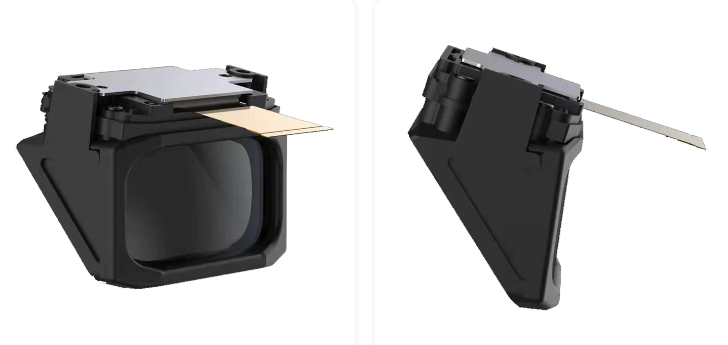
Augmented Reality (AR) systems use various optical solutions to overlay digital information on the real world. The industry adopts prism scheme, off-axis.

What is free surface? A freeform surface is a surface that does not have a simple mathematical formula or a regular geometric shape, such as a sphere or a.