

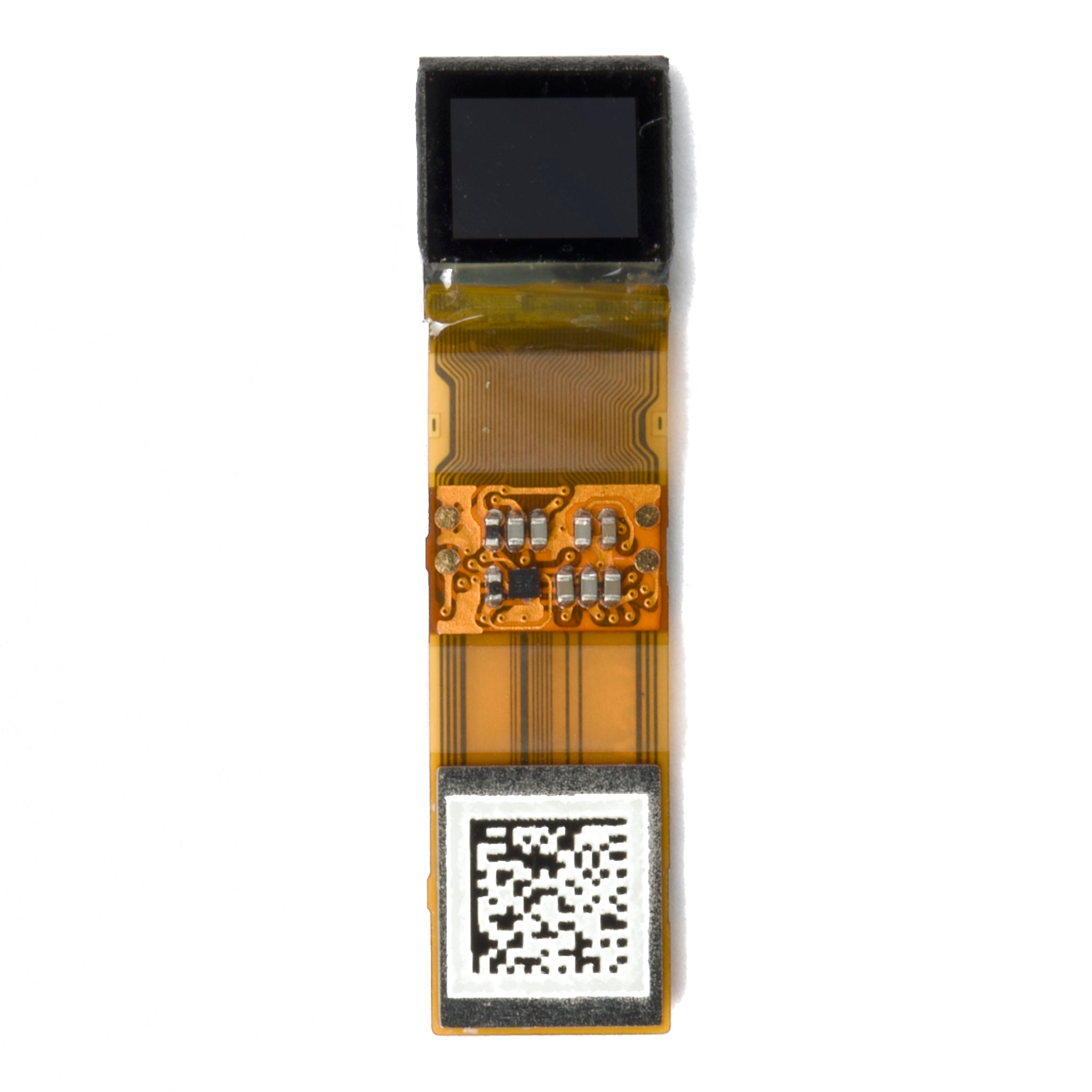
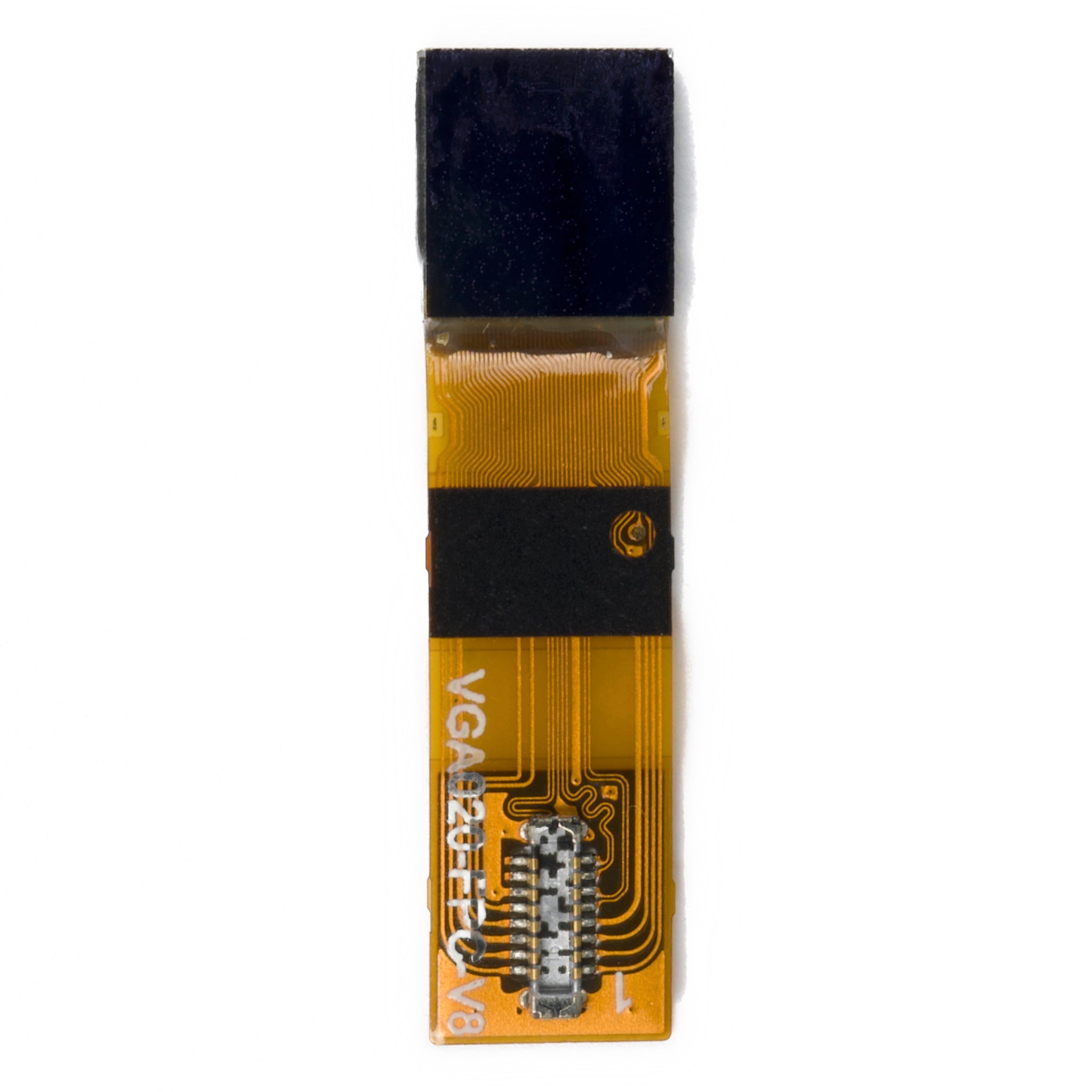
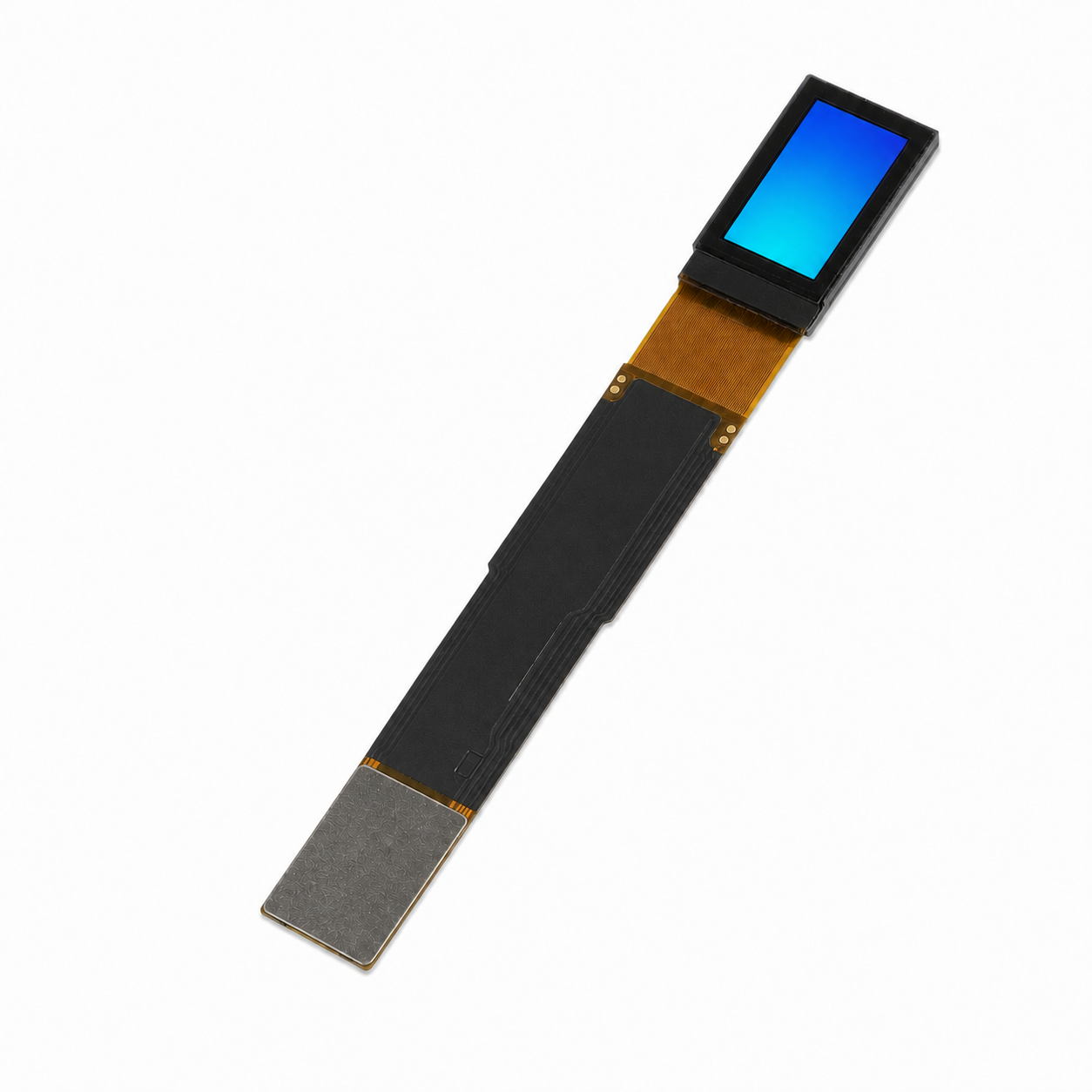
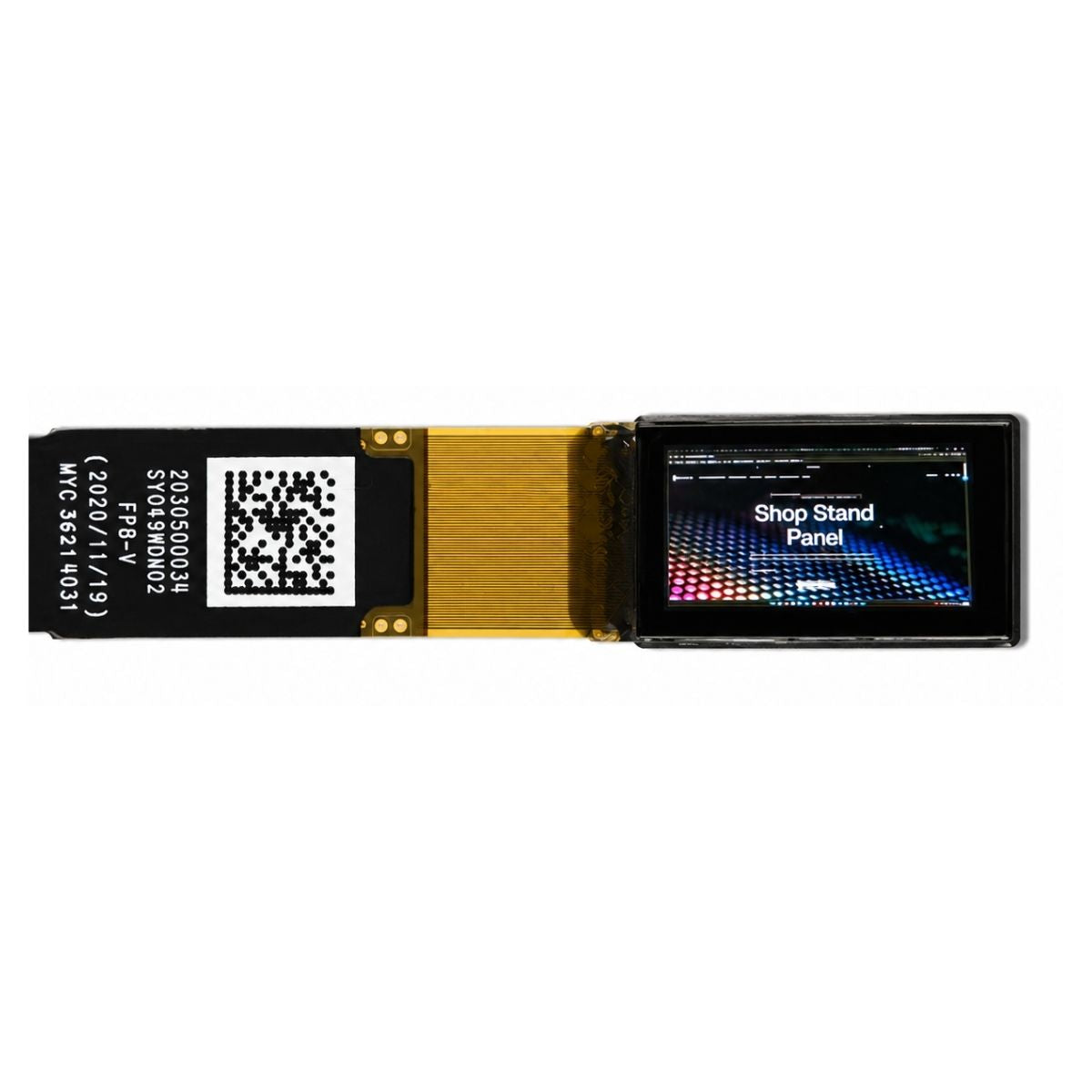
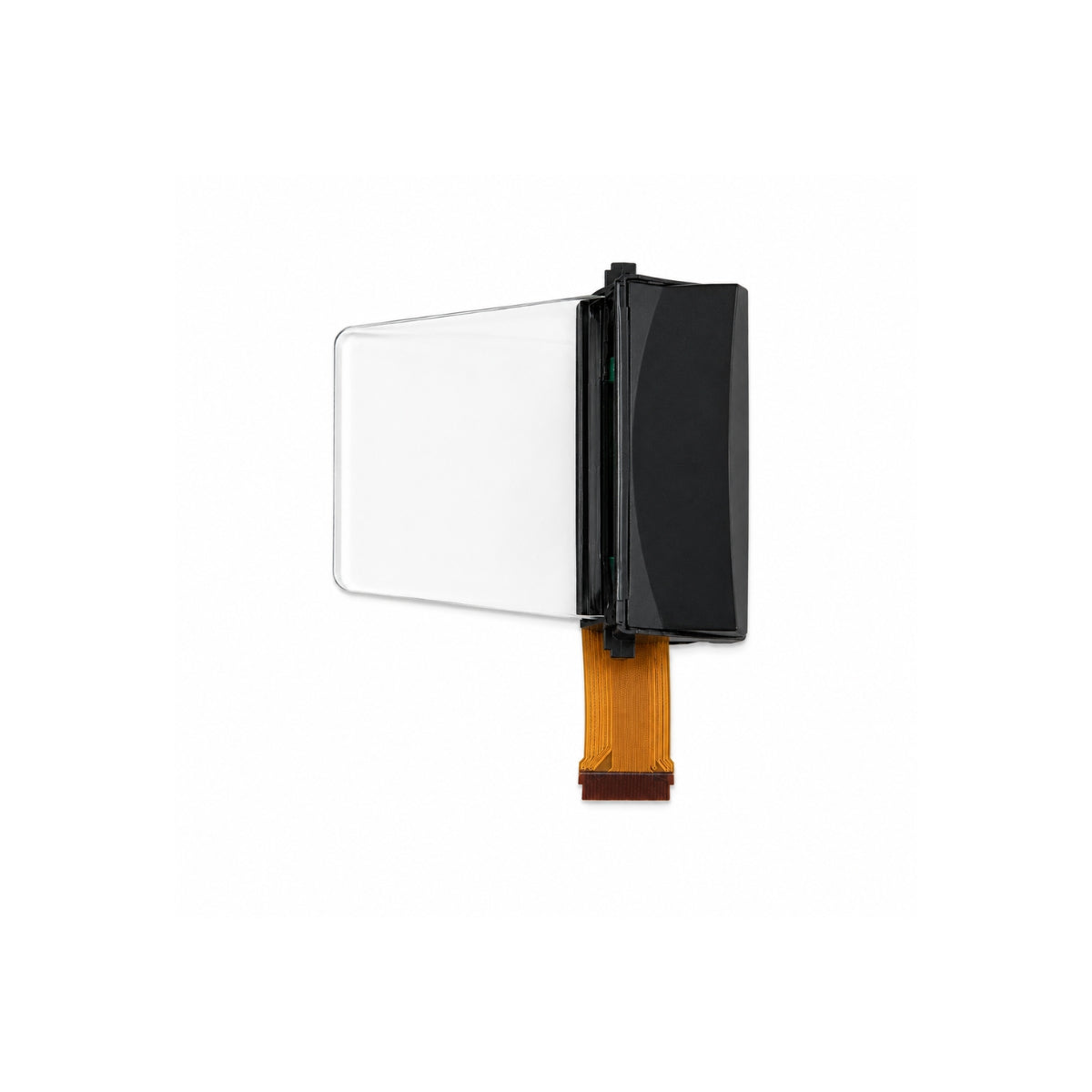
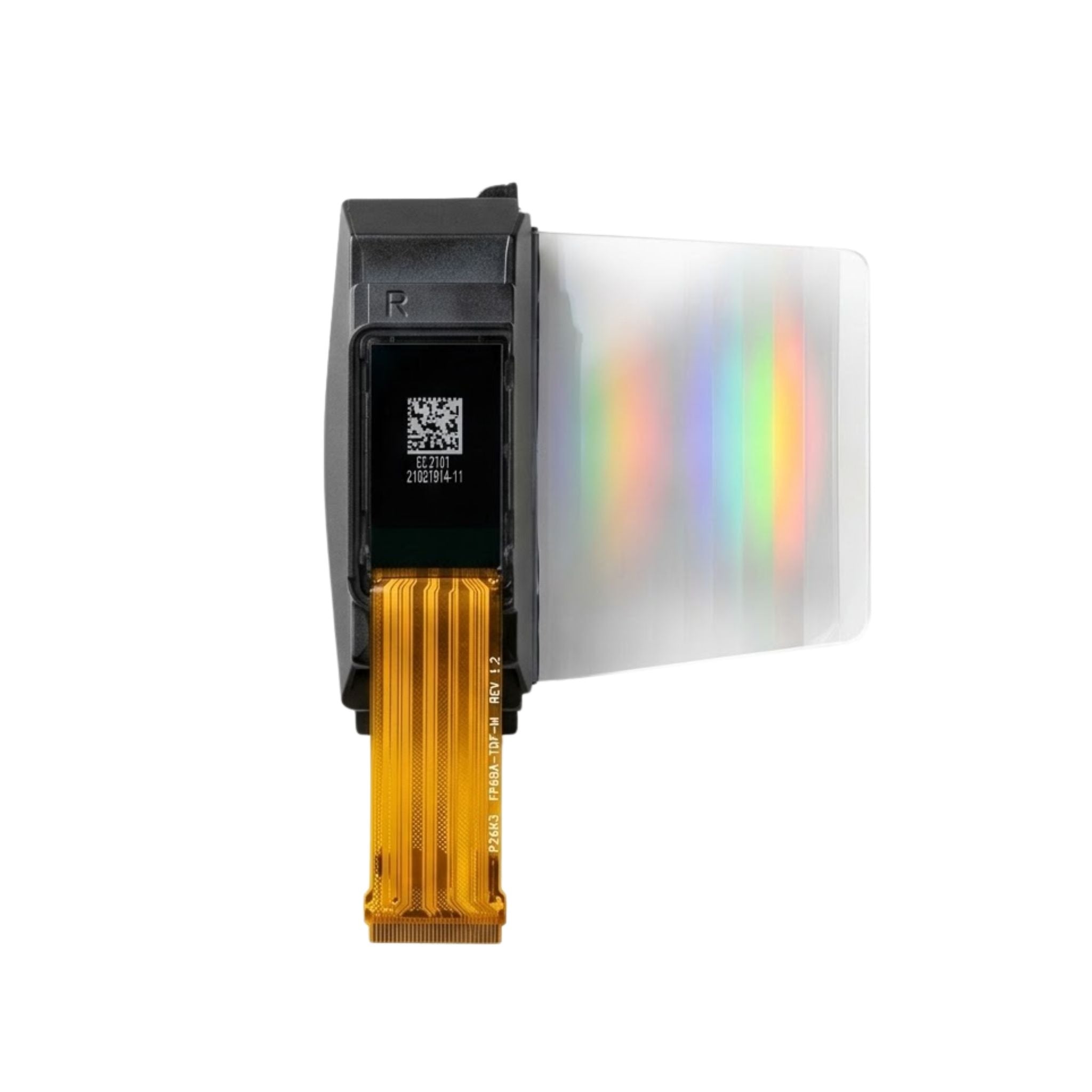


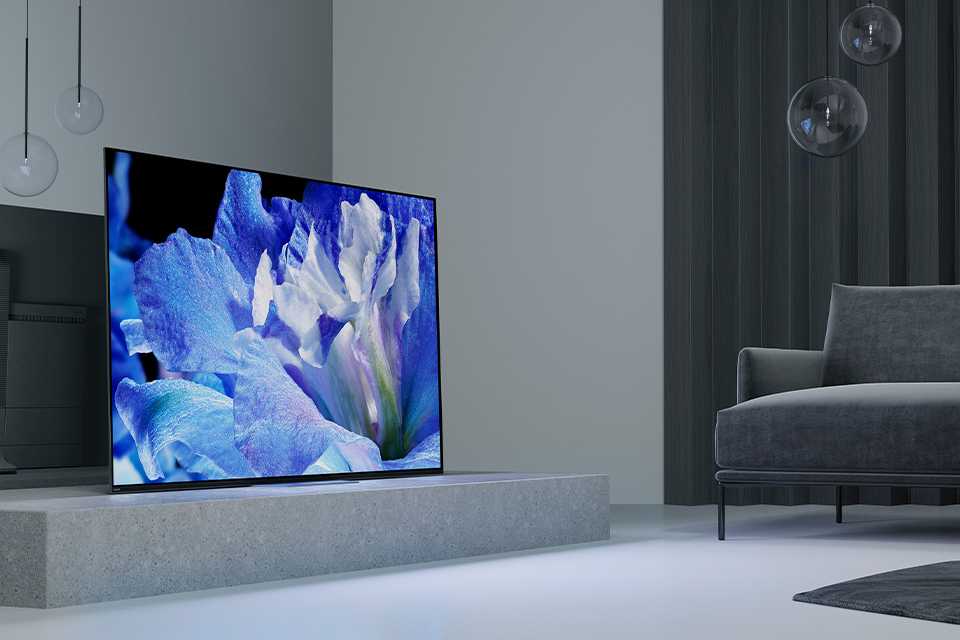
OLED relies on self-emission from organic layers, with a thickness of approximately 1mm. It features a 1,000,000:1 contrast ratio, a response time of <0.1ms, and a 178° viewing angle. The image ...

Selection requires matching I2C/SPI interfaces; OLED features a 100,000:1 contrast ratio, LCD targets 500 nits brightness; Confirm 3.3V/5V voltage compatibility; Select ISO-certified suppliers that...

Customization requires first locking down the FPC shape and interface, with a prototyping cycle of about 15 days. During mass production, ACF thermal compression parameters are strictly controlled,...

The COG process utilizes Anisotropic Conductive Film (ACF) under thermal compression at approximately 200°C to directly bond the driver IC to the glass substrate. It achieves vertical conduction by...

Manufacturing requires the use of vacuum thermal evaporation technology to deposit an organic material layer with a total thickness of approximately 150 nanometers on the ITO anode. It achieves pro...

PMOLED leverages a TFT-free architecture to significantly reduce manufacturing costs, featuring an ultra-fast response time of 10μs and a wide viewing angle of 160°. It is recommended for devices u...
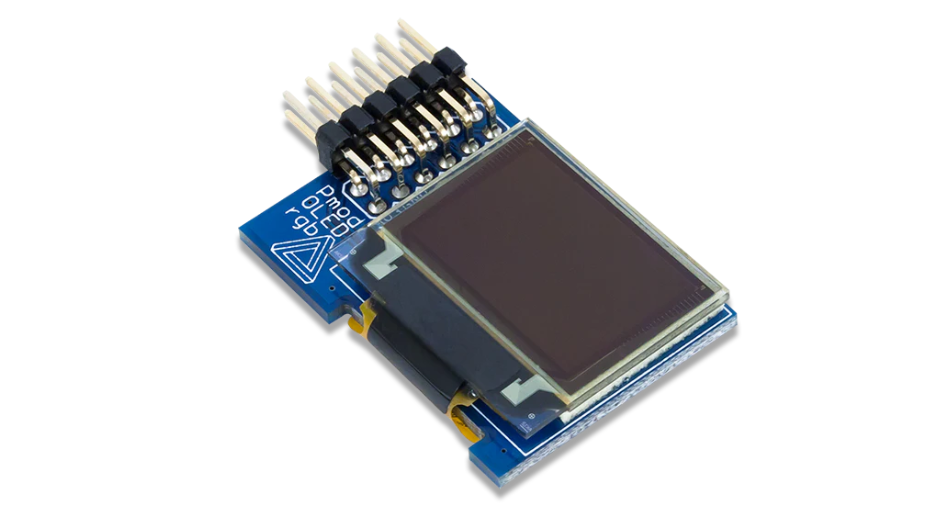
It is recommended to purchase modules under 3 inches with a resolution of 128×64. Use 4-pin I2C when I/O is limited, and select SPI for high-speed requirements. Make sure to confirm that brightness...

AMOLED utilizes TFT to independently drive pixels, achieving a contrast ratio exceeding 100,000:1 and dominating the market for displays larger than 5 inches. Compared to PMOLED, which is limited t...

PMOLED utilizes an orthogonal matrix of anodes and cathodes, employing a progressive scanning method to instantaneously activate pixels with a 1/N duty cycle. During operation, a voltage of approxi...