

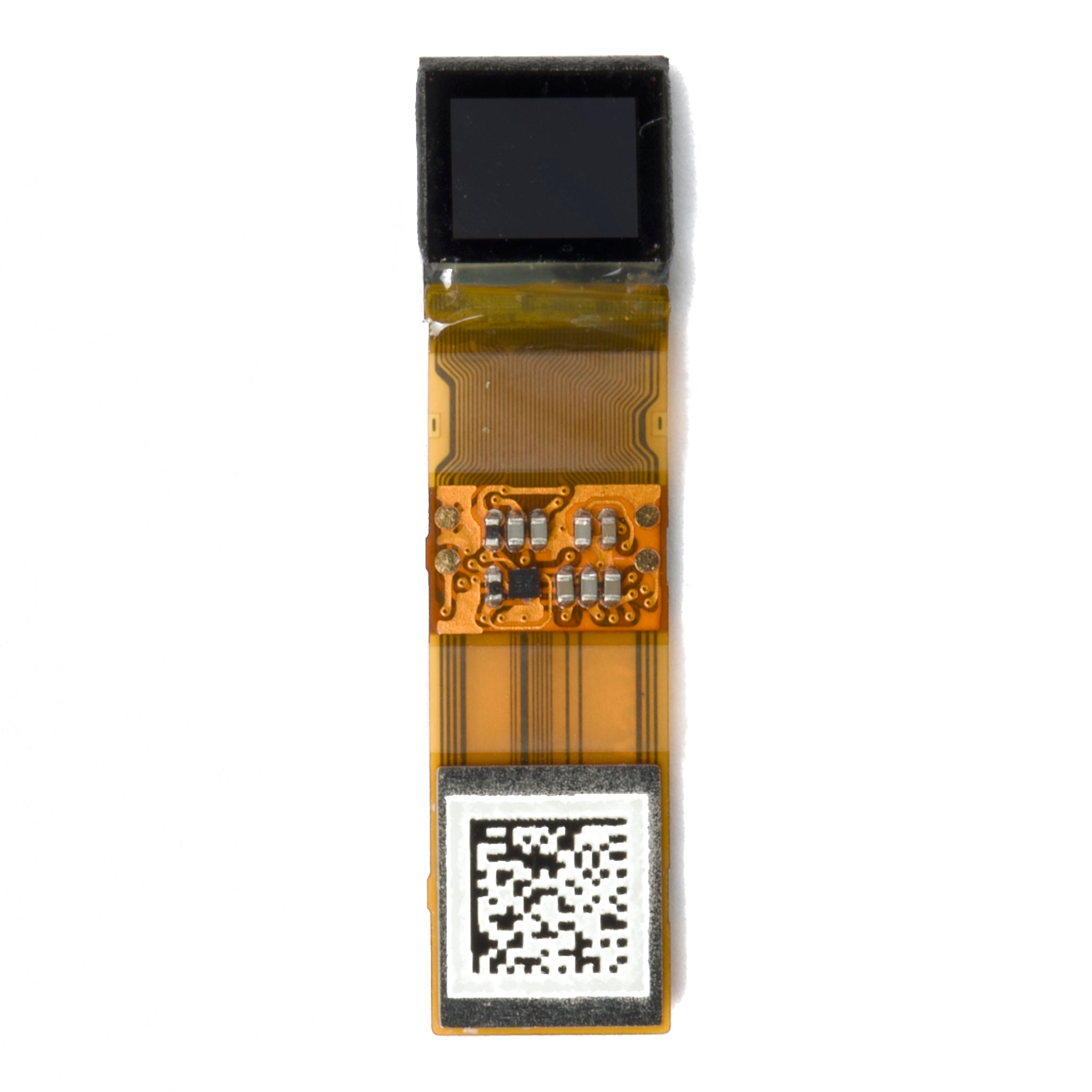
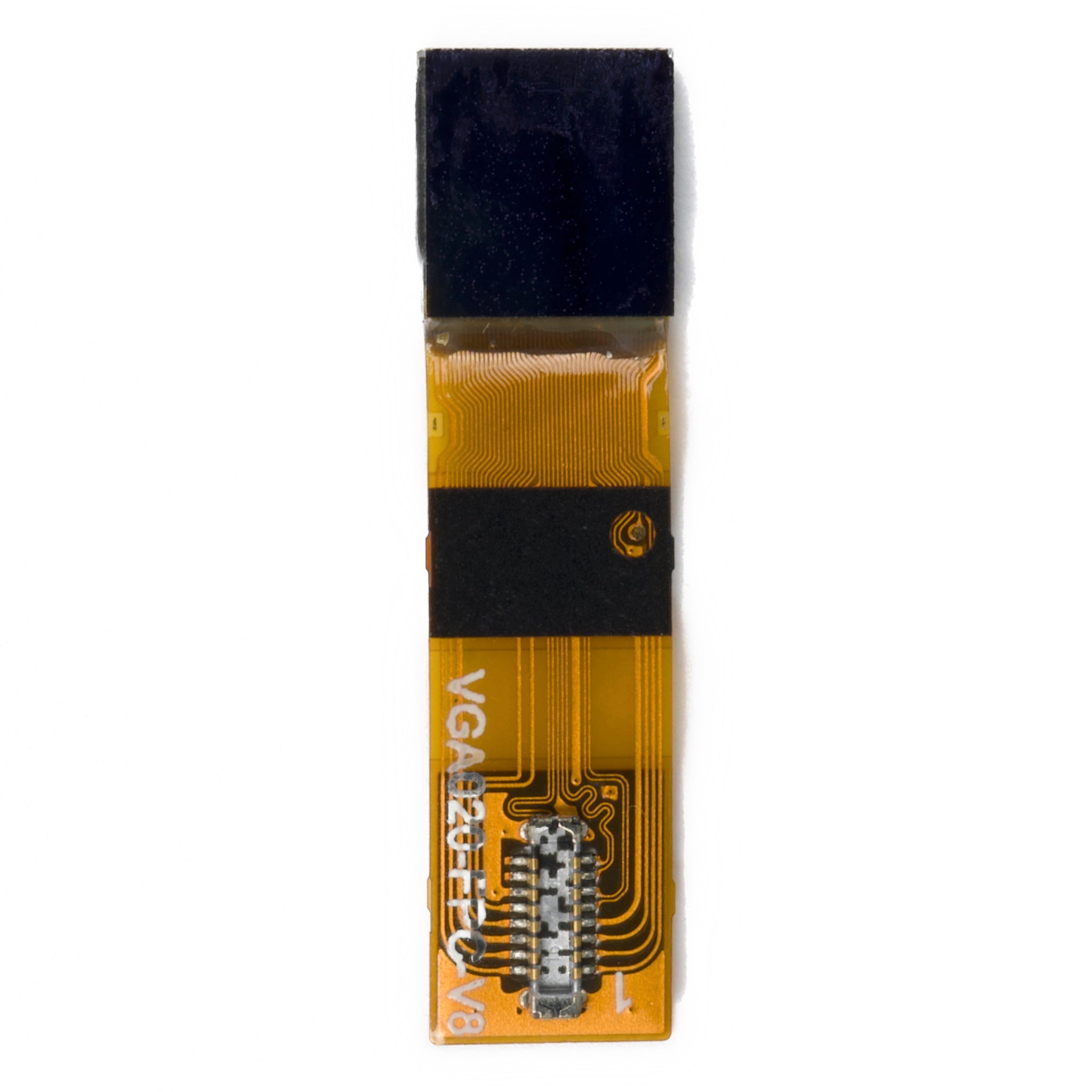
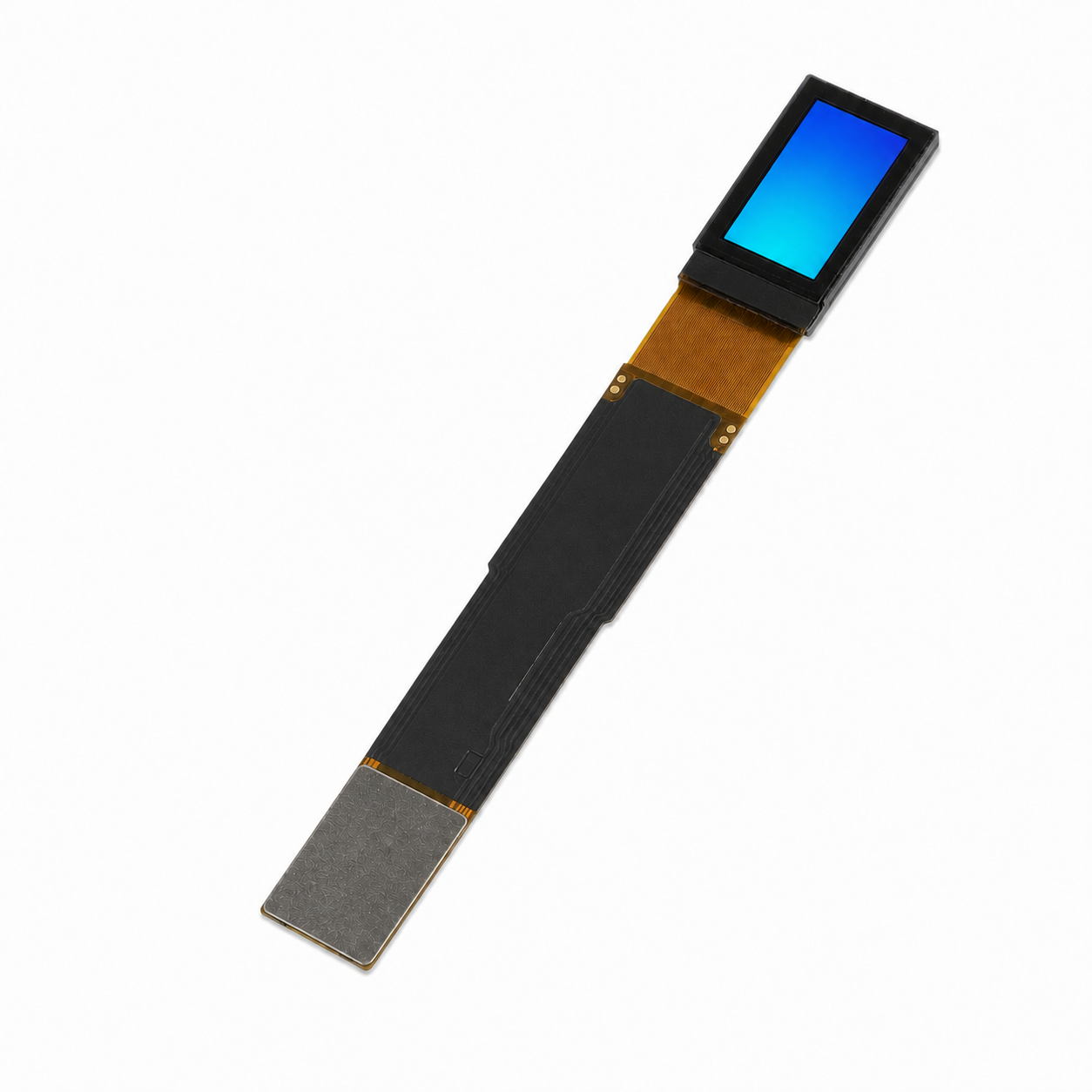
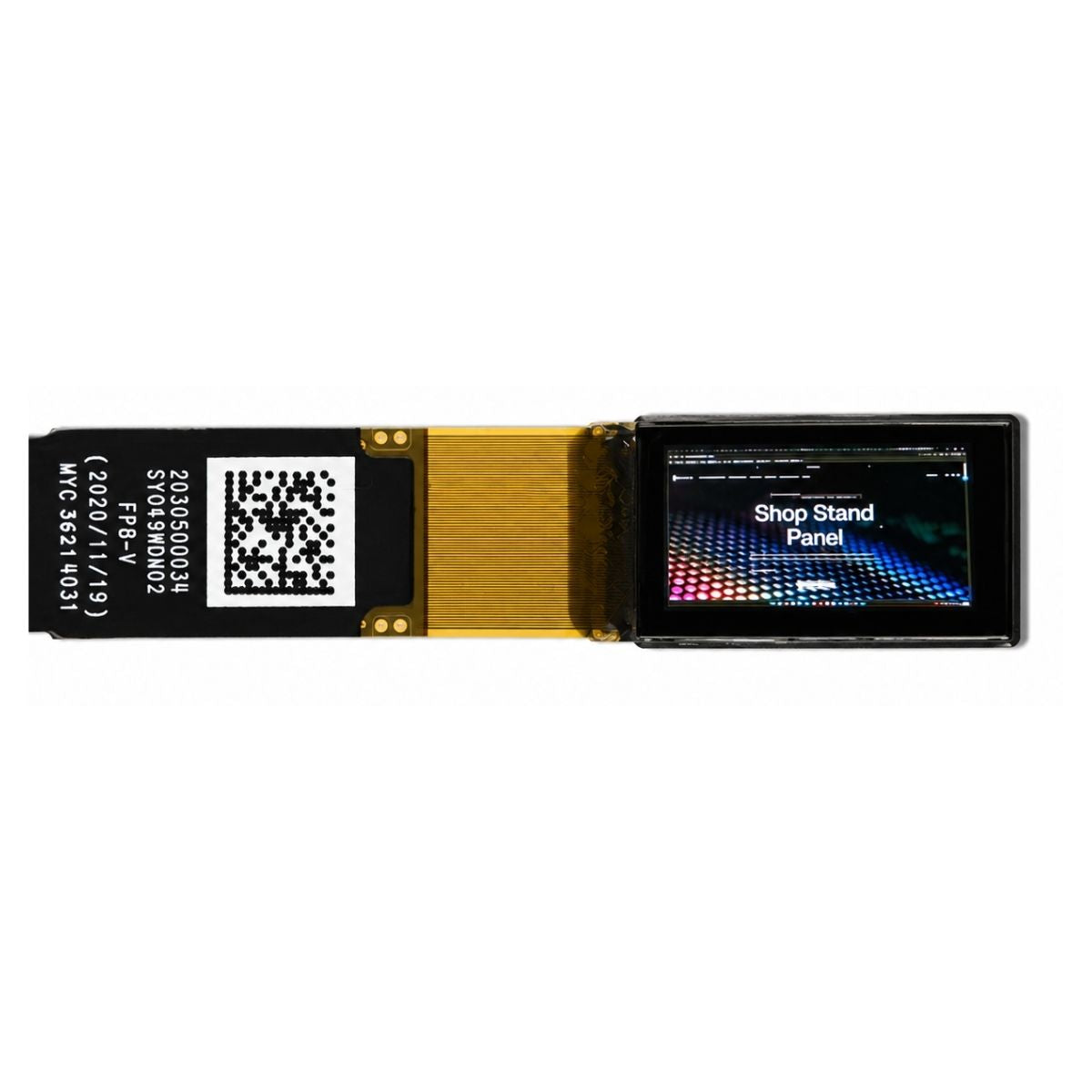
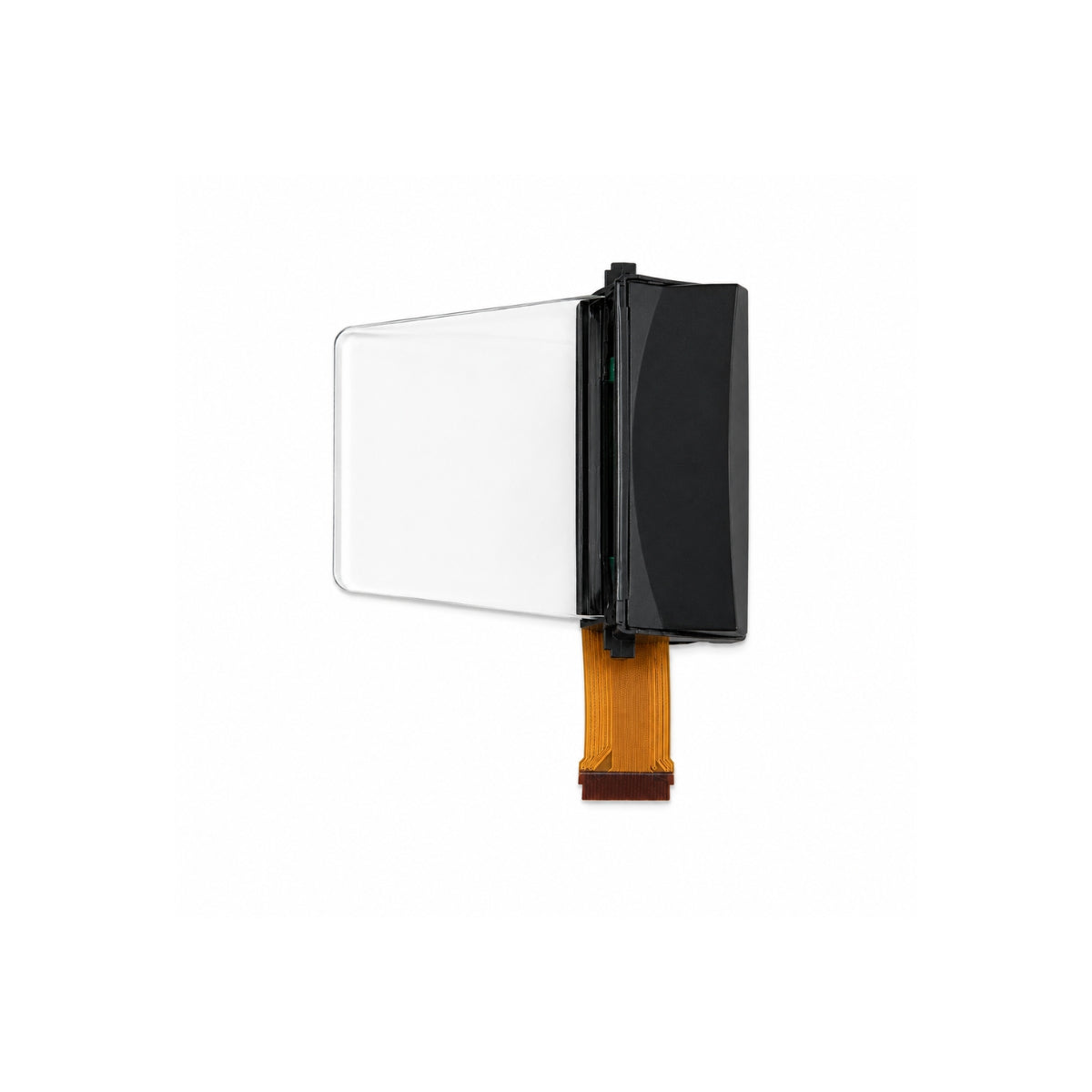
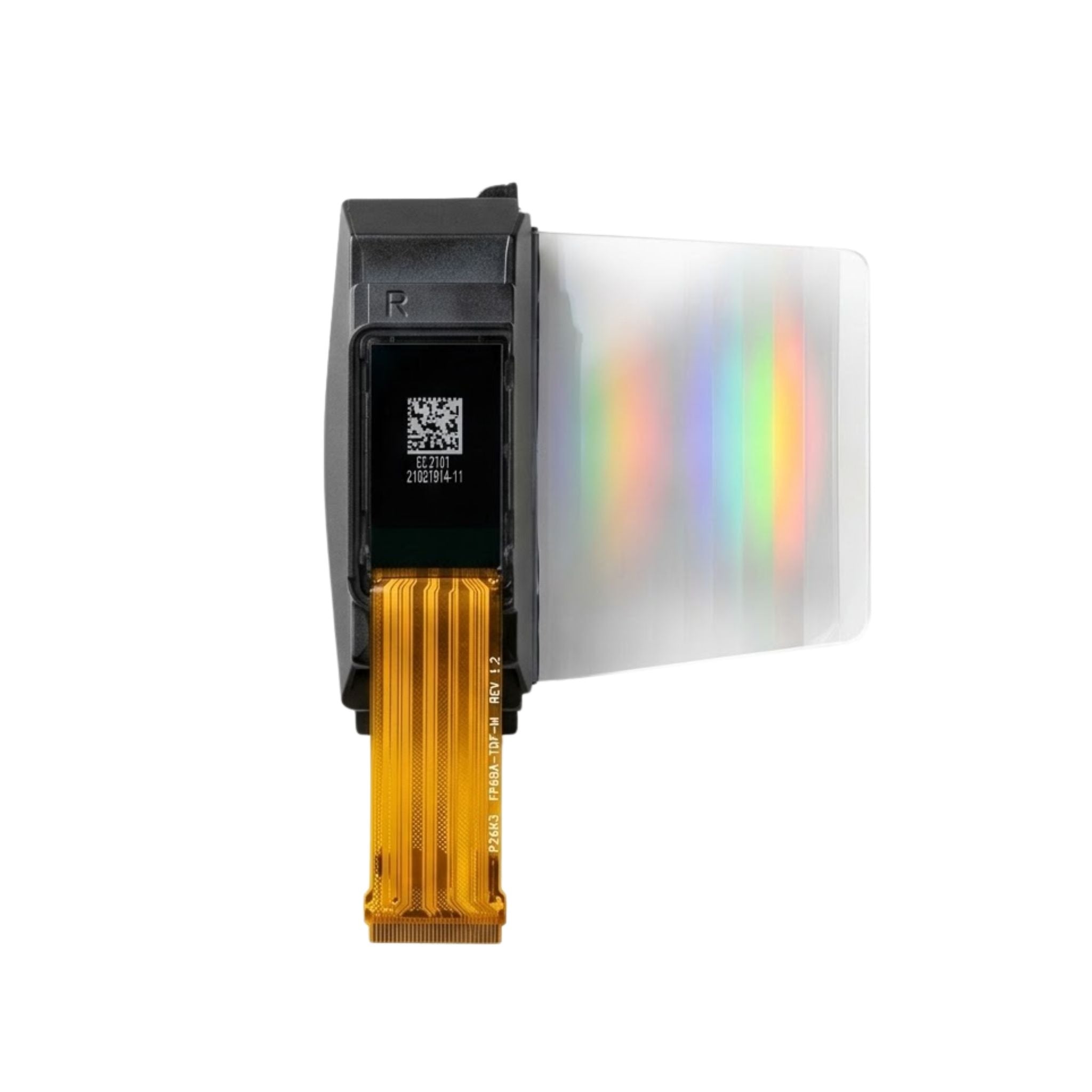


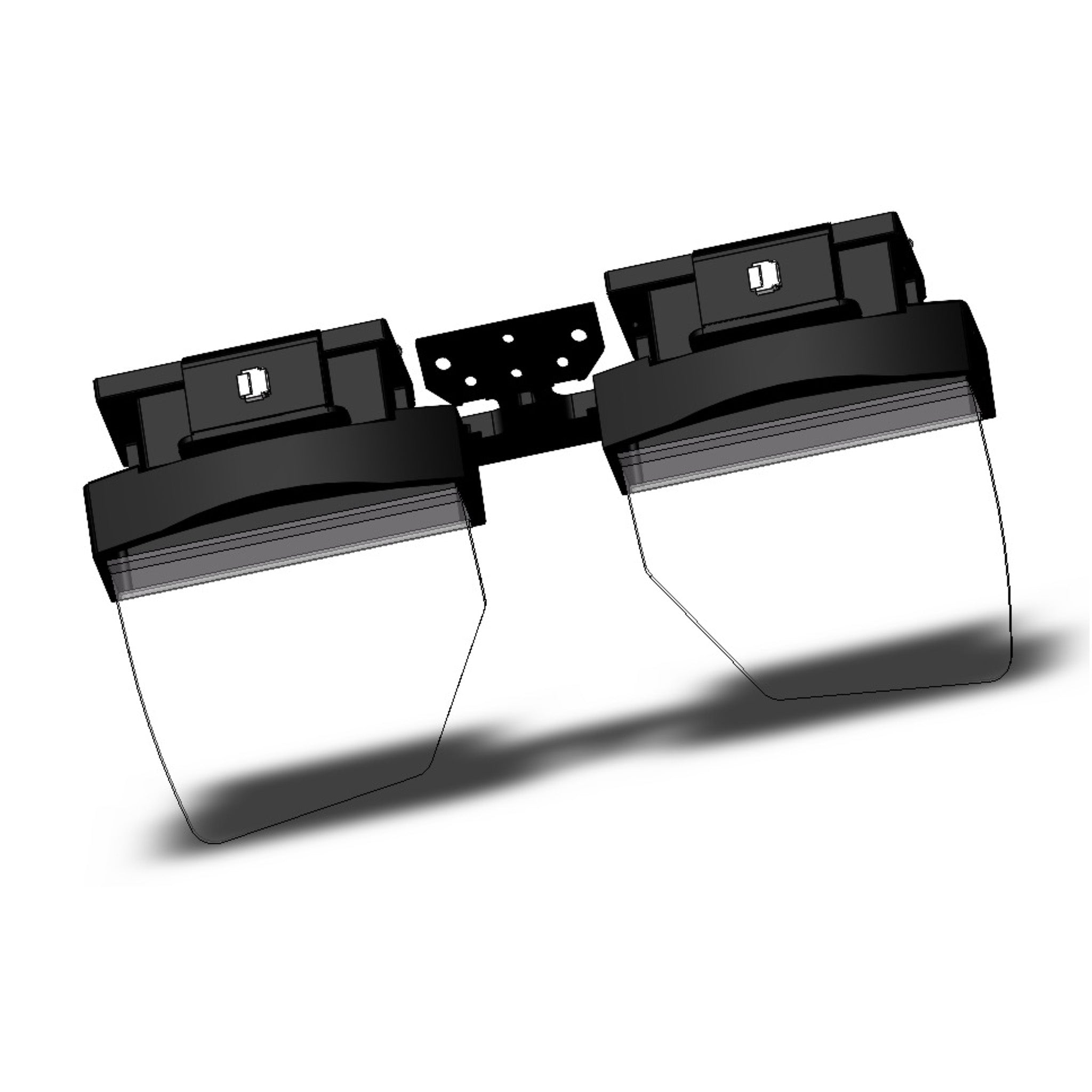
As augmented reality (AR) technology rapidly advances, optical modules are evolving to deliver increasingly immersive and seamless experiences. A new standard in this field is the binocular wavegu...

As augmented reality (AR) continues to revolutionize digital interactions, advancements in optical modules are driving the development of more compact, lightweight, and immersive AR experiences. To...
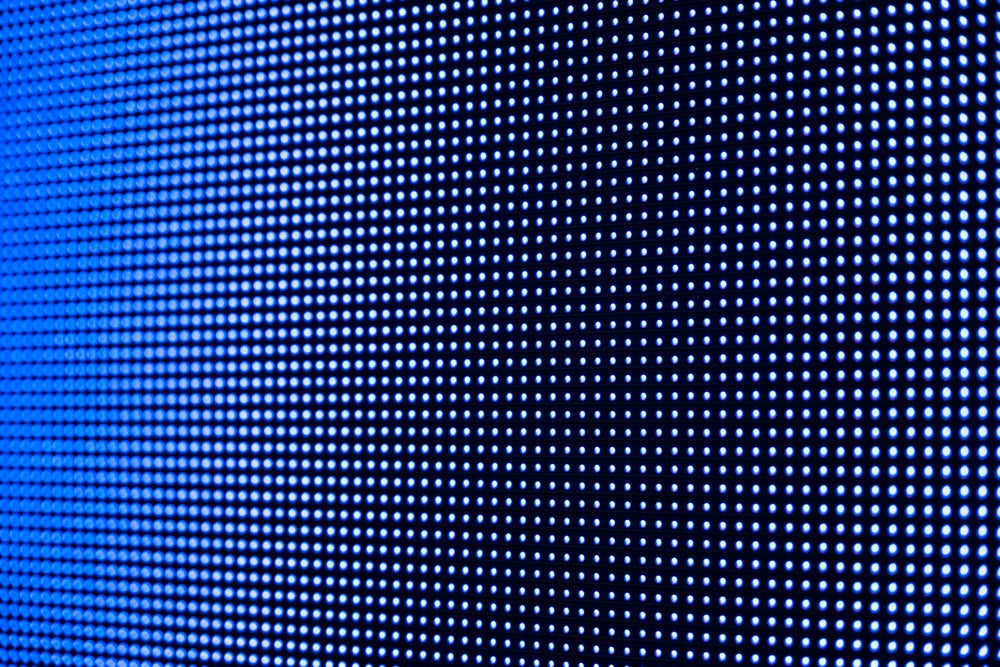
LCD reduces blue light via dual methods: Hardware uses yellow phosphors in backlights to filter ~30% of harmful 415-455nm rays. Software-wise, users enable "Eye Care" modes (e.g., Windows Night Lig...
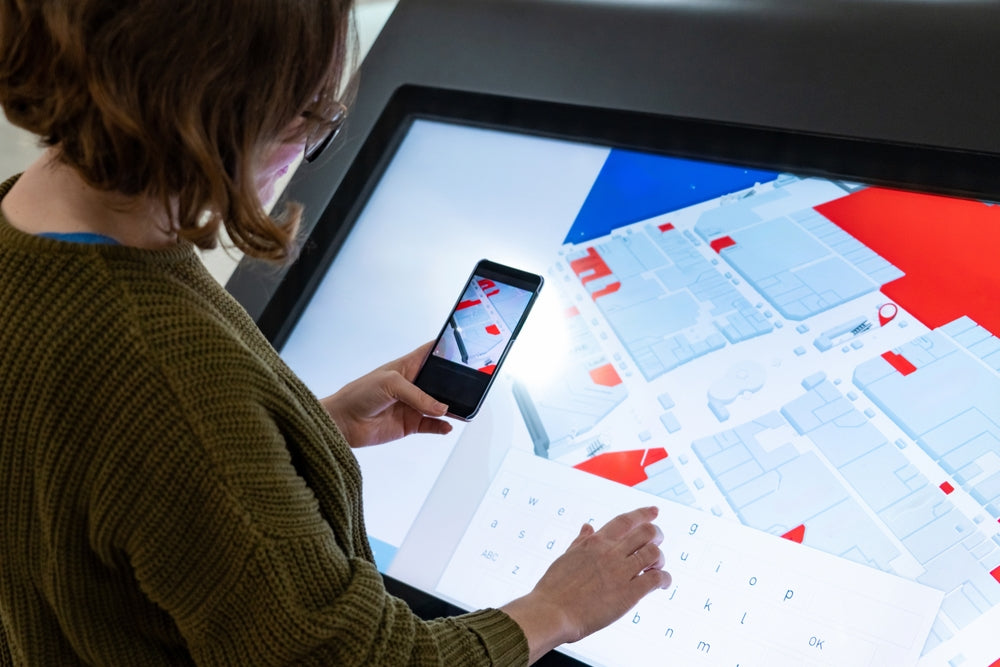
Capacitive touch technology uses a conductive glass layer with micro-electrodes; touching it with a finger (which holds charge) disrupts the screen’s electrostatic field. Controllers detect these c...

Resistive touch tech uses two conductive layers—an ITO-coated glass top and a PET film bottom—separated by micro-spacers. Pressing bends the top layer to contact the bottom, altering resistance; co...
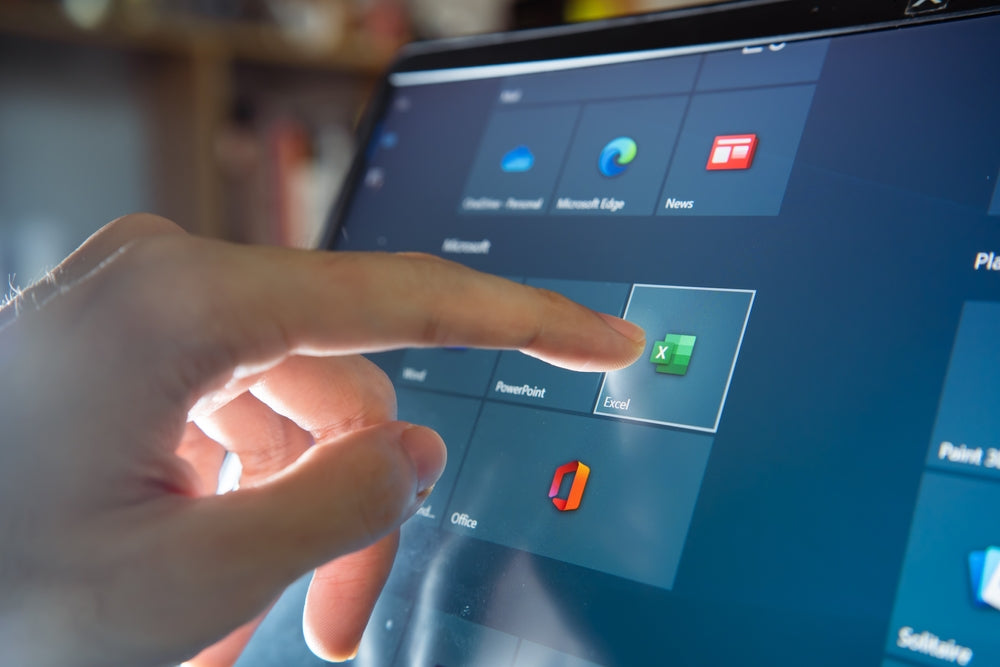
Major touch technologies include capacitive (smartphones, detecting 5+ fingers via body charge with ~10ms response) and resistive (ATMs, pressure-activated with 80% transmittance). Infrared variant...
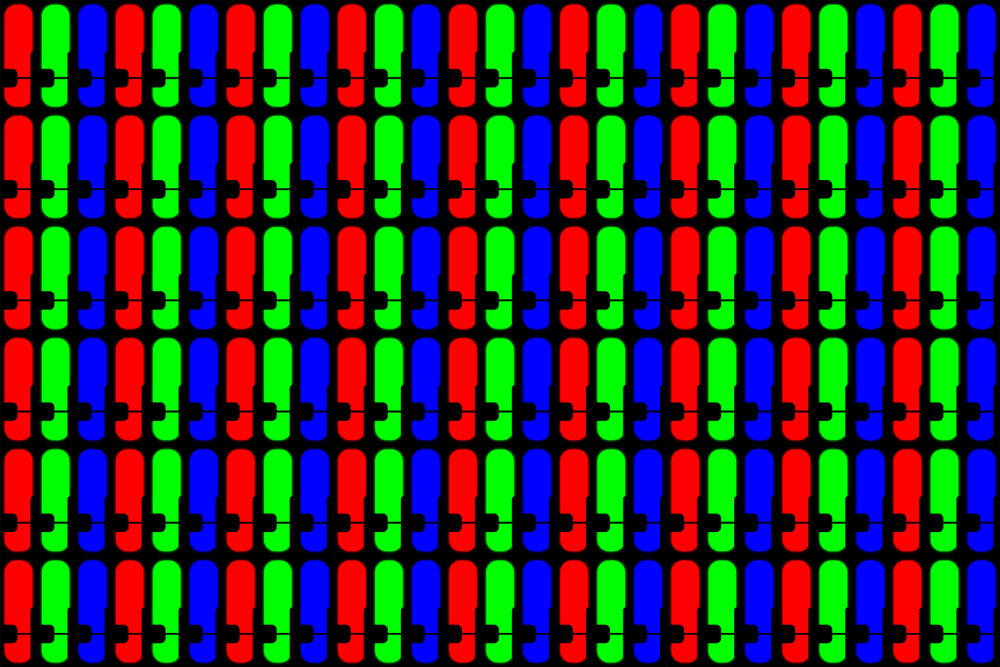
The liquid crystal box is the core component of a liquid crystal display (LCD), and the display effect is mainly influenced by the liquid crystal box. The main parameters of the liquid crystal box...
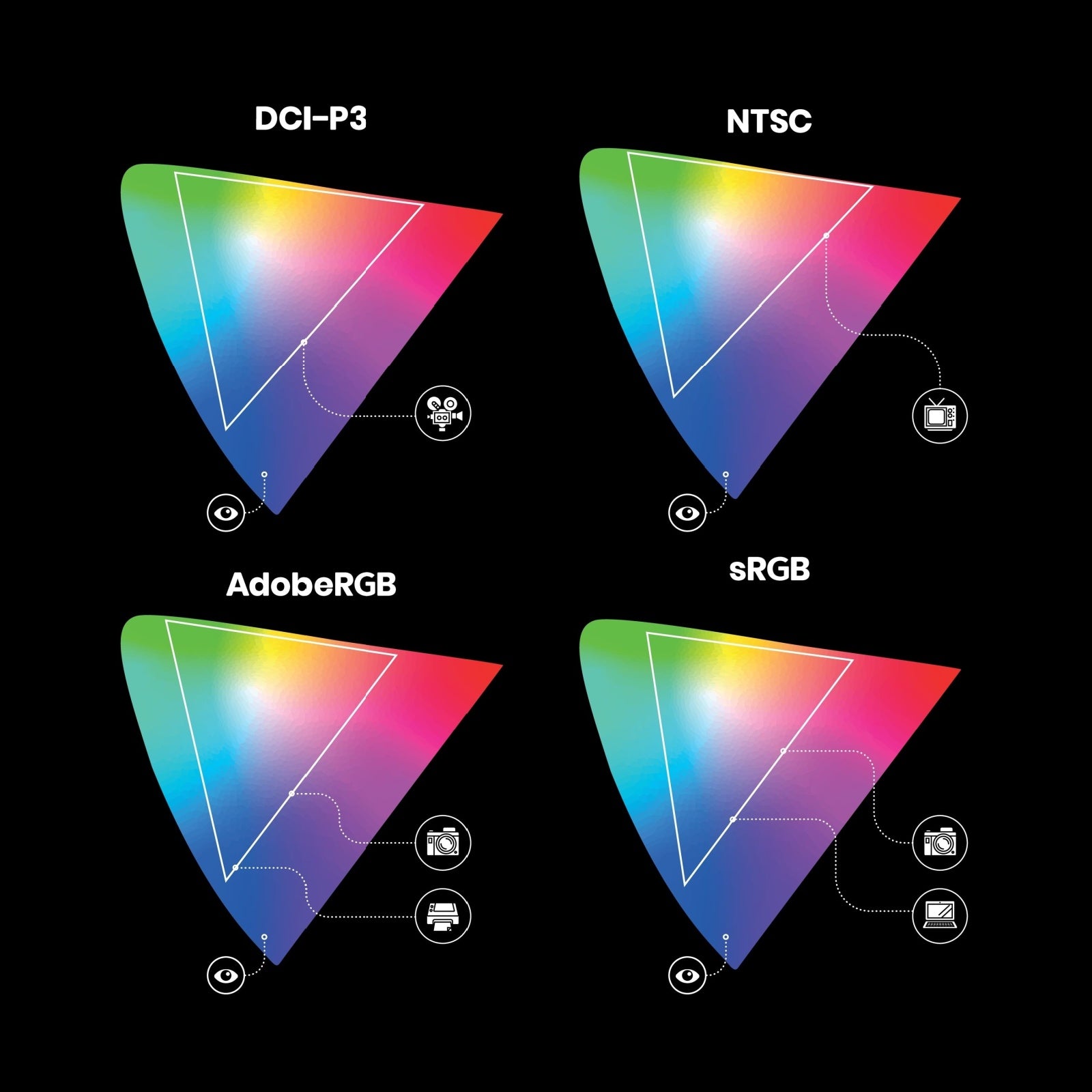
Color gamut refers to the range of colors that a display can reproduce. It is typically represented by the area of a triangle formed by the coordinates of the three primary colors (Red, Green, and...
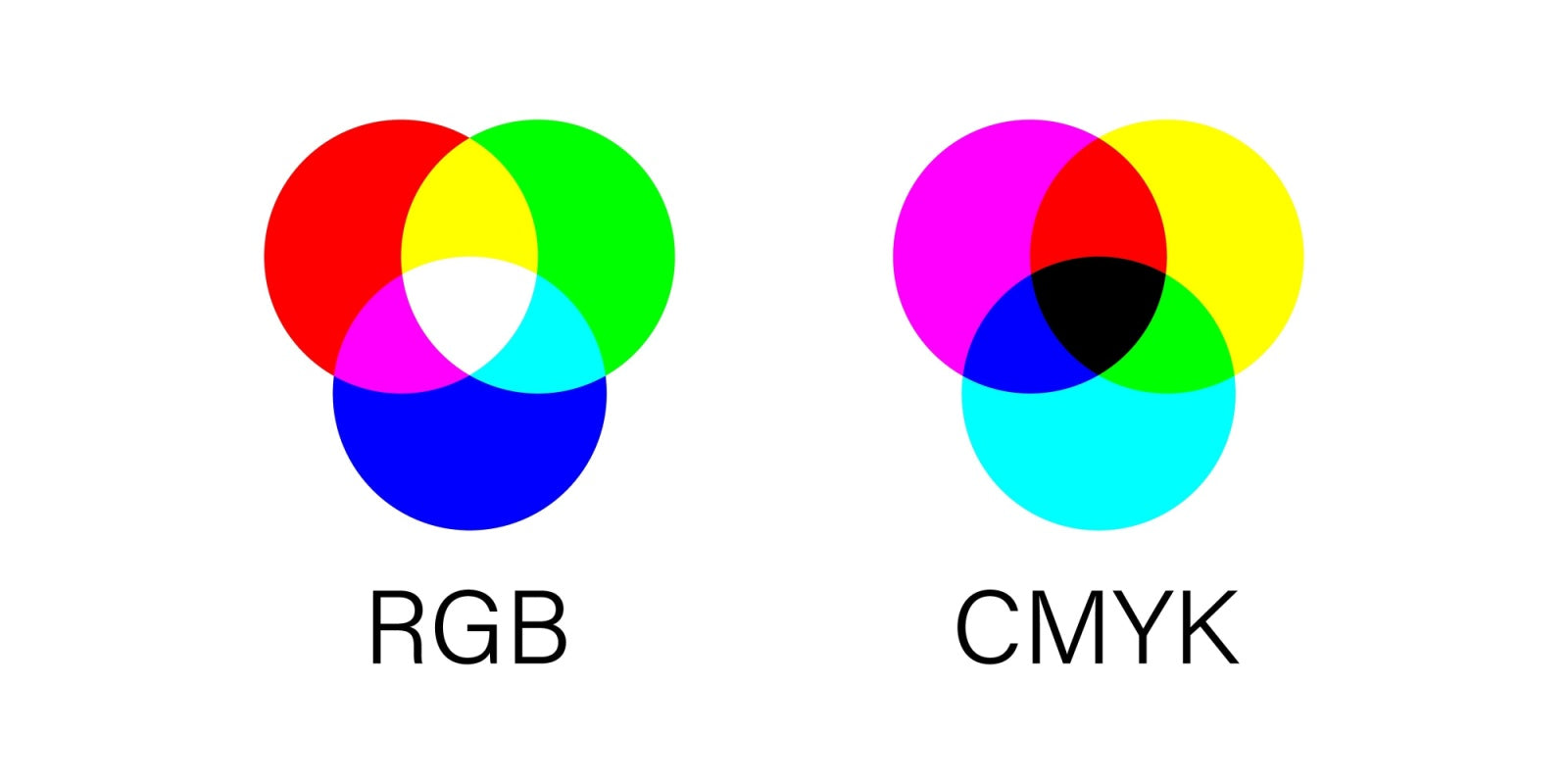
A TFT (Thin-Film Transistor) LCD screen is composed of numerous pixels, each of which consists of three sub-pixels: red (R), green (G), and blue (B). The color of each pixel is determined by contr...