



By optimizing 0.5mm pitch FPC pins and customizing 1000-nit ultra-high brightness backlights, we can deliver high-precision prototypes of industrial-grade LCD modules supporting wide-temperature op...

Graphic OLED achieves a million-to-one contrast ratio and 10-microsecond response time through self-emittance, while its 1.2mm ultra-thin modules support 180-degree full-view precision display in m...

OLED holds an advantage in high-performance visual interaction with an ultra-high contrast ratio of >10,000:1 and an ultra-fast response time of <1ms, while LCD remains the preferred choice f...
COG (Chip-on-Glass) directly bonds the IC to the glass, thinning the module by more than 30% and refining the lead pitch to 40μm. Its streamlined structure reduces costs by approximately 20% and si...
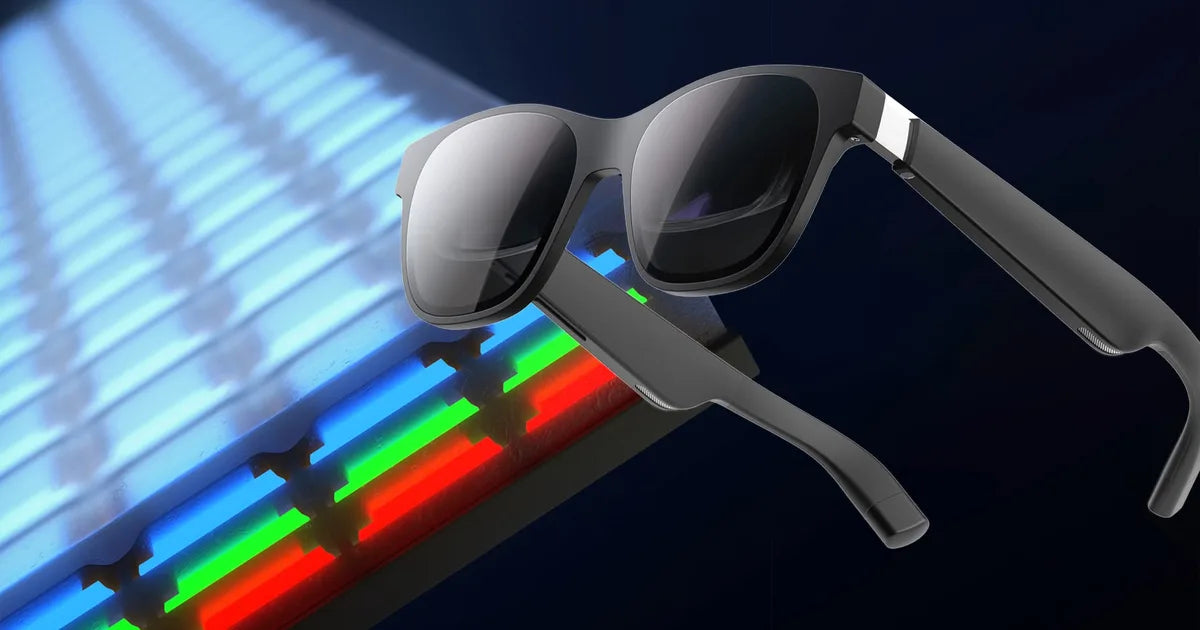
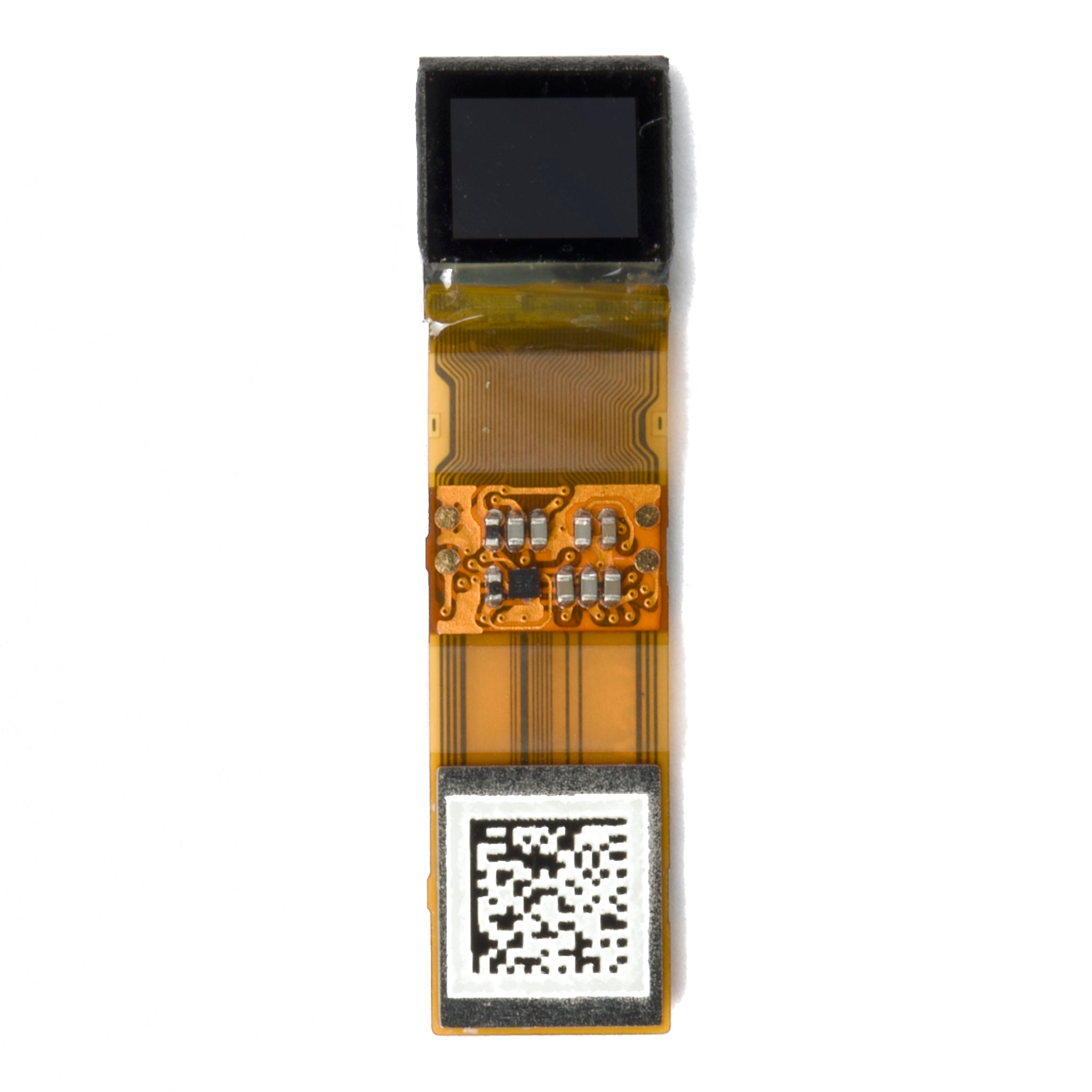
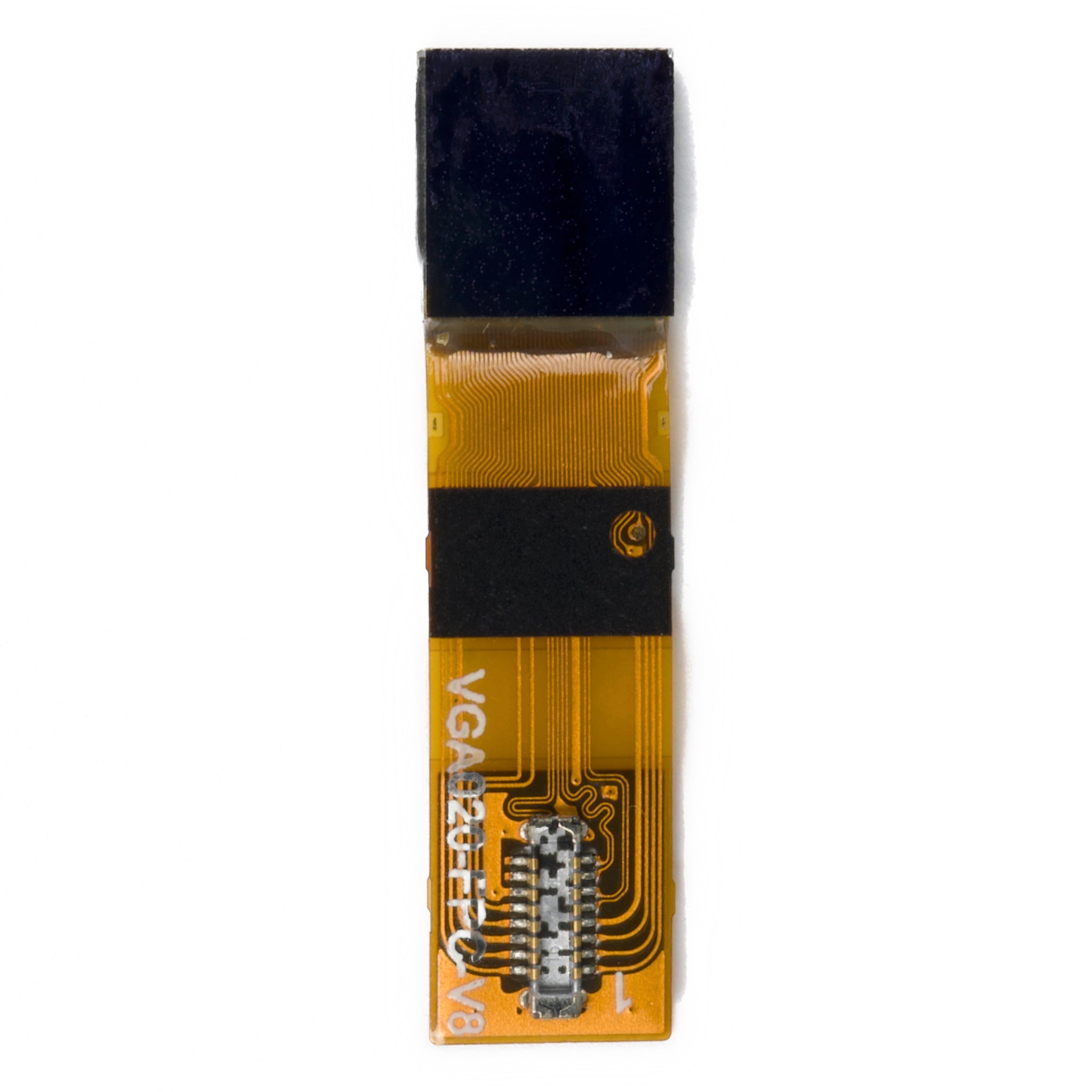
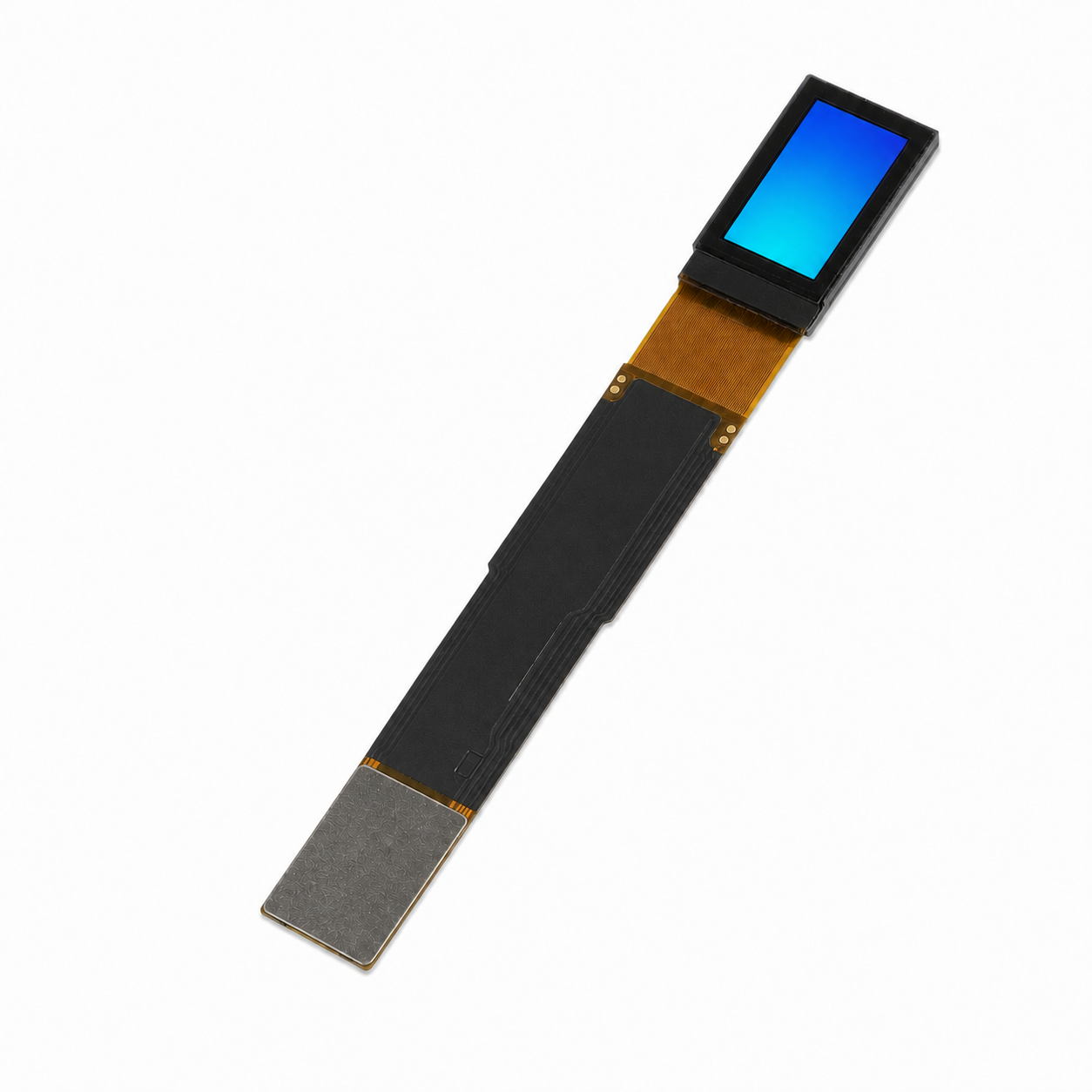
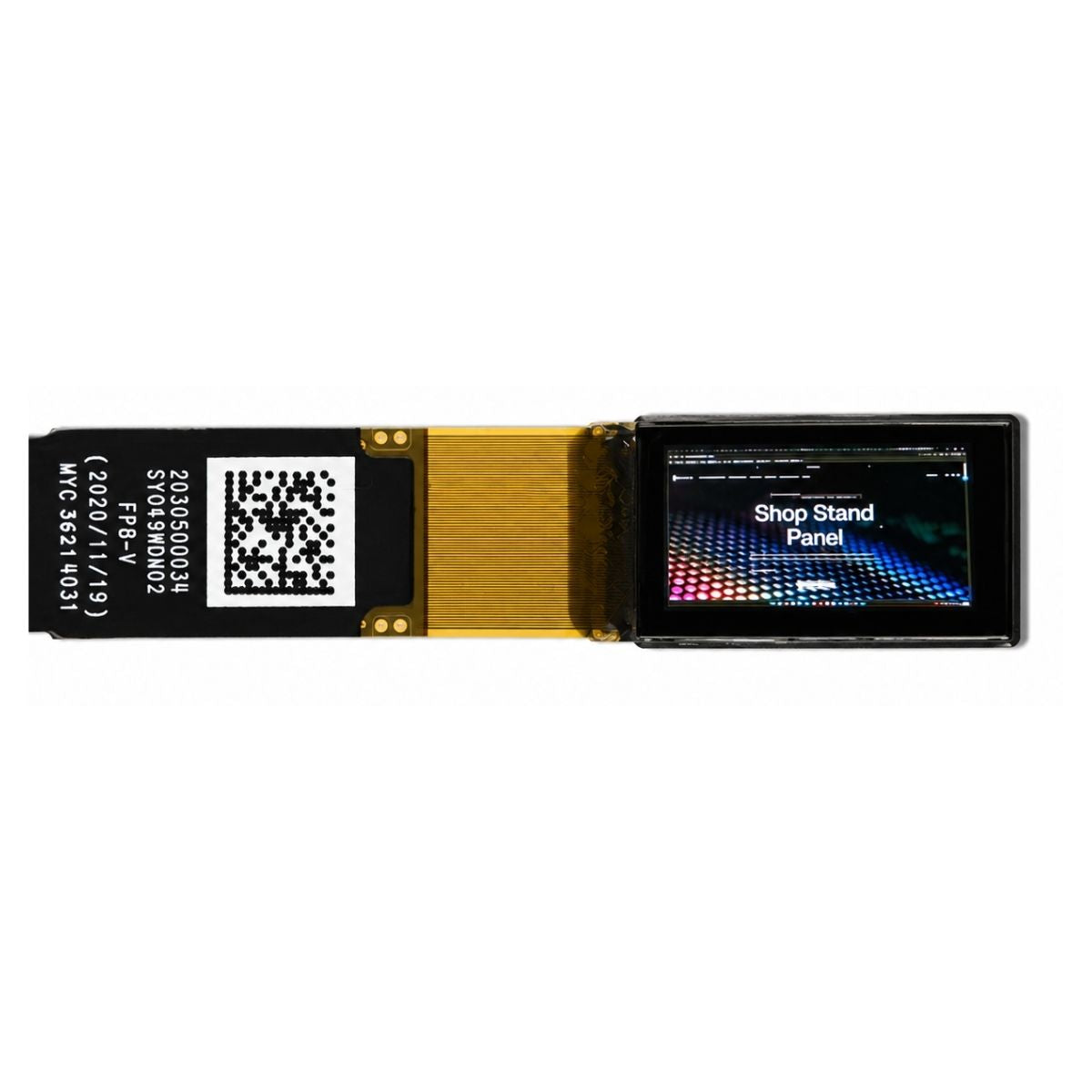
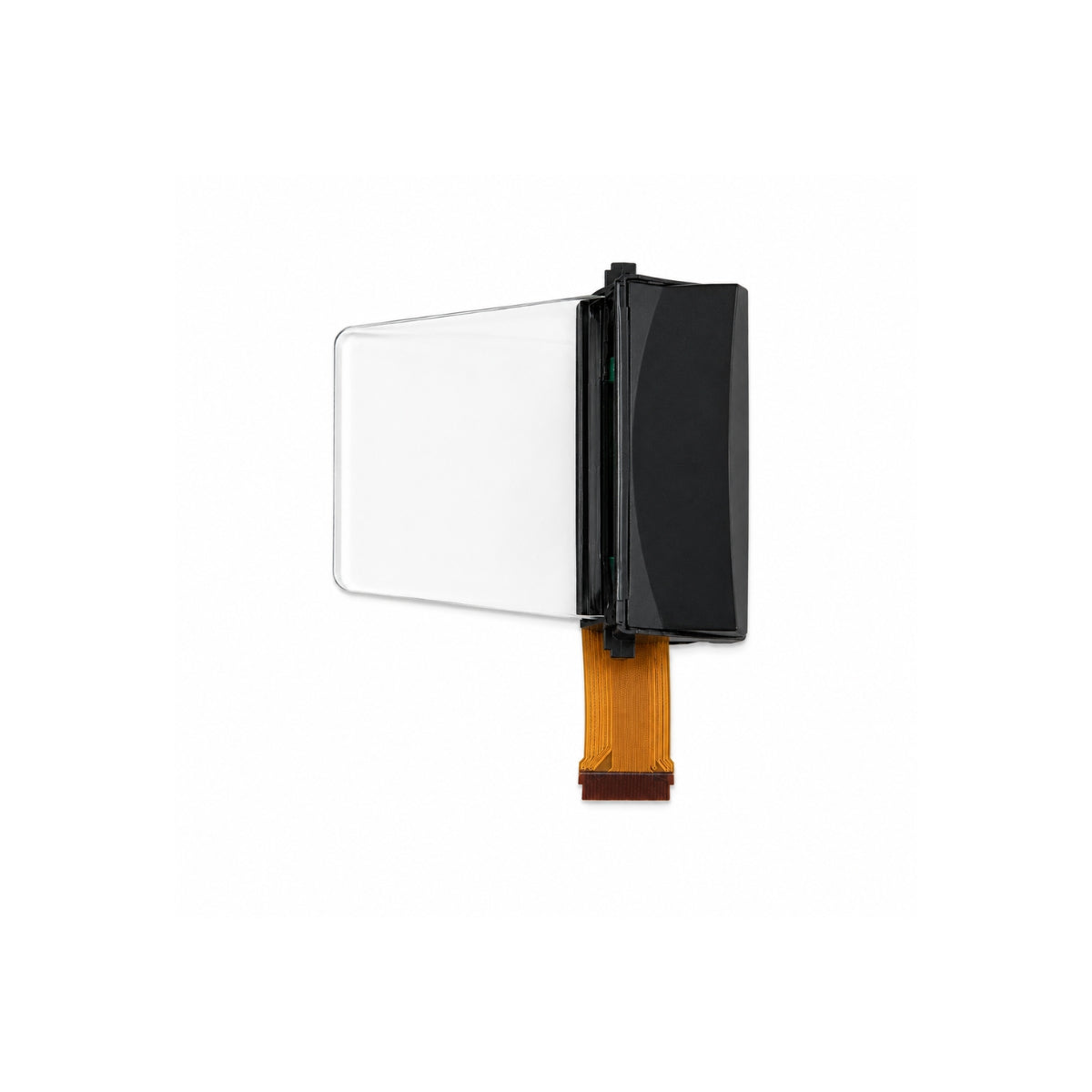
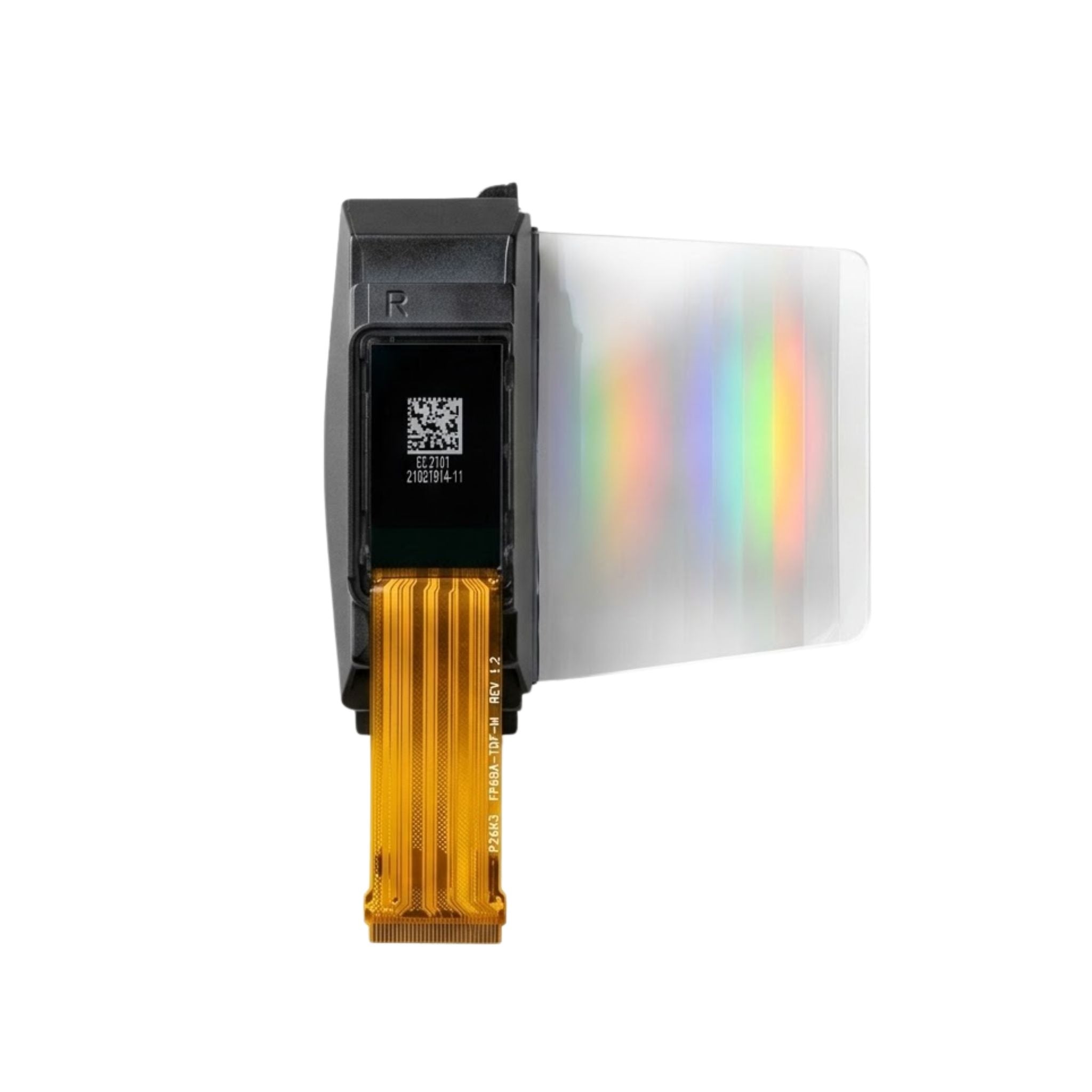
Micro OLED is a silicon-based OLED technology with a pixel density exceeding 3000 PPI and a brightness of several thousand nits. It is small in size, has low power consumption, and offers extremely...
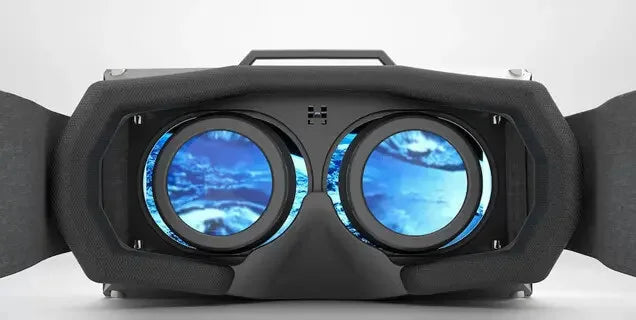
Micro OLED features 3000+ PPI and 5000 nit brightness, completely eliminating the screen-door effect; The 0.01 ms ultra-fast response time solves motion sickness, serving as the performance benchma...
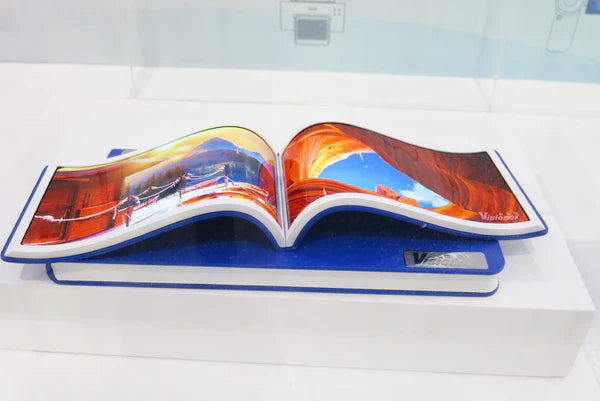
PMOLED manufacturing involves ITO patterning and organic layer evaporation. It features no TFT, relies on row and column scanning, and is suitable for small screens under 3 inches. Materials includ...
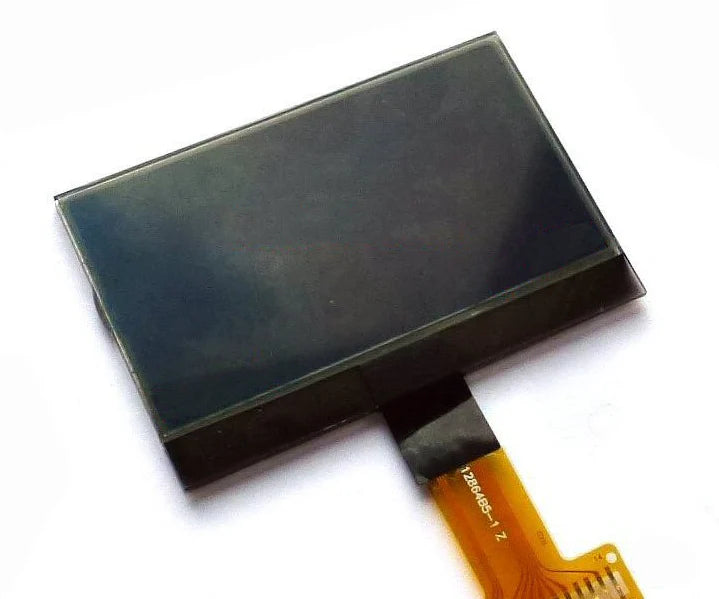
COG (Chip-On-Glass) technology utilizes Anisotropic Conductive Film (ACF) to directly bond driver ICs onto the LCD glass substrate through thermal ultrasonic or heat-pressure processes. The core of...
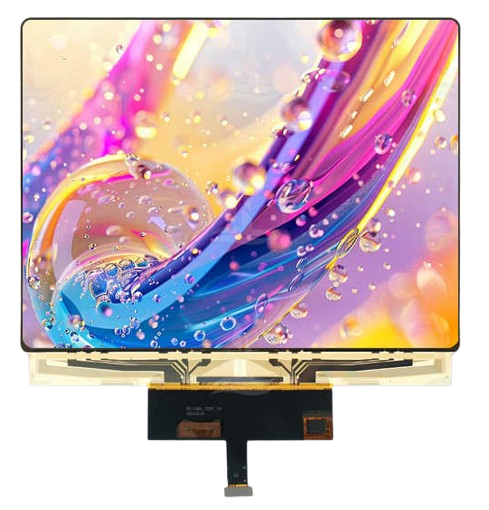
AMOLED is a pixel self-emissive technology featuring an ultra-high contrast ratio of 1,000,000:1. Black pixels do not emit light, making it more energy-efficient with more vibrant colors. It respon...