



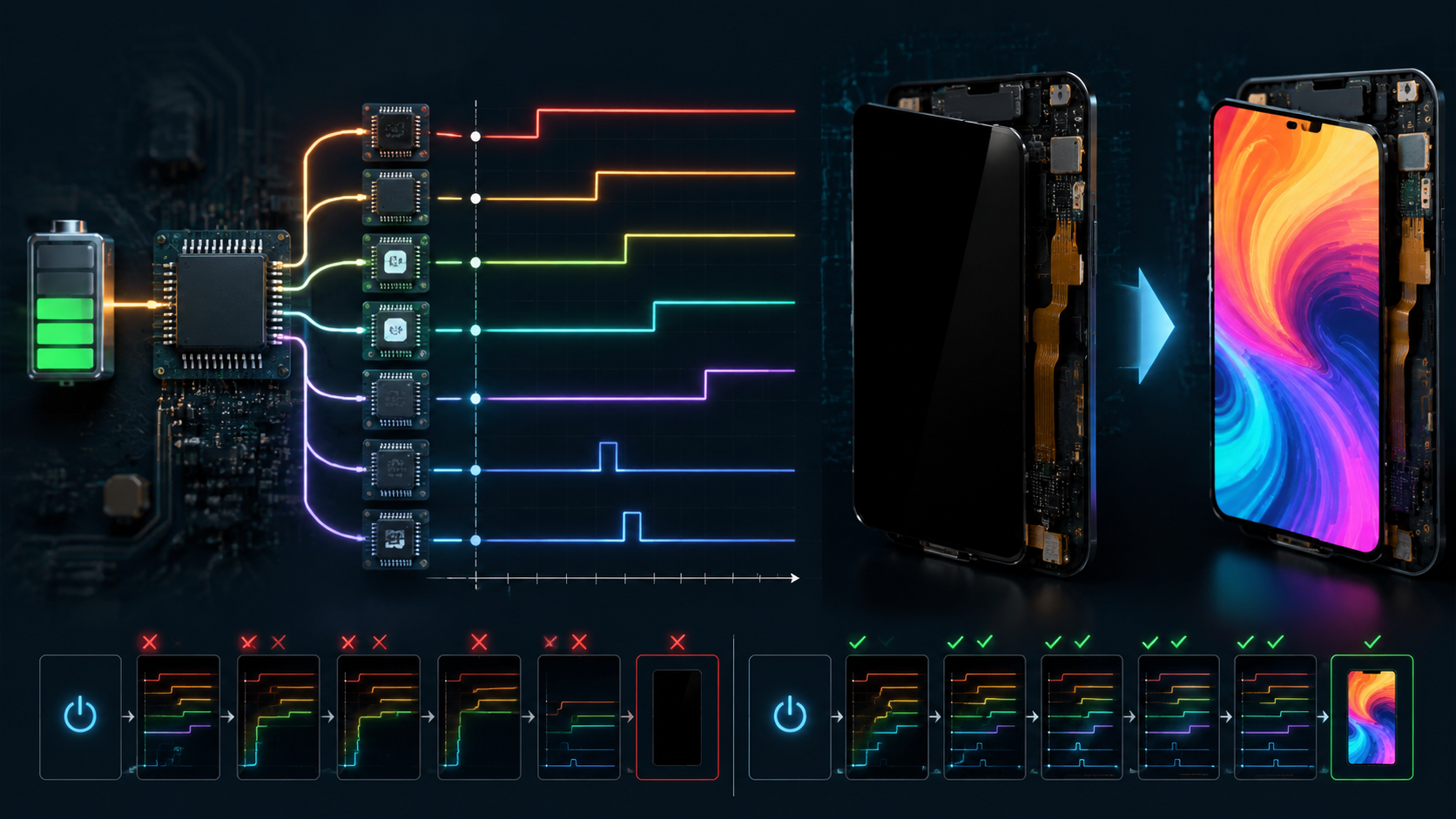
An AMOLED panel can stay completely black even when the OLED pixels and glass are not damaged. The display driver IC may be powered only partly, held in reset, left in Sleep In mode, blocked by...
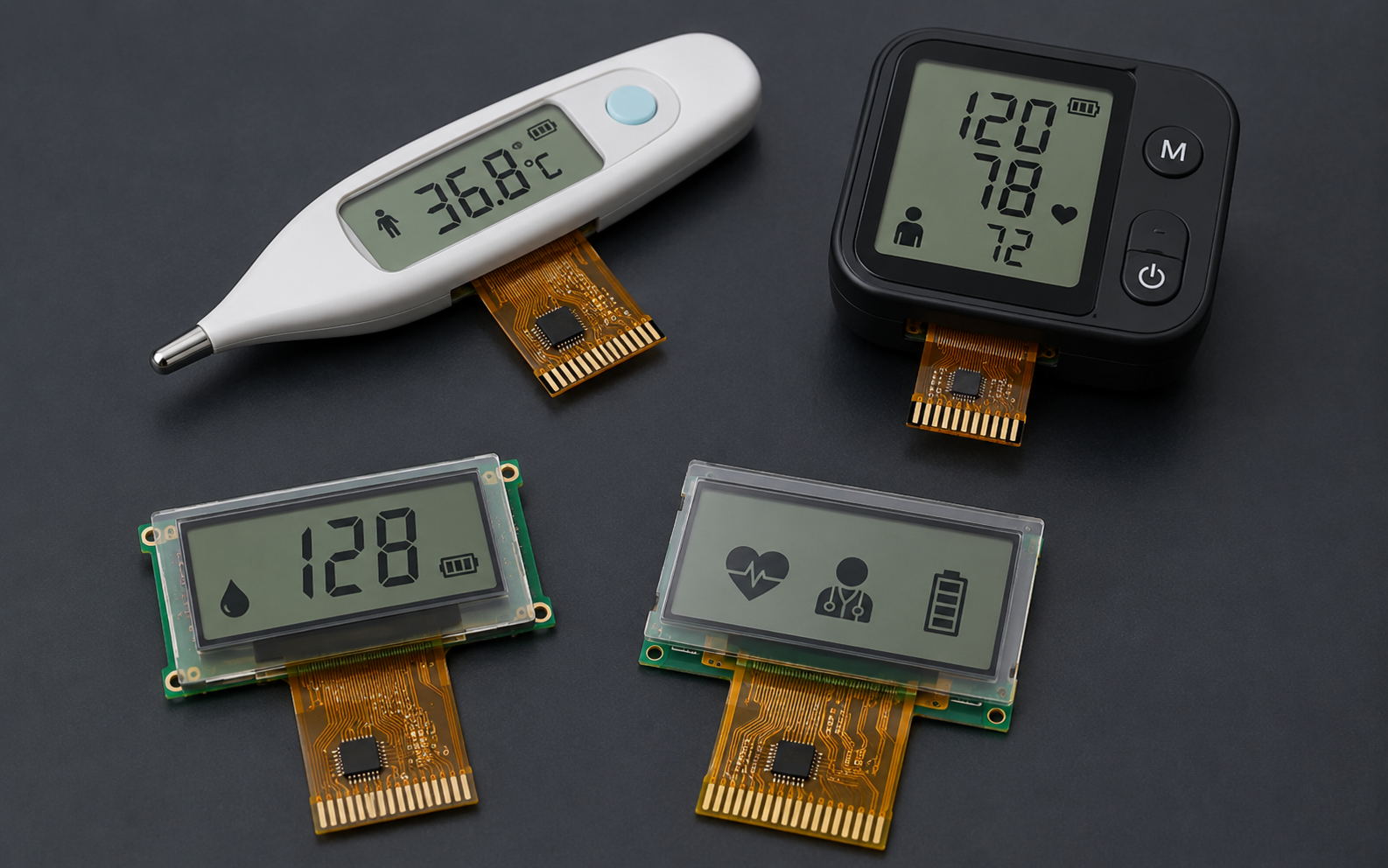
COG LCD display modules are widely used in compact products that need low power consumption, stable readability, simple MCU integration, and a thin mechanical structure. Typical applications includ...
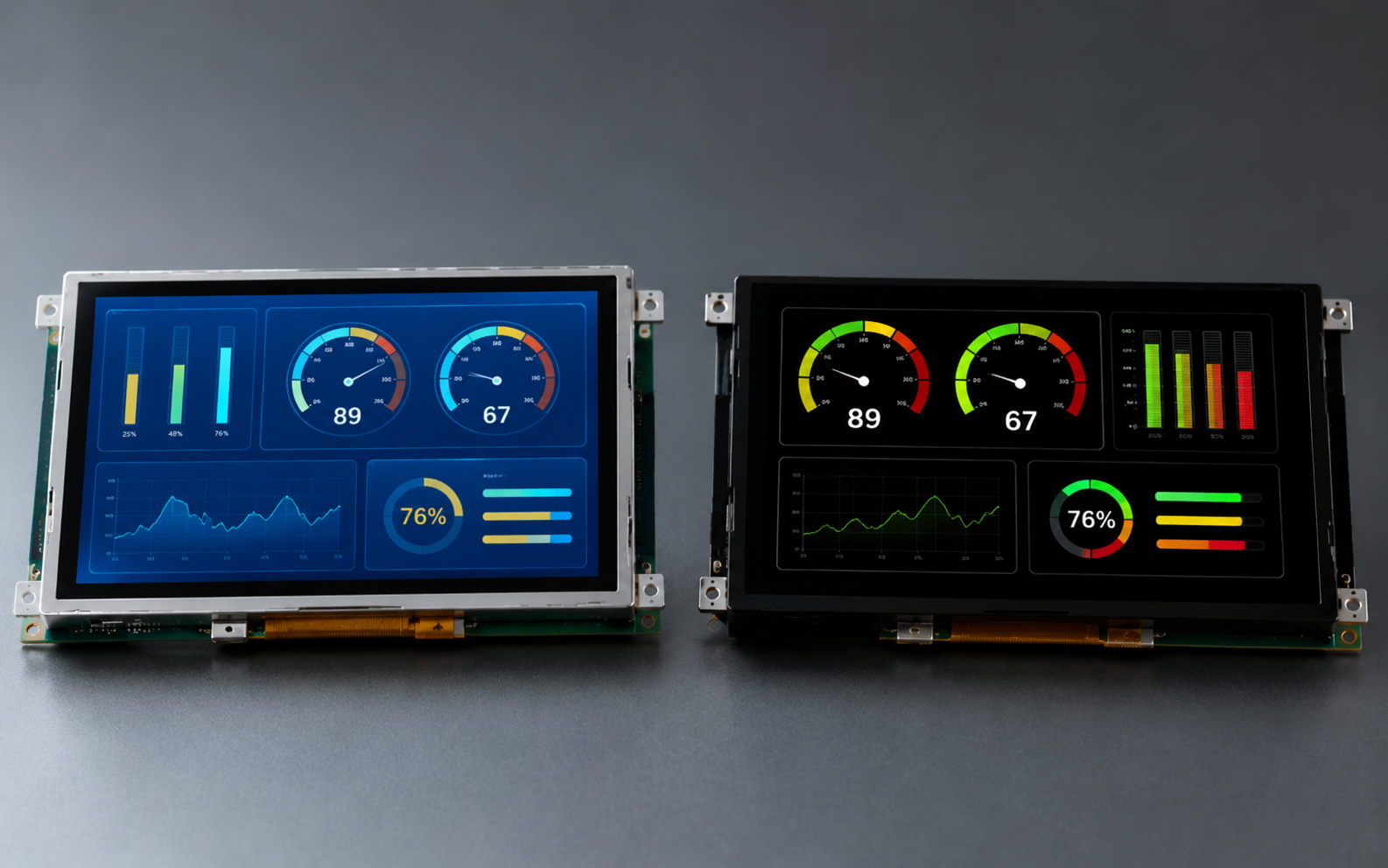
In industrial control panels, instruments, HMI devices, portable testing equipment, and smart terminals, both TFT LCD and OLED are common display options. Neither technology is universally better. ...
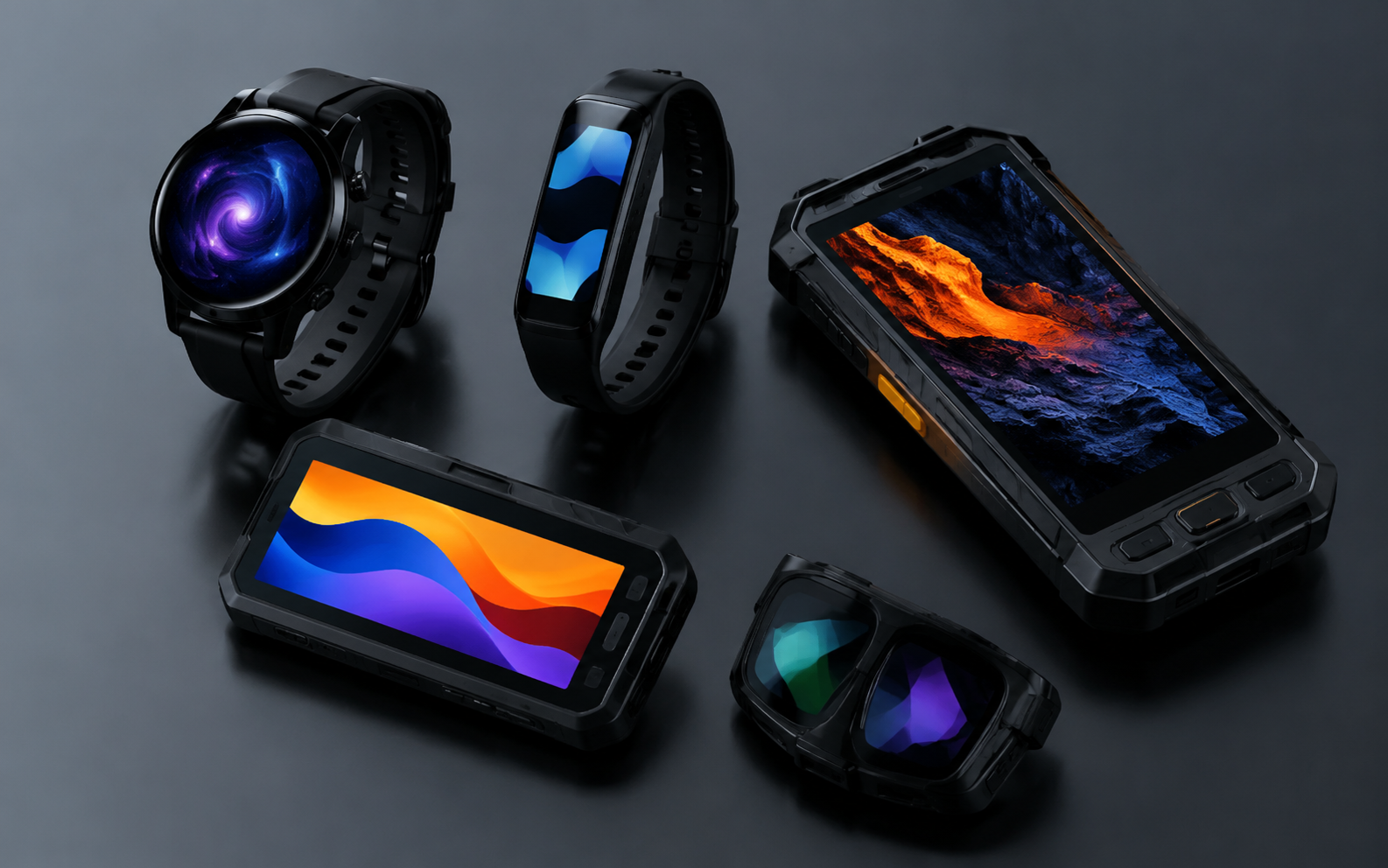
DisplayModule supplies standard AMOLED display modules and supports bulk procurement, custom display integration, FPC modification, cover glass customization, driver-board development, and engineer...
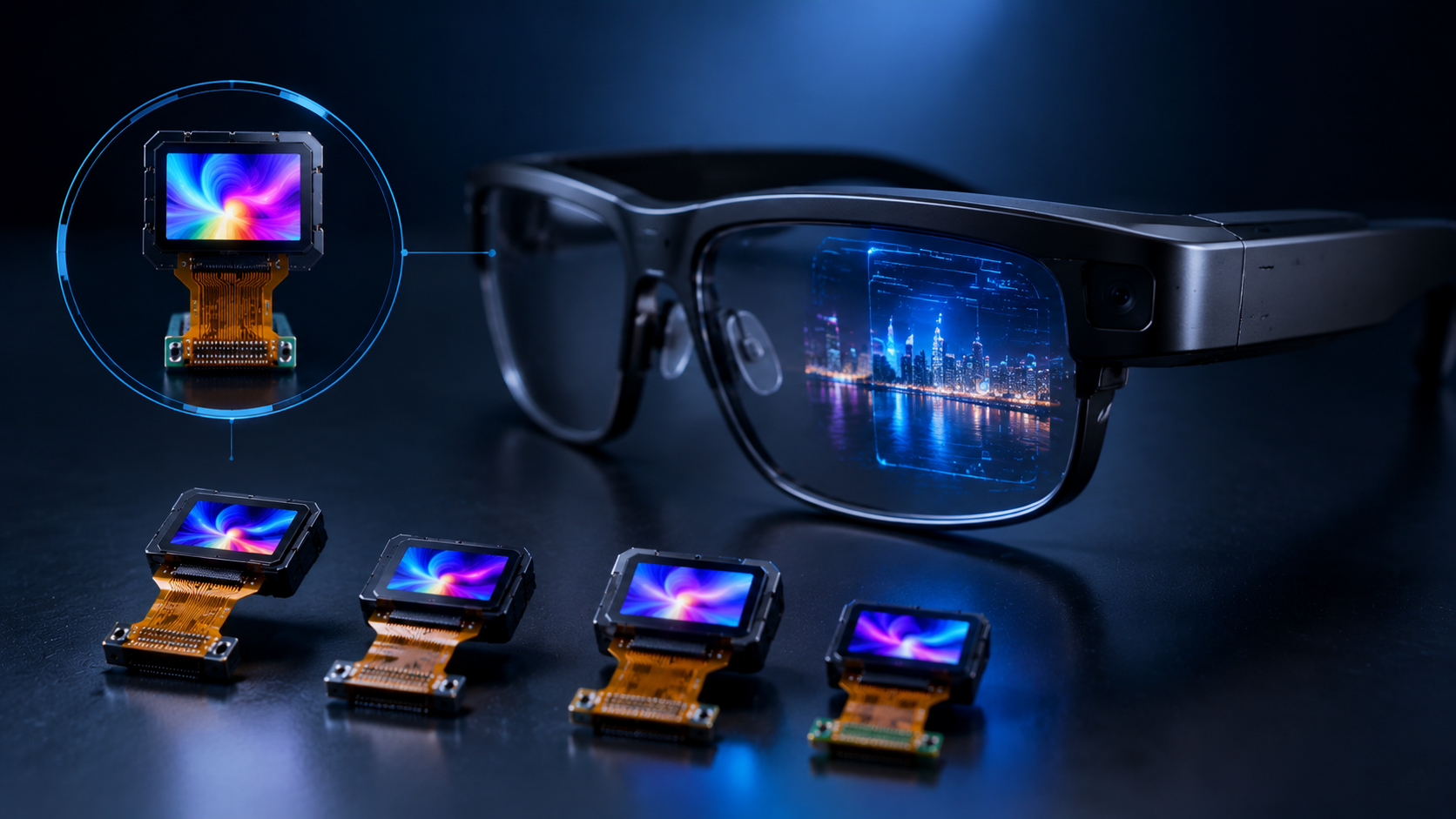
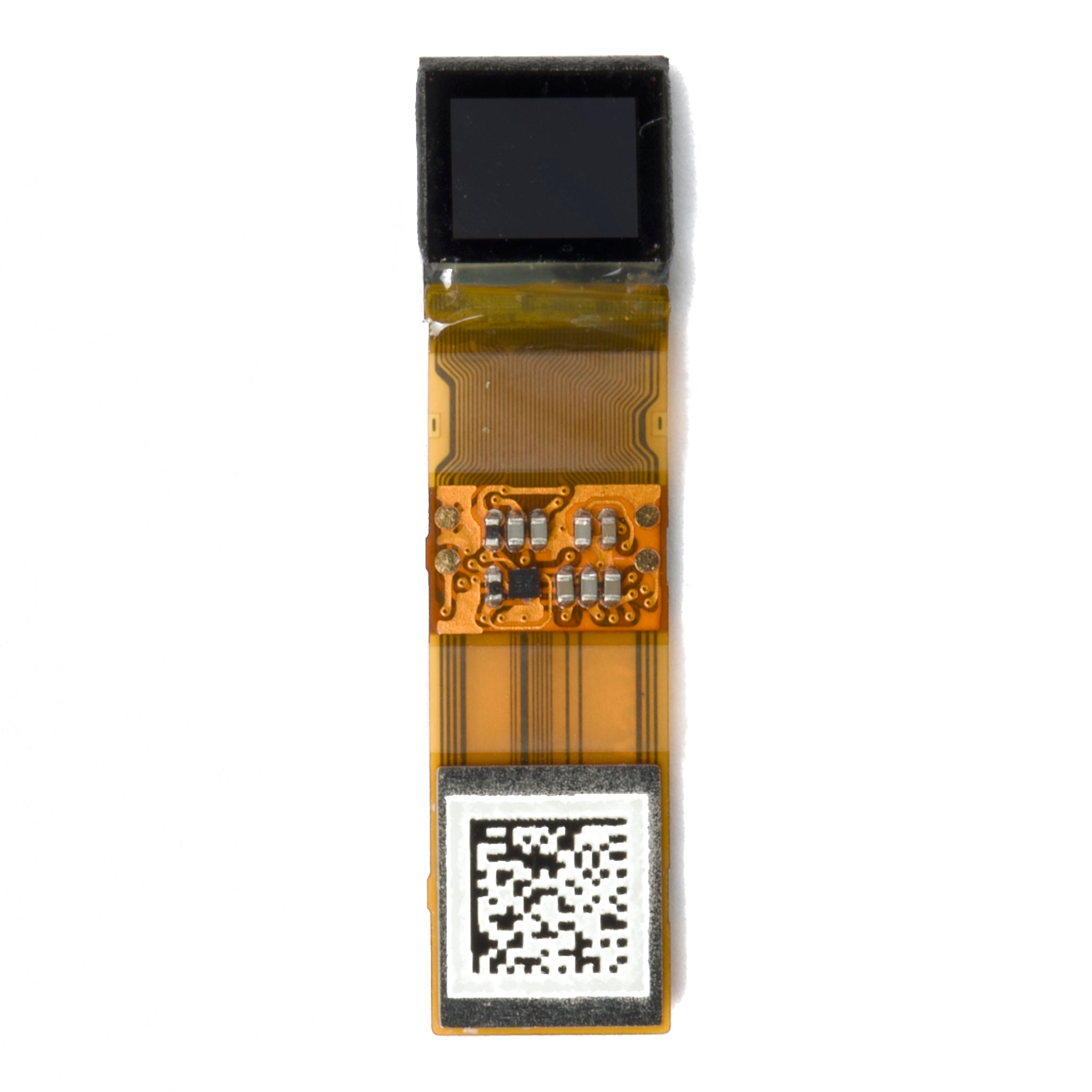
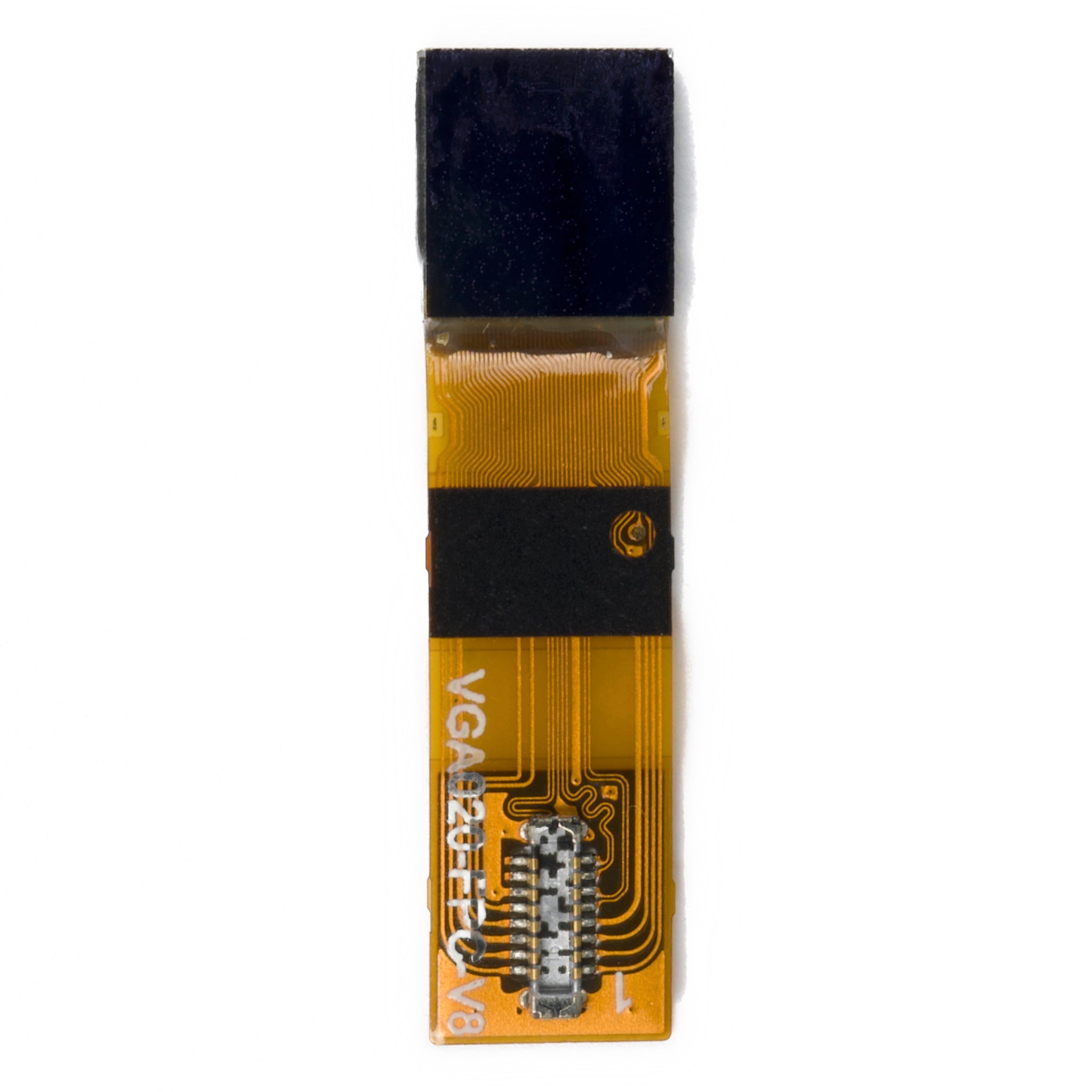
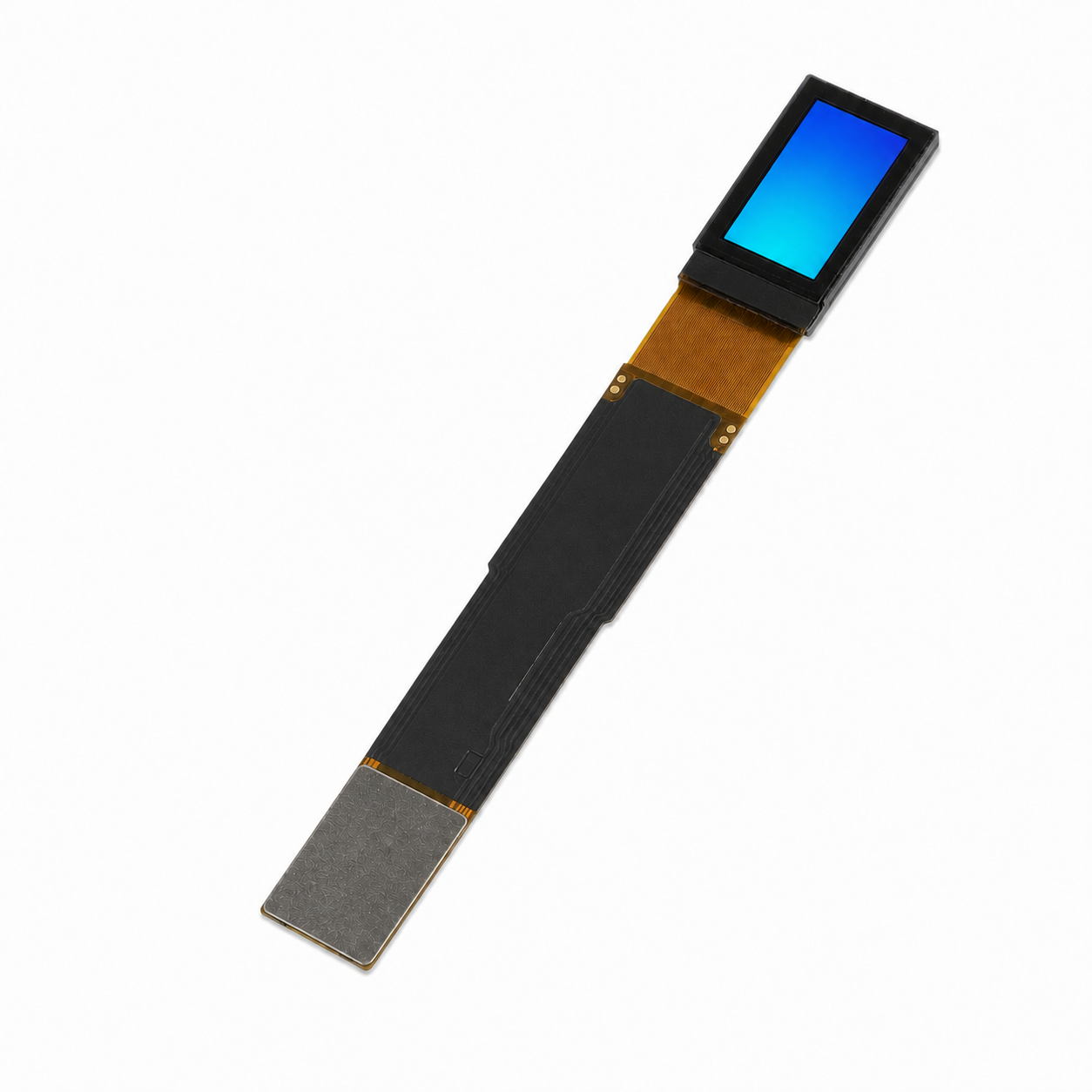
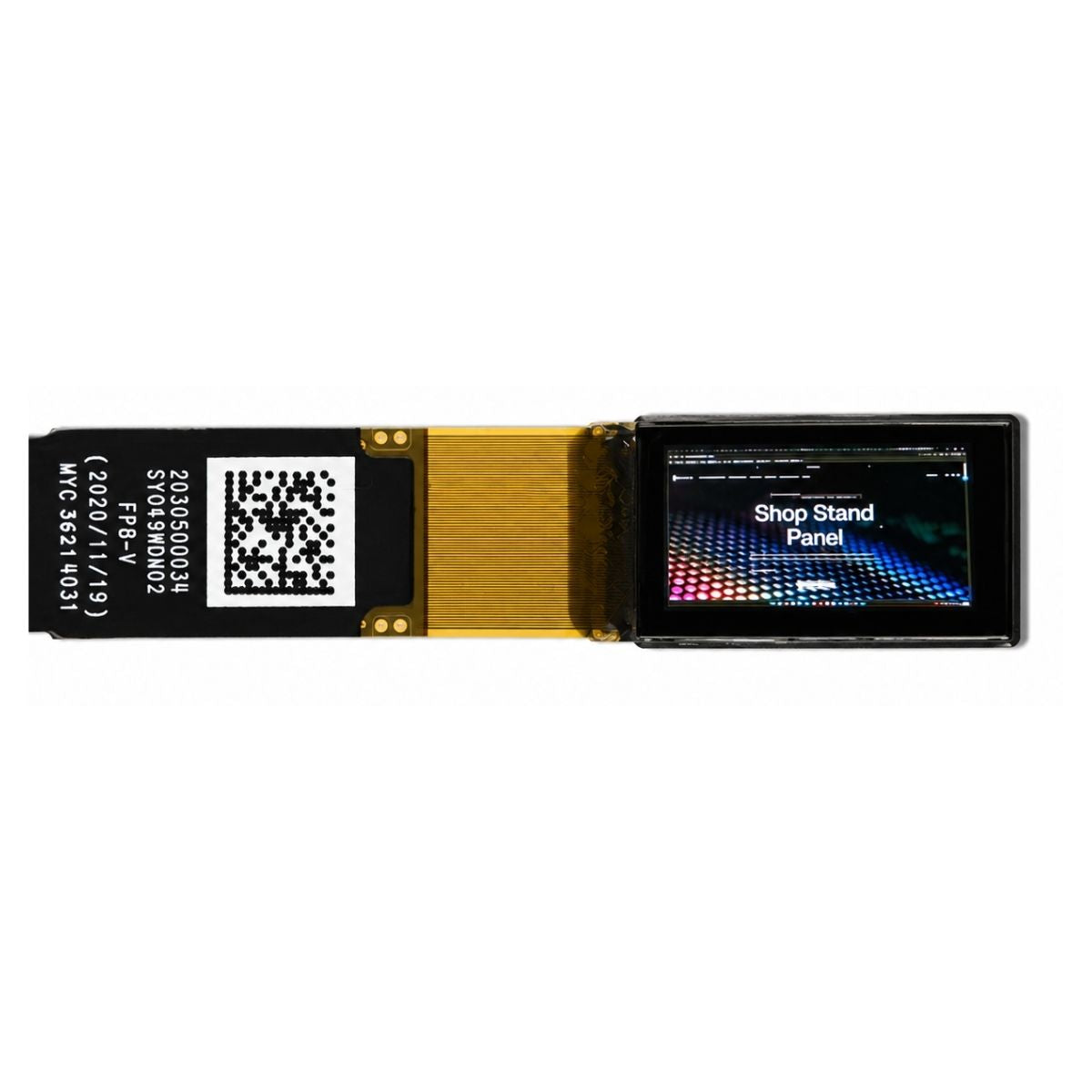
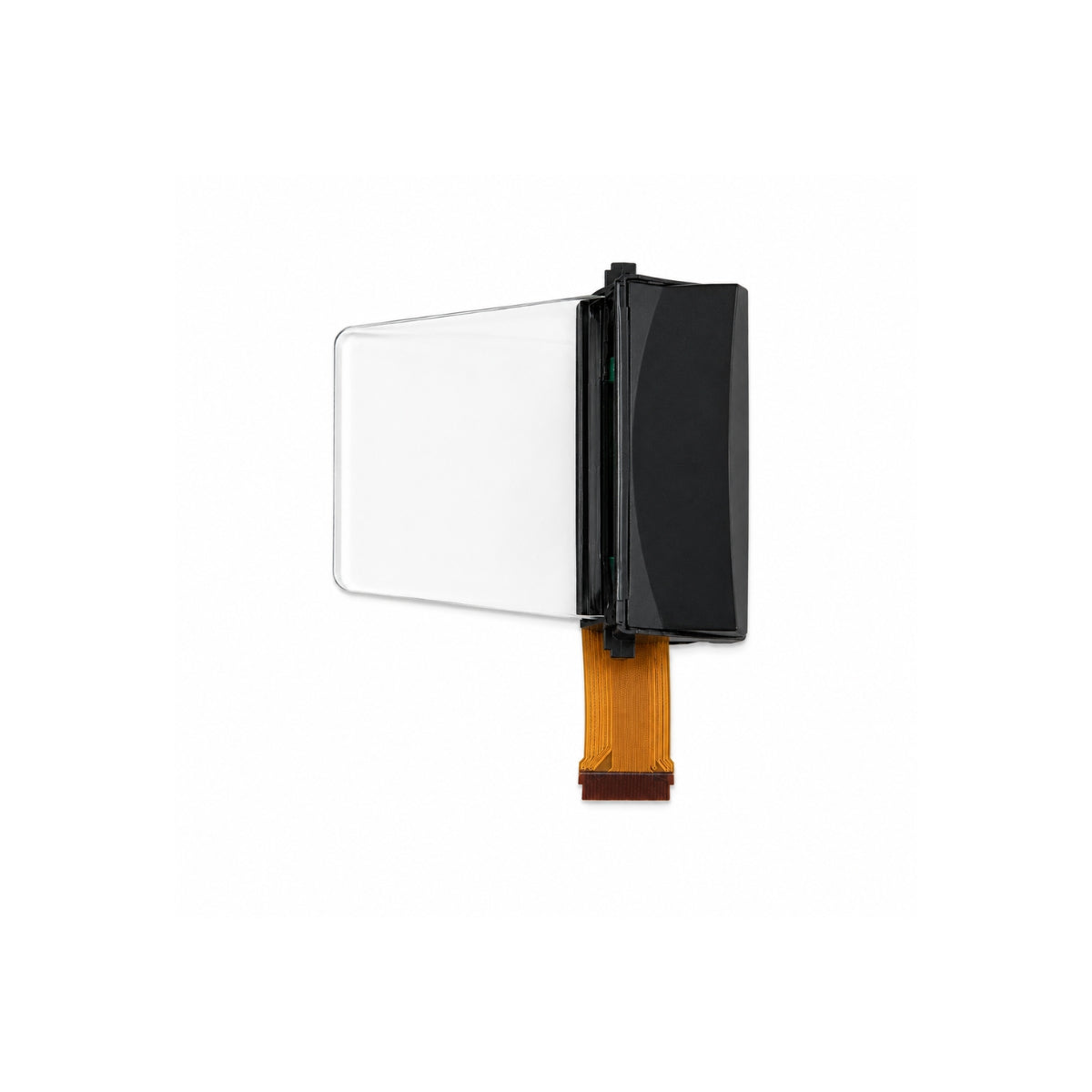
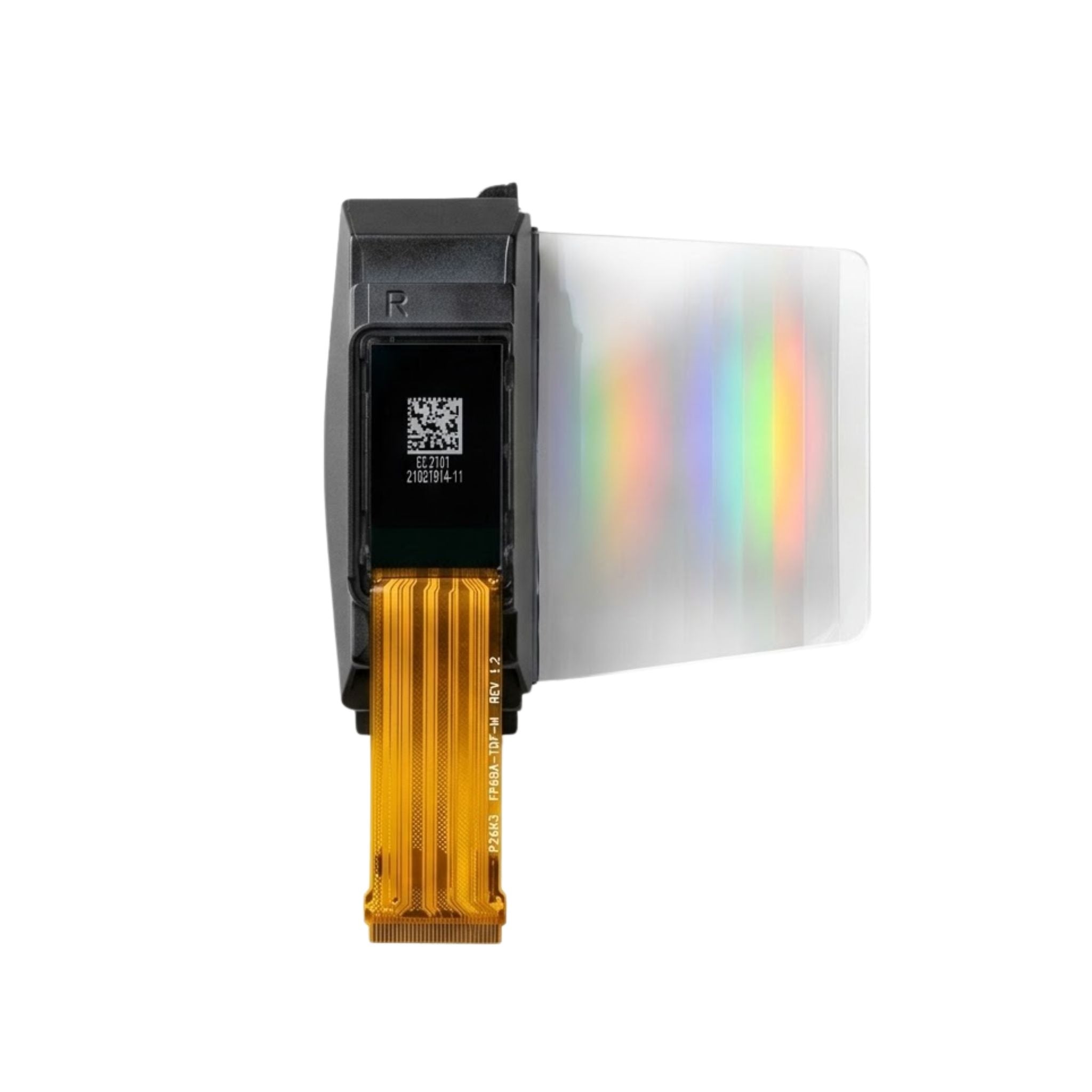
Micro OLED, also known as OLED-on-silicon or OLEDoS, is a high-density microdisplay technology used in electronic viewfinders, wearable display glasses, AR/VR optical engines, scopes and other c...
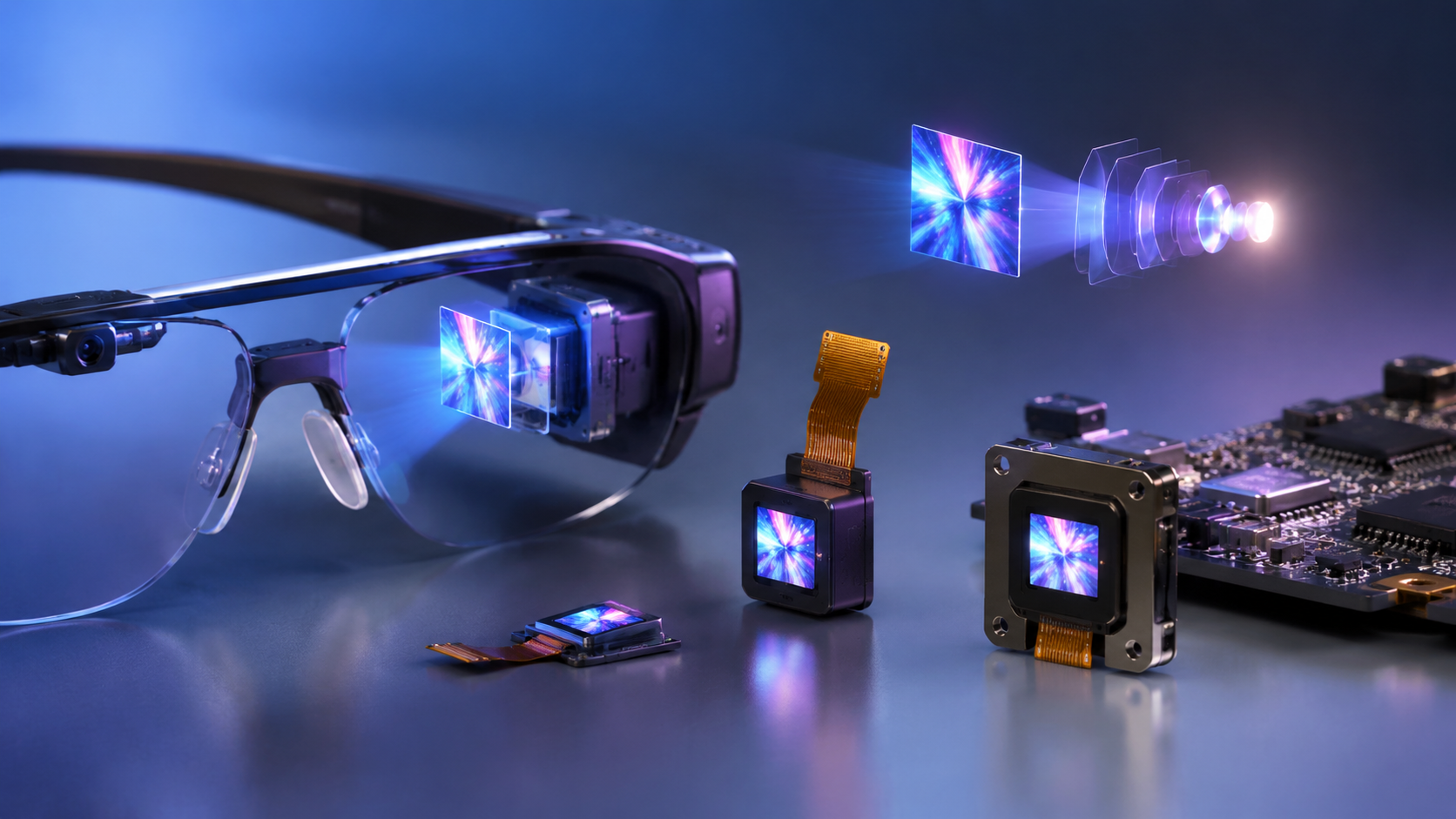
Micro OLED, also known as OLED-on-silicon or OLEDoS, is widely used in compact AR and VR optical engines because it combines self-emissive contrast, high pixel density and a small active display ...
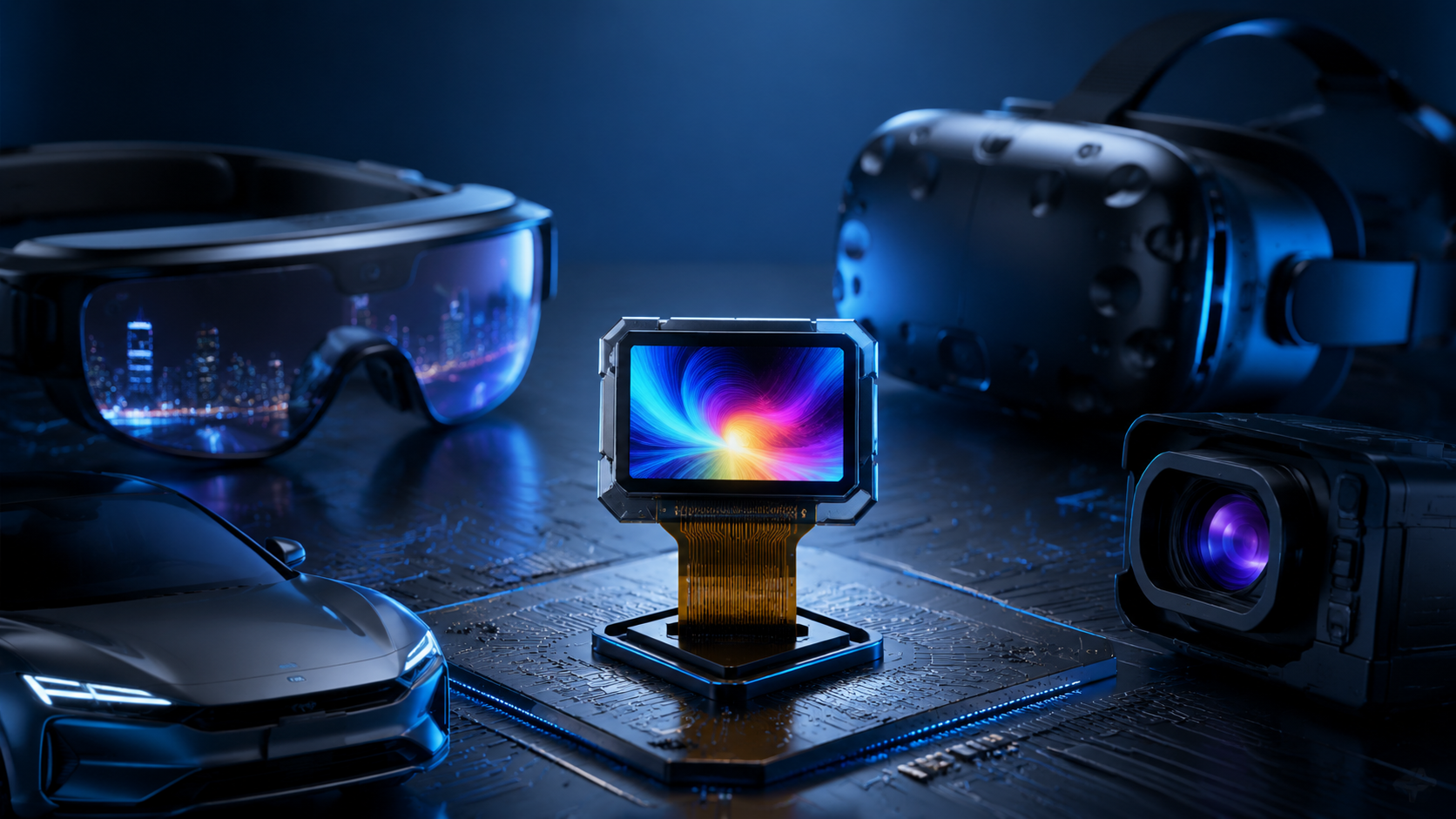
Micro OLED displays, also known as OLED-on-Silicon displays, combine high pixel density, fast response, high contrast, compact size, and efficient power performance under suitable drive condition...
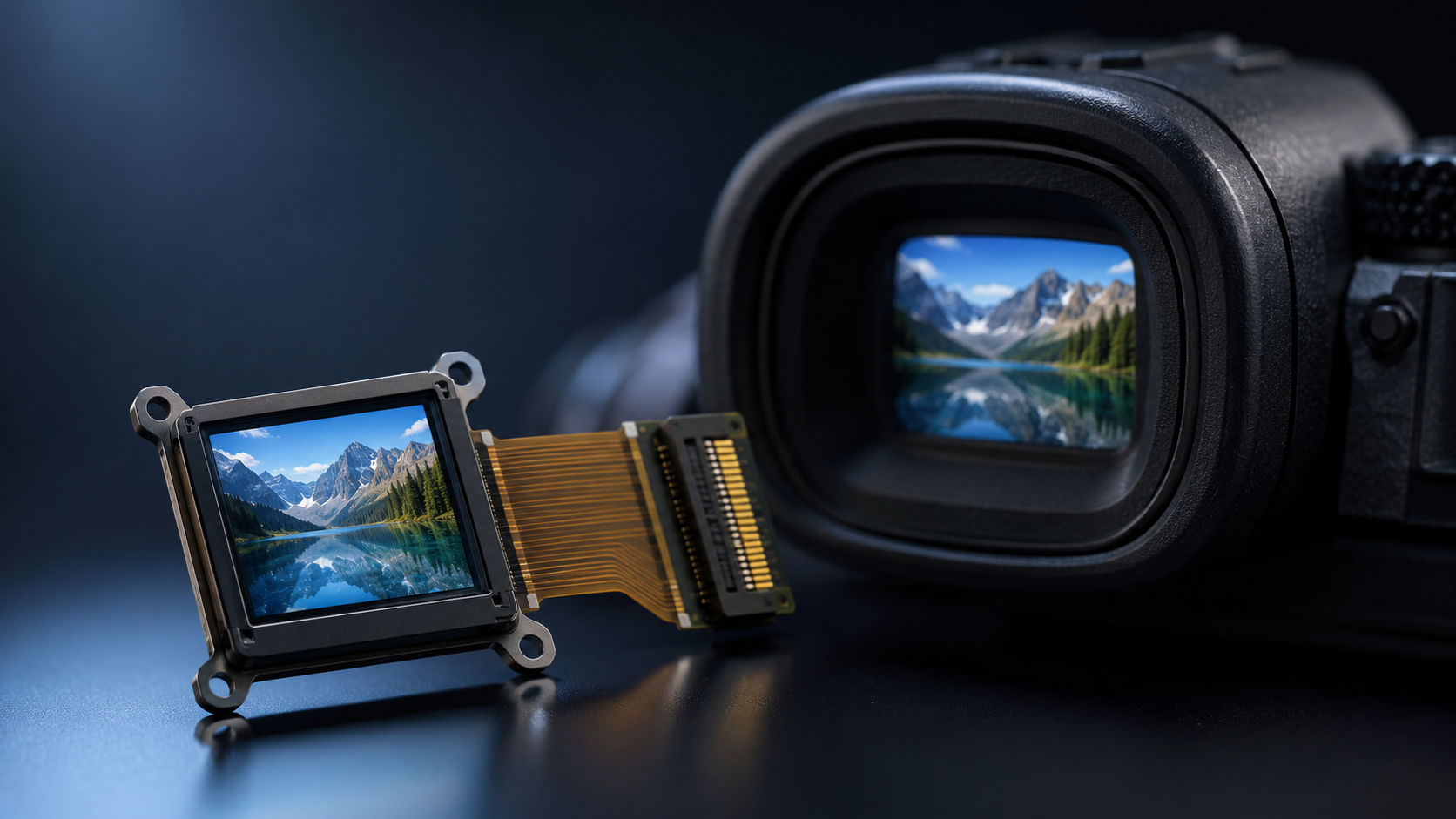
EVF viewfinders demand a display that can combine high pixel density, fast response, low latency, and a compact optical form factor. Among currently commercialized near-eye display technologies, Mi...
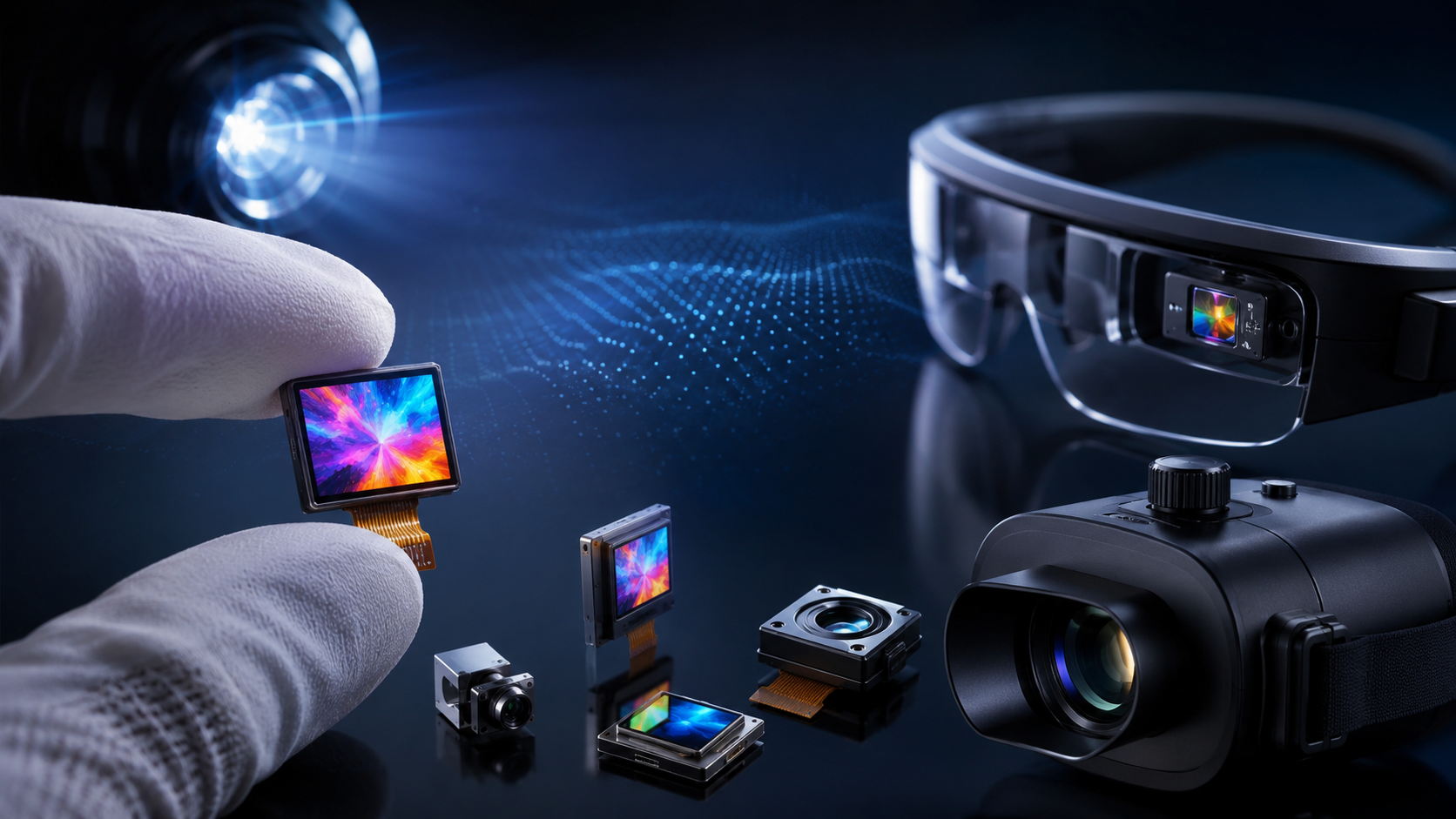
The rapid development of smart glasses, AR headsets, MR devices, and other near-eye optical products is reshaping the microdisplay market. OLEDOS, also known as OLED on Silicon or Micro OLED, has b...