

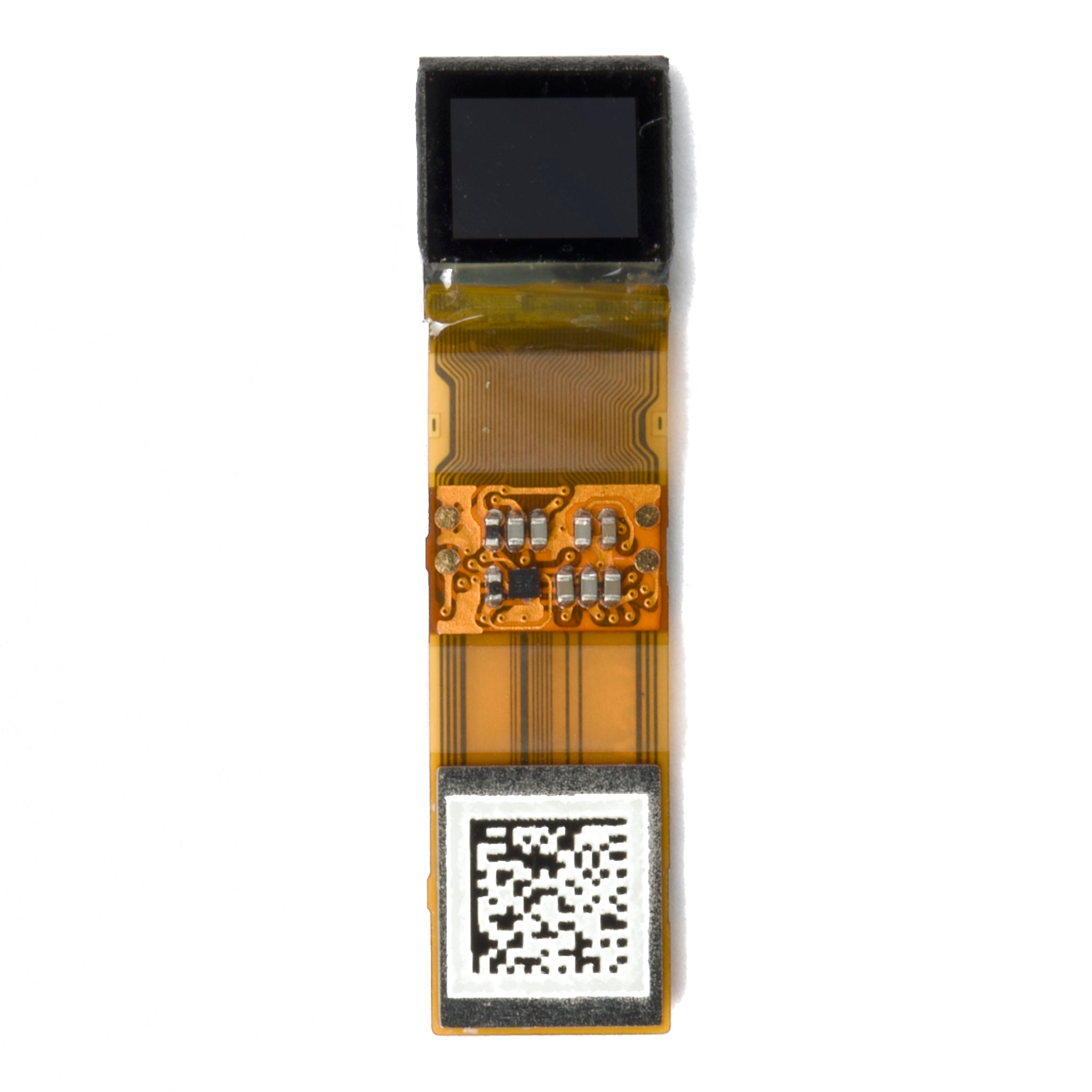
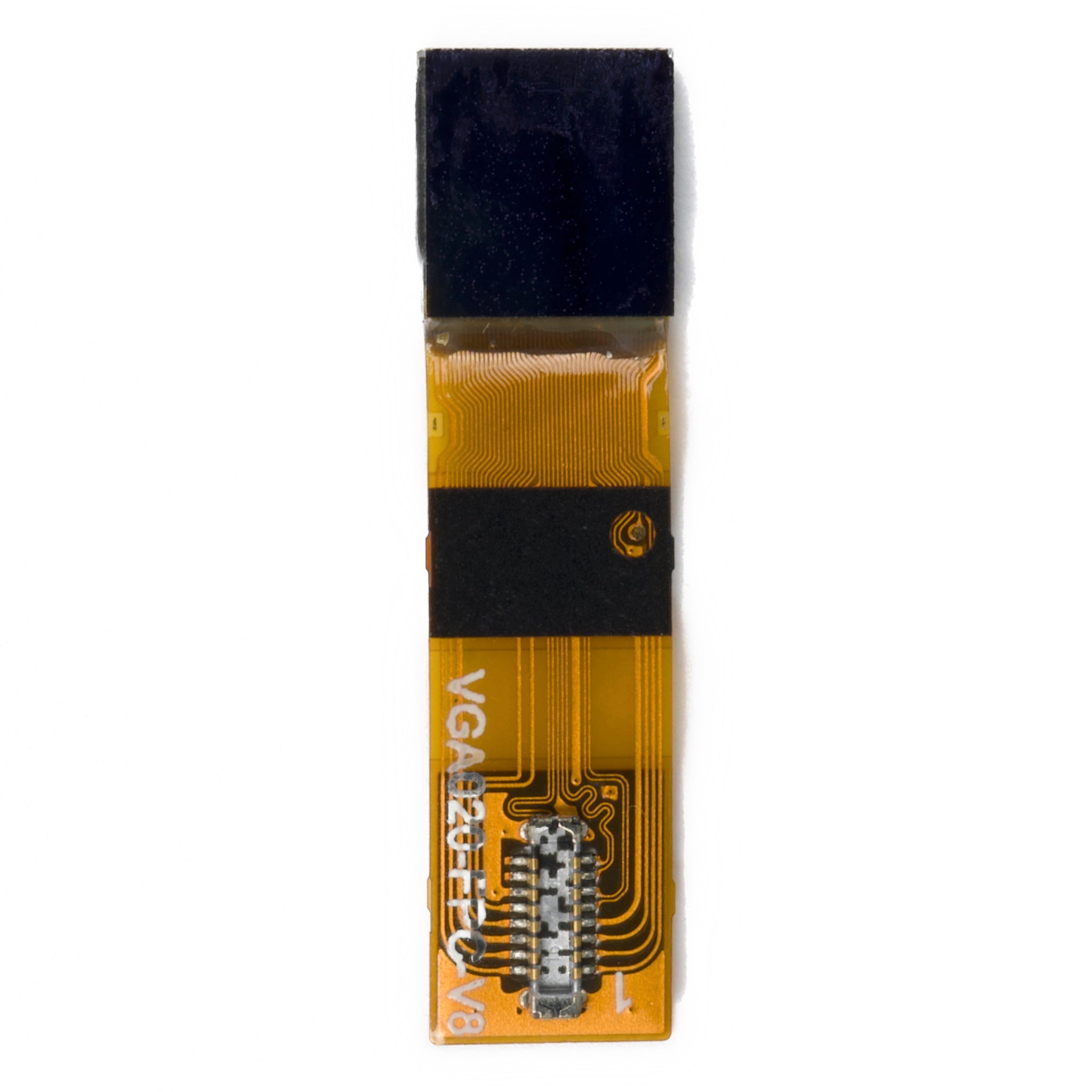
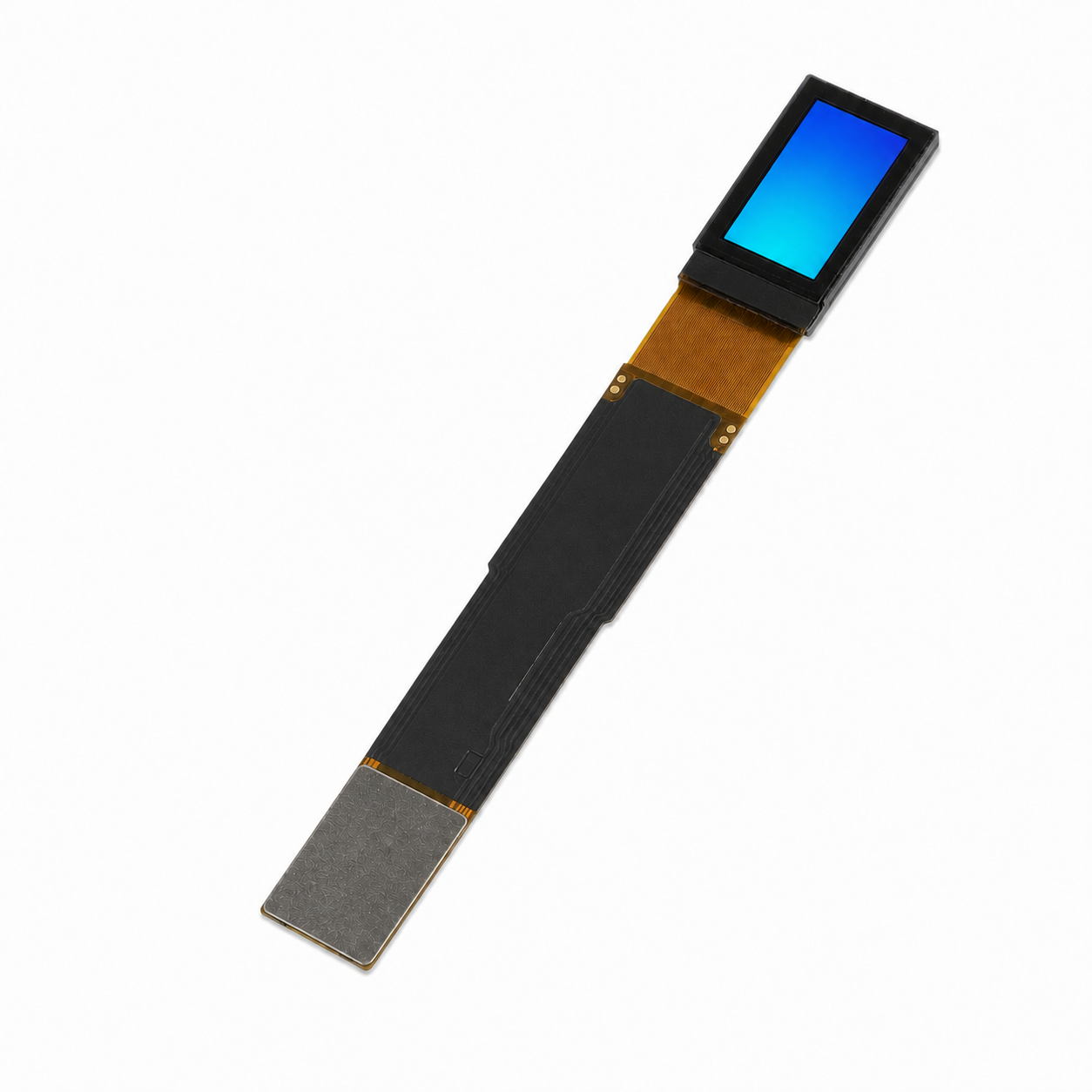
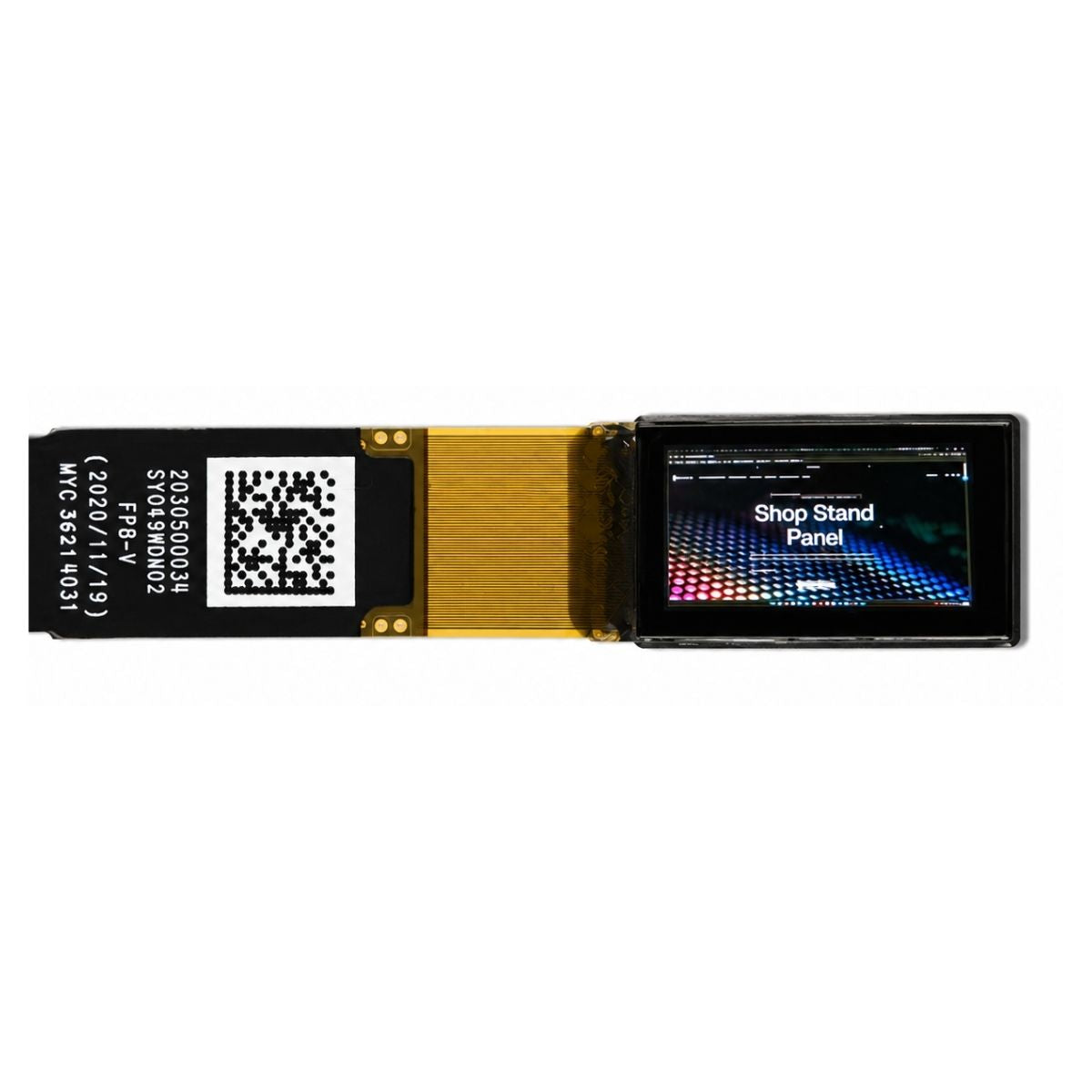
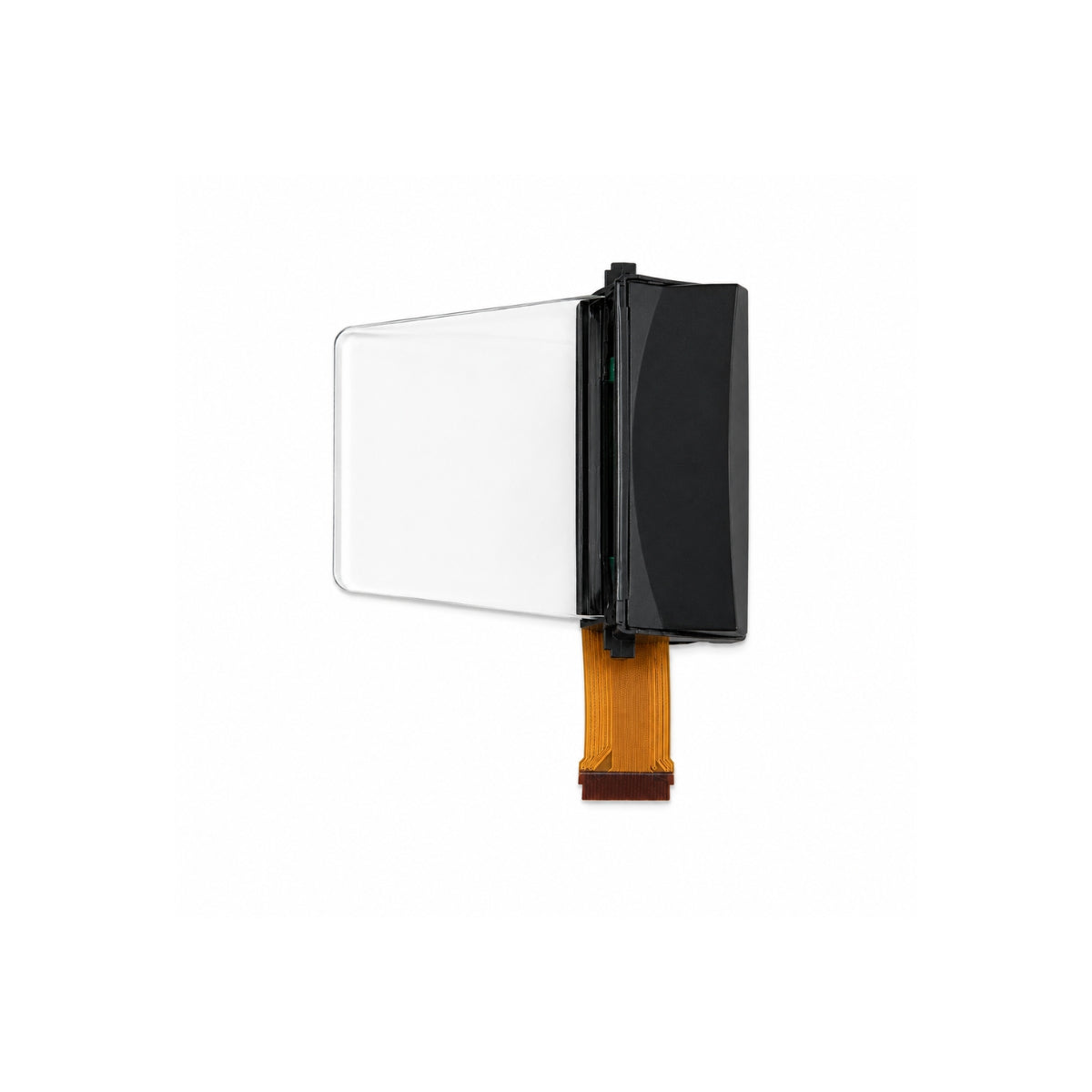
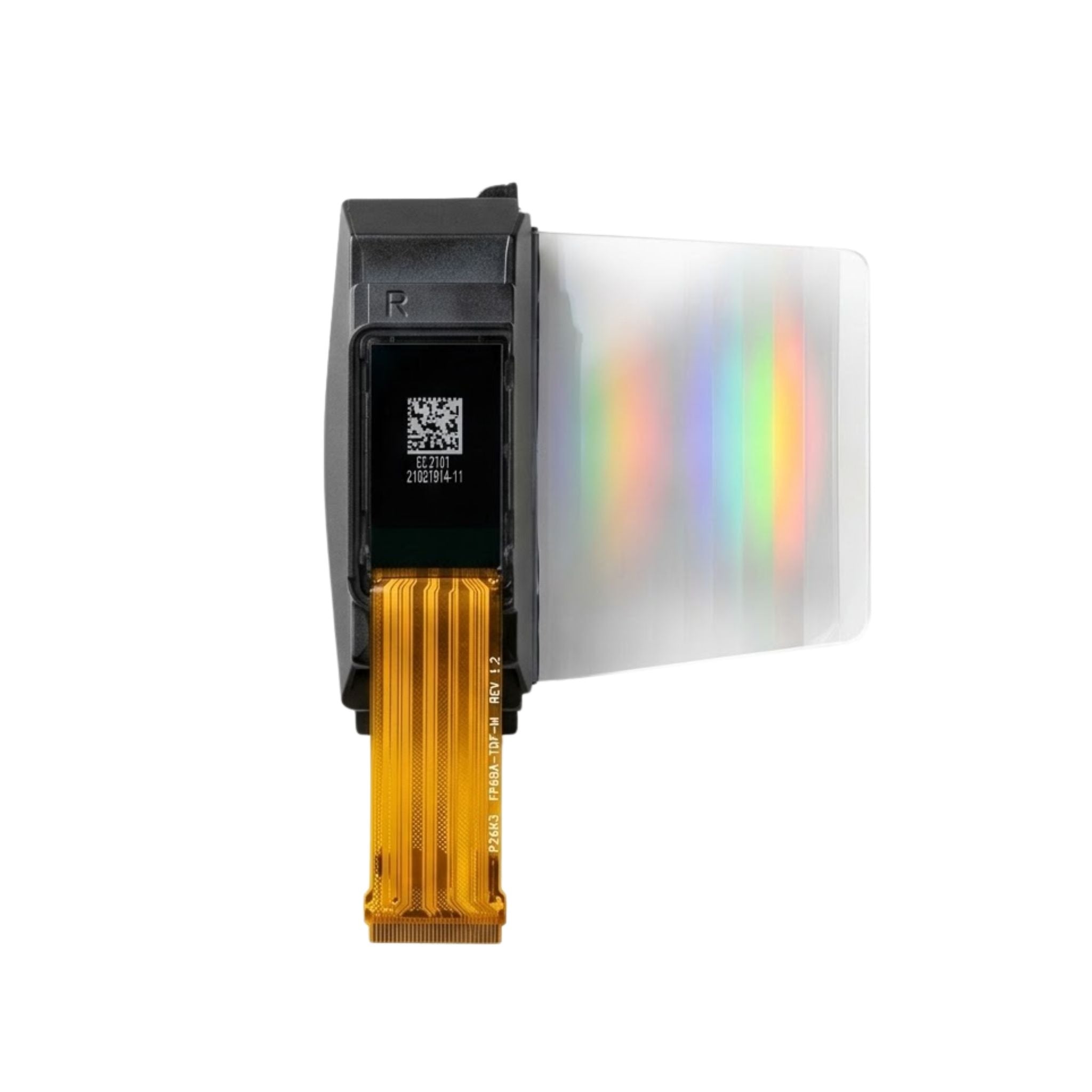


Driving a Micro OLED requires a 4-lane MIPI DSI interface supporting 1080P and a high frame rate of 90Hz, with a lane bandwidth reaching 1Gbps. The MCU must integrate hardware MIPI (such as the STM...

Monochrome Micro OLEDs, unblocked by color filters, can reach brightness levels of 100,000 nits and consume only one-tenth the power of full-color versions, making them highly suitable for displayi...

Micro OLED uses a monocrystalline silicon substrate, replacing the glass or plastic substrates of standard OLEDs, allowing its resolution to easily break through 3000 PPI, far exceeding the 500 PPI...
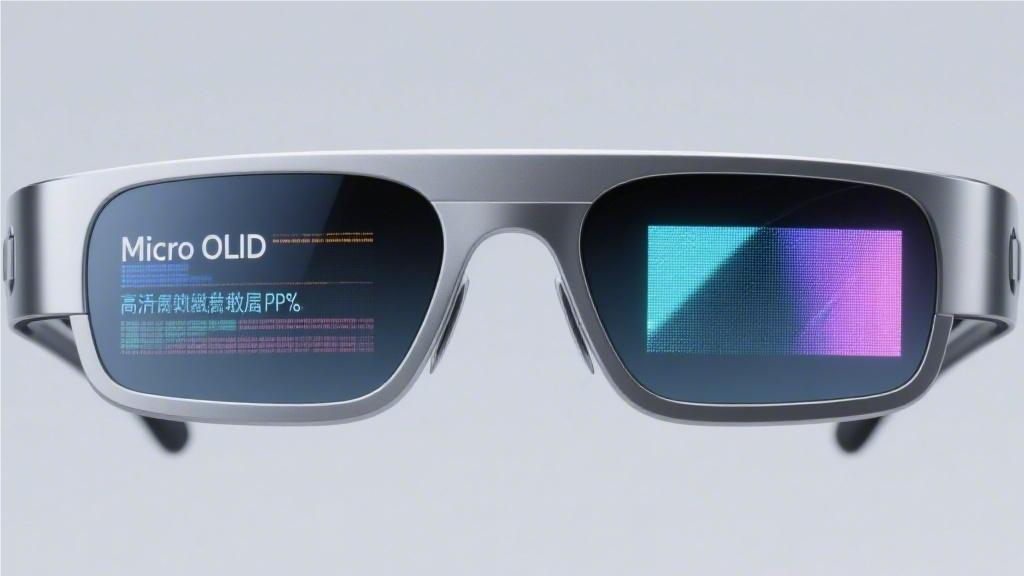
Micro OLED panels are the ideal choice for smart glasses. Their pixel density reaches 3000 to 4000 PPI, presenting high-definition vision without the screen door effect; The weight of a single scre...
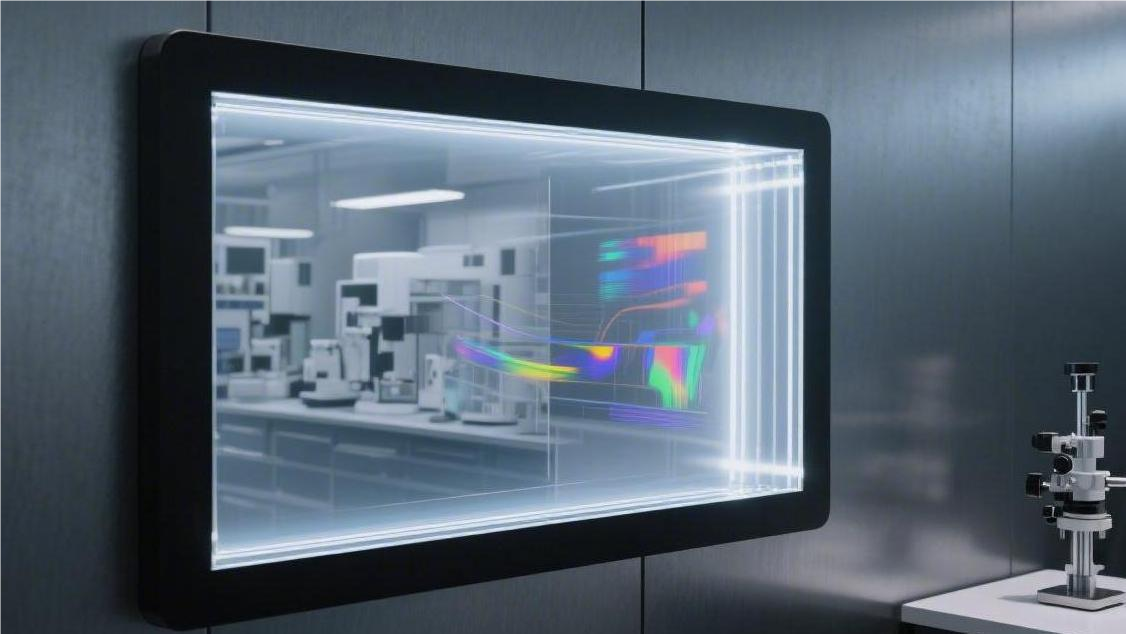
Transparent OLED has a transmittance rate of 38%-50% and a peak brightness of about 600 nits. It drives the pixels to self-illuminate through transparent electrodes. In AR applications, it controls...
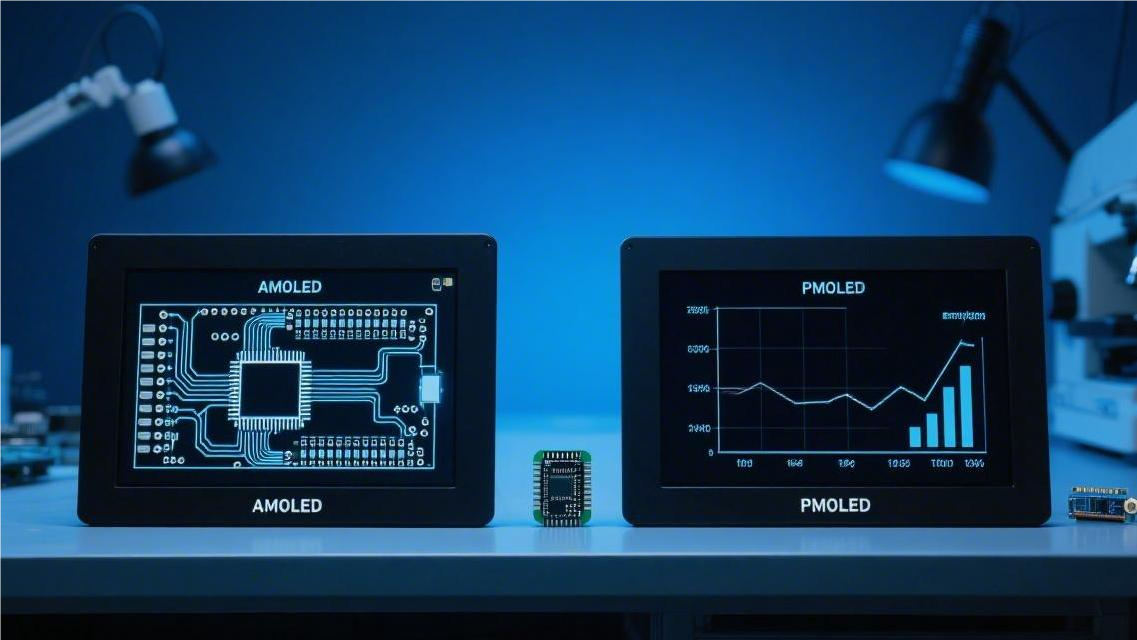
AMOLED utilizes a TFT array for active driving, where pixels are independently controlled, allowing sizes to exceed 100 inches. Although the cost is high, the picture quality is exquisite; PMOLED r...
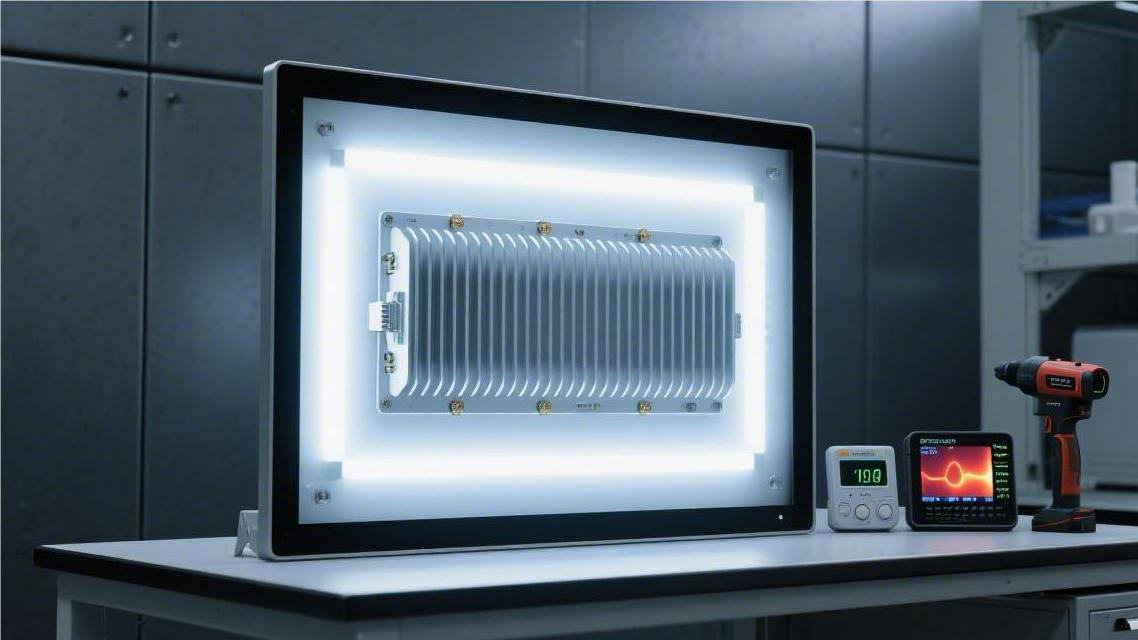
High-brightness LCD panels often reach a brightness of 2500 nits. Since a 55-inch panel consumes approximately 250W, it requires an aluminum substrate and forced convection cooling via fans. During...
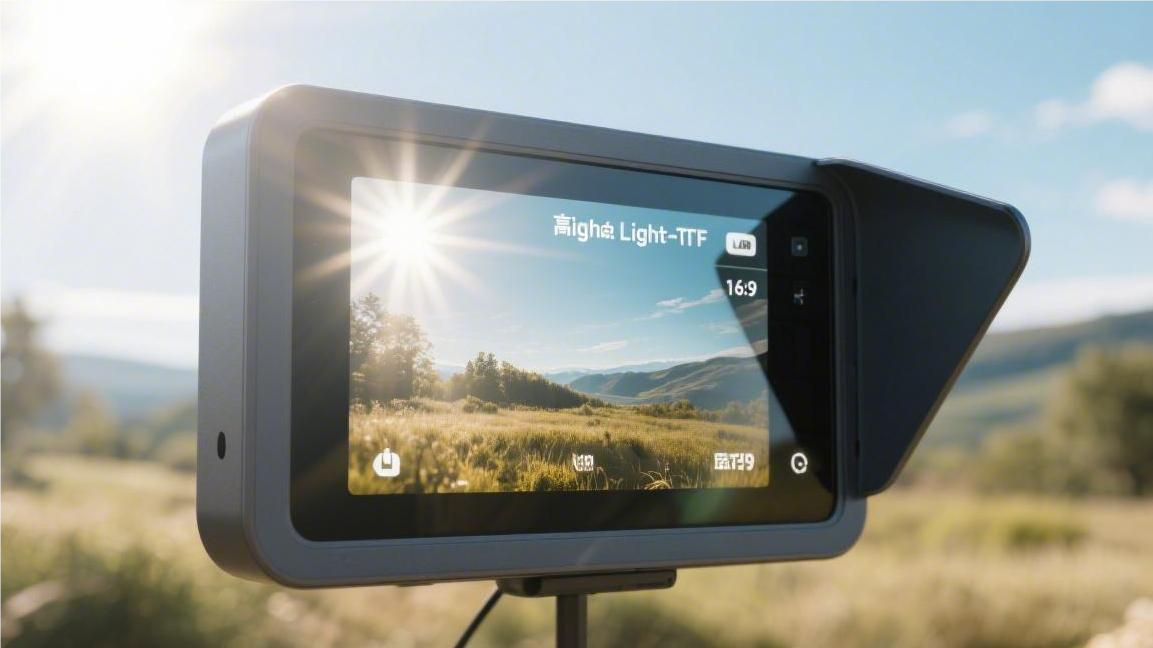
Sunlight readable TFT displays must feature a high brightness of over 1000 nits and a contrast ratio of 800:1. Operationally, an anti-glare (AG) coating needs to be applied to the screen surface co...
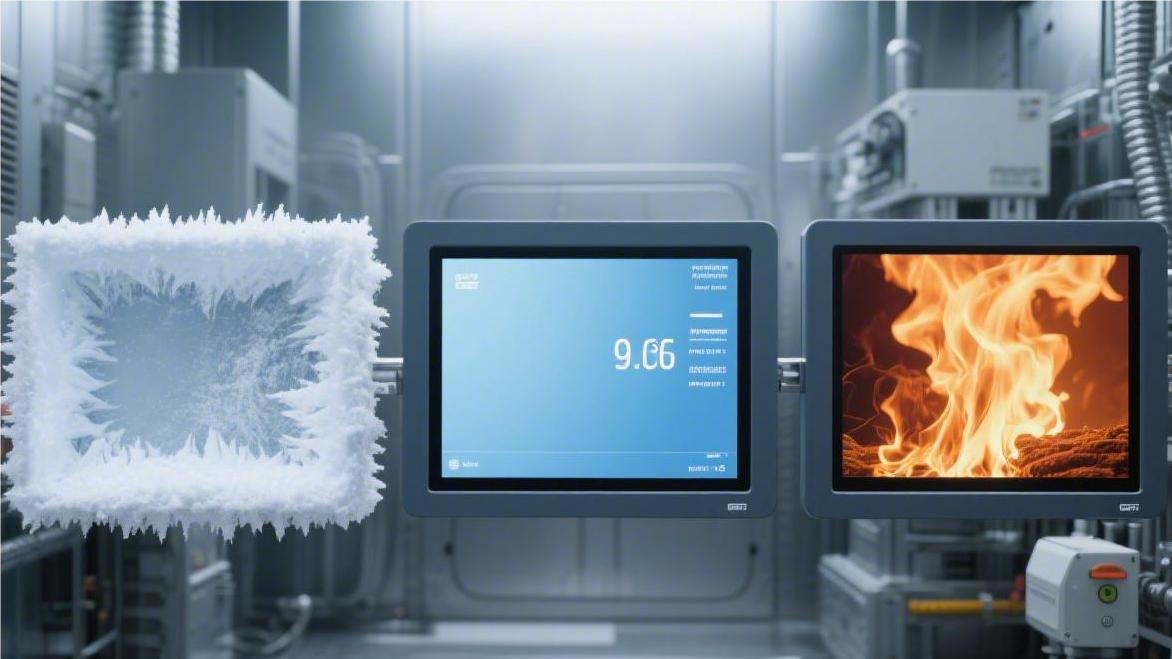
Industrial LCD screen selection must look for the wide temperature standard of -20°C to 70°C. In terms of lifecycle, it is essential to verify data reports showing an MTBF greater than 50,000 hours...