



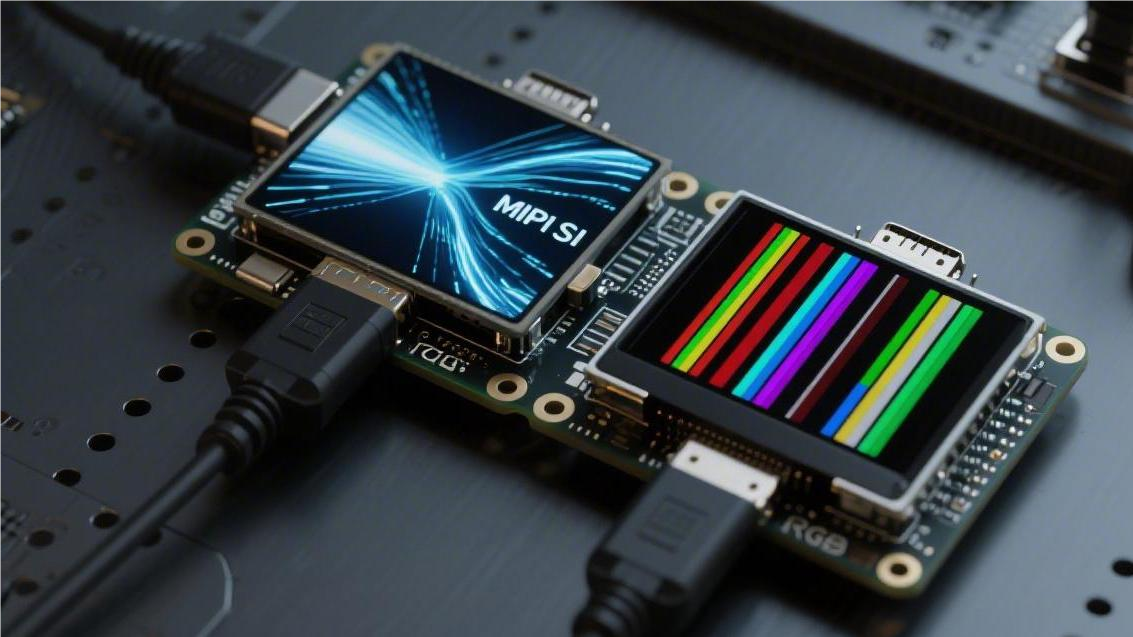
The MIPI DSI single-lane bandwidth reaches up to 4.5 Gbps, requiring only 4 sets of differential lines to support 4K high resolution. It features strong anti-interference capabilities and is extrem...
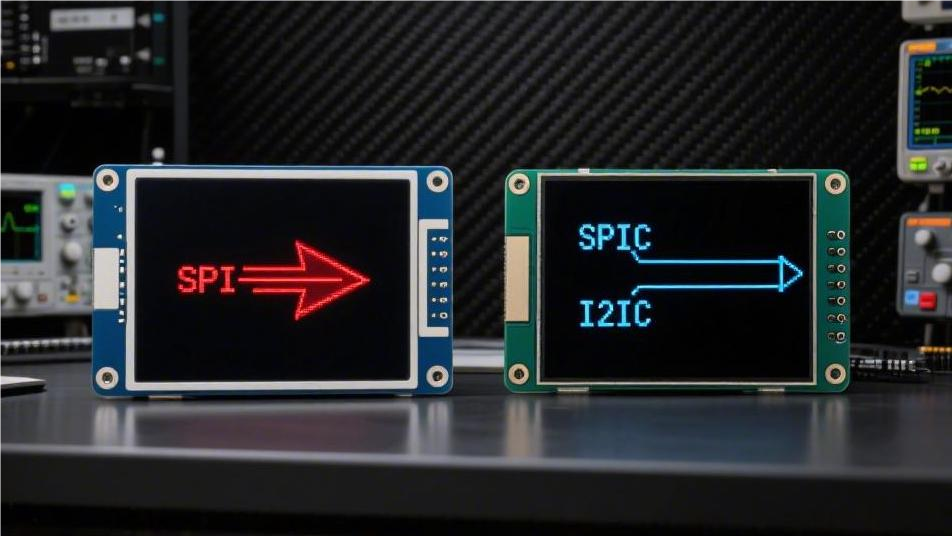
The SPI display interface requires 4 wires and can reach frequencies of 50MHz or higher, making it suitable for driving color TFT screens to smoothly play animations. The I2C interface, on the othe...

E-paper is the preferred choice for battery-powered devices, with its static display power consumption as low as 0W, consuming power only during screen refreshes. If high-contrast luminescence is r...

Flexible OLED screens use a polyimide substrate instead of glass, with a thickness of only about 0.03 mm, yet they can withstand over 200,000 repeated folds, and the ultimate bending radius can be ...

If extreme cost-effectiveness and battery life are paramount, black and white LCD is the first choice. Its cost is usually only about 30% of that of a color screen, power consumption is as low as t...

16x2 (1602) is the standard choice, with a total of 32 characters suitable for simple readings; If multi-level menus or data logging is needed, the 80-character space provided by 20x4 (2004) is mor...
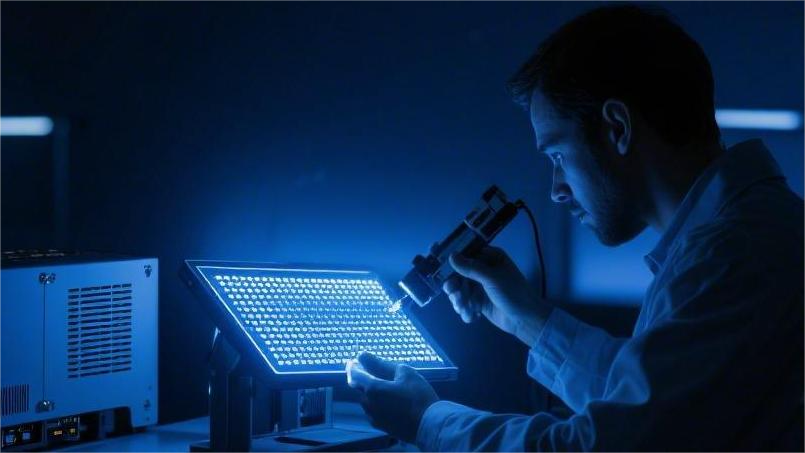
The core of extending OLED lifespan lies in slowing down the decay rate of organic light-emitting materials. In practice, it is recommended to maintain daily screen brightness between 50% and 70%. ...
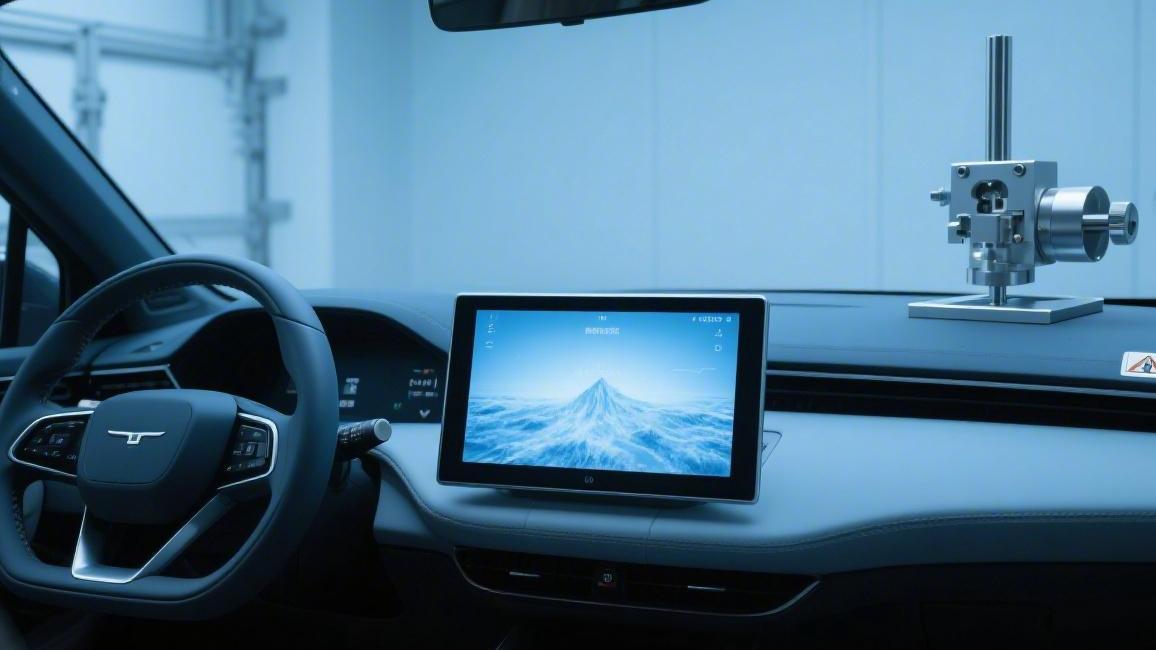
Standard specifications require that the operating temperature must cover -40°C to +85°C to ensure normal startup in both extreme cold and heat. The backlight lifespan typically needs to reach more...
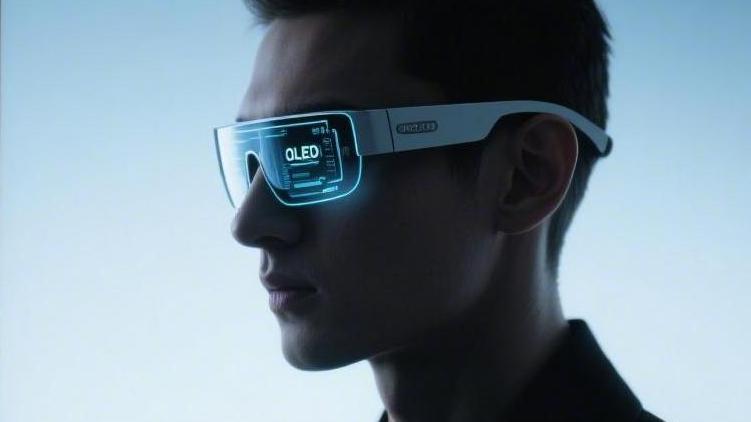
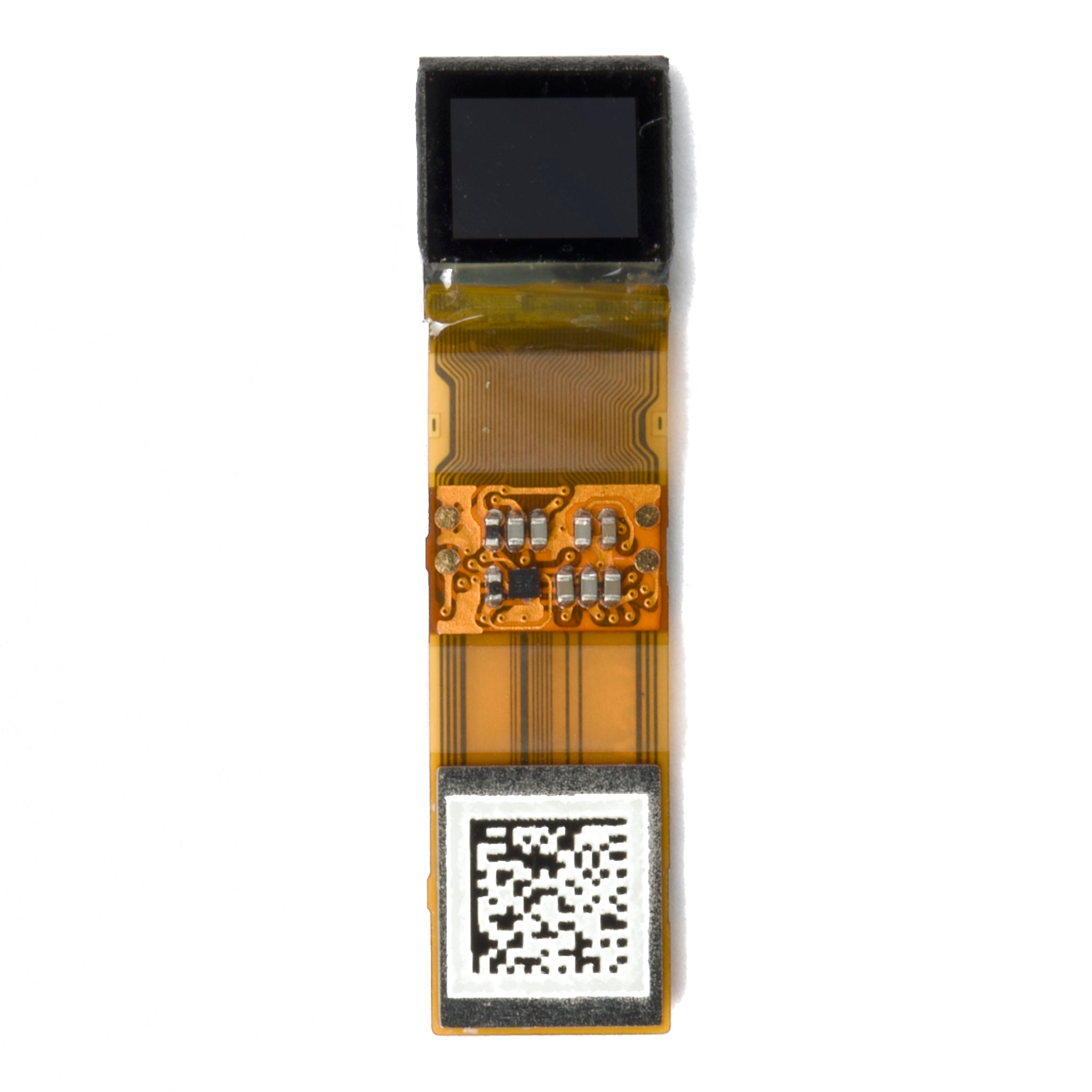
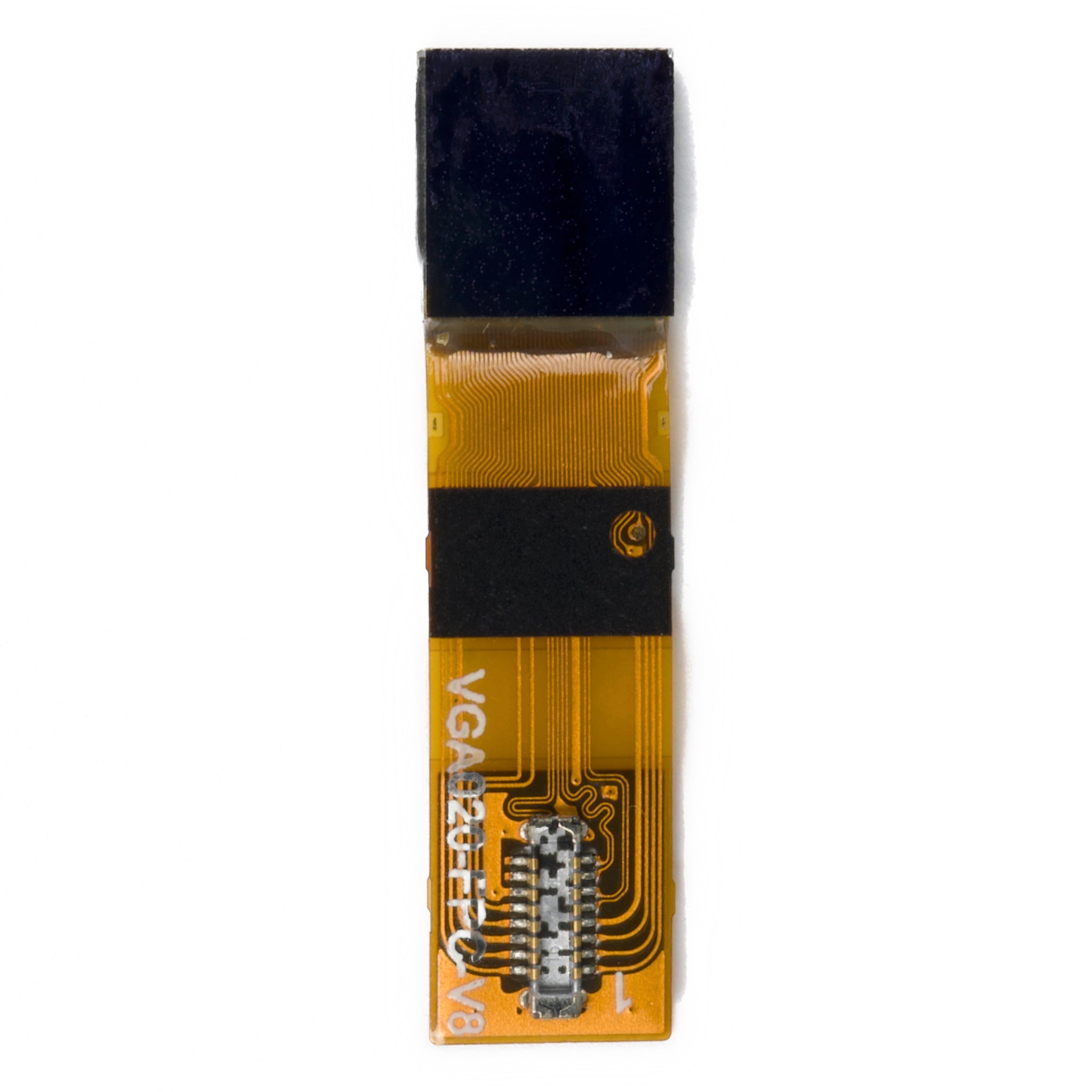
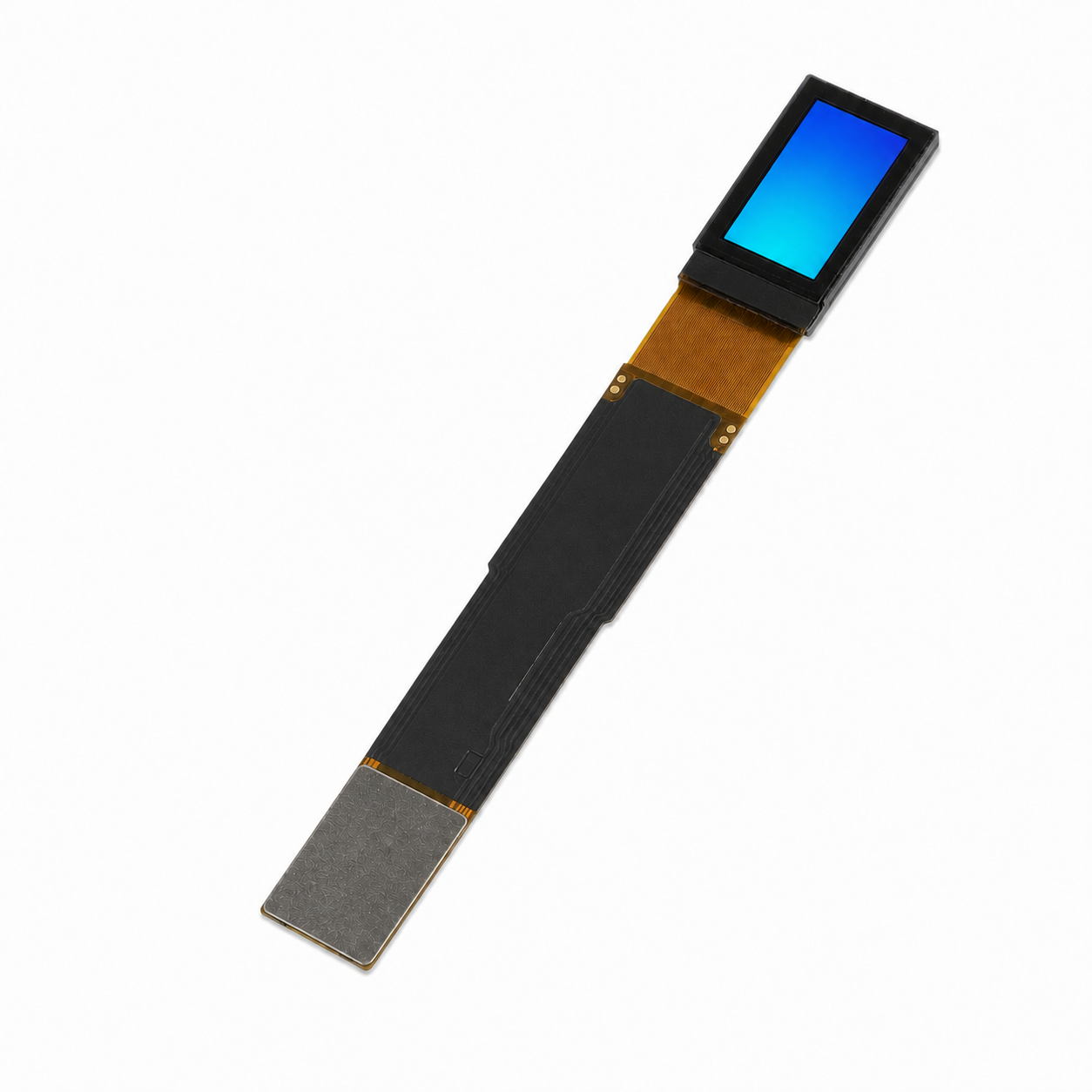
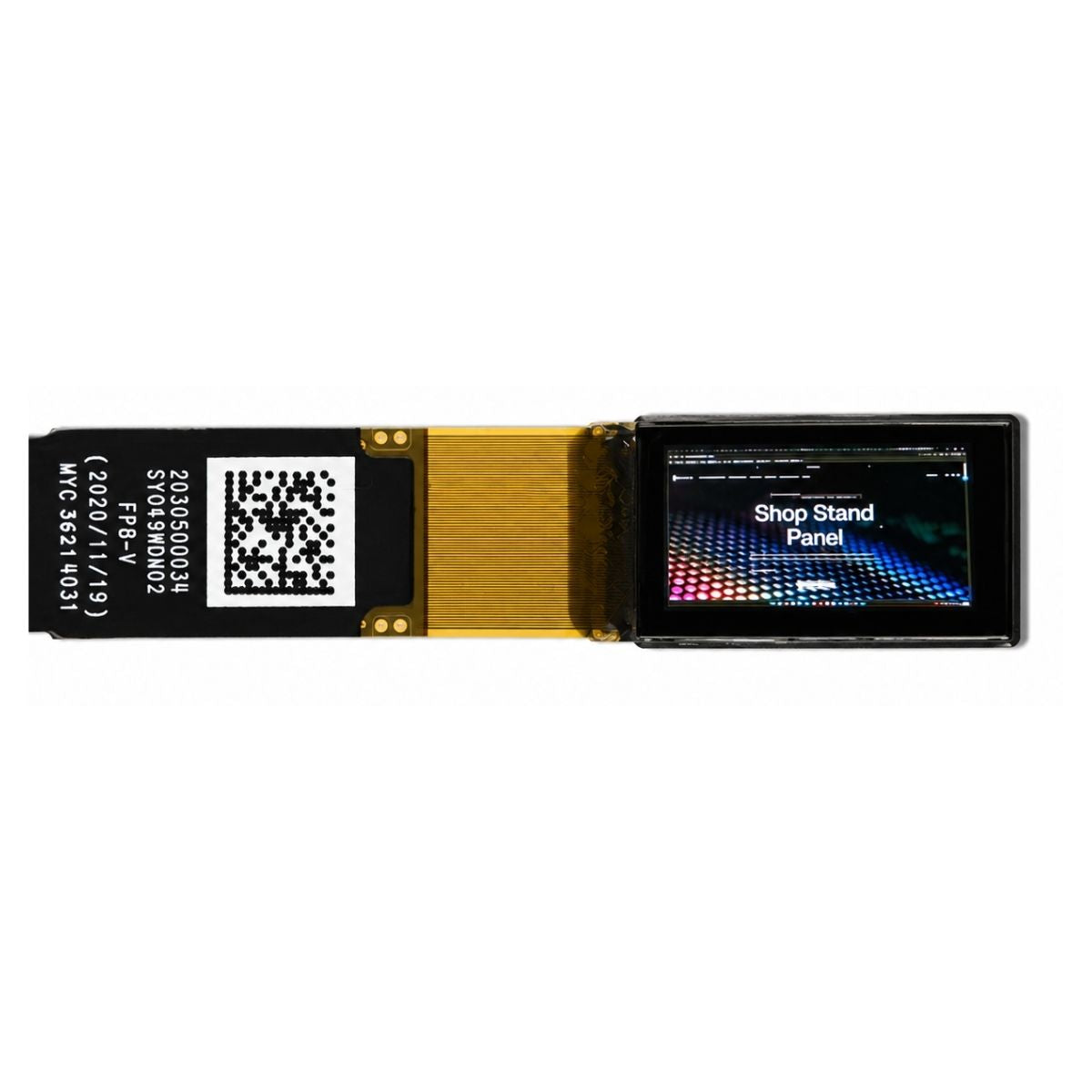
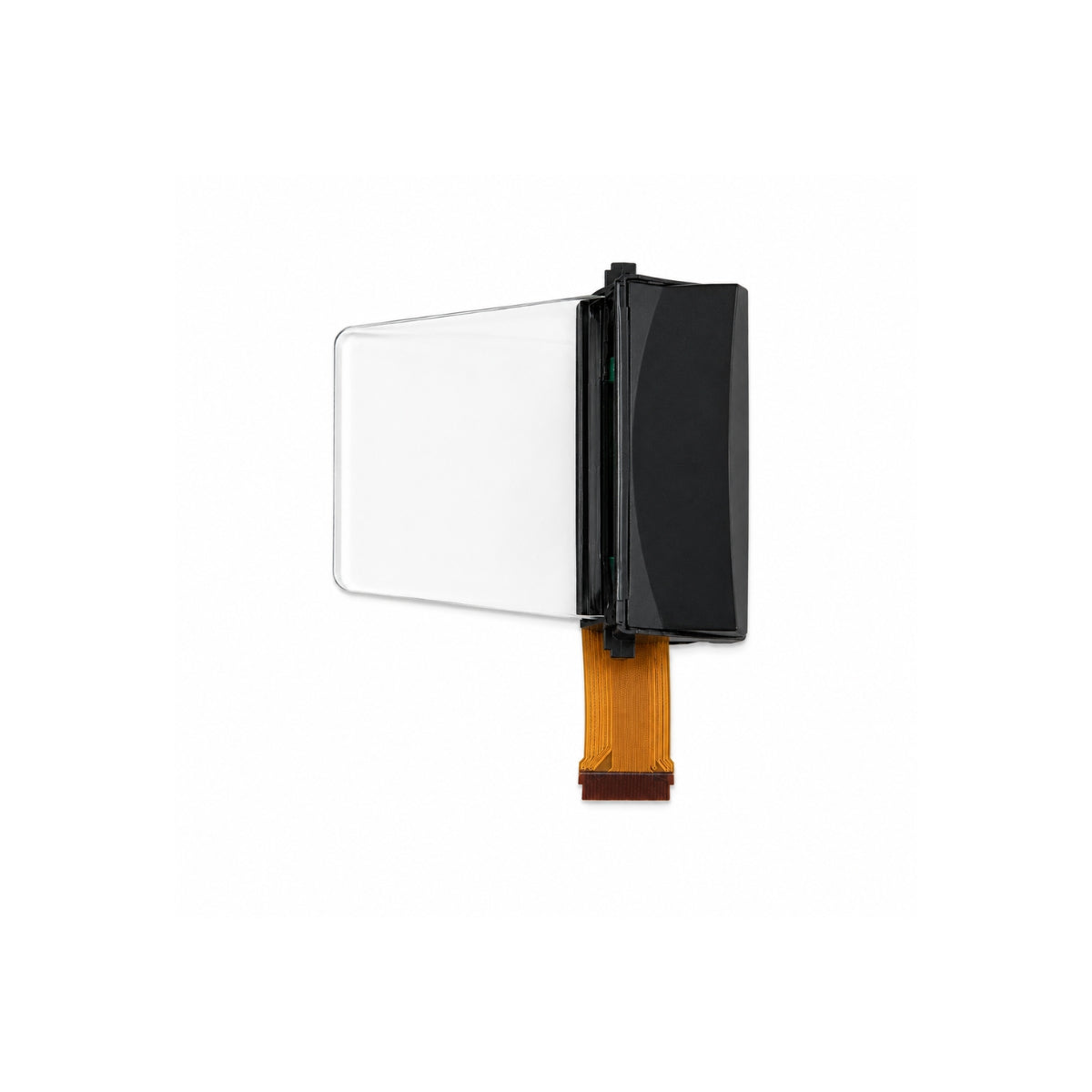
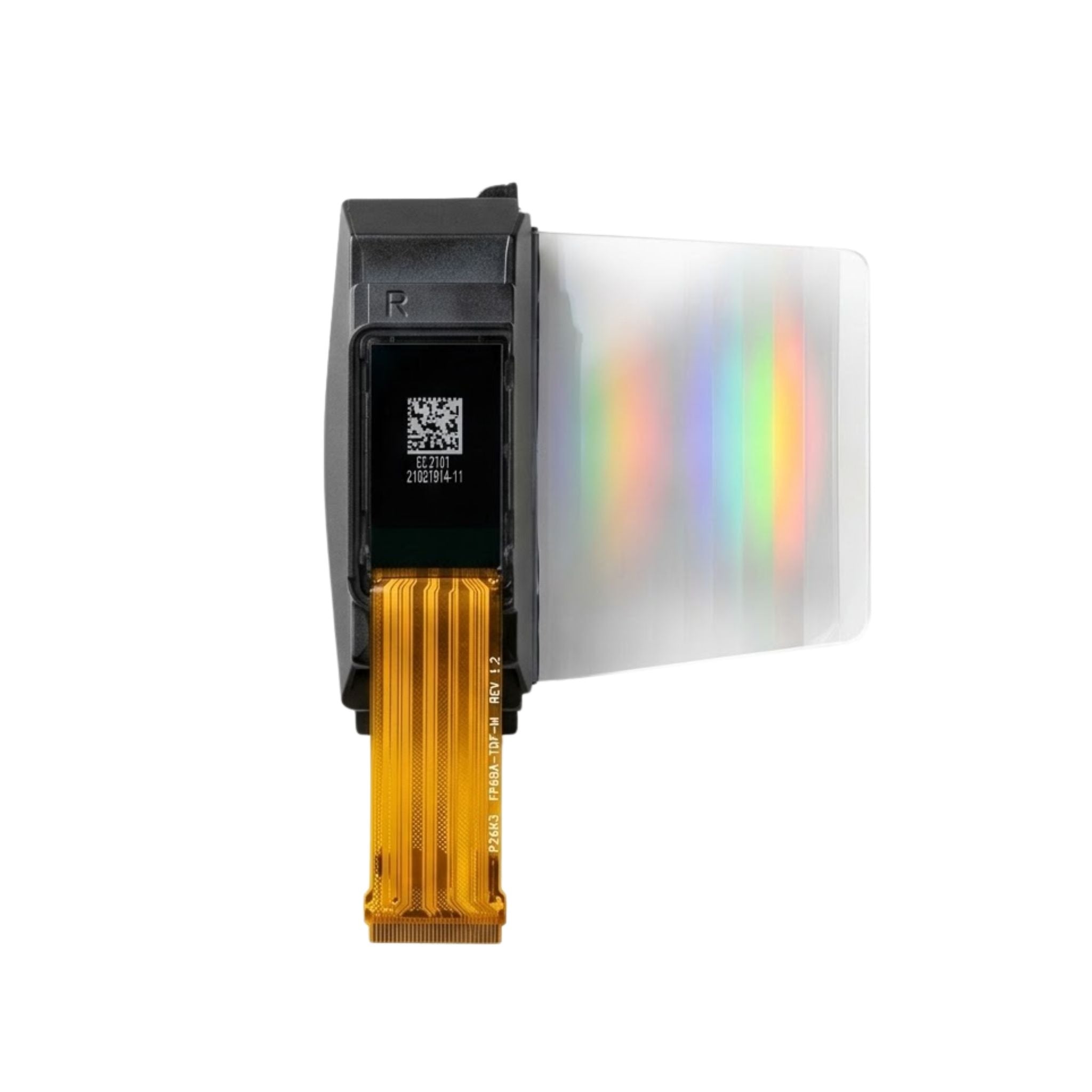
Micro OLED (Silicon-based OLED) is the key to achieving lightweight design and high image quality in smart glasses. It integrates pixels directly onto monocrystalline silicon wafers, with pixel den...