



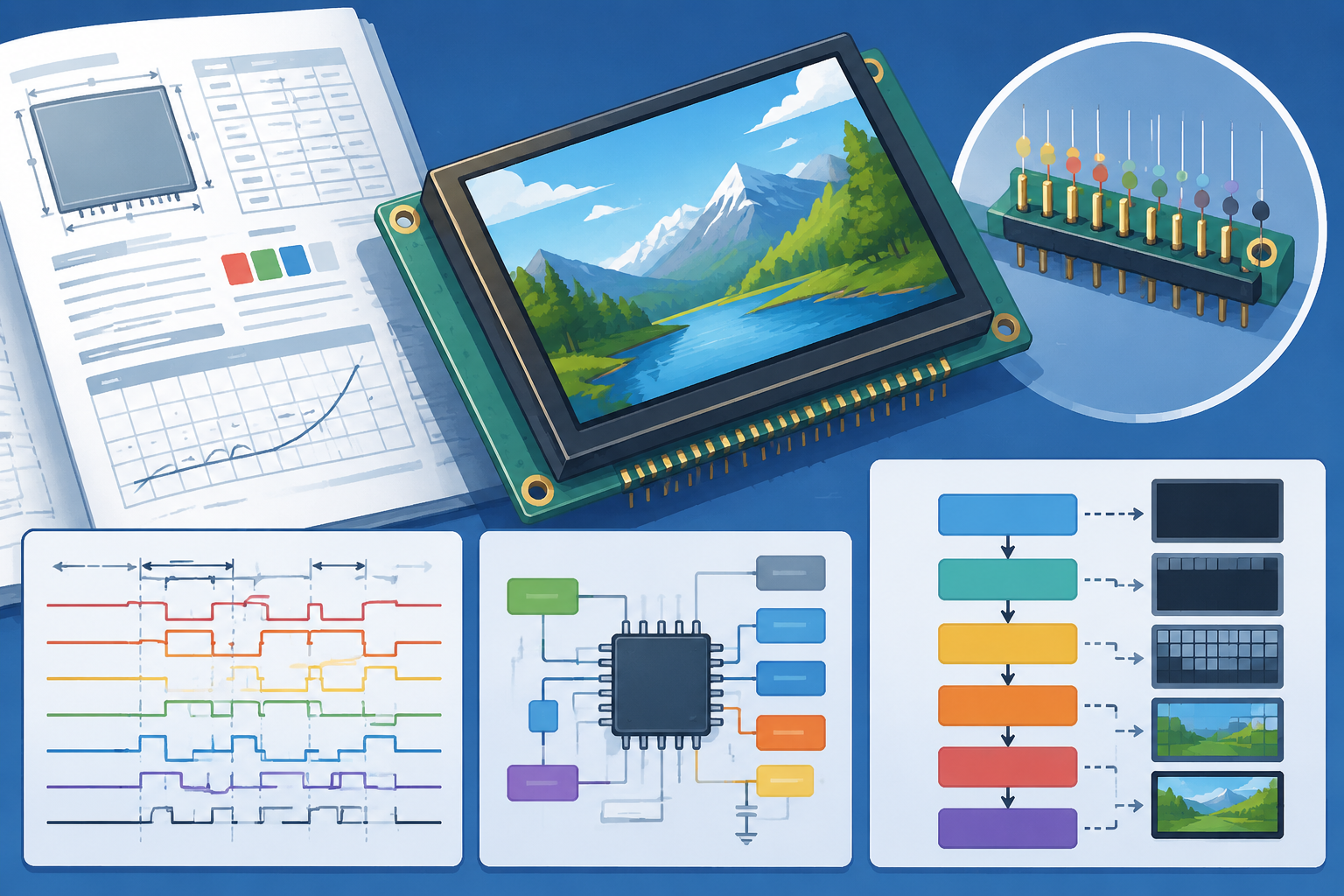
A TFT LCD module datasheet typically runs 30 to 50 pages, but only a few sections directly decide whether your hardware can light up correctly: pin definition, timing diagram, and initialization se...
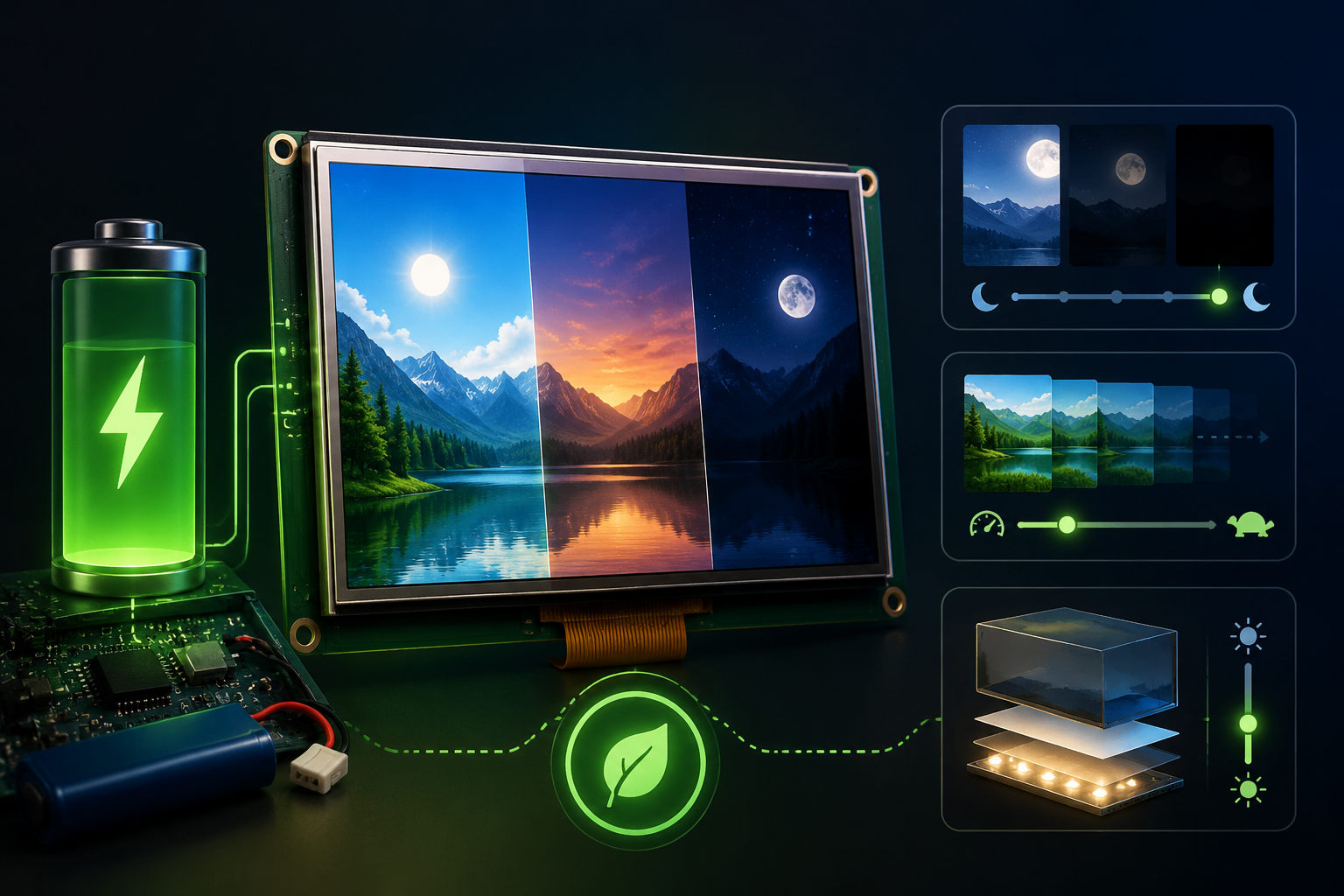
Over the past 12 months the DisplayModule team has shipped 47 low-power display module solutions for battery-powered devices. These solutions cover 4 typical scenarios: Smart wristbands Portable m...
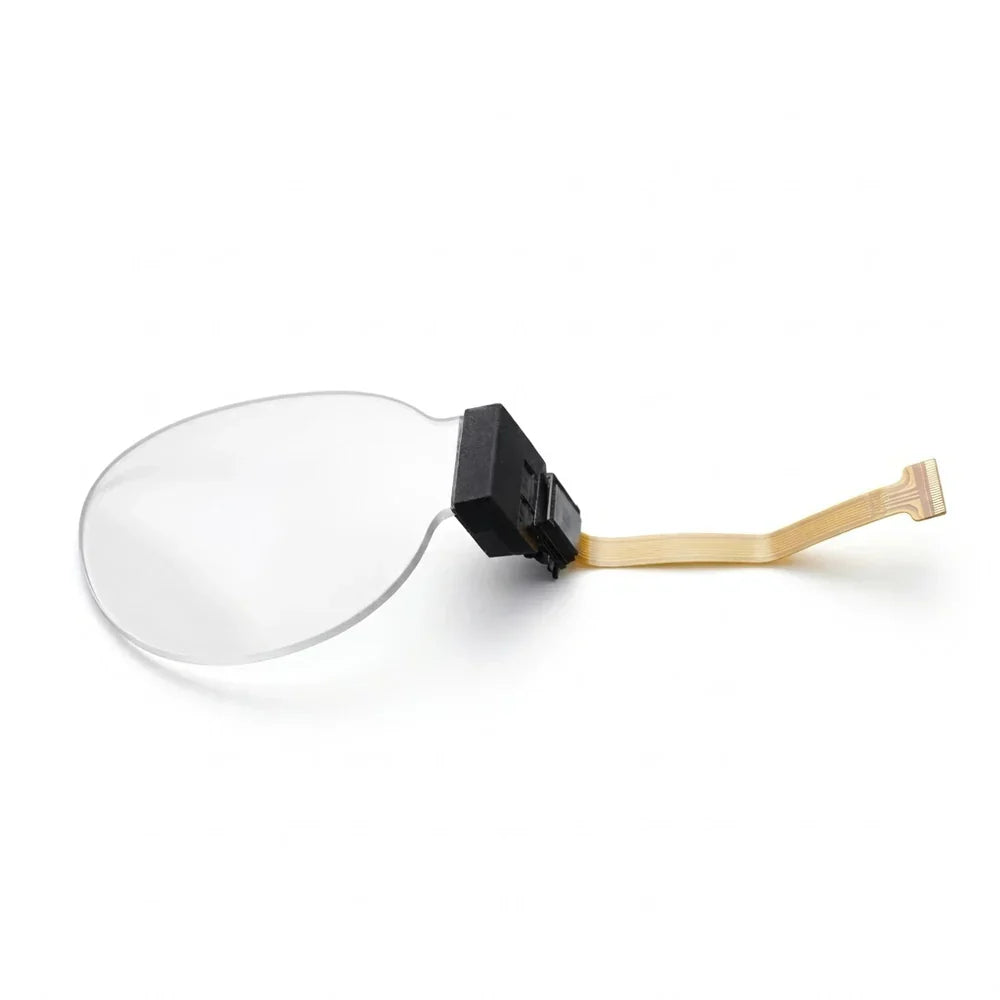
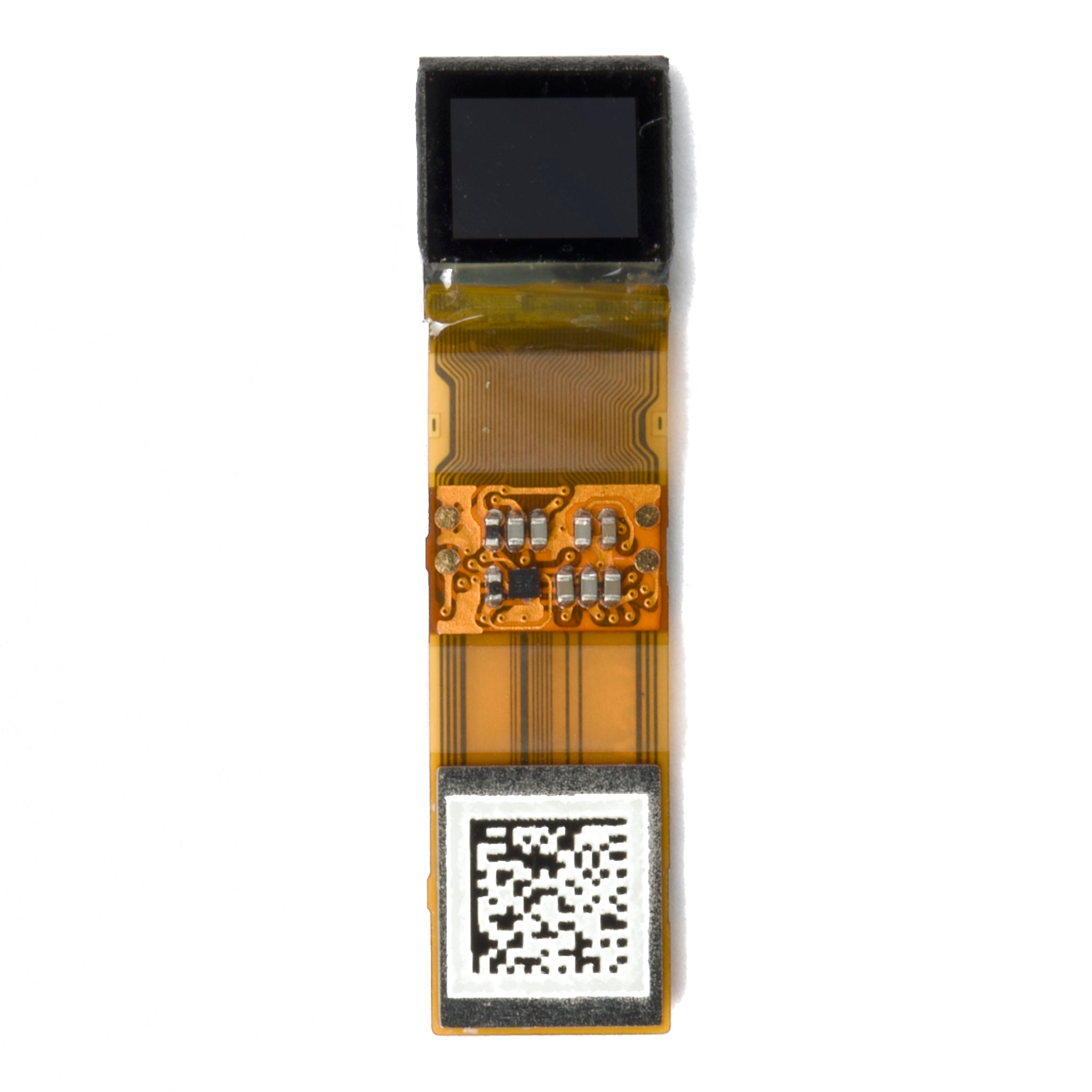
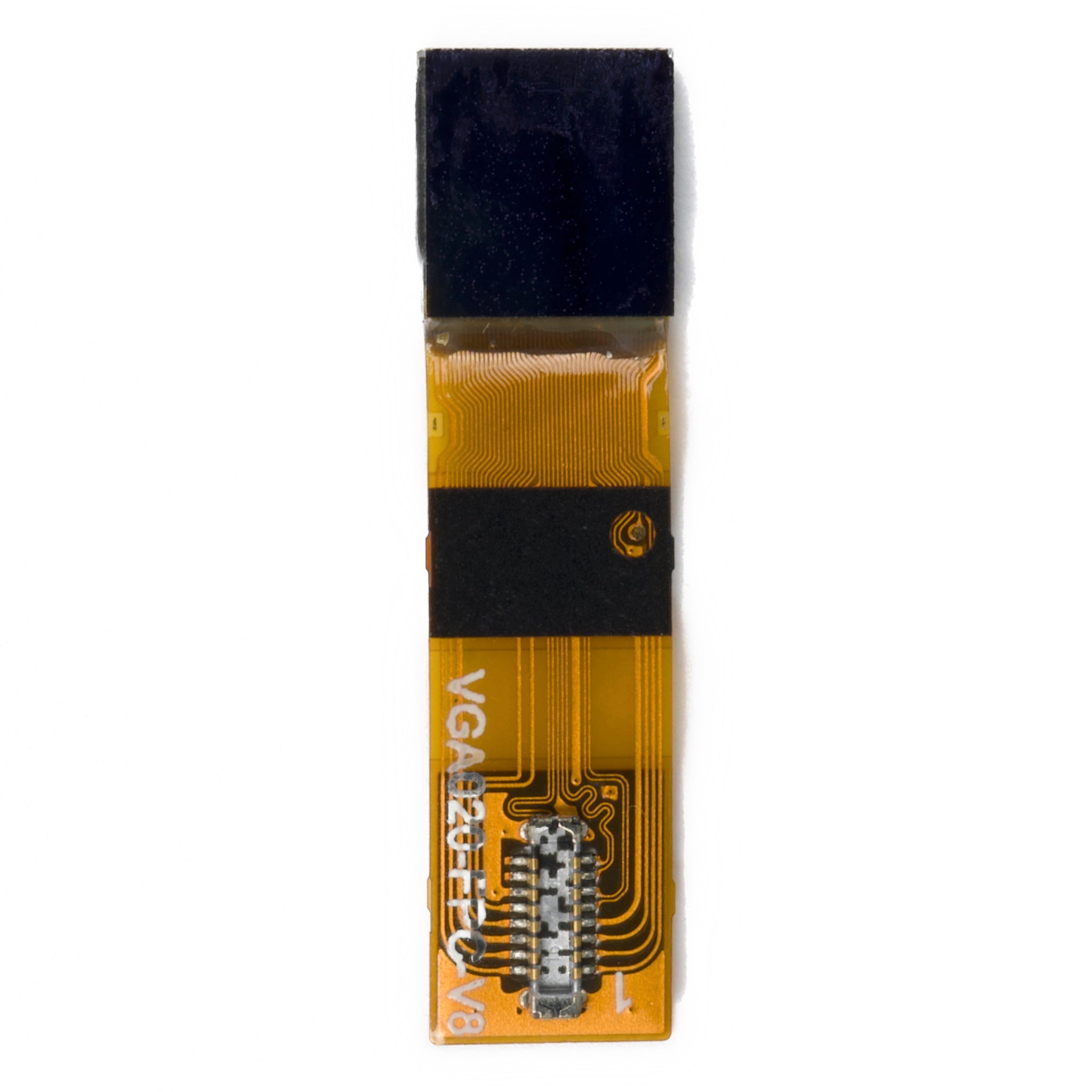
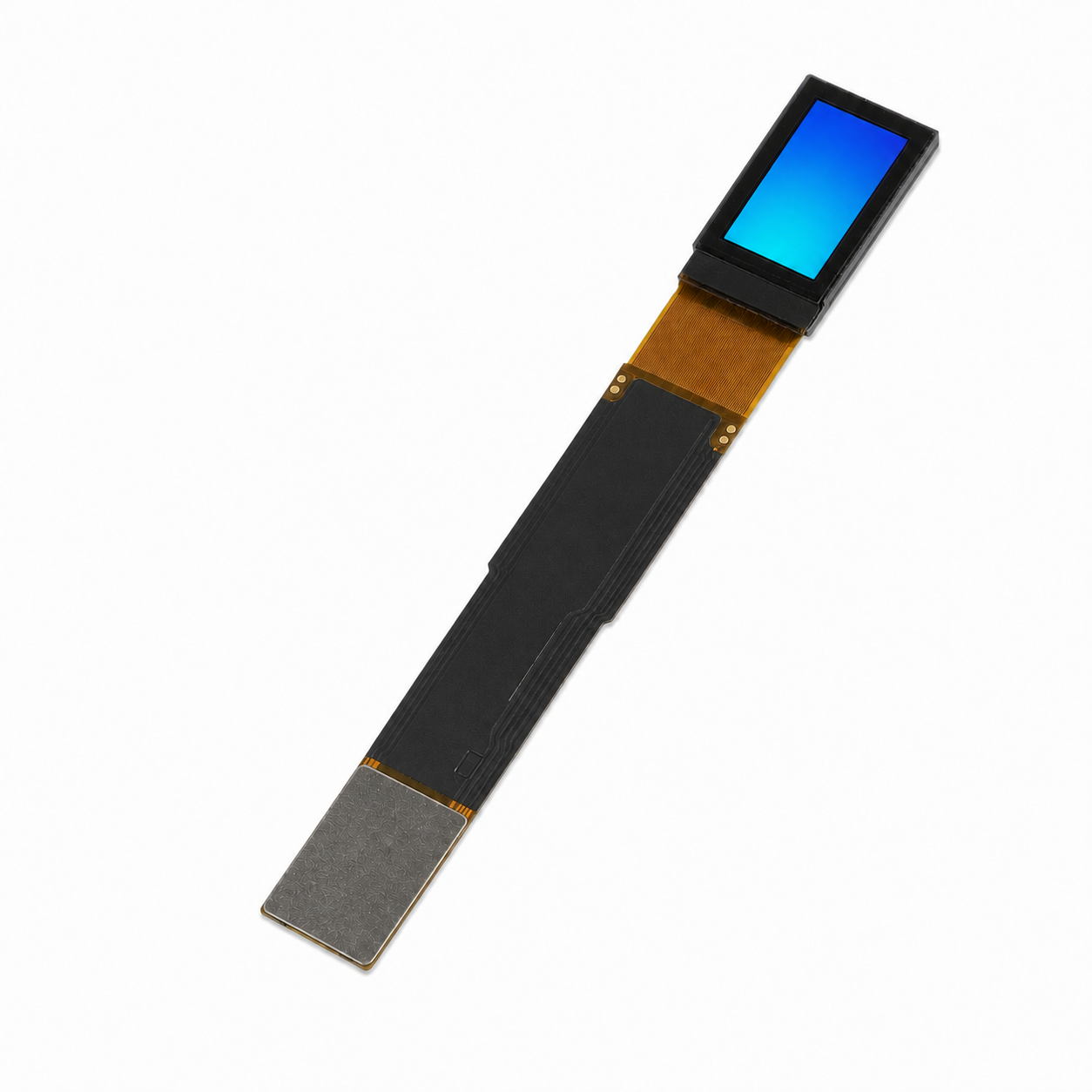
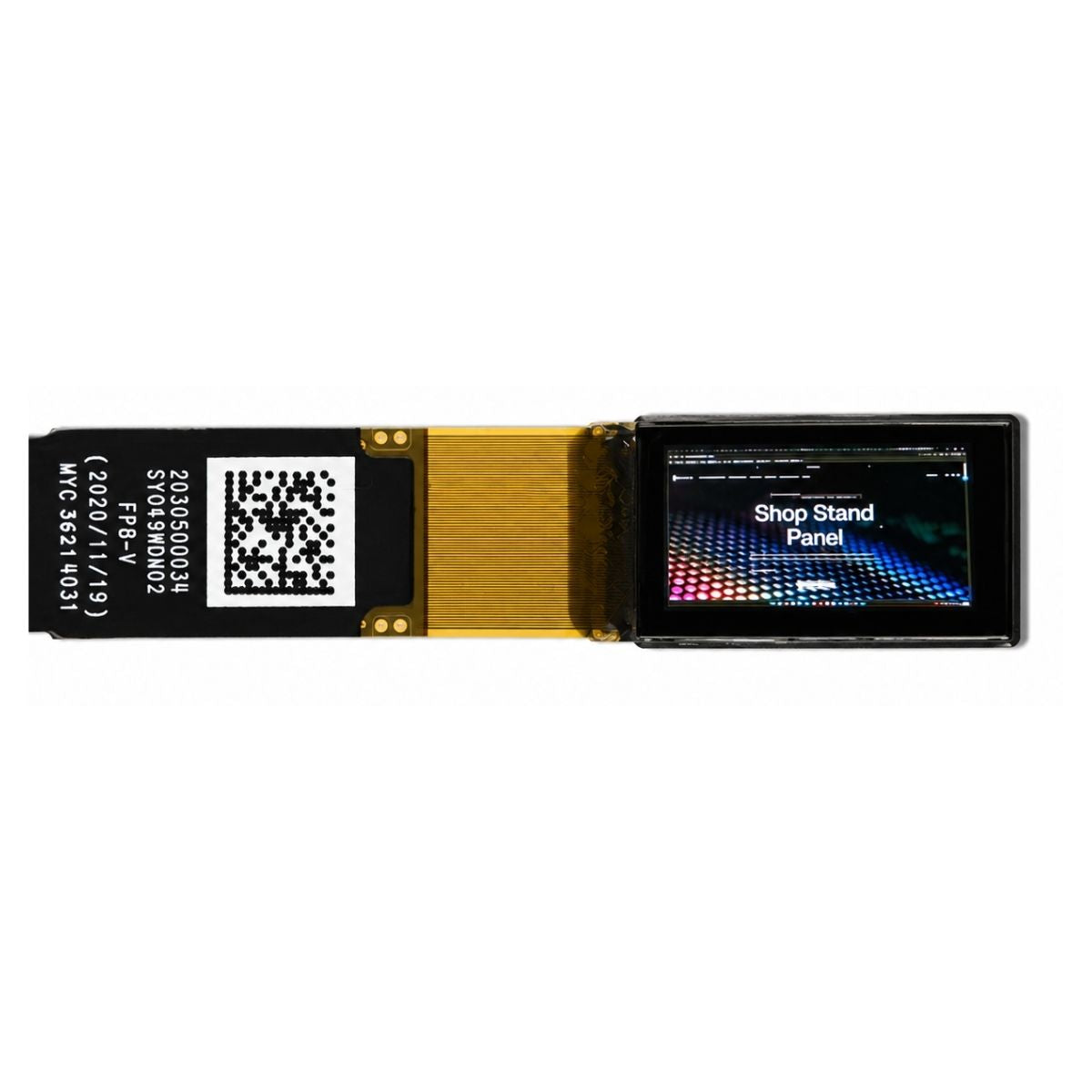
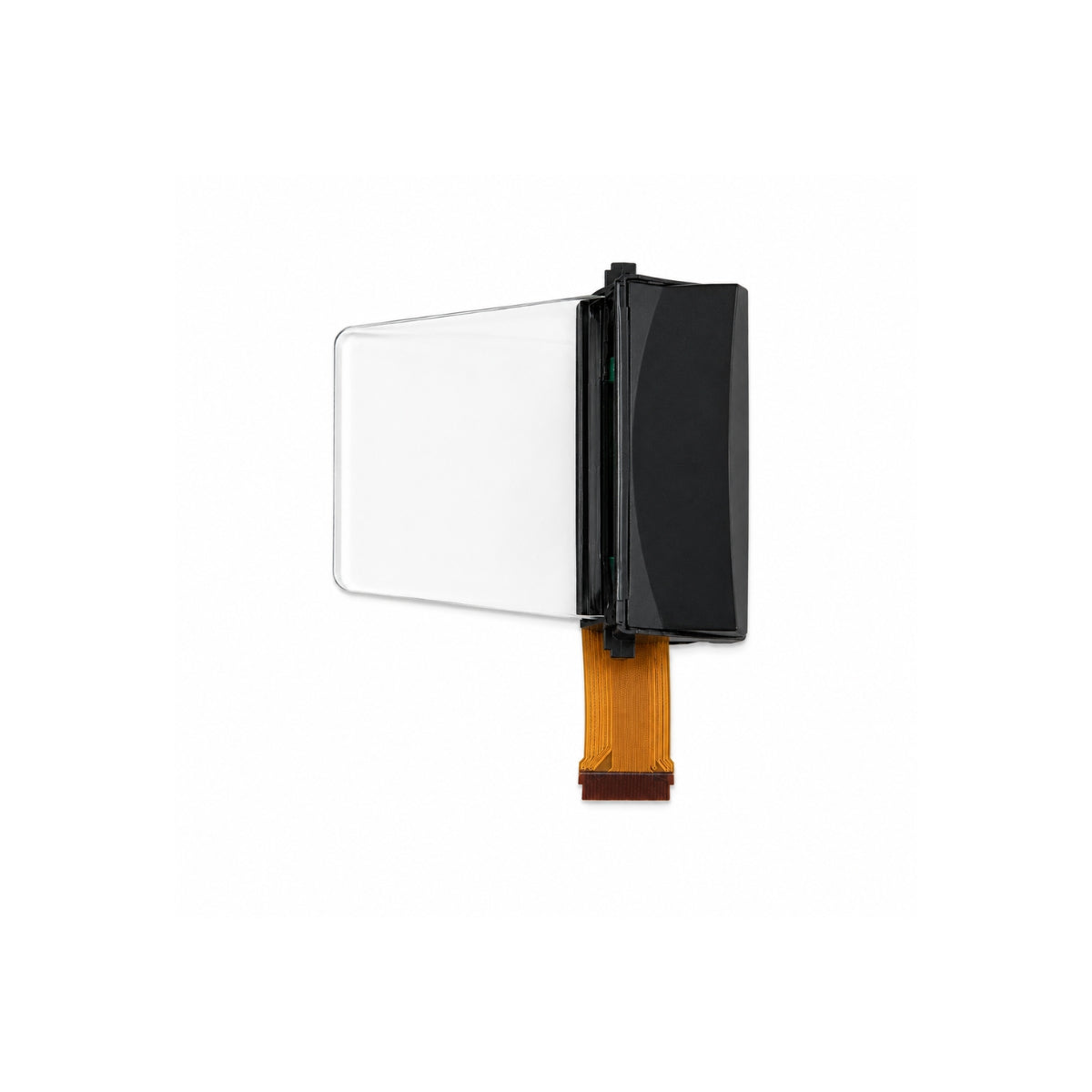
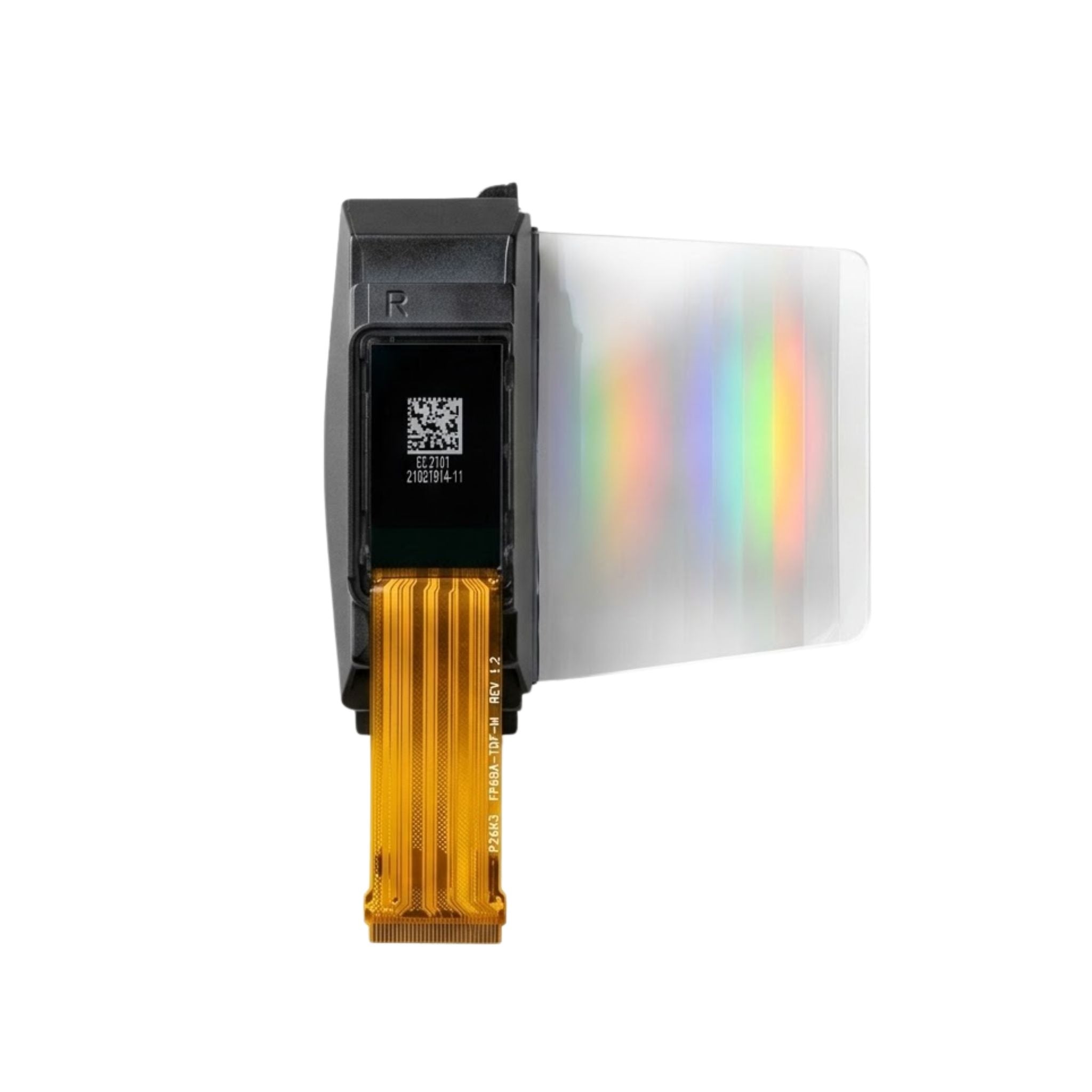
Across 12 AR-glasses prototype builds we bench-tested 28 Micro OLED microdisplays, and only 14 of them made it cleanly into a waveguide or BirdBath optical engine — a 50% pass rate. Of the 14 rejec...
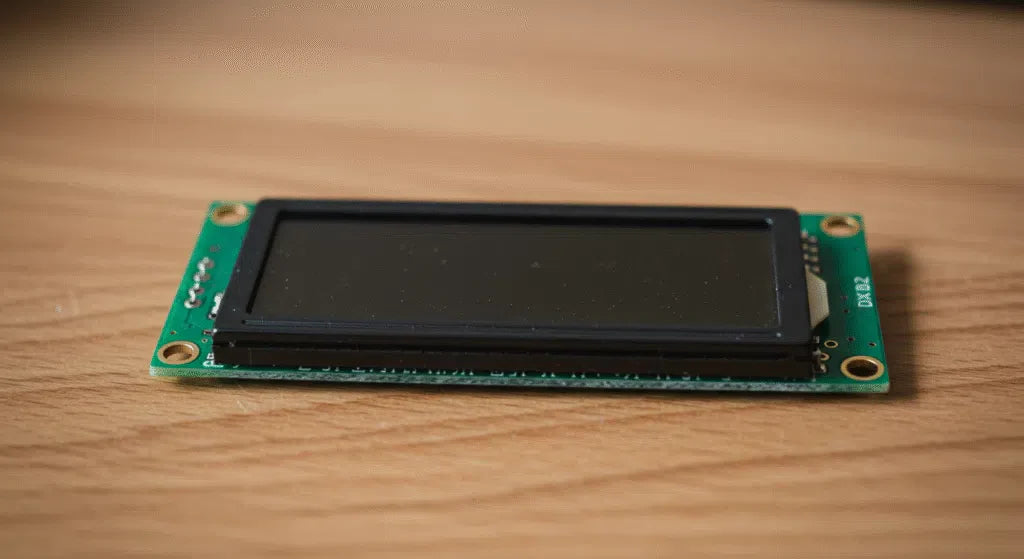
From specification definition to mass production delivery, a custom LCD display module project typically runs 12 to 16 weeks. It covers 6 core stages: dimension confirmation, IC selection, FPC desi...
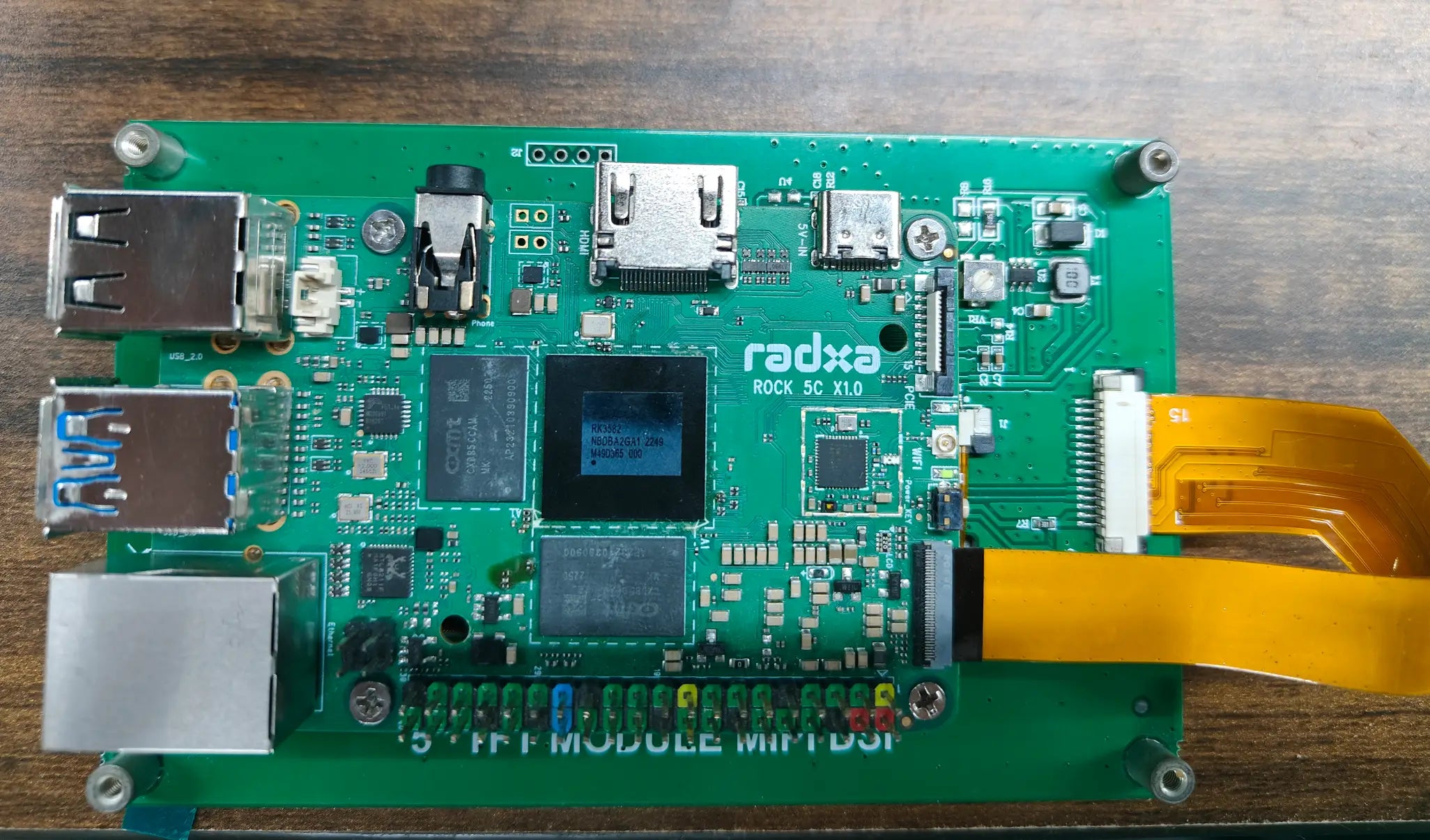
Round AMOLED displays are becoming a common choice for smart wearables and compact embedded devices. They are thin, high-contrast, fast in response, and more flexible in shape than traditional rect...
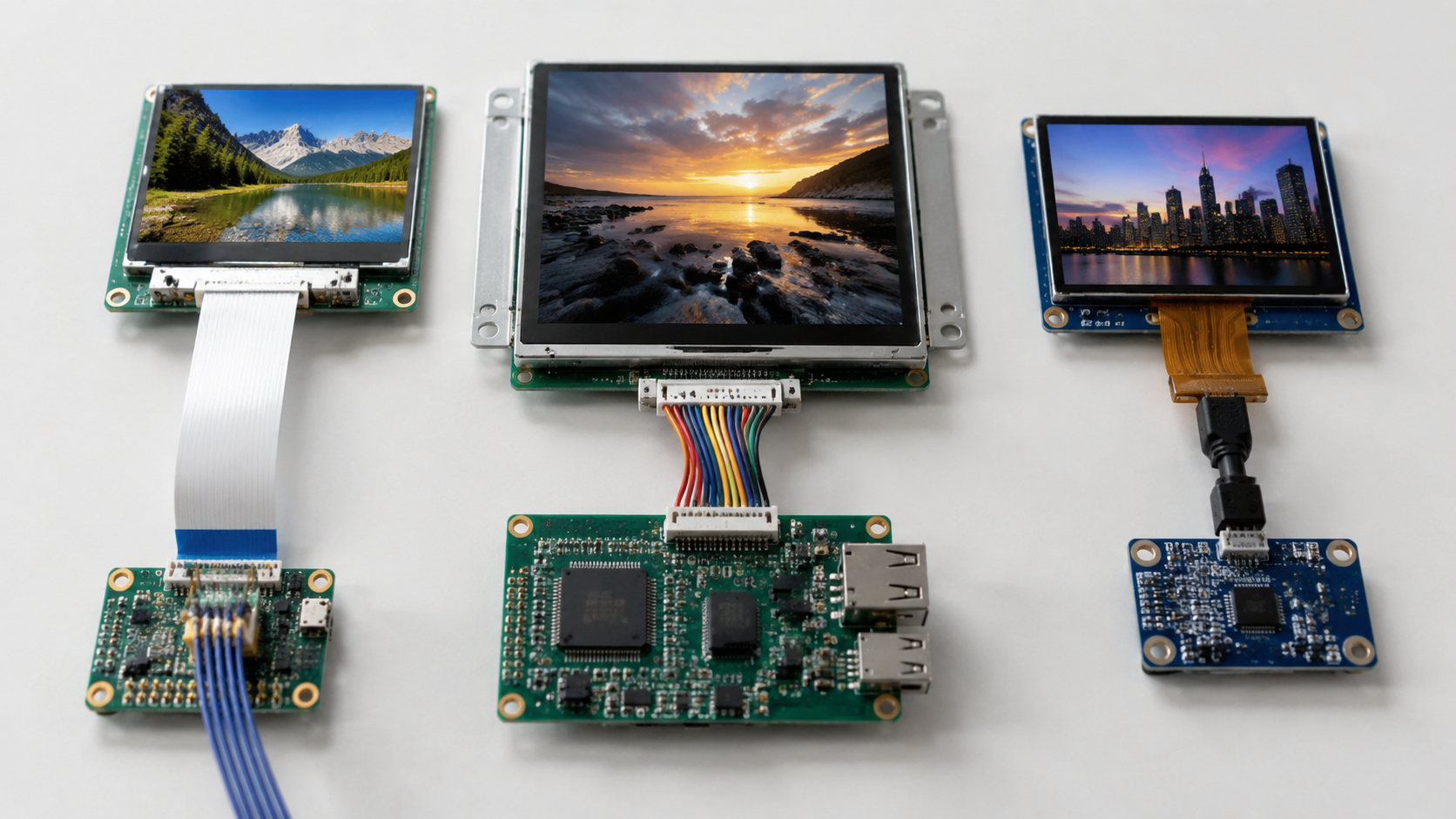
Choosing the right display interface is an unavoidable decision in hardware product development. The interface type directly affects display resolution, refresh rate, pin count, routing difficulty,...
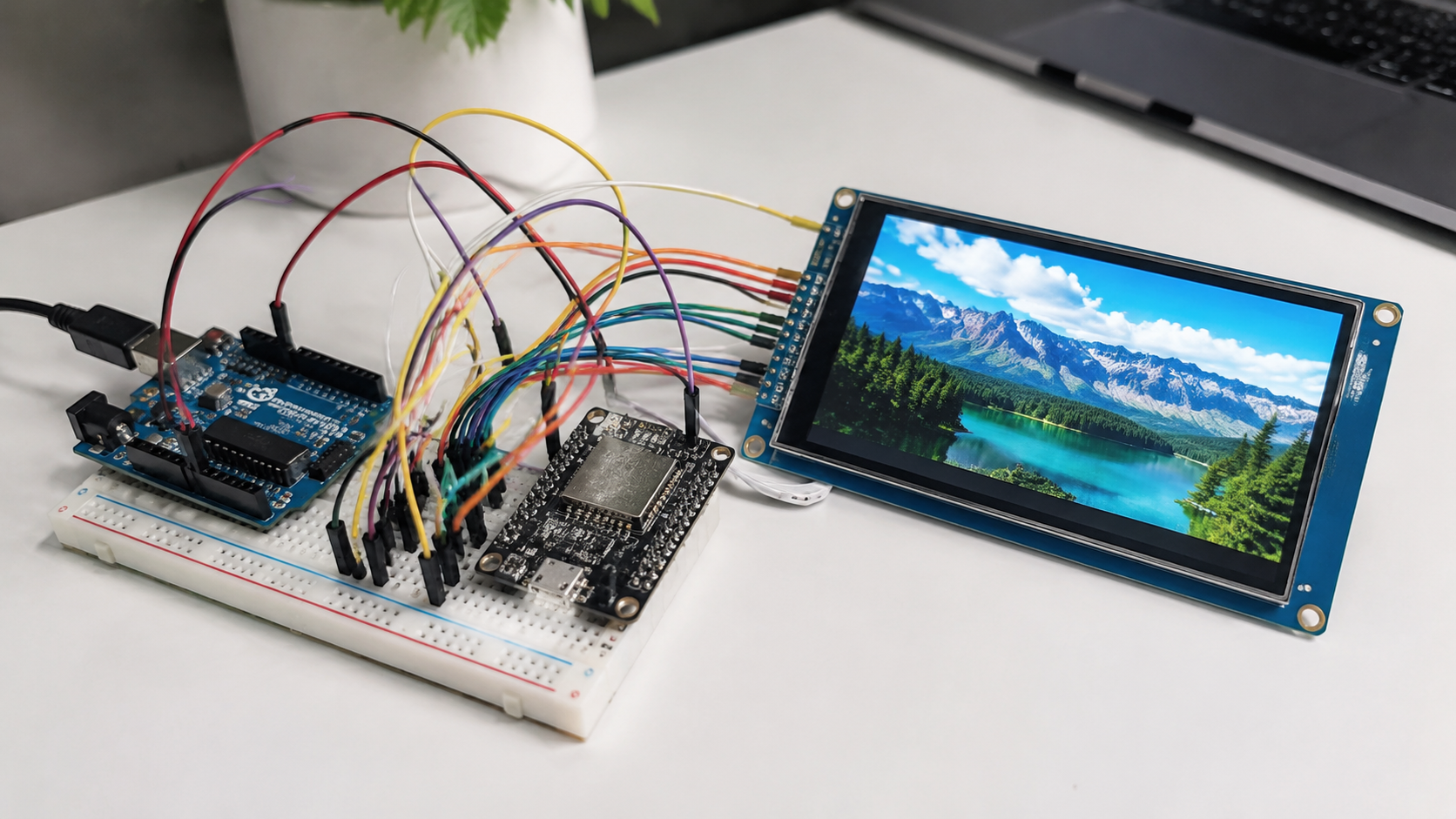
TFT LCD display modules are widely used in embedded projects, including sensor dashboards, industrial control panels, handheld instruments, smart home interfaces, data loggers, and IoT devices. A T...
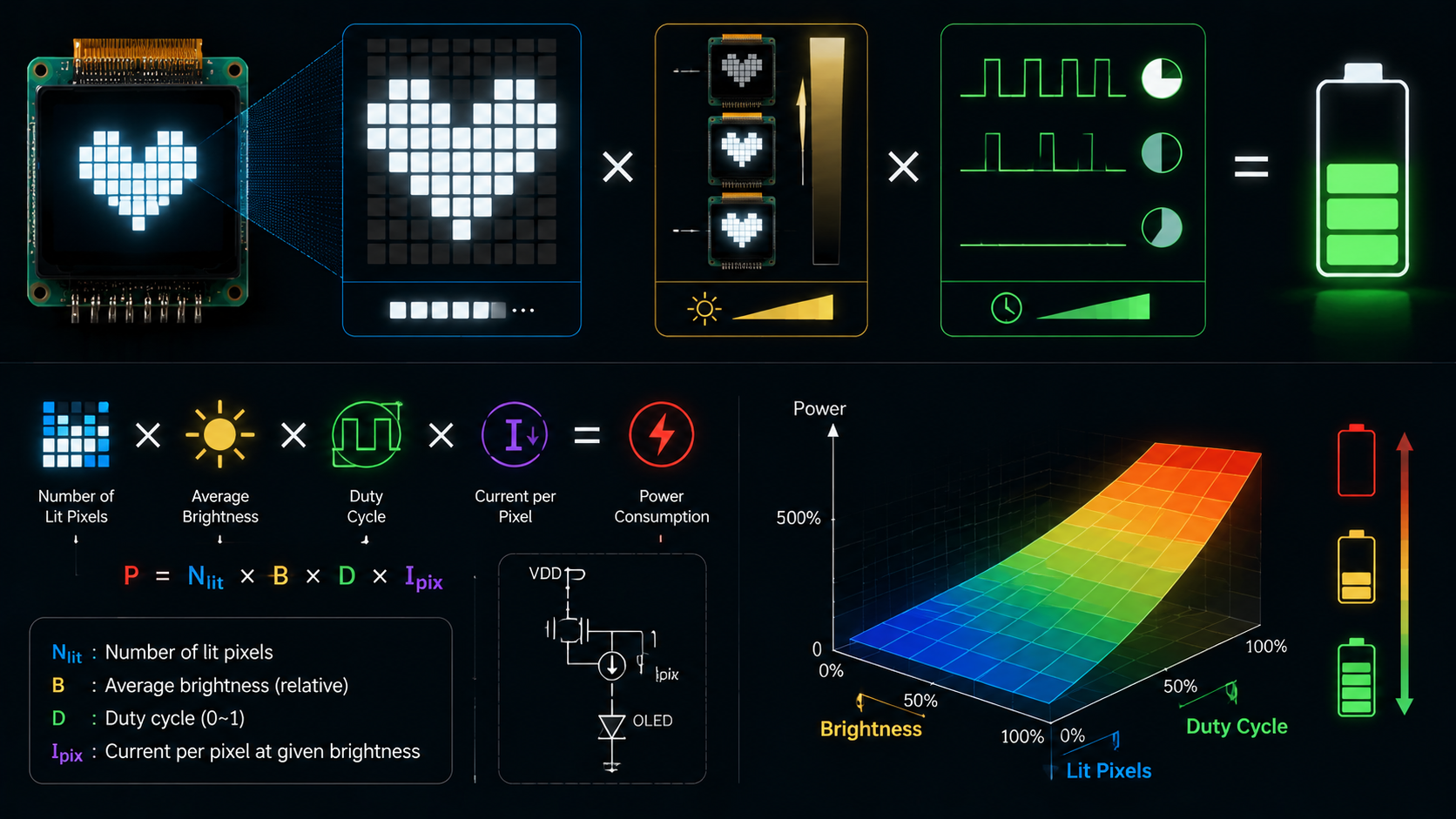
PMOLED power cannot be estimated from panel resolution alone. The result depends on the image pattern, grayscale level, segment current, multiplex ratio, display voltage, driver overhead, charge-pu...
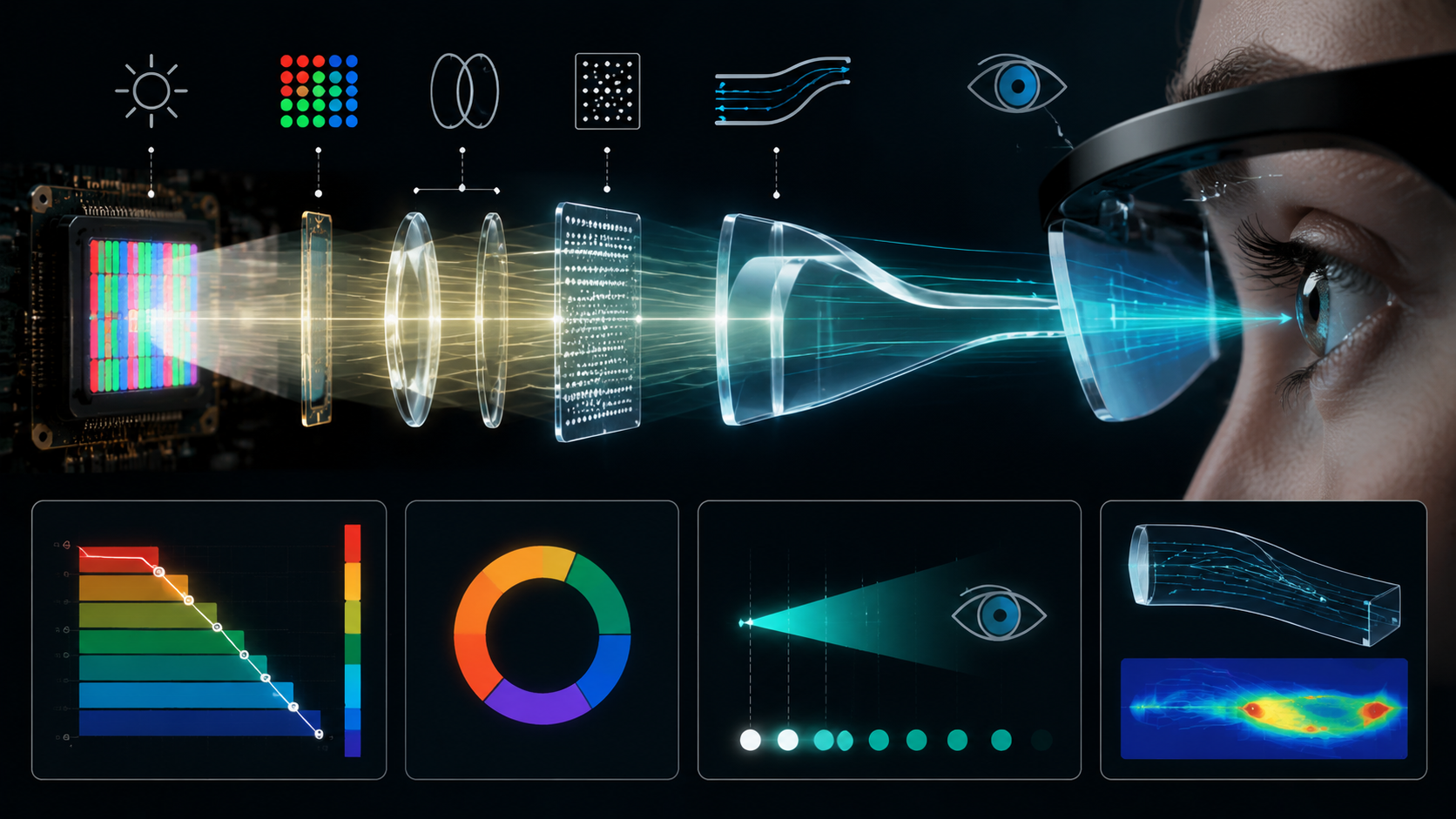
A Micro OLED panel can be rated at several thousand candelas per square metre and still produce a much lower luminance when measured through an AR optical system. The difference is not explained by...