
Skip to content

Cart (1)

2.6" 320x240 TFT Capacitive - SPI, MCU, RGB

Sale price$49.90
SKU: DM-TFT26-381
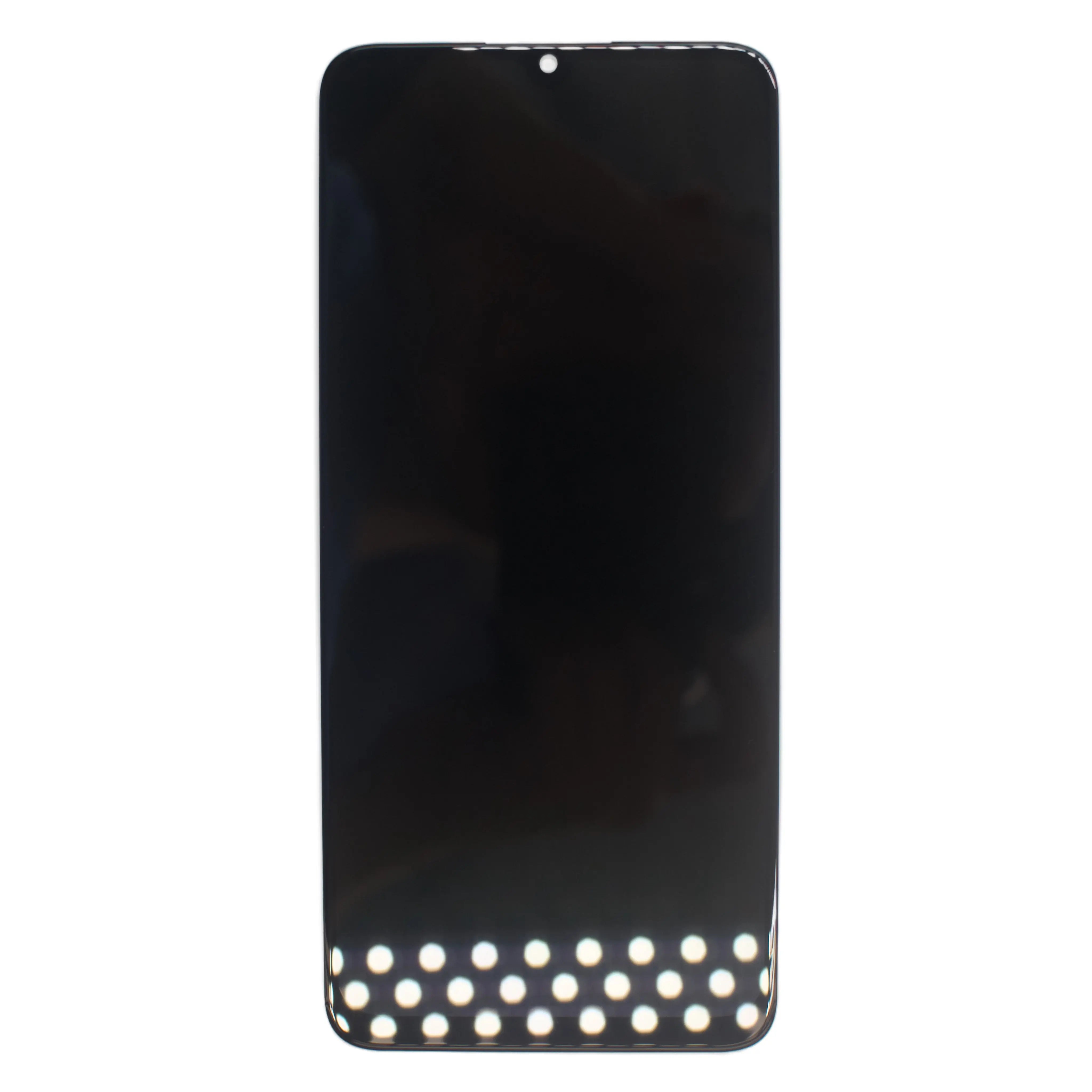
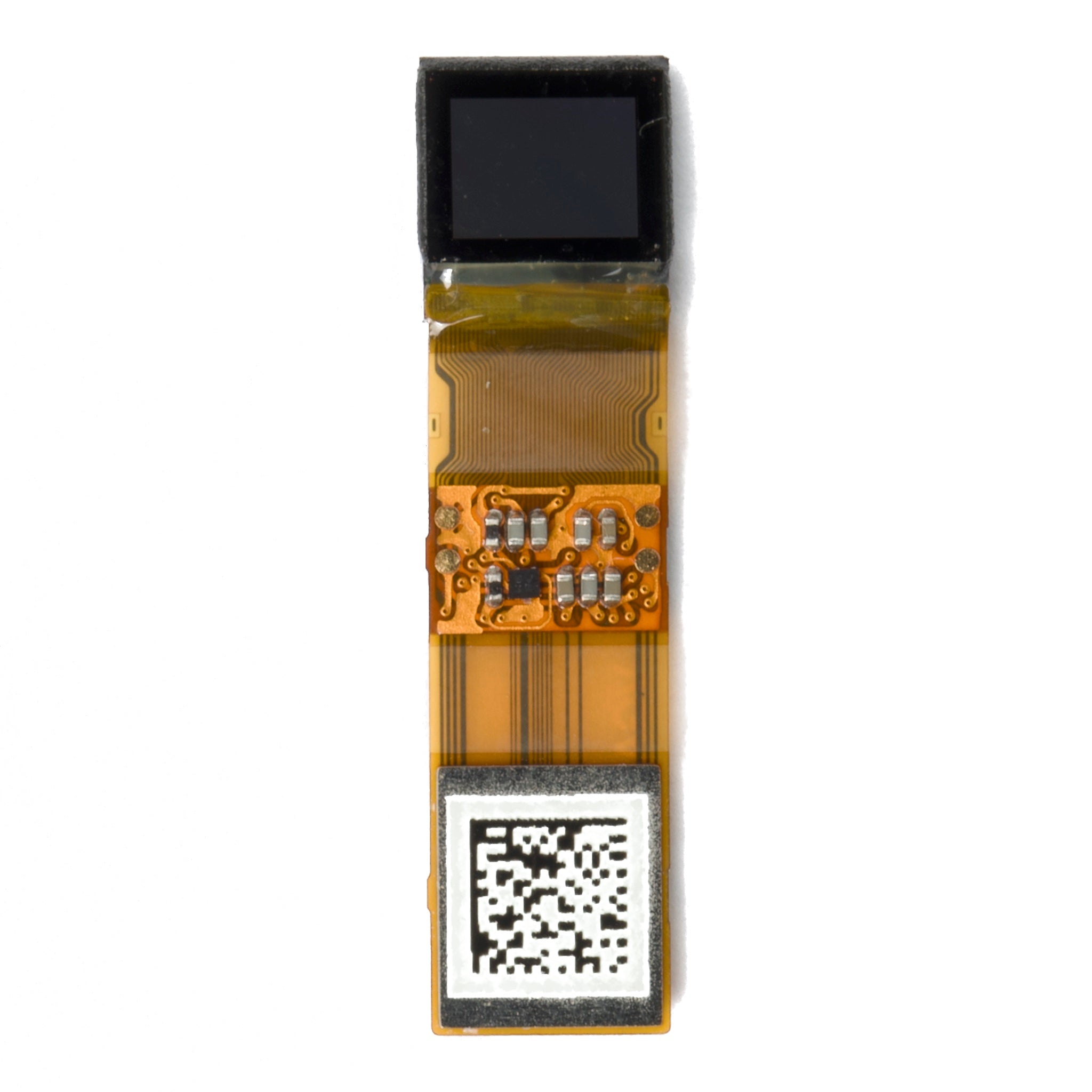
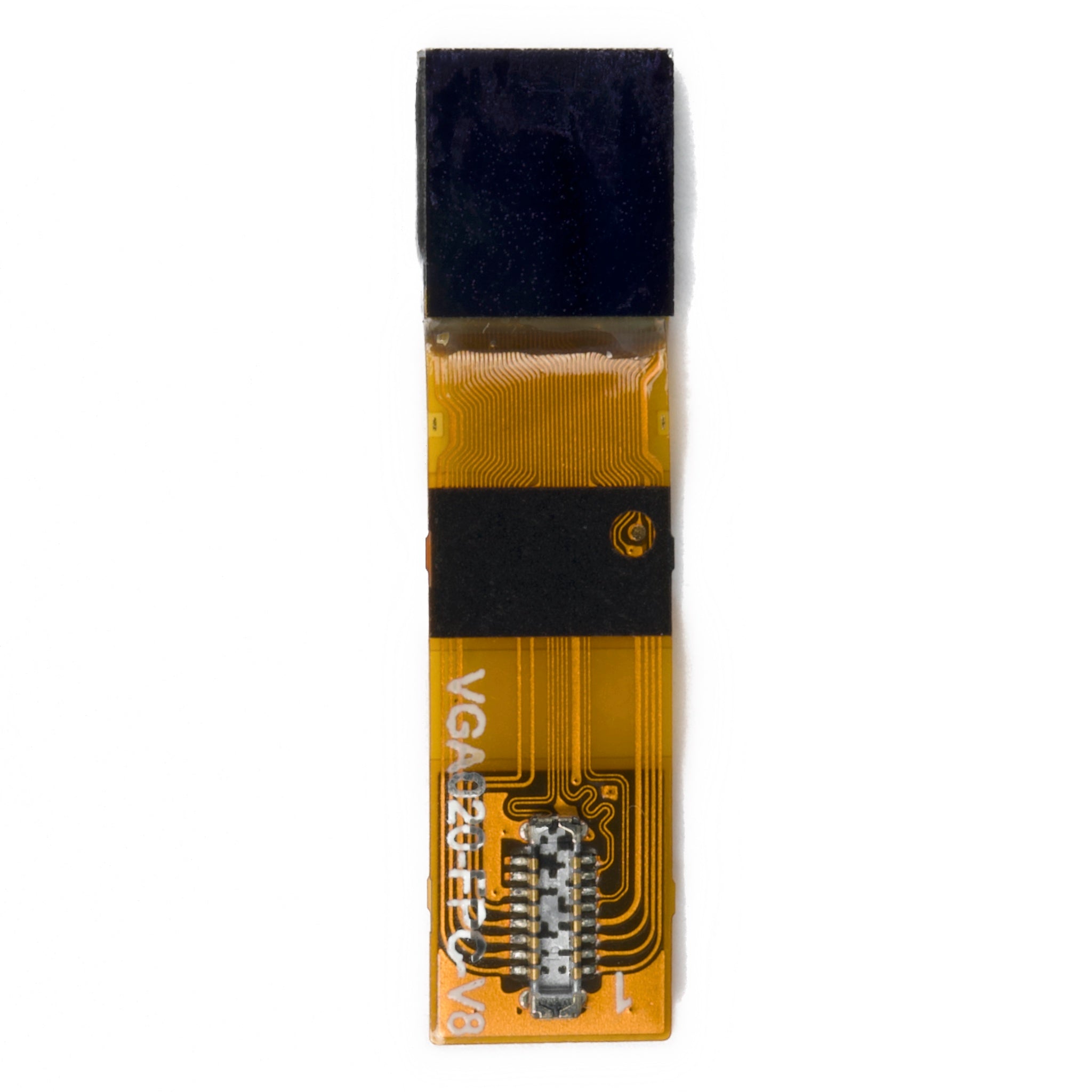
2.6 inch TFT Display Panel with 320x240 resolution and capacitive touch capability, utilizing SPI, MCU, and RGB interfaces
2.6" 320x240 TFT Capacitive - SPI, MCU, RGB Sale price$49.90

Resources & Downloads

DM-TFT26-381 module mechanical drawing+Click to enlarge
DM-TFT26-381 · Module mechanical reference. Open the PDF for dimensions and tolerances.

DM-TFT26-381

2.6-inch TFT · 320 × 240 · Selectable host interface

DM-TFT26-381 combines a 320 × 240 TFT with an ILI9342 display driver and an FT6336G capacitive-touch controller. The module specifies single-point touch and gestures. Display image transfer and I²C touch reporting use separate connections.

The display supports documented MCU, serial and RGB interface modes selected by hardware configuration. Choose the required mode before allocating host pins and building the carrier; the modes do not all use the same data and control wiring.

Pixel matrix320 × 240
Display driverILI9342
Touch controllerFT6336G
Touch with gesturesSingle point

Select the display bus in hardware

MCU and serial modes

The connector table defines IM3, IM2 and IM0 combinations for parallel and serial formats. Parallel modes use the appropriate DB lines, while three- and four-wire serial modes assign the clock, data and command-selection functions differently.

RGB timing

RGB operation needs the pixel-data connection and timing signals such as VSYNC, HSYNC, DOTCLK and ENABLE. Match the module timing to the selected host mode. A controller supporting several interfaces does not make their wiring interchangeable.

Technical Specifications

Parameter Specification
Product model DM-TFT26-381
Display 2.6-inch transmissive TFT; normally white
Display area 52.80 × 39.60 mm
Module envelope 60.30 × 51.15 × 4.05 mm
Host modes 8/9/16/18-bit MCU; 3-/4-line serial; serial + 16/18-bit RGB
Touch interface FT6336G / I²C
Viewing direction 6 o’clock
VCI 2.5 V minimum / 2.8 V typical / 3.3 V maximum
IOVCC connection 1.65–3.3 V
Luminance 270 cd/m² minimum
Backlight voltage 3.2 V typical; separate LED circuit
Operating / storage limits −20 to +70°C / −30 to +80°C

Keep capacitive touch independent

Eight-pin CTP connection

The FT6336G connection includes VDDIO, VDD, SCL, SDA, INT, RST and grounds. Allocate I²C, interrupt and reset alongside the display connection. Use the touch supply conditions rather than the TFT rail for an undifferentiated power assumption.

Touch behavior

The module feature table identifies single-point touch and gestures. Map touch coordinates to the chosen display rotation and validate the screen edges. Do not describe this assembly using a general controller family’s maximum touch-point capability.

Plan the complete mechanical assembly

Viewing area and enclosure

Place the display and touch flexes using the module drawing, reserving connector access and bend allowance. The complete assembly is larger than the image area, and the viewing direction should be considered before fixing the enclosure orientation.

Check the dimensioned drawing

Review the selected assembly’s full outline, connector positions and tolerances before releasing the enclosure. Include the host connection and component clearances in the mechanical review.

Open DM-TFT26-381 mechanical reference

Review viewing direction and power

Optical reference

This is a 6 o’clock viewing-direction TFT. The module lists 270 cd/m² in the minimum luminance column. Evaluate the intended mounting orientation, cover and ambient lighting; do not label that minimum as a typical value.

Separate LED drive

VCI is specified at 2.5–3.3 V with 2.8 V typical, while the LED forward-voltage reference is 3.2 V typical. Provide the correct backlight drive through LEDA and the LEDK connections instead of treating a logic rail as an LED current regulator.

DM-TFT26-381 engineering questions

Does this product specify multi-point touch?

The module states single-point touch and gestures. Use that module-level behavior rather than a controller family’s broader capabilities.

Can firmware alone choose the display interface?

The host mode also depends on the IM3, IM2 and IM0 hardware selection and the corresponding data/control wiring.

Is I²C used to transfer the TFT image?

The FT6336G uses I²C for touch. Display image data uses the selected MCU, serial or RGB connection.

Is 270 cd/m² a typical luminance?

The module places 270 cd/m² in the minimum column. Preserve that qualifier when comparing displays.

Does the display have IPS-style free viewing?

The module specifies a 6 o’clock viewing direction. Evaluate it in the intended installed orientation.

What dimensions should the carrier use?

Use the 60.30 × 51.15 × 4.05 mm assembly and the full mechanical drawing. The 52.80 × 39.60 mm active area is only the visible image rectangle.

Project Support from DisplayModule

DisplayModule provides documentation and engineering assistance for display integration. When discussing DM-TFT26-381, include the selected variant, host interface, supply circuit and enclosure requirements.

Discuss your integration

Use technical support for connection or documentation questions. Include the model, circuit details and the behavior you observe so the relevant hardware and software paths can be reviewed.

Plan samples and production

For sample planning, volume requirements or proposed modifications, request a quote with the required quantity and assembly. Confirm the model-specific schedule and customization feasibility with the team.

Download Official Datasheets & Resources

Use the DM-TFT26-381 module datasheet for dimensions, connection details and product-specific electrical and optical limits. The related resources below support controller configuration and integration.

Reviews