

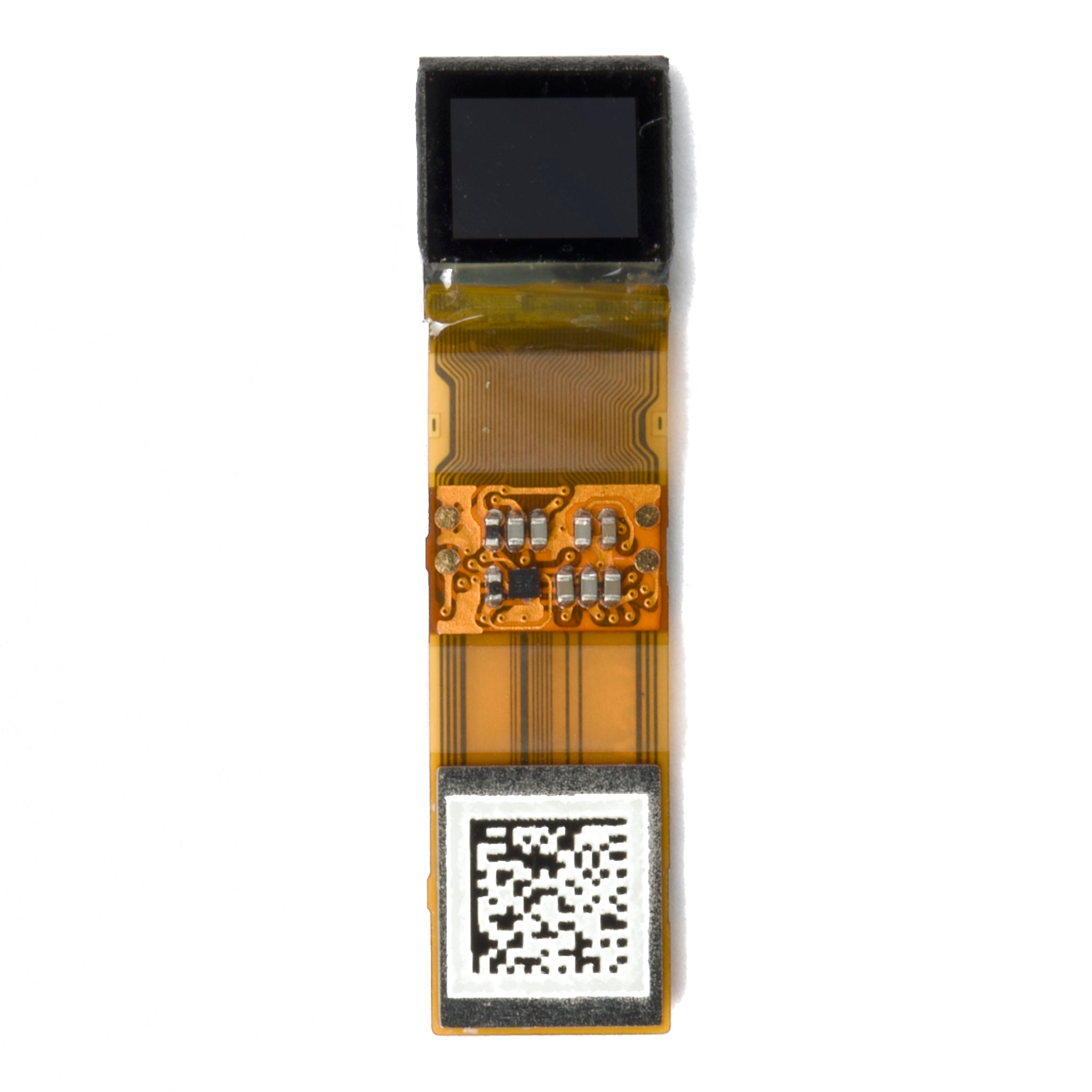
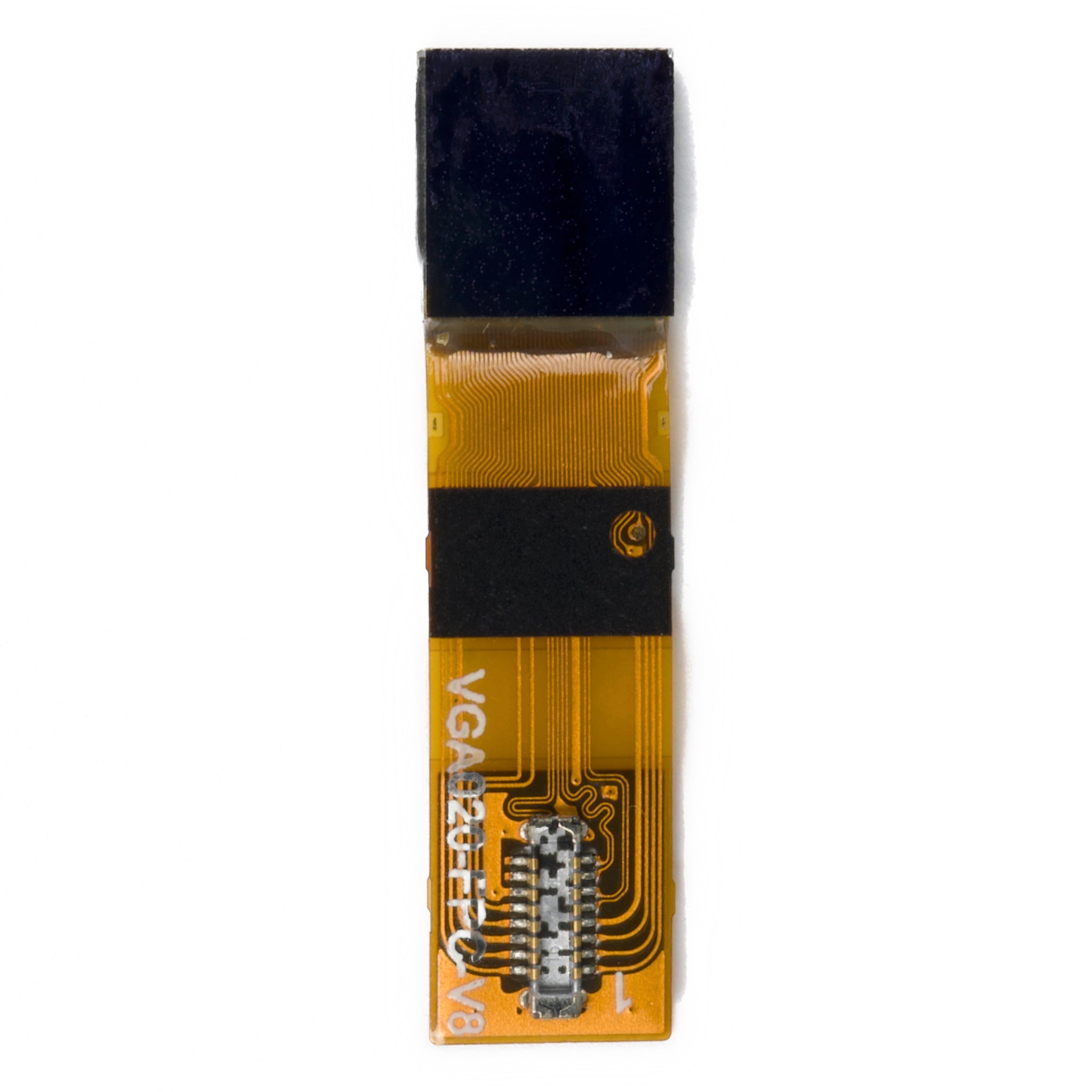
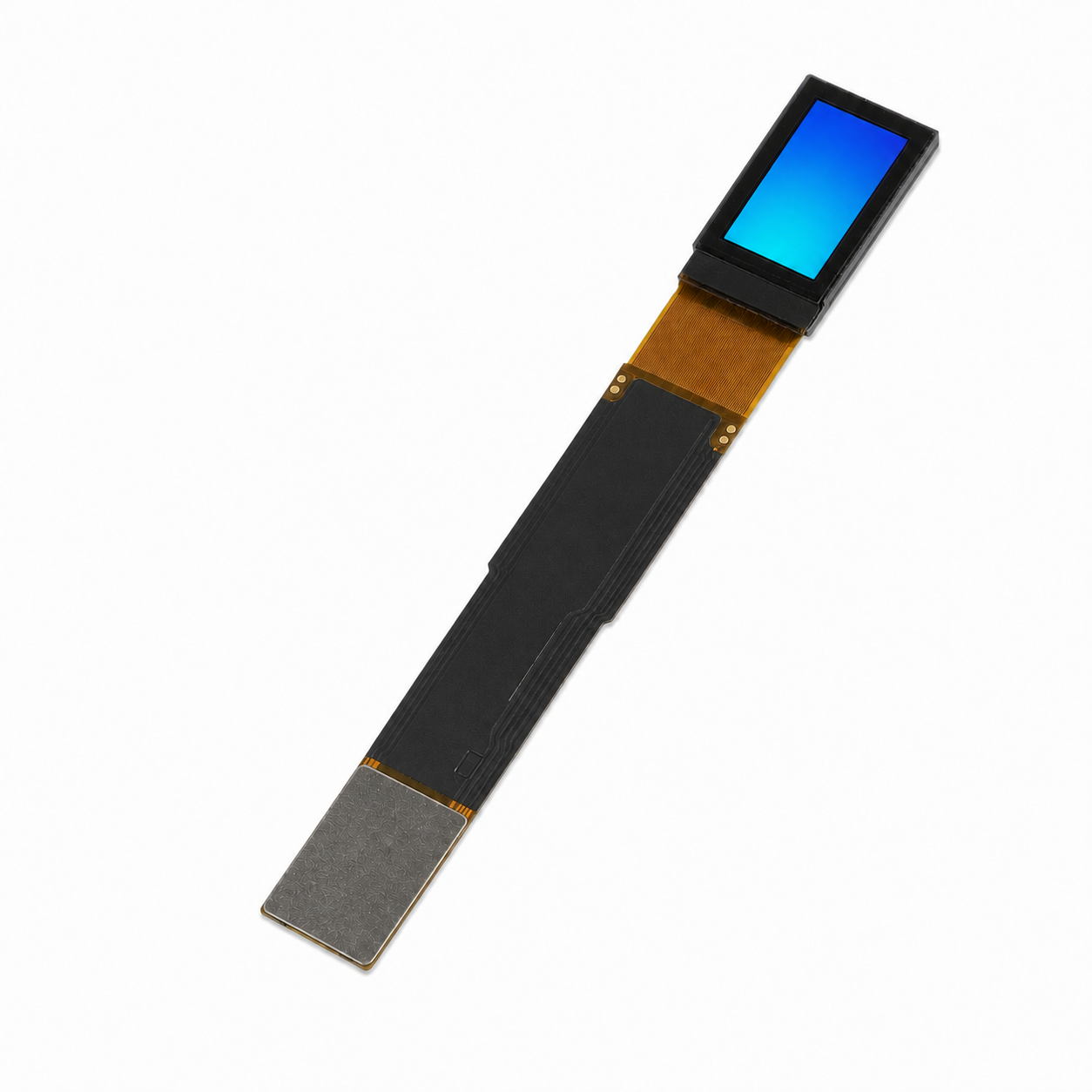
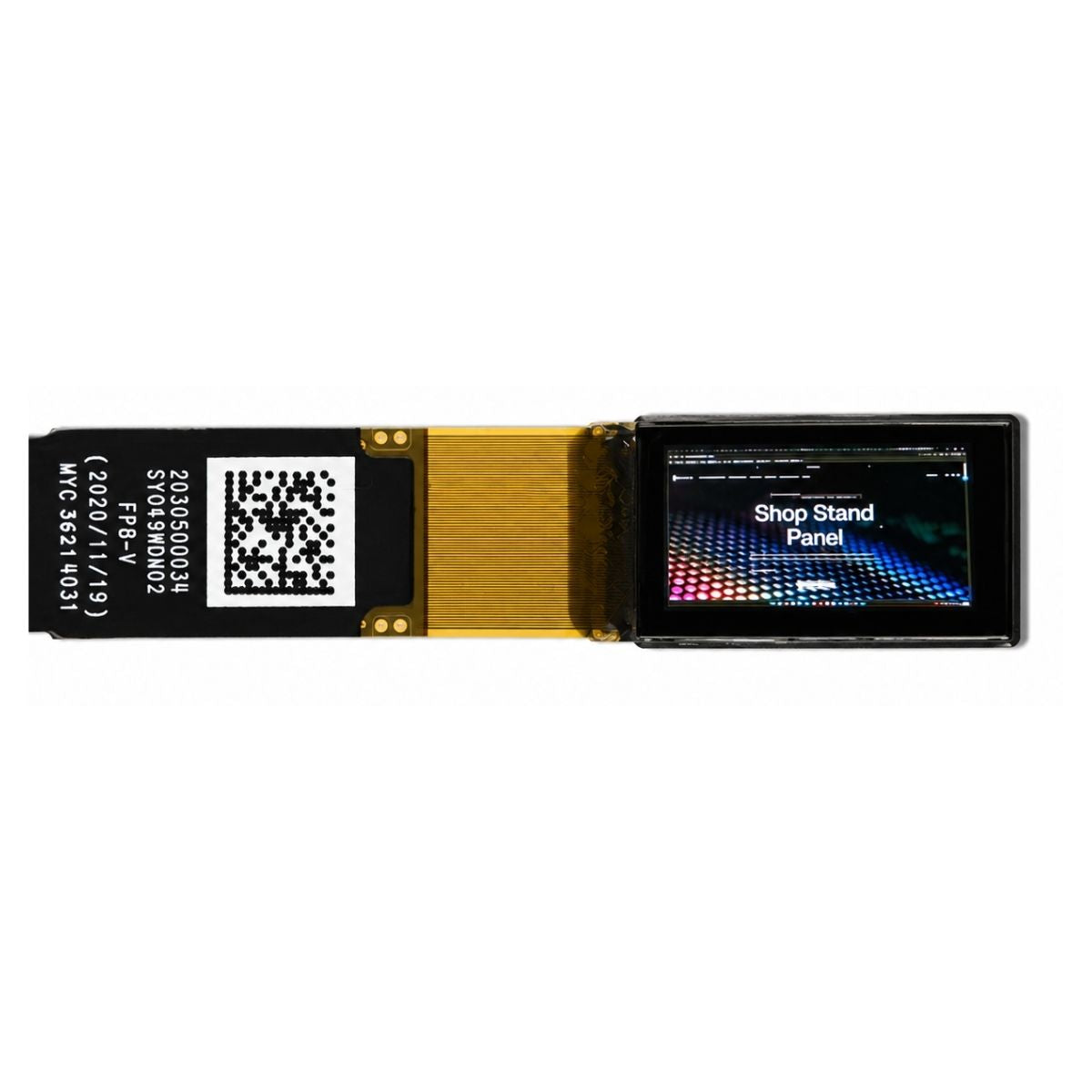


3.7" ePaper Display 240×416 - SPI i2C
- 💹 Enjoy a 20% discount for orders over 500
- 📉 A 15% discount is available for orders ranging from 200 to 499
- 🎁 A 10% discount is available for orders ranging from 50 to 199
- 🎁 A 5% discount is available when ordering 10-49
Interested in customizing this product? Get in touch with us.
Order samples, immediate delivery.
Factory bulk lead time: 3 weeks.
3.7" ePaper Display 240×416 - SPI i2C
- 💹 Enjoy a 20% discount for orders over 500
- 📉 A 15% discount is available for orders ranging from 200 to 499
- 🎁 A 10% discount is available for orders ranging from 50 to 199
- 🎁 A 5% discount is available when ordering 10-49
Resources & Downloads
3.7-inch ePaper Display, 240×416, 3-Wire/4-Wire SPI
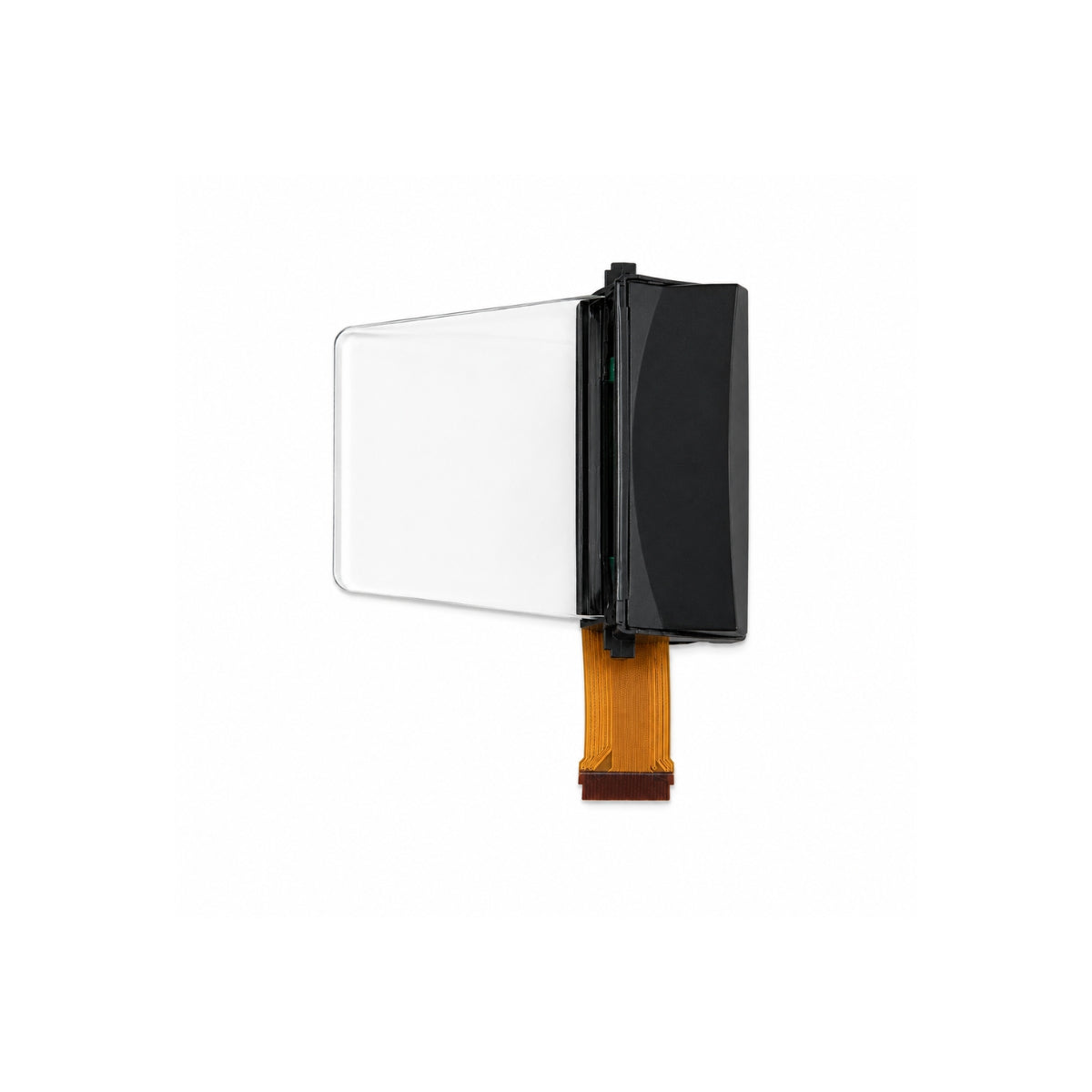
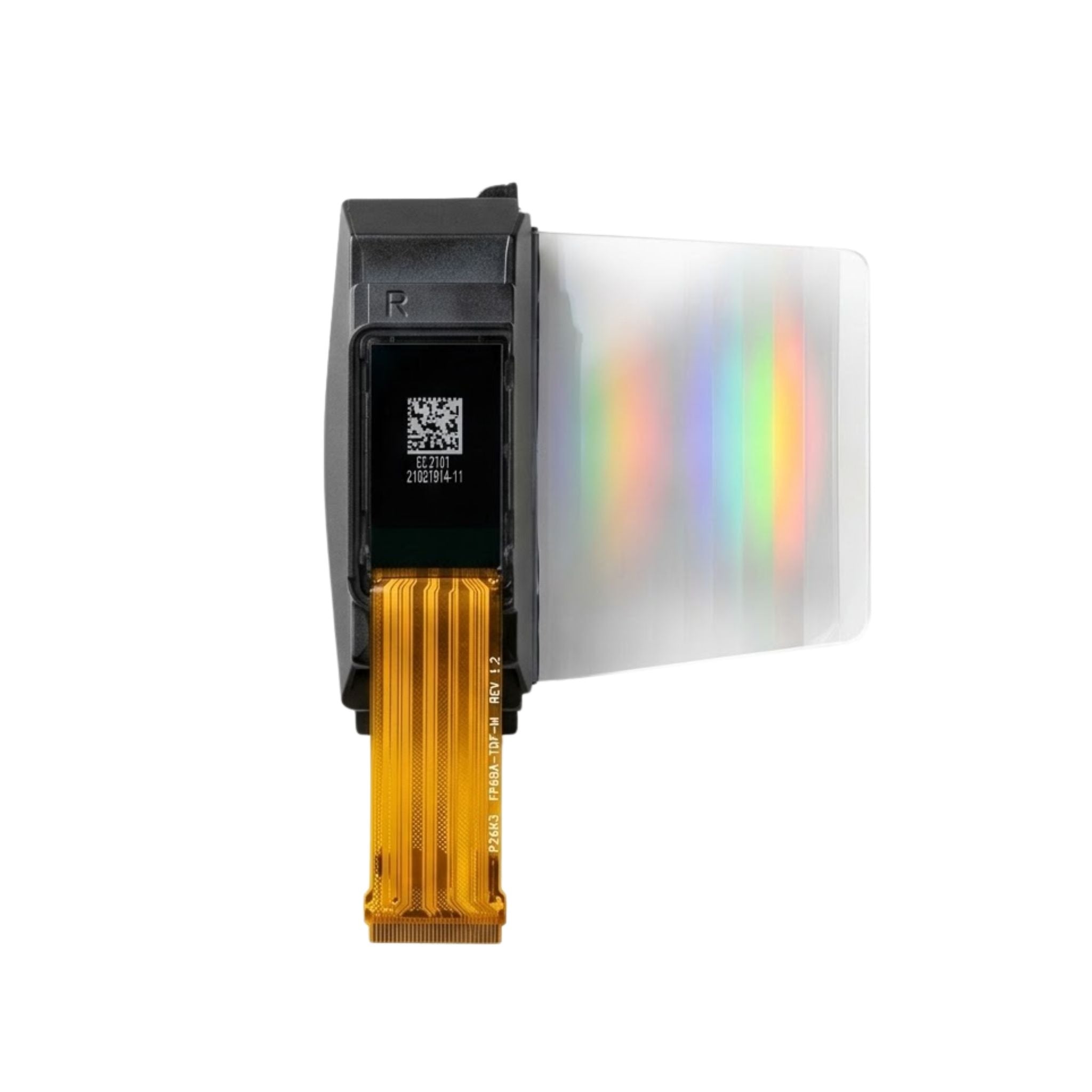
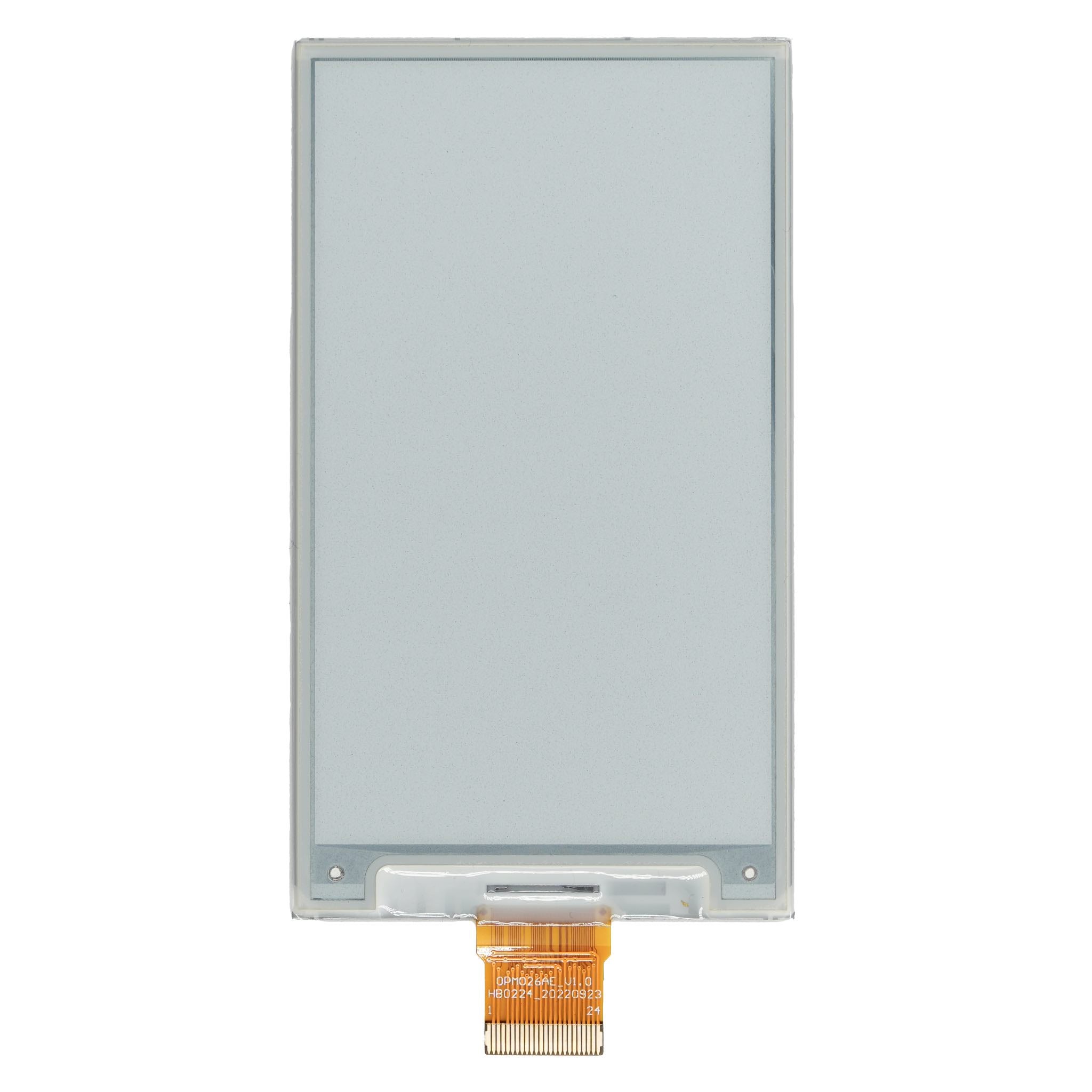
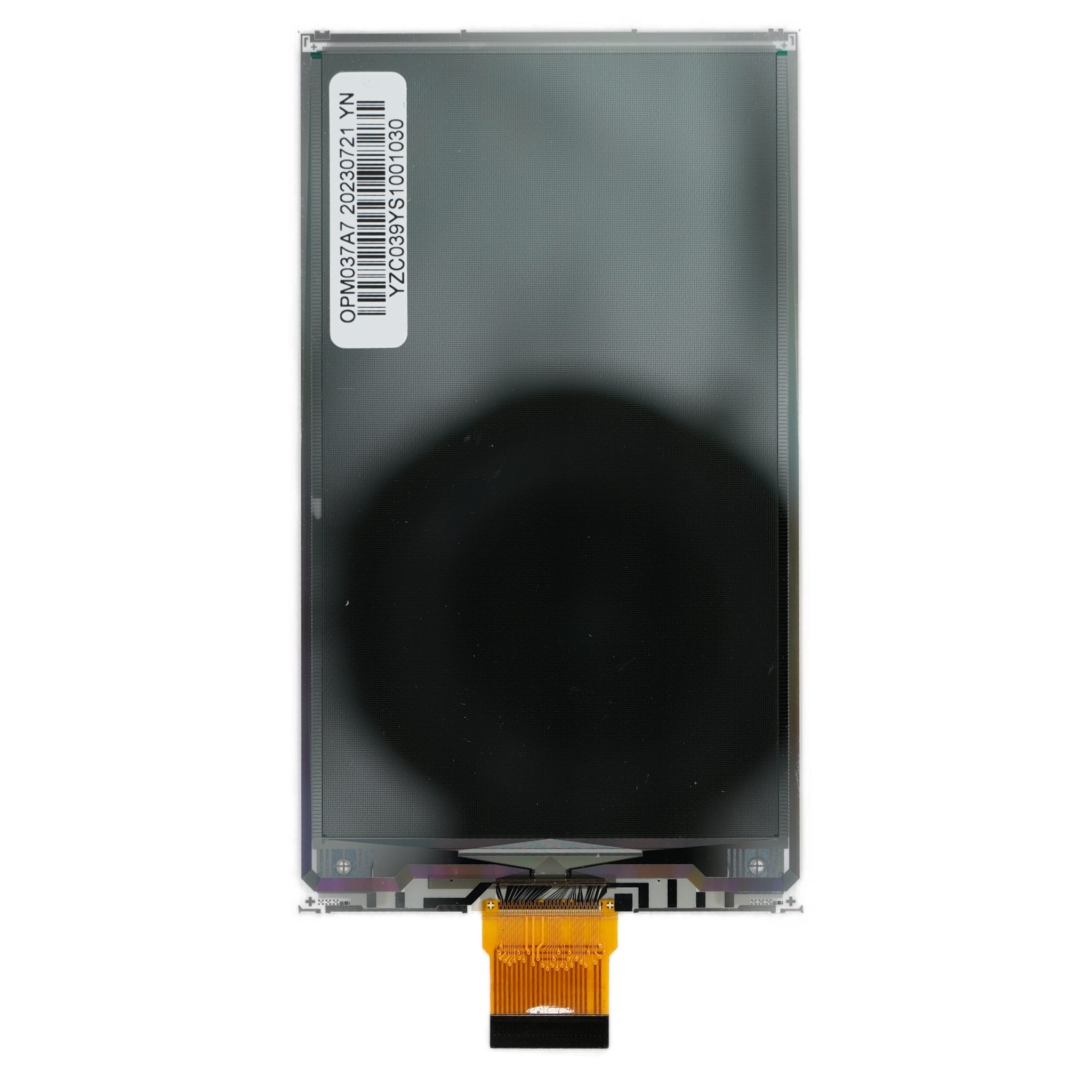
DMAYE03701KNA is a 3.7-inch active matrix electrophoretic display with a 240×416 pixel matrix, a 47.04×81.536 mm active area, pure reflective operation, and bi-stable image retention.
Display data is transferred through hardware-selectable 4-wire SPI or 3-wire 9-bit SPI. The separate I²C master interface is provided for an external digital temperature sensor.
Technical reference: The specifications shown on this page are based on the DMAYE03701KNA product specification, Version V1.0.0, dated July 1, 2025.

Product Overview
The module integrates a gate buffer, source buffer, MCU interface, timing control logic, oscillator, DC-DC converter, SRAM, LUT, and VCOM.
Bi-Stable Image Retention
The displayed image remains visible without continuous panel refreshing. Finished-device power consumption depends on the complete system design.
Reflective Display
No backlight is specified. Optical performance is defined through white reflectivity and contrast ratio.
SPI Display Interface
Select 4-wire SPI or 3-wire 9-bit SPI through the BS pin. Serial communication is write-only.
Temperature Input
TSCL and TSDA form an I²C master interface for an external digital temperature sensor.
Landscape and Portrait Modes
The datasheet lists landscape and portrait modes as supported display orientations.
Technical Specifications
The following specifications cover the display structure, mechanical dimensions, interfaces, electrical supply, and environmental limits.
| Parameter | Specification |
|---|---|
| SKU | DMAYE03701KNA |
| Display Type | Active Matrix Electrophoretic Display (AM EPD) |
| Screen Size | 3.70 inch |
| Resolution | 240(H)×416(V) pixels |
| Display Mode | Pure reflective and bi-stable |
| Active Area | 47.04×81.536 mm |
| Pixel Pitch | 0.196×0.196 mm |
| Pixel Shape | Rectangle |
| Module Outline | 98.60(L)×57.60(W)×0.82(D) mm |
| Display Interface | Hardware-selectable 4-wire SPI or 3-wire 9-bit SPI |
| Temperature-Sensor Interface | I²C master interface for an external digital temperature sensor |
| Logic Supply | 2.4 V minimum, 3.0 V typical, 3.6 V maximum |
| Operating Temperature | 0°C to 50°C |
| Specified Operating Light | Indoor use only, up to 2000 lux |
| Storage Temperature | -25°C to 60°C |
| Storage Humidity | 30%RH to 60%RH |
| Integrated Functions | Gate buffer, source buffer, MCU interface, timing control logic, oscillator, DC-DC converter, SRAM, LUT, and VCOM |
| Compliance | RoHS compliant |
Optical and Refresh Performance
Optical measurements are specified with illumination at 45 degrees and detection perpendicular to the display. Refresh values apply at 25°C and require the waveform specified for this panel.
Lighting Limitation
The specified operating condition is indoor use up to 2000 lux. The handling section also advises against prolonged exposure of an unprotected panel to sunlight.
Power and Electrical Characteristics
The values below apply at VDD = 3.0 V and 25°C unless the datasheet states another condition. Panel values should not be used as the complete power budget for the finished device.
Active Update
Typical current is 5 mA and typical panel power is 15 mW under the transition condition defined in the datasheet.
Sleep with RAM Retained
26 µA with the DC-DC converter off, no clock, and no output load.
Deep Sleep
1 µA and 3 µW typical without RAM retention, with the DC-DC converter off, no clock, and no output load.
Power-budget note: The listed current and power values are component-level figures and do not represent the total power consumption of a finished device.
Interface and Pin Functions
The 24-contact FPC includes SPI control, temperature-sensor communication, power, ground, high-voltage drive nodes, and no-connect positions. The groups below make the pinout easier to review without repeating a long pin table.
SPI Selection
BS low: 4-wire SPI using SDA, SCL, CSB, D/C, and RSTN.
BS high: 3-wire 9-bit SPI using SDA, SCL, CSB, and RSTN. The first bit identifies command or display data.
Serial operation is write-only. Monitor BUSYN and do not send commands while the display reports busy.
Host SPI Signals
Bus selection, busy status, reset, data/command control, chip select, serial clock, and serial data input.
Temperature Sensor
TSCL is the I²C clock output and TSDA is the bidirectional I²C data pin for an external digital temperature sensor.
Logic Power and Ground
VDD powers the interface and chip, VSS is ground, VDDD supports the core logic, and VPP is used for OTP programming.
Drive and Control Nodes
GDR, RESE, VDHR, VSH, VGH, VSL, VGL, and VCOM belong to the panel drive circuit. Follow the datasheet application circuit and component values.
No-Connect Pins
Pins 1 and 4 are marked NC. The datasheet states that one NC pin should not be connected to another NC pin.
Mating Connector
The drawing shows a 24-contact FPC arrangement. Confirm the contact pitch, insertion side, FPC thickness, stiffener geometry, and connector orientation against the mechanical drawing before selecting a connector.
SPI Timing Limits
Timing values apply with VDD - VSS from 2.4 V to 3.3 V, TOPR = 25°C, and CL = 20 pF. The host should meet all minimum setup and hold times and stay within the stated rise and fall limits.
Mechanical Integration
The supplied drawing provides the module outline, active area, FPC location, side profile, and contact arrangement. Unspecified dimensions use a stated tolerance of ±0.20 mm.
Key Dimensions
Module outline: 98.60×57.60×0.82 mm
Active area: 47.04×81.536 mm
Pixel pitch: 0.196×0.196 mm
FPC contacts: 24 shown in the drawing
Use the active-area and outline dimensions shown in the mechanical drawing when defining the enclosure opening.
Reserve clearance based on the FPC position and dimensions shown in the mechanical drawing.
Avoid point loading, bending, twisting, and pressure on the EPD panel.
Verify contact orientation, pitch, insertion side, and FPC thickness against the mechanical drawing.
Operating and Storage Guidance
The panel uses fragile glass and plastic materials. Environmental limits and handling instructions should be considered together with the final enclosure, sealing method, and assembly process.
Operating Range
0°C to 50°C. The specified lighting condition is indoor use up to 2000 lux.
Rated Storage Range
-25°C to 60°C with storage humidity from 30%RH to 60%RH.
Warehouse Storage
The handling section recommends original packaging, no condensation, no sunlight, 15°C to 35°C, and 30%RH to 60%RH.
Do not bend, twist, press, drop, disassemble, or stack the EPD modules.
Do not connect or disconnect the interface connector while the panel is operating.
Use a soft dry cloth without chemicals and avoid hard pressure on the protection sheet.
Prevent moisture penetration, frost, dew, and condensation before powering the display.
Avoid acid, alkali, and other harmful gases that may corrode electronic components.
Avoid prolonged exposure of an unprotected panel to high temperature, high humidity, sunlight, or fluorescent light.
Reliability Test Conditions Listed in the Datasheet
These test conditions help customers review environmental and transport tolerance during product evaluation. They do not replace validation of the complete finished product.
Operating Tests
Storage Tests
Transport and ESD Tests
Applications Listed in the Datasheet
The datasheet lists portable electronic devices and Electronic Shelf Label systems as application examples.
Electronic Shelf Label Systems
Electronic Shelf Label systems are listed in the datasheet as an application example. Evaluate the module within the stated electrical, temperature, lighting, and refresh conditions.
Portable Electronic Devices
Portable electronic devices are listed in the datasheet as an application example. System suitability depends on the complete mechanical, electrical, optical, and power design.
Product Questions
Can display data be sent over I²C?
No. The supplied datasheet identifies 4-wire SPI and 3-wire 9-bit SPI as the display-data interfaces. The I²C pins are used for an external digital temperature sensor.
Is the panel specified for outdoor sunlight?
No. The listed operating condition is indoor use up to 2000 lux, and the handling guidance advises against prolonged sunlight exposure of an unprotected panel.
Does the panel use power while holding an image?
Bi-stable image retention does not require continuous refreshing. The datasheet separately lists 26 µA in sleep with RAM retained and 1 µA in deep sleep without RAM retention under the stated conditions.
Is the 250 ms partial refresh guaranteed in every condition?
No. It is a typical value at 25°C using the specified panel waveform. Update time and image quality should be evaluated at the project's temperature and refresh pattern.
Download Official Datasheet
Use the official DMAYE03701KNA specification to review dimensions, pin functions, SPI timing, electrical limits, optical measurements, reliability conditions, the block diagram, and the typical application circuit.