

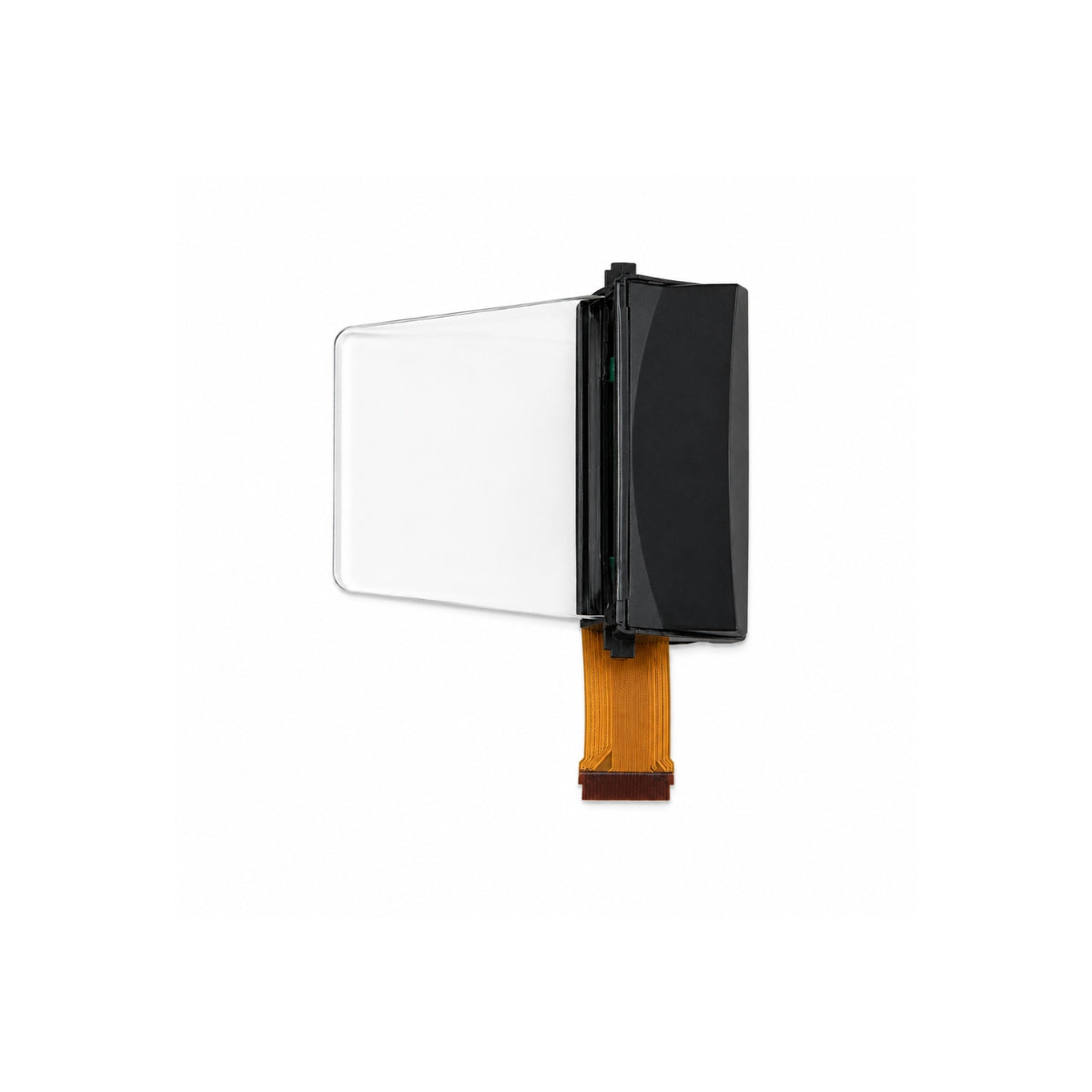
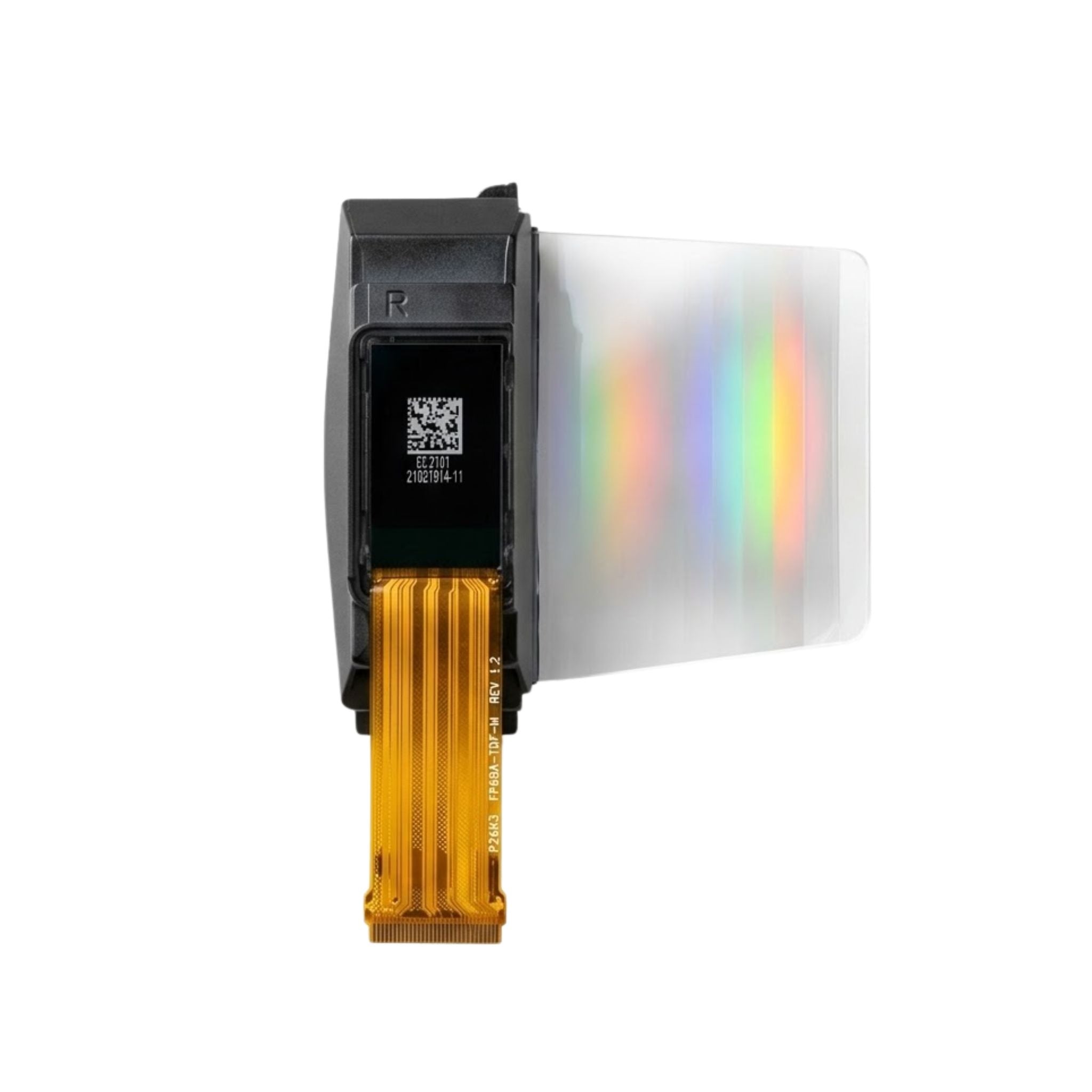


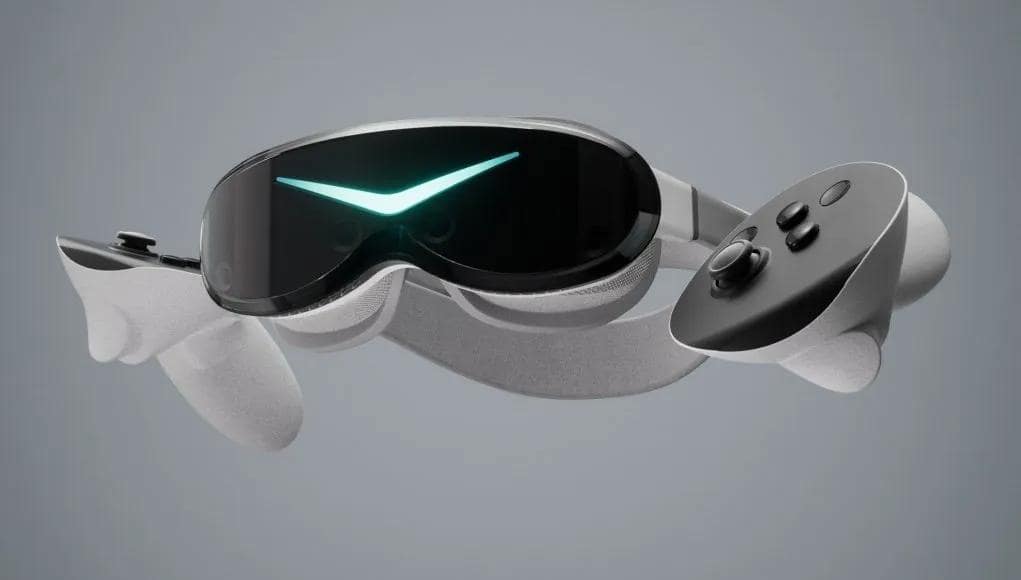
Micro OLED Module for VR | Field of View, Latency, Comfort
A micro OLED module suits VR because it is small enough to sit behind a short focal-length lens, fast enough to finish a pixel transition in microseconds, and emissive enough to hold black without a backlight. Field of view, latency and comfort are not three separate purchases. They follow from one panel geometry and one drive scheme, so choose the panel and the optical stack together and validate both.
Panel size sets the optical budget
A near-eye lens forms a magnified virtual image of the panel. The smaller that panel, the shorter the focal length that can still fill the required eye box, and the less glass the light has to cross before it reaches the pupil. Micro OLED panels used in VR headsets generally fall between roughly one inch and one and a third inches diagonal, while modules built for AR glasses can sit well under an inch.
Two lens families dominate the design. Fresnel stacks are thin and inexpensive but scatter light at the ring boundaries, which appears as glare around bright objects. Pancake stacks fold the optical path with a partially reflective surface so that the physical distance from panel to eye compresses into a few centimetres. Folding costs light at every pass, which is one reason emissive panels and high-brightness backlights are paired with pancake optics.
Panel size alone does not set field of view. Eye relief, the interpupillary distance range, exit pupil diameter and the active area all constrain the result. A small panel gives the optical engineer room to trade those parameters against each other. It does not hand over a wide field automatically.

Field of view competes with sharpness
Field of view and angular resolution pull in opposite directions on the same panel. Pixels per degree, the angular analogue of pixel density, is the number that predicts whether a user sees an image or sees the gaps between pixels.
The arithmetic is plain division. A panel 1920 pixels wide spread across 100 degrees of horizontal field yields about 19 pixels per degree. Stretched across 130 degrees it yields about 15. No specification sheet changes that.
For scale, one arcminute of arc — the usual working figure for foveal acuity — corresponds to roughly 60 pixels per degree. A headset delivering 20 pixels per degree is therefore showing about a third of the detail the eye can resolve at the centre of gaze, which reads as a screen-door texture on fine edges and thin type.
Because the lens magnifies, the panel's own pixel pitch is only part of the story. Lens modulation transfer, chromatic aberration toward the edges of the field and the panel's fill factor all soften the image before it reaches the retina. A dense panel behind a mediocre lens can look worse than a coarser panel behind a good one, so specify the pair rather than each part.
The latency chain matters more than the panel
Motion-to-photon latency is the delay between a head movement and the matching image leaving the display. It is a chain, and the panel is one link in it.
The usual links are sensor sampling and fusion, application and compositor rendering, scan-out across the display interface, pixel response, and the persistence window during which the frame stays visible. A microsecond-switching panel cannot rescue a compositor that takes tens of milliseconds, and a fast pipeline cannot rescue a panel that smears each frame across the whole refresh period.
This is where micro OLED earns its place. Each pixel is an emitting diode rather than a light valve[2], so switching is governed by carrier transit and driver settling rather than by the rotation of a liquid crystal layer, and panel-level response is commonly quoted in microseconds. Treat that as a panel-level figure. The module's driver IC, gamma setting and operating temperature all change what the system actually delivers, so ask for response at the temperature your product will run at.
Low persistence depends on fast pixels
Low persistence means showing each frame for a short window instead of holding it for the entire refresh period. The eye rotates during a held frame, so the frame is smeared across the retina. A brief flash is not.
On a liquid crystal panel the equivalent trick is strobing the backlight, which is awkward because the crystal is often still settling when the strobe fires. On an emissive panel the frame can simply be switched off, which makes short persistence practical at ordinary refresh rates. The visible result is that a 90 Hz emissive display often reads as sharper in motion than a liquid crystal panel of the same resolution and refresh rate.
Short persistence is paid for in brightness, because the panel emits during a smaller fraction of each frame. That cost has to come out of peak luminance, and it is the main reason VR modules are specified at brightness levels far above what a desktop monitor would need.
Comfort is a mass and optics problem
Long sessions fail for reasons that have little to do with the panel. Front-heavy mass loads the neck, a badly matched interpupillary distance forces one eye to converge off-axis, and a single fixed focal plane creates a conflict between where the eye focuses and where it converges.
A micro OLED module helps indirectly. Removing the backlight, diffuser and light guide reduces the depth of the front assembly, which lets a folded design pull the centre of mass back toward the strap. Lower heat at the panel also reduces the facial warming that makes people take a headset off after twenty minutes.
None of this fixes vergence–accommodation conflict. One fixed focal plane cannot serve content that appears at several depths, and no panel choice changes that. What a good module does is leave optical and mass budget for the mitigations: varifocal elements, pupil steering, or simply a focal plane placed near the depth where most content sits.
What belongs in the module specification
- Response time at the specified operating temperature, not only at room temperature.
- Peak luminance at the persistence duty cycle you intend to use.
- Luminance and colour uniformity across the active area, with the measurement grid and conditions stated[1].
- Gamma and white point per channel, because stereo pairs must match each other.
- Interface type, lane count, and the frame rate and colour depth that combination supports.
- Lifetime at a stated luminance and duty cycle, with the failure criterion written down.
Validation before design freeze
Measure angular resolution on the assembled eyepiece rather than on the panel datasheet. Display a checkerboard at a known spatial frequency, photograph it through the lens with a camera focused at the virtual image distance, and count the contrast that survives. Measure latency with a photodiode on the display and an accelerometer on the head mount, both on one time base, so the two halves of the chain are separated. Measure comfort with a structured questionnaire after a session long enough to expose the problem, and record mass, centre of mass and clamping force alongside the scores.
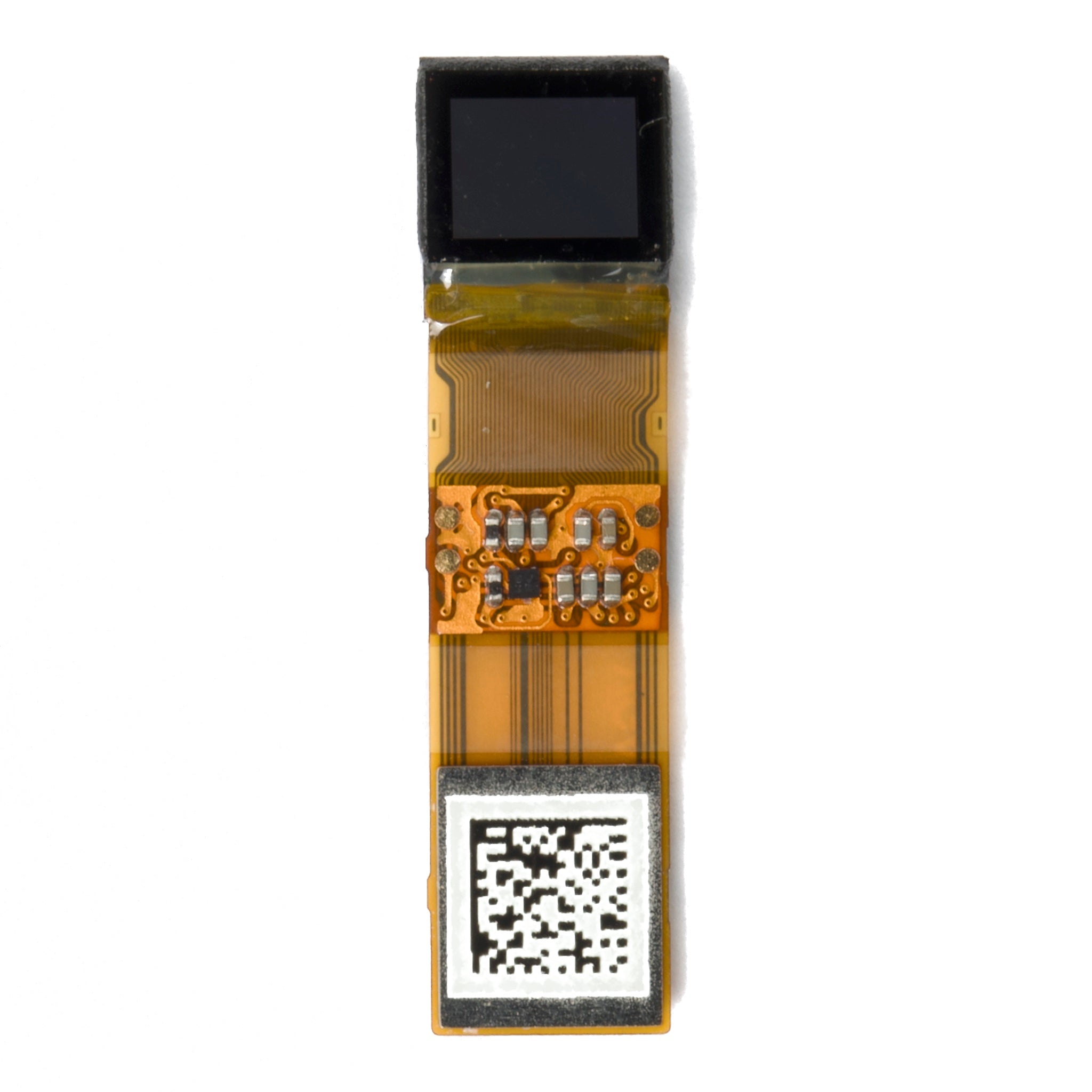
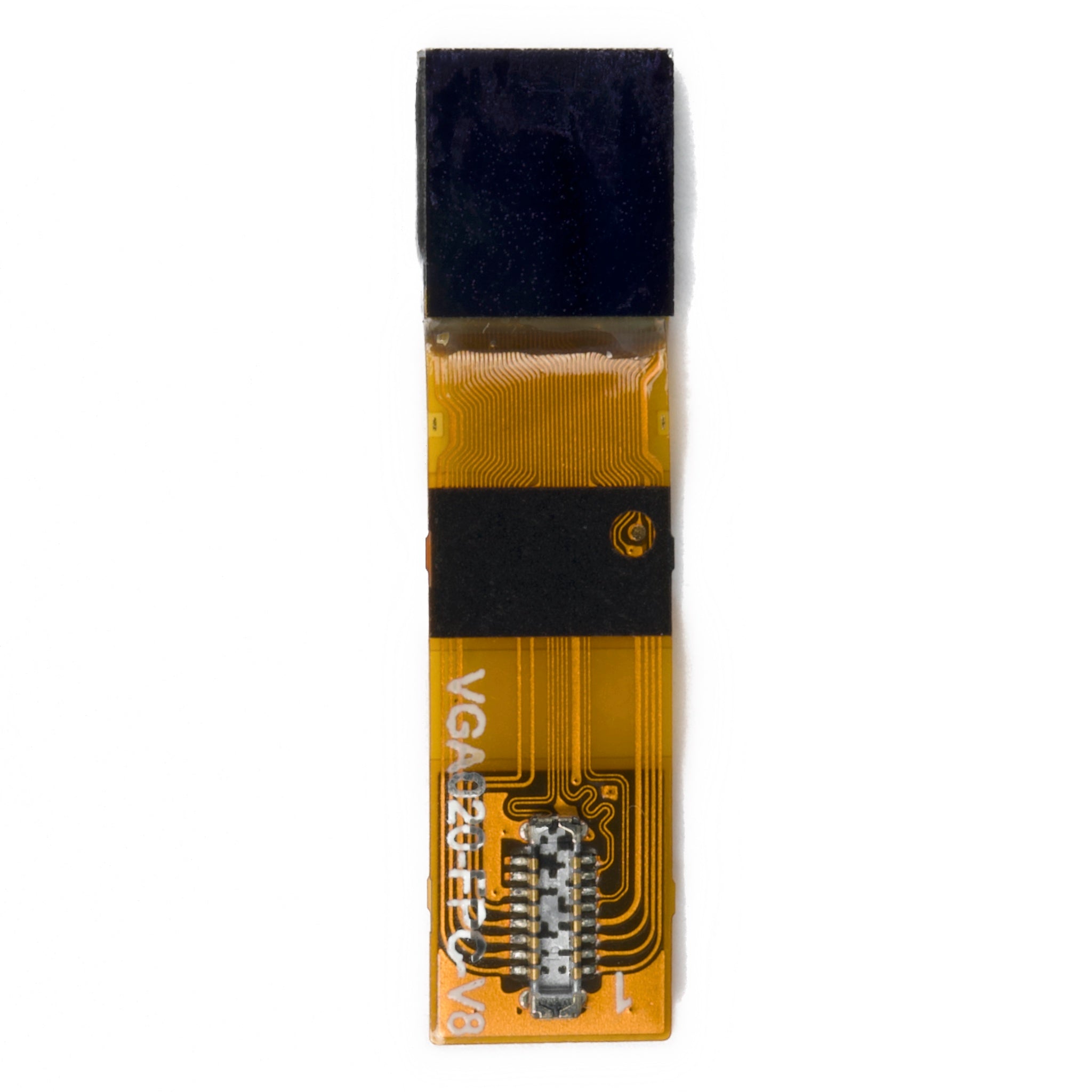
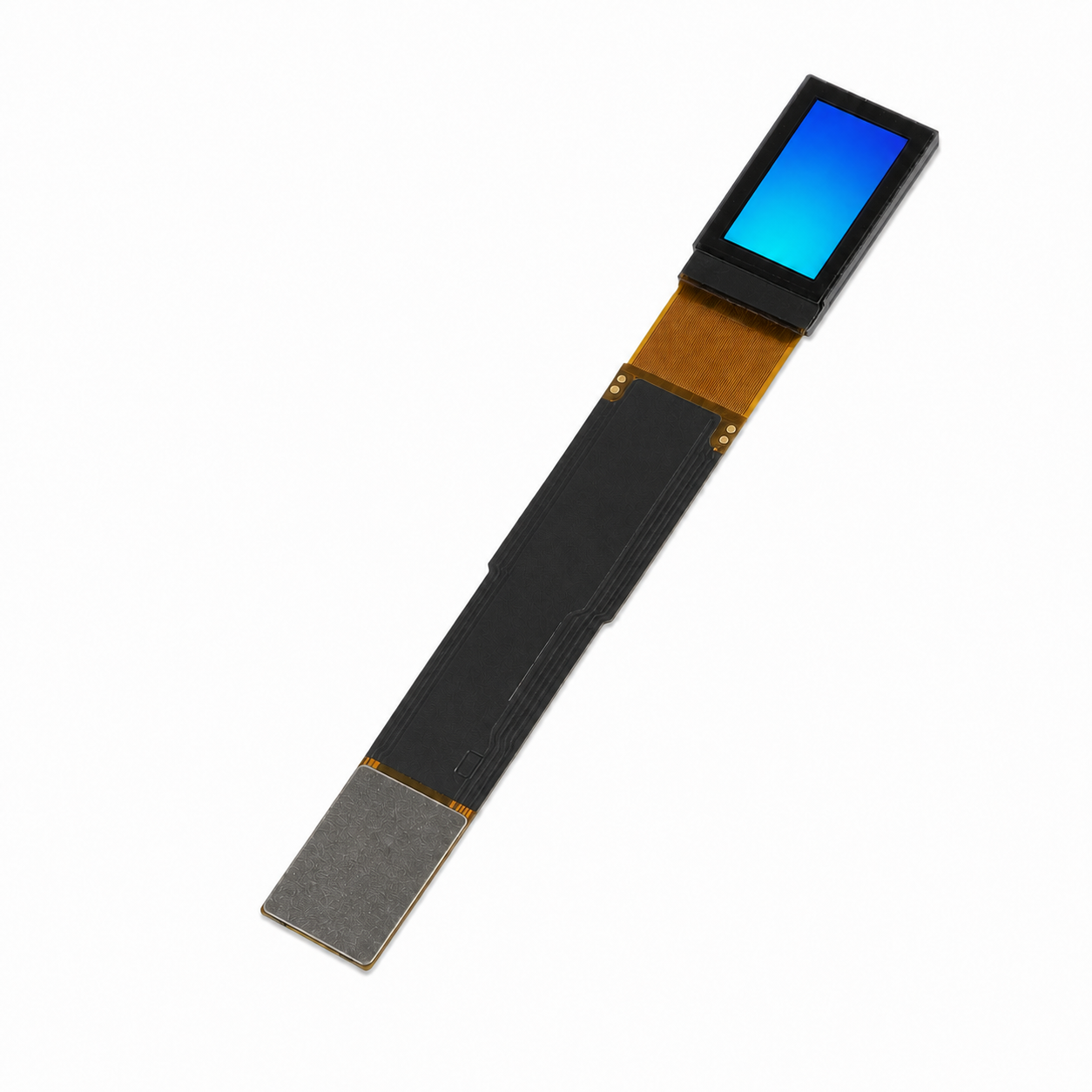
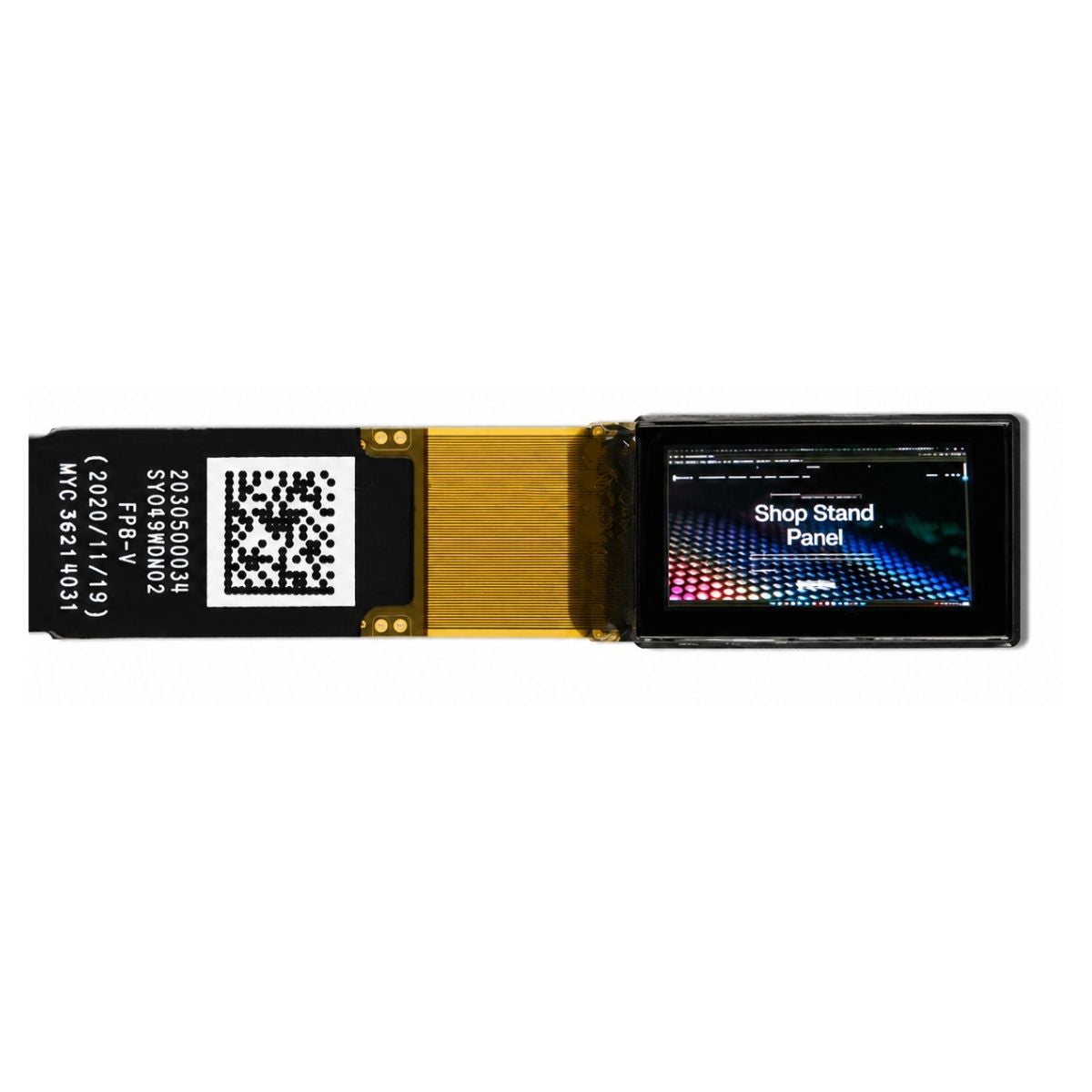
Many compact modules for near-eye products are listed under micro OLED displays, and the optical trade-offs are easiest to compare across the panels collected under AR and VR displays.
Those three measurements, taken on the assembled module, tell you more about field of view, latency and comfort than any single datasheet figure. Buy the panel and the lens as one system, and specify both in the same document.
References
- ISO 9241-307:2008 — Ergonomics of human-system interaction — Part 307: Analysis and compliance test methods for electronic visual displays. International Organization for Standardization. https://www.iso.org/standard/40102.html
- Hilsum, C. (2010). Flat-panel electronic displays: a triumph of physics, chemistry and engineering. Philosophical Transactions of the Royal Society A, 368(1914), 1027–1082. https://doi.org/10.1098/rsta.2009.0247
Read more
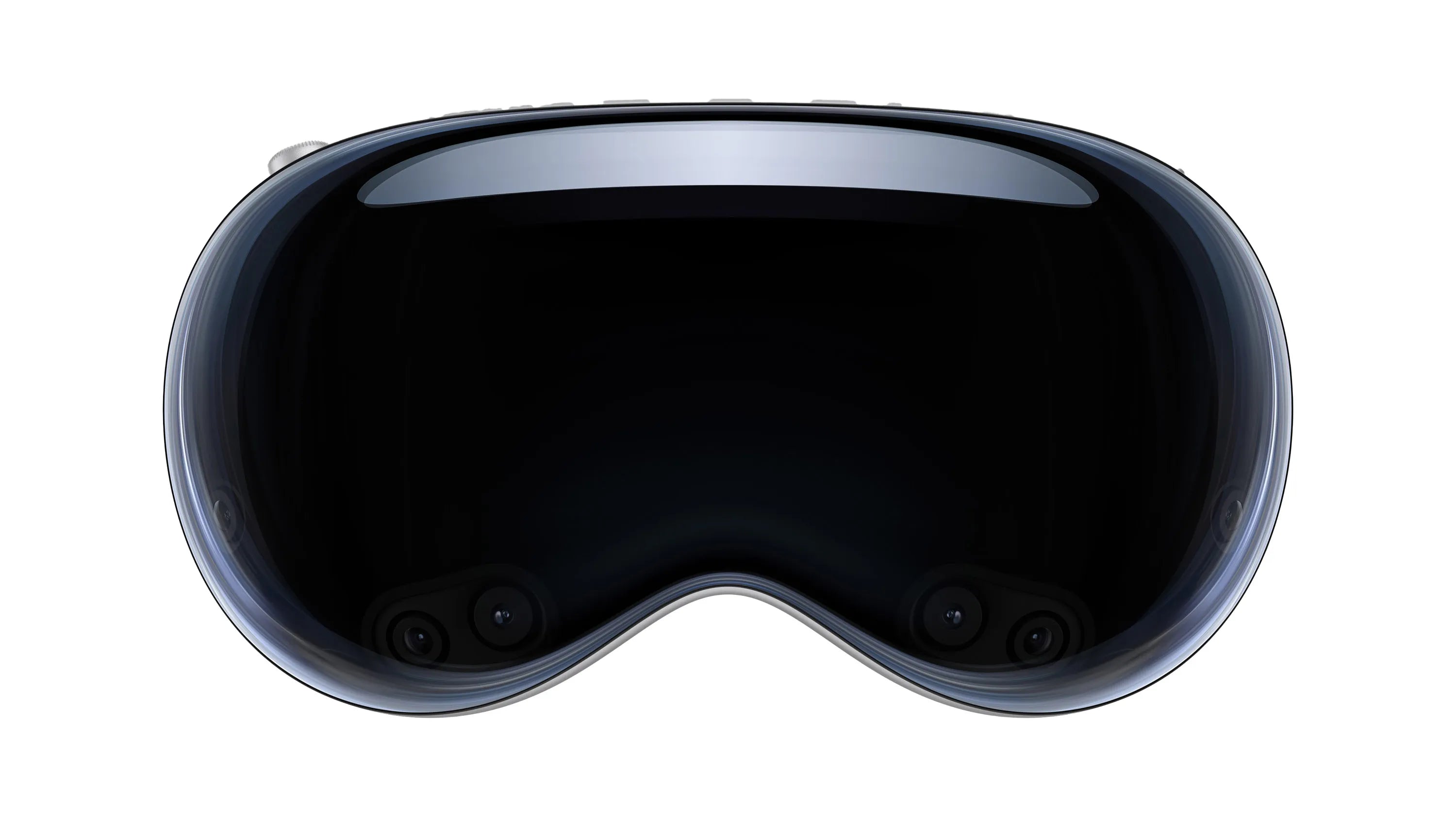
Micro OLED panels vary: qVGA (320x240) for low-power, WVGA (800x480) for clarity; RGB variants hit 1M:1 contrast (mono: 500k:1), <5mW at 30Hz. Validate.
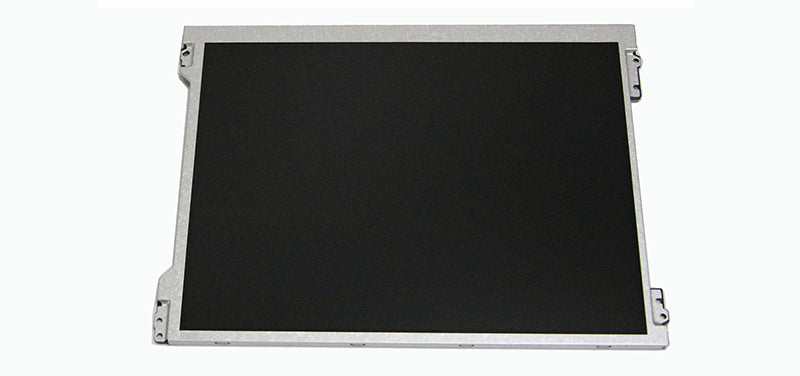
TFT LCD technology employs a thin-film transistor array to precisely control liquid crystal molecules, featuring a typical 5-8ms response time as.
Leave a comment
This site is protected by hCaptcha and the hCaptcha Privacy Policy and Terms of Service apply.