



PMOLED Displays for Embedded Systems | Low Power, Monochrome Graphics, Custom Module Manufacturer
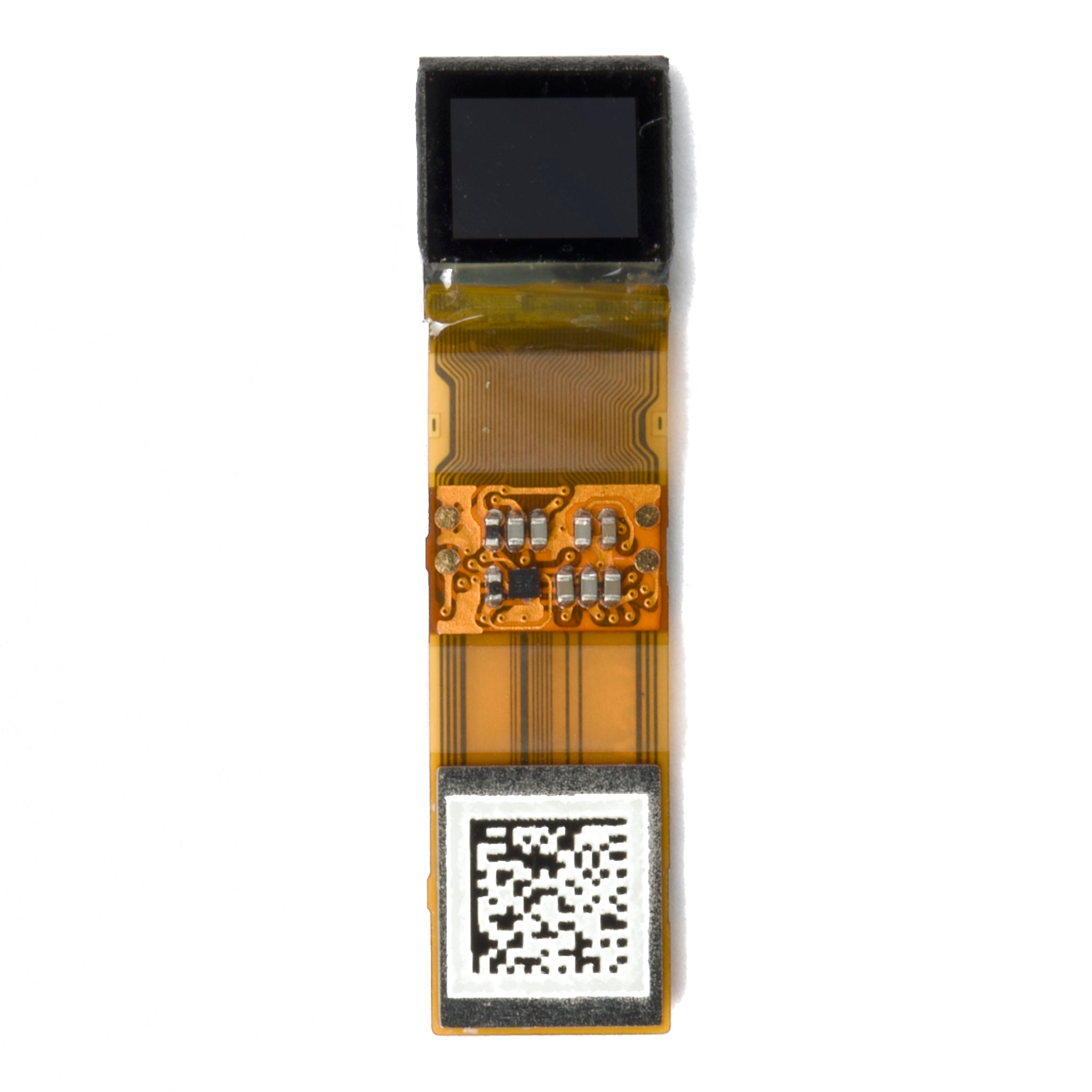
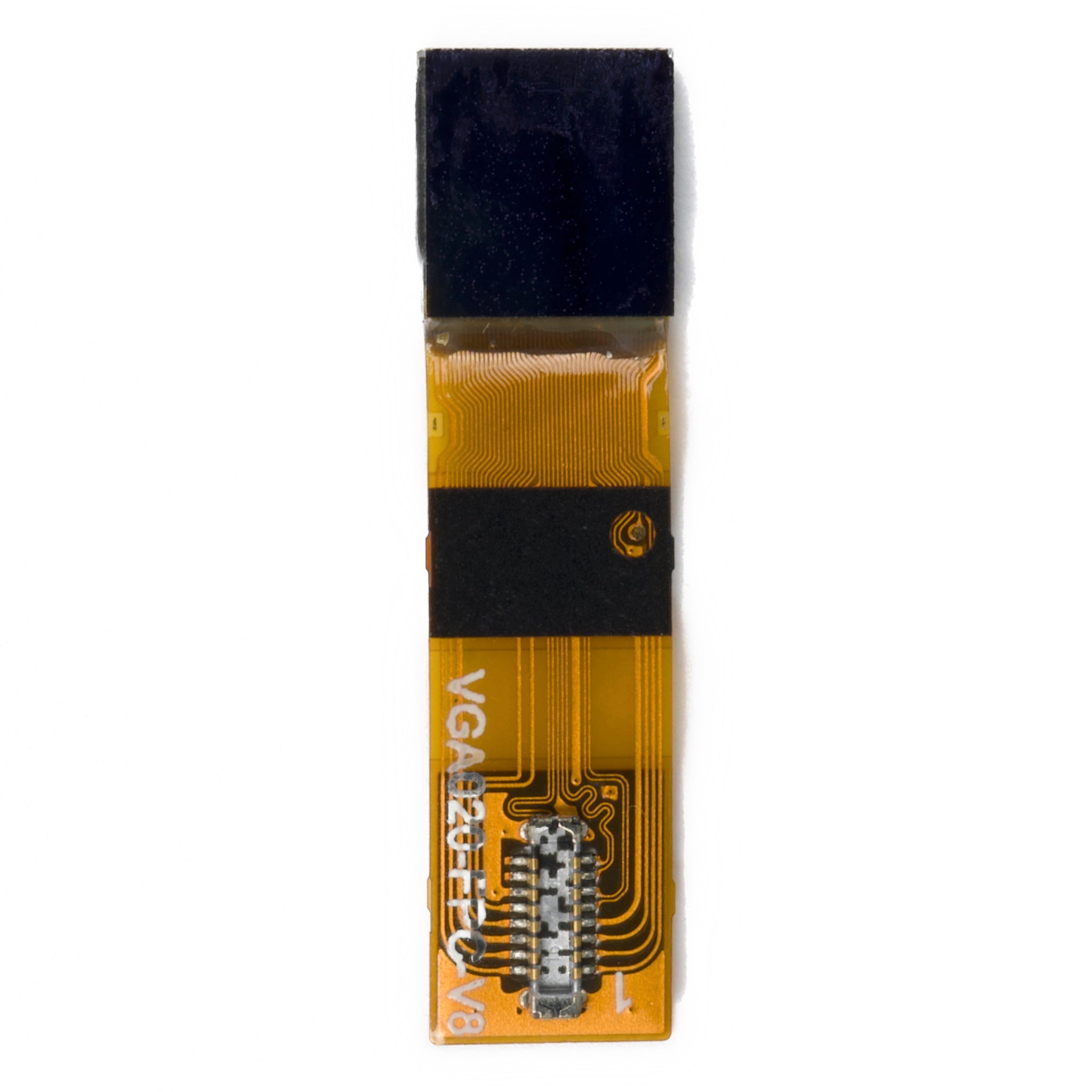
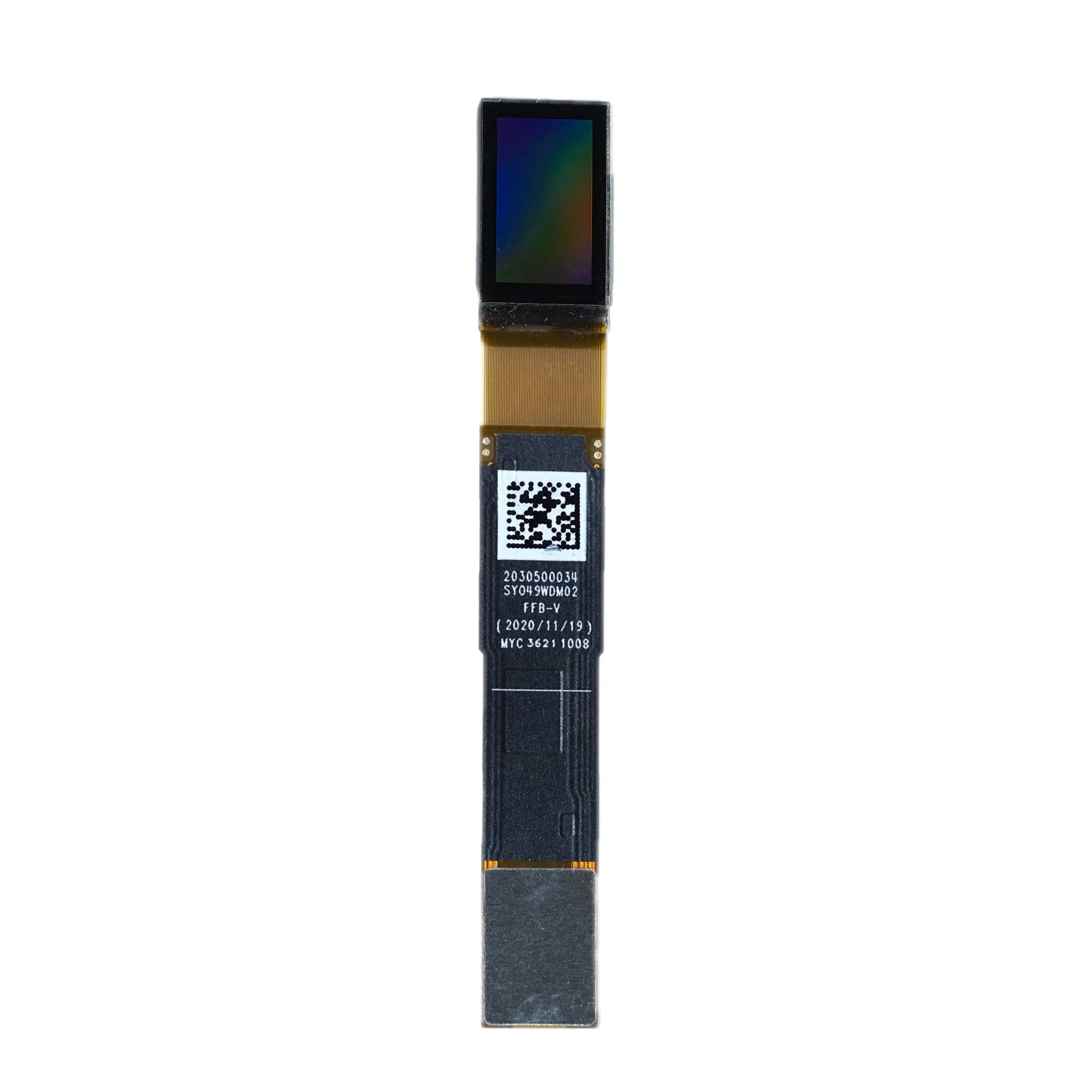
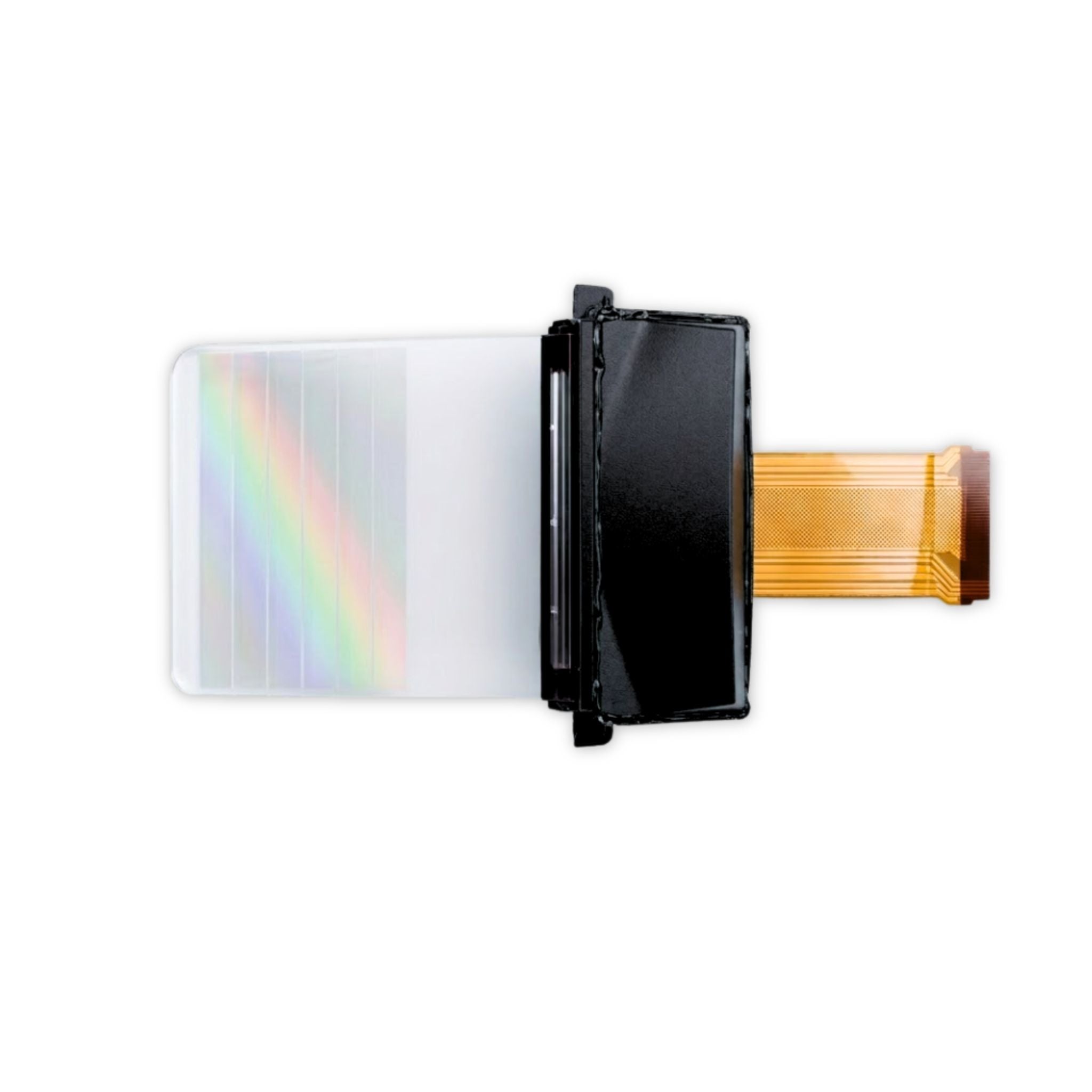
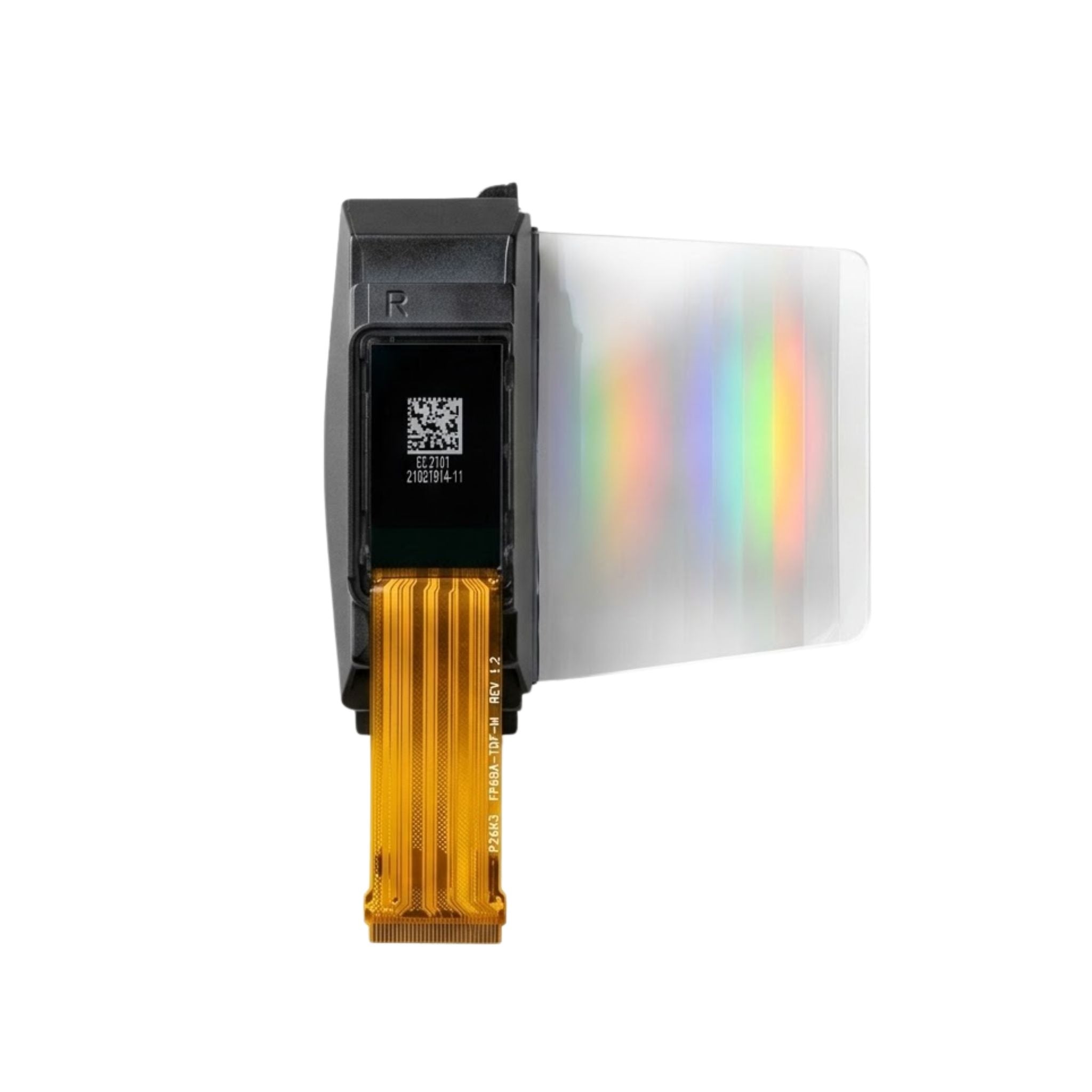
Sony launched the ECX350F micro OLED display microdisplay module, compressing pixel pitch to 5.1 micrometers while delivering an unprecedented peak brightness of 10,000 nits — setting a new benchmark for ultra-high brightness in near-eye displays. According to market intelligence from Omdia, the global near-eye display market is projected to reach 1.2 billion dollars, driven by rapid enterprise and consumer adoption, while TrendForce forecasts AR device annual shipments to hit 25.5 million units by 2030.

Best Application Scenarios
AR Glasses
The Sony ECX350F measures just 0.44 inches diagonally yet achieves a crisp 1920×1080 Full HD resolution (adjusting the active matrix from legacy custom aspect ratios) at an astonishing pixel density of over 5,000 PPI. With its ultra-narrow 1.14 mm driving bezels and a short-axis package dimension of only 7.99 mm, it provides unparalleled structural freedom for compact optical engines. I recently evaluated an augmented reality prototype integrating this microdisplay paired with a Birdbath optical module. The system exhibited an optical efficiency loss under 25%, projecting a 46-degree field of view (FOV) with a 10 mm eyebox that eliminated the need for multi-user mechanical recalibration. The measured angular resolution reached 55 PPD (Pixels Per Degree), drawing exceedingly close to the human eye's retinal acuity limit of 60 PPD — making individual pixels virtually indistinguishable even during long-form text reading sessions.
In the consumer market, hardware platforms like the VITURE Pro (often referred to in retail channels under the extended Luma product family) start at 399 dollars, utilizing a 1080p micro OLED core to output 1,000 nits of perceived brightness, built-in 0 to −600 degree diopter myopia adjustment, and a 46-degree FOV — all wrapped in a lightweight 58g chassis that mitigates facial pressure. Upgraded flagship variants step up to larger Sony micro OLED panels, expanding the FOV to 50 degrees to simulate a massive 135-inch virtual screen while incorporating 6DoF (Six Degrees of Freedom) spatial tracking. Simultaneously, innovative developers like Xreal and Xrany have launched dual-display glasses utilizing these high-density silicon backplanes, pairing them with external computing terminals for SLAM (Simultaneous Localization and Mapping) spatial anchoring, which are already rapidly deploying across cultural tourism and digital twin exhibition projects.
The engineering sample pricing for the Sony ECX350F is positioned at approximately 40,000 JPY (excluding tax), representing roughly 280 dollars at current exchange rates. Official sample allocation to qualified Tier-1 OEMs commenced in late 2024, with volume commercial pricing projected to de-rate by up to 40% as mass manufacturing yields mature.
- Sony ECX350F: 0.44-inch Si-OLED / 1920×1080 / 5,000+ PPI / 10,000 nits Peak / 40,000 JPY Sample
- VITURE Pro Series: 1080p Native / 46° to 50° FOV / up to 1,000 nits Eye Brightness / 58g Headset Weight
- Enterprise SLAM Kits: Dual Micro OLED Engine / 6DoF Spatial Tracking / Real-time AR Roaming Cloud Mapping
| Product / Component | Panel Size | Resolution Type | Peak Luminance | Market Valuation Base |
|---|---|---|---|---|
| Sony ECX350F | 0.44 inch | 1920×1080 (FHD) | 10,000 nits | 40,000 JPY (Sample) |
| VITURE Pro / Luma Base | 0.55 inch class | 1080p per eye | 1,000 nits (Perceived) | 399 USD (MSRP) |
| High-End Enterprise AR | 1.3 inch class | Dual 4K Ultra HD | 3,500+ nits | Custom Contract Quote |
| Pimax Crystal Light | Dual 3.4" (M-LCD) | 3840×3200 per eye | Local Dimming Backlight | From 699 USD / 6,199 CNY |
Smart Helmets
In the high-fidelity VR and mission-critical smart helmet sector, display architectures are undergoing a major transition. Premium consumer and enterprise platforms are targeting ultra-lightweight form factors under 200 grams by swapping bulky, legacy 3-inch TFT-LCD panels for compact microdisplays. Standard mobile LCD stacks typically measure over 3 mm in thickness due to their multi-layered diffuser, polarizer, and LED backlight assembly. In contrast, a self-emissive Micro OLED panel utilizes a monocrystalline silicon wafer as its active-matrix backplane, shrinking the entire display module thickness to under 1 mm.
During competitive ergonomic validation testing, head-mounted displays utilizing silicon-based Micro OLEDs demonstrated a 40% reduction in frontal facial pressure compared to conventional LCD setups. Subjective comfort scores increased by an average of 2.3 points on a standard 5-point scale over 4 hours of continuous wear. This drastic physical downsizing is made possible because the optical center of gravity can be shifted back by approximately 15 mm closer to the user's natural ear-alignment axis (tragion line), dramatically improving rotational torque stability during rapid head movements.
Modern enterprise smart helmets also leverage advanced eye-tracking hardware embedded directly into the optical housing. This enables real-time foveated rendering — a graphic pipeline process that concentrates full processing power exclusively on the user's instantaneous gaze point, reducing host GPU load by up to 50% while maintaining sub-0.5 second latency for features like automated interpupillary distance (IPD) software adjustment. This setup is highly effective for mission-critical training operations where user disorientation or frame-time stuttering is unacceptable.
According to supply chain auditing by Omdia, the production cost of premium 4K-class Micro OLED panels used in elite spatial computing systems like the Apple Vision Pro is projected to scale down systematically from roughly 300 dollars at introduction to approximately 210 dollars, driven by an anticipated 30% yield optimization across global silicon-wafer foundries.
- Silicon Backplane Profile: Module thickness under 1 mm vs. 3 mm+ backlit LCD
- Ergonomic Optimization: Center of gravity shifted 15 mm rearward; 40% reduction in forehead load
- Foveated Rendering Ready: Sub-10 ms high-speed gaze tracking compatibility
Medical Wearables
During a field integration audit at an image-guided surgical navigation equipment manufacturer, I reviewed the integration of a 0.39-inch Micro OLED module into a specialized intraoperative near-eye visor. The module delivers an XGA resolution configuration at an intense 3,386 PPI, offering 100% sRGB and roughly 90% DCI-P3 wide color gamut tracking. This precise pixel density allows attending surgeons to overlay real-time stereotactic fluoroscopy and vascular mapping paths directly over the physical operative site without diverting focus away from the surgical field. This heads-up layout saves an average of 15 minutes of non-incision positional adjustments per procedure, translating to roughly 1,200 dollars in cost optimization based on a standard operating room operating rate of 80 dollars per minute. Post-operative medical surveys indicated that surgeon neck-strain fatigue complaints dropped by 60%.
The core advantage of Micro OLED in surgical environments is its microsecond-range response time, which completely eliminates the native millisecond liquid-crystal response lag and ghosting common to legacy TFT displays during rapid endoscopic camera movements. Furthermore, these solid-state organic emitters operate reliably down to −40 °C with native refresh rates running up to 120 Hz. When calibrated against the medical DICOM Part 14 grayscale standard, the display maintains a spatial luminance uniformity exceeding 98%. The global medical microdisplay vertical is expanding rapidly at an estimated 28% compound annual growth rate (CAGR), driven by remote telesurgery and augmented reality intraoperative navigation.
The absolute reliability of silicon-based organic microdisplays has been heavily proven in military defense avionics, such as the eMagin tactical display configurations deployed inside the US Army's digitized helmet-mounted sights. These displays satisfy rigorous MIL-STD-810H environmental testing specifications against extreme ballistic shock and mechanical vibration, establishing a mean time between failures (MTBF) exceeding 10,000 operational hours.

Selection and Design Considerations
Brightness Matching
The primary component selection rule for near-eye optical pipelines is matching the display's native nit output with the intended ambient environment and the efficiency profile of the optical combiner. For indoor-only or heavily occluded smart-glasses designs, an eye-side perceived luminance of 500 to 1,000 nits is standard — fully satisfied by modules like the VITURE Pro platform. However, for outdoor industrial maintenance or defense systems, the display must punch through high-ambient direct sunlight (which can exceed 50,000 to 100,000 lux).
Because optical structures like Waveguides or Birdbath modules typically exhibit extreme light attenuation (often losing 75% to 85% of input light), a 10,000-nit source like the Sony ECX350F is essential to preserve a clear 60:1 functional contrast ratio at the eye. Attempting to deploy a standard 1,000-nit module in an unshielded outdoor environment causes the contrast ratio to collapse below 8:1, rendering text unreadable. System engineers must always reserve a 20% to 30% brightness safety margin during the schematic phase to offset thermal luminance degradation and long-term organic emitter aging.
Thermal Management
Micro OLED microdisplays generate concentrated thermal dissipation when driven at maximum peak luminance. At 10,000 nits, the surface temperature of an uncooled Sony ECX350F can surge past 45 °C within minutes, triggering internal over-temperature hardware protection and causing a severe 35% luminance drop or visible frame flickering. Passive thermal dissipation is only viable if the application's duty cycle limits peak brightness bursts to under 30% of active runtime.
For sustained high-luminance industrial use cases, active thermal management is mandatory. Integrating a 0.3 mm ultra-thin aluminum alloy heatsink directly behind the silicon backplane, coupled with forced-convection micro-fans or high-conductivity graphite thermal interfaces, stabilizes steady-state core temperatures at a safe 38 °C. This thermal structure ensures stable brightness levels while adding only 3 grams of mass to the internal optical engine housing.
Driver Support Capabilities
Driving high-resolution silicon microdisplays requires robust high-bandwidth interface serialization and strict signal integrity control. Operating a 1920×1080 panel at a fluid 120 Hz refresh rate demands a host application processor capable of delivering a dedicated 4-lane MIPI DSI interface, sustaining a minimum bandwidth of 1.5 Gbps per lane. During display controller selection, engineers must balance processing frame-time jitter against chip power and thermal footprints:
- Realtek / Display Processing ICs: Offer extensive video decoding and multi-protocol conversion pipelines, but exhibit higher power consumption, with chip surface temperatures reaching 55 °C under full 120 Hz loads, requiring dedicated thermal shielding.
- Allwinner / Embedded SoC Platforms (e.g., MR527 series): Deliver highly integrated computing nodes optimized for smart display applications, maintaining stable frame-time jitter under 0.5 ms at 90 Hz while restricting chip temperatures to a cool 42 °C.
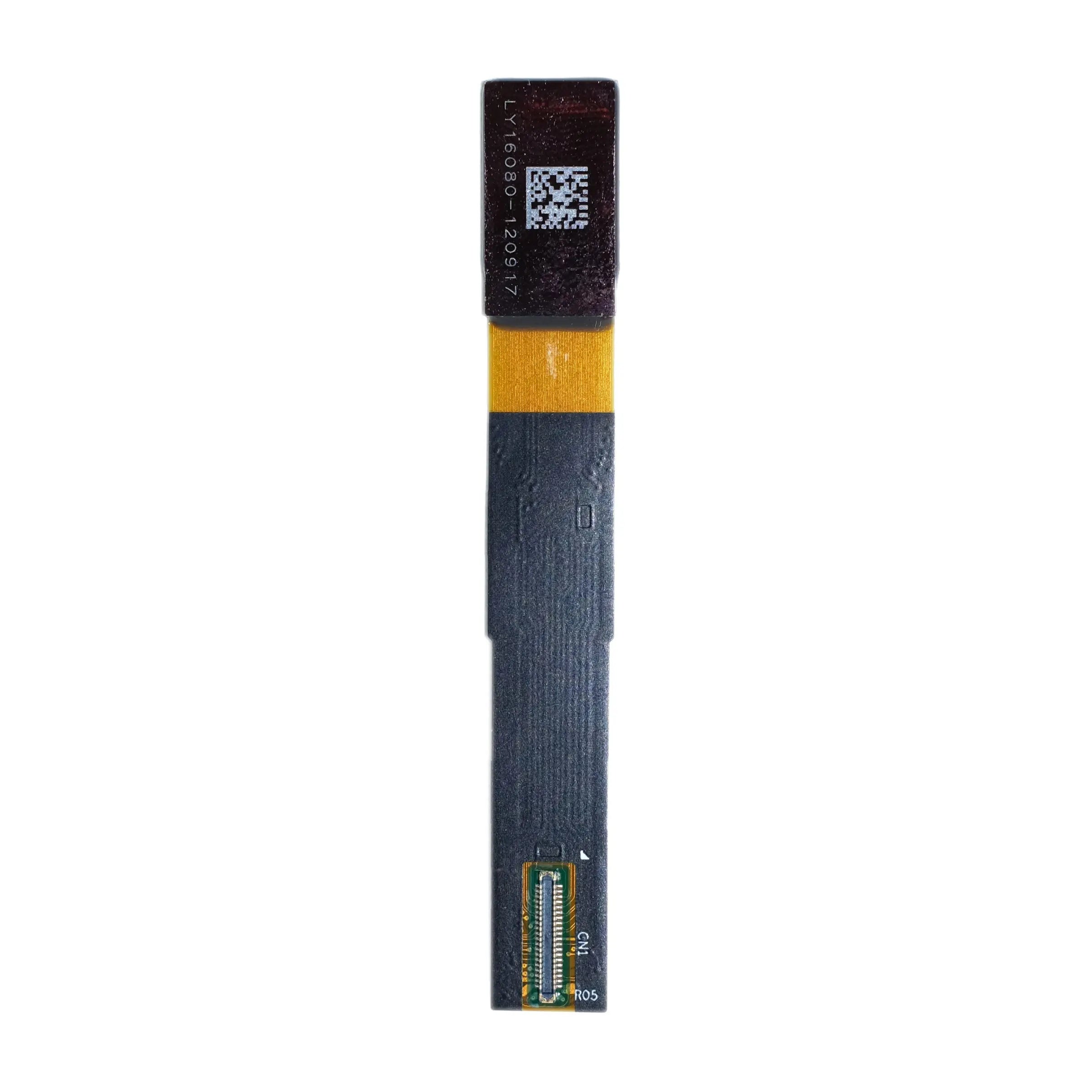
To prevent signal attenuation or electromagnetic interference across high-speed MIPI DSI differential lines, the PCB layout must enforce strict 100-ohm (±10%) differential impedance routing. The physical distance between the driver IC and the microdisplay's FPC connector should be kept under 50 mm, with differential pair trace lengths matched to a tolerance under 0.1 mm to eliminate phase skew and prevent frame drop or image tearing.
Conclusion
As major global display foundries accelerate production capacity, Micro OLED component pricing is projected to follow a steady 15% to 20% annual cost reduction curve. For engineering teams and hardware product managers planning mid-to-high volume rollouts, this window represents the ideal commercial entry point to finalize product architectures before global consumer electronics supply chains lock down foundry allocations. By balancing brightness requirements, thermal constraints, and high-speed driver routing parameters early in the schematic layout phase, your platform can deliver premium near-eye performance that stands out in a rapidly evolving market.
Read more
According to the IHS Markit Industrial Display Market Report, the compound annual growth rate (CAGR) for industrial TFT LCD modules operating in extreme environments reached 11.2%, with sunlight-re...
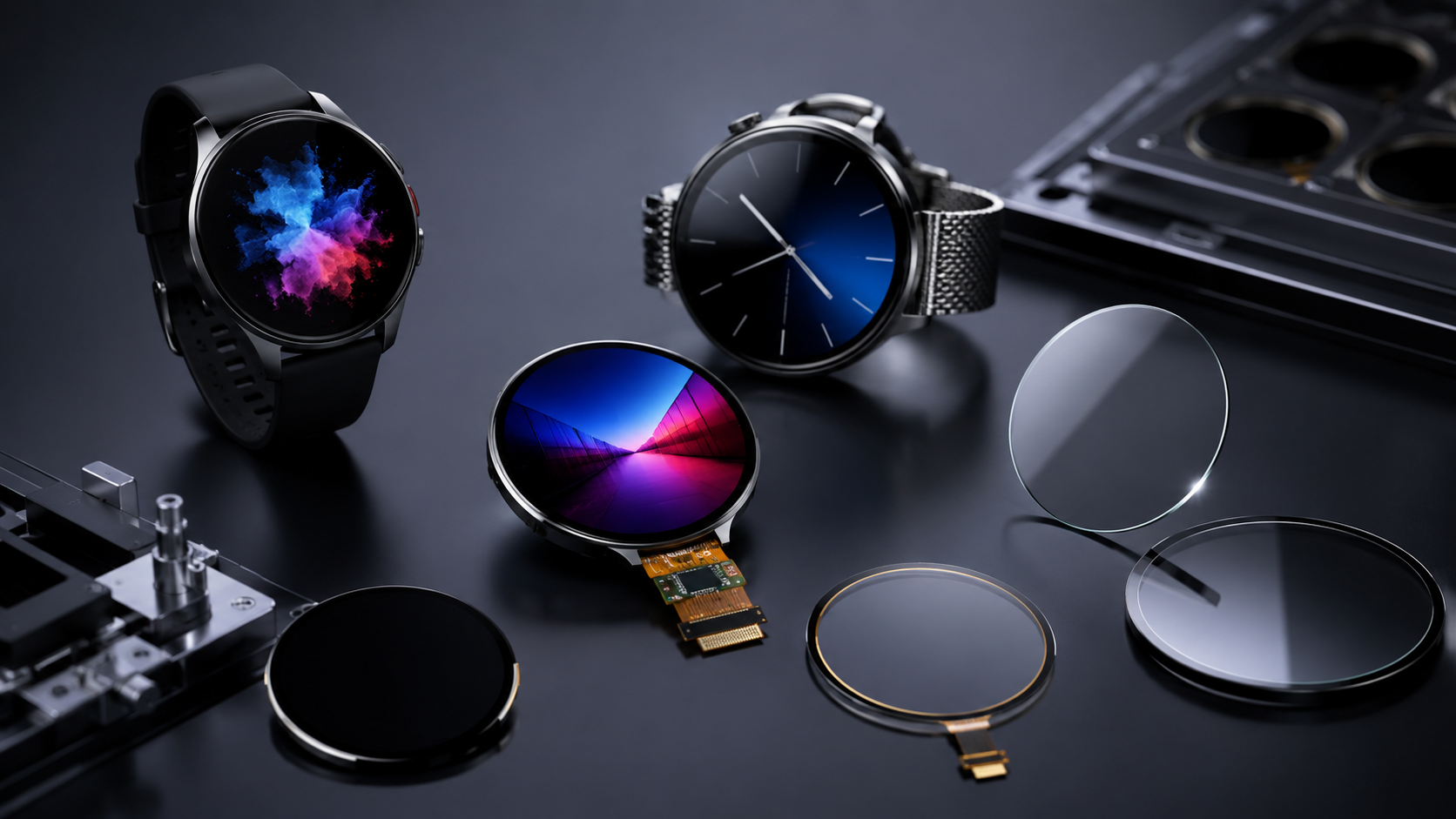
Round AMOLED displays are widely used in smart watches and wearable devices, especially products that follow a traditional watch-style design. Compared with LCD solutions, AMOLED technology uses se...

Leave a comment
This site is protected by hCaptcha and the hCaptcha Privacy Policy and Terms of Service apply.