

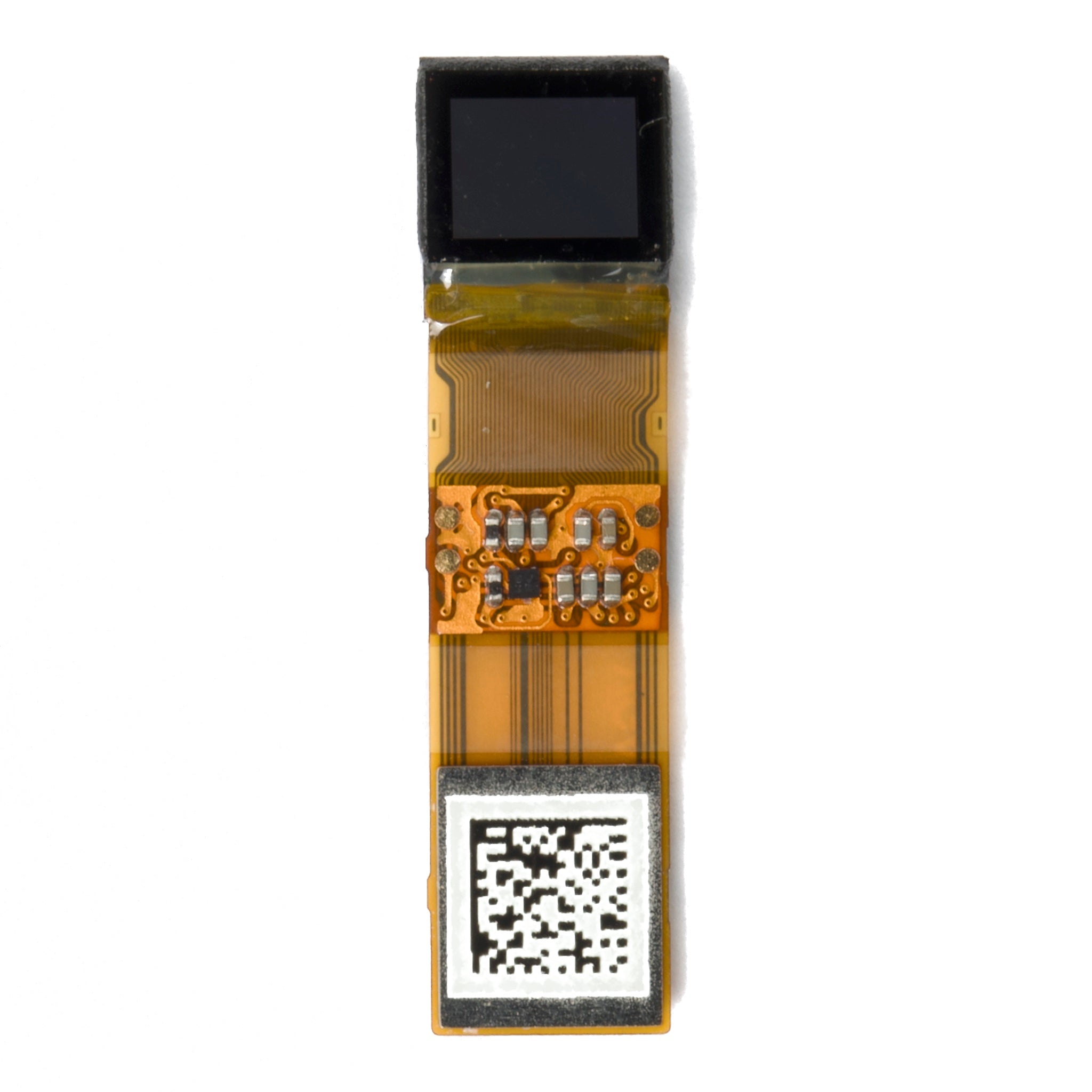
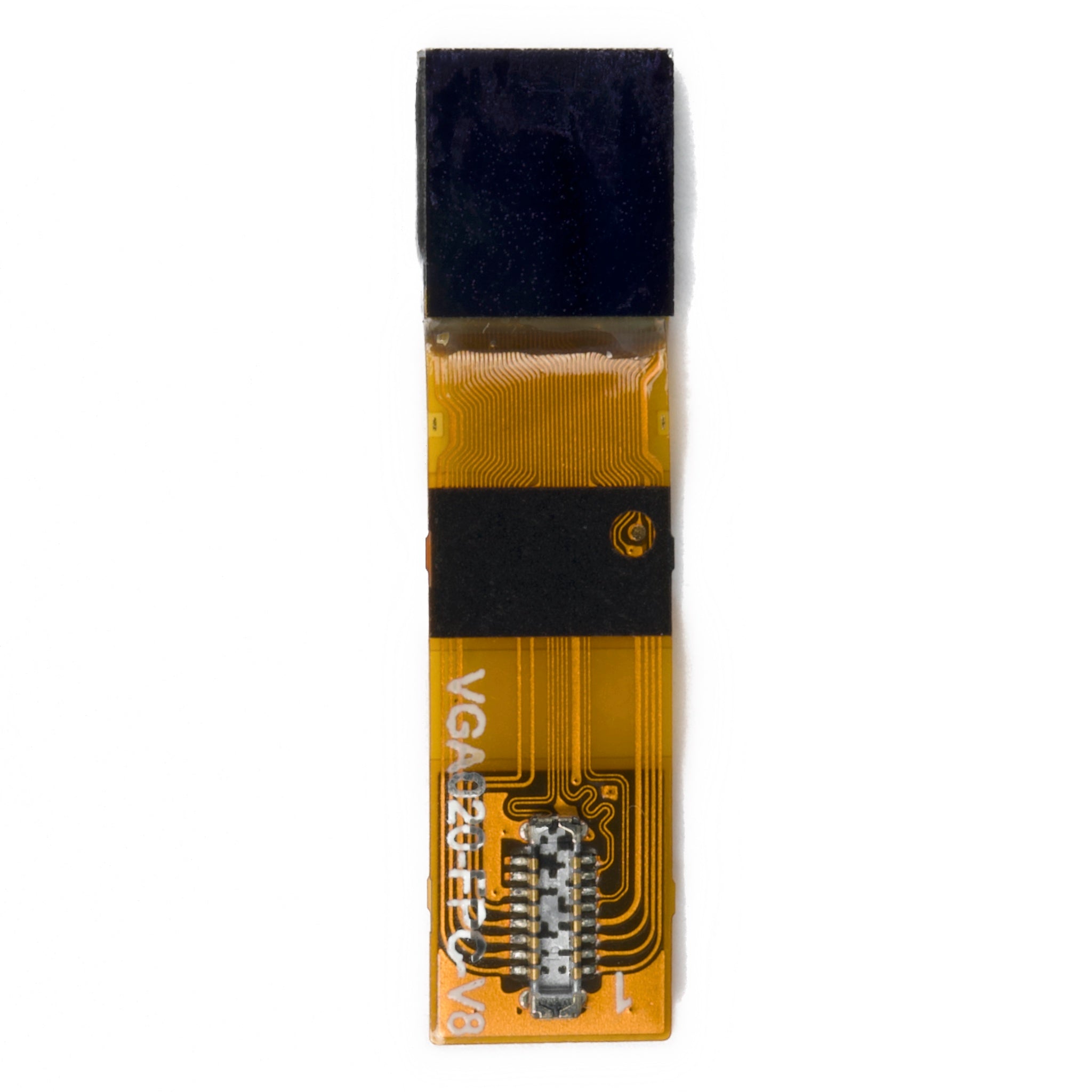
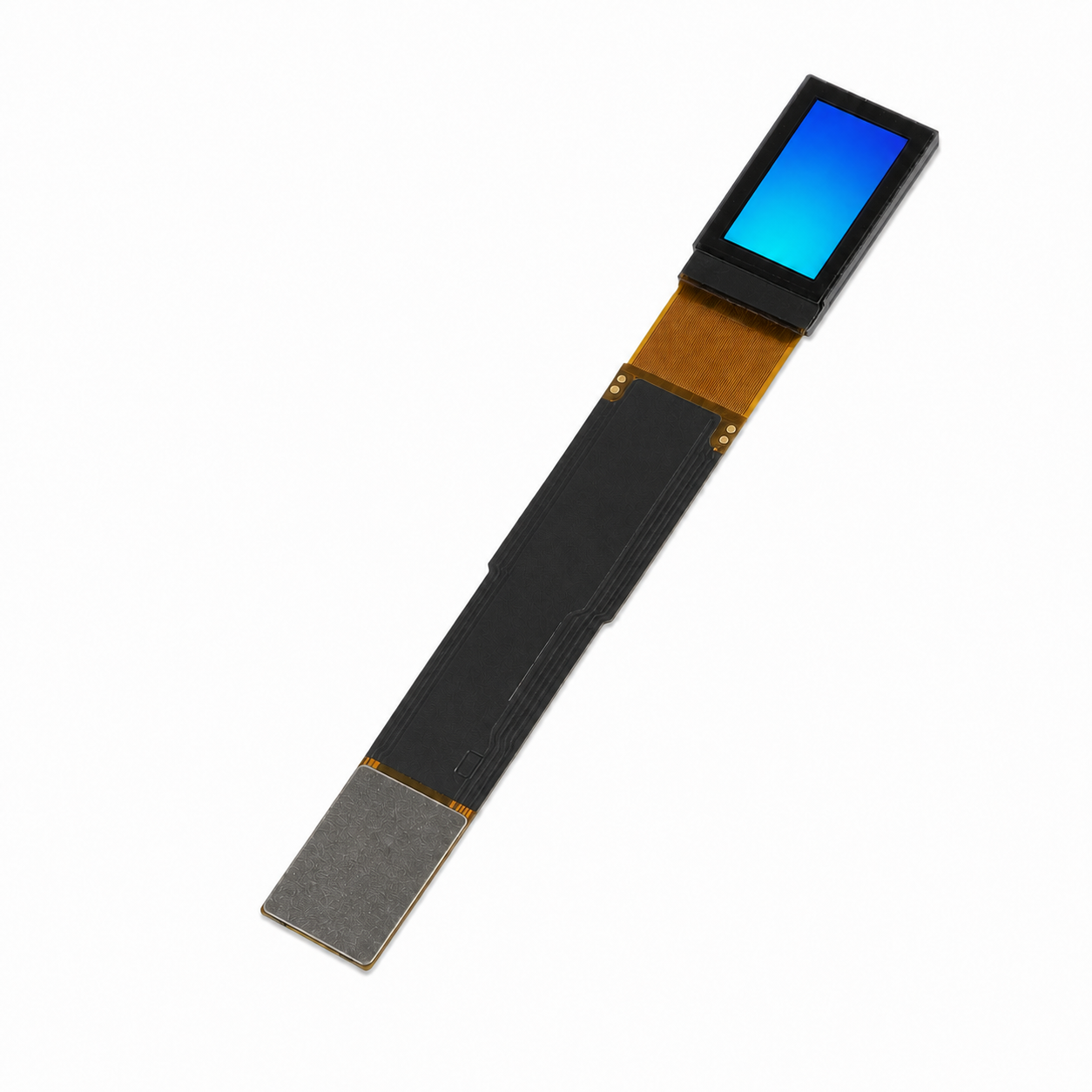
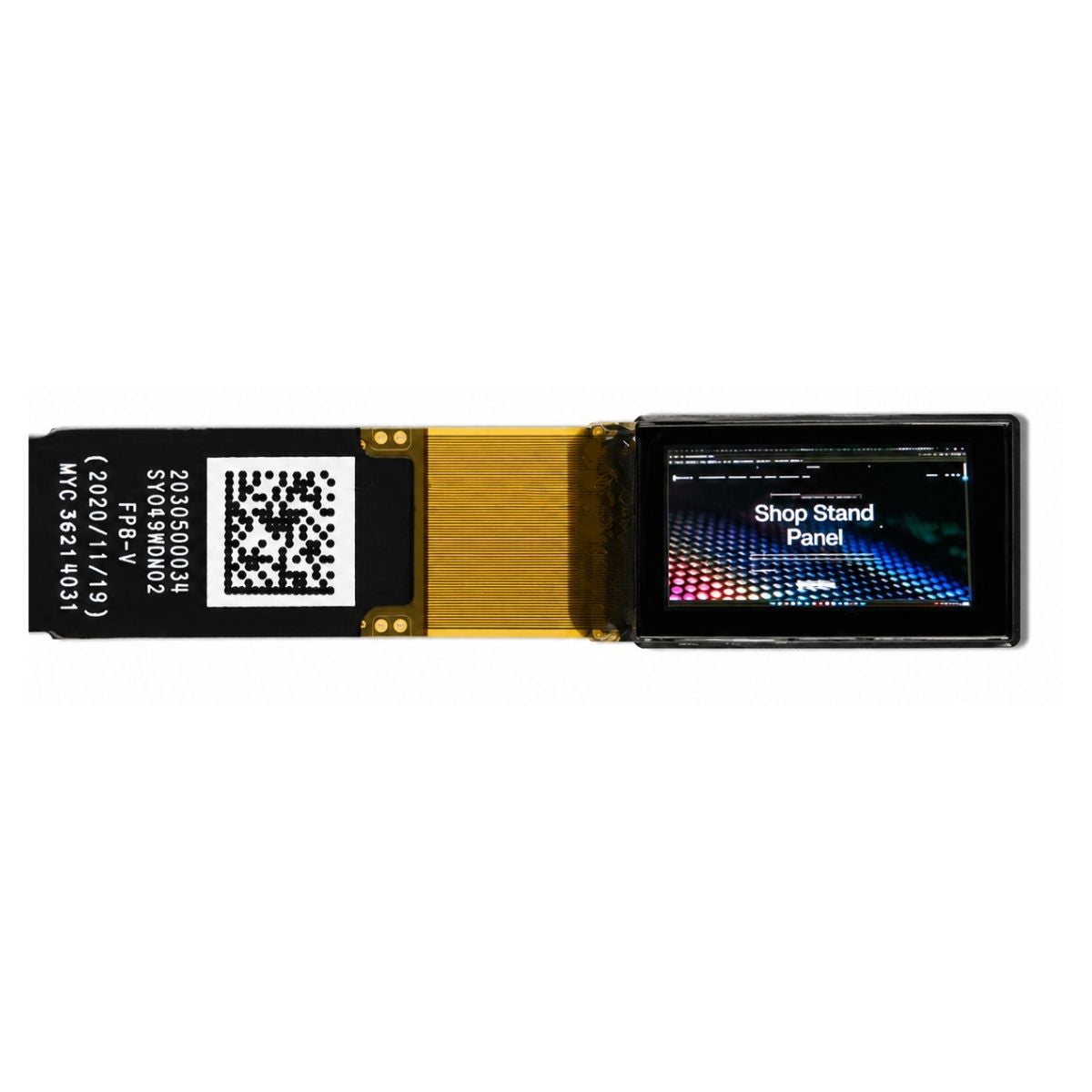
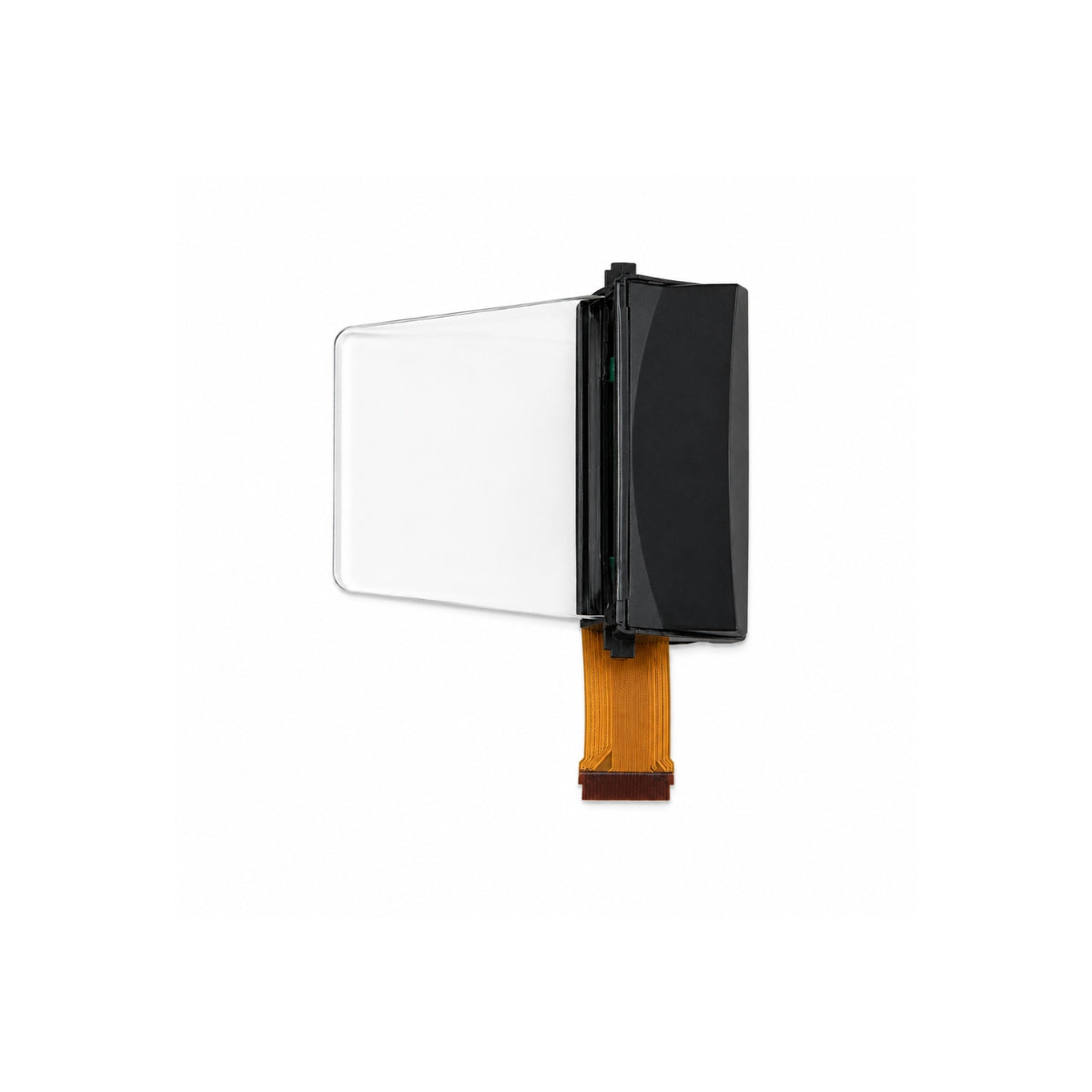
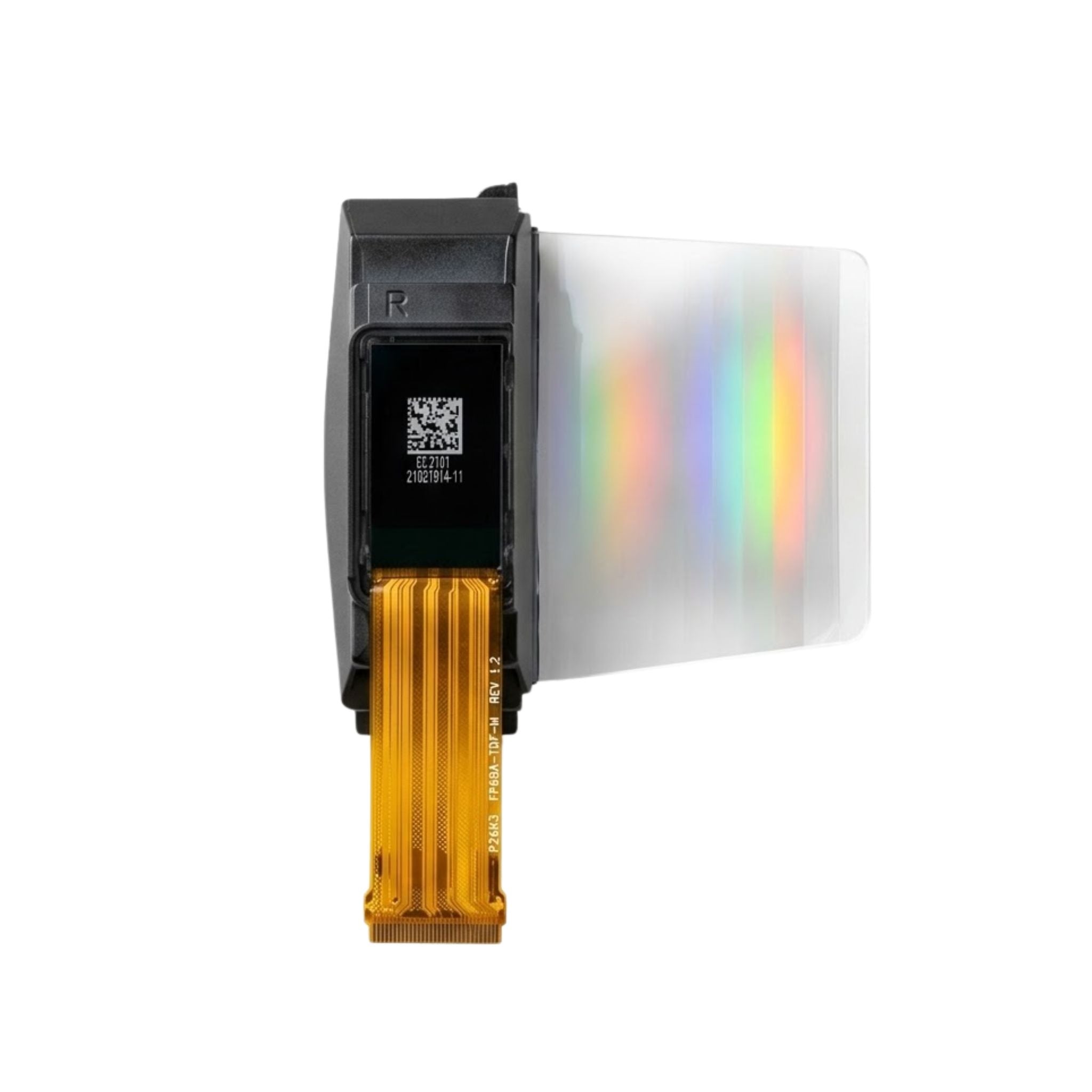


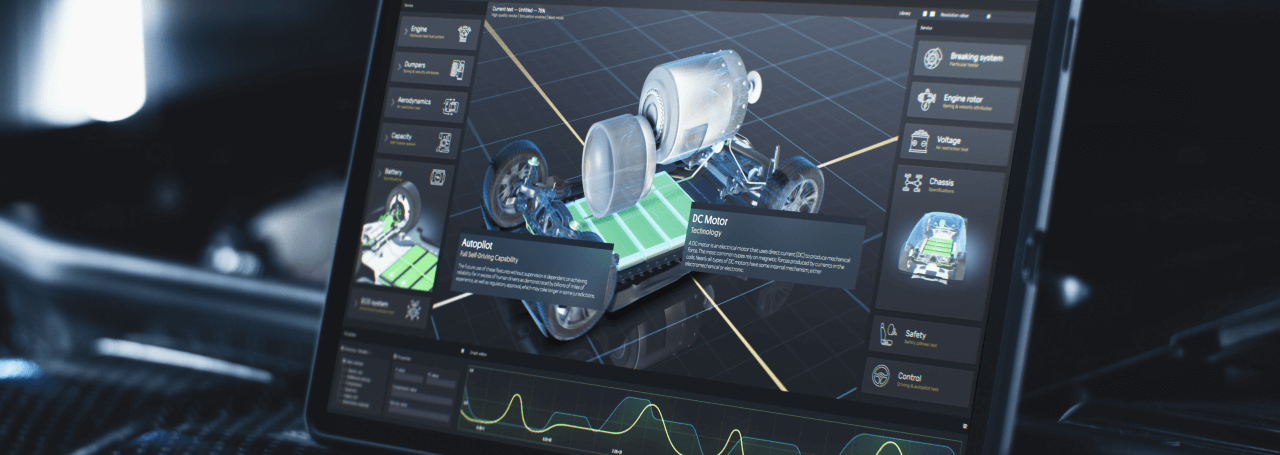
2025’s character OLED guides highlight self-emissive tech (1000:1 contrast, μs response), used in industrial dashboards/smart home panels. Select via.

High-end IPS displays serve professionals like graphic designers or photo editors, boasting 99% DCI-P3 color gamut for lifelike hues and factory.
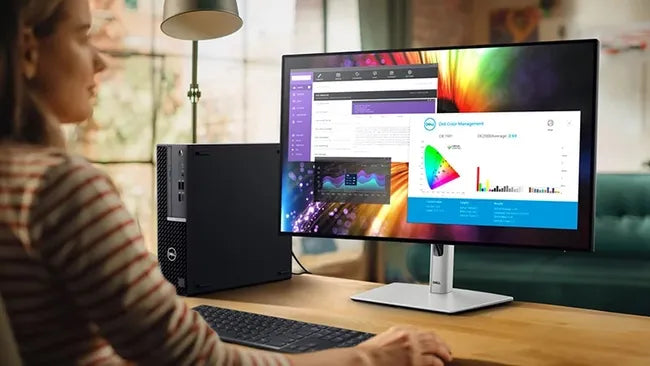
IPS displays generally deliver ~1,000:1 contrast, whereas OLEDs achieve near-infinite contrast (up to 1,000,000:1 ) via self-emissive pixels; however.
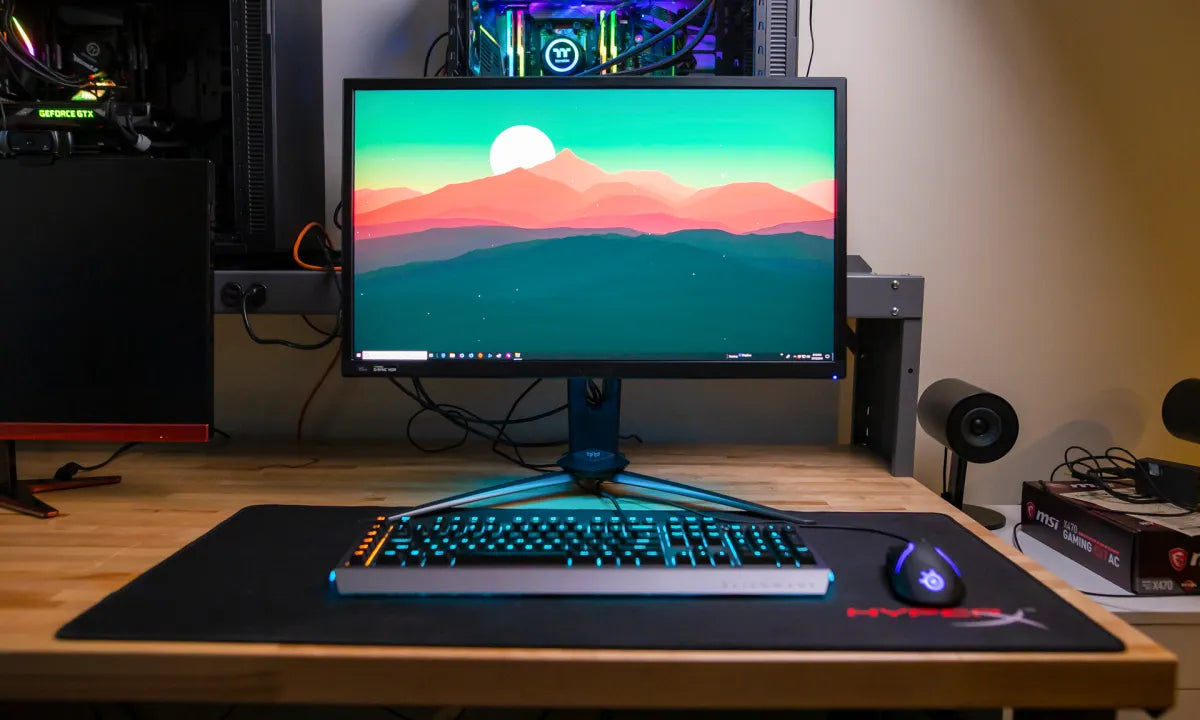
When selecting an IPS monitor, focus on key specs: panel type (IPS offers 178° wide viewing angles, better than TN/VA), response time (aim for ≤5ms GTG.
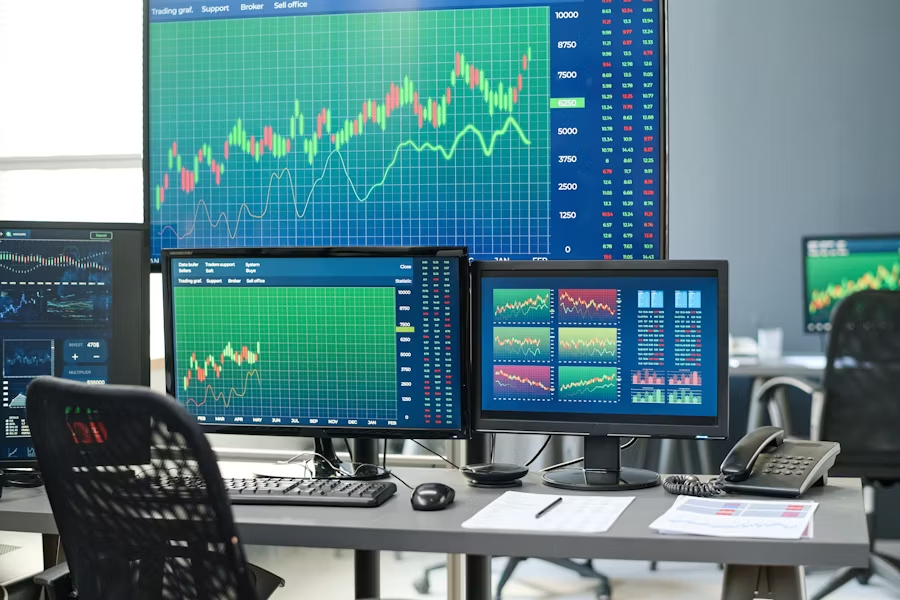
IPS display technology, utilizing liquid crystals aligned horizontally that rotate mainly sideways under voltage , delivers wide 178-degree viewing.
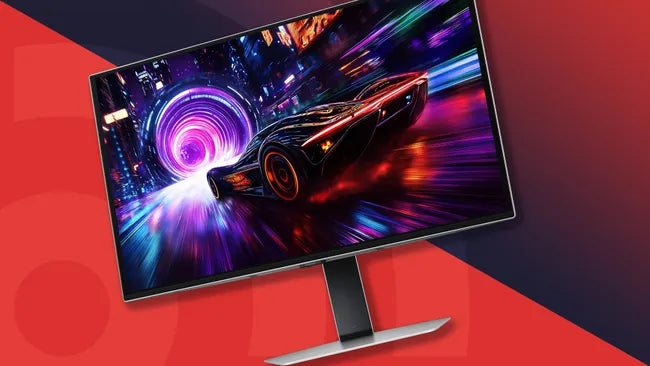
Best IPS displays excel with 27-inch 2560x1440 resolution for sharp, detailed visuals, ΔE≤2 color accuracy (near-flawless for design work), and 144Hz.
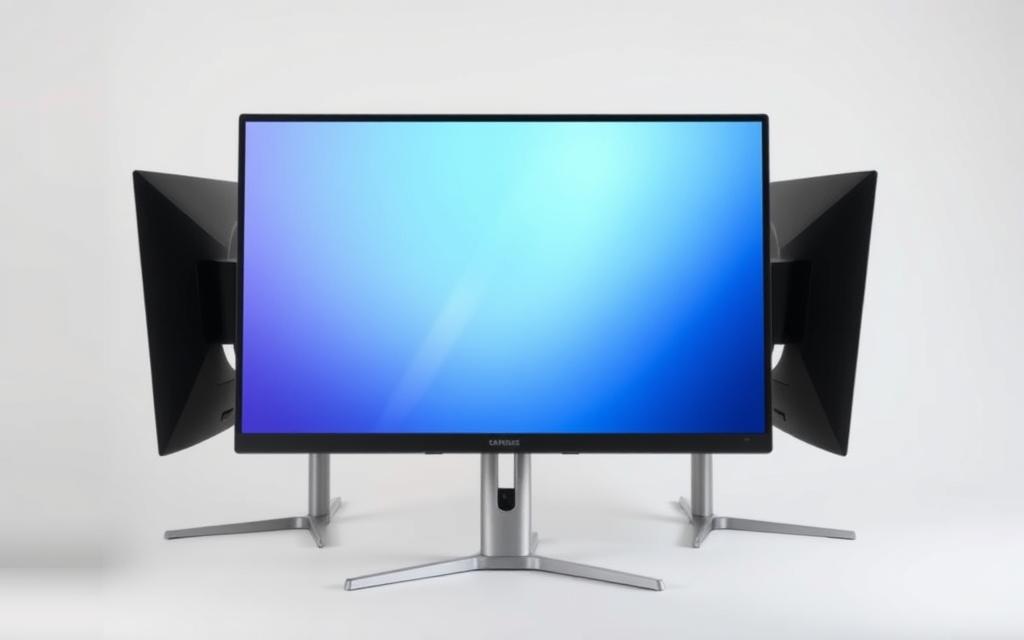
An IPS (In-Plane Switching) display uses horizontally aligned liquid crystals to deliver 178-degree wide viewing angles with minimal color distortion.
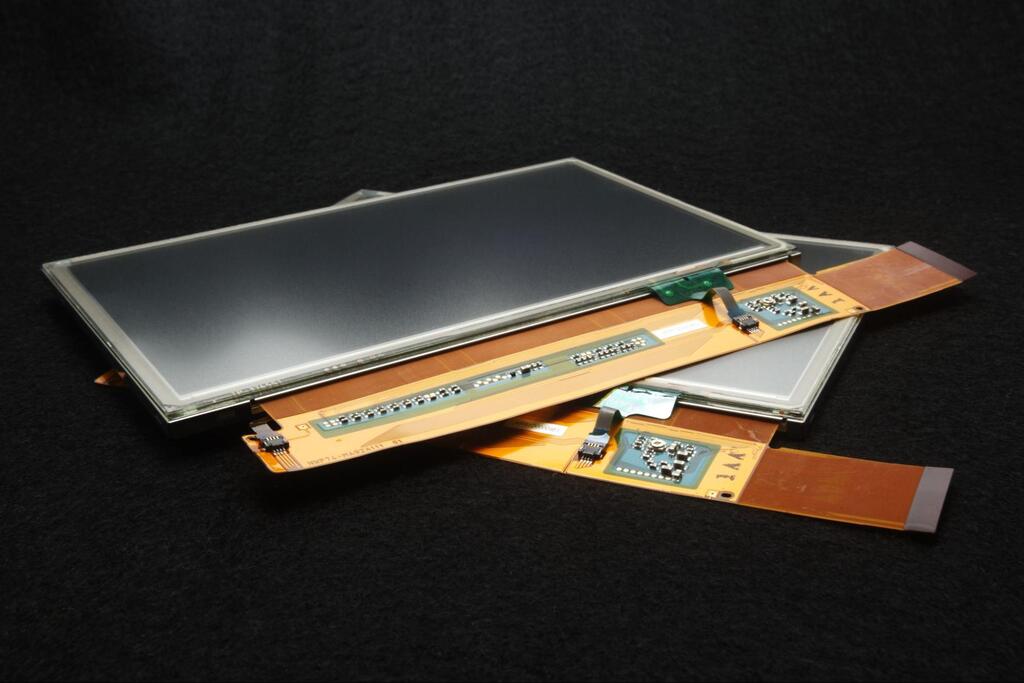
This IPS Display Guide covers types (standard, Nano IPS), pros like 178-degree viewing angles and ΔE<2 color accuracy , and use cases: favored by.
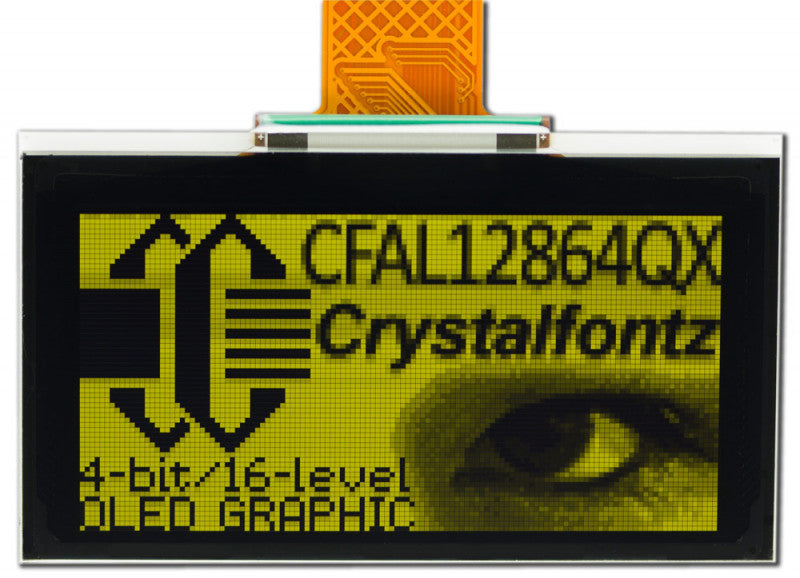
PMOLED and AMOLED are OLED display variants differing in driving technology: PMOLED uses a passive matrix, offering low cost but limited to small.