


Yes, IPS modules can work outdoors effectively: they endure -40°C to 85°C temperature swings, resist dust/water via IP65 rating, and boast 1500 nits.
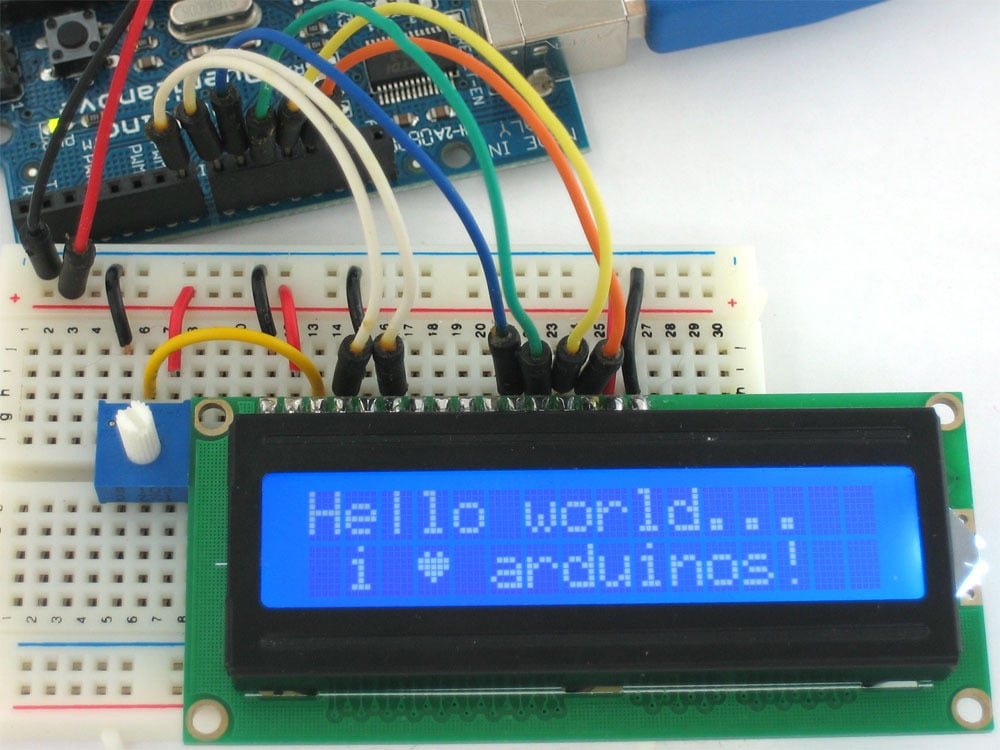
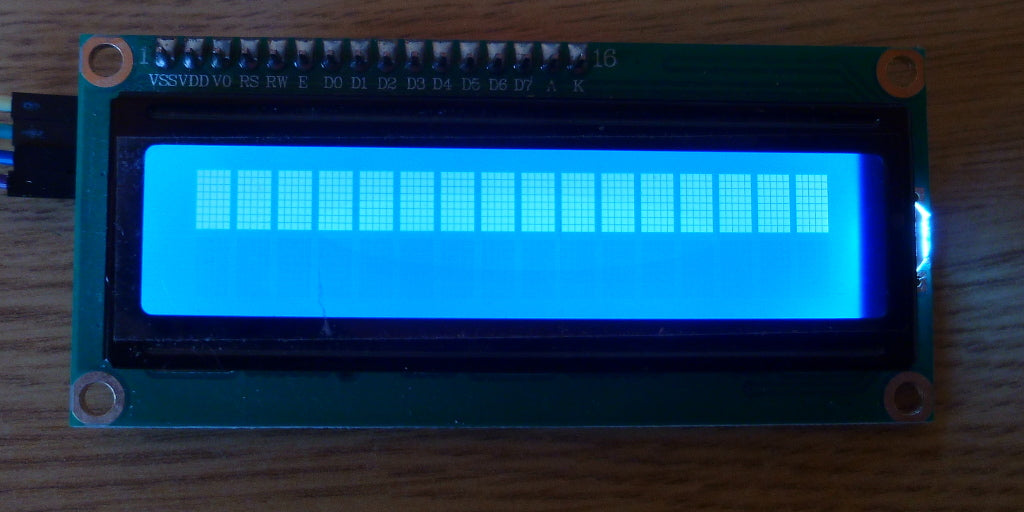
Upgrading from a basic character LCD (commonly 16x2, single-color, using HD44780) to a graphic LCD involves boosting resolution (e.g., 128x64 pixels) for.
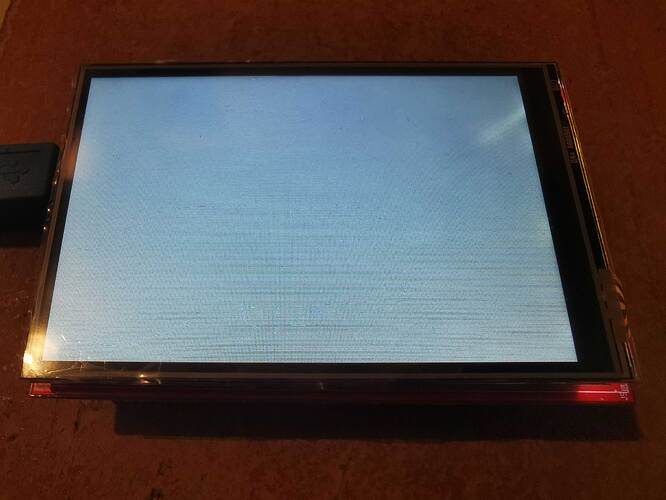
If your TFT LCD module isn’t working, check 3.3V-5V stable power (a weak 3.8V battery often causes failure), ensure no loose FPC connectors or oxidized.
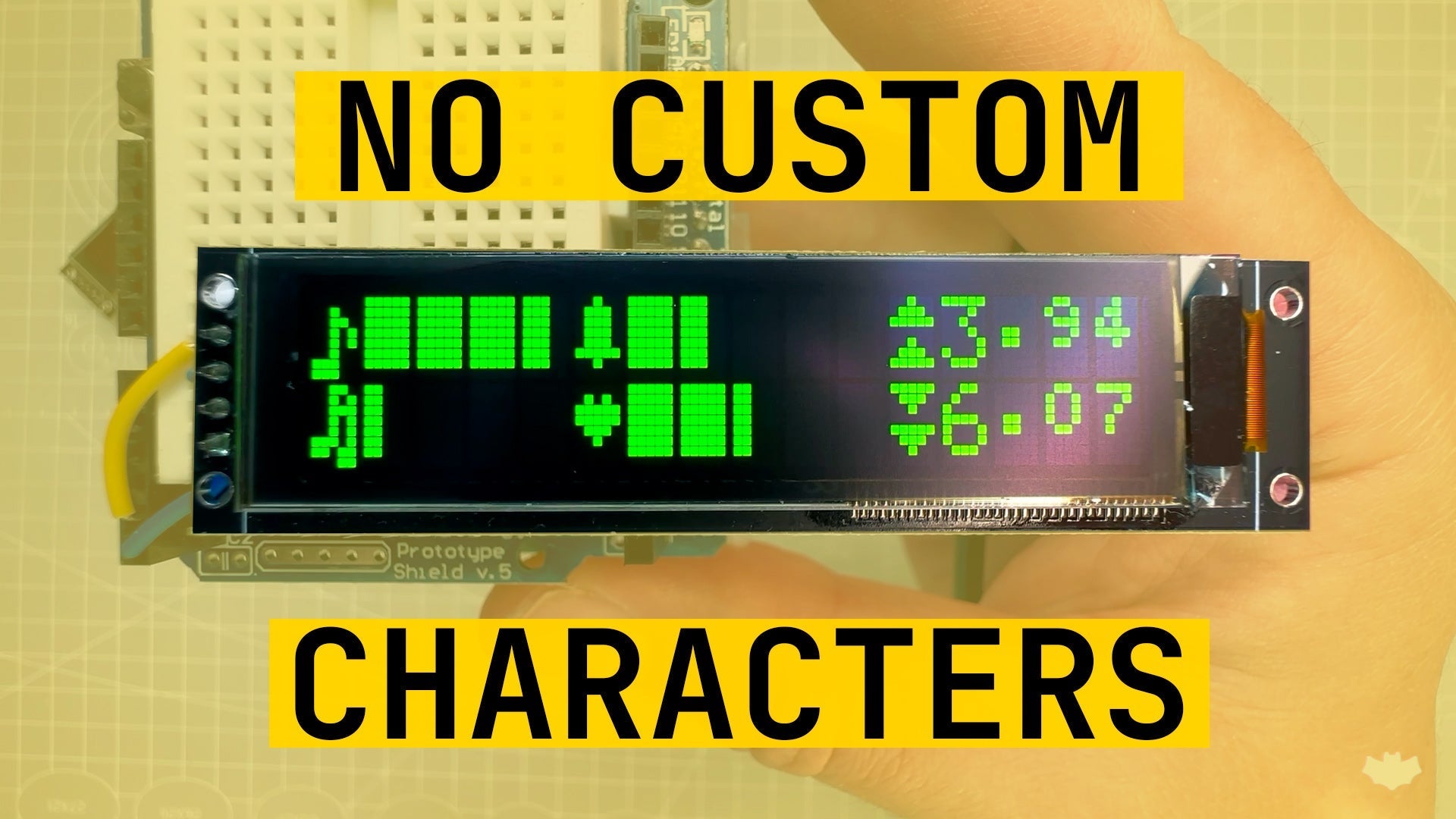
When designing with character OLED modules, start by noting common specs like 128x64 pixel resolution and SSD1306 drivers, using their I2C interface (.
Determining how much two fillers cost involves considering factors like brand and location: in the U.S., most clinics charge 200– 800 per syringe , so two.
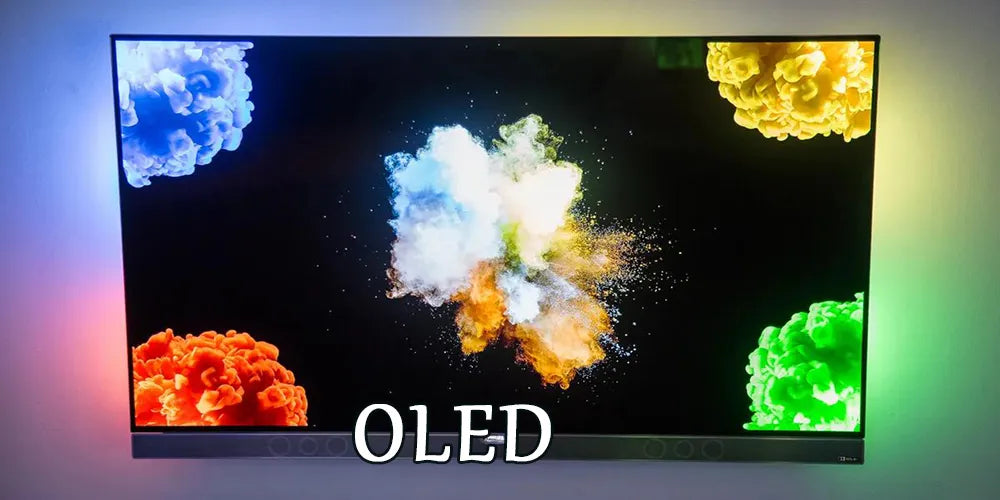
A typical 1.2-inch PMOLED module, when displaying static images, consumes roughly 12-18 mA at 3.3V, equating to 40-60 mW—while standby power plummets to.
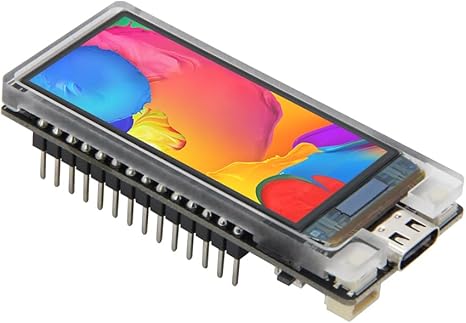
AMOLED display modules generally last 50,000 to 100,000 hours before brightness halves (half-life), equating to ~5-10 years with 5-10 daily hours; yet.
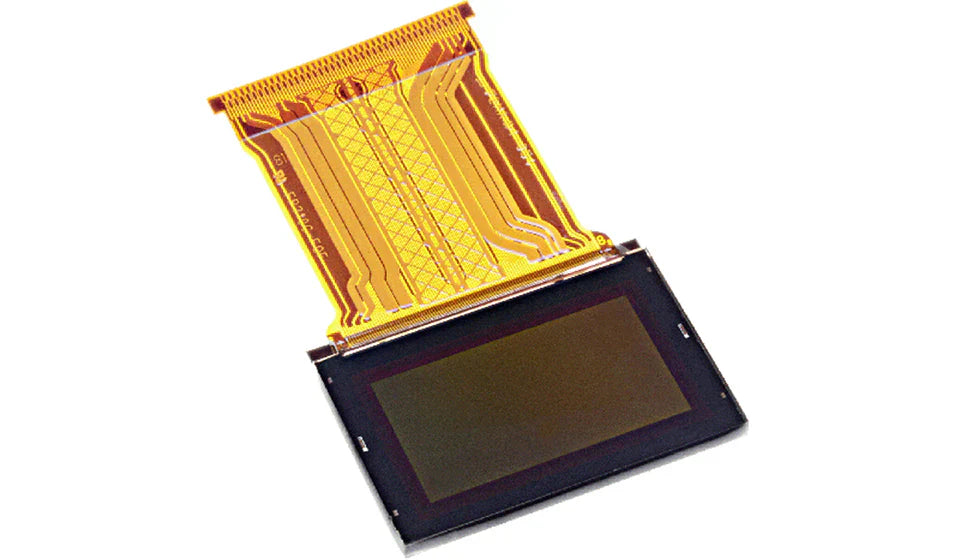
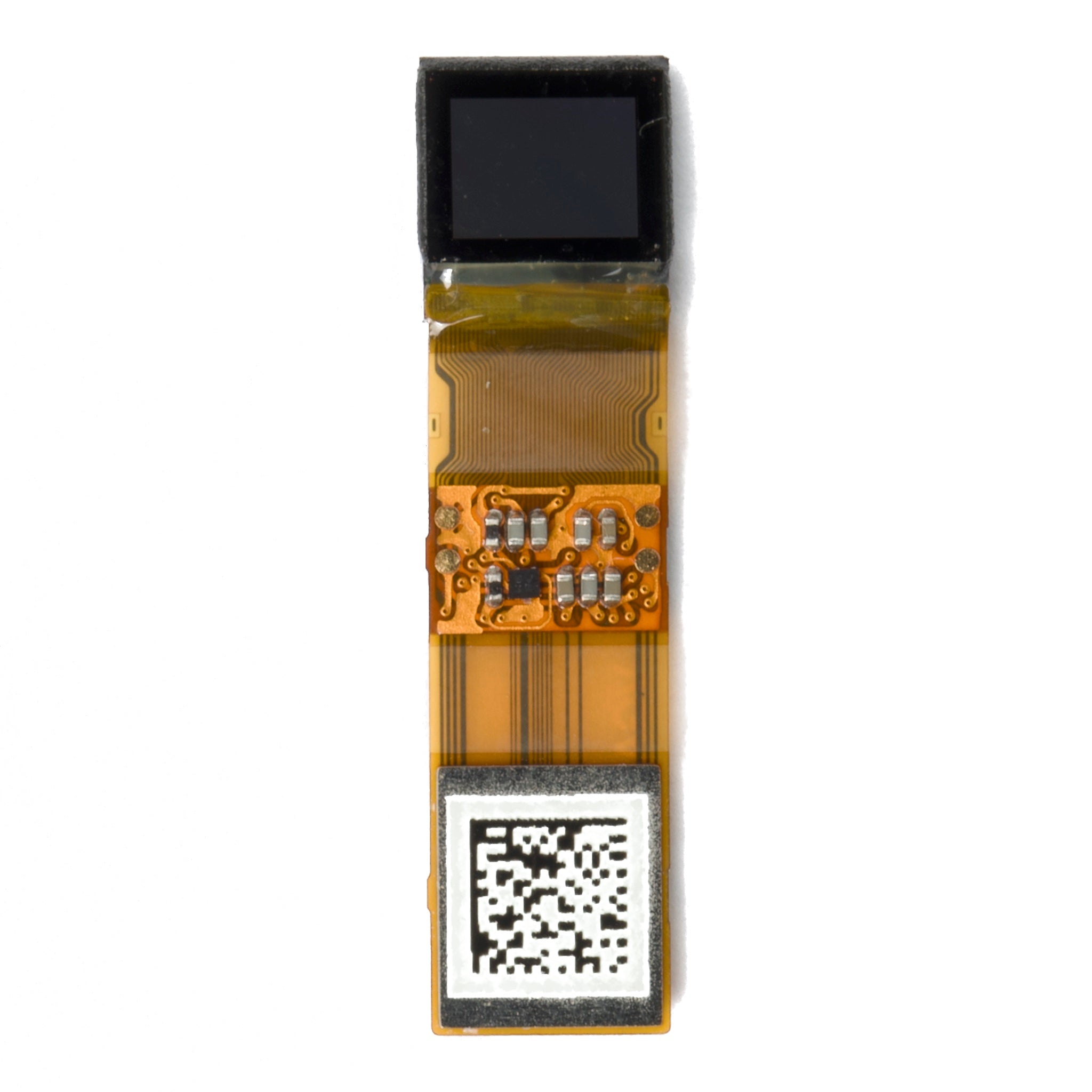
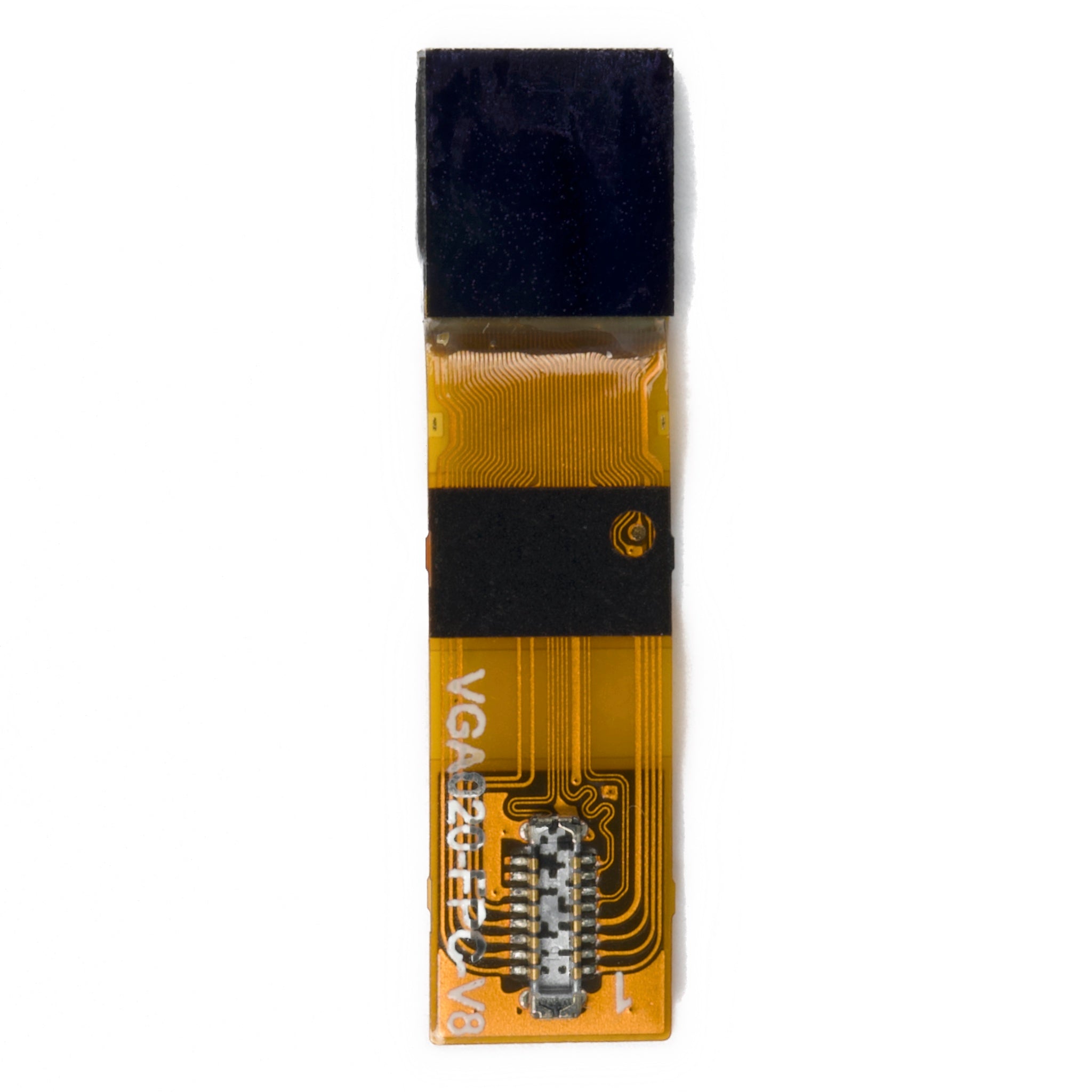
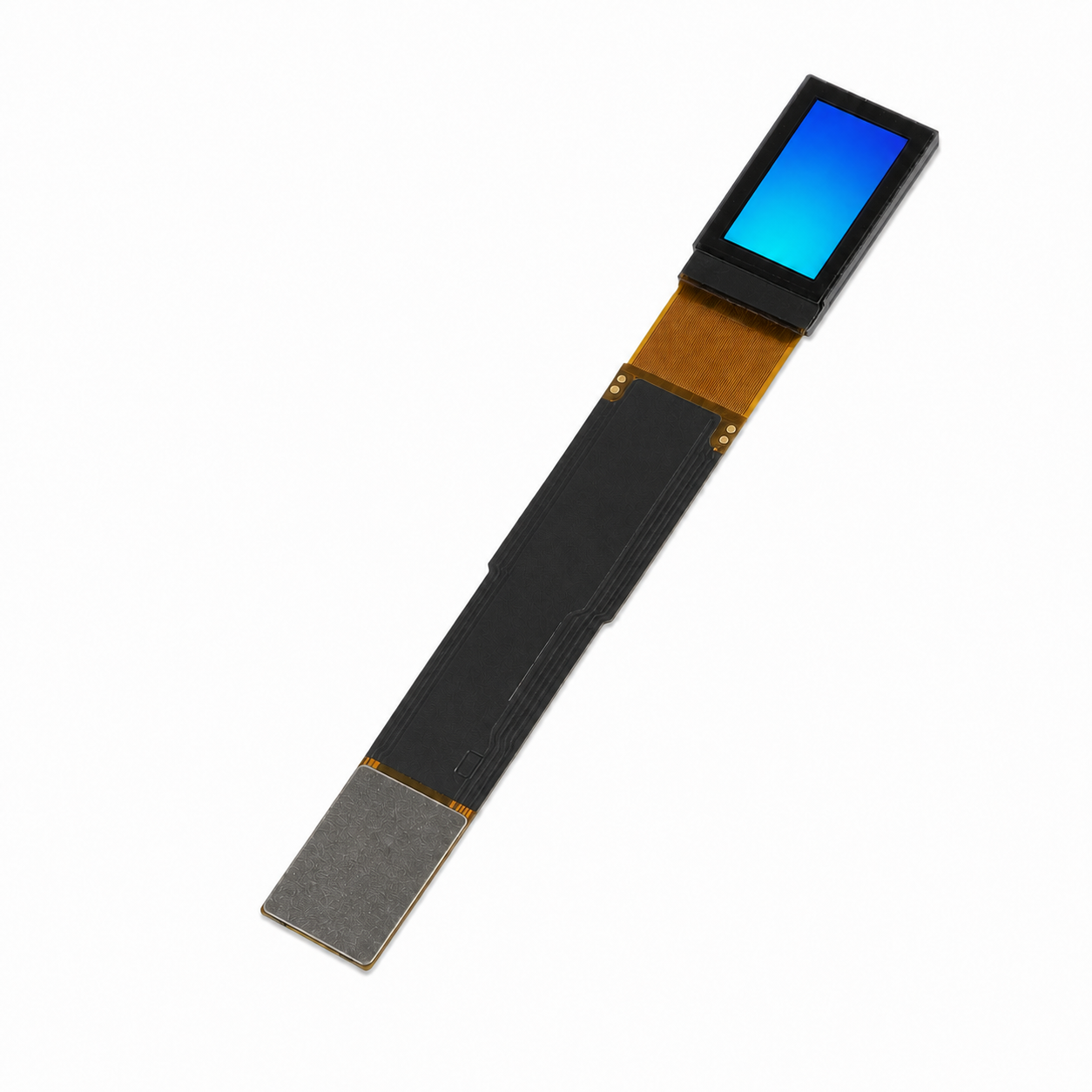
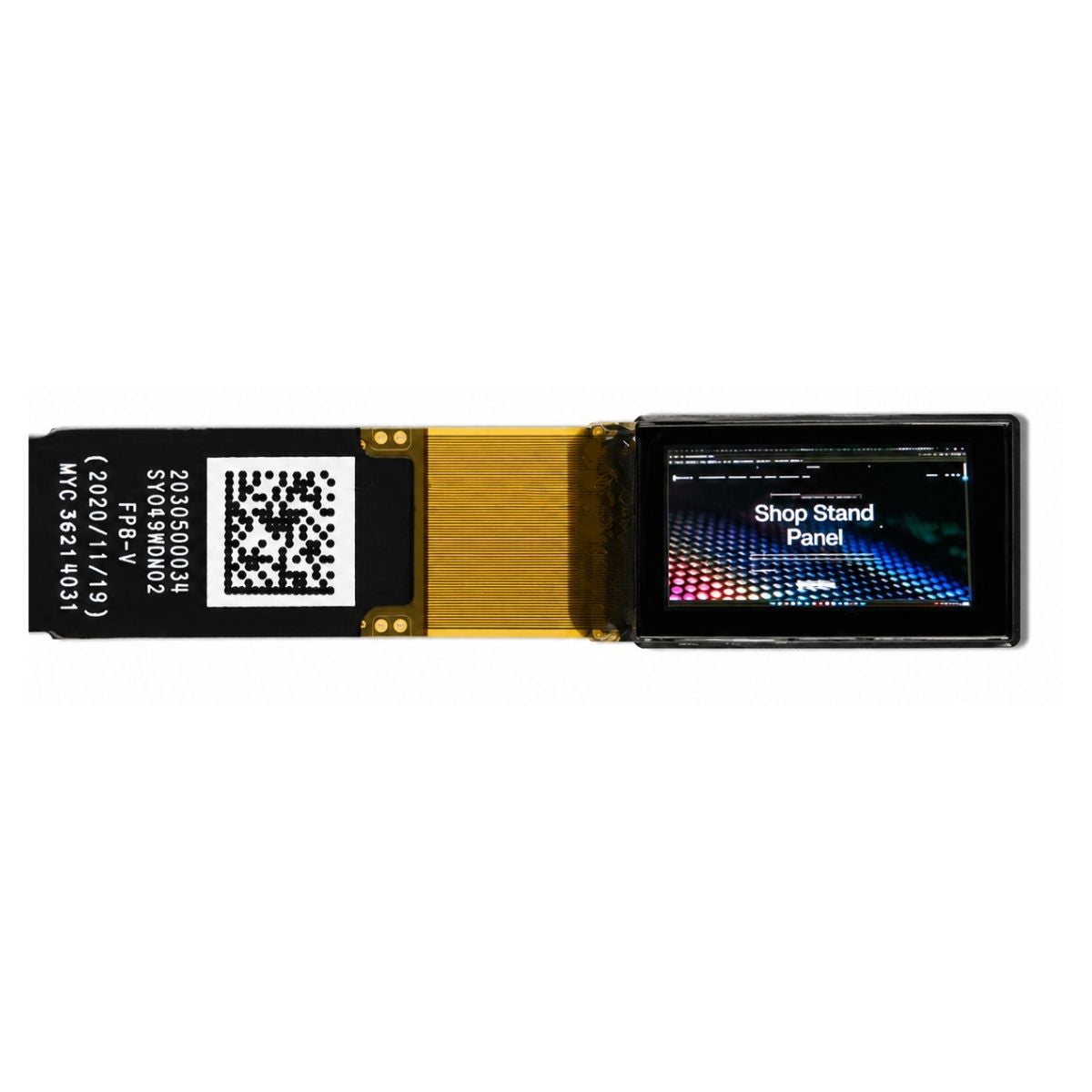
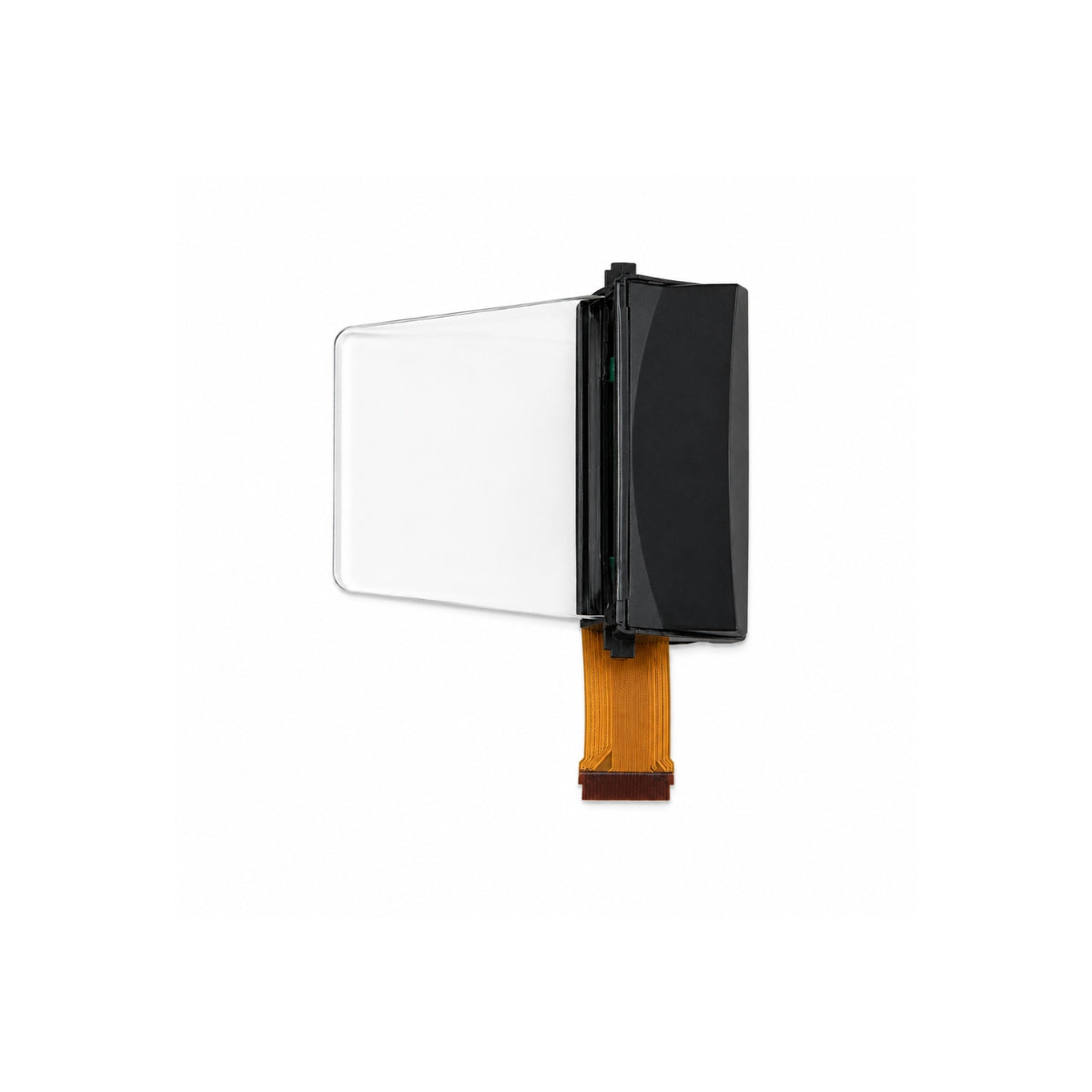
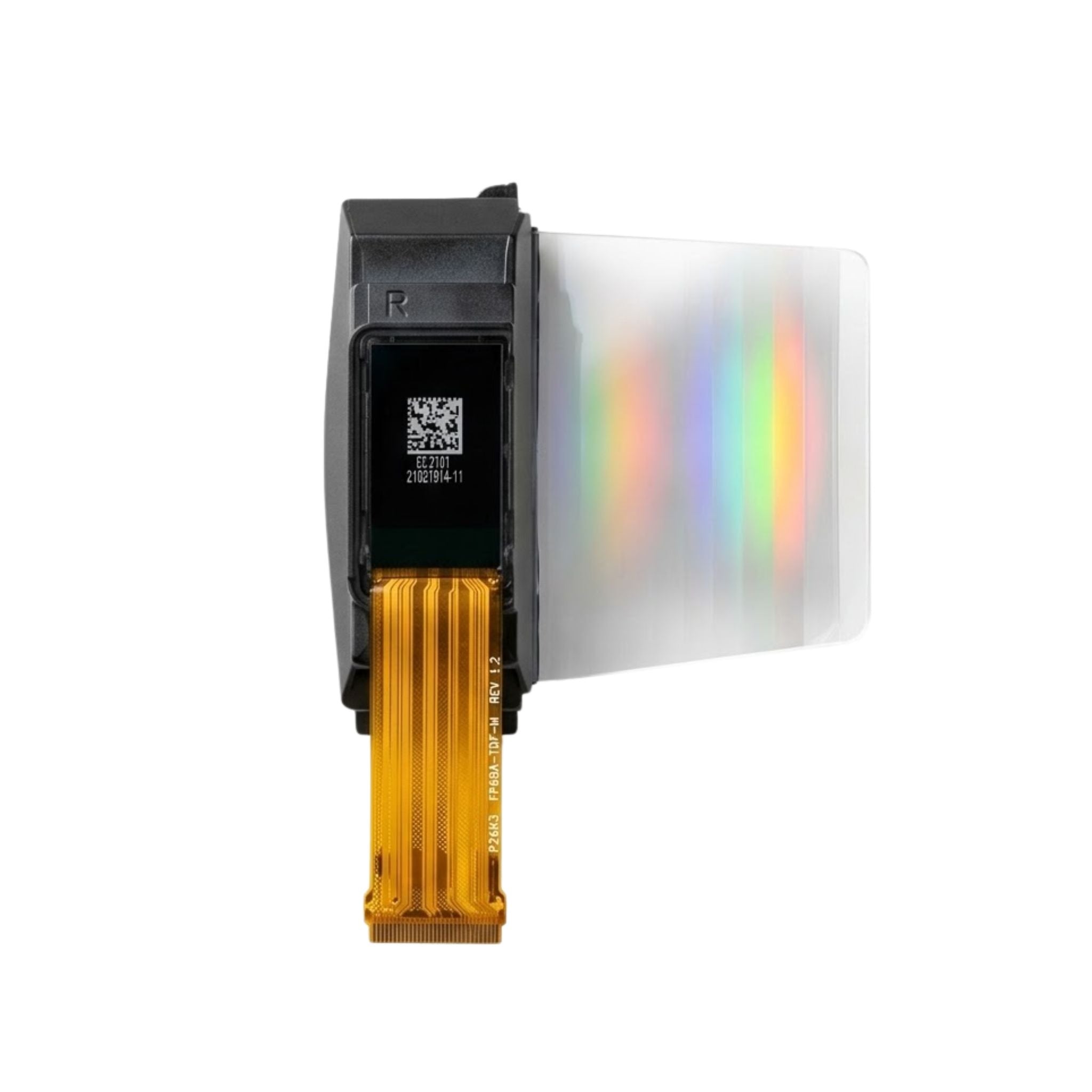
Micro OLED modules, commonly used in compact AR/VR devices and wearables, generally feature resolutions from 1280×720 pixels in entry-level models to.
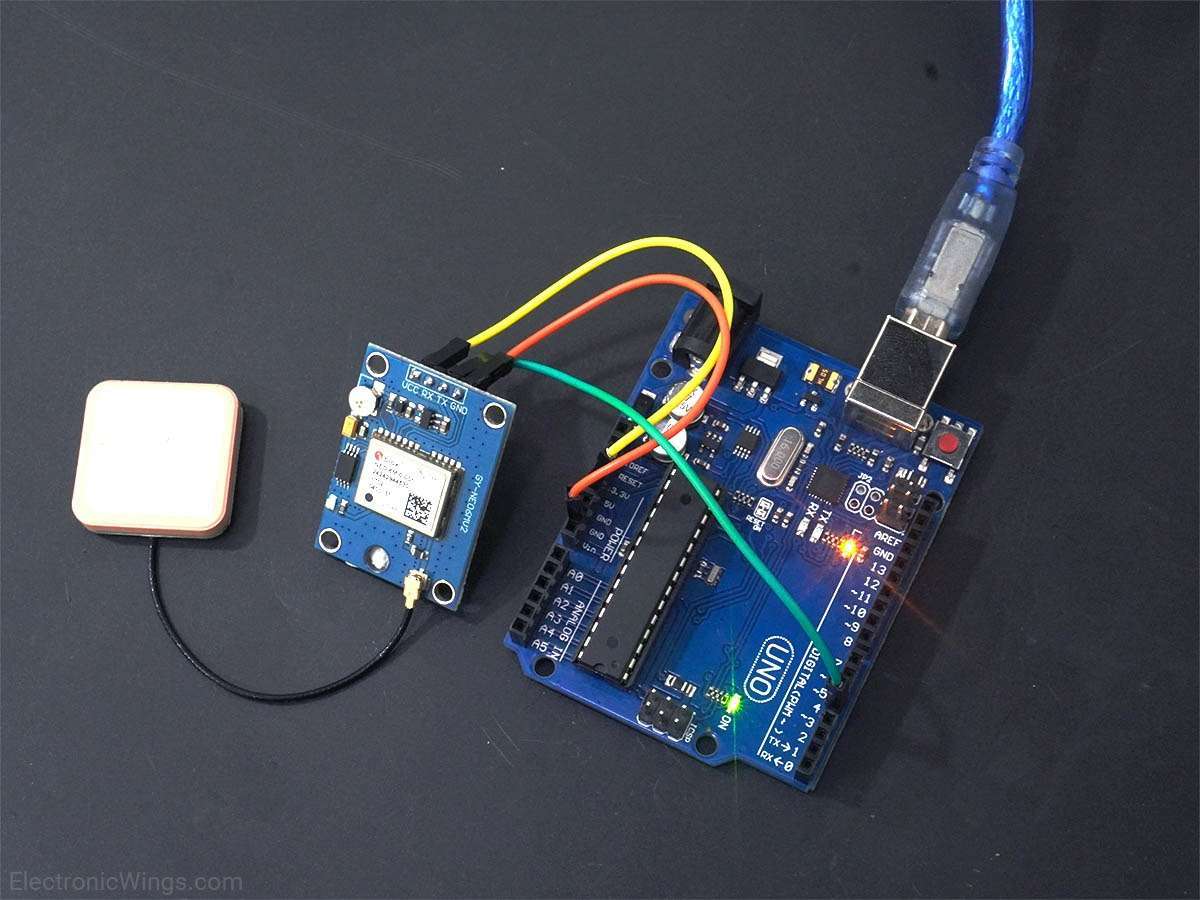
Yes, most NexPCB display modules, like their 1.3-inch I2C OLED (model NEX1301), are compatible with Arduino —they use standard I2C/SPI interfaces, with.