

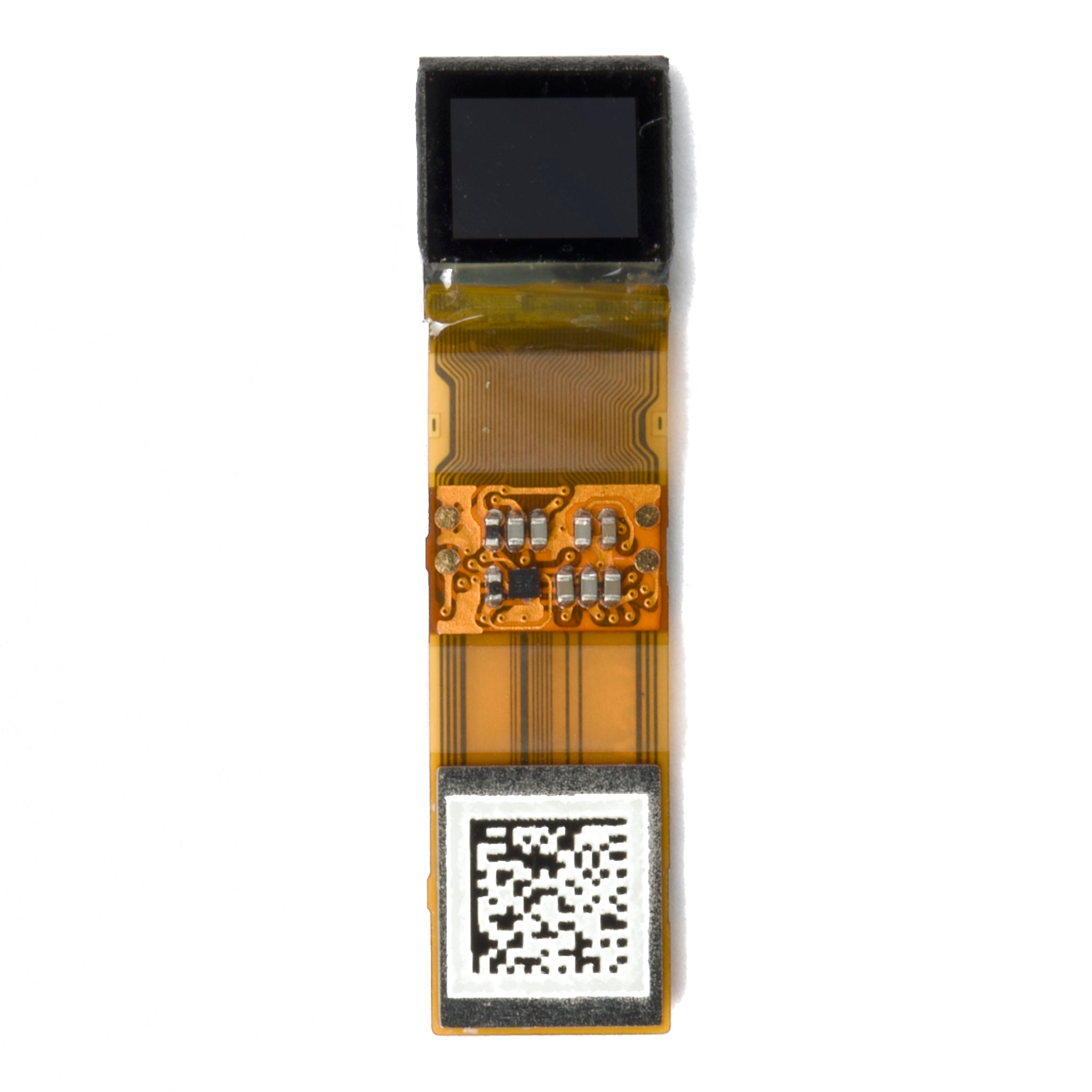
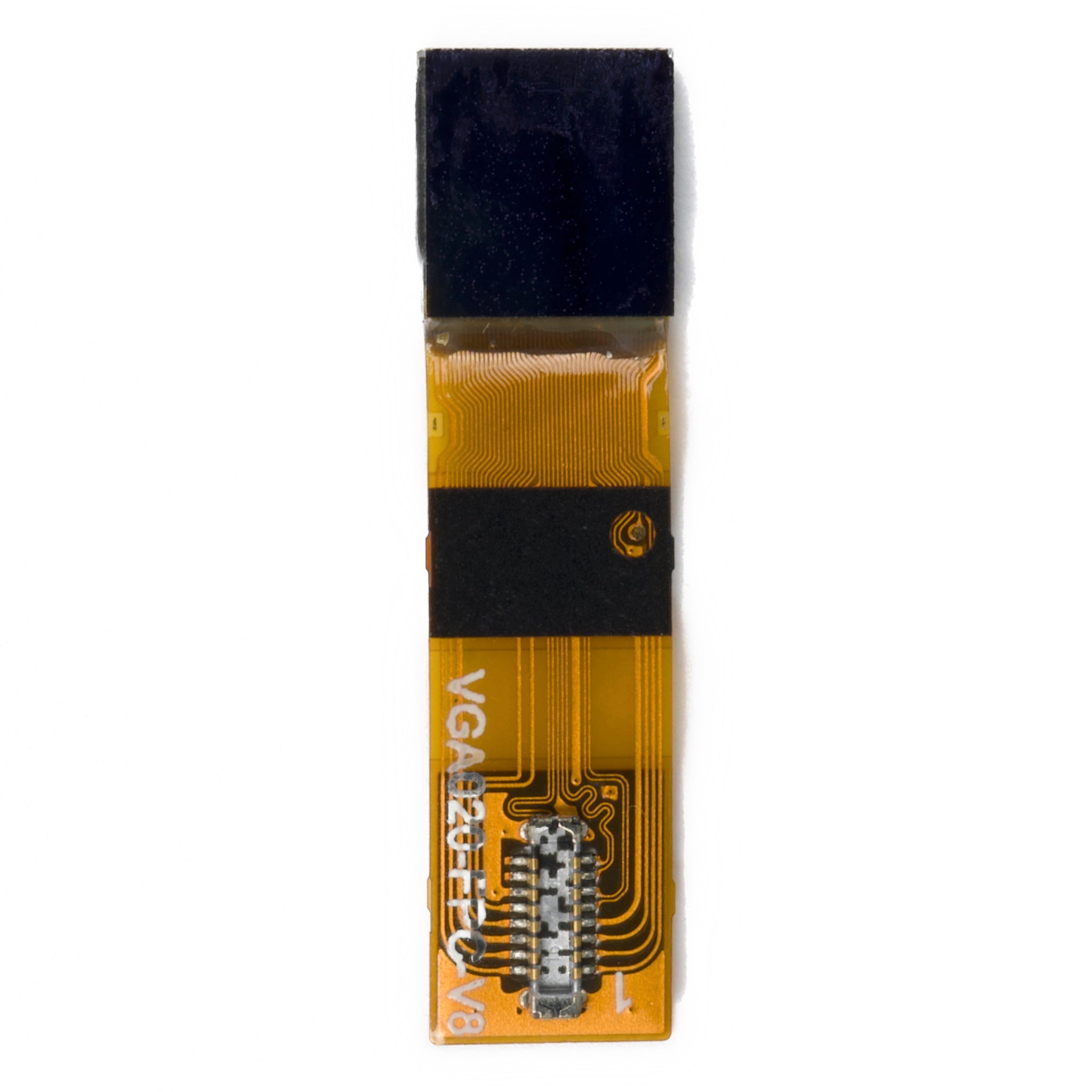
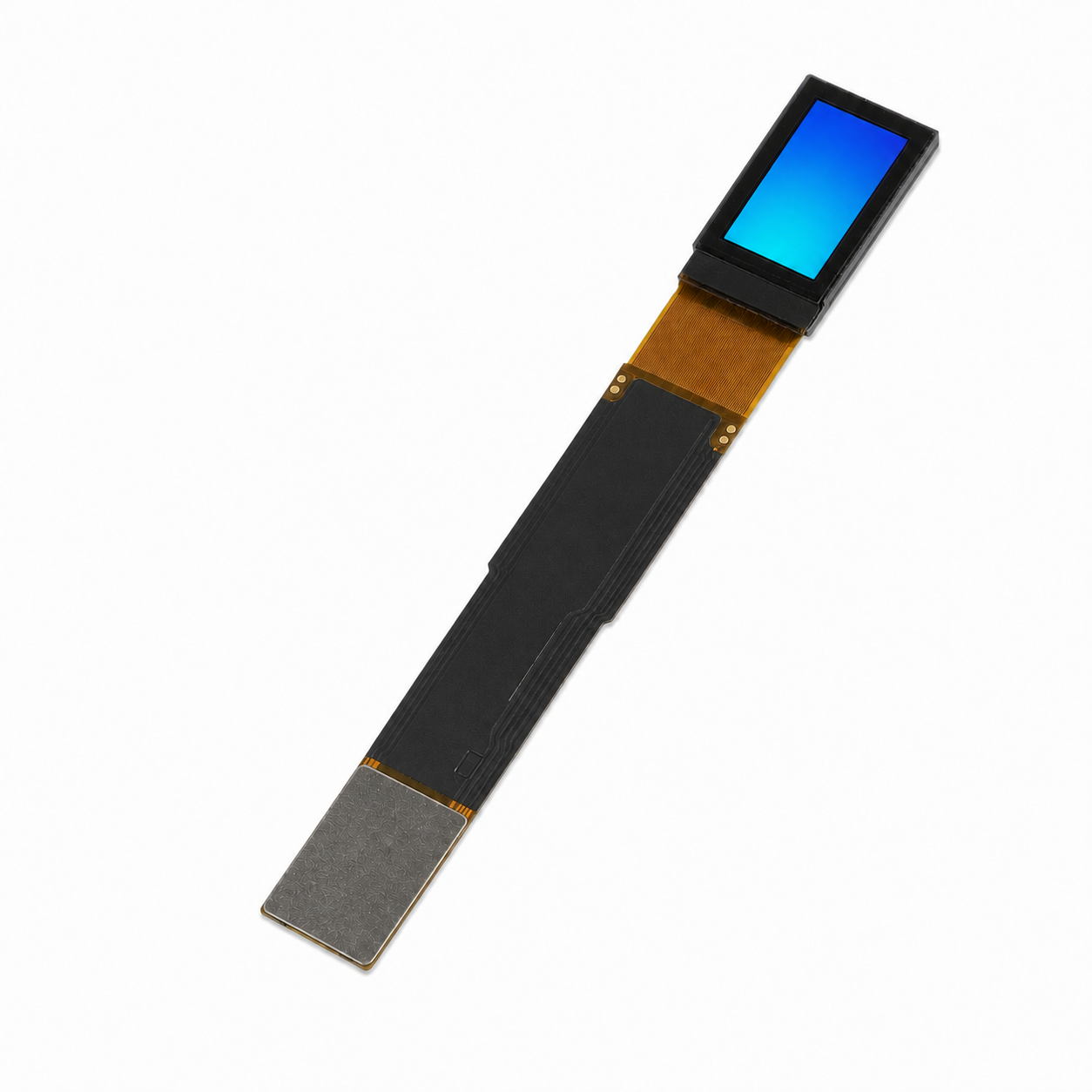
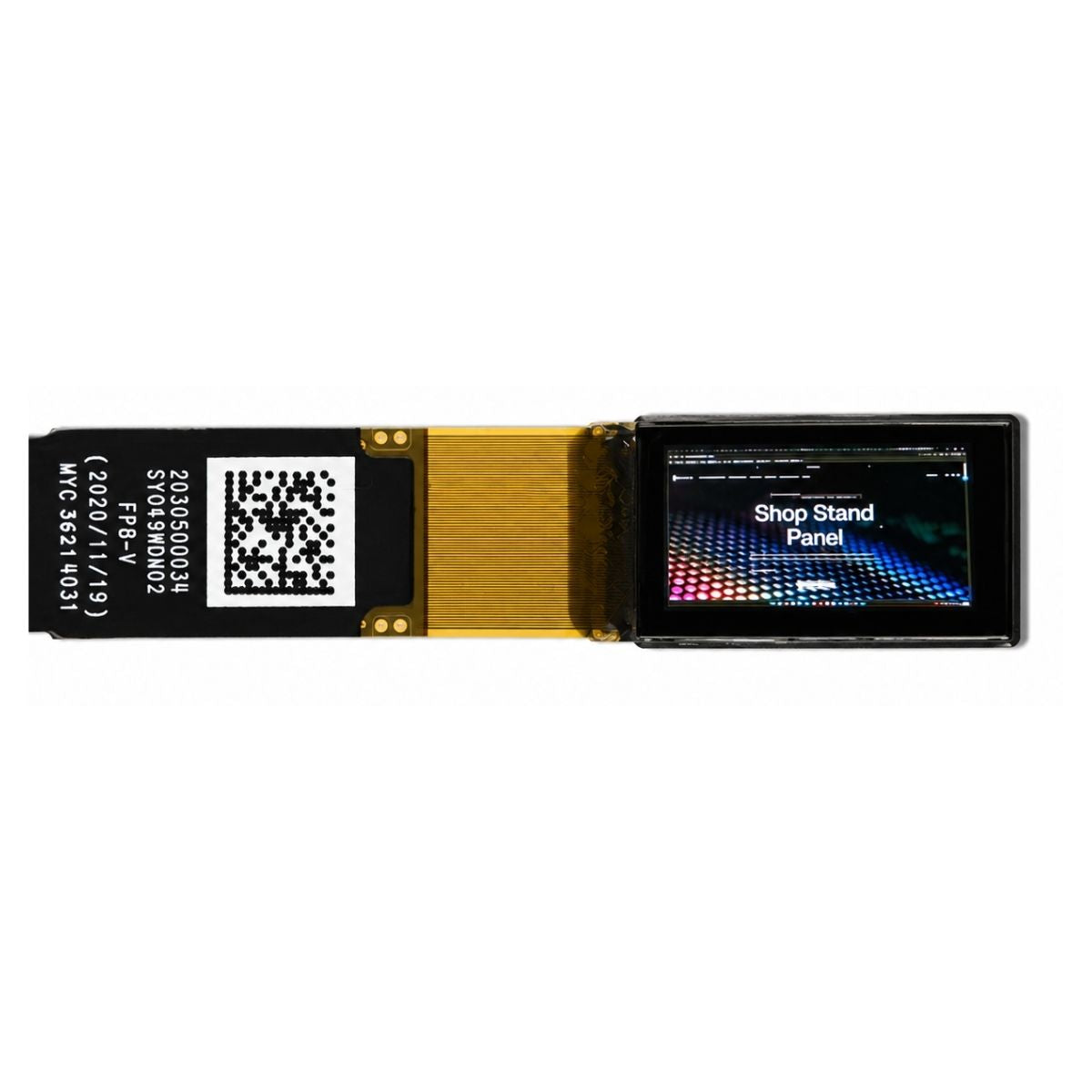
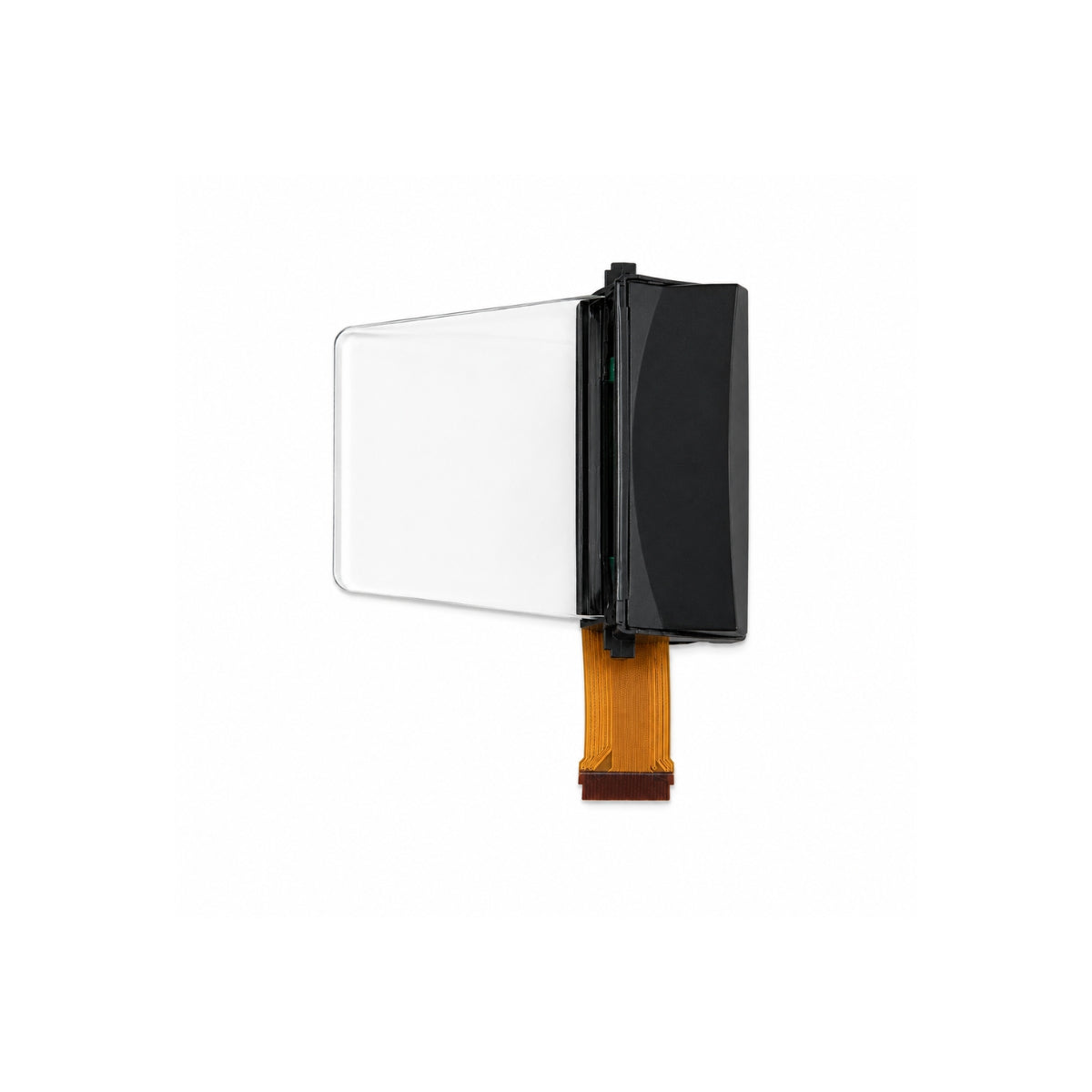
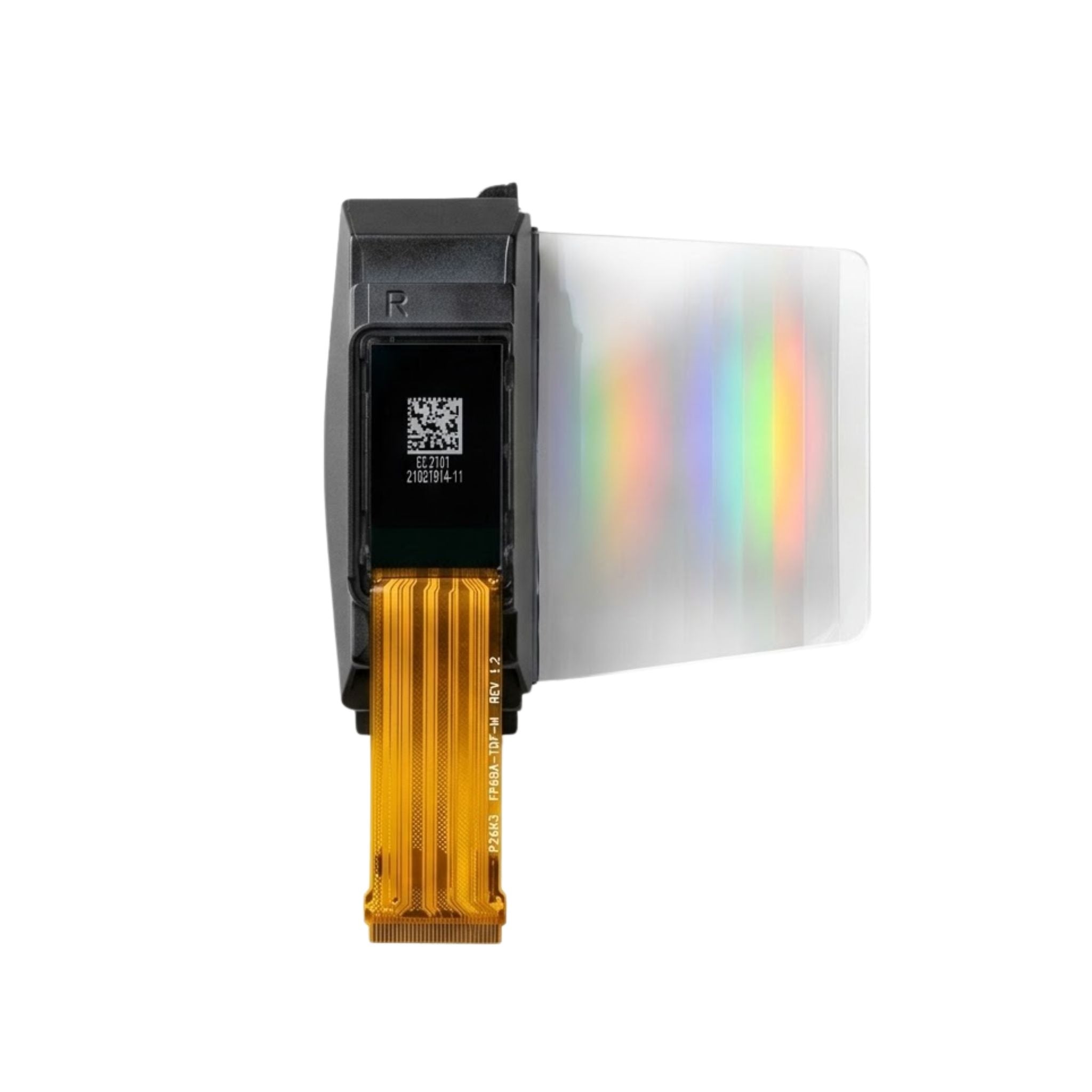


Micro OLED excels with 4K+ resolution in compact sizes (e.g., 0.4 inches), delivering 5000 PPI for razor-sharp visuals—far clearer than traditional displays—while its 10ms response time reduces blu...
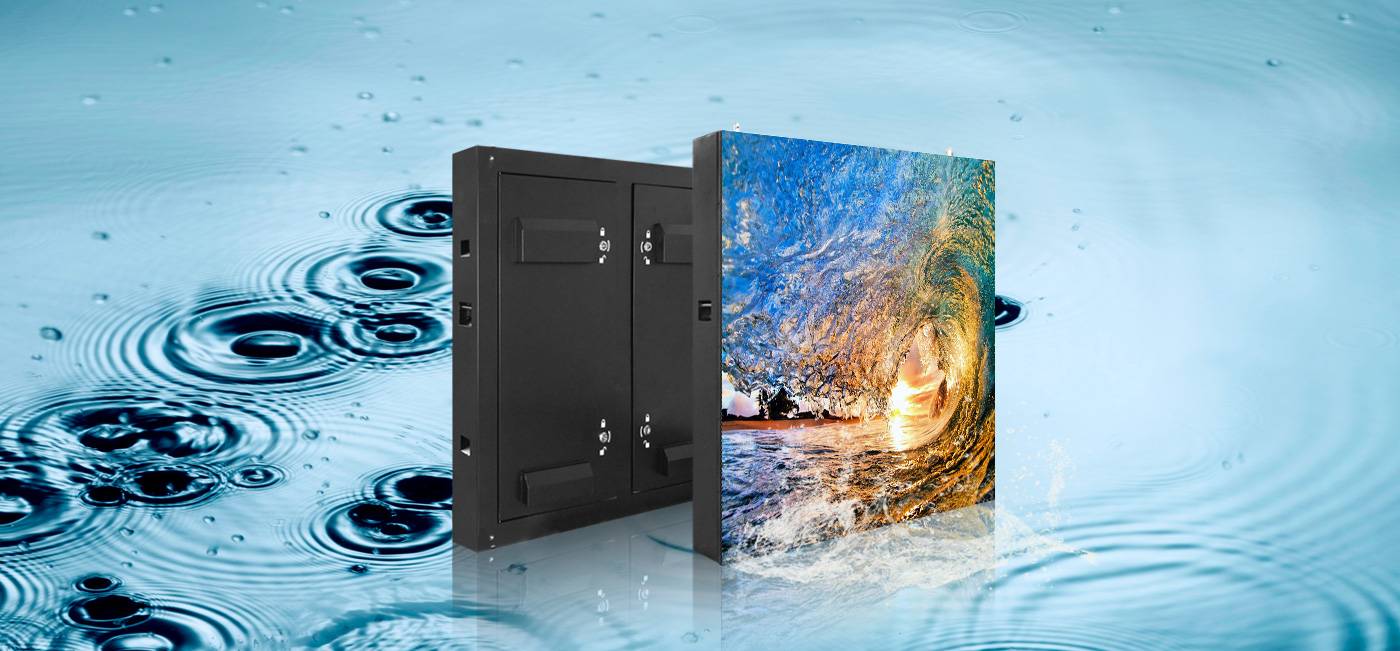
The primary difference lies in their applications and manufacturing processes: SMD (Surface-Mount Device) refers to tiny electronic components (e.g., 0402 resistors, 0.4mm×0.2mm) soldered directly ...
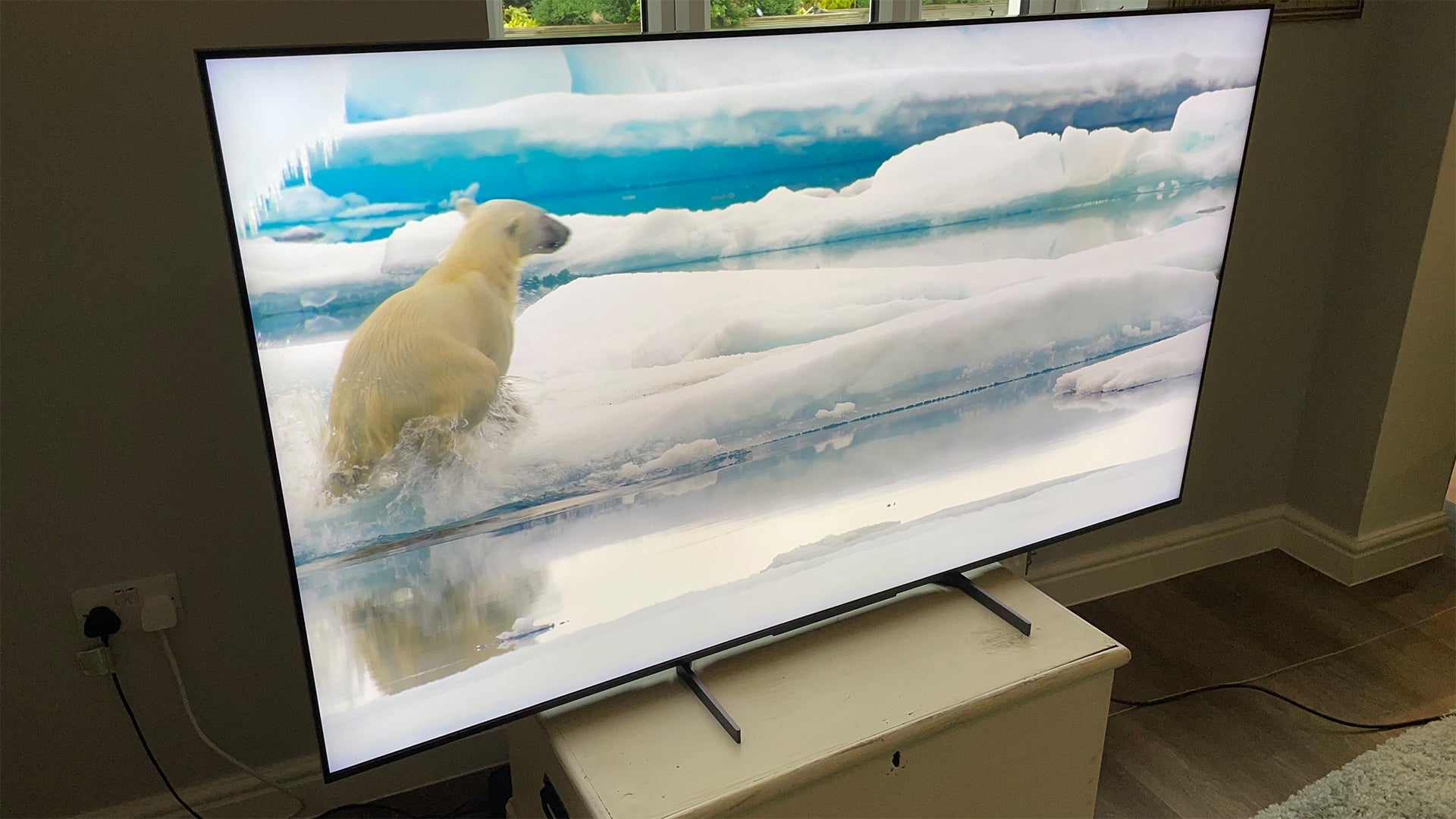
A COG LCD (Chip-On-Glass Liquid Crystal Display) mounts driver chips directly onto the glass panel, minimizing bulk; typical sizes range from 0.96-2.8 inches with resolutions like 128x64 or 240x320...
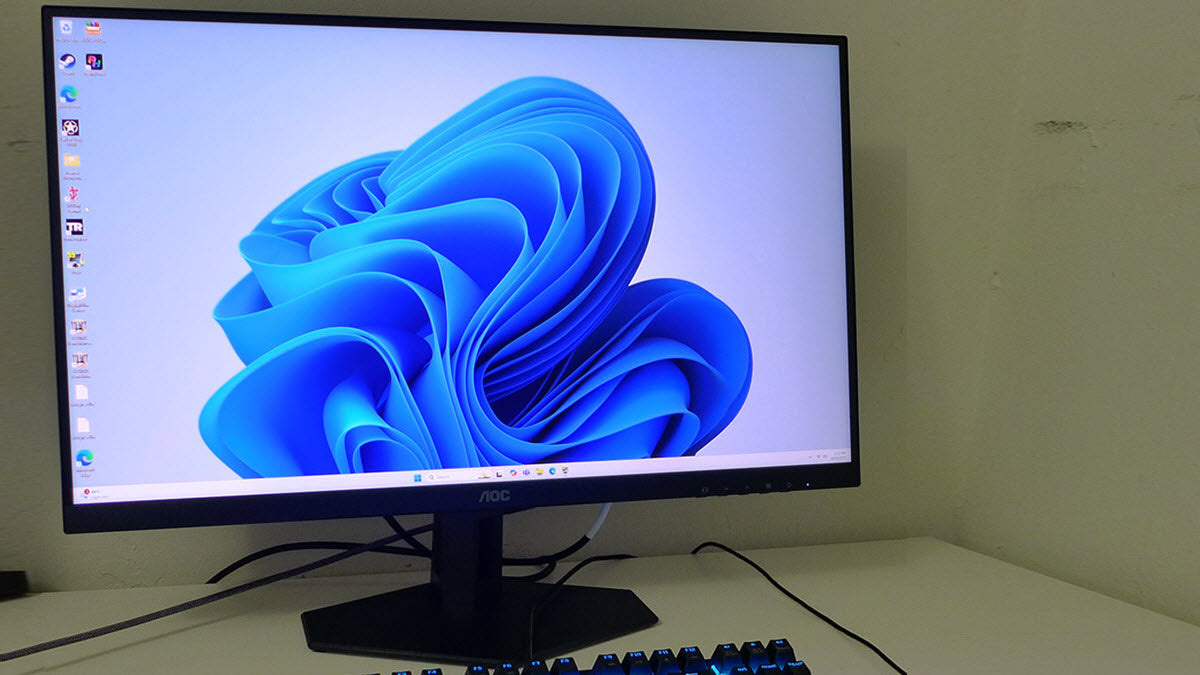
TFT screens generally offer solid everyday durability, with most models withstanding around 1,000 hours of continuous use without noticeable fading and resisting minor shocks from 1-meter drops ont...
TFT (Thin-Film Transistor) is primarily used in liquid crystal displays (LCDs) to enhance picture quality, powering devices like smartphones and tablets; for example, modern phone TFT screens often...

A TFT LCD screen, short for Thin-Film Transistor Liquid Crystal Display, uses a grid of tiny transistors (TFT array) to precisely control liquid crystals, which filter light from a backlight (often...
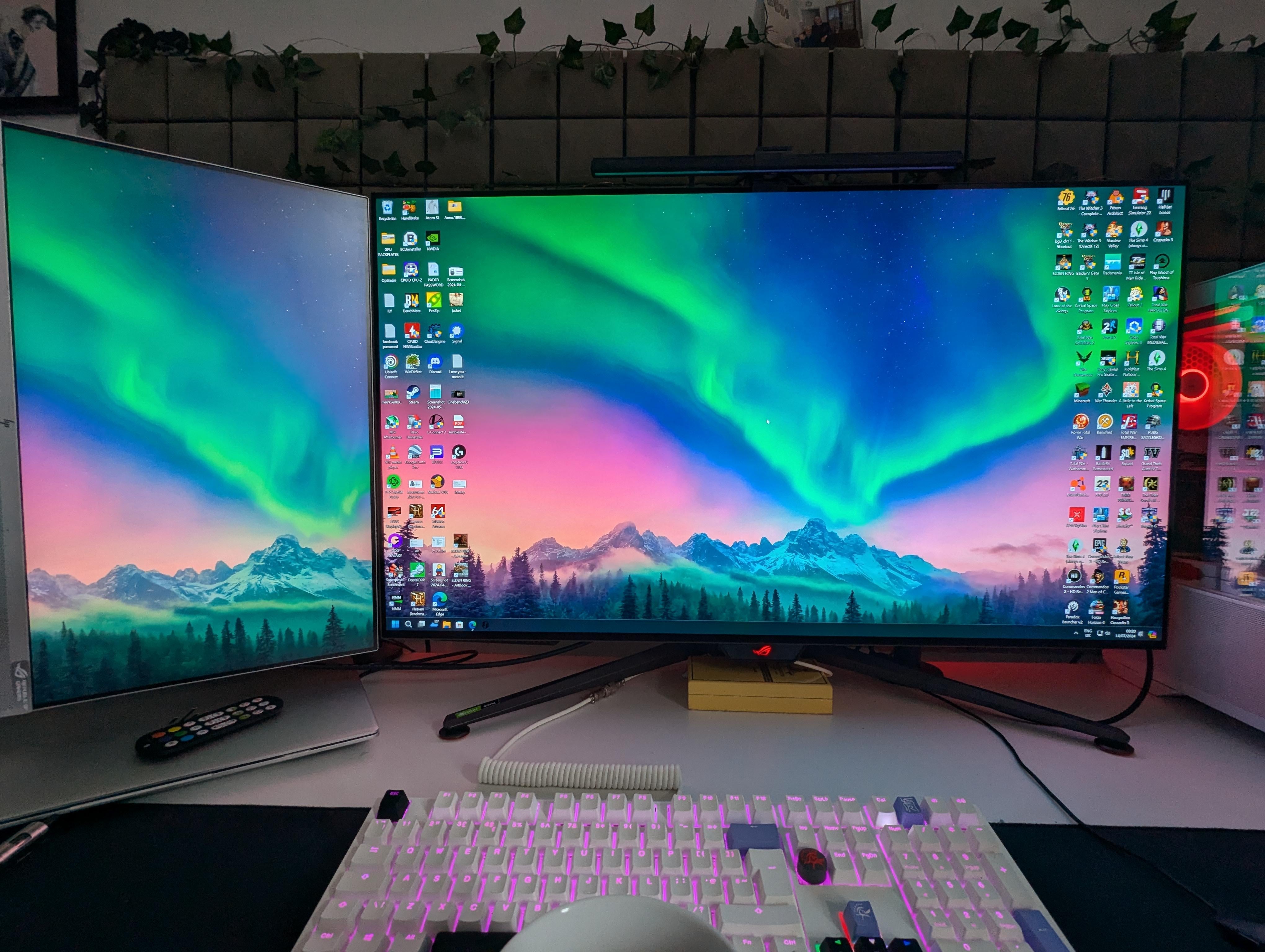
When comparing MicroLED and AMOLED, MicroLED typically offers higher peak brightness (around 2000 nits) versus AMOLED's 1000–1500 nits, while both deliver deep blacks—MicroLED’s self-emissive pixel...

A Micro LED display is a self-emissive, inorganic technology where each tiny light-emitting diode (LED) acts as an individual pixel, enabling vibrant colors, high contrast, and exceptional brightne...
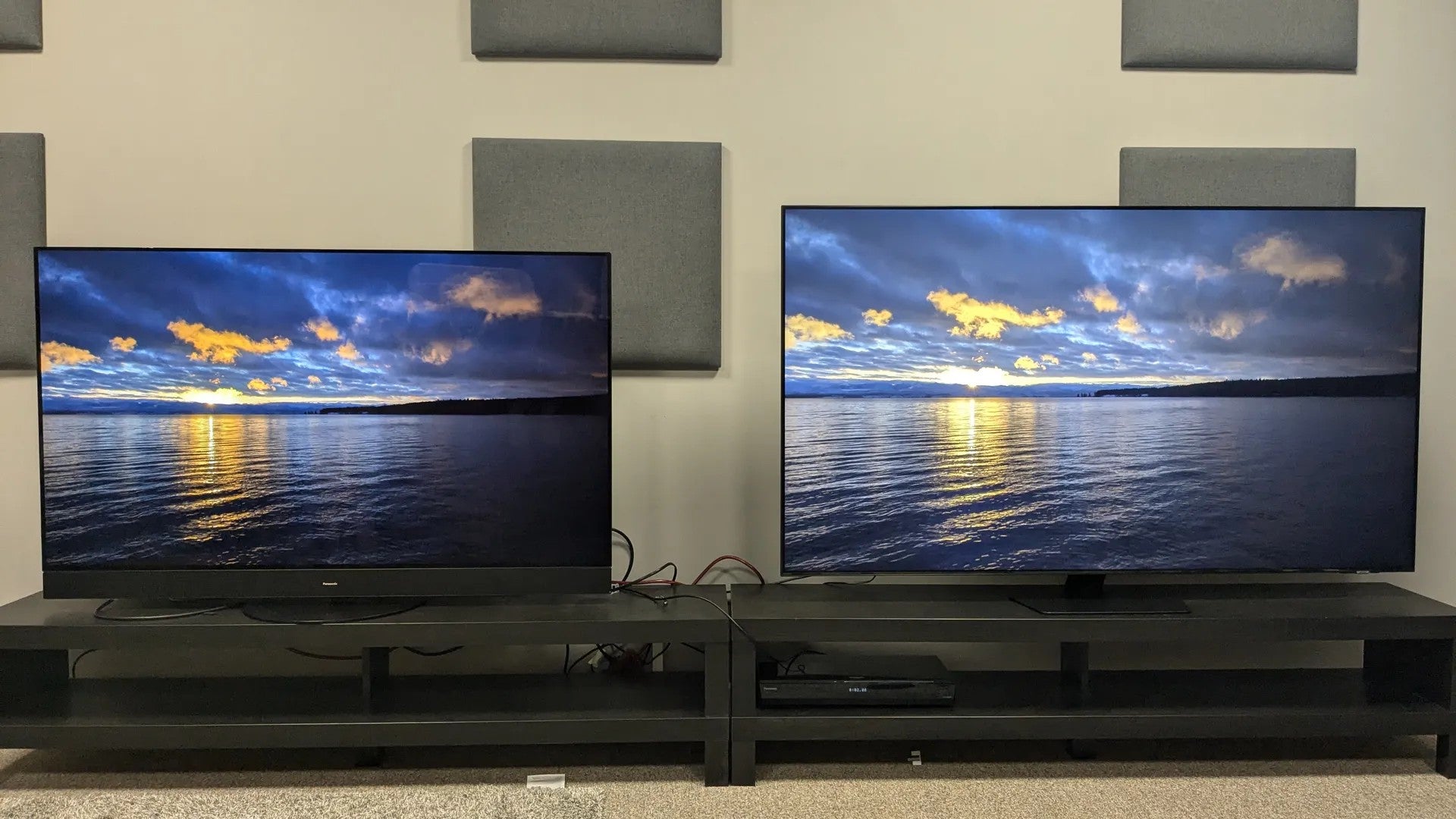
The key differences between mini OLED and OLED lie in pixel size and density: mini OLED features smaller individual pixels (typically ~40-70μm vs. 70-100μm in standard OLED), enabling higher PPI (o...