



To clean an IPS screen safely in 5 steps: First, power off and unplug the device to avoid damage; second, gather a microfiber cloth (1-5 microns thick).

While both OLED (Organic Light-Emitting Diode) displays rely on self-emissive organic pixels to produce light, AMOLED (Active-Matrix OLED) adds a.
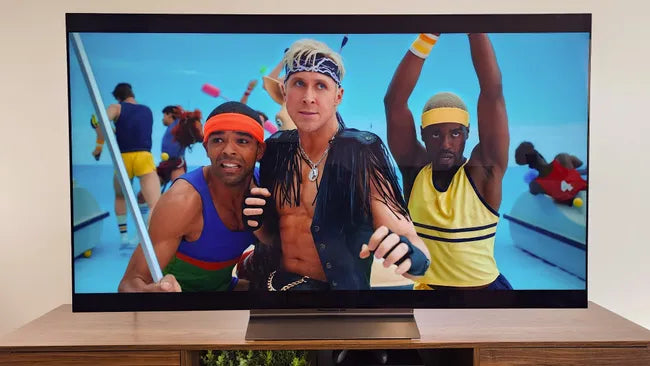
OLED TVs typically last around 70,000 to 100,000 hours under normal usage, which translates to about 8 to 12 years if watched for 8 hours daily. However.
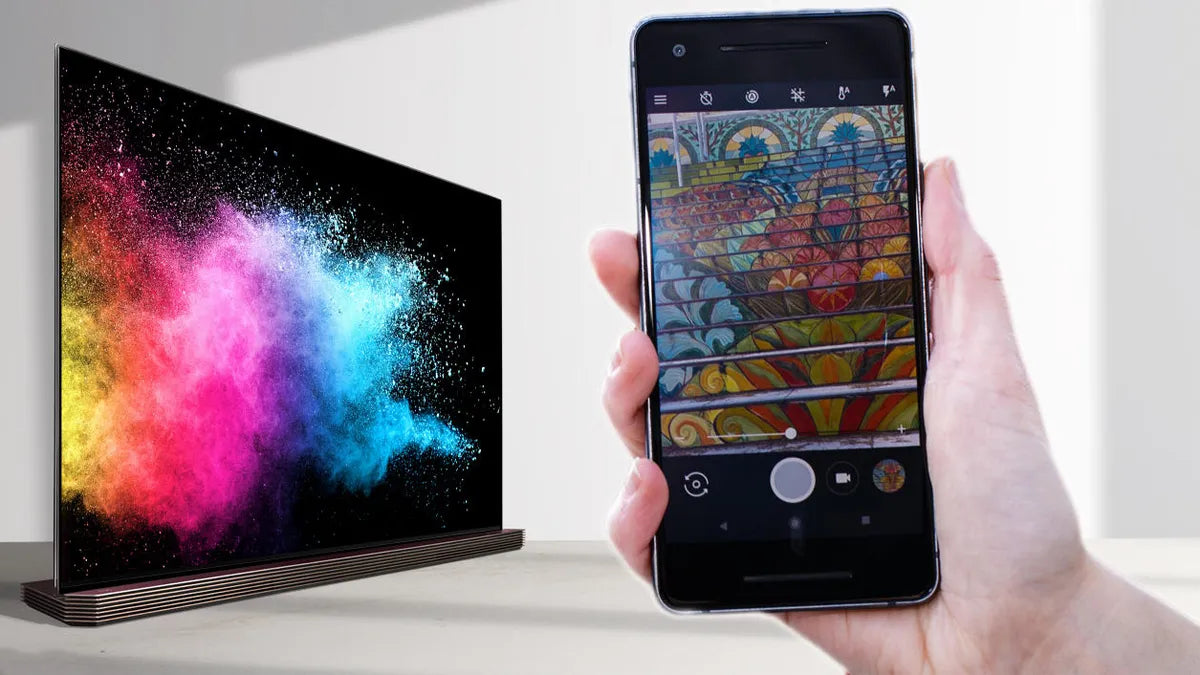
PMOLED (Passive Matrix OLED) suits small screens (≤2 inches), like smartwatches, using simple row-column scanning but power jumps with size ; AMOLED.
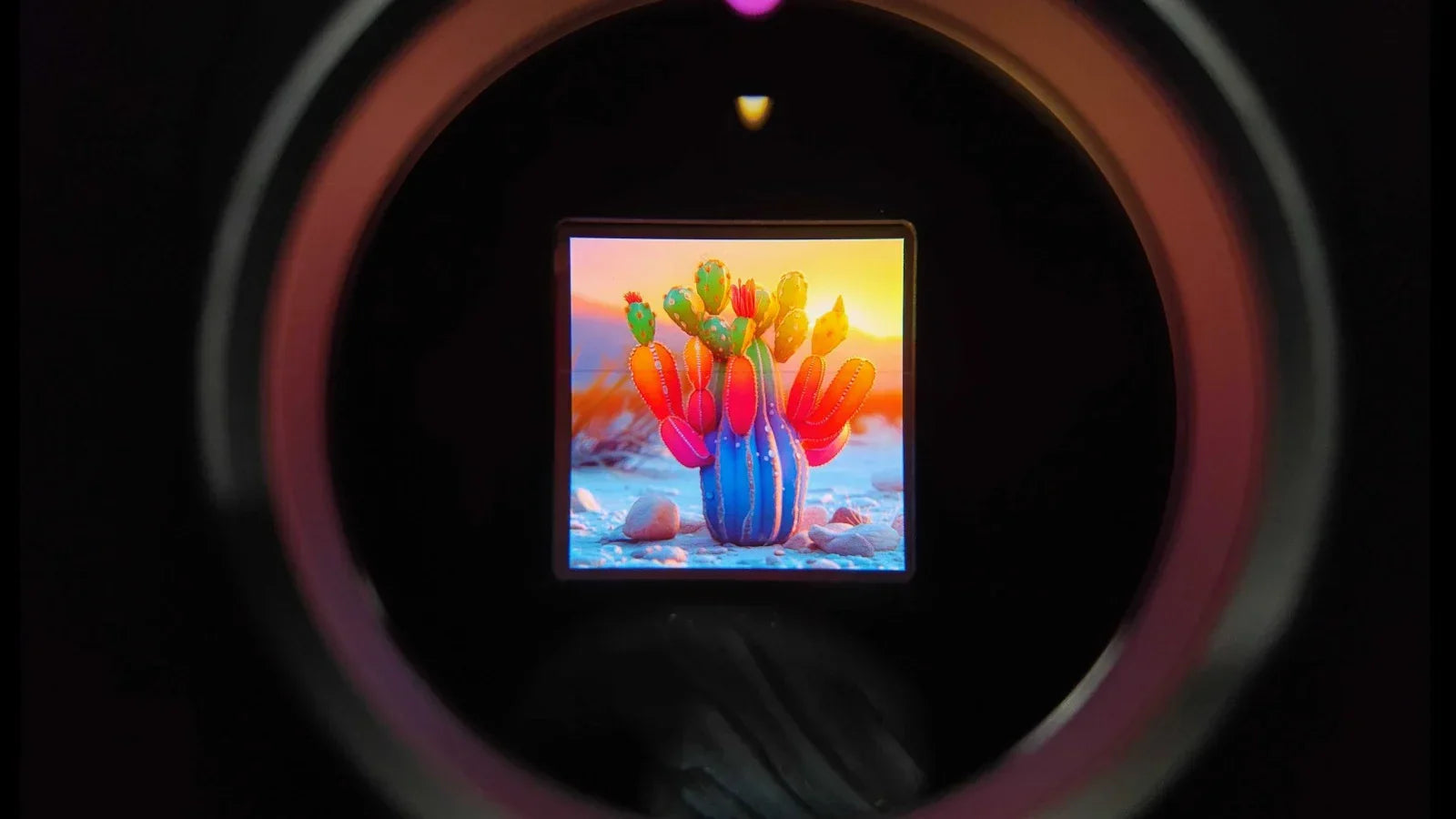
When selecting an OLED display for VR, prioritize a ≥120Hz refresh rate to minimize motion sickness, sub-1ms response time to eliminate ghosting, and.

A COG (Chip on Glass) LCD display integrates driver ICs directly onto the glass substrate of the panel, minimizing external wiring; common in compact.

A shaped OLED screen is an OLED display that deviates from traditional rectangular forms, featuring curved, tapered, or custom geometries (e.g., with a.

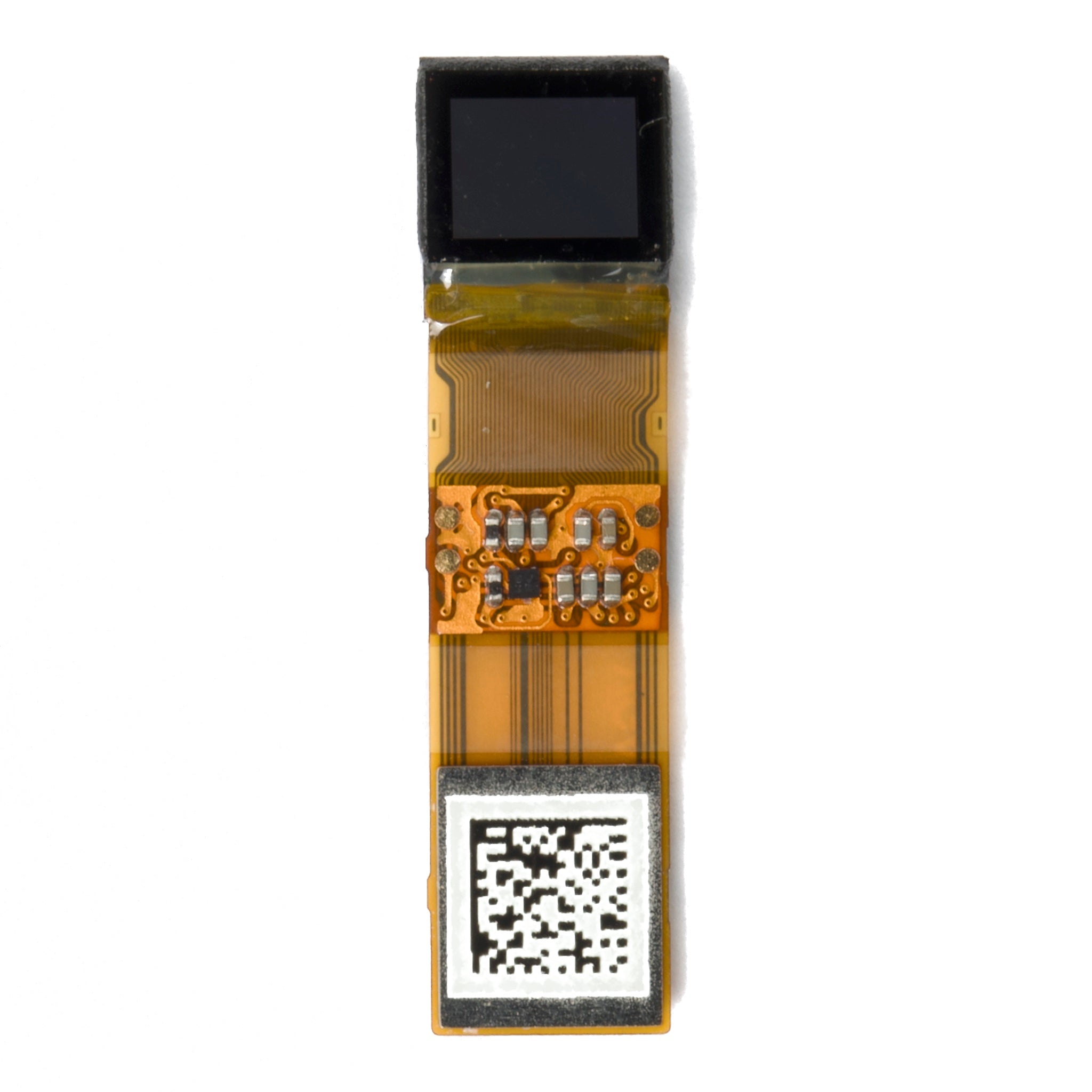
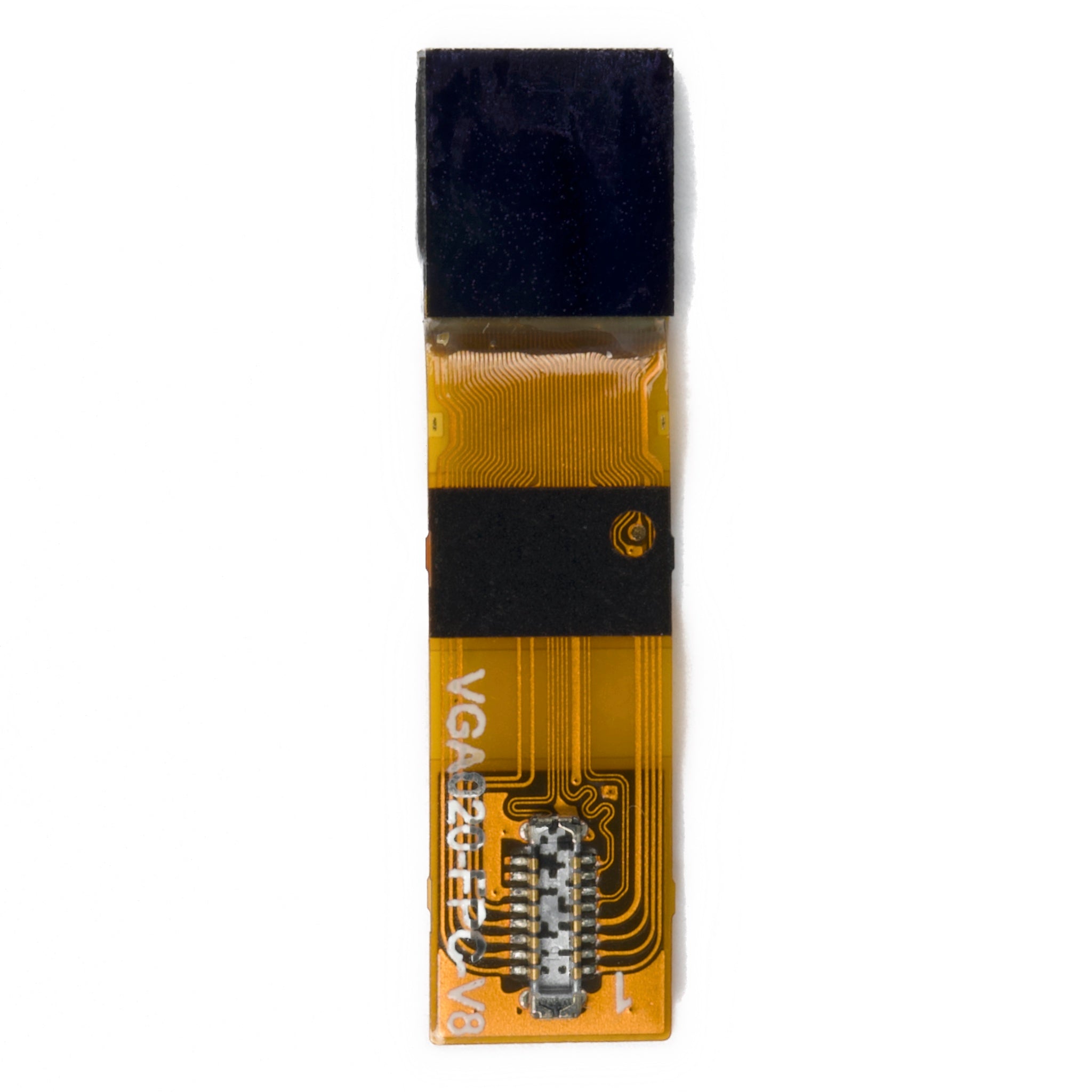
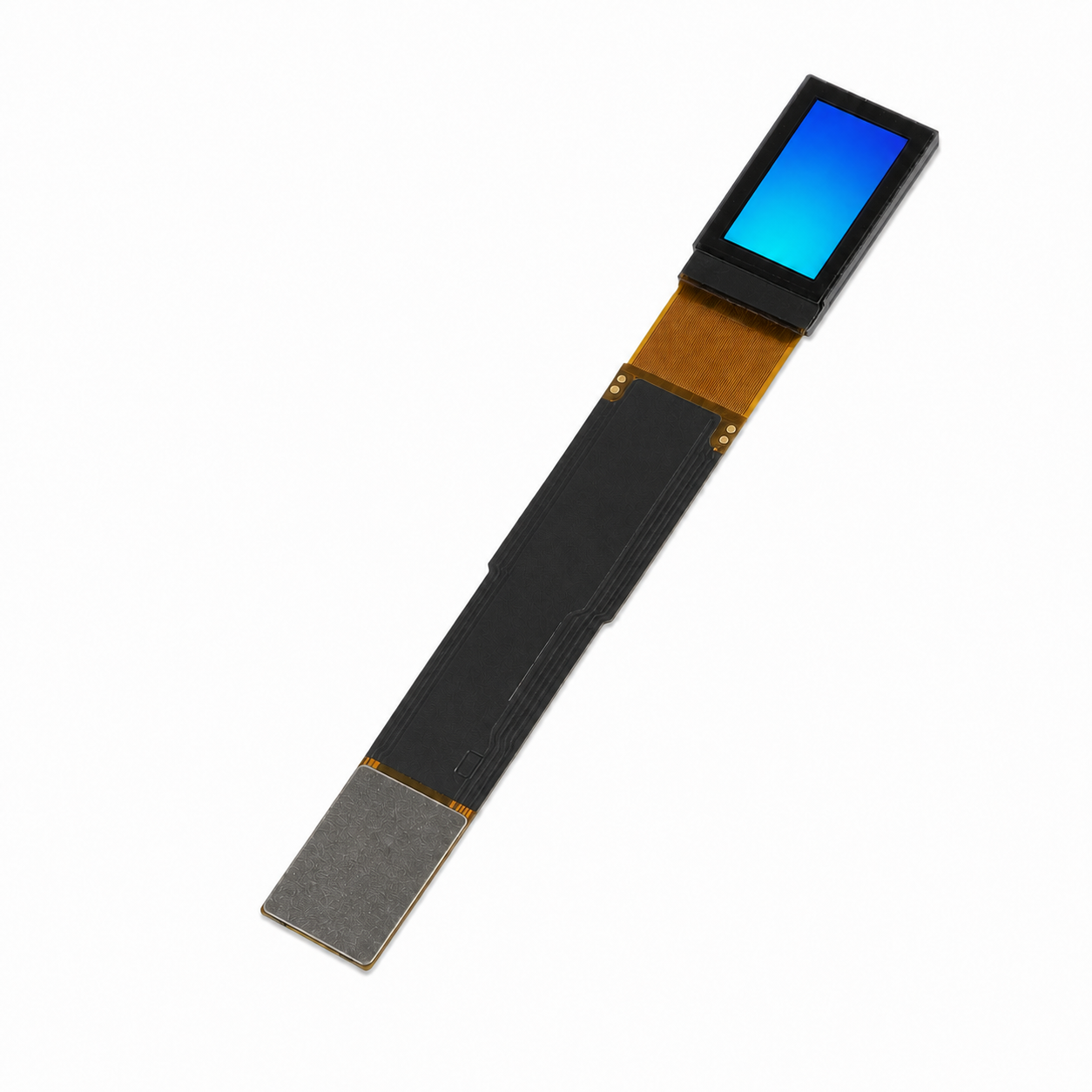
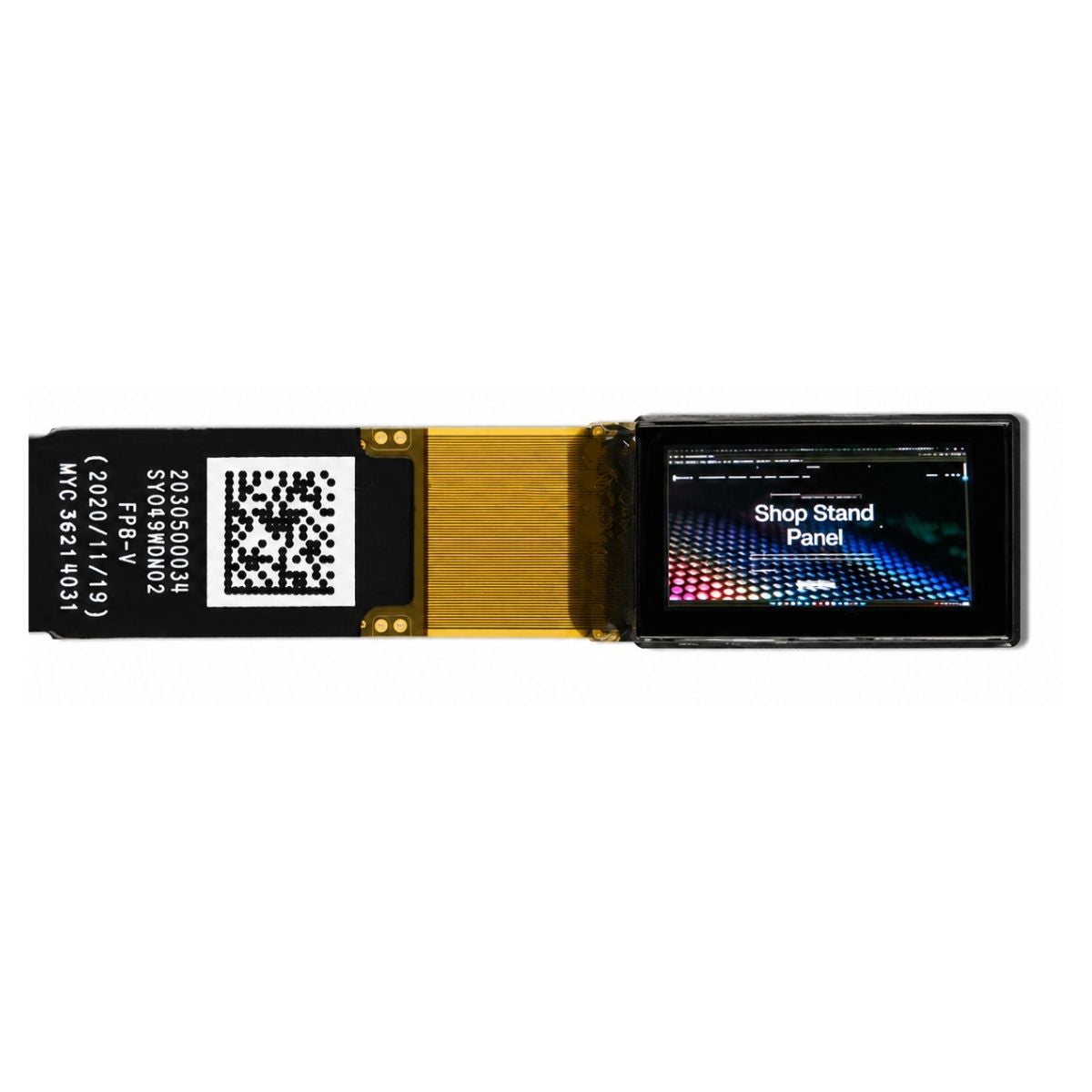
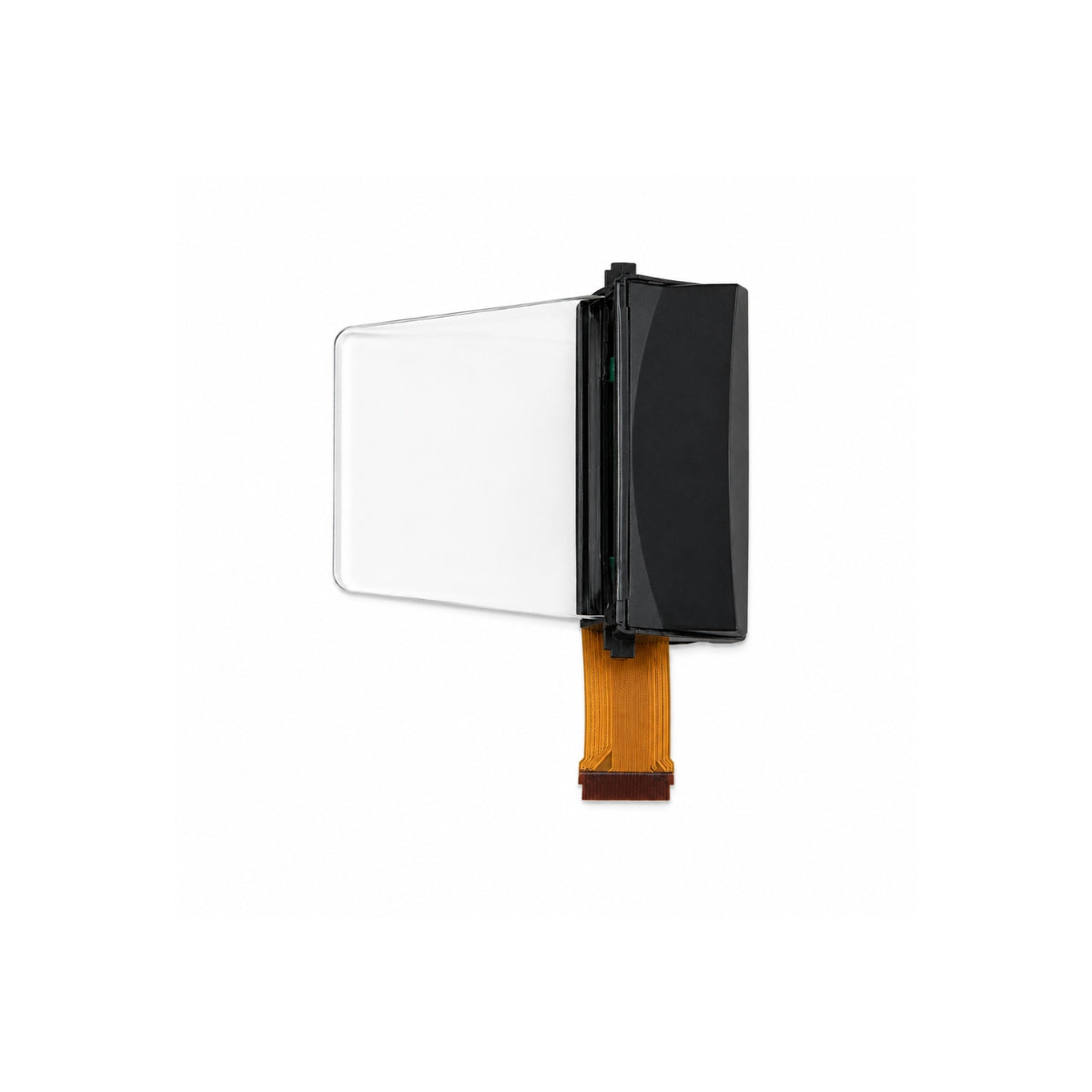
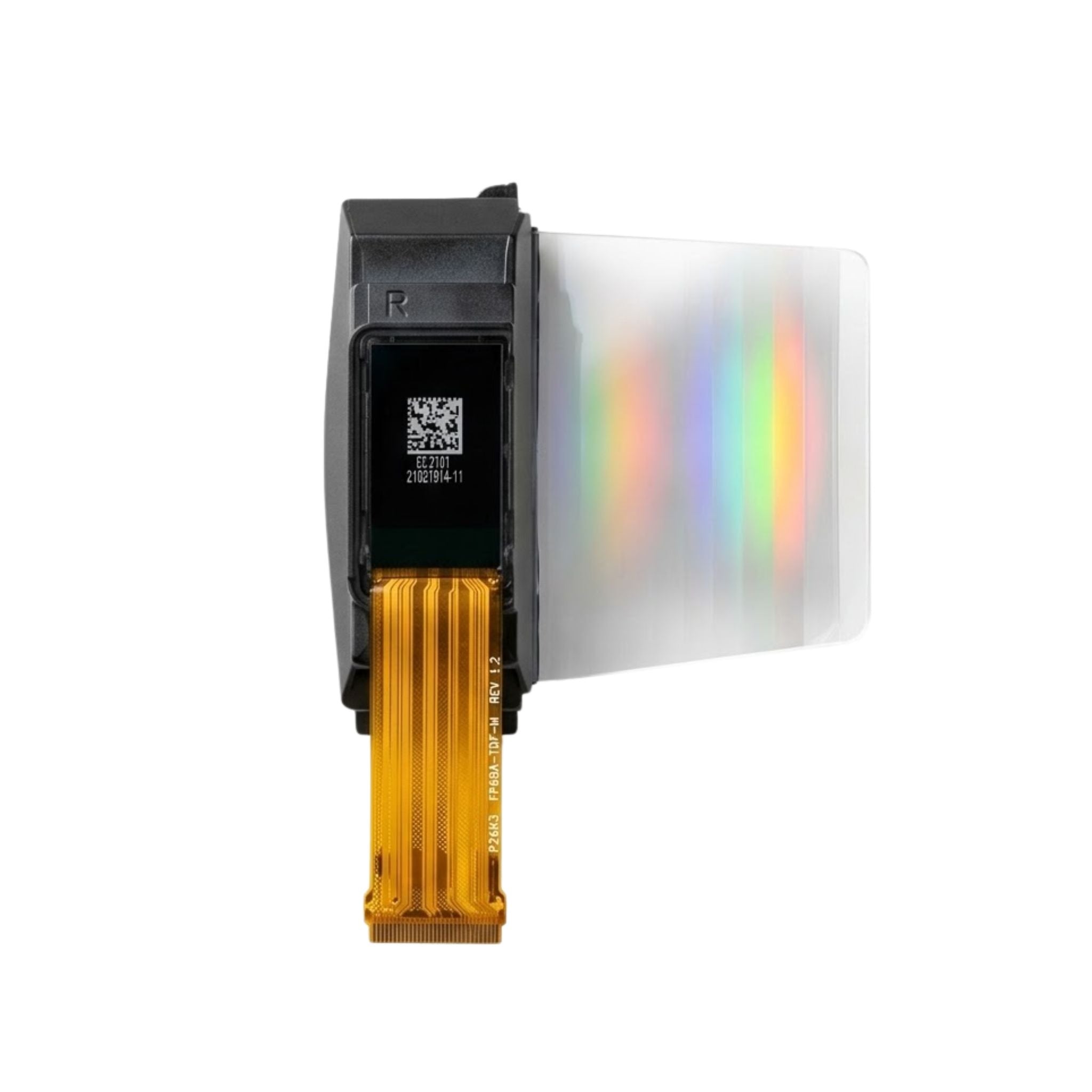
Choosing Micro OLED for VR headsets offers 4K-per-eye resolution (sharper than standard LCDs’ ~2K), a 1,000,000:1 contrast ratio (vibrant blacks/whites).

Compared to LCDs that use constant backlighting (typically 60-120 mW for a 6-inch display), OLEDs power each pixel individually , drawing near-zero energy.