

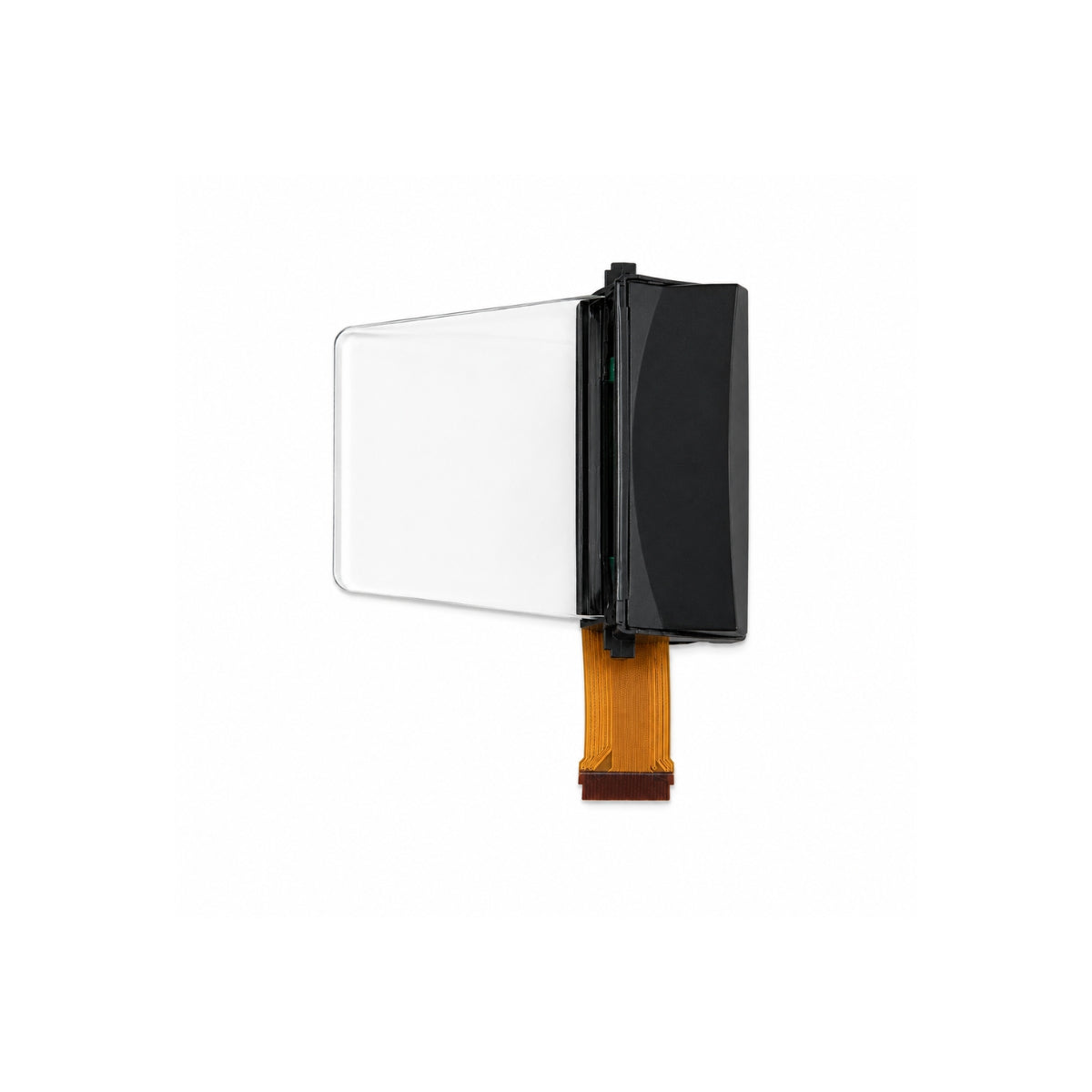
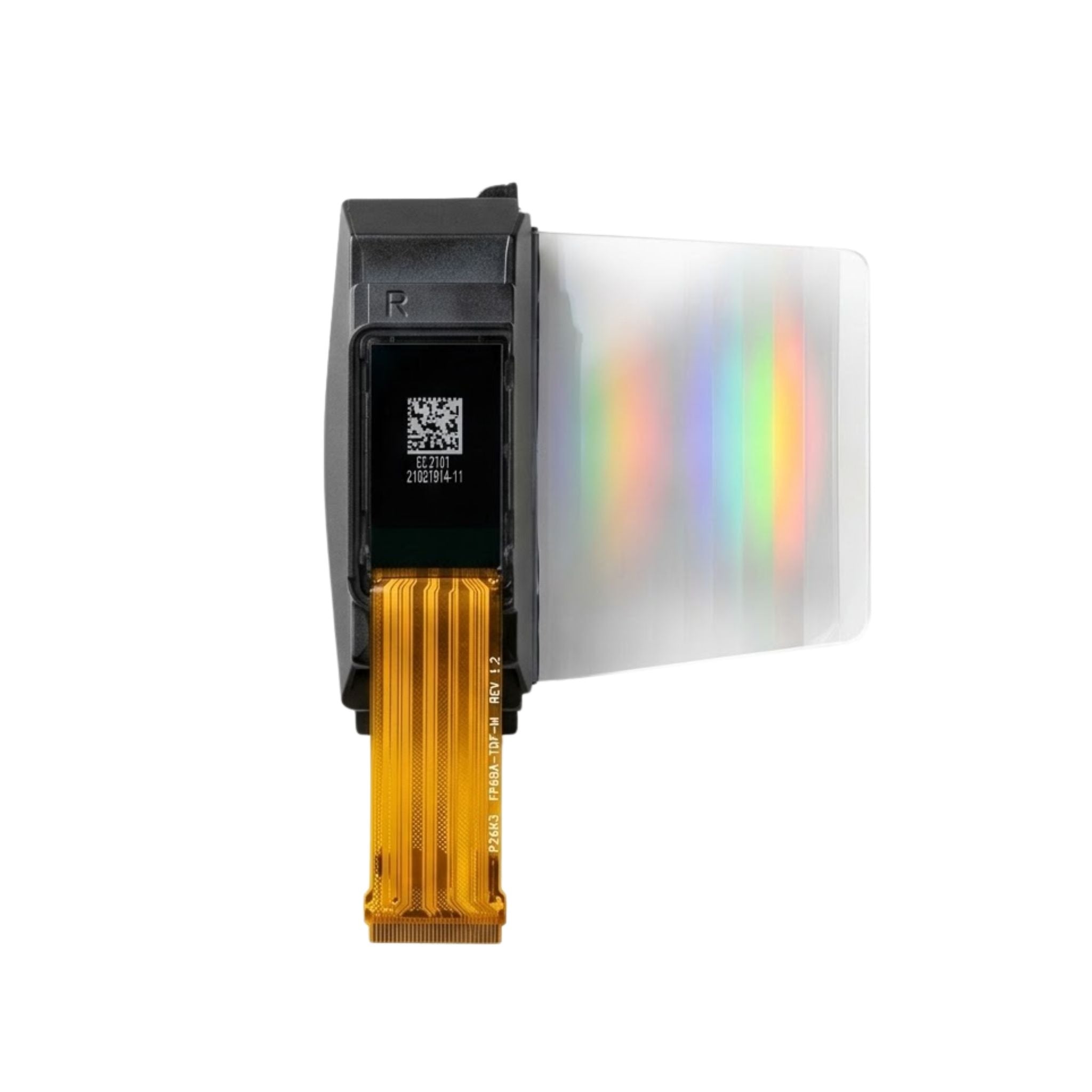



IPS modules extend lifespan via aluminum heatsinks + thermal paste (core ≤45°C, below 50°C industry max) cutting thermal stress, and 12V±0.6V supply (JEDEC-compliant) avoiding voltage damage. Accel...
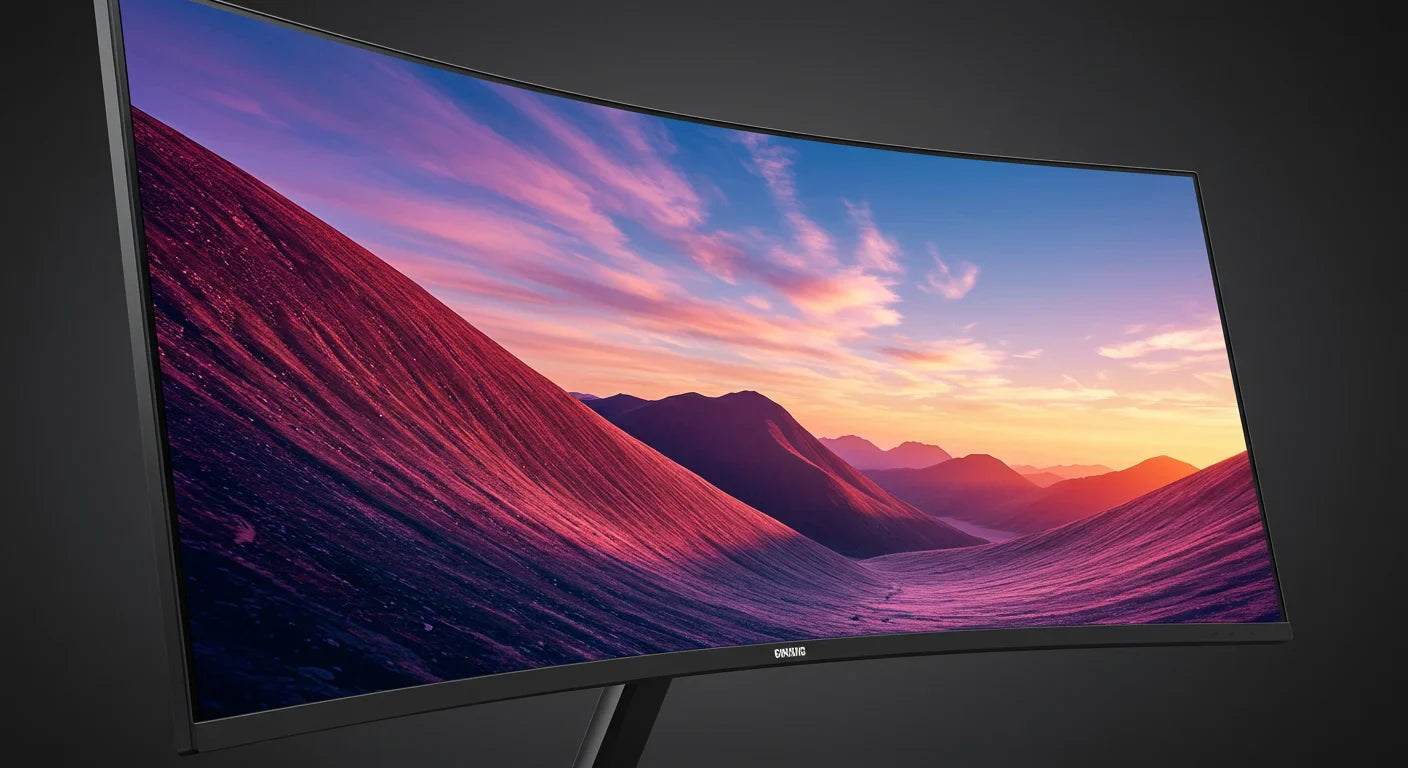
IPS modules ensure stable images with 178° wide viewing angles (minimal distortion) and ΔE < 2 color accuracy (industry benchmarks), minimizing color shift. Stable Images Unlike TN panels that l...
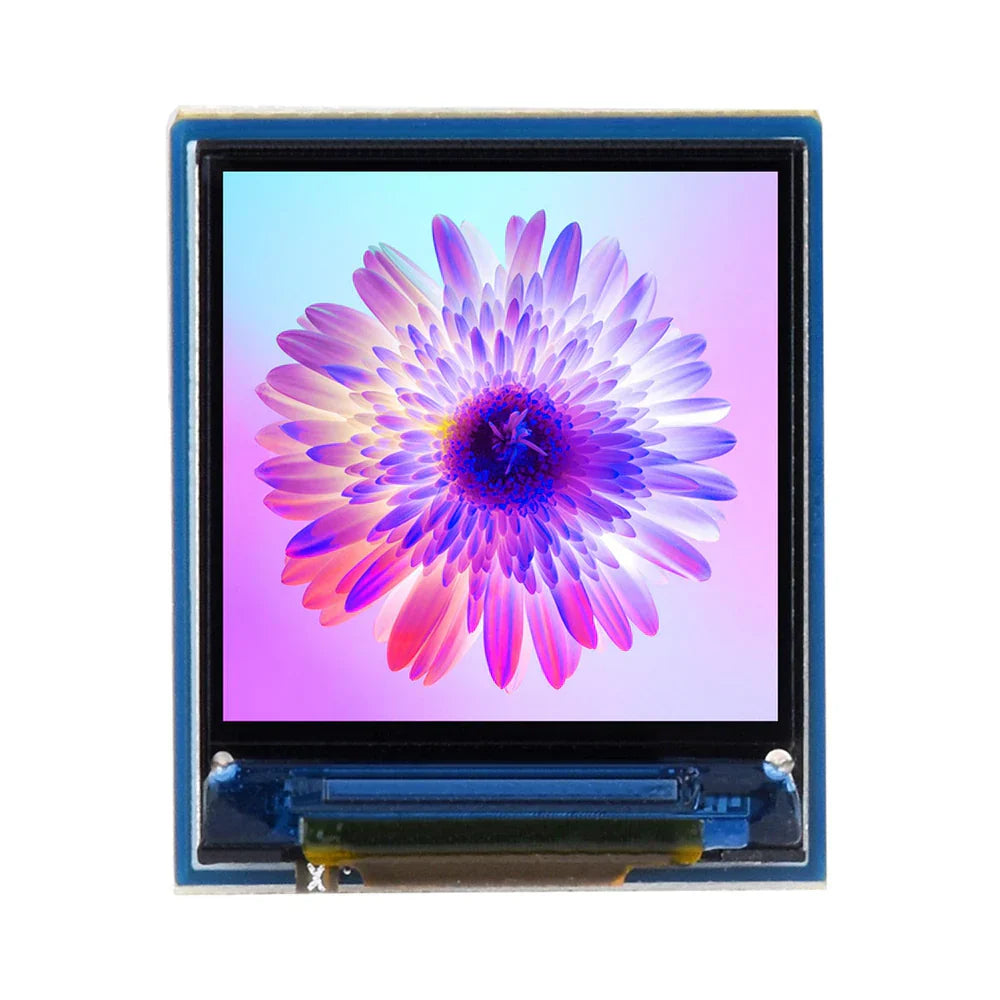
IPS modules: 144Hz refresh (fluid motion), 10-bit color (1.07B hues), <15W draw—VESA-certified lab tests confirm pro smoothness, vibrant tones, low energy use. Refresh Rate The jump from 60Hz to...
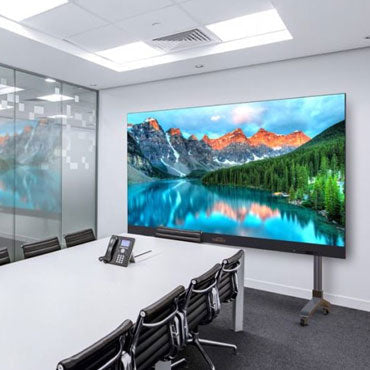
Prioritize IPS brightness by use: 300-500nits indoor, ≥1000nits outdoor (DisplayHDR 600+ cert., avoids glare). Native contrast ~1000:1; opt Mini-LED for 2000:1+ depth, enhancing shadow detail per D...
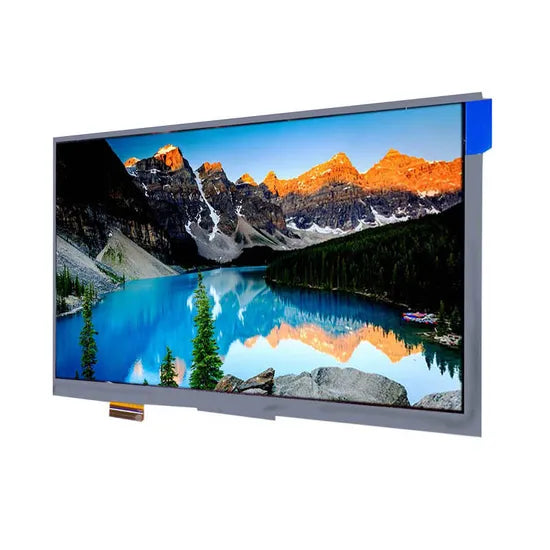
Choose IPS modules by aligning size (7–10” industrial, larger consumer), resolution (≥FHD/1920x1080 for clarity, 4K/3840x2160 pro), and interface (LVDS/eDP for stability, HDMI versatile). Size Port...
They shine in low power use, with typical operation at just 0.5W and standby dropping below 0.1W, greatly extending battery life. Their slim form factor, often under 3mm thick and available in 1.3–...
The IPS display module tailored for industrial use excels in durability and a wide temperature range, built to thrive in harsh settings like factory floors or outdoor machinery. With a rugged alumi...

Advanced IPS technologies elevate visual experiences through Mini-LED backlighting, a hallmark of modern display innovation that employs 2,304 local dimming zones for precise brightness control, el...

Understanding IPS display modules hinges on three key elements: the LED backlight (typical brightness 250-400 nits for uniform illumination), a wide color gamut covering ~100% sRGB and often 85-95%...