

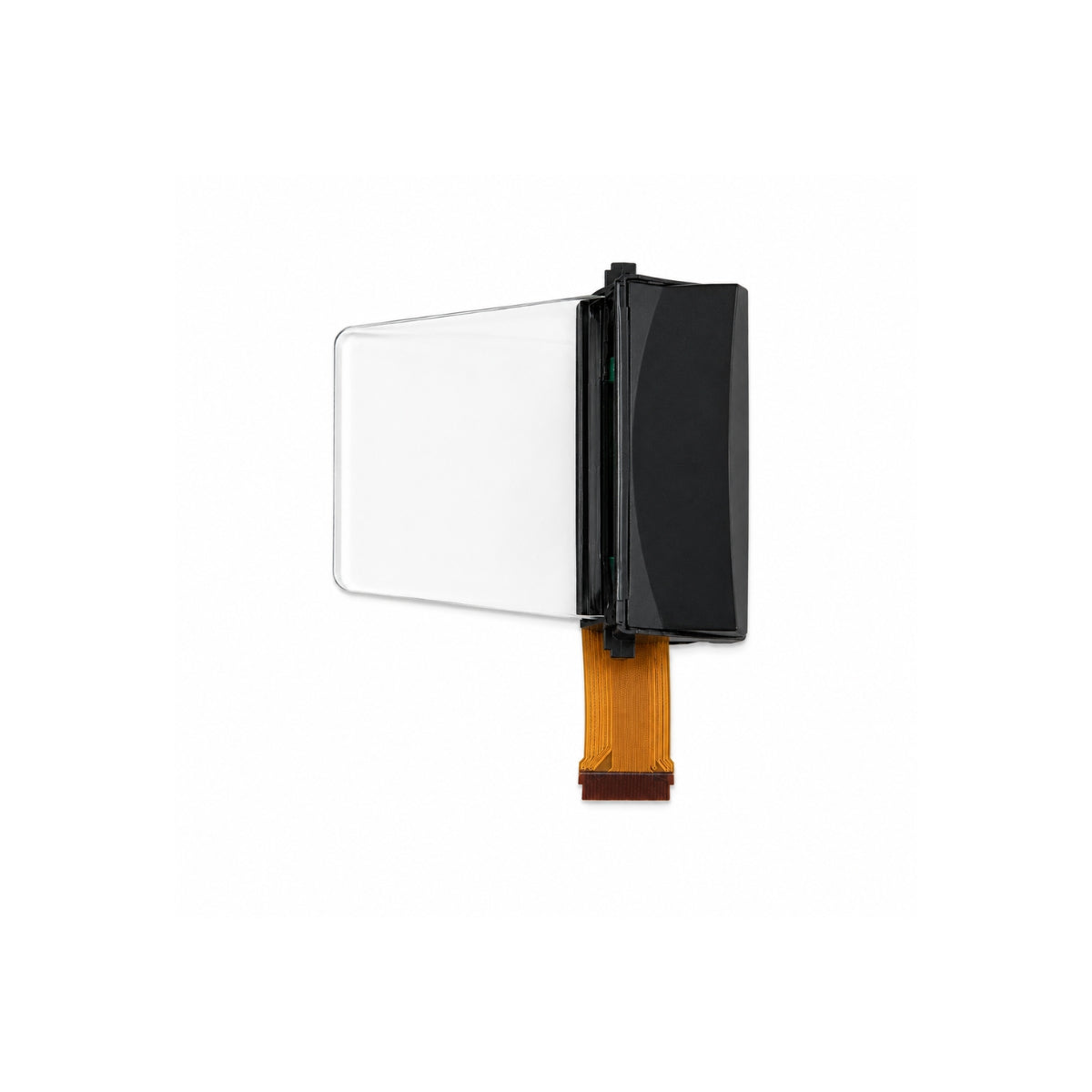
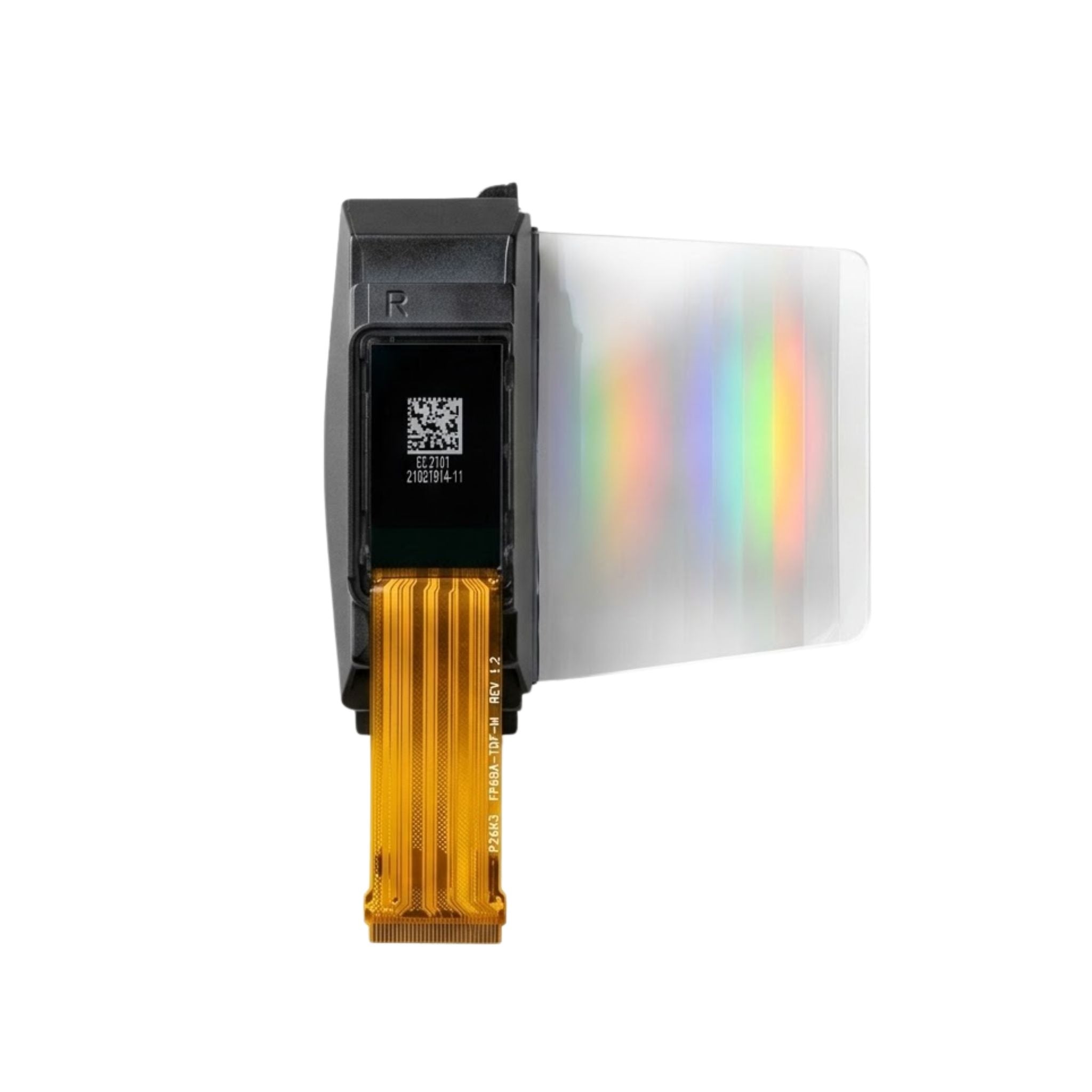


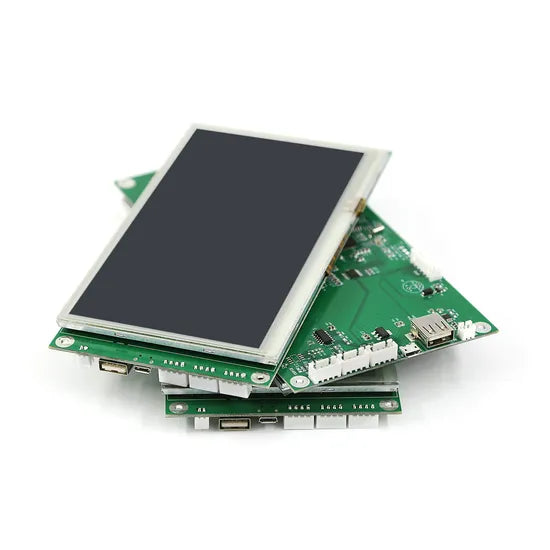
LCD module prices range from 2 for basic 16x2 character modules to 50+ for high-resolution TFTs. Wholesale prices drop 20-40% for orders of 1,000+ units. Key cost factors are size, resolution, and ...
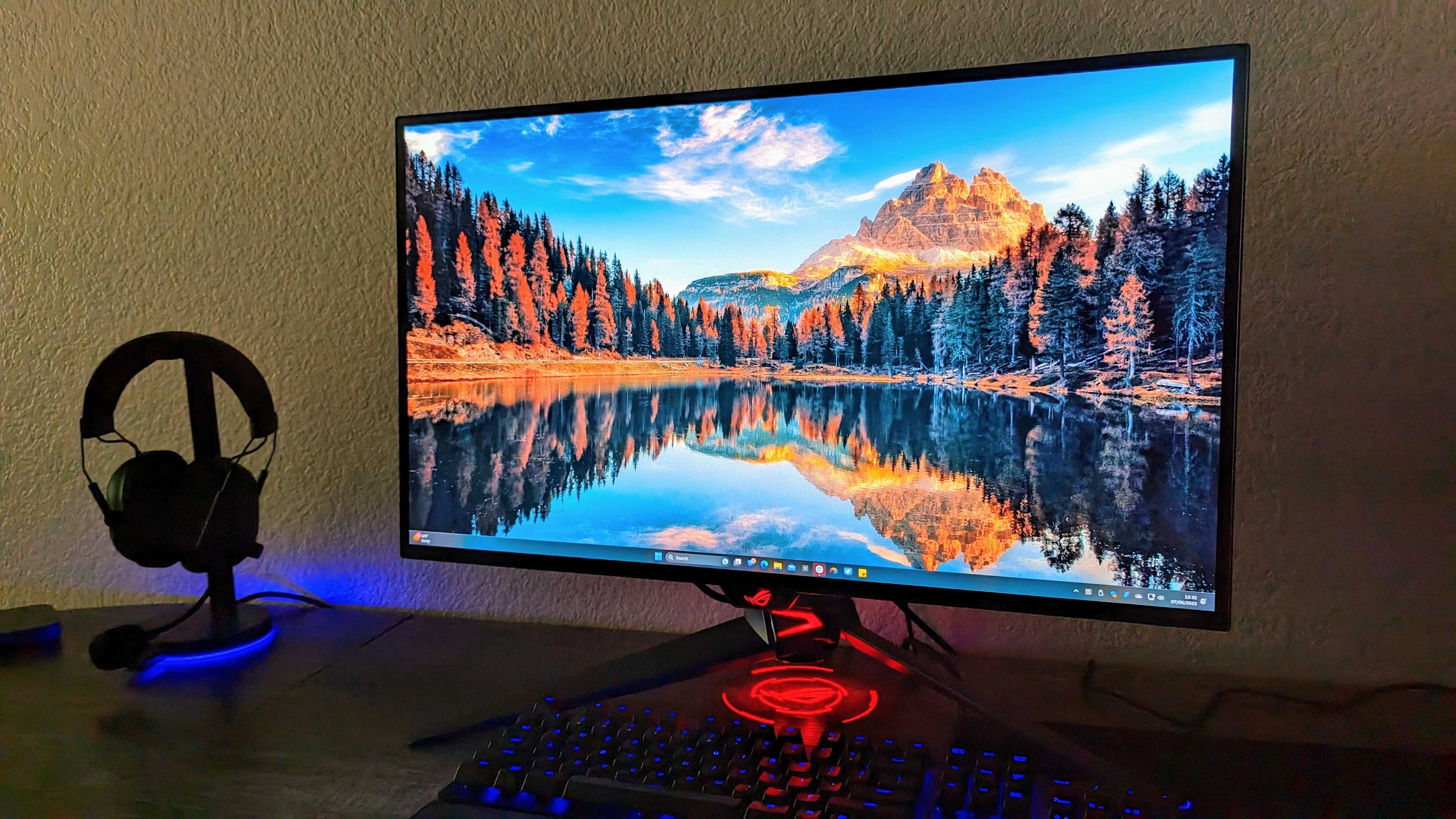
Choose OLED for superior contrast (over 1,000,000:1), faster response (microseconds vs milliseconds), and wider viewing angles. It's ideal for high-end devices. Select LCD for higher maximum bright...
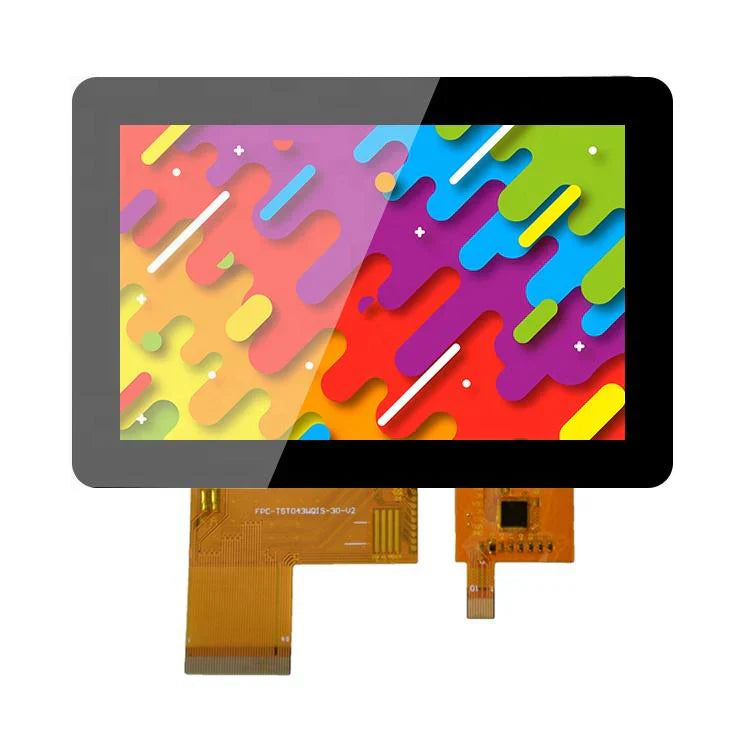
Custom LCD modules are tailored to your needs. The process starts with a requirement document detailing size, resolution, interface, and operating temperature. This allows for unique shapes, integr...
To choose an LCD module, first define requirements: size (e.g., 2.4"), resolution (e.g., 320x240), and interface (SPI for simplicity, MIPI for speed). Check operating temperature (-20°C to 70°C for...
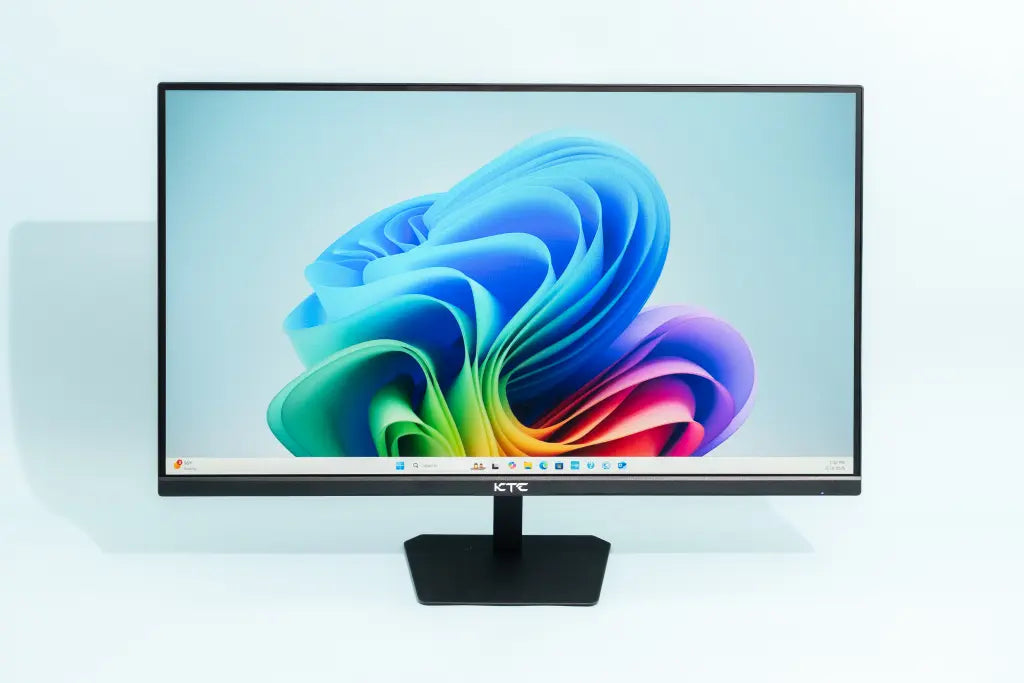
When selecting an IPS monitor, specifications should be determined based on the intended use. For professional design, models with 4K resolution and 99% sRGB/AdobeRGB color gamut coverage, such as ...
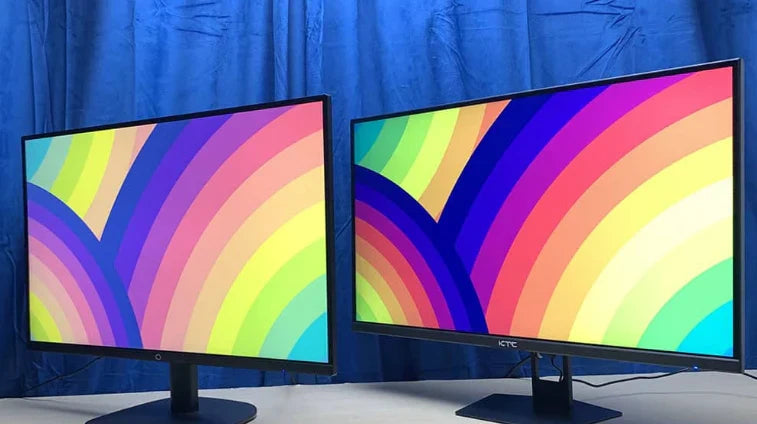
IPS (In-Plane Switching) displays are widely recognized for their excellent color performance and viewing angles. Compared to VA or TN panels, their advantage is a wide 178-degree viewing angle, wi...
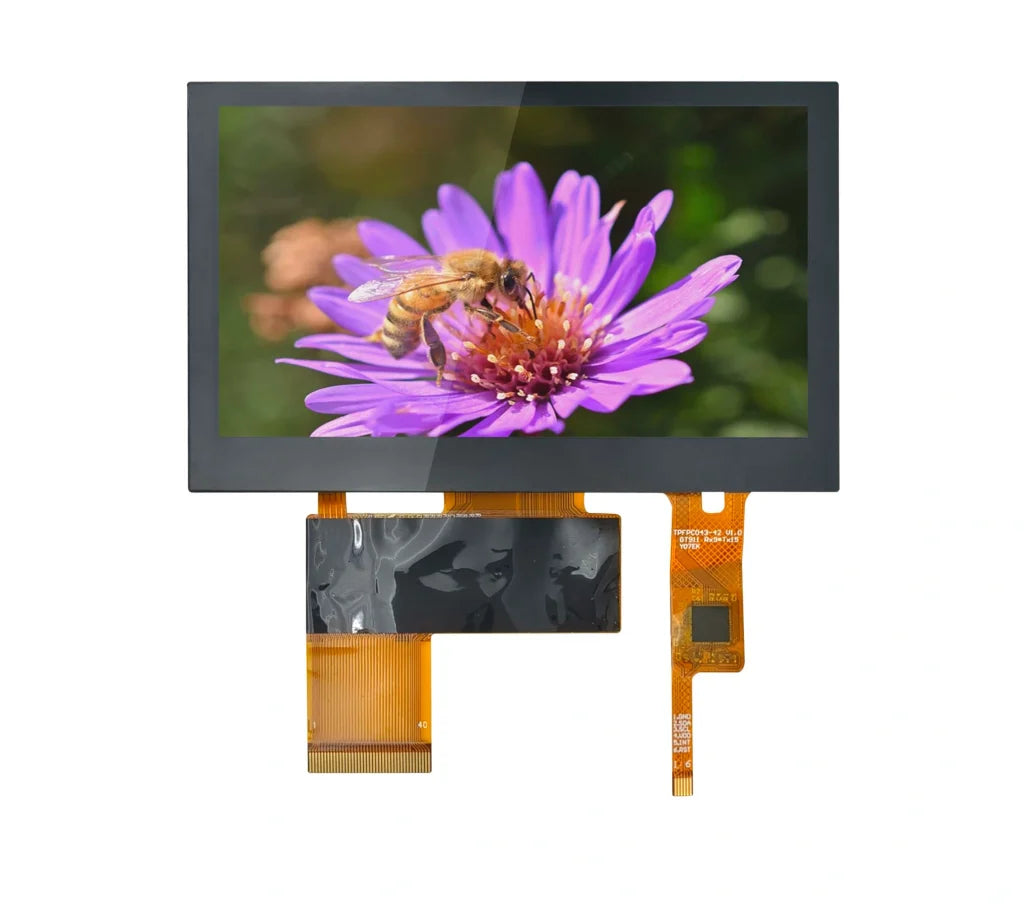
The core advantage of custom OLED lies in image quality. Its self-emitting pixels can achieve infinite contrast ratio and more vivid colors, but the cost is typically 30%-50% higher than TFT of the...
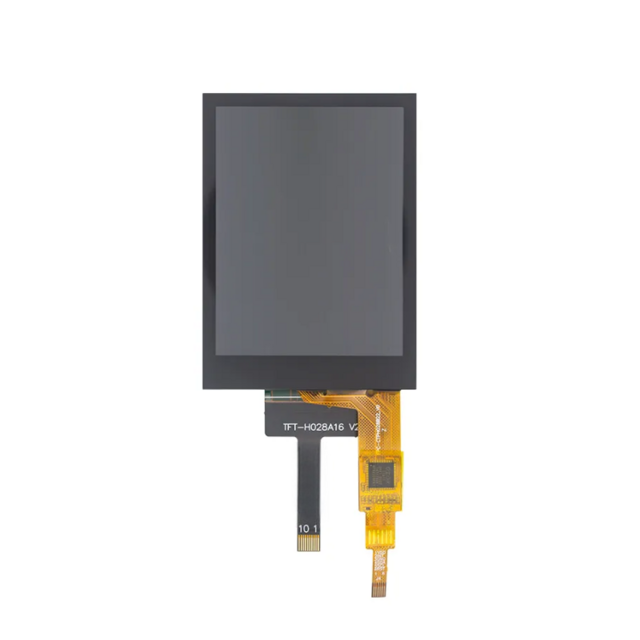
Selecting a TFT module must closely align with specifications and interfaces. Resolution (e.g., 800x480) and brightness (starting at 500 nits) are fundamental; industrial scenarios require attentio...
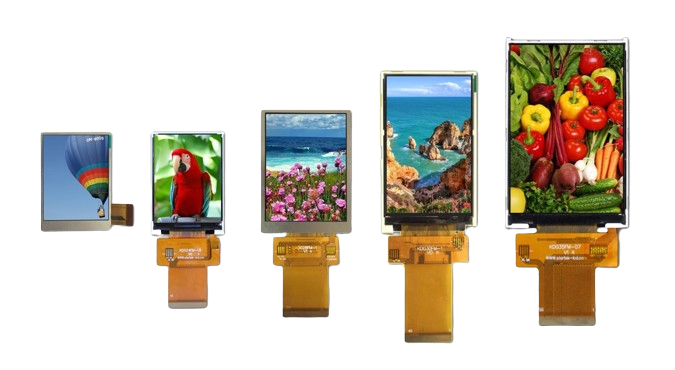
Custom TFT screens can precisely match performance requirements, such as industrial-grade wide temperature range (-30℃ to 80℃) and high brightness (1000 nits), but involve high development costs (N...