

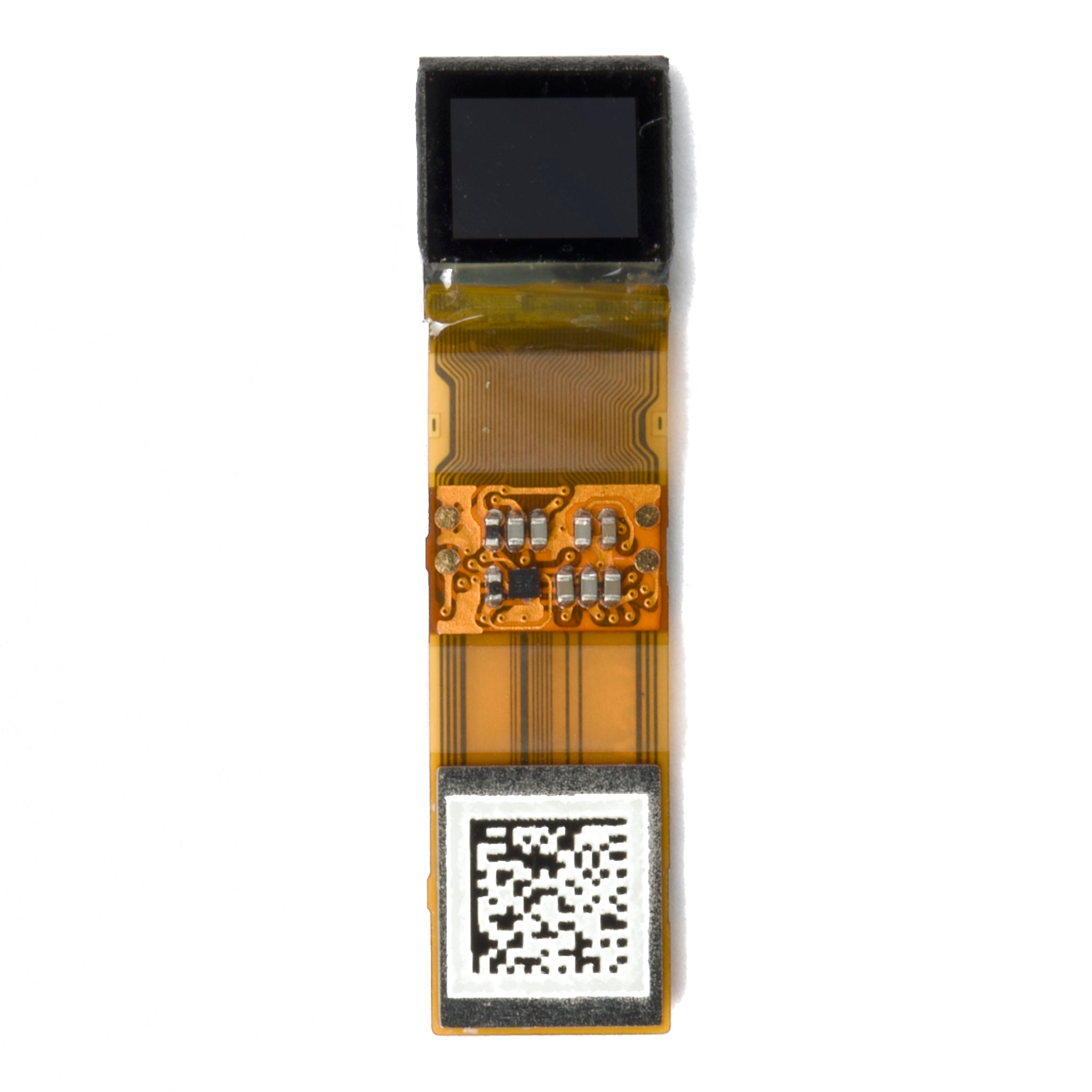
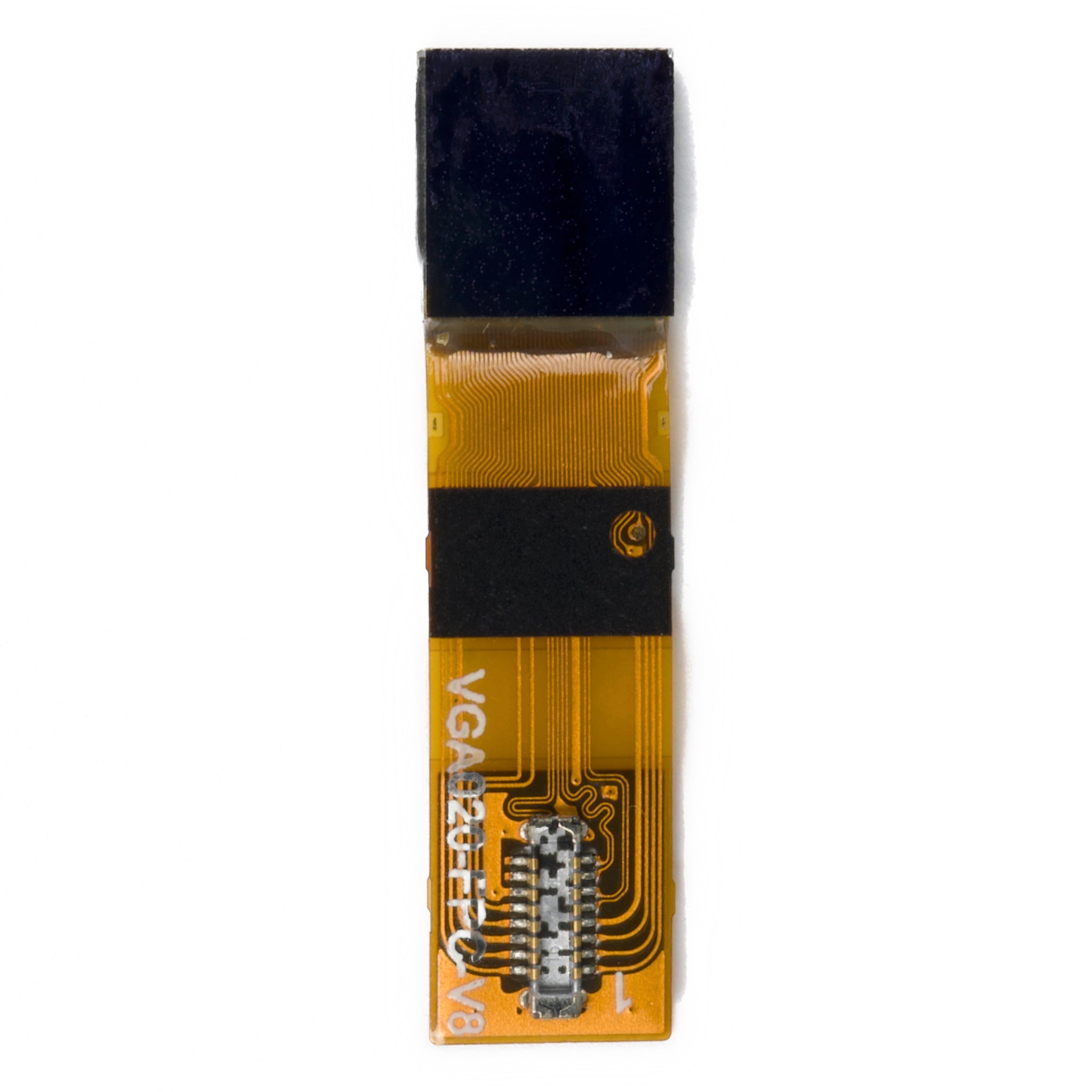
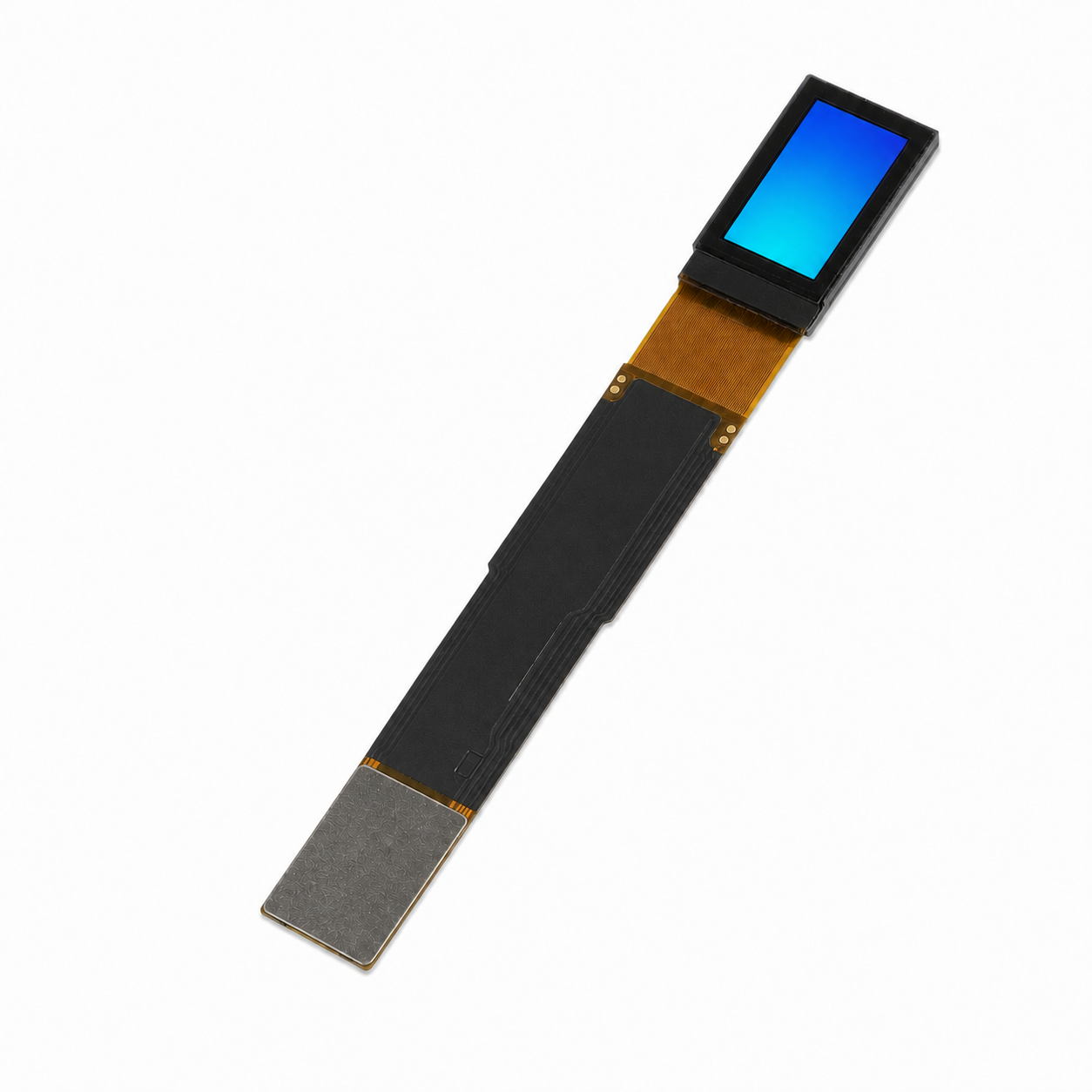
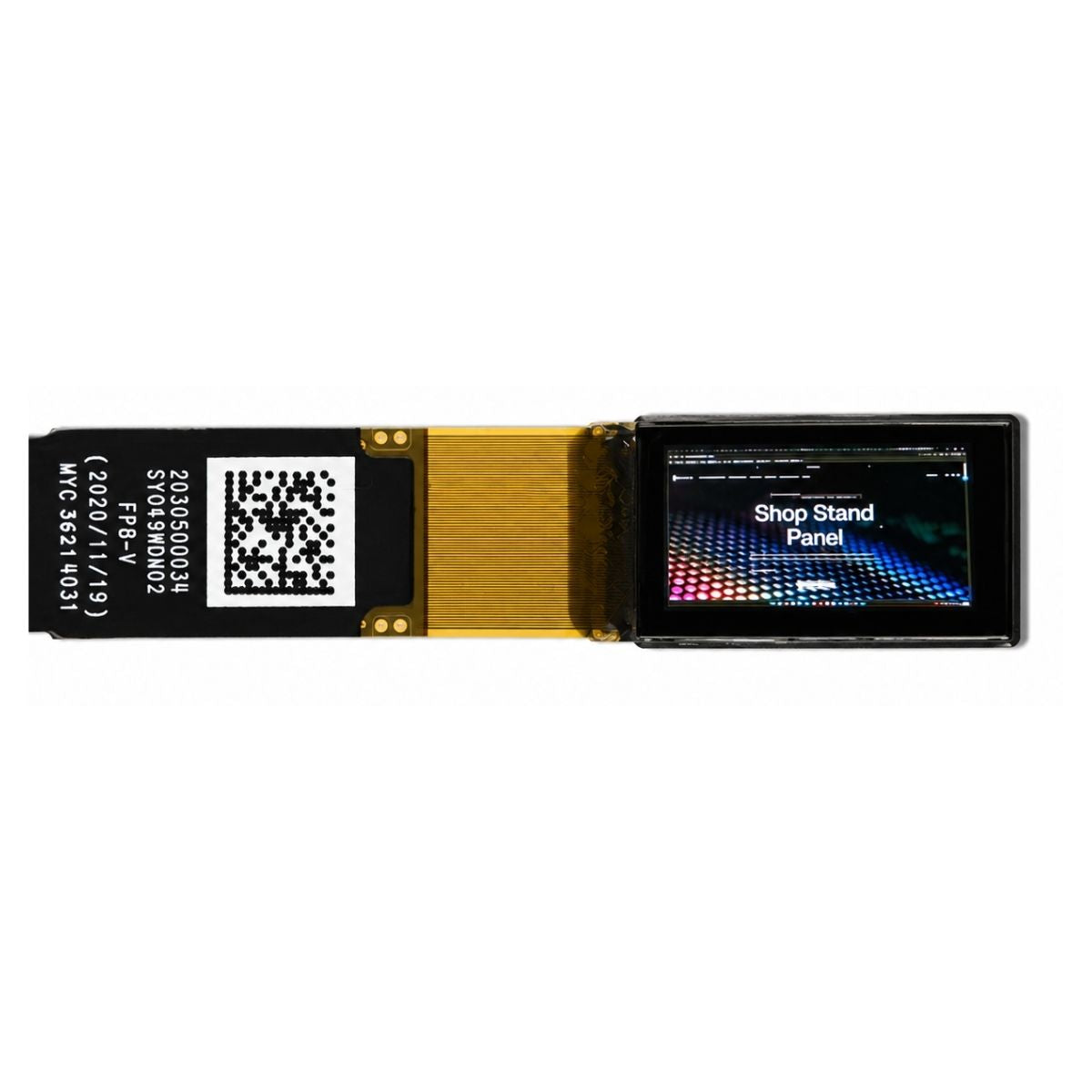
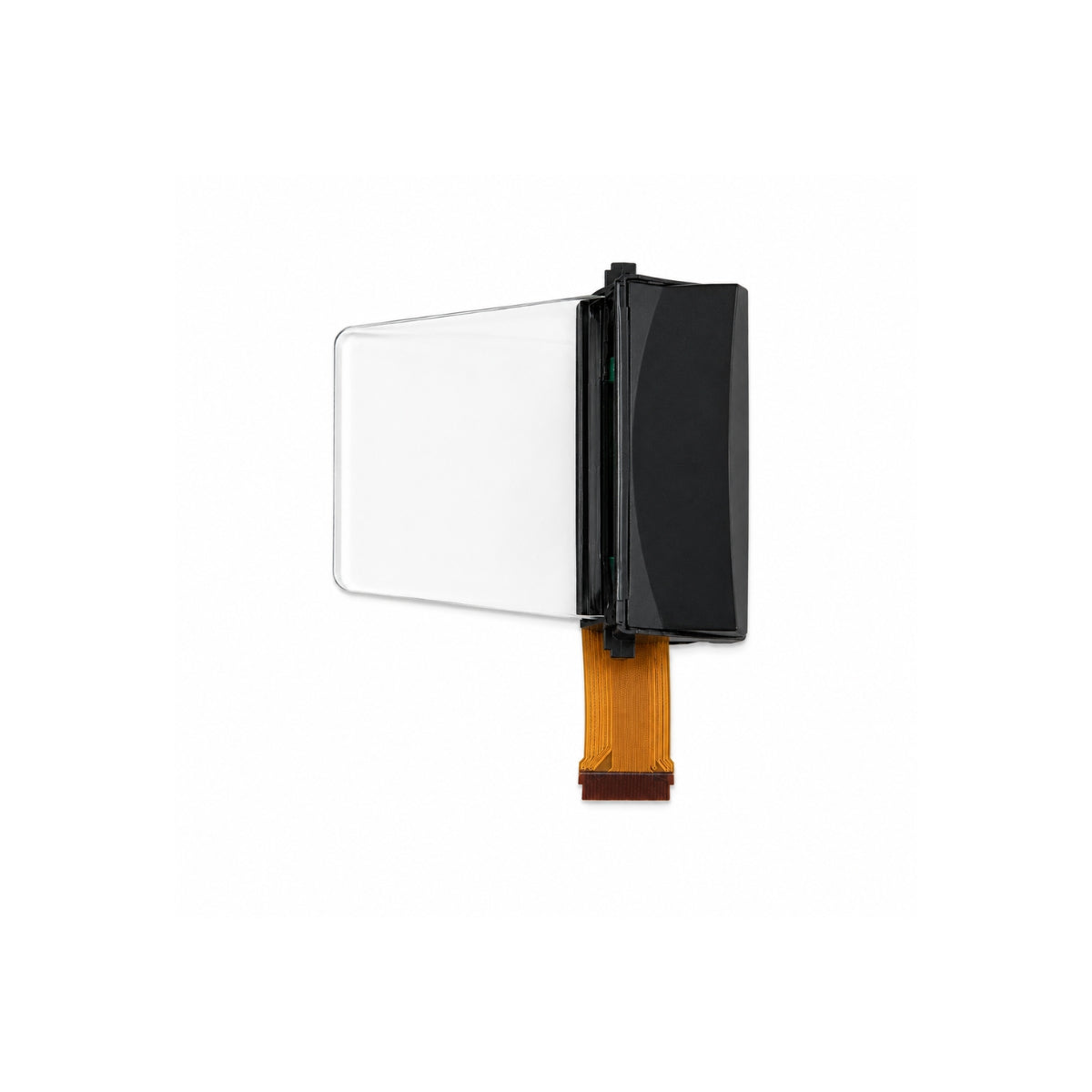
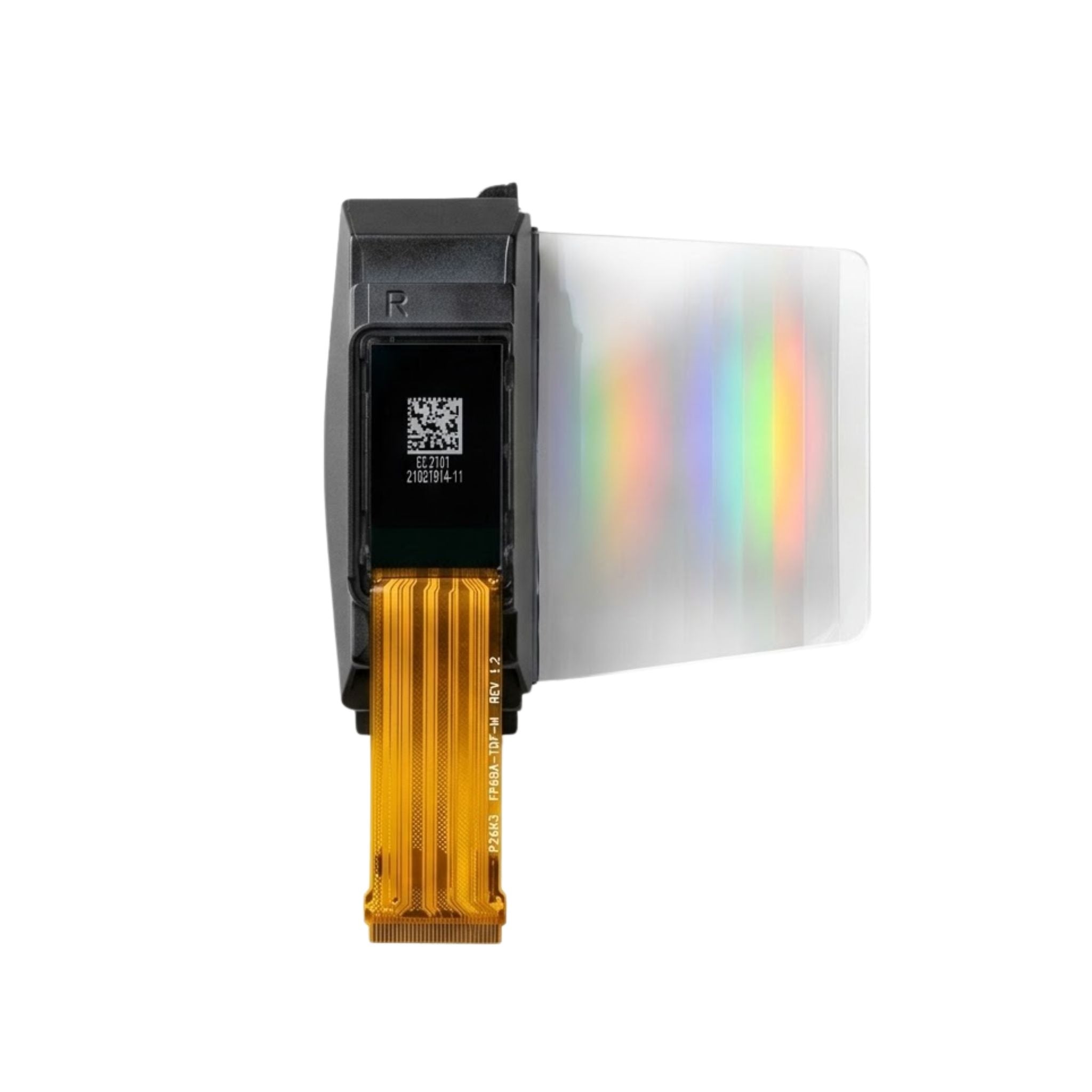


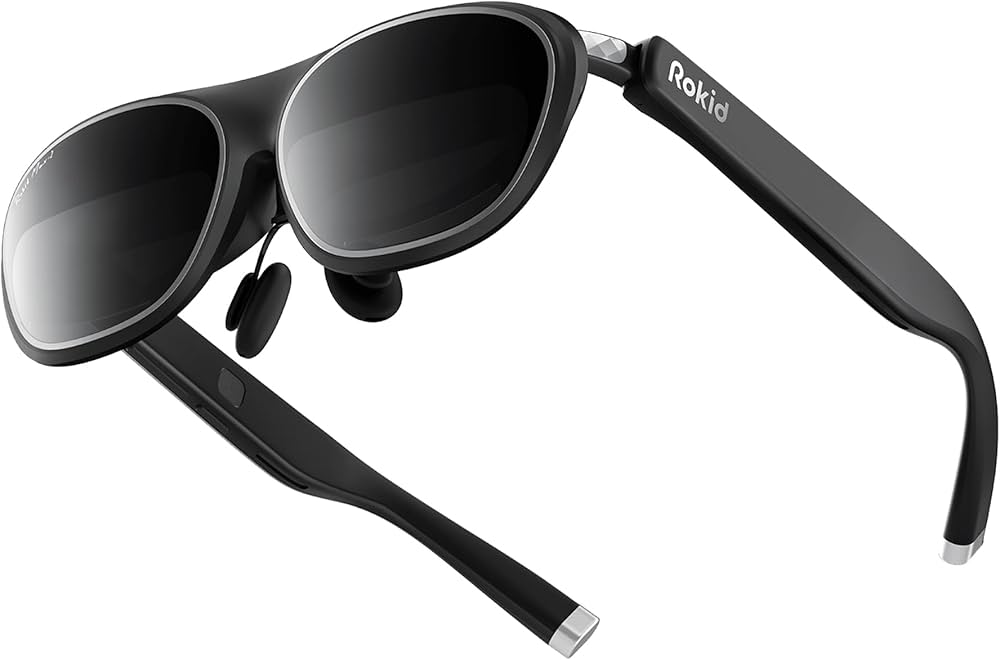
Choose Micro OLEDs for smart glasses with 720p+ resolution, >100k:1 contrast for clarity, and <10mW power at 1Hz refresh. Brands like Sony/Kopin lead; validate via ANSI brightness (>500nit...

Select Micro OLEDs for AR/VR with sub-10μs gray-scale response (system latency <20ms to cut dizziness), 0.7" 4K panels achieving 50°+ FOV, and >1M:1 contrast. Latency Up to 70% of VR users re...
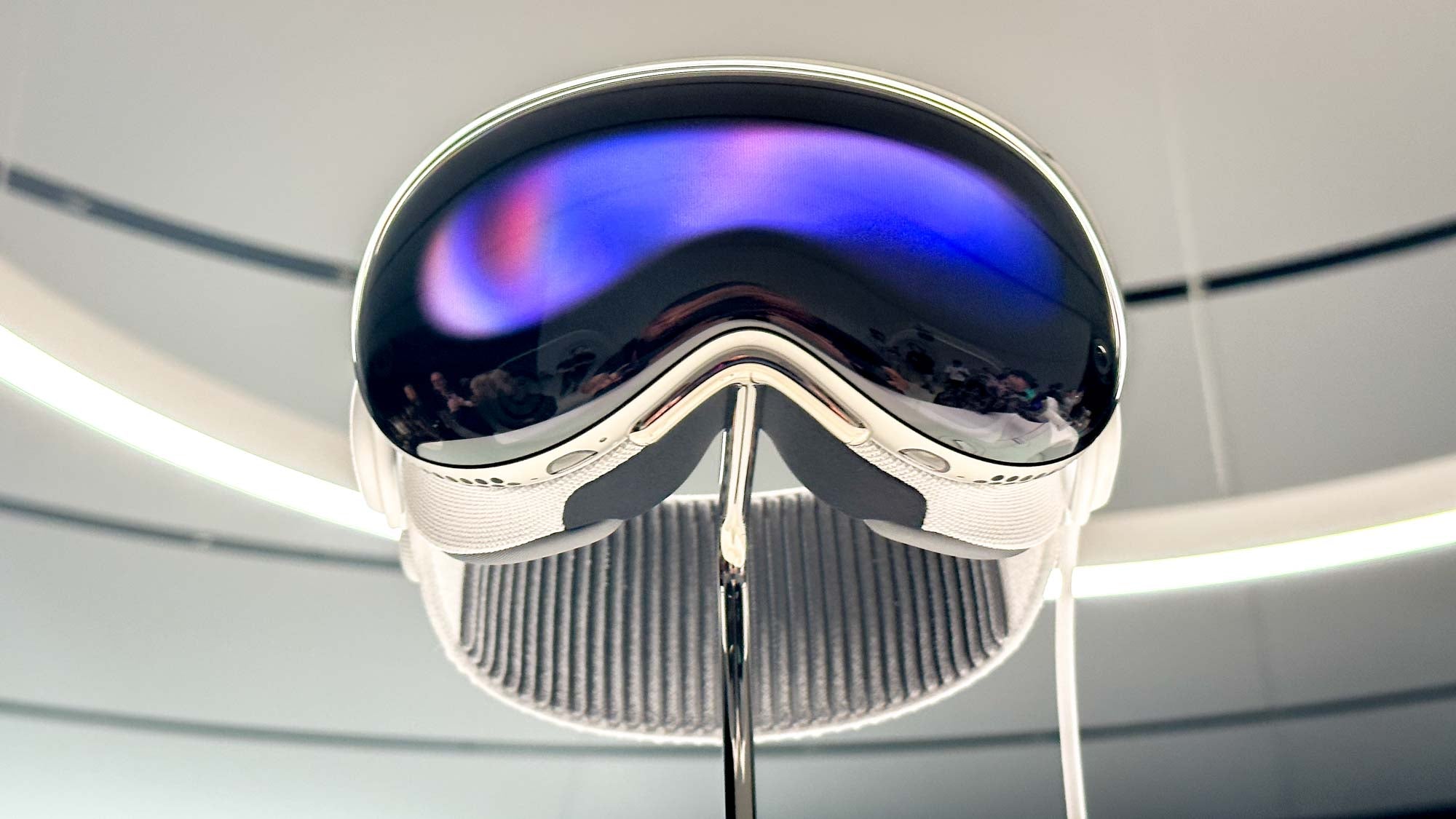
Opt for Micro OLEDs with clear specs: prioritize single/RGB panels (e.g., qVGA 320x240), check response time <0.8ms for motion clarity, and demand >1000nits brightness. Panel Type The market’...
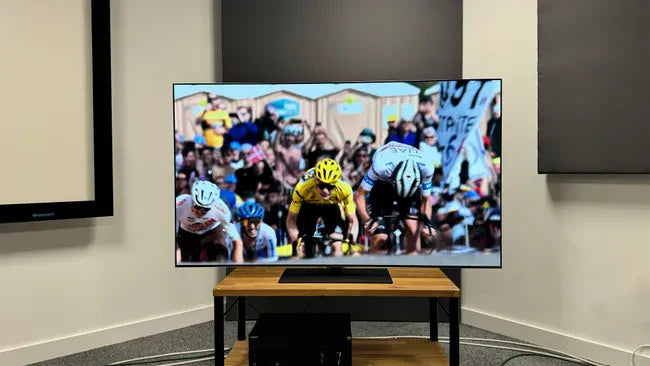
Micro OLED modules self-emit light via organic diodes, reaching ~5000 PPI for ultra-sharp visuals; crafted with LTPS backplanes and thin-film encapsulation (TFE) to shield pixels from moisture, tre...
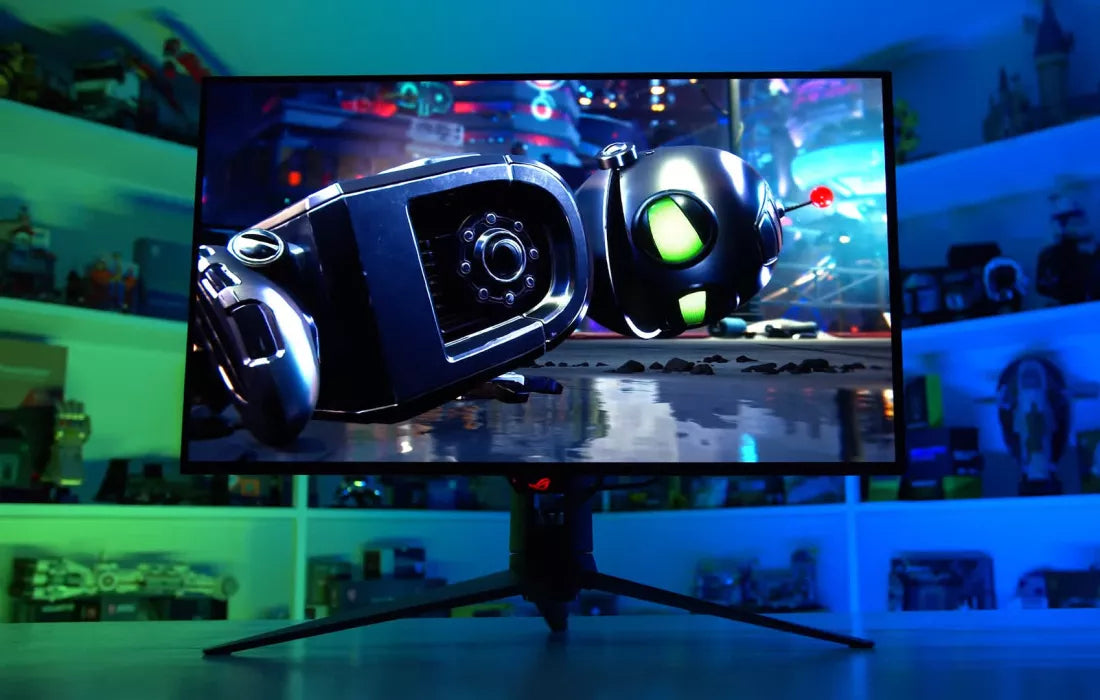
Best Micro OLED Modules shine with 2048x2048 pixel resolution for crisp text/images, a 1,000,000:1 contrast ratio deepening blacks/boosting vibrancy, and 90Hz refresh rate ensuring smooth motion. H...
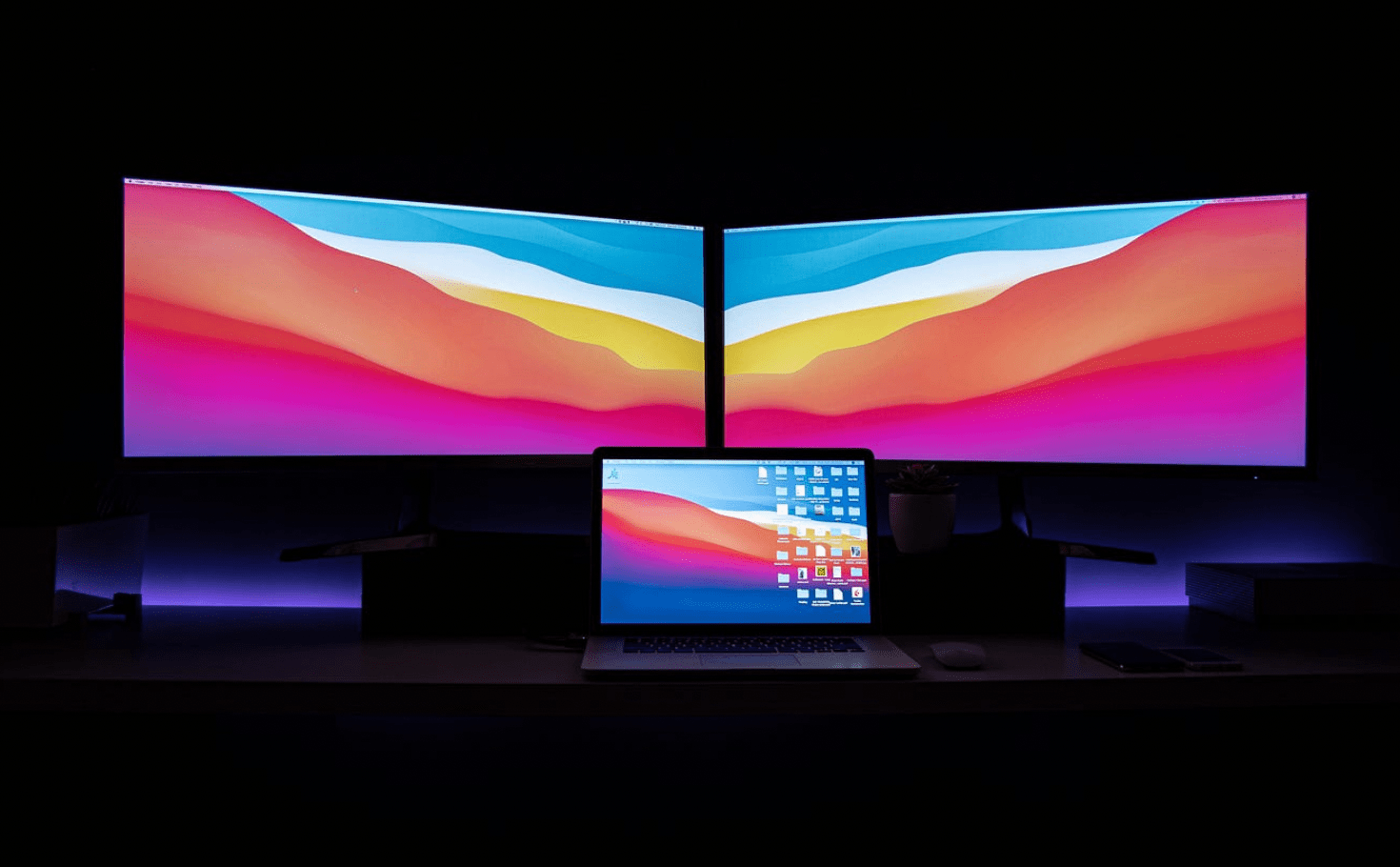
Comparing Micro OLED and Mini LED, Micro OLED shines in near-eye uses with ~4K single-eye resolution and low power (~10mW/eye), perfect for VR; Mini LED, via local dimming, hits 1M:1 contrast for T...

A Micro OLED module, a compact display tech embedding organic light-emitting diodes onto silicon wafers, boasts 3,000+ PPI and fits sizes under 1 inch, delivering ultra-crisp visuals; its perks inc...

This guide details micro OLED modules, emphasizing key specs: typical 320x240 resolution for crisp text/images, up to 3000 nits brightness enabling outdoor use, and applications spanning AR glasses...
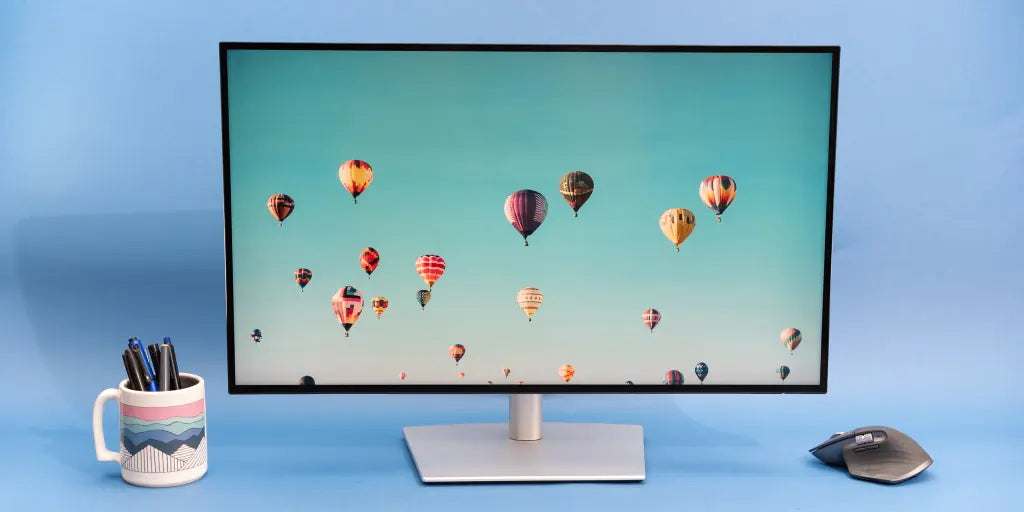
For your IPS display, gently clean fingerprints with a microfiber cloth lightly moistened in a 50/50 distilled water-white vinegar mix (skip alcohol!), adjust brightness/contrast to 70-80% to cut e...