

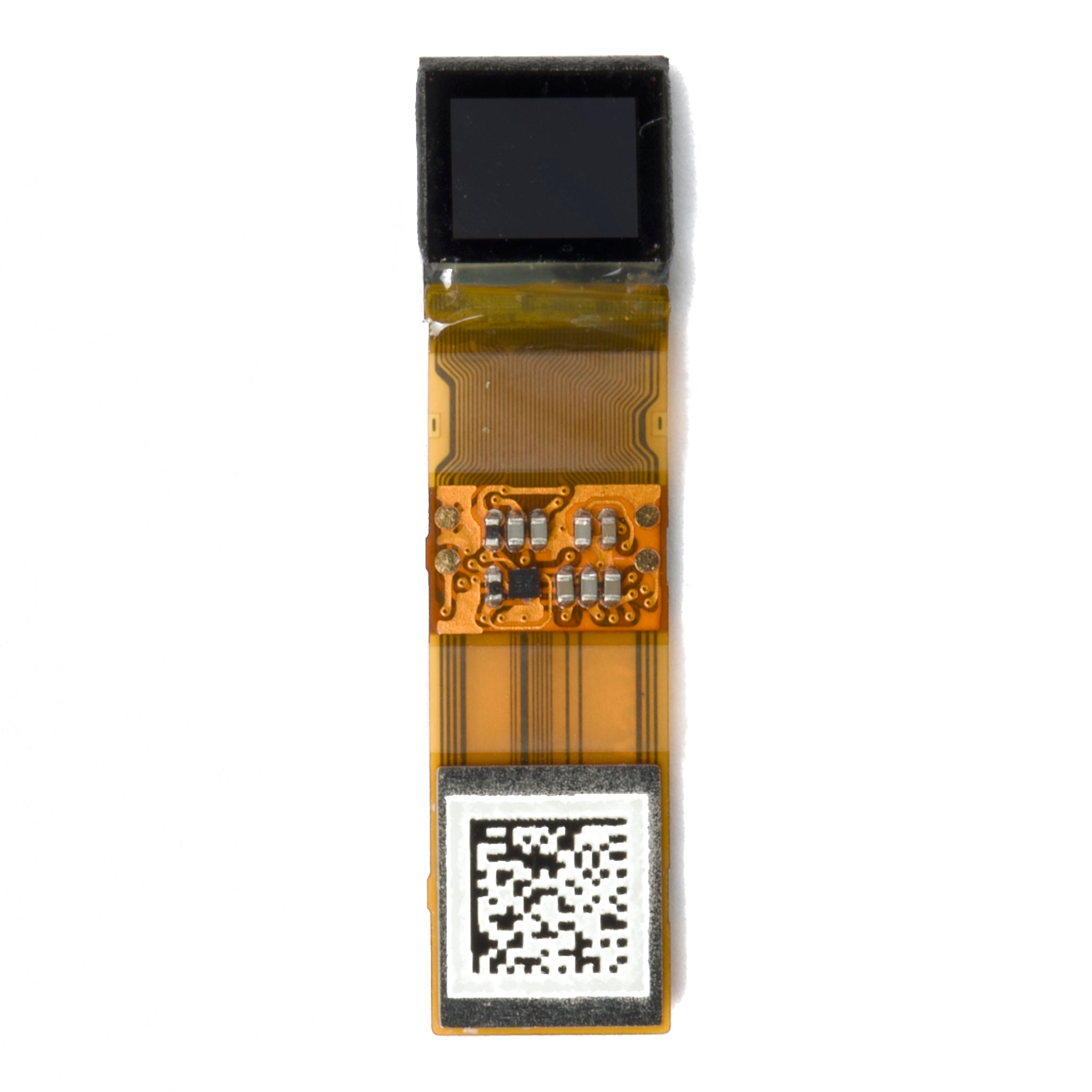
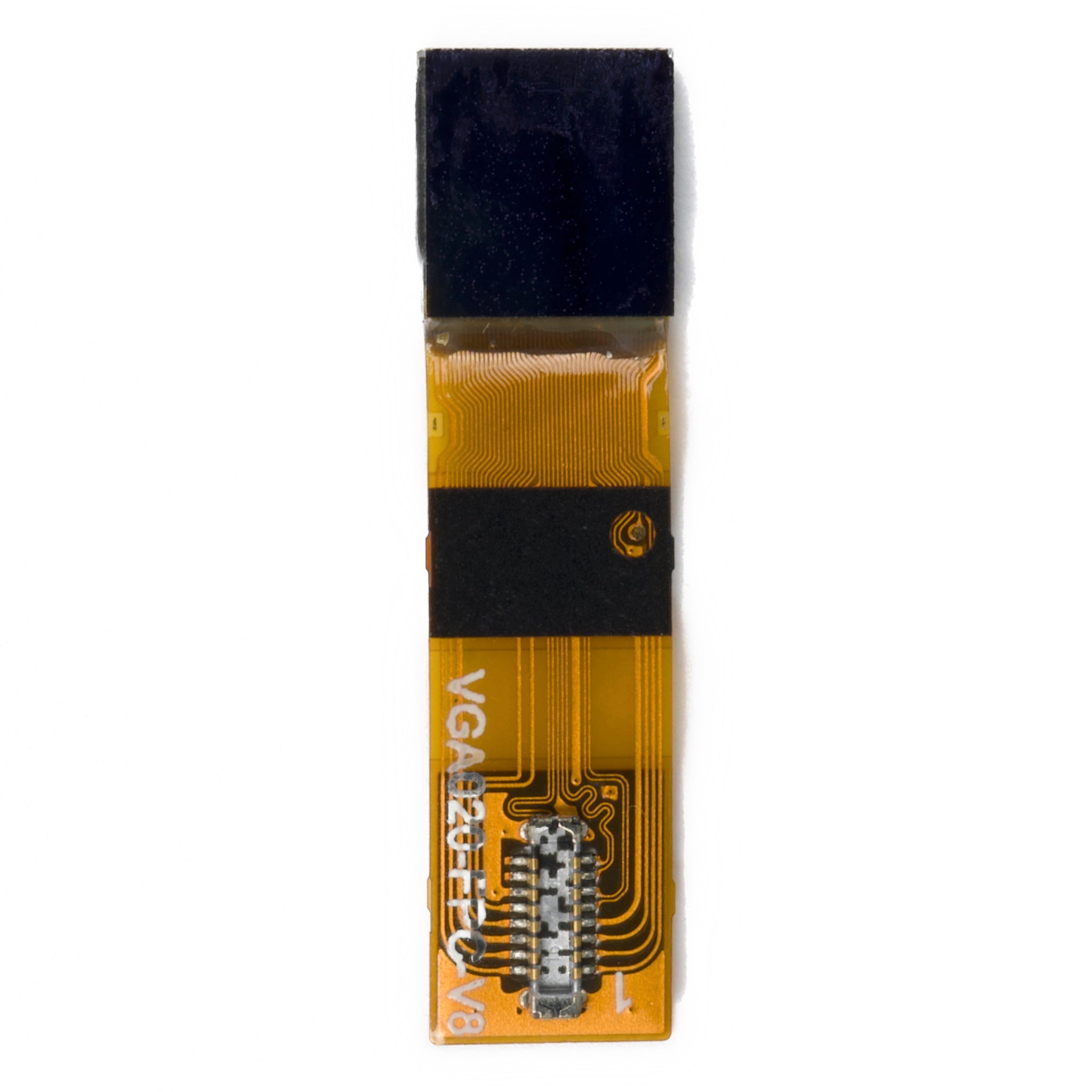
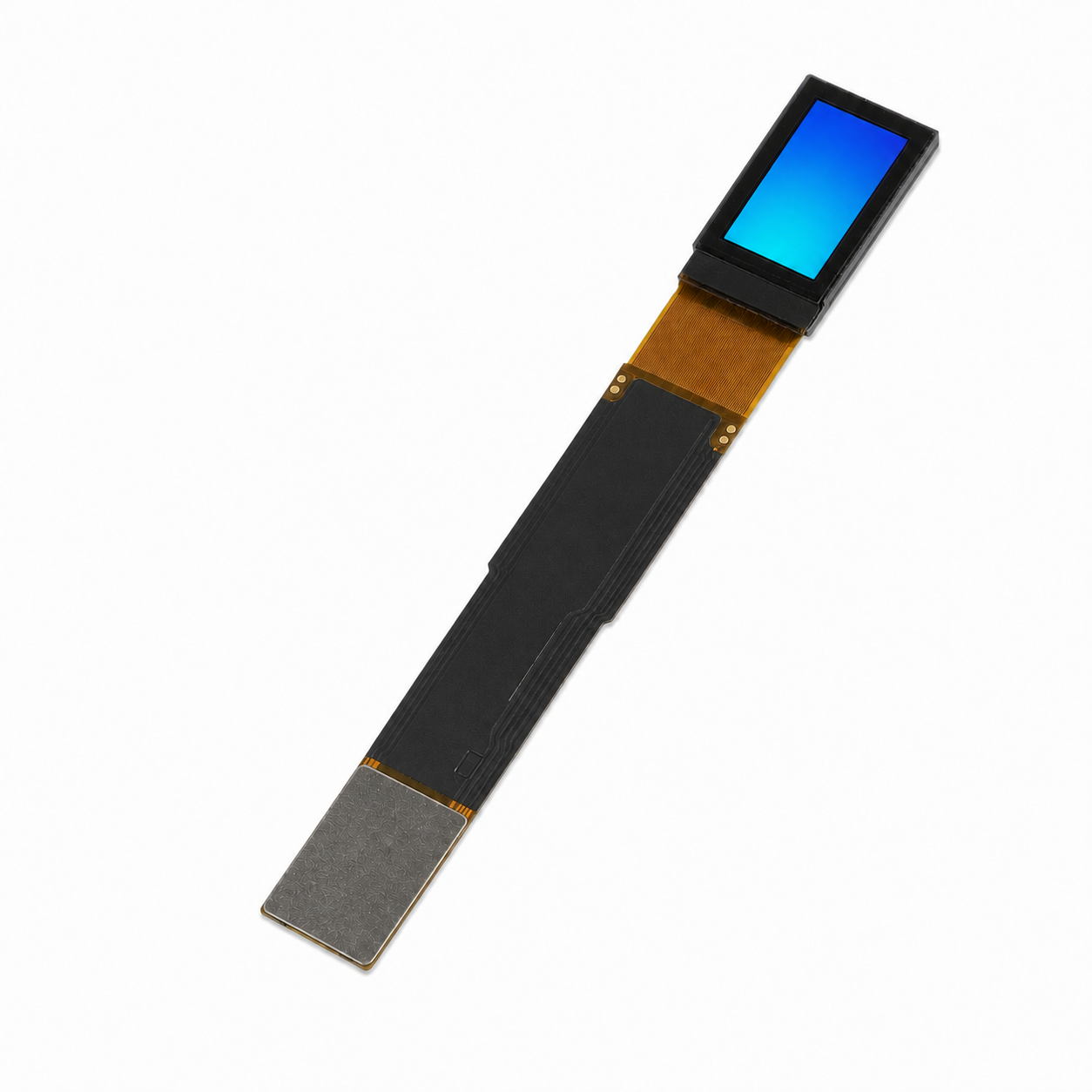
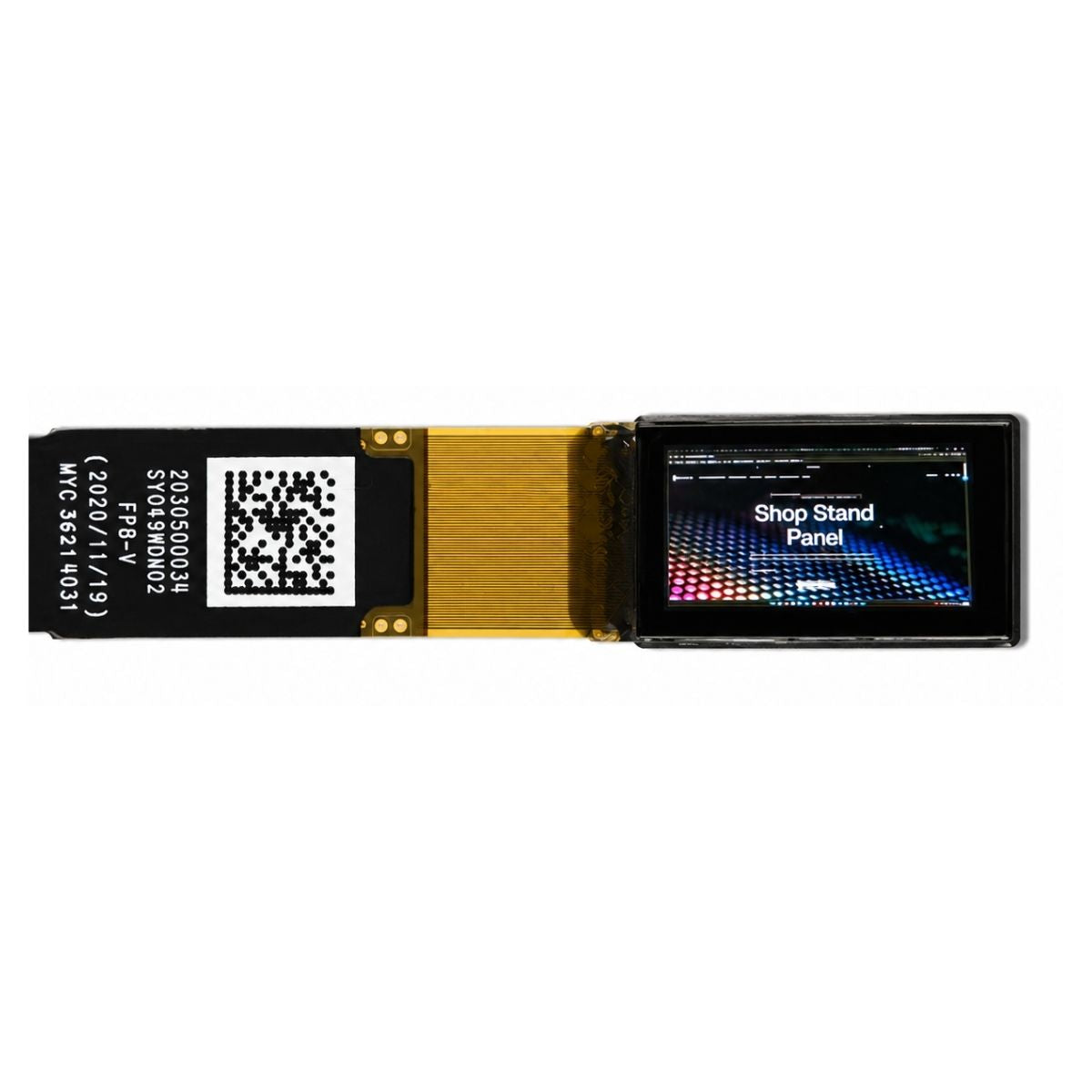
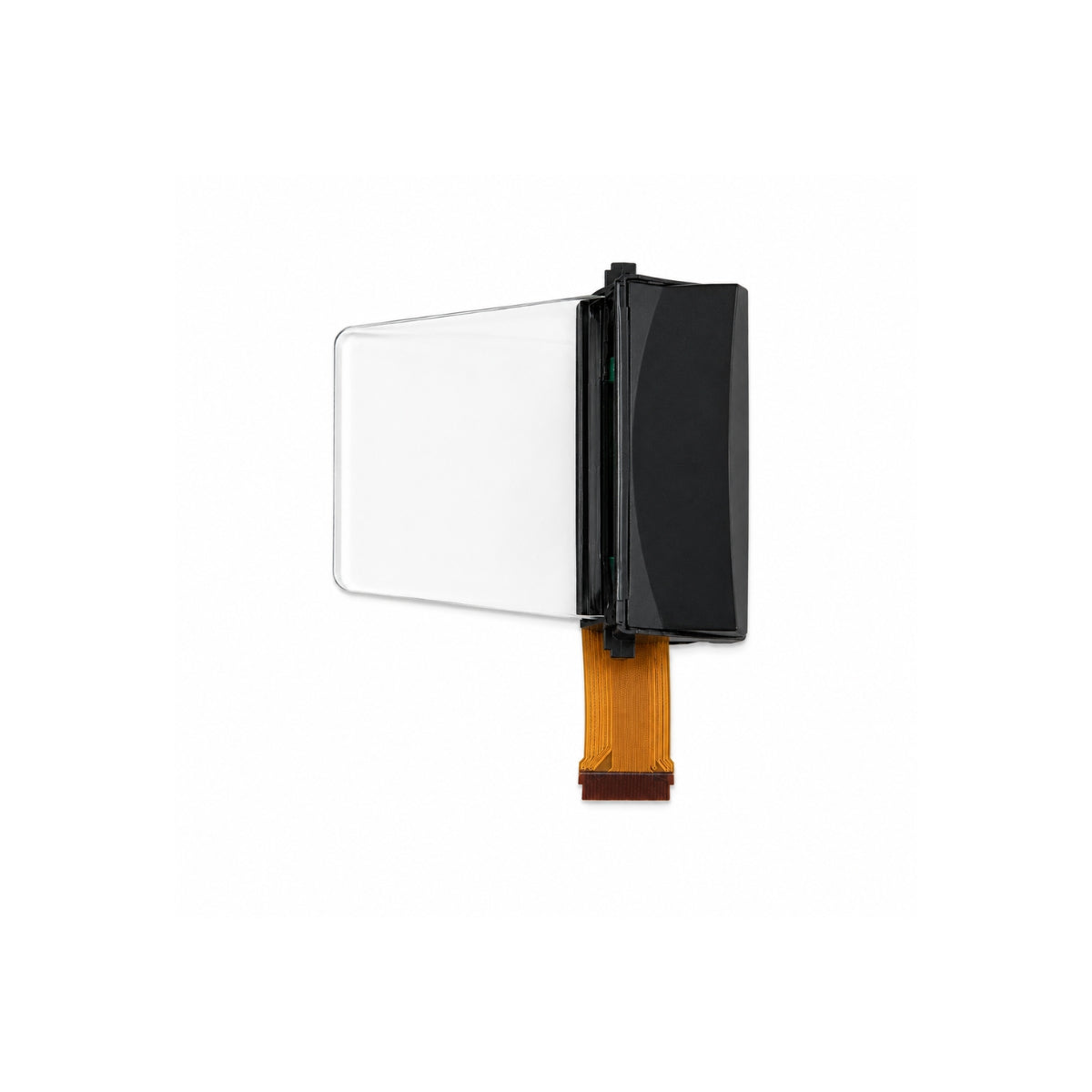
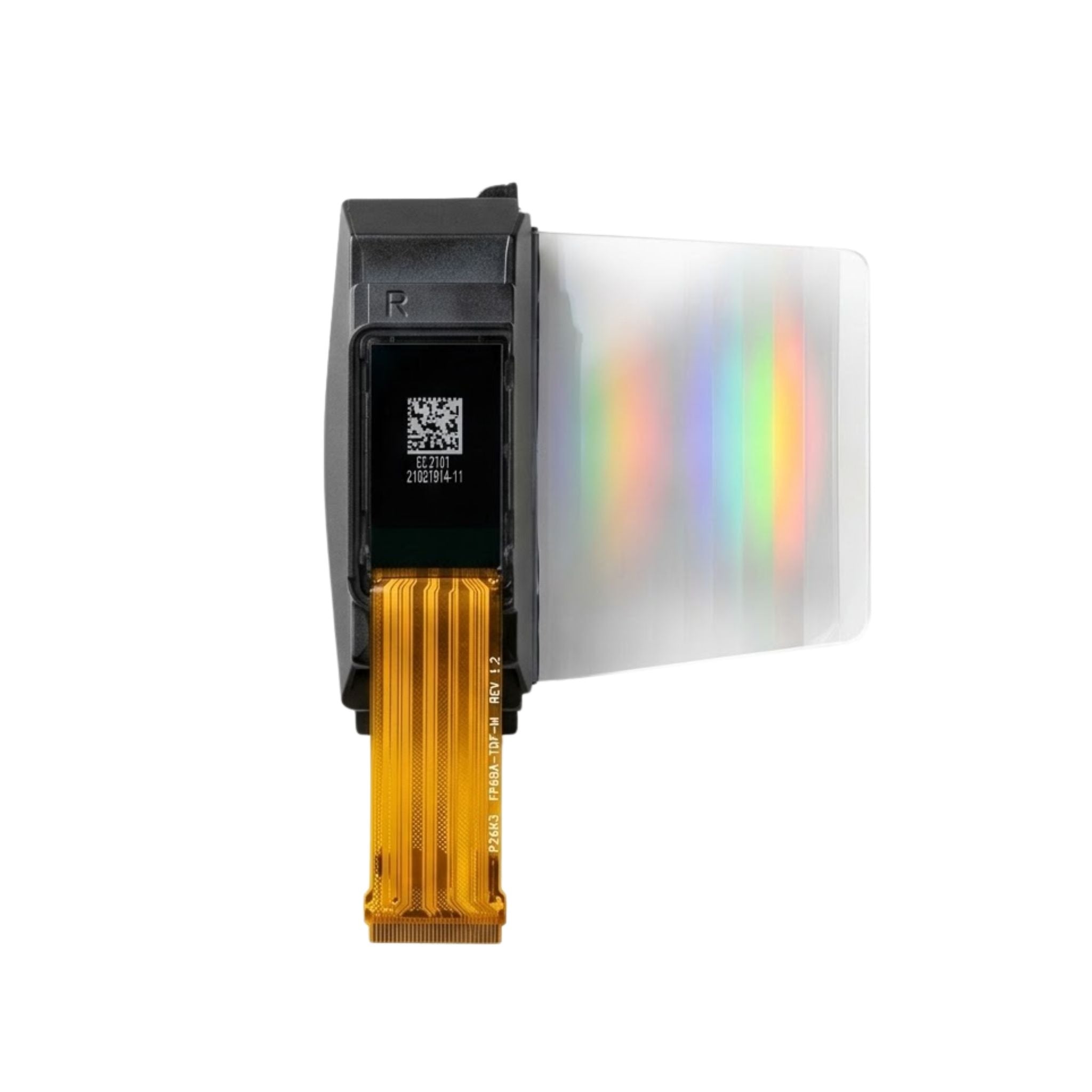


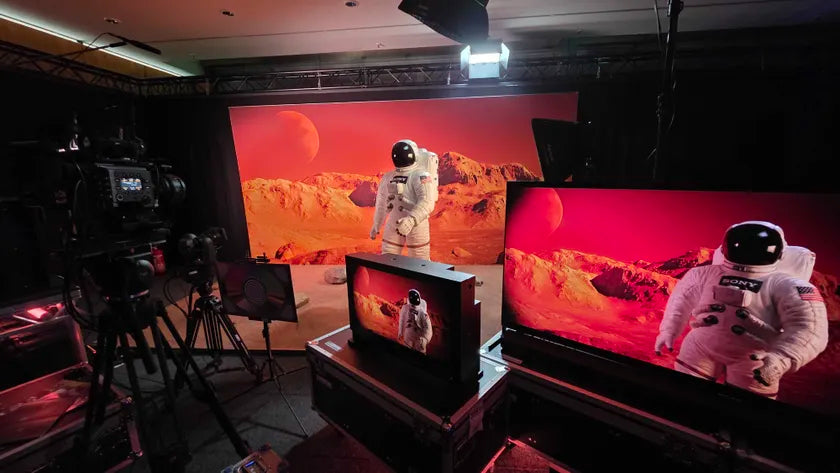
A Micro OLED module, a compact display tech embedding organic light-emitting diodes onto silicon wafers, boasts 3,000+ PPI and fits sizes under 1 inch, delivering ultra-crisp visuals; its perks inc...

This guide details micro OLED modules, emphasizing key specs: typical 320x240 resolution for crisp text/images, up to 3000 nits brightness enabling outdoor use, and applications spanning AR glasses...
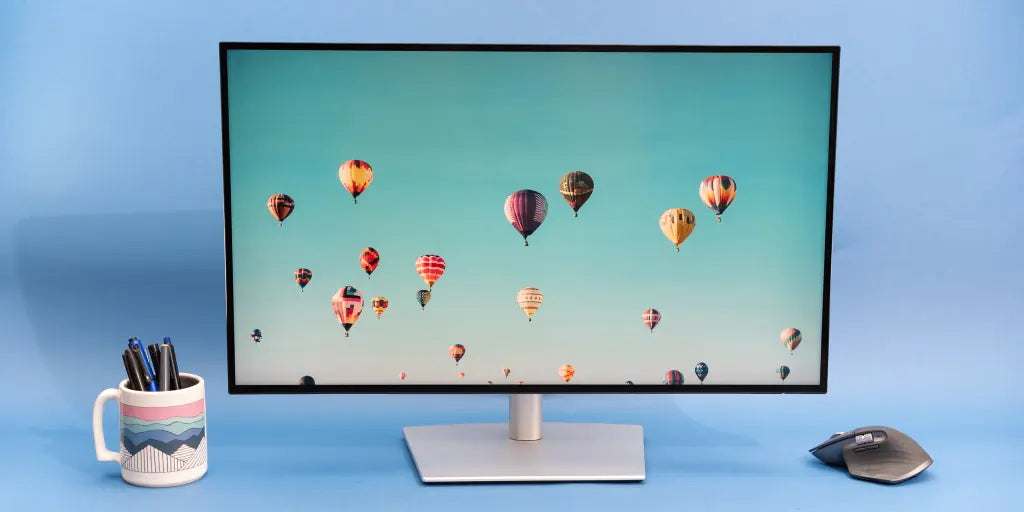
For your IPS display, gently clean fingerprints with a microfiber cloth lightly moistened in a 50/50 distilled water-white vinegar mix (skip alcohol!), adjust brightness/contrast to 70-80% to cut e...
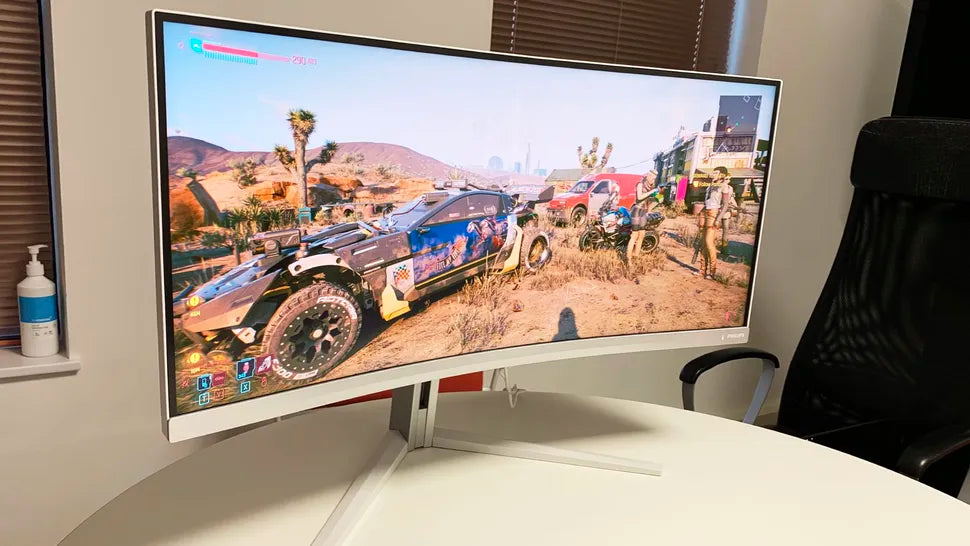
IPS displays usually reach 400-500 nits brightness with a 1000:1 contrast ratio, while Mini-LEDs hit 1000+ nits and boast 1,000,000:1 contrast via local dimming, using less energy by focusing light...
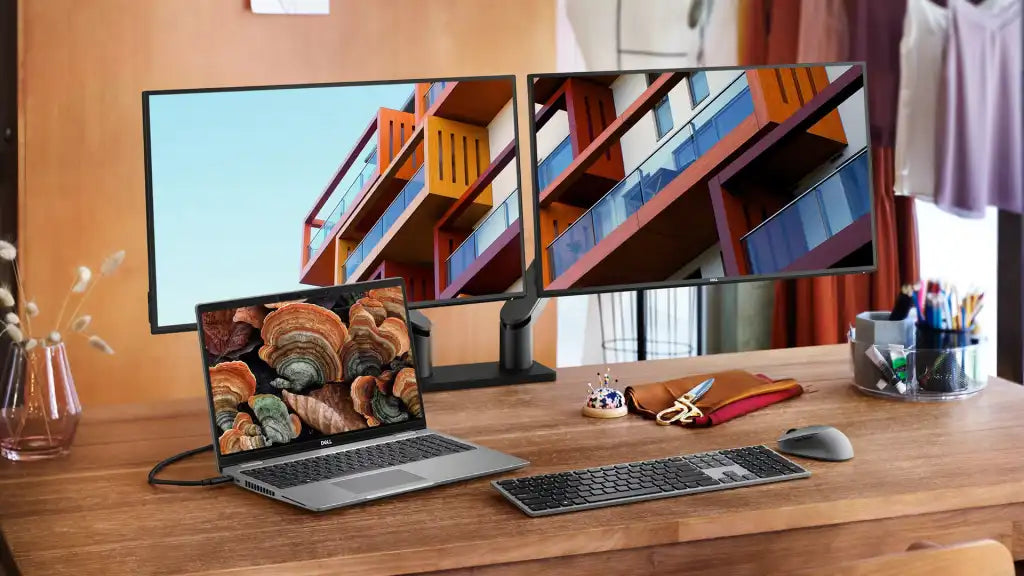
Though AHVA, PLS, and e-IPS all leverage IPS tech for wide ~178° viewing angles, they differ subtly: AU Optronics’ AHVA often hits higher contrast (~1000:1) for richer blacks; Samsung’s PLS typical...
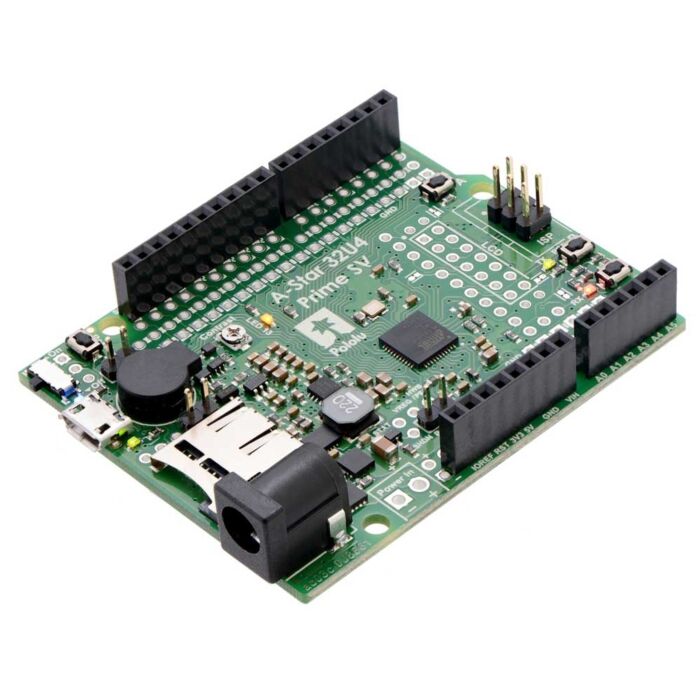
Character OLED modules support HD44780 protocols (parallel/I2C), using standard commands (cursor set, clear). Advanced features: 128x64 res, 1000:1 contrast, backlit control, blending legacy compat...
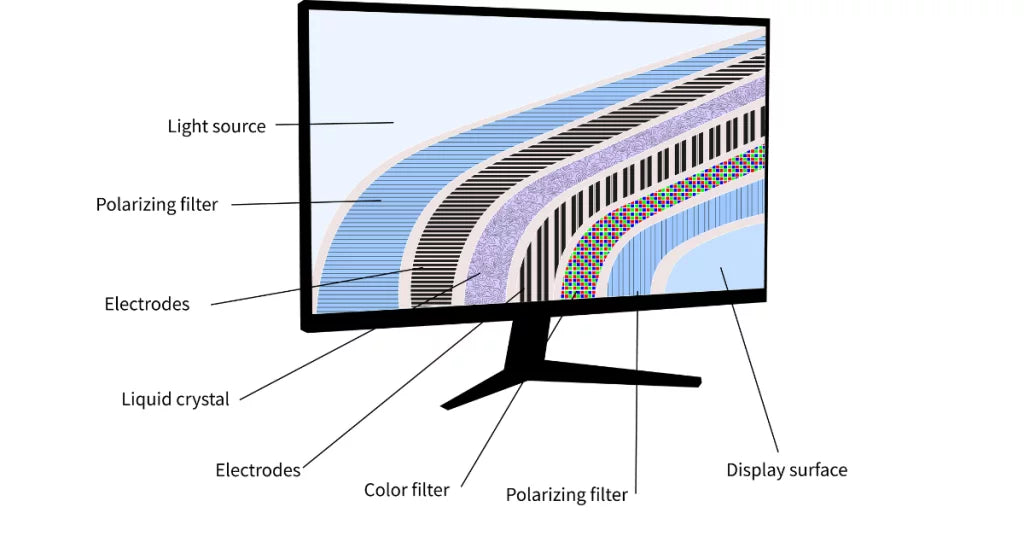
PMOLED uses row-column addressing (no TFTs), driving pixels via AC pulses (~10V). Found in 0.96” 96x64 displays (150cd/m²), powering smartwatches/calculators with <5mA power, ideal for compact, ...
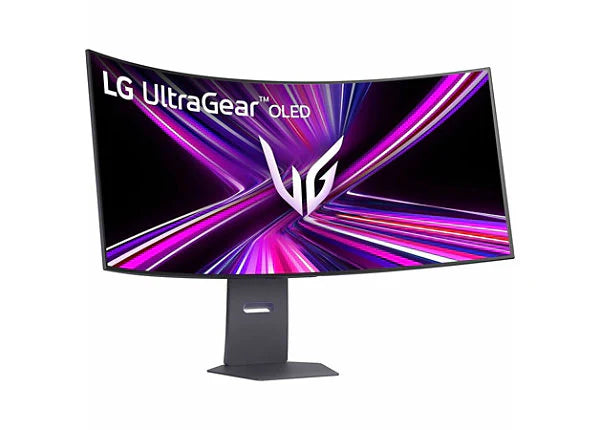
Character OLEDs use I2C/SPI interfaces (100kHz/1MHz), paired with SSD1306/SH1106 controllers. Drive via 3-5V, ~20mA; initialize with commands (set contrast, display on), loading fonts for alphanume...
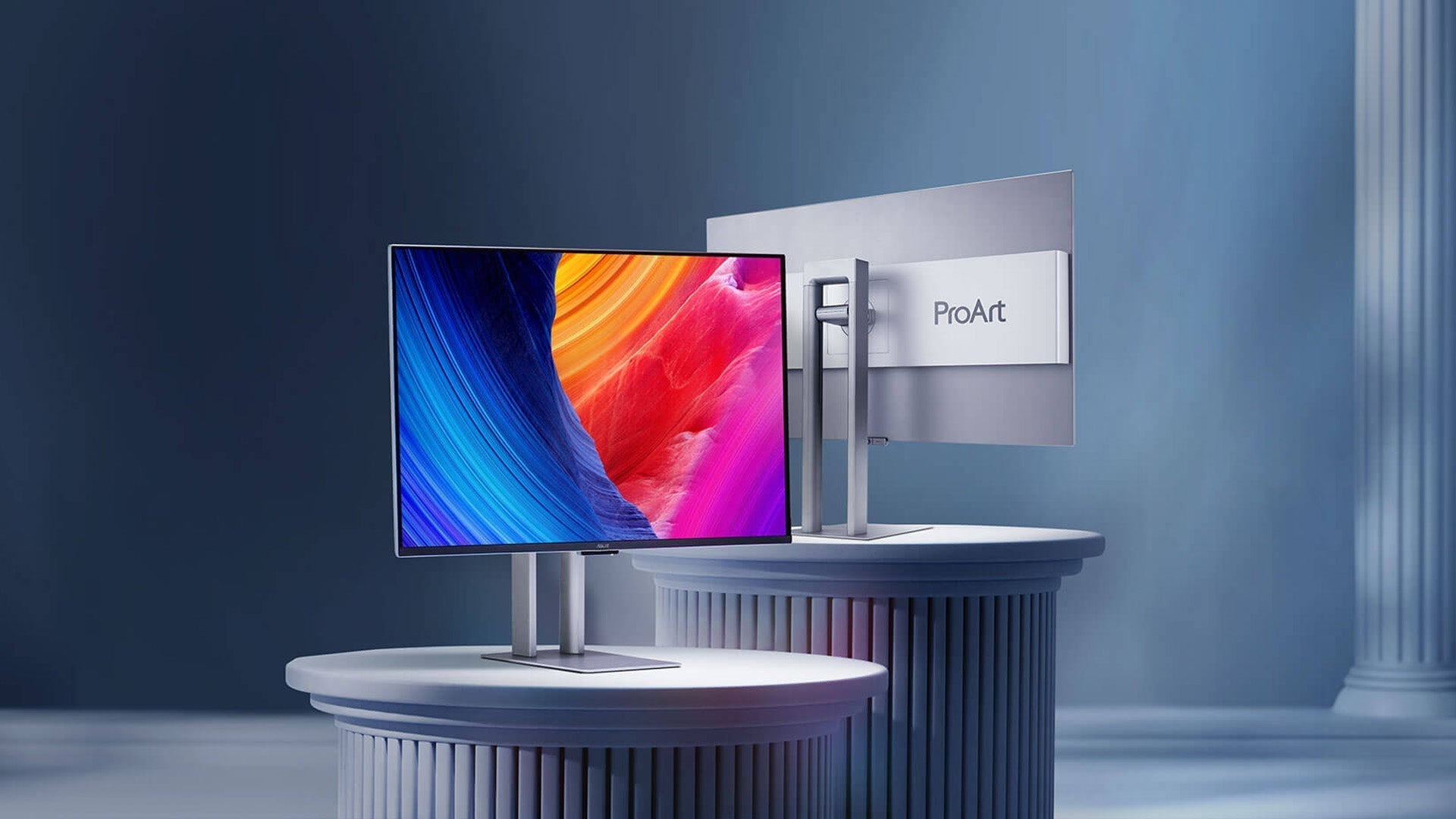
2025’s character OLED guides highlight self-emissive tech (1000:1 contrast, μs response), used in industrial dashboards/smart home panels. Select via 128x64 res, 500+ cd/m² brightness, and I2C/SPI ...