



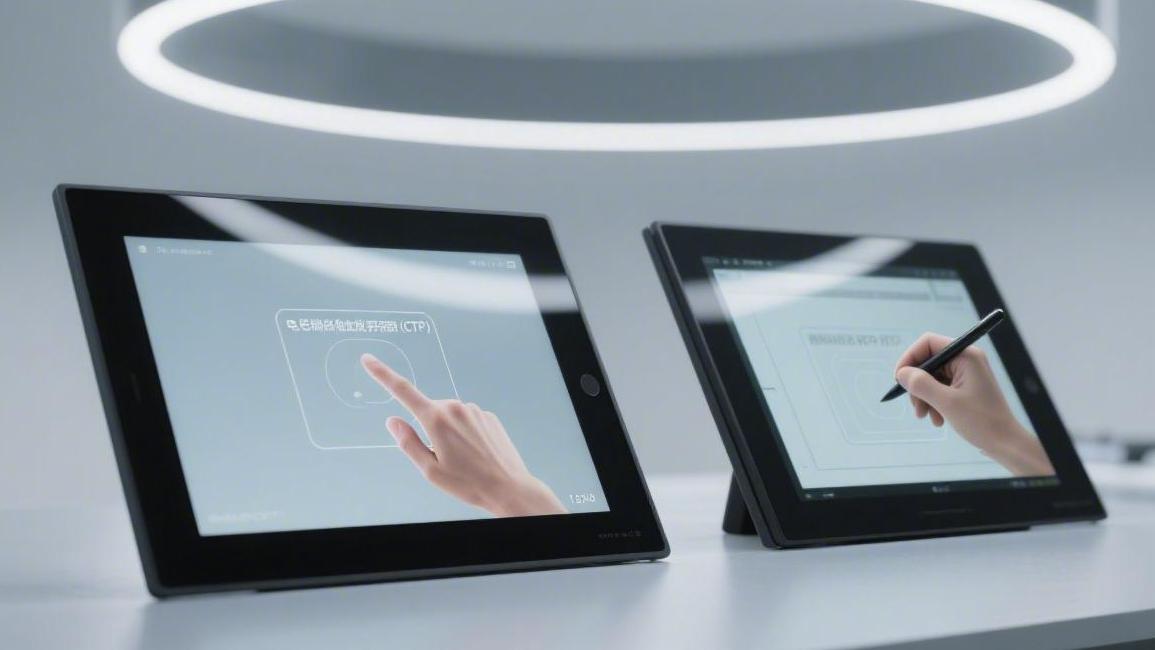
When selecting touch screen technology, trade-offs must be made based on the application environment and cost budget. Projected Capacitive (CTP) screens, with light transmittance exceeding 90% and ...

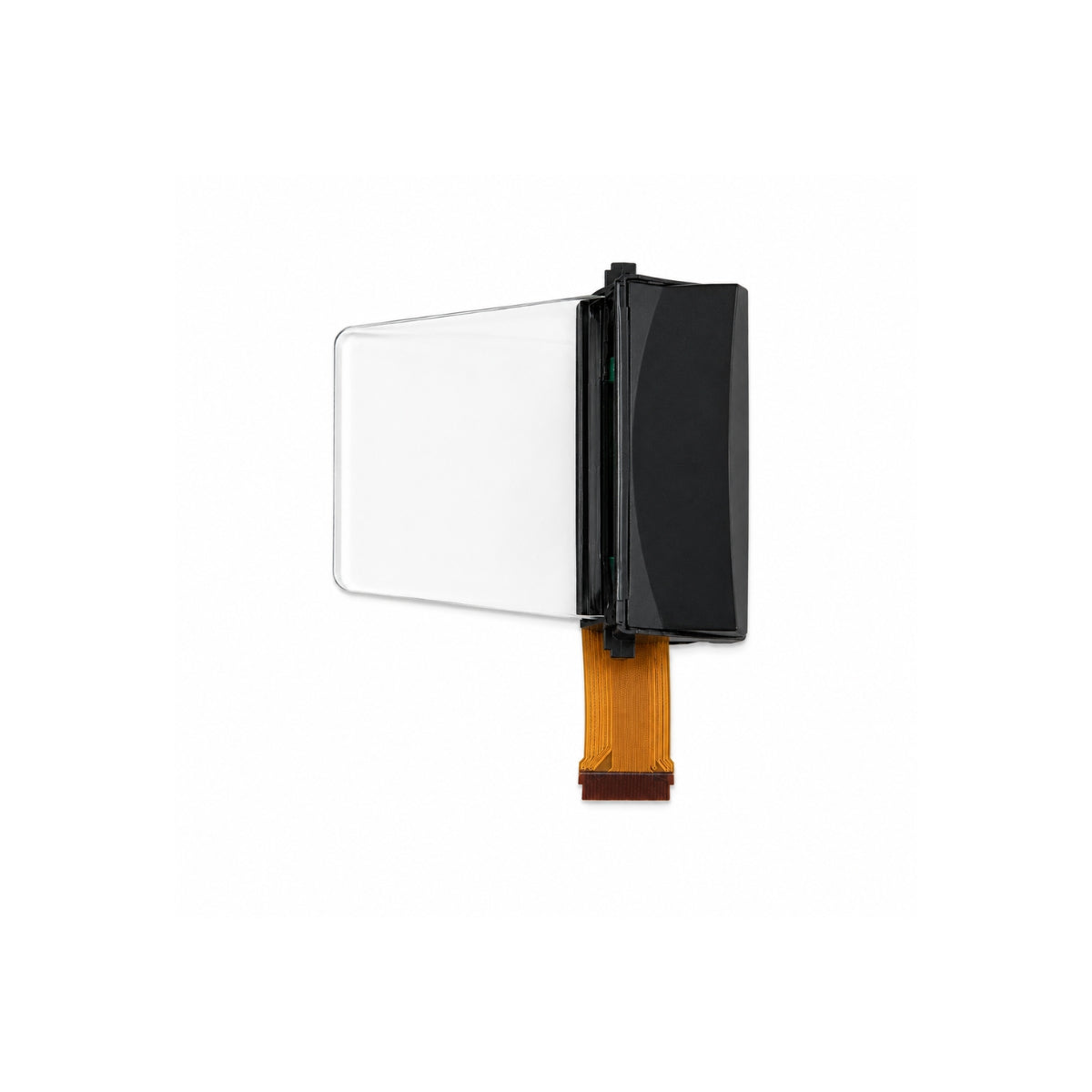
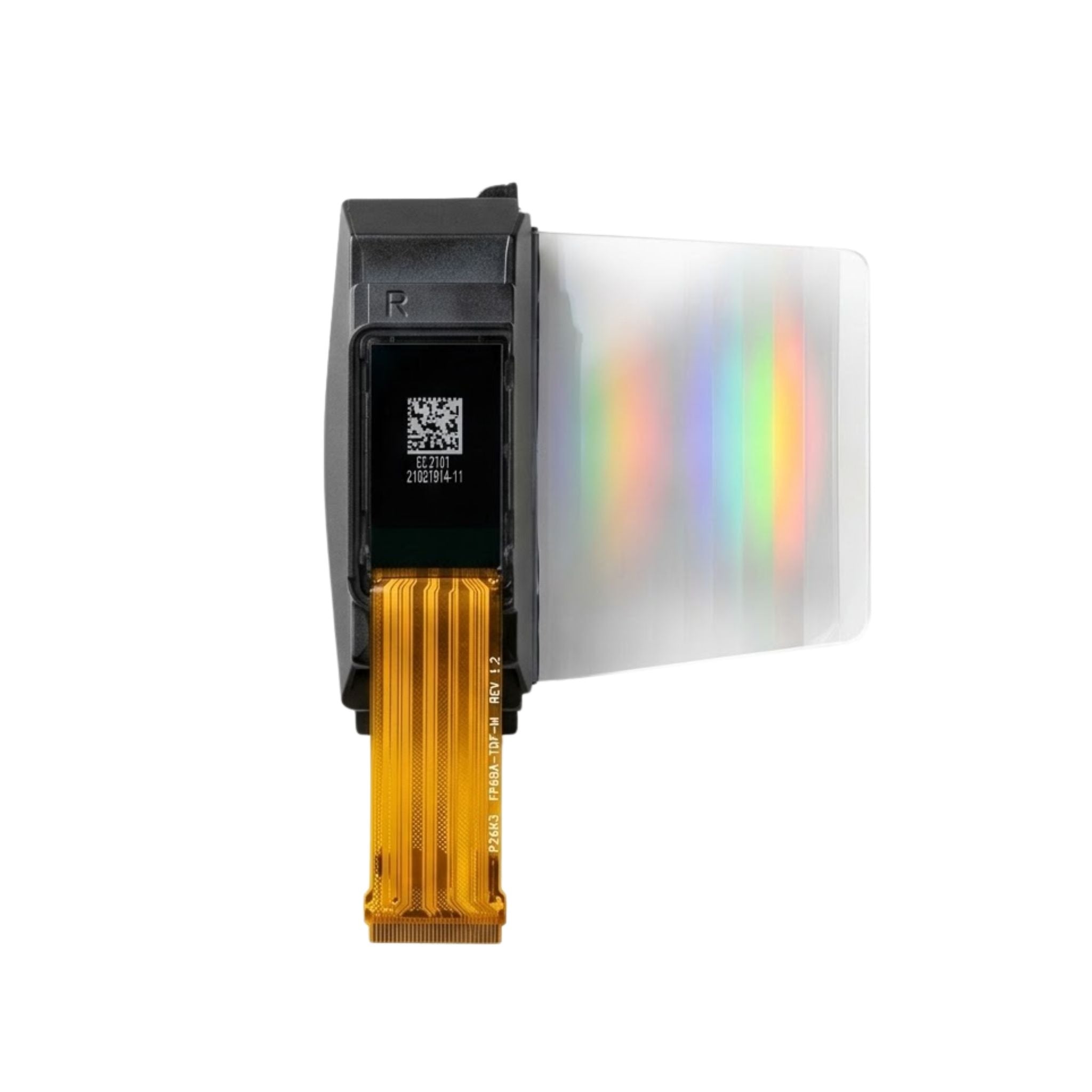
Selecting a wearable display requires a precise balance of size, power consumption, and visibility. For smartwatches or AR glasses, core sizes mostly range between 0.39 and 1.4 inches. To ensure ba...

OLED achieves an absolute black field of 0 nits and infinite contrast through pixel self-emissivity, offering a transparent picture quality that makes it the top choice for dark-room cinemas. Mini ...

IPS panels excel with 178° wide viewing angles and high color accuracy, but have slightly higher power consumption; TN panels have narrow viewing angles and are prone to color shifting, but their p...
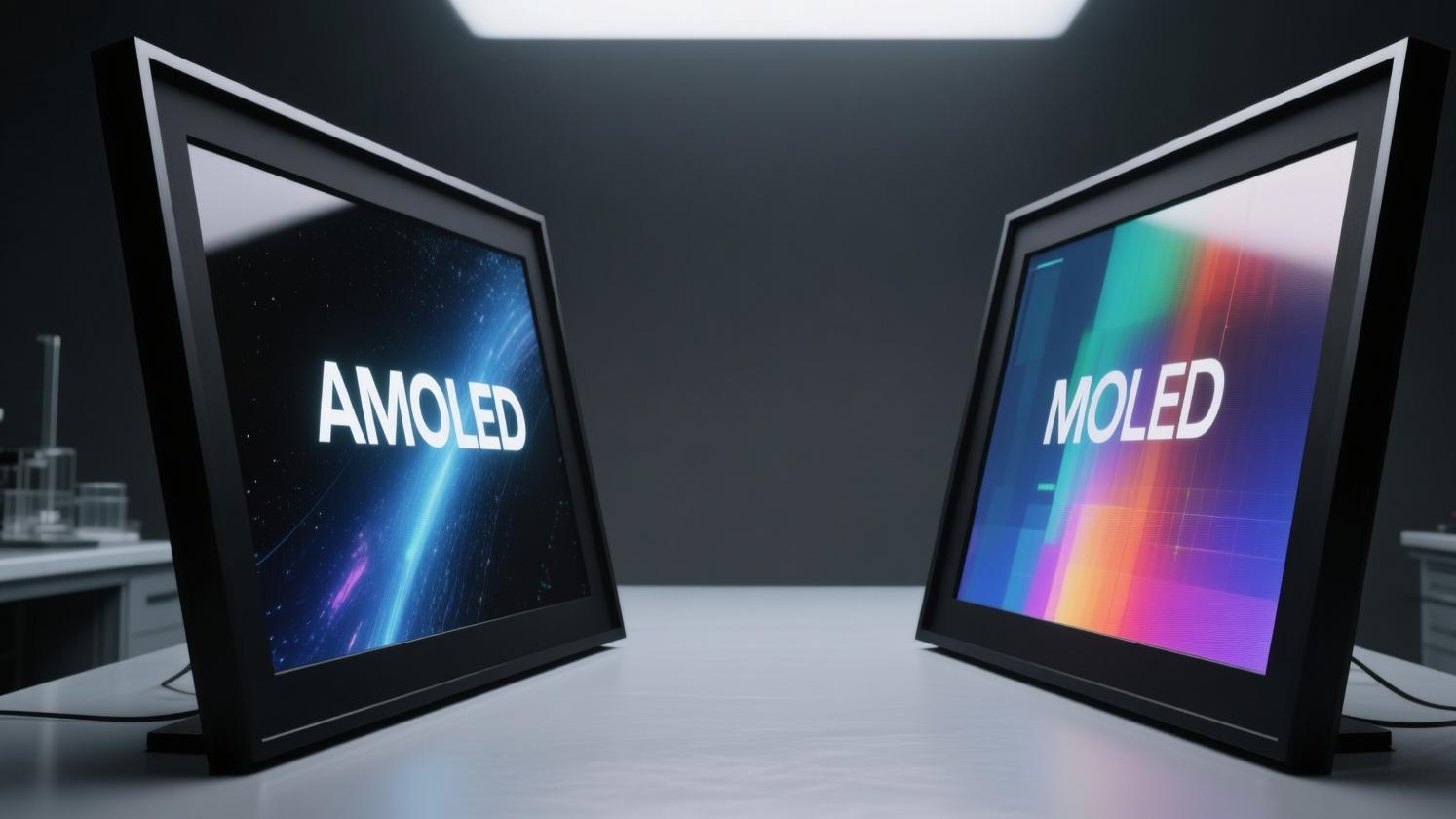
AMOLED relies on a TFT active matrix to achieve an ultra-fast response time of less than 1ms, making it the preferred choice for high-definition large screens; PMOLED features a simple structure an...

SPI supports high-refresh OLED displays at rates above 10Mbps. Although it requires 4-5 pins, its performance is far superior to the I2C protocol, which only needs 2 wires for driving but has a ban...

TFT LCD has deeply established itself in the industrial display field with high-brightness backlighting exceeding 1000 nits and excellent cost-durability. Meanwhile, self-emissive OLED has set a ne...

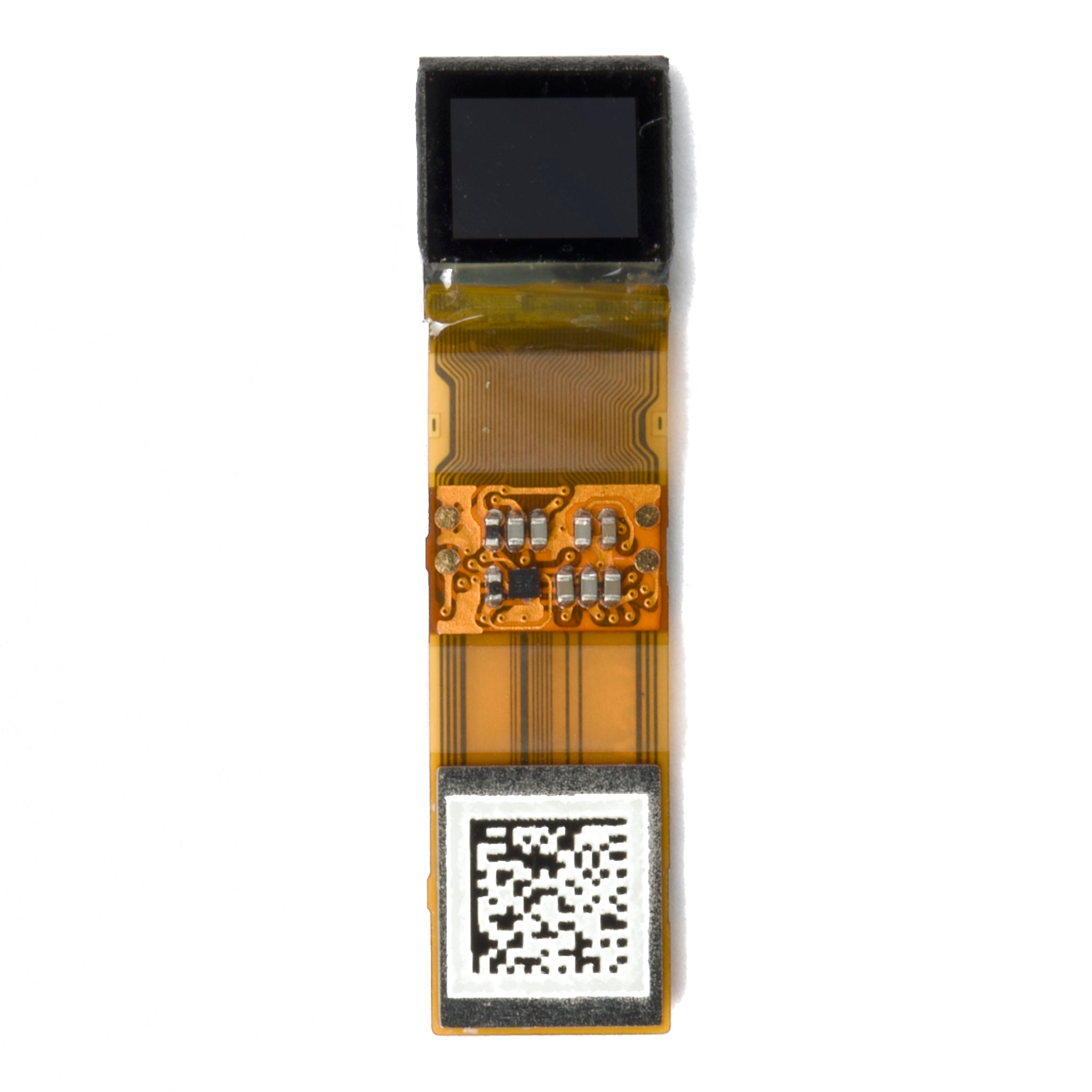
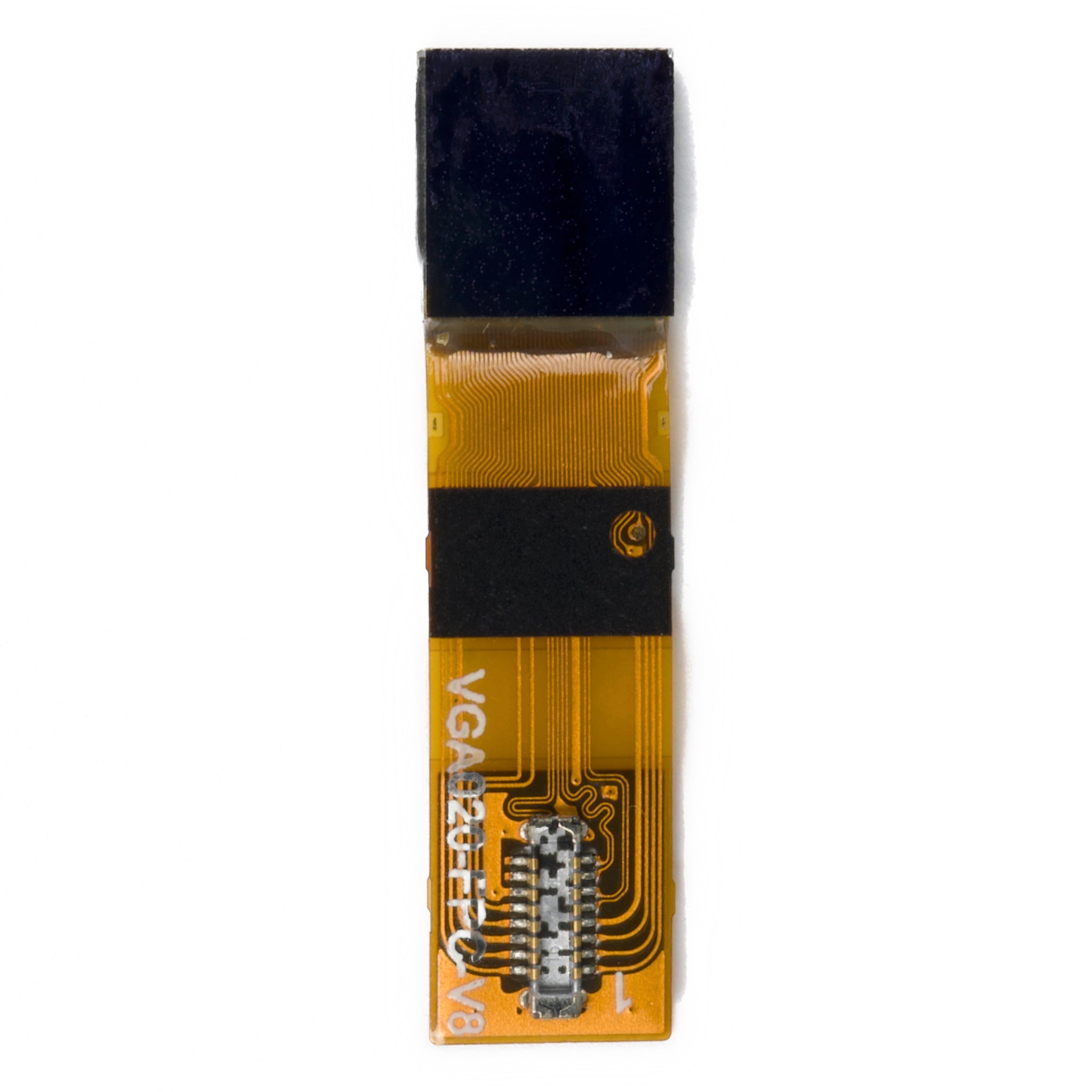
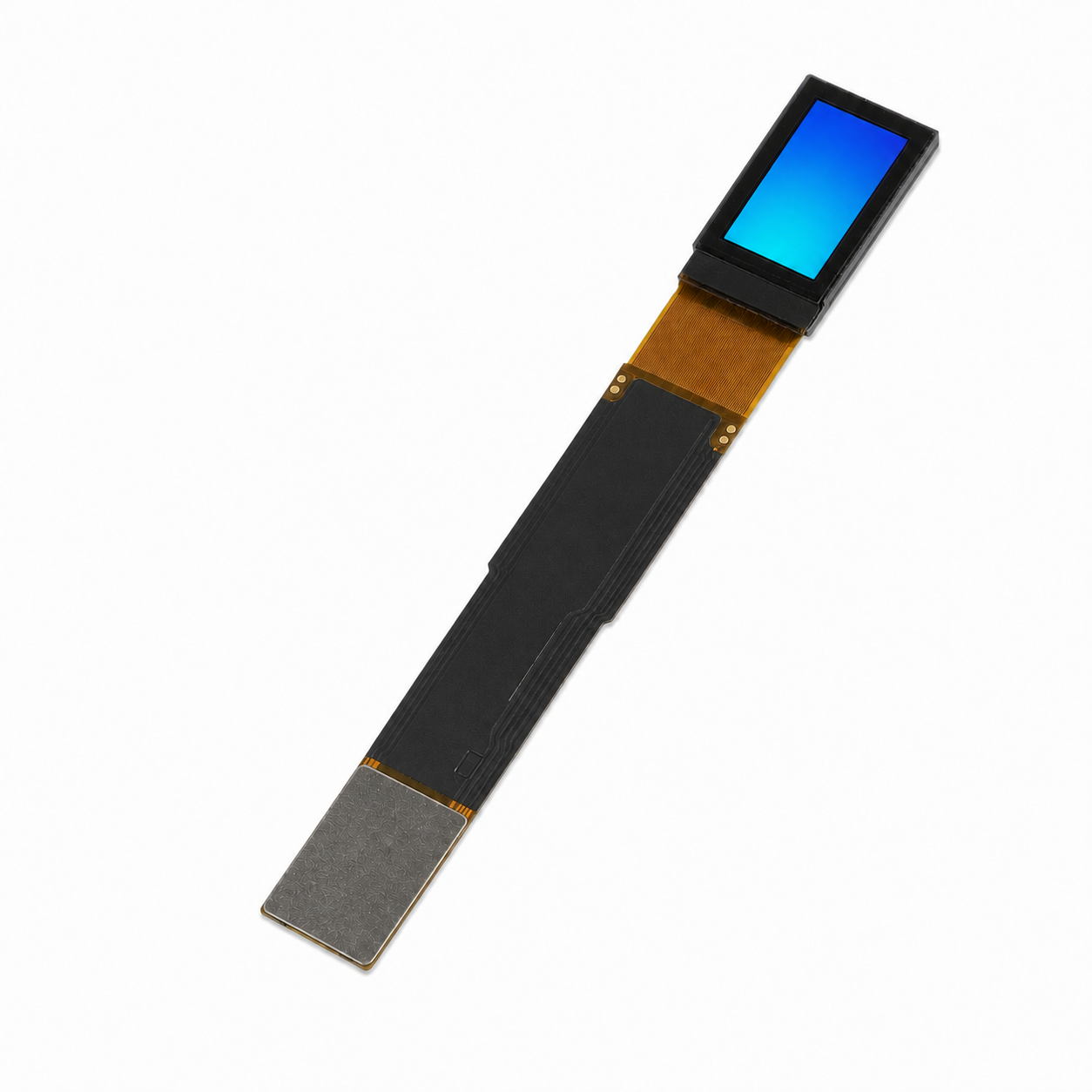
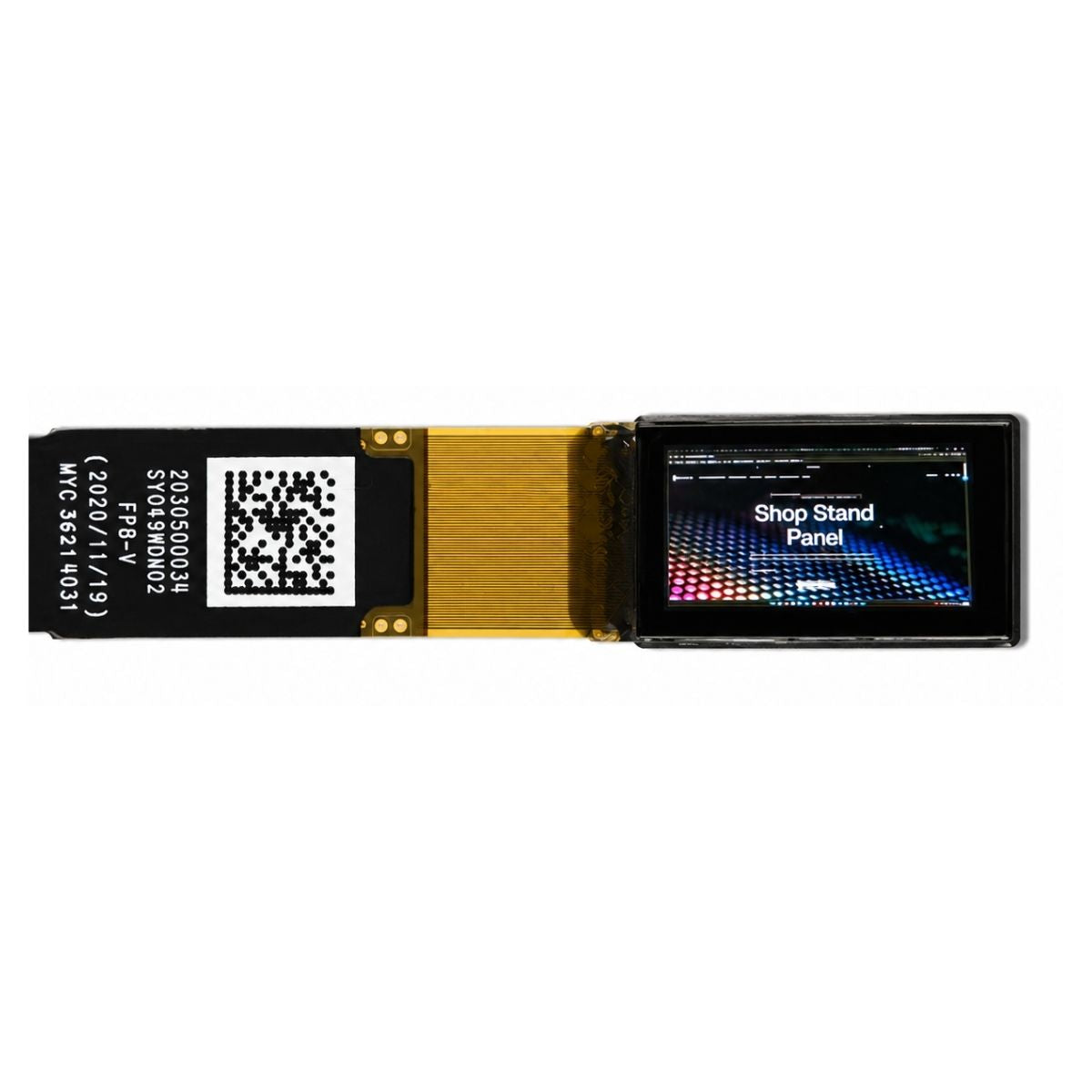
Micro OLED leads the high-end market with over 3000 PPI and 100,000:1 contrast; AMOLED offers low latency but is prone to the "screen door effect," while LCD remains the entry-level mainstream than...

The 8080 parallel port gains high bandwidth by utilizing 8/16-bit lines, SPI reaches high-speed serial communication at 50MHz, I2C saves on pins, and RGB relies on VSYNC synchronization to support ...