

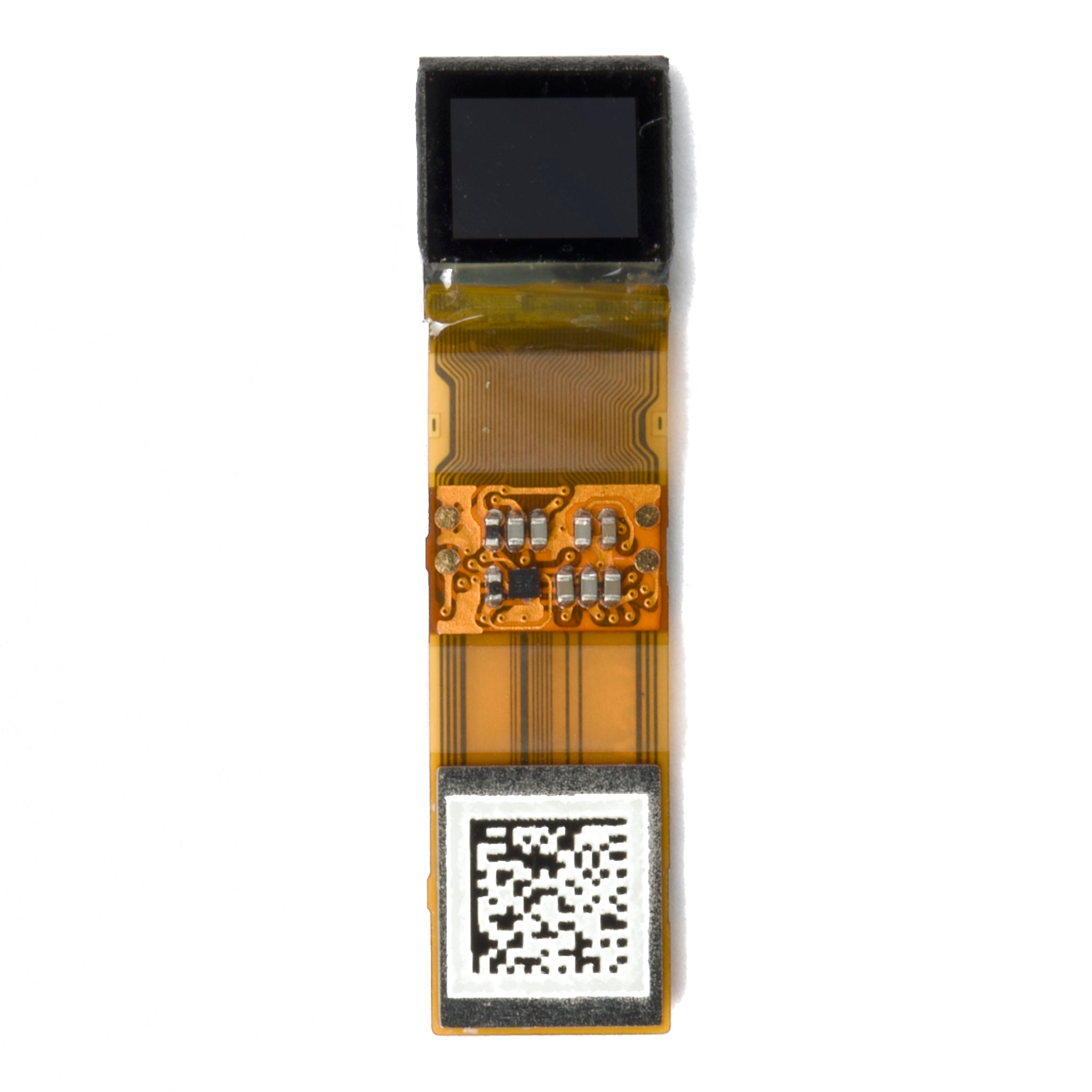
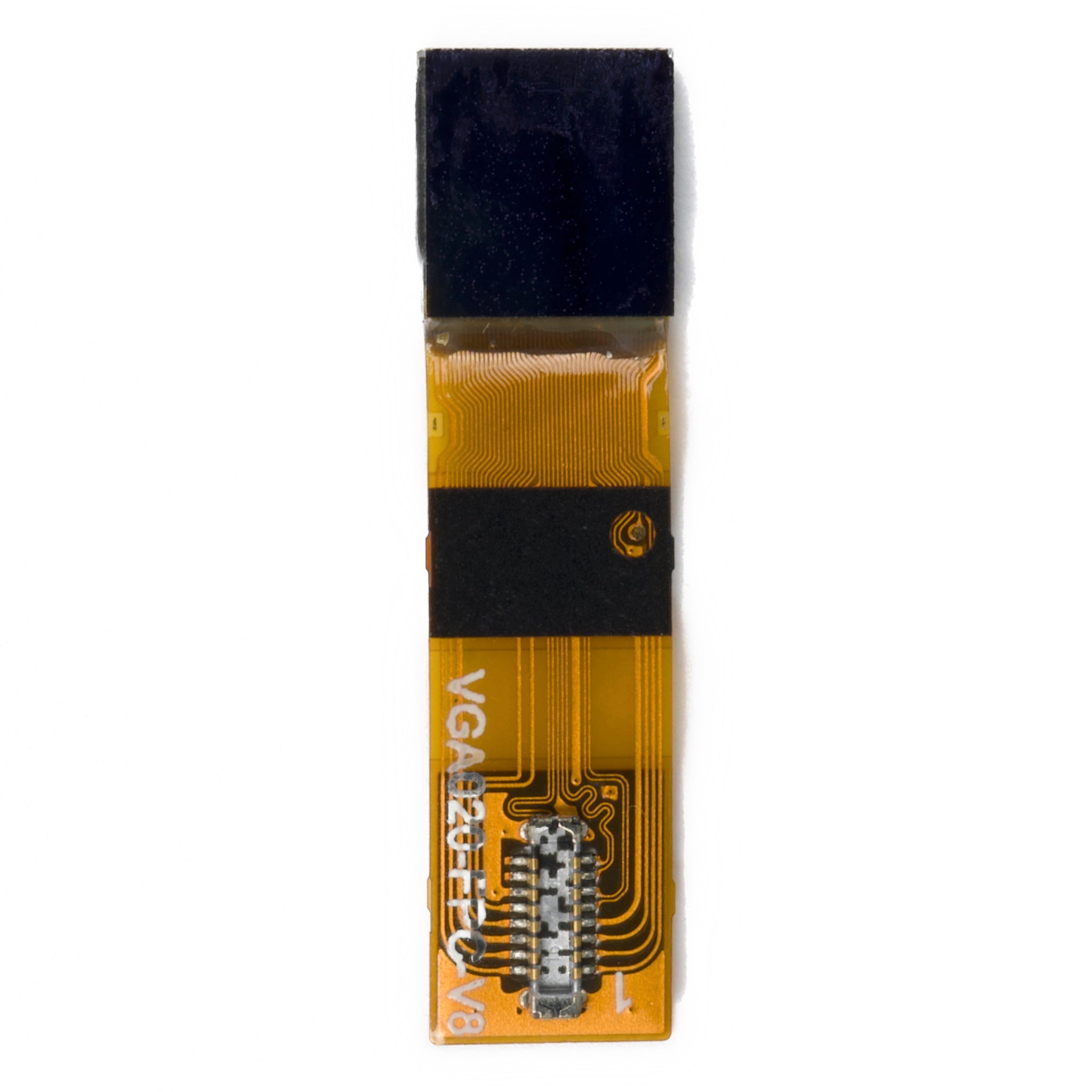
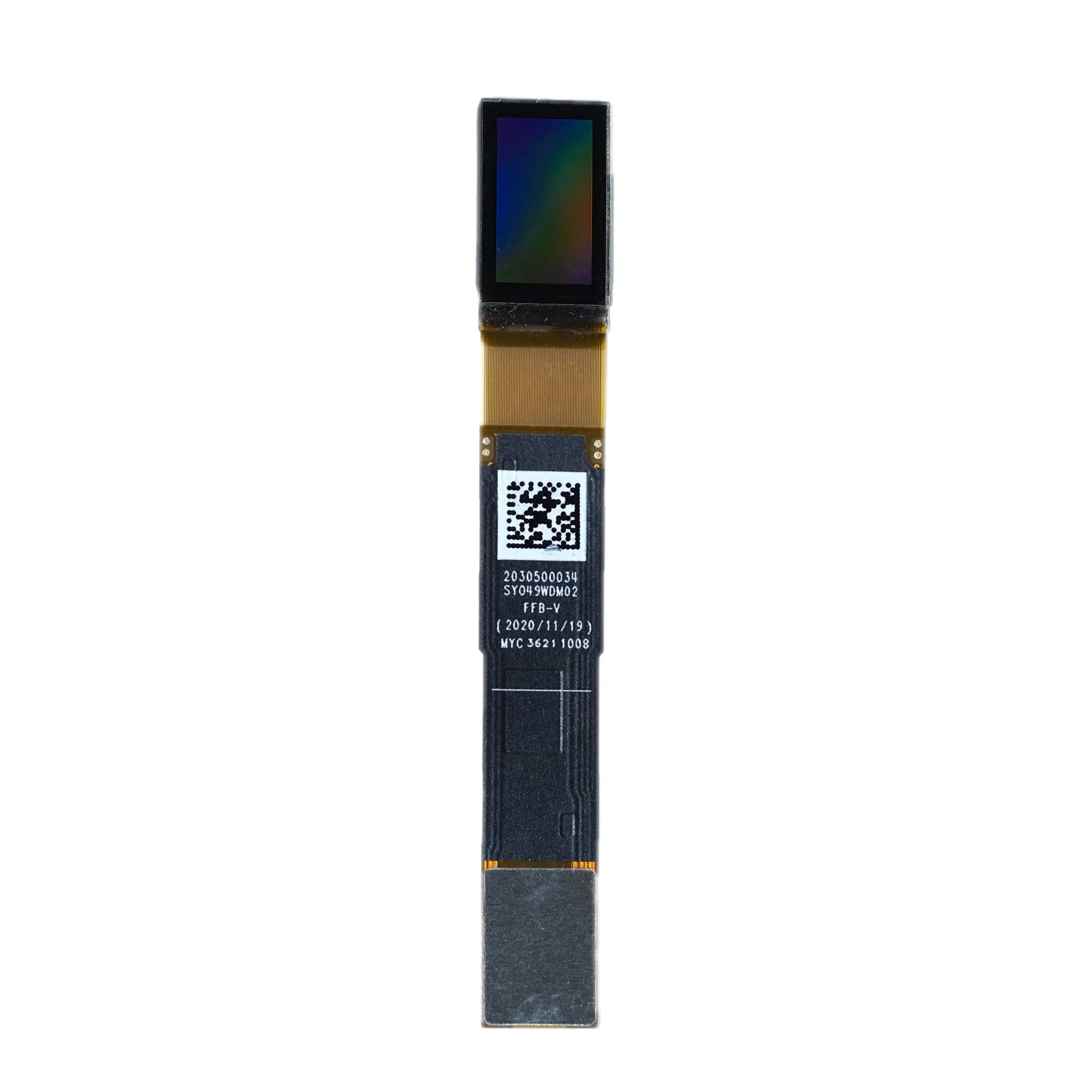
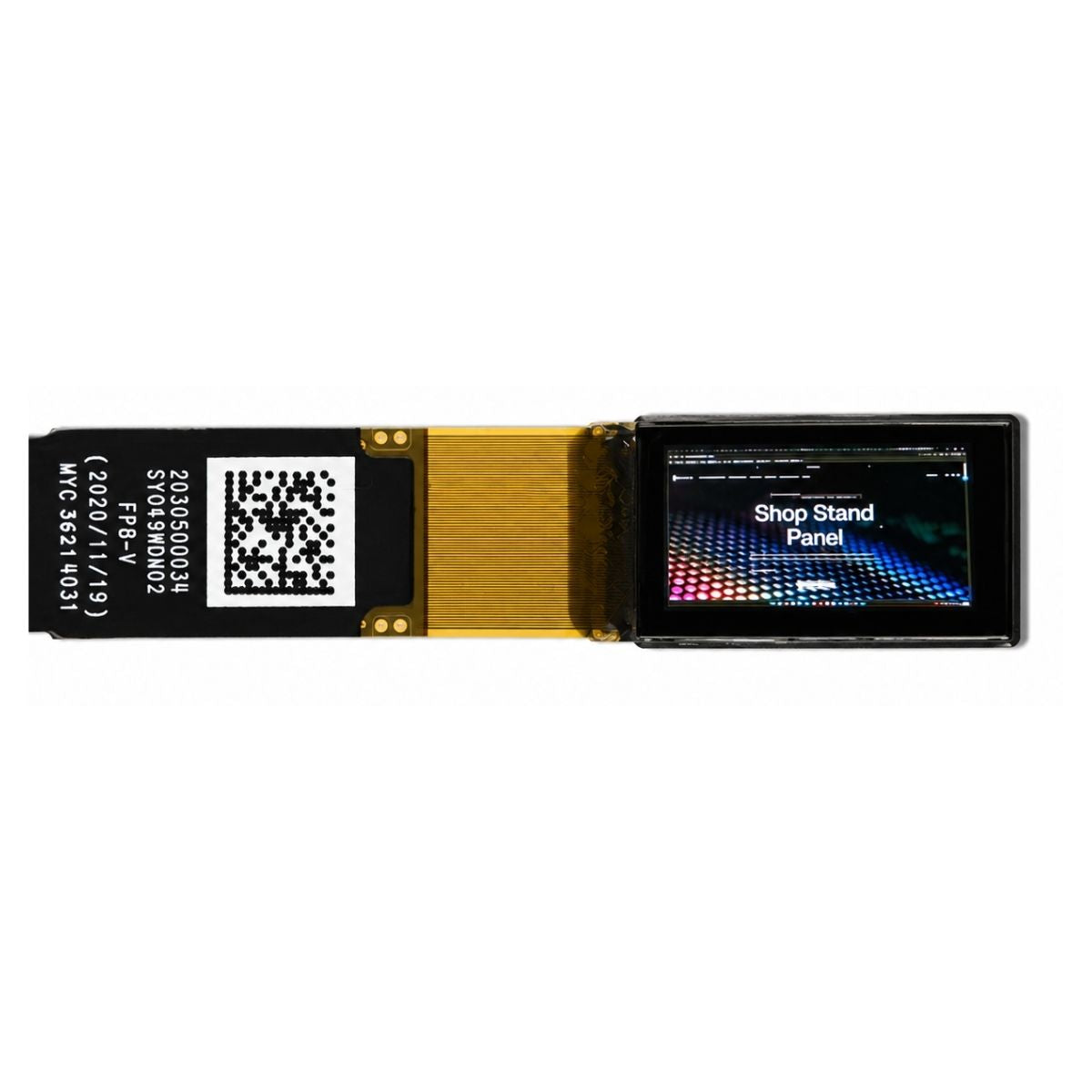


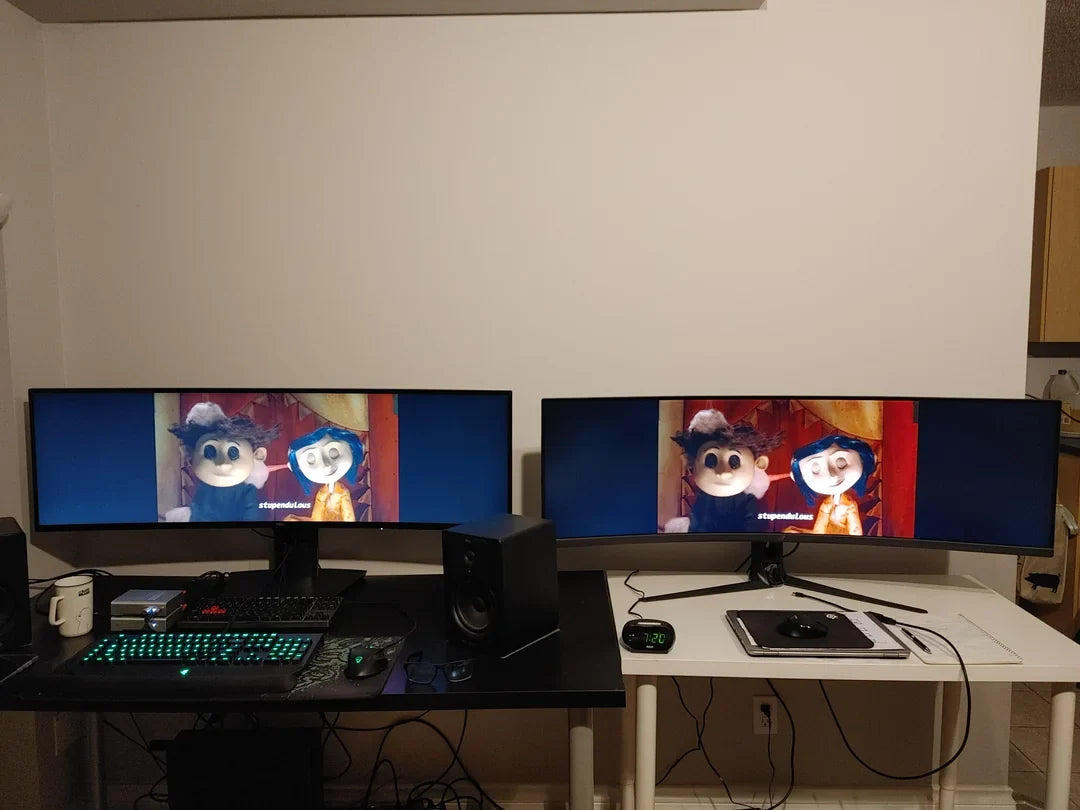
When selecting between IPS and TN displays for your project, note IPS provides wider viewing angles (~178° vs TN’s 100-120°) for multi-angle use and better color accuracy ideal for design, while TN...
When sourcing FHD IPS displays wholesale, key pricing hinges on panel size (e.g., 5.5-inch models cost ~15-20% less than 6.1-inch), brightness tiers (400 nits basic vs. 500 nits high-brightness var...
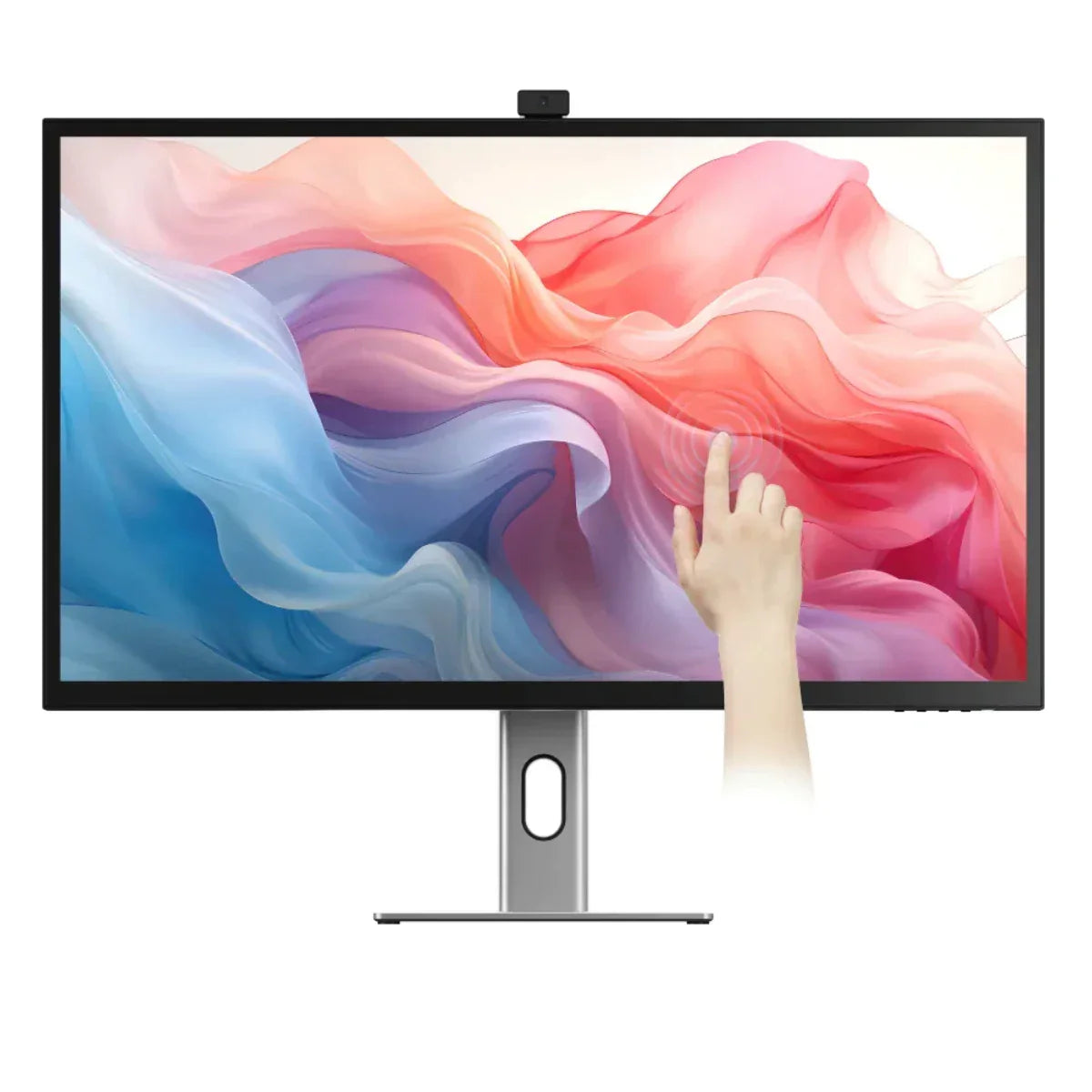
When wholesaling IPS touch screens, focus on four key specs: aim for 1920x1080 (Full HD) resolution for crisp visuals, a responsive ≤8ms touch response time to reduce lag, ±1mm touch accuracy ensur...
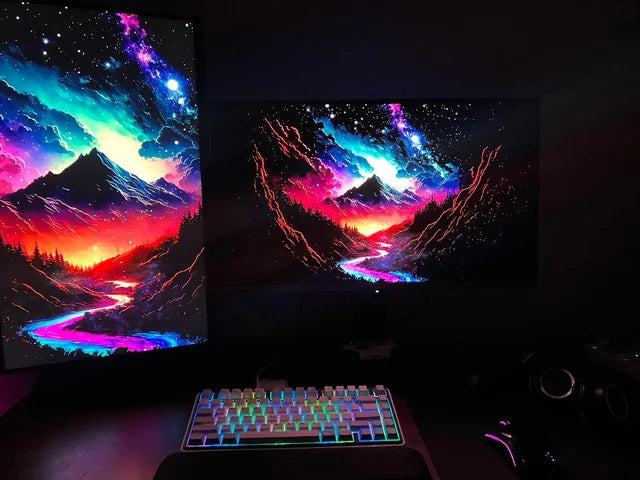
IPS displays are favored in medical devices due to their wide 178° viewing angles (vs. ~100° for TN panels), ensuring consistent color/brightness even when viewed from the side during team consulta...
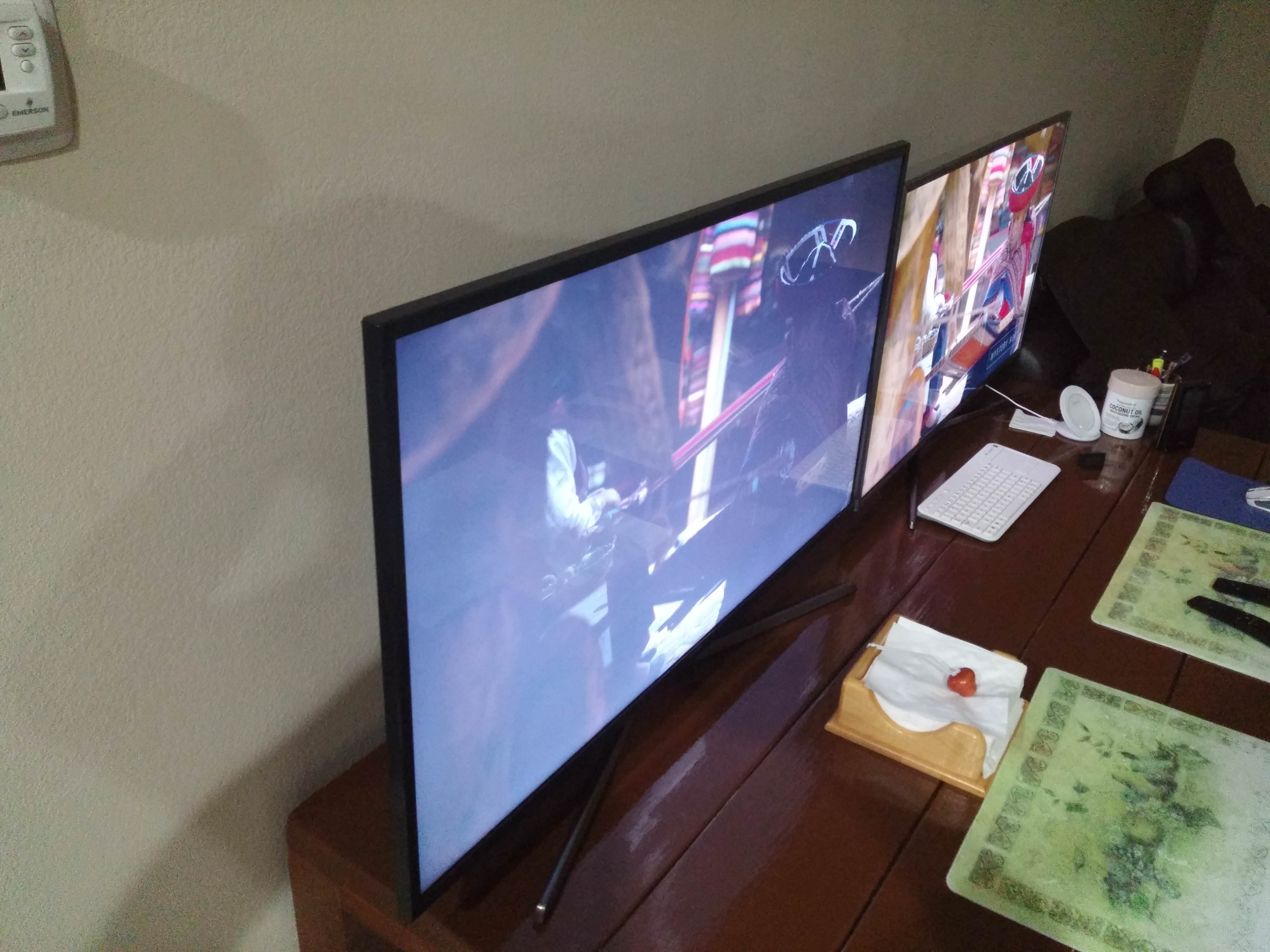
IPS displays usually have a contrast ratio of about 1000:1, while VA panels often deliver 3000:1 to 5000:1 (some high-end ones even higher), meaning VA shows deeper blacks and less grayish darkness...
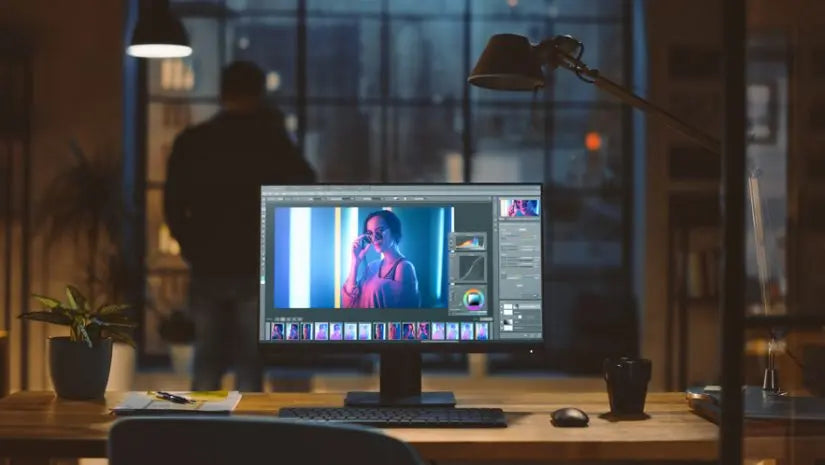
An IPS Display shines for photo editing due to five strengths: it offers 99% sRGB color coverage for accurate hues, a 178° wide viewing angle avoiding color distortion, 1000:1 contrast ratio clarif...
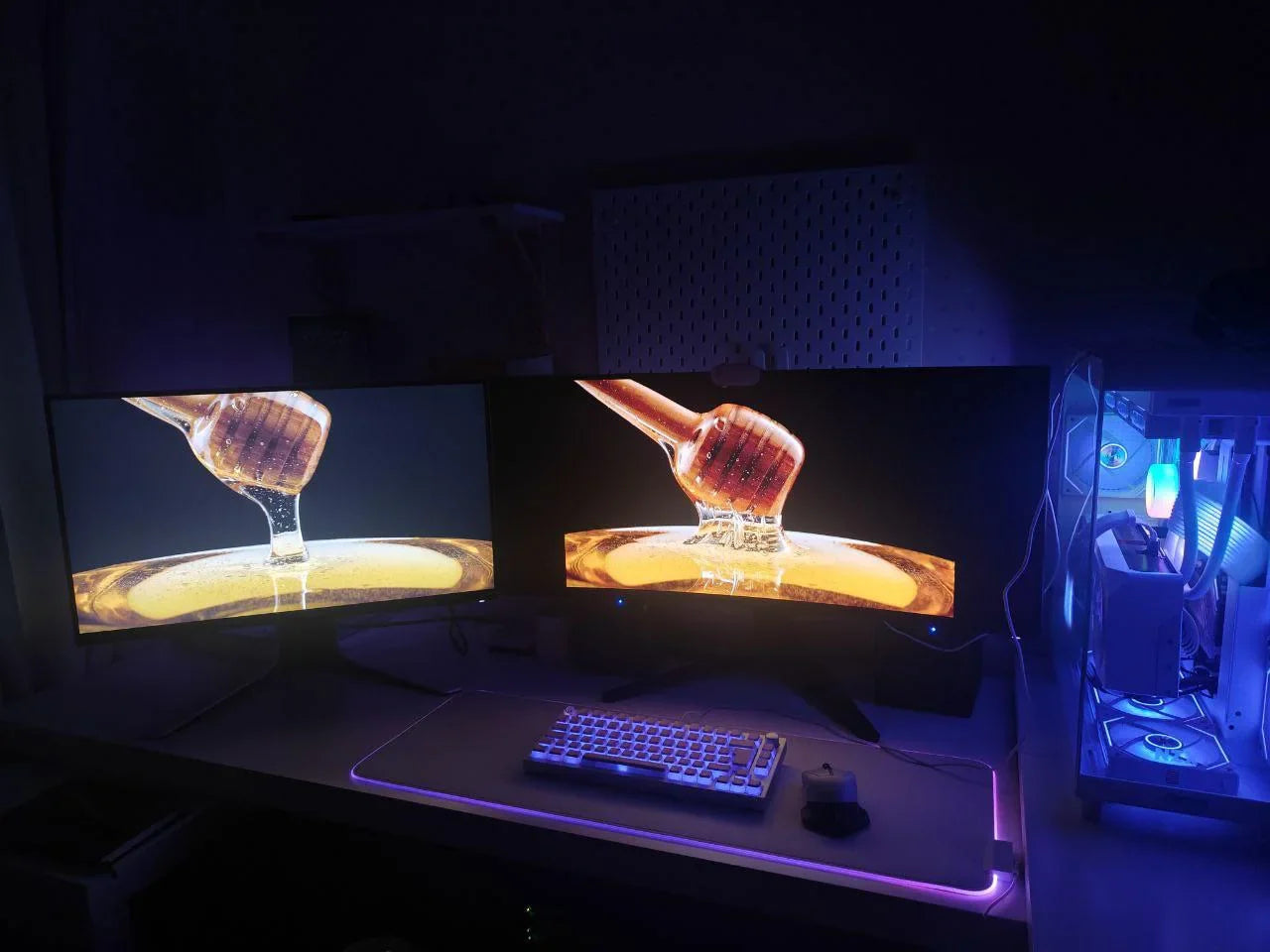
IPS panels typically have a lifespan of 30,000 to 60,000 hours of active use—meaning with 8 hours of daily viewing, they’ll last around 10 to 20 years before brightness noticeably dims, making them...
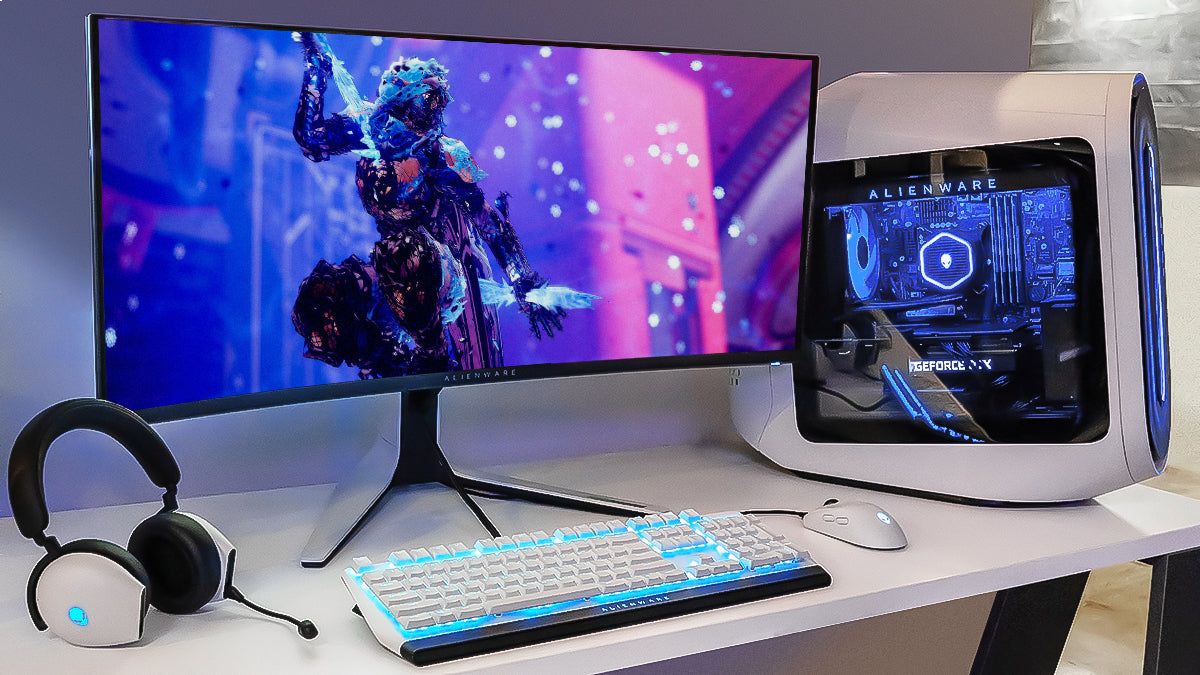
To calibrate an IPS display effectively, start by adjusting brightness to 120cd/m² (a standard sRGB level) using the OSD menu, then set contrast to 70–80% for balanced highlights/shadows; next, con...
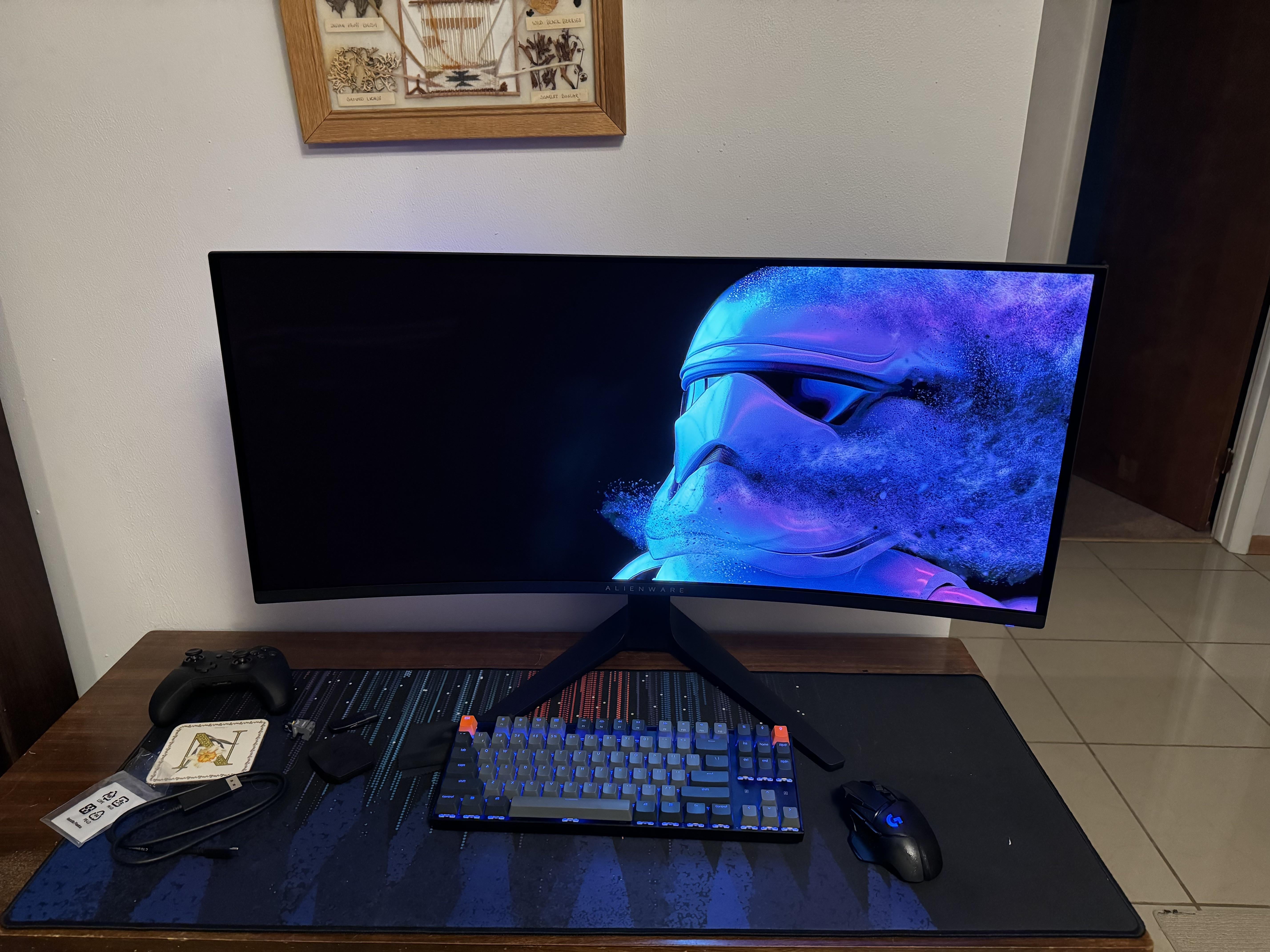
Choosing an FHD IPS Display (1920x1080) offers key perks: 178° wide viewing angles keep colors true from nearly any spot, while its 1000:1 contrast ratio delivers crisp blacks; paired with 300-nit ...