
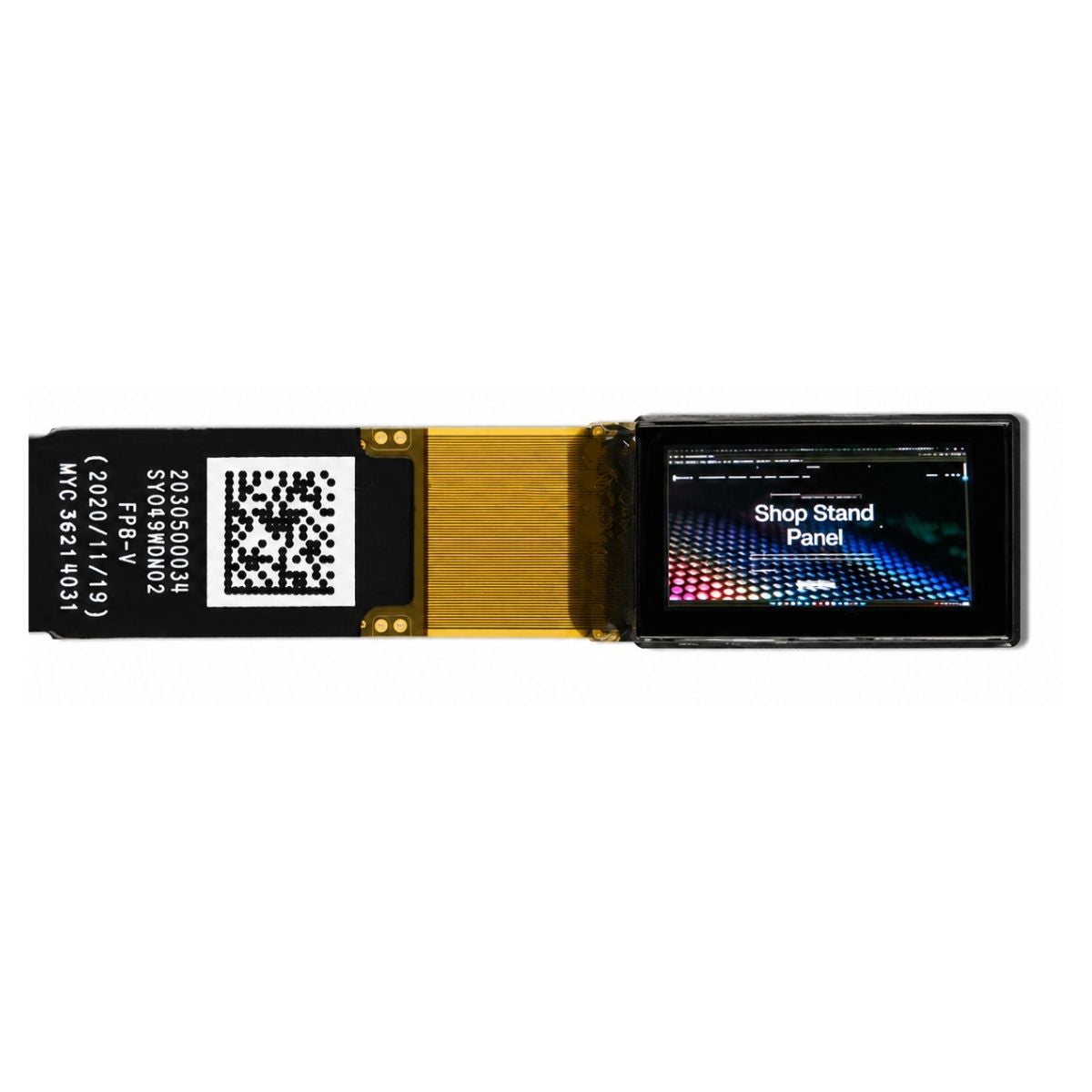
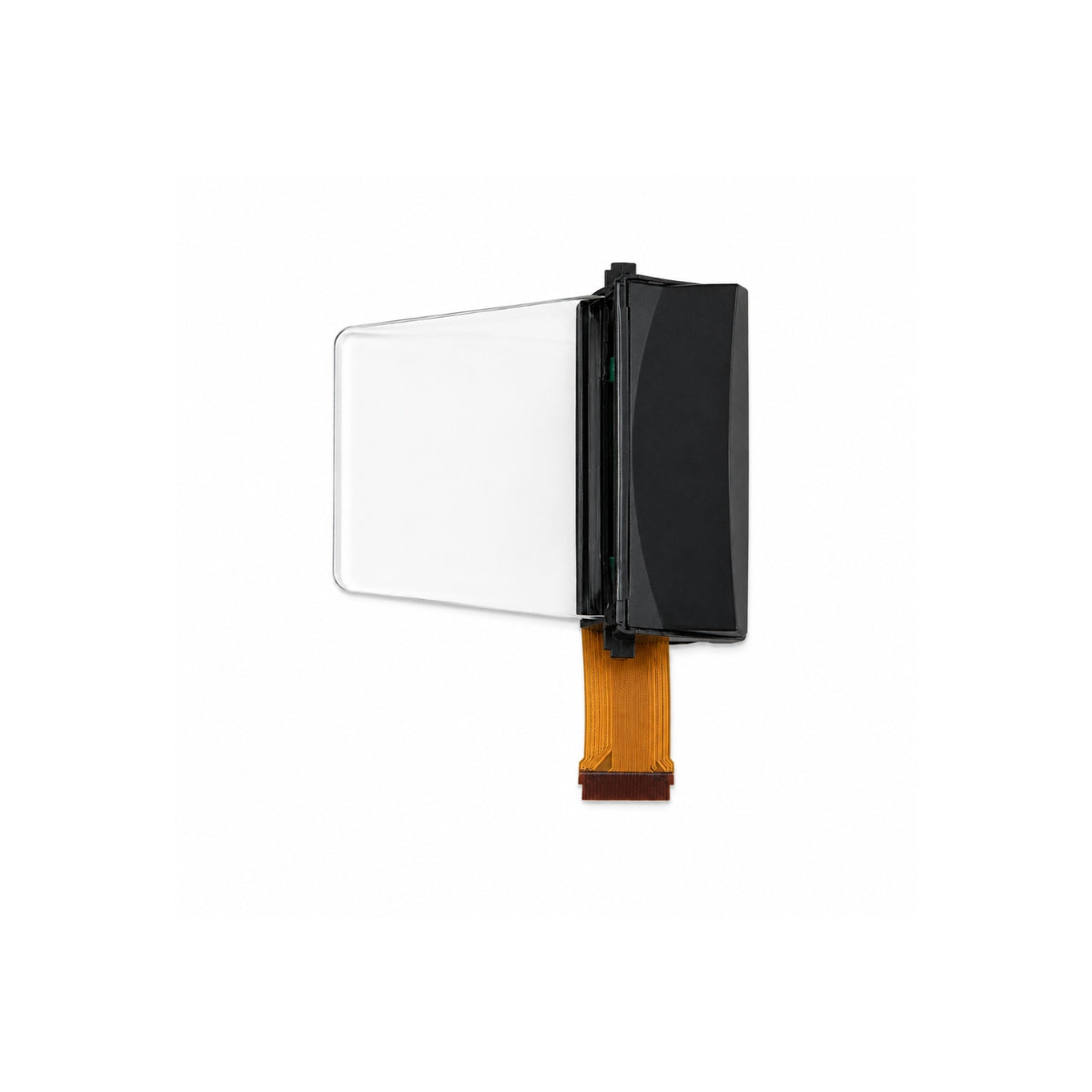
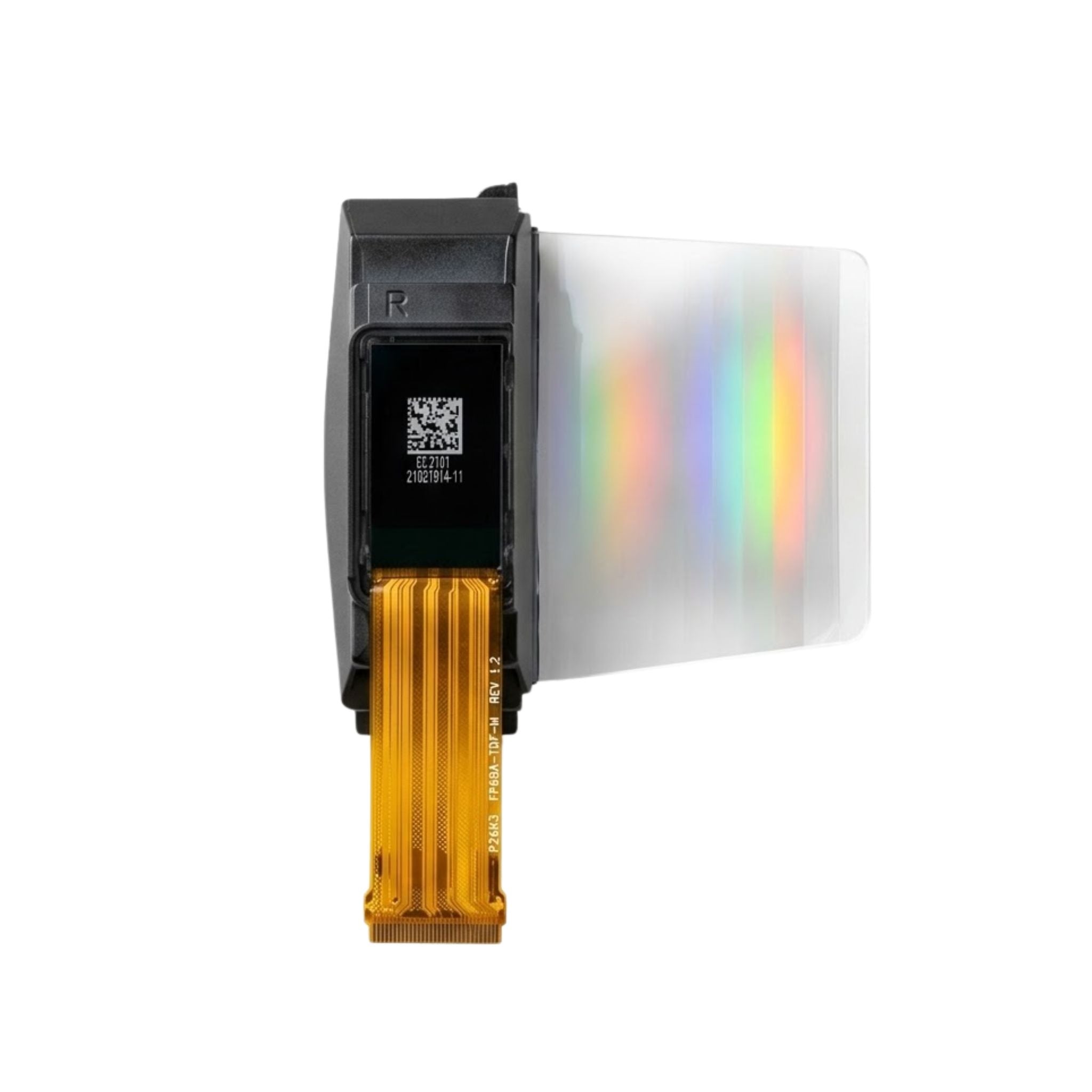


AR waveguides are expensive because their price includes precision optical fabrication, tightly controlled glass quality, inspection, and design and tooling costs spread across production volumes. The thin lens is only the visible part: manufacturers must also control how light enters, travels through, and leaves it so the image stays usable as your eye moves.
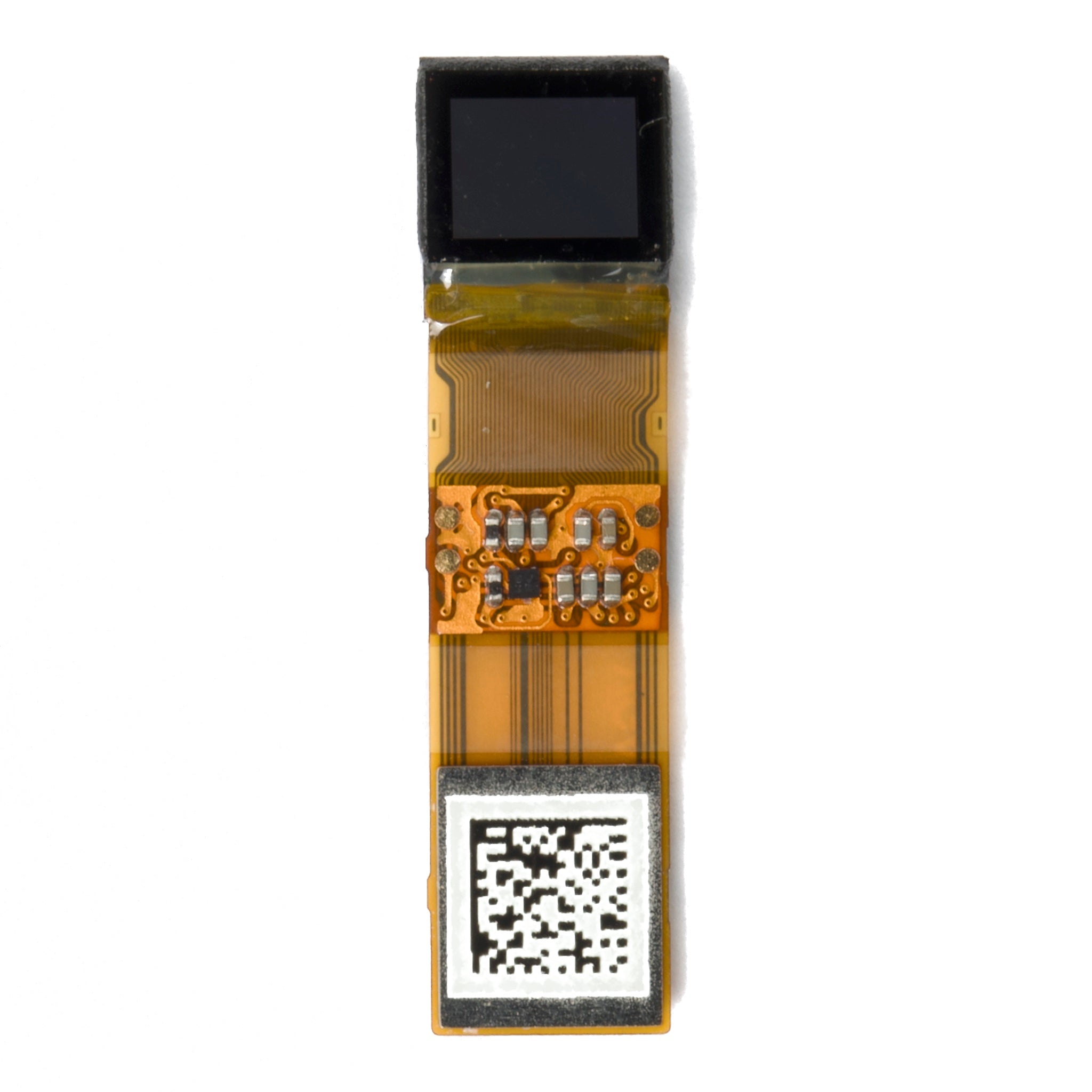
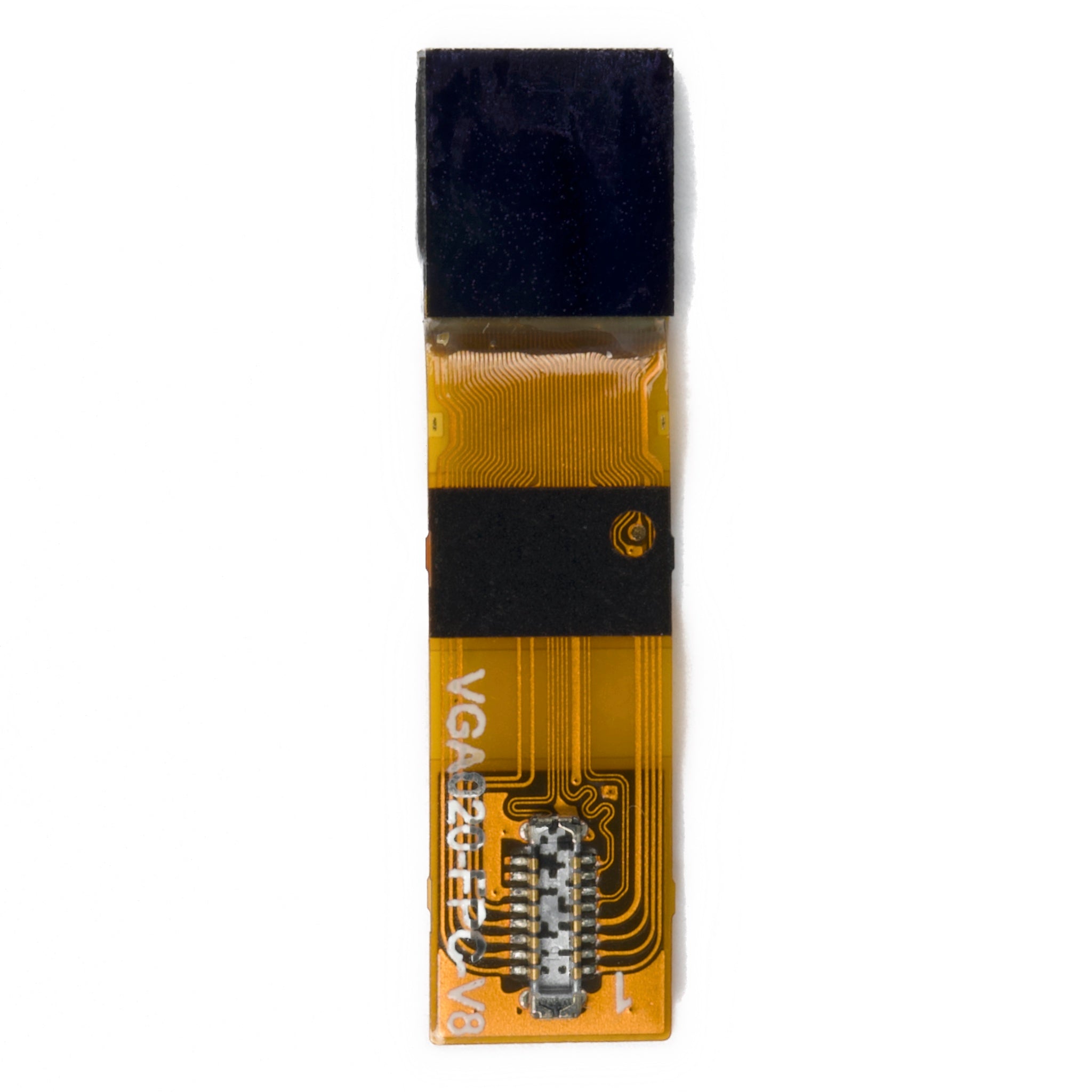
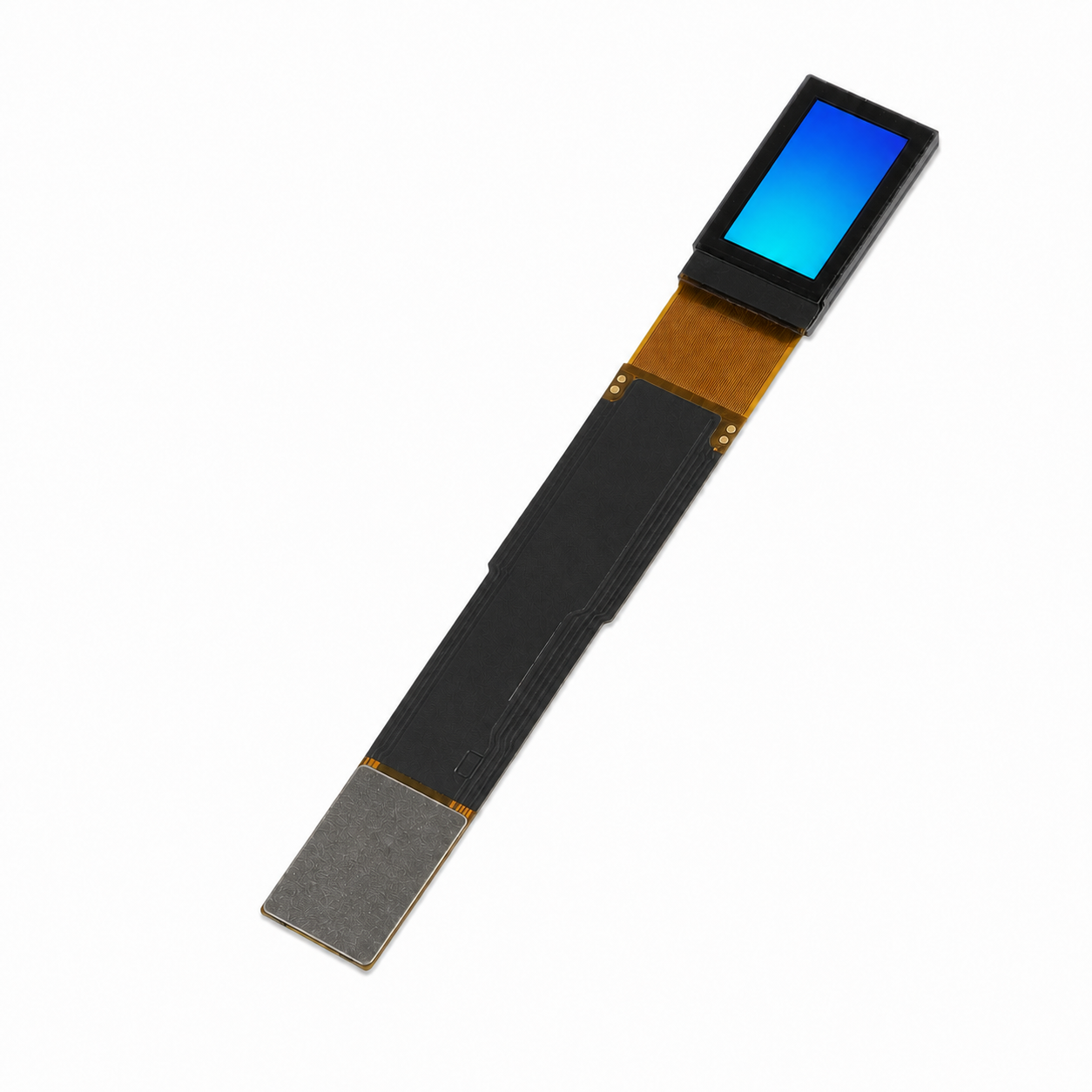
A waveguide display price may cover bare optics, an integrated optical engine, or an evaluation kit. Those are different purchases. DisplayModule's published listings checked on October 28, 2026 include a 26° waveguide module from $119 and a 50° waveguide module at $899. These are module prices, not a market-wide price range for bare waveguide glass.
Before comparing prices, confirm whether the quote includes one optical module or a binocular pair, the microdisplay, driver board, cables, calibration, and any custom tooling. A module listing does not automatically include a complete working headset.
What a Waveguide Does
A Micro OLED, LCoS, or Micro LED source and projection optics create an image. The waveguide carries light through a transparent substrate and redirects it toward the eye. Total internal reflection is the basic guiding principle; Portland State University's treatment of slab waveguides explains this relationship between geometrical optics and guided modes [1].
In-couplers and out-couplers transfer light into and out of the guide. Pupil expansion distributes the output across an eye box, the region where your pupil can receive the intended image. Producing that output uniformly is an optical manufacturing task, not simply a matter of cutting a clear lens.
Price in Brief
The cost drivers fall into four groups:
- Precision fabrication of gratings or partially reflective mirror structures.
- Optical substrates with controlled refractive index, thickness, homogeneity, and surface quality.
- Inspection and calibration, including the cost of parts that fail the agreed acceptance limits.
- Design, tooling, and process setup allocated across the order quantity.
These costs sit within the wider AR glasses cost structure. Their relative importance varies with the optical architecture and production process; no single cost-share percentage applies to every engine.
| Published module listing | Diagonal field of view | Published resolution | Listed price in USD on October 28, 2026 |
|---|---|---|---|
| 0.23-inch waveguide module, DMGTX0023WGNA | 26° | 640 × 400 | From $119.00 |
| 0.68-inch waveguide module, DMGTX0068WUNA | 50° | 1920 × 1200 | $899.00 |
| 0.60-inch AR optical module, DMHYX0060FHNA, a broader near-eye reference | 45° | 1920 × 1080 | $1,099.00 |
The AR optical modules collection supplies the listed prices; the linked product pages supply the specifications. The 0.60-inch page identifies an AR optical module but does not establish its waveguide architecture, so it is not used here as a confirmed waveguide example. Prices and configurations can change; request a configuration-specific quote before budgeting.
Comparing the two confirmed waveguide listings reveals a useful purchasing trap. The 50° module costs more, but its published resolution also rises from 640 × 400 to 1920 × 1200. Their listed interfaces differ too: the 26° module specifies parallel RGB/YCbCr inputs, while the 50° module specifies LVDS. This is not a controlled comparison of field of view alone, and the listings do not reveal a glass-only cost or a manufacturing cost breakdown.
This comparison is a review of published specifications, not a hands-on optical test. Its practical lesson is to check resolution, interface, and package contents before treating two headline prices as equivalent. The listings also cannot establish whether a particular price difference comes from glass index, grating size, yield, or margin.
Two Families and Cost
The distinction between geometric and diffractive waveguides helps explain where fabrication effort goes. Neither family is automatically cheaper at every specification and order quantity.
| Family | Typical coupling approach | Manufacturing controls to discuss |
|---|---|---|
| Geometric | Reflective elements, including partially reflective mirror arrays | Coating reflectance, bonding, cutting angles, polishing, and alignment |
| Diffractive | Gratings that couple and redistribute light | Grating design, pattern fabrication or recording, replication where used, and optical uniformity |
Geometric Waveguides
In a mirror-array design, partially reflective elements direct portions of the guided light toward the eye. Their reflectance and placement must support an even output rather than extracting all the light at the first element. The geometric waveguide overview illustrates the mirror-array approach.
Coating, bonding, cutting, and polishing introduce separate control requirements. A defect or misalignment can affect brightness uniformity, create ghost images, or make reflective structures visible. A finished part must meet the optical acceptance limits, not merely look clear when the display is off.
Diffractive Waveguides
Gratings redirect light through in-coupling, pupil expansion, and out-coupling regions. Their performance depends on wavelength, angle, material, and structure. The diffractive waveguide explanation shows how those regions work together.
The University of Arizona's AR waveguide design course covers rigorous coupled-wave analysis, Kogelnik methods, k-space layout, grating optimization, and fabrication examples including photolithographic etching and volume-hologram exposure. That scope illustrates why a specification change can require optical design work rather than a simple change to the outline of the lens [2].
Different fabrication routes carry different setup requirements. Surface-relief designs may use a patterned master and replication; volume-holographic designs use recorded structures in a material. Ask which design changes require new tooling or recording work, and whether that charge is separate from the unit price.
Why Nanoscale Costs More
For diffractive designs, controlling small optical structures across the usable area is a major manufacturing challenge. It should not be called the largest cost in every waveguide system without a supplier-specific breakdown.
Where replication is used, contamination, incomplete filling, mold wear, or material shrinkage can alter the intended pattern. The relevant question is whether those changes push efficiency, color, or uniformity outside the agreed limits. Not every microscopic defect produces a visible artifact, and rework options depend on the process stage.
Optical efficiency also affects the rest of the engine. If too little source light reaches the eye, the design may need a different source, optical redesign, or more electrical power. Raising brightness alone does not correct ghosting, color errors, or an uneven eye box.
Why Glass Costs More
Refractive index helps determine the optical design space, while thickness variation, surface quality, and homogeneity affect image quality and manufacturing consistency. SCHOTT identifies high index as a field-of-view factor and cites tight tolerance control, high homogeneity, and low image variation as contributors to production yield [3].
Its 2022 RealView 1.9 lightweight ultra announcement provides a specific example: SCHOTT reported a refractive index of 1.9, wafer flatness improved by up to 60%, and the potential for up to 50% lighter waveguides. Those are manufacturer-reported results for that material generation, not cost savings or specifications for the modules in the price table [4].
A lower substrate purchase price is not necessarily a lower cost per accepted optic. If a material or finishing change increases losses later in fabrication, it can offset the initial saving. Ask suppliers to relate their material choice to the required field of view and optical acceptance criteria, rather than assuming all transparent glass is interchangeable.
Yield and Testing
Yield is the share of manufactured parts that meet the acceptance limits. Lower yield means the cost of rejected parts must be recovered across fewer accepted units. The effect depends on where rejection occurs and how much processing has already been invested; this article does not assume an industry-wide rejection rate.
Measurement conditions matter as much as headline brightness. IEC 63145-20-10:2019 specifies measurement conditions and methods for optical properties of eyewear displays, including see-through AR glasses using virtual-image optics. Its public scope supports asking for defined test methods; it does not establish that any listed product complies with the standard [5].
A useful evaluation plan includes luminance at stated eye positions, spatial and color uniformity, distortion, ghost images, see-through transmission, and readability under a stated ambient condition. Request measurements across the intended eye box, not only a bright central spot. A central measurement cannot, by itself, demonstrate performance throughout the viewing region.
The relationship between field of view, exit pupil, and eye relief also affects the specification. At otherwise comparable conditions, distributing a fixed amount of light over a larger viewing region creates an efficiency and brightness tradeoff. Wider field and larger eye box can increase design demands, but neither produces a universal price multiplier.
Low Volume Effect
Custom optical design, tooling, fixtures, and test development are non-recurring engineering costs. A simple budgeting relationship is allocated fixed cost per unit = project fixed cost ÷ accepted units over which it is allocated. This explains the volume effect without assuming a particular supplier's margin or yield.
Specialized facilities and expertise are part of that development environment. NIST's NanoFab, for example, provides lithography, thin-film deposition, nanostructure characterization, and technical support. This is evidence of the infrastructure involved in nanoscale work, not a quotation for commercial AR waveguides [6].
Higher volume can spread fixed costs more widely, but a redesign can add new engineering charges. Ask for separate prices for stock modules, custom tooling, engineering support, and volume production. Confirm who owns the tooling and what changes trigger another charge.
What Else You Pay For
A module price can include the microdisplay and projection optics as well as the waveguide. The final system may also need driver electronics, firmware, cables, mechanical supports, cover optics, and thermal management. Confirm the supplied configuration rather than assuming a product photograph shows everything included.
For binocular systems, ask whether the price covers one eye or two, and whether matching and calibration are included. Also check whether the host can supply the required video format. A lower module price may leave extra driver-board or integration work outside the quotation.
When a Waveguide Fits
Worth evaluating
A waveguide is worth evaluating when a see-through, glasses-like optical path is central to the product. Reading prompts, captions, or work instructions while retaining a view of the surroundings are relevant design goals. The required reading conditions and viewing region should determine the specification.
Compare alternatives
If the main goal is a low-cost viewer or immersive video rather than optical see-through viewing, compare other near-eye architectures. Birdbath, prism, and reflective layouts have different tradeoffs in packaging, efficiency, and transparency. Compare complete optical engines under the same viewing requirements rather than assuming one architecture always wins.
A stock, matched XR optical module can help establish whether the field of view, interface, and mechanical envelope fit before custom optical development. Confirm the supported driver and host requirements before ordering an evaluation setup.
Not sure which engine fits your field, eye box, and housing?
Share your target specs and get a matched module suggestion from our team.
How to Evaluate an Engine
Compare waveguide display price quotes using the same optical targets, test conditions, and supply scope. Resolve missing information before ranking the offers.
- Optical targets: request diagonal, horizontal, and vertical field of view where available, resolution, eye-box dimensions, eye relief, and virtual image distance.
- Measurement conditions: request luminance at stated eye positions and drive settings, uniformity, distortion, transmission, and the ambient conditions used for readability checks. Ask for the test method and sample size.
- Integration: confirm interface, video timing, driver compatibility, power and thermal requirements, mechanical drawings, mounting constraints, and the supplied cables and firmware.
- Commercial scope: confirm one-eye versus binocular supply, calibration, minimum order quantity, tooling charges, acceptance limits, lead time, and the process for handling rejected incoming parts.
If prescription lenses, protective eyewear, or long wear periods are relevant, assess fit and optical clearance with the intended assembly. This article does not provide vision-correction or product-safety certification advice. Consult qualified eye-care or safety professionals for those requirements.
Frequently Asked Questions
Bare Glass or Complete Module
The listed prices here are for optical modules, not isolated waveguide plates. A bare-optic quotation needs its own architecture, dimensions, optical requirements, quantity, and supply scope. Subtracting an unrelated microdisplay price from a module price does not establish the price of its waveguide.
Why Field of View Raises Cost
A wider field can make coupling, uniformity, and packaging harder at the same eye box and eye relief. The required changes depend on the design. The product comparison above varies in resolution and interface as well as field of view, so it cannot isolate a field-of-view price premium.
Will Volume Make It Cheap
Volume can reduce the fixed-cost allocation per unit and support more repeatable production. It does not remove material, fabrication, and inspection requirements. Request a volume quotation for a frozen specification rather than relying on an assumed industry-wide cost-down curve.
What to Confirm Before Tooling
Confirm viewing targets, image quality, interface, mechanical fit, and acceptance criteria. Then ask which changes require new optical design, masters, molds, or fixtures. Revising these requirements after tooling can create additional charges, but there is no verified universal percentage for that increase.
Bottom Line
AR waveguides cost so much because a transparent lens must also perform precise light coupling and image delivery. Fabrication, substrate quality, accepted-part yield, testing, and tooling allocation all affect the price. Compare complete engines on equal terms, distinguish published specifications from measured performance, and settle the optical requirements before committing to custom tooling.
Sources
- [1] Portland State University, PDXScholar, Guided Modes Through the Dual Perspectives of Geometrical Optics and Wave Equation. Accessed October 28, 2026. Supports the slab-waveguide guiding principle, not product pricing.
- [2] University of Arizona, Wyant College of Optical Sciences, New Course: Augmented Reality Display Waveguide Design. Accessed October 28, 2026. Supports the stated design topics and fabrication examples, not a cost ranking.
- [3] SCHOTT, RealView product information. Accessed October 28, 2026. Manufacturer statements about refractive index, material quality, and yield factors; not specifications for the modules above.
- [4] SCHOTT, RealView 1.9 lightweight ultra announcement, 2022. Accessed October 28, 2026. Manufacturer-reported flatness and weight improvements for that generation; not a price reduction or a universal device result.
- [5] International Electrotechnical Commission, IEC 63145-20-10:2019, Eyewear display: Fundamental measurement methods, Optical properties. Accessed October 28, 2026. The public scope covers VR and see-through AR eyewear using virtual-image optics; the full paid standard was not reviewed.
- [6] NIST, Center for Nanoscale Science and Technology NanoFab. Accessed October 28, 2026. Supports the availability of lithography, deposition, characterization, and technical expertise; not commercial waveguide pricing.
Product prices, resolutions, and interfaces come from DisplayModule's collection and the product pages linked in the price comparison, checked October 28, 2026. They are supplier-published information, not independent performance measurements. No hands-on test results are claimed.
Read more
Yes, you can swap one DSI panel for another, but not simply because both have the same size or connector. A drop-in replacement must work with the host's existing pinout, power supplies, lane confi...
Yes, an HDMI source can drive an LVDS panel through a compatible active HDMI-to-LVDS controller board. It cannot drive the panel through a passive cable or direct pin connection. The board must con...
Leave a comment
This site is protected by hCaptcha and the hCaptcha Privacy Policy and Terms of Service apply.