

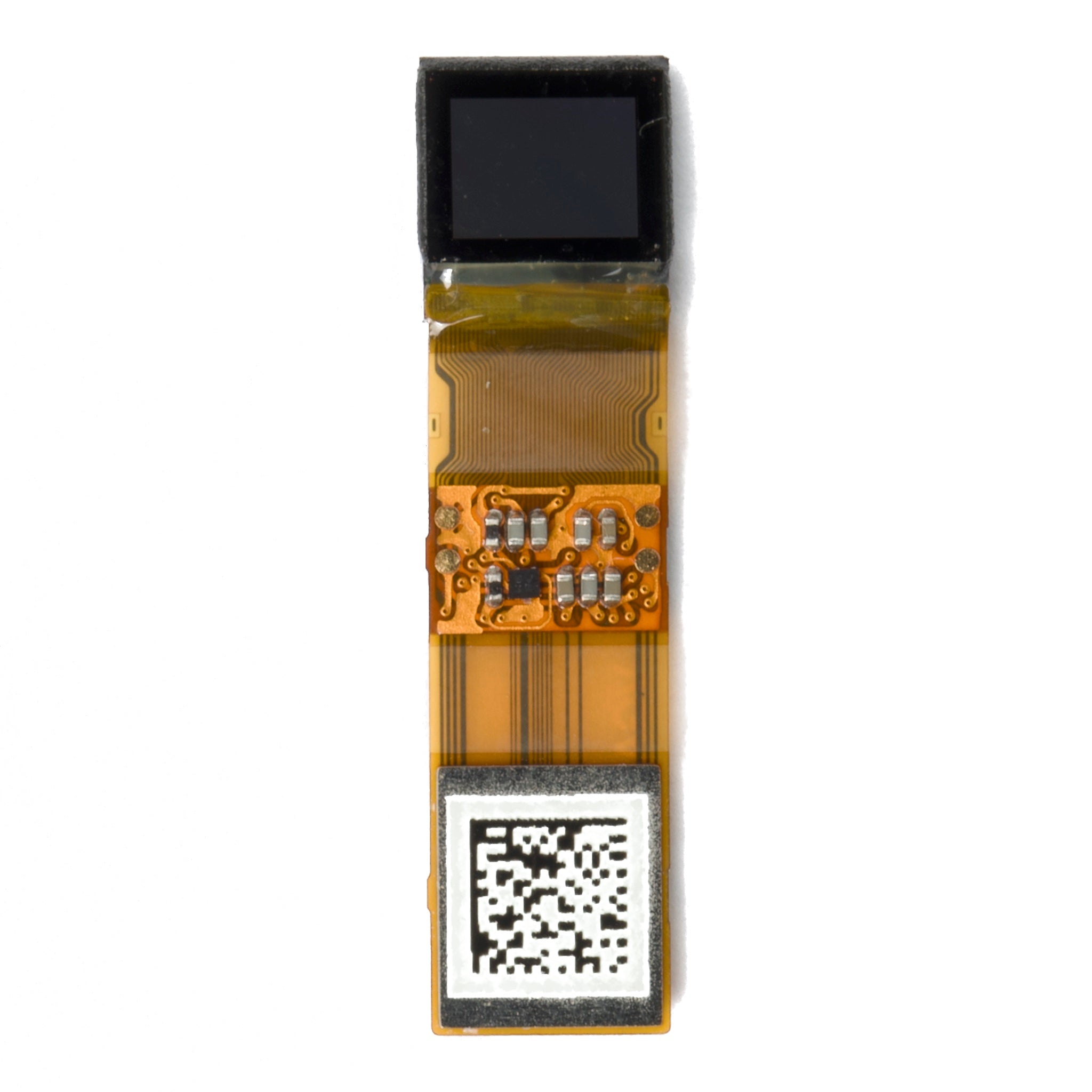
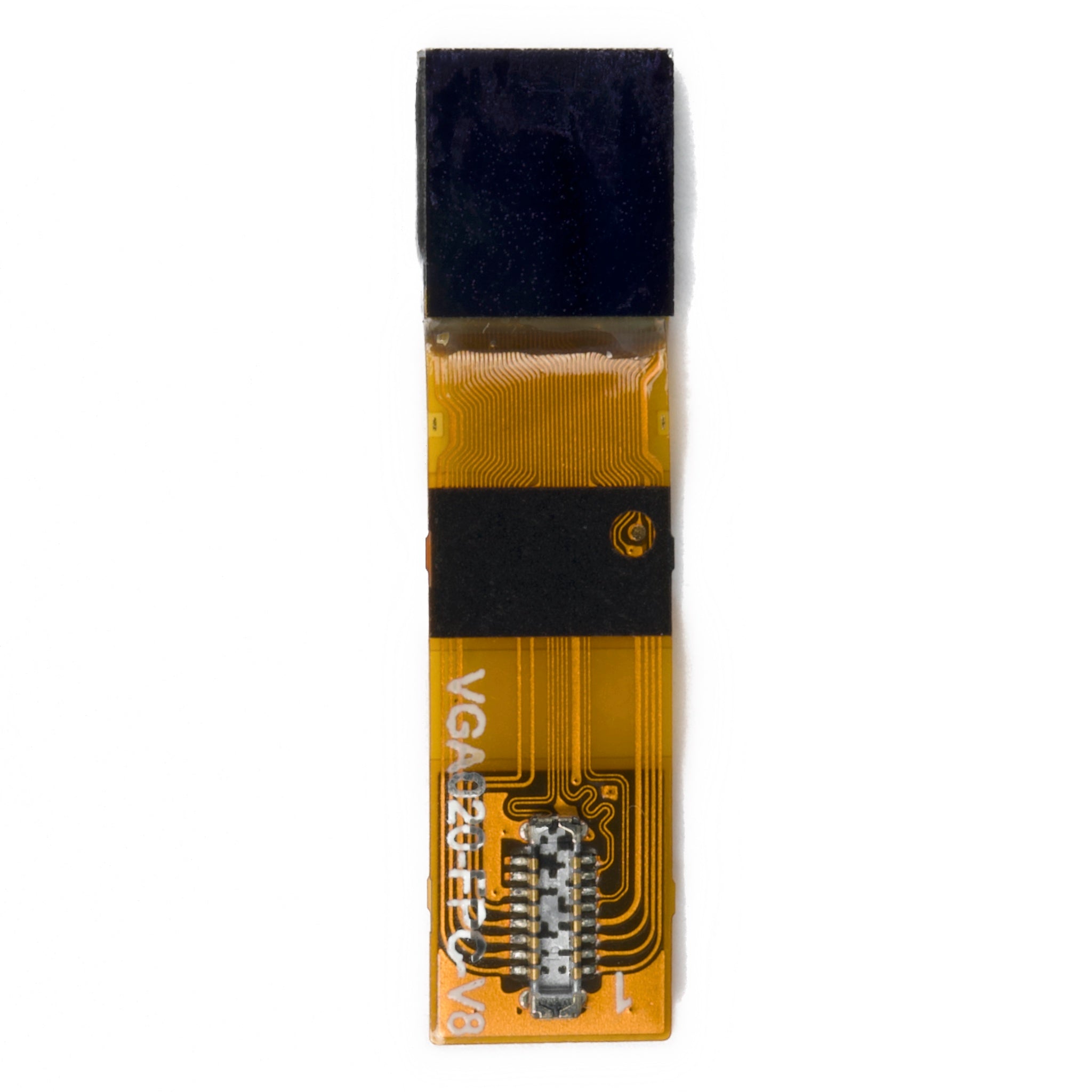
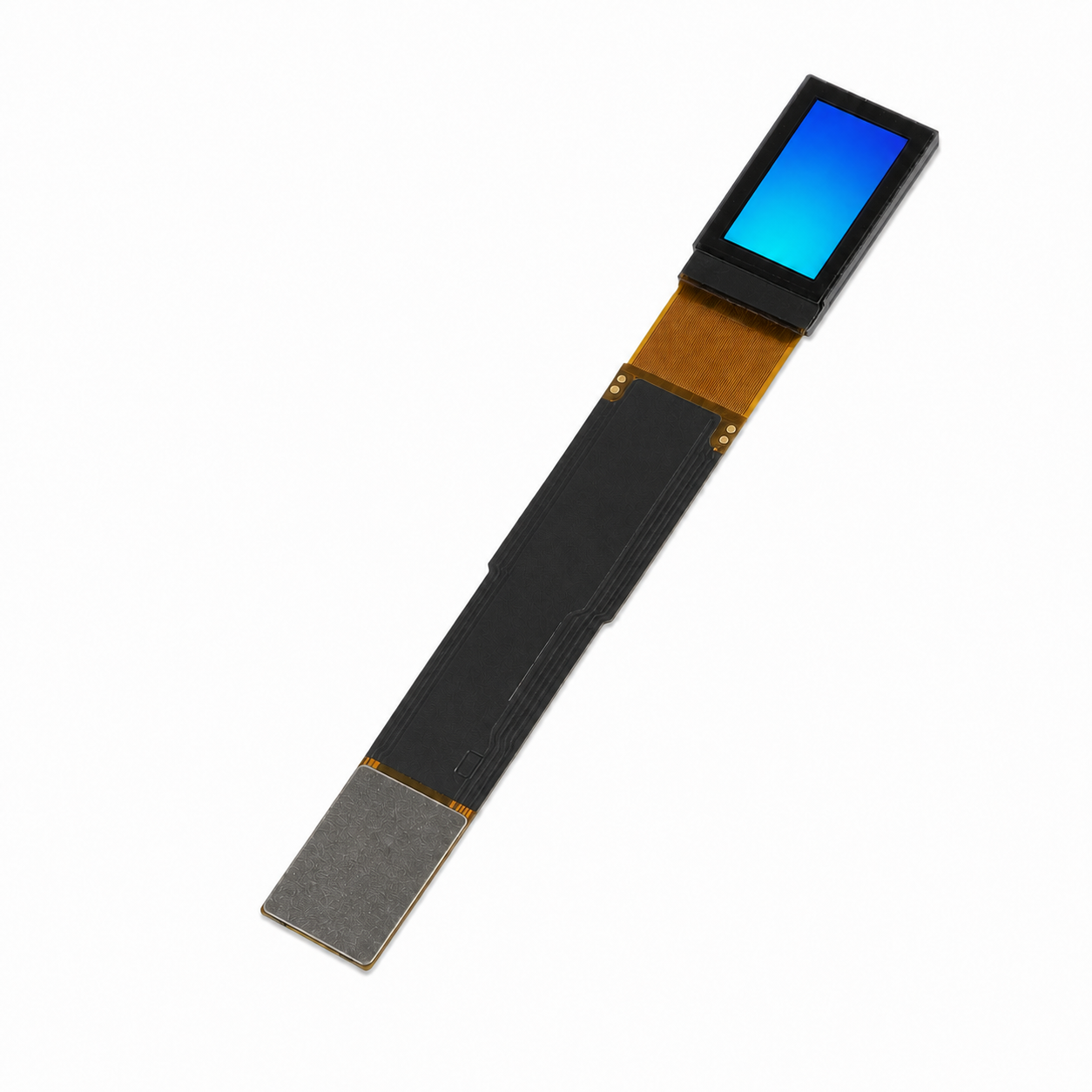
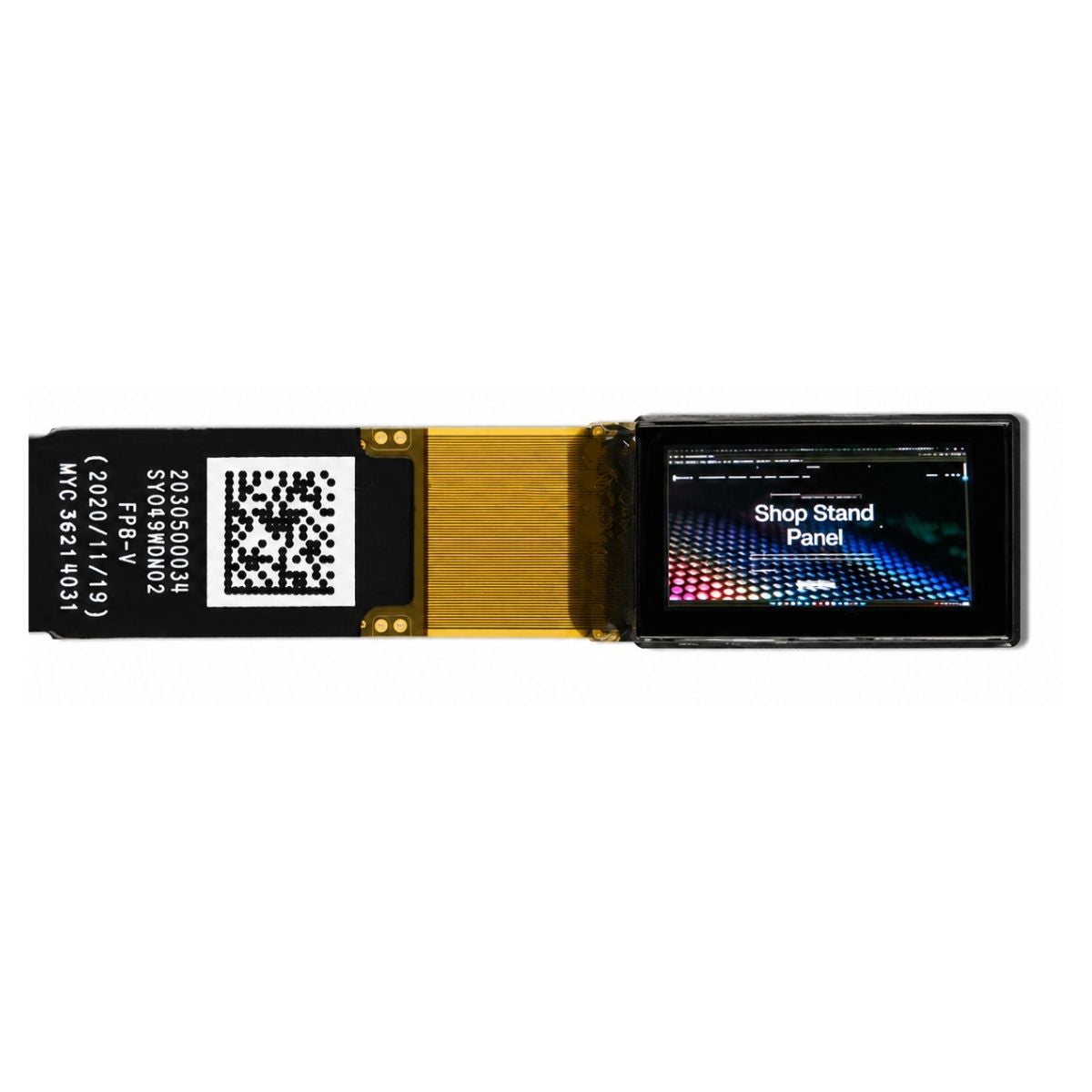
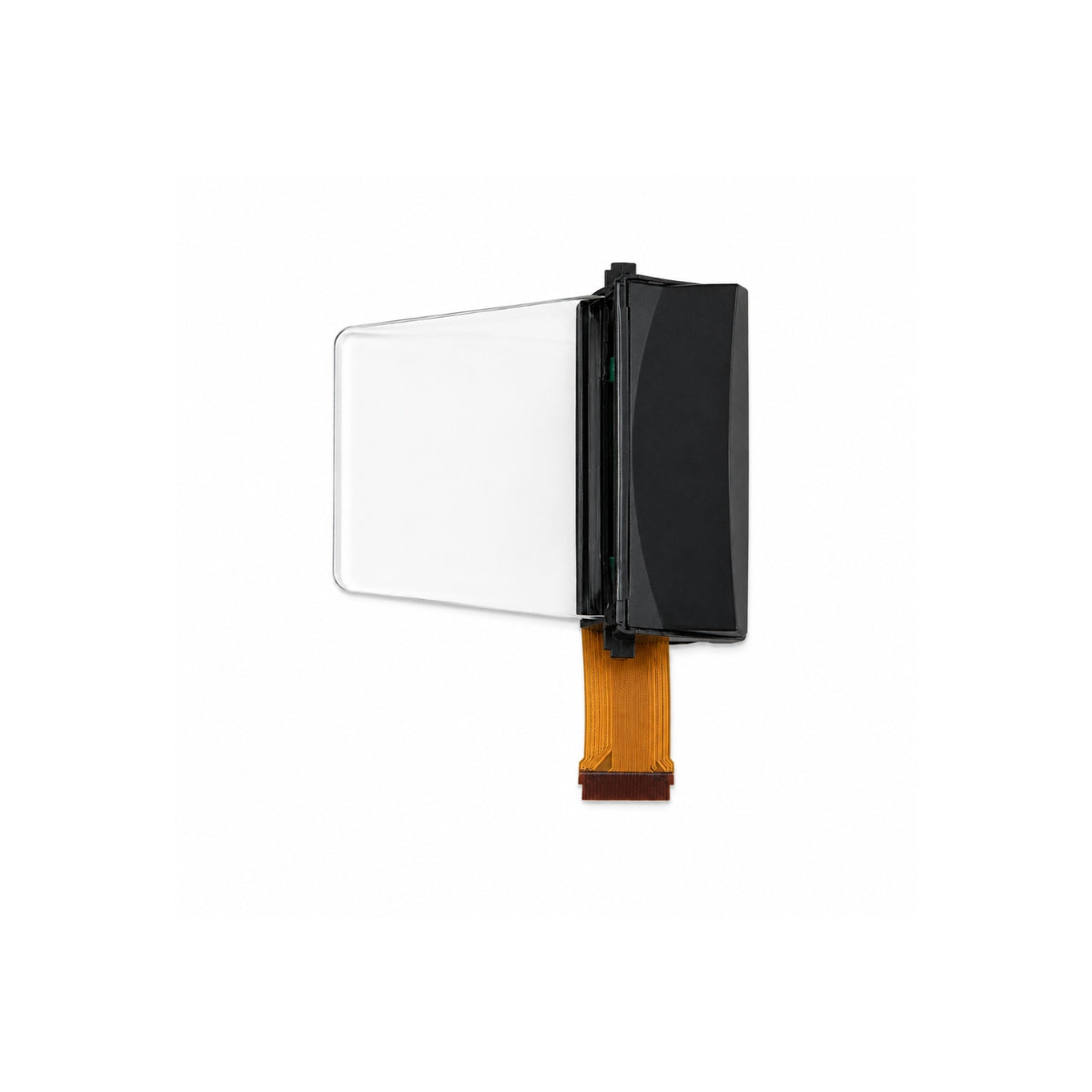
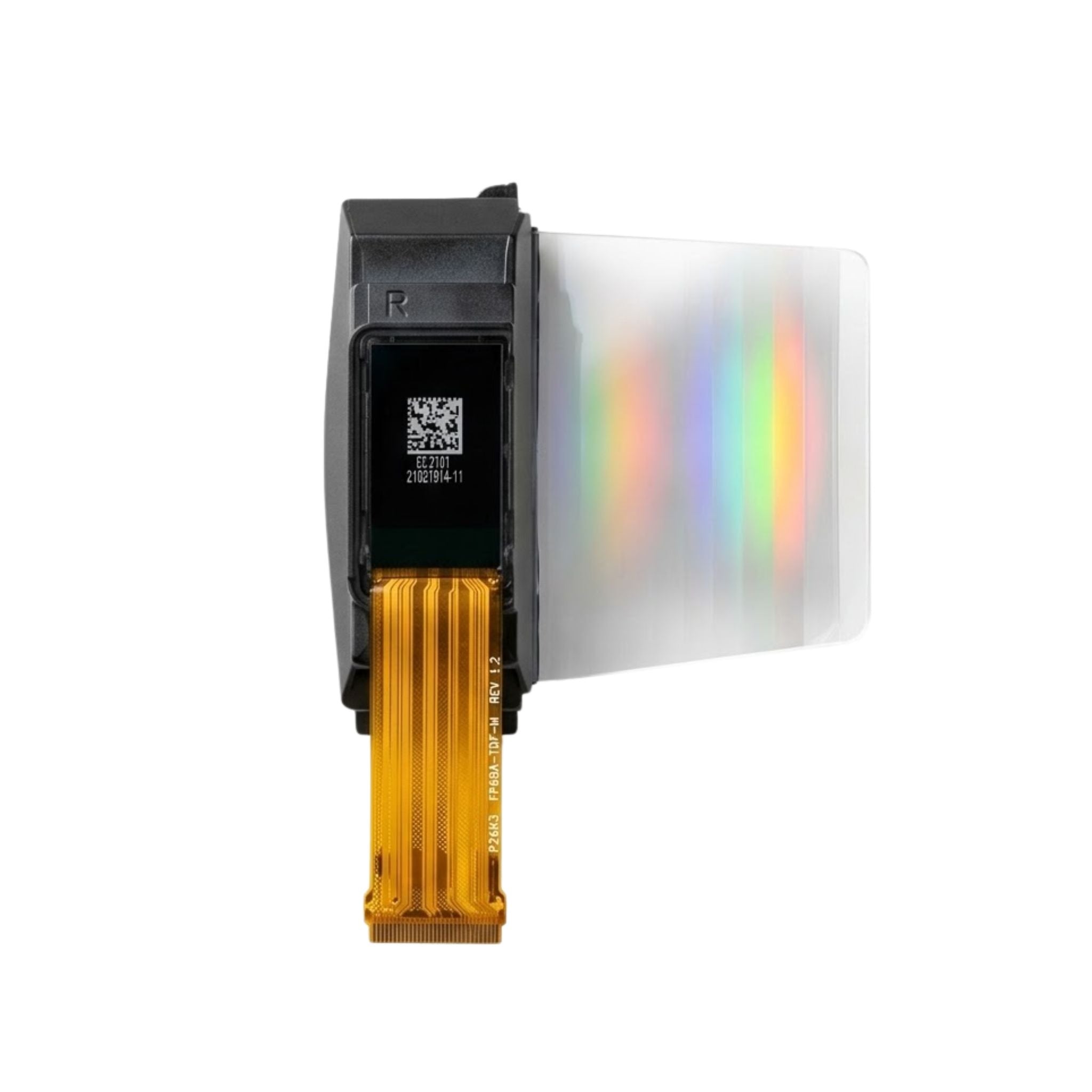


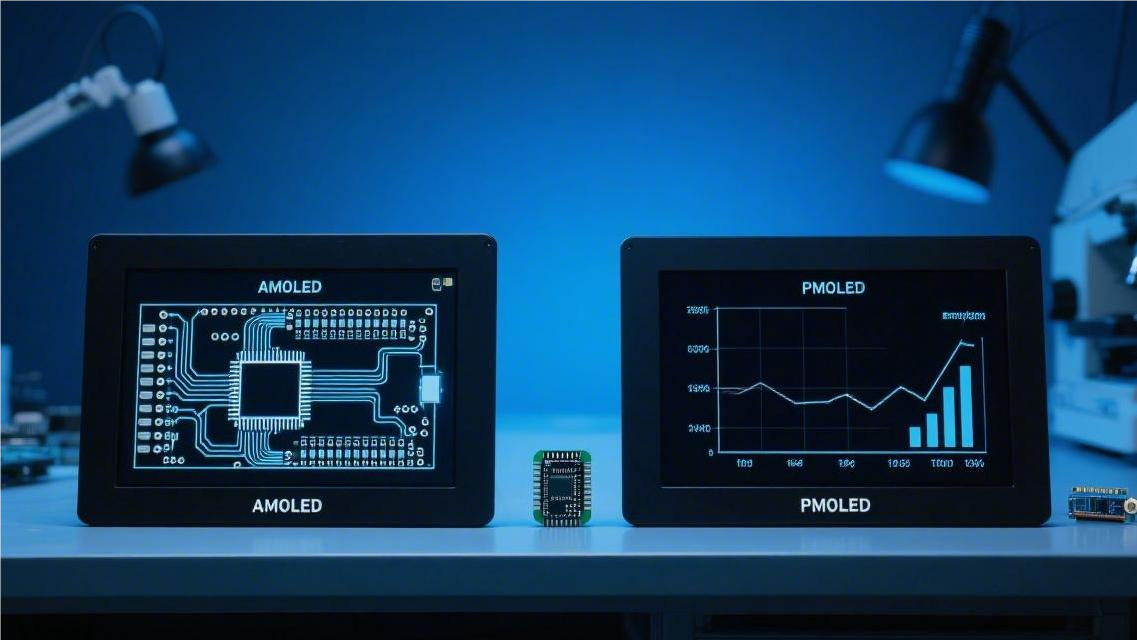
AMOLED utilizes a TFT array for active driving, where pixels are independently controlled, allowing sizes to exceed 100 inches. Although the cost is high.
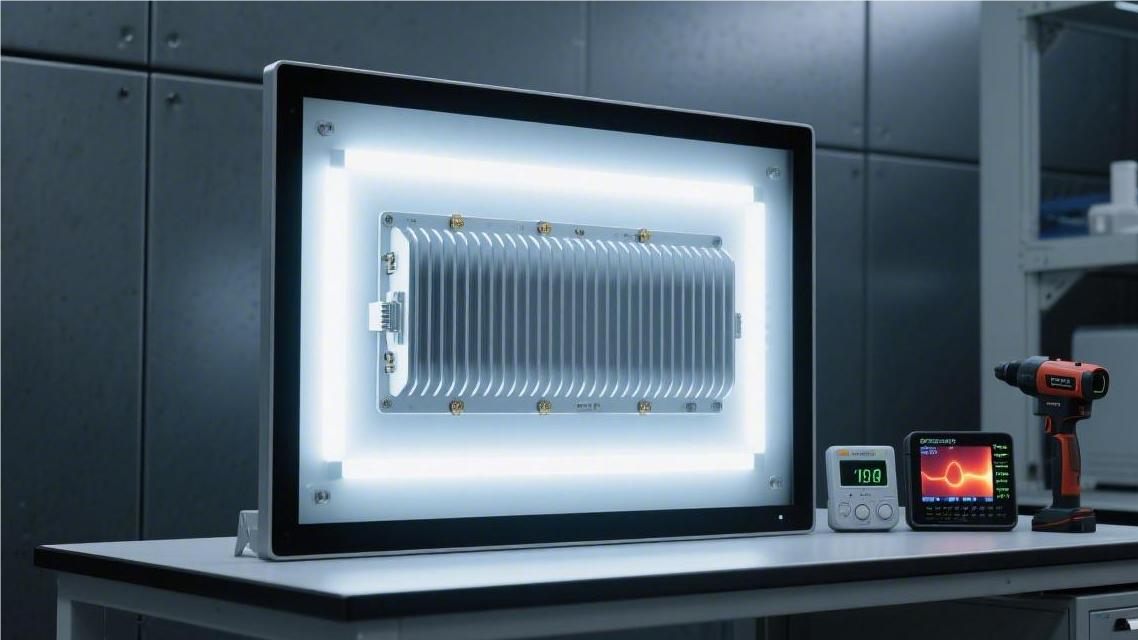
High-brightness LCD panels often reach a brightness of 2500 nits. Since a 55-inch panel consumes approximately 250W, it requires an aluminum substrate and.
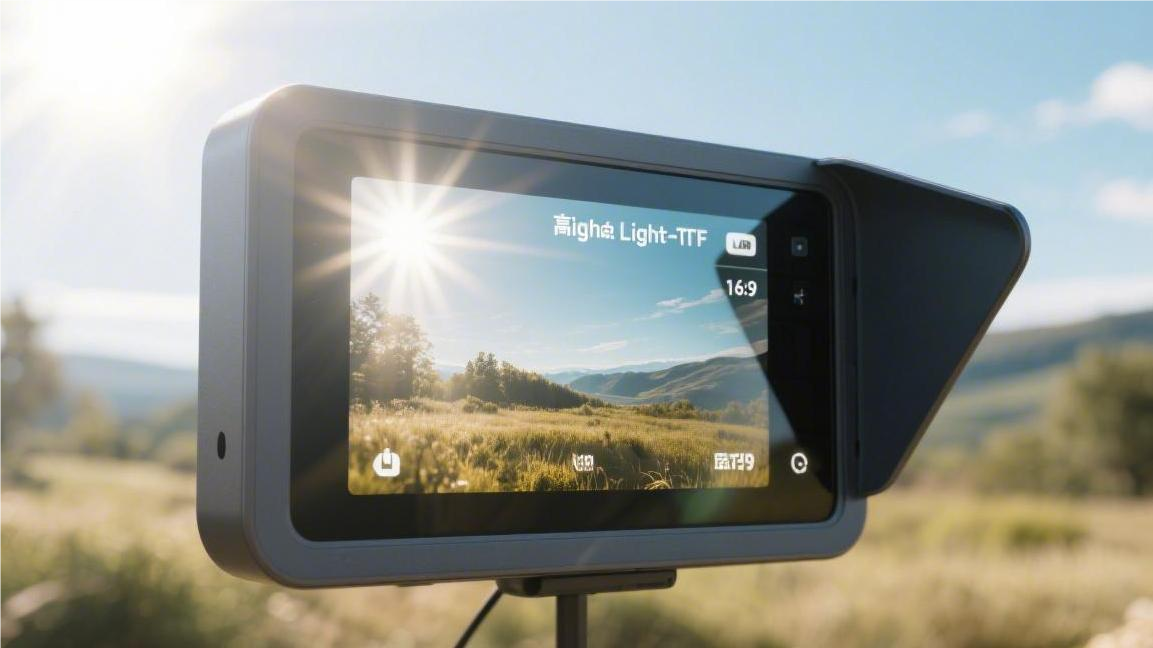
Sunlight readable TFT displays must feature a high brightness of over 1000 nits and a contrast ratio of 800:1. Operationally, an anti-glare (AG) coating.
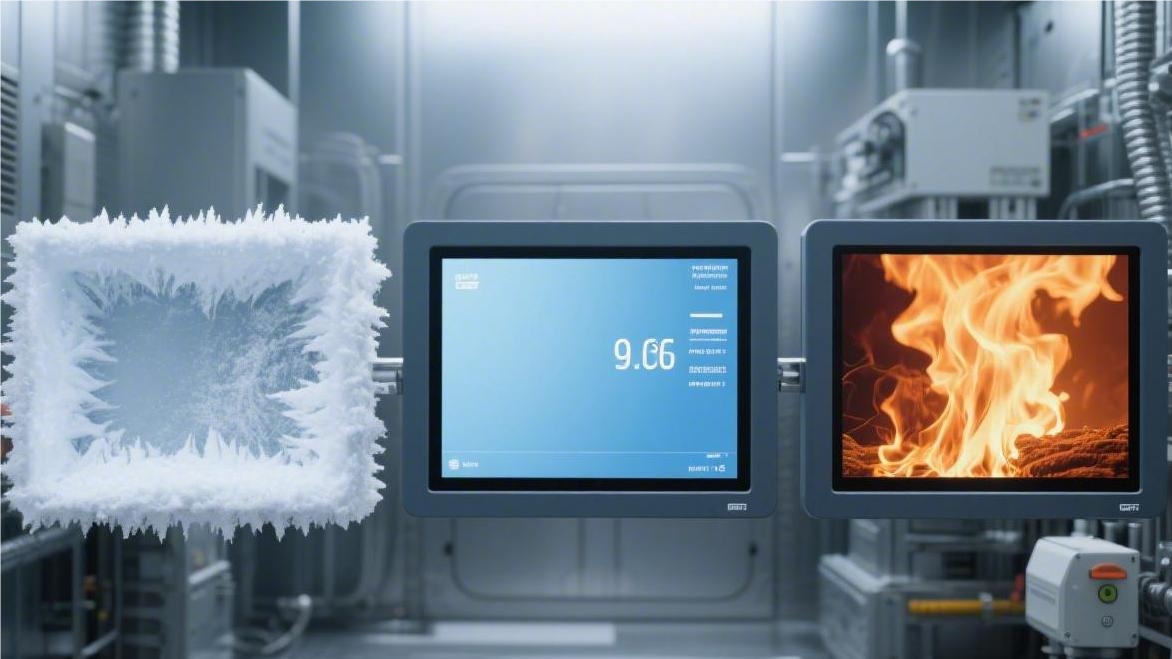
Industrial LCD screen selection must look for the wide temperature standard of -20°C to 70°C. In terms of lifecycle, it is essential to verify data.
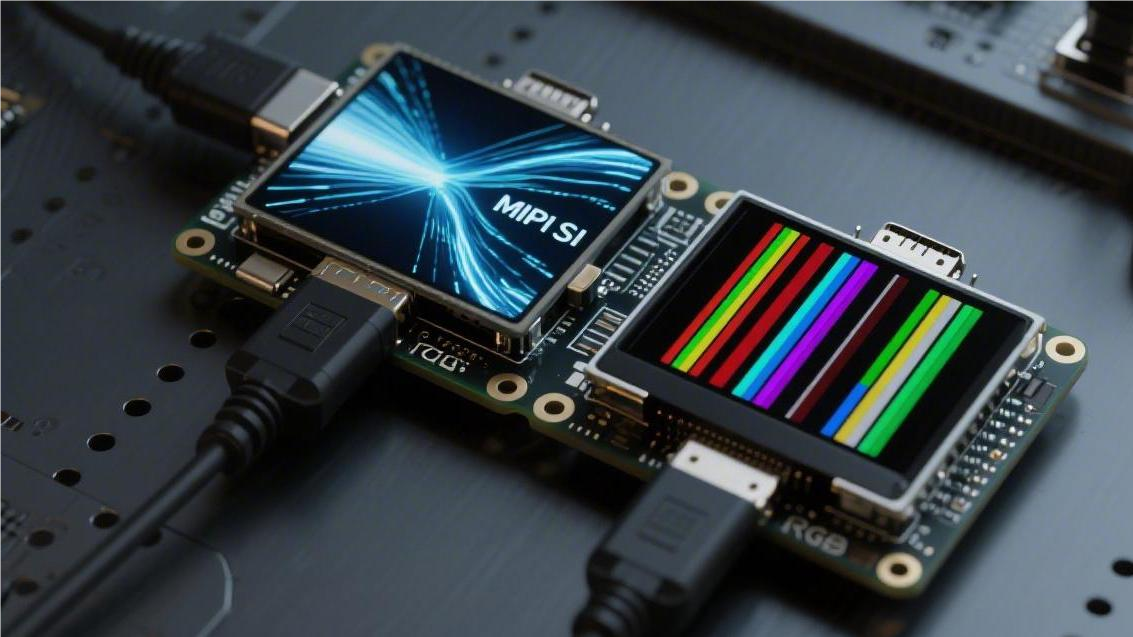
The MIPI DSI single-lane bandwidth reaches up to 4.5 Gbps, requiring only 4 sets of differential lines to support 4K high resolution. It features strong.
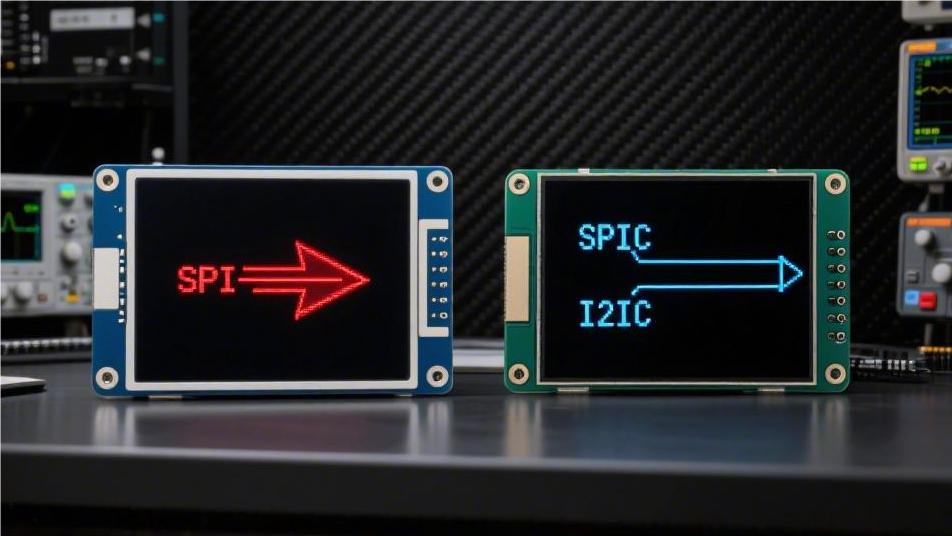
The SPI display interface requires 4 wires and can reach frequencies of 50MHz or higher, making it suitable for driving color TFT screens to smoothly play.

E-paper is the preferred choice for battery-powered devices, with its static display power consumption as low as 0W, consuming power only during screen.

Flexible OLED screens use a polyimide substrate instead of glass, with a thickness of only about 0.03 mm, yet they can withstand over 200,000 repeated.

If extreme cost-effectiveness and battery life are paramount, black and white LCD is the first choice. Its cost is usually only about 30% of that of a.