

Skip to content

Cart

Your cart is empty

Continue shopping

Type-C to MIPI Adapter for Micro Display

SKU: DM-ADTTR-038
Sale price$299.00
  • 💹 Enjoy a 20% discount for orders over 500
  • 📉 A 15% discount is available for orders ranging from 200 to 499
  • 🎁 A 10% discount is available for orders ranging from 50 to 199
  • 🎁 A 5% discount is available when ordering 10-49

Interested in customizing this product? Get in touch with us.

Order samples, immediate delivery.

Factory bulk lead time: 3 weeks.

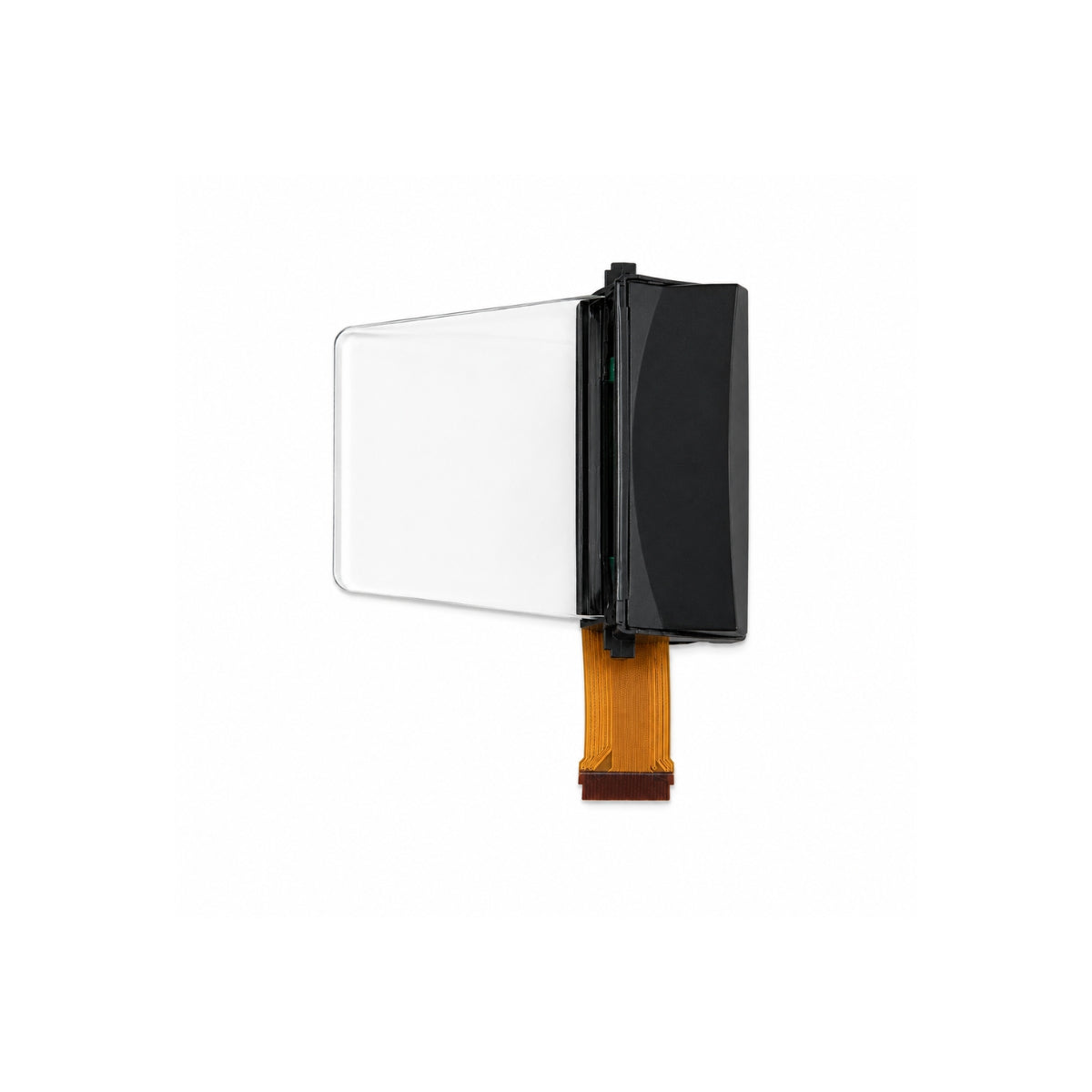
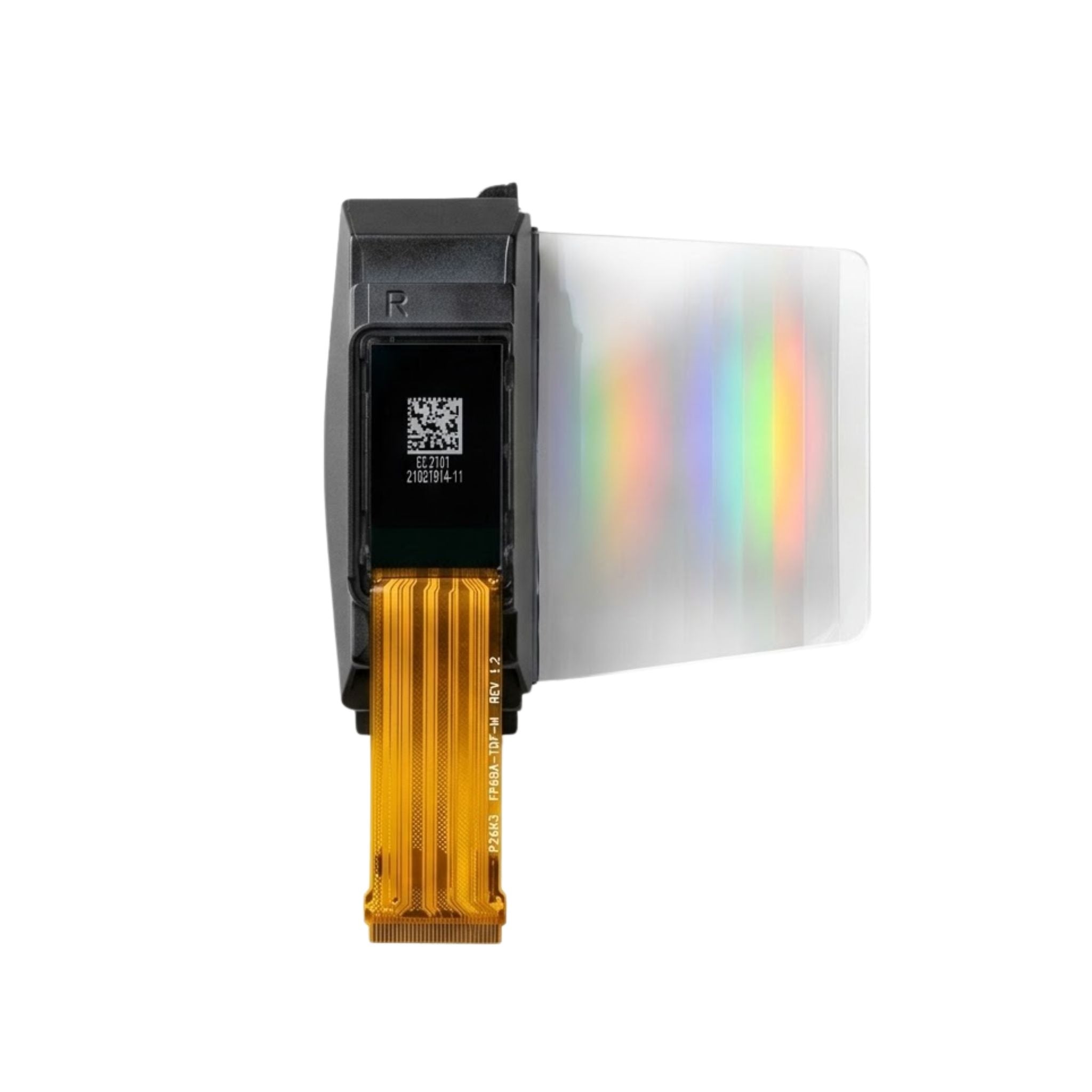
Type: for 0.49 in Micro Display

Share
Type-C to MIPI Adapter for Micro Display 东兴强
Type-C to MIPI Adapter for Micro Displayfor 0.49 in Micro Display Sale price$299.00

Resources & Downloads

Type-C DP Alt Mode to MIPI DSI Driver Module

Type-C to MIPI Adapter for Micro Display

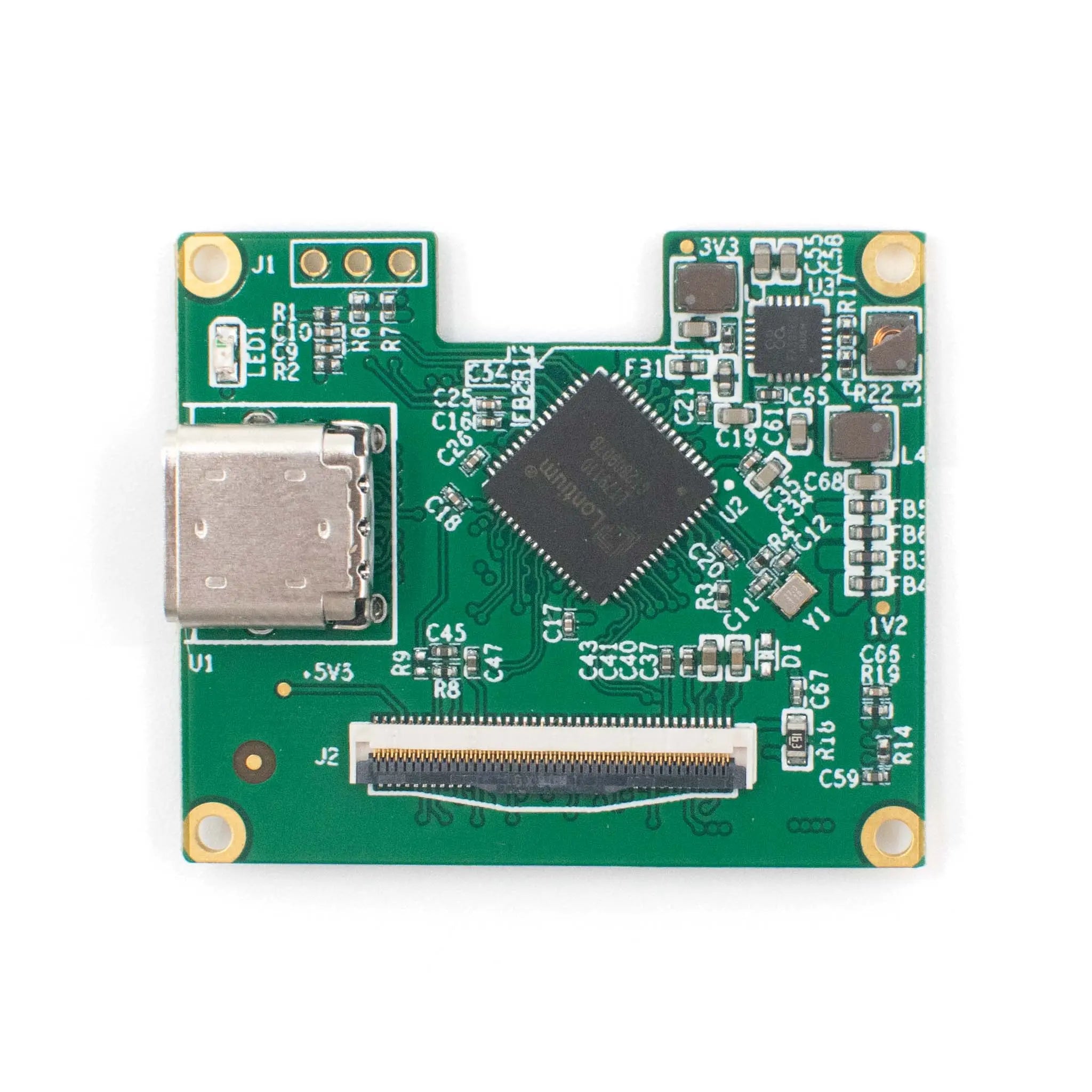
This binocular driver module converts video input from a Type-C interface with DP Alt Mode support to MIPI DSI output for Micro-OLED display integration. It is designed for VR/AR development, optical engine validation, micro-display demonstration, and embedded display prototyping.

The module uses the LT7911D Type-C to MIPI bridge chip with GD32F103TBU6 MCU configuration. Power and video data are delivered through a single Type-C connection, with 5V power input supplied via the Type-C interface.

The listed maximum resolution is up to 2560×2560 at 60Hz. Final output depends on host DP Alt Mode support, cable quality, panel interface configuration, converter board selection, FPC pinout, firmware settings, and project-level validation.

Up to 2560×2560@60Hz

Listed maximum resolution

Type-C DP Alt Mode

Required input condition

LT7911D

Type-C to MIPI bridge

5V via Type-C

Listed power input


Technical Specifications

Parameter Specification Integration Note
Main Controller LT7911D Type-C to MIPI bridge chip for video signal conversion.
Configuration MCU GD32F103TBU6 Used for module configuration and control logic.
Power Supply 5V via Type-C interface Confirm host-side power capability before system integration.
Input Interface Type-C with DP Alt Mode The host USB-C port must support DisplayPort Alt Mode. A charging-only USB-C port is not sufficient.
Display Interface MIPI DSI Panel-side connection depends on the display FPC layout and matching converter board.
Maximum Listed Resolution Up to 2560×2560@60Hz Actual output mode should be verified with the selected Micro-OLED panel and firmware configuration.
Target Display Type Micro-OLED display modules Suitable for micro-display evaluation, demonstration, and secondary development.
Operating Temperature Industrial-grade wide temperature range Use the official datasheet or project confirmation document for exact temperature limits.

Signal Path and System Architecture

Host Input

A laptop, embedded board, Android device, or other source must output video through USB-C DP Alt Mode.

Bridge Conversion

The LT7911D bridge converts the Type-C DP video signal for MIPI DSI display output.

MCU Configuration

The GD32F103TBU6 MCU supports module configuration for the selected display setup.

MIPI DSI Output

The output connects to compatible Micro-OLED displays through the correct converter board and FPC configuration.


Compatibility Requirements

The adapter is intended for Micro-OLED display projects that require Type-C video input and MIPI DSI panel-side output.

System compatibility should be checked at four points: host DP Alt Mode capability, Type-C cable quality, MIPI DSI panel timing, and FPC-to-board mechanical matching.

Windows, Linux, and Android host environments should be verified with the actual hardware. Operating system compatibility does not replace the hardware requirement for USB-C DP Alt Mode output.

Required

USB-C host port with DisplayPort Alt Mode support.

Project Check

Panel timing and firmware configuration should be confirmed before production use.

Important

A standard USB-C charging port is not the same as a USB-C DP Alt Mode video output.

Board Matching

Different display sizes and FPC layouts may require matching converter boards.

Compatible Micro-OLED Displays

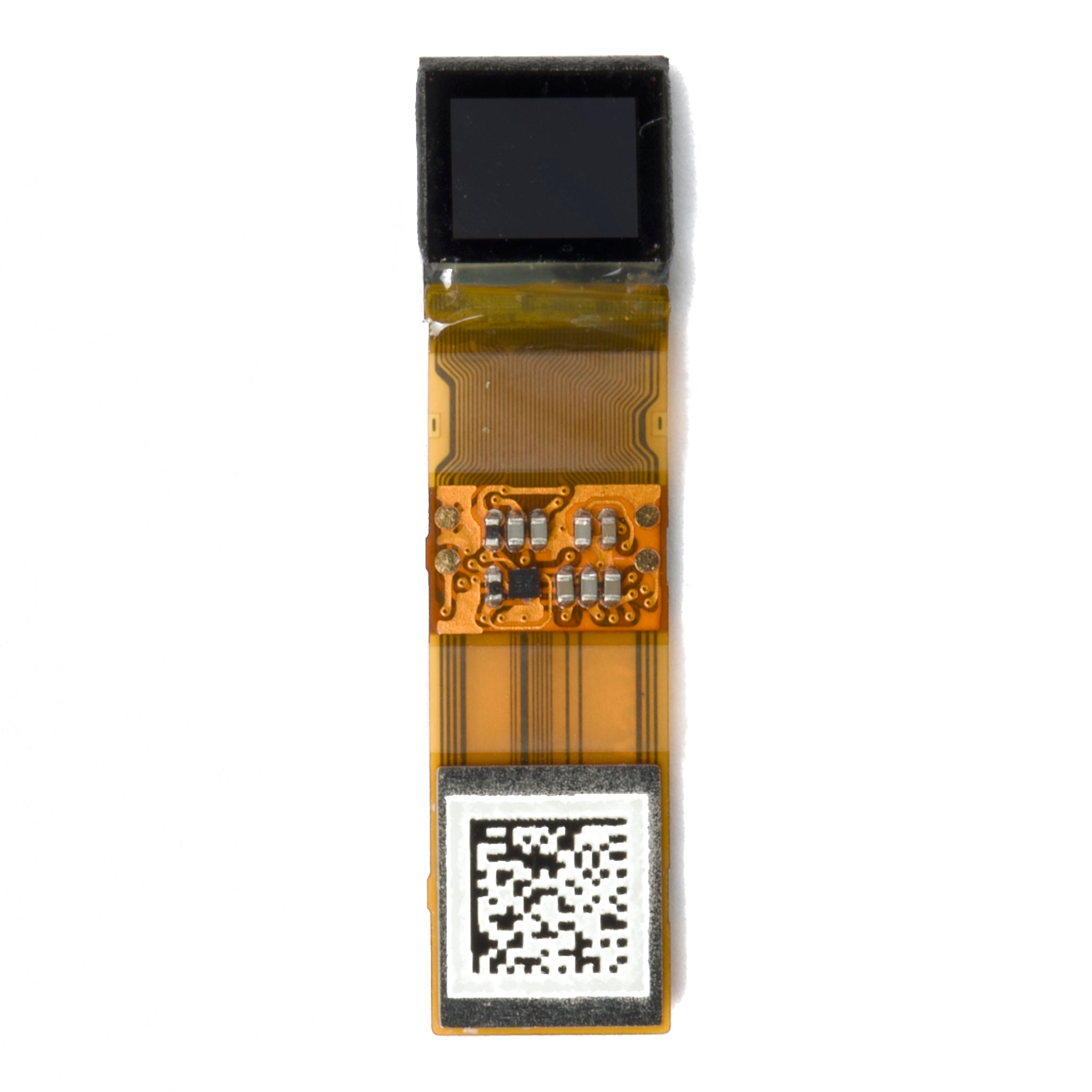
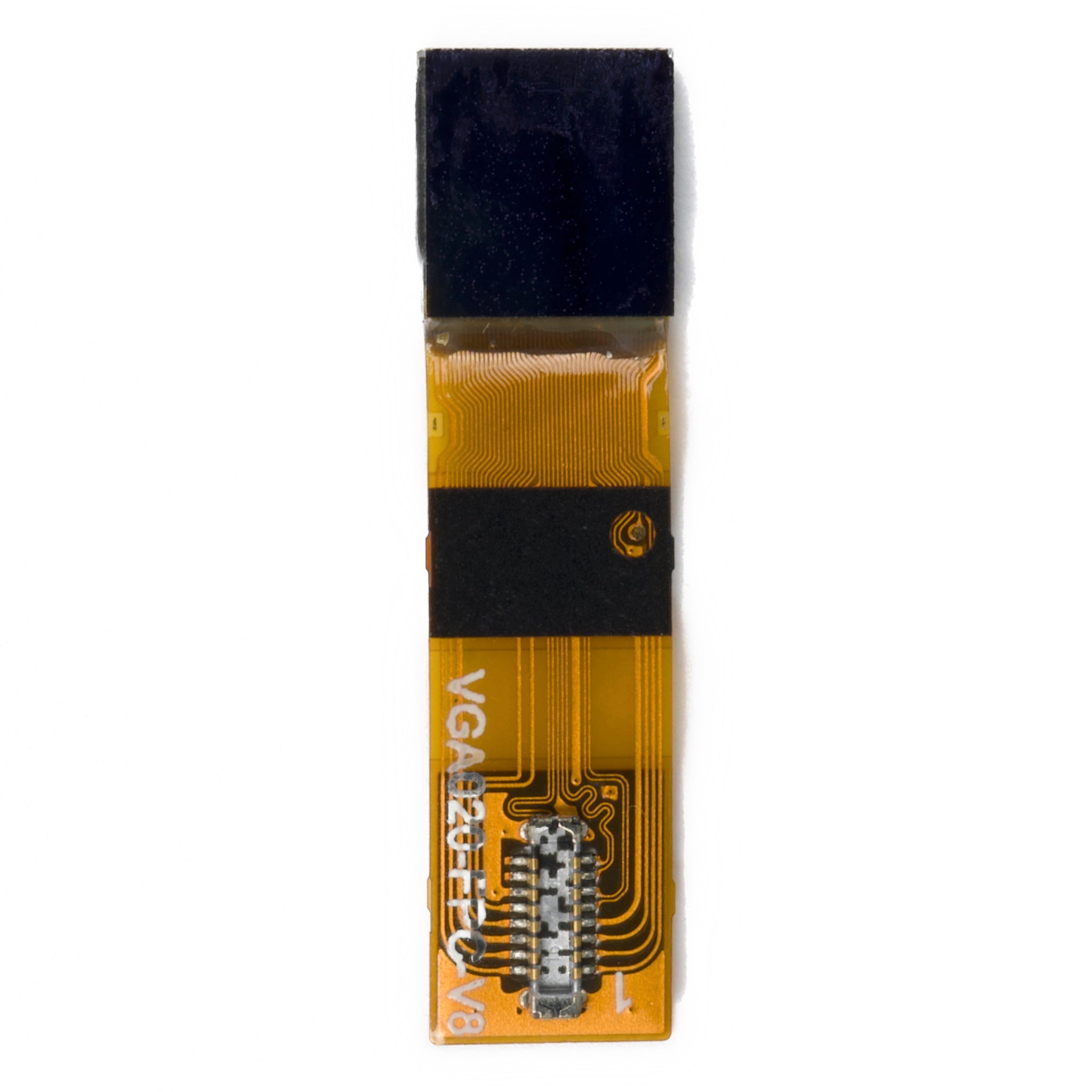
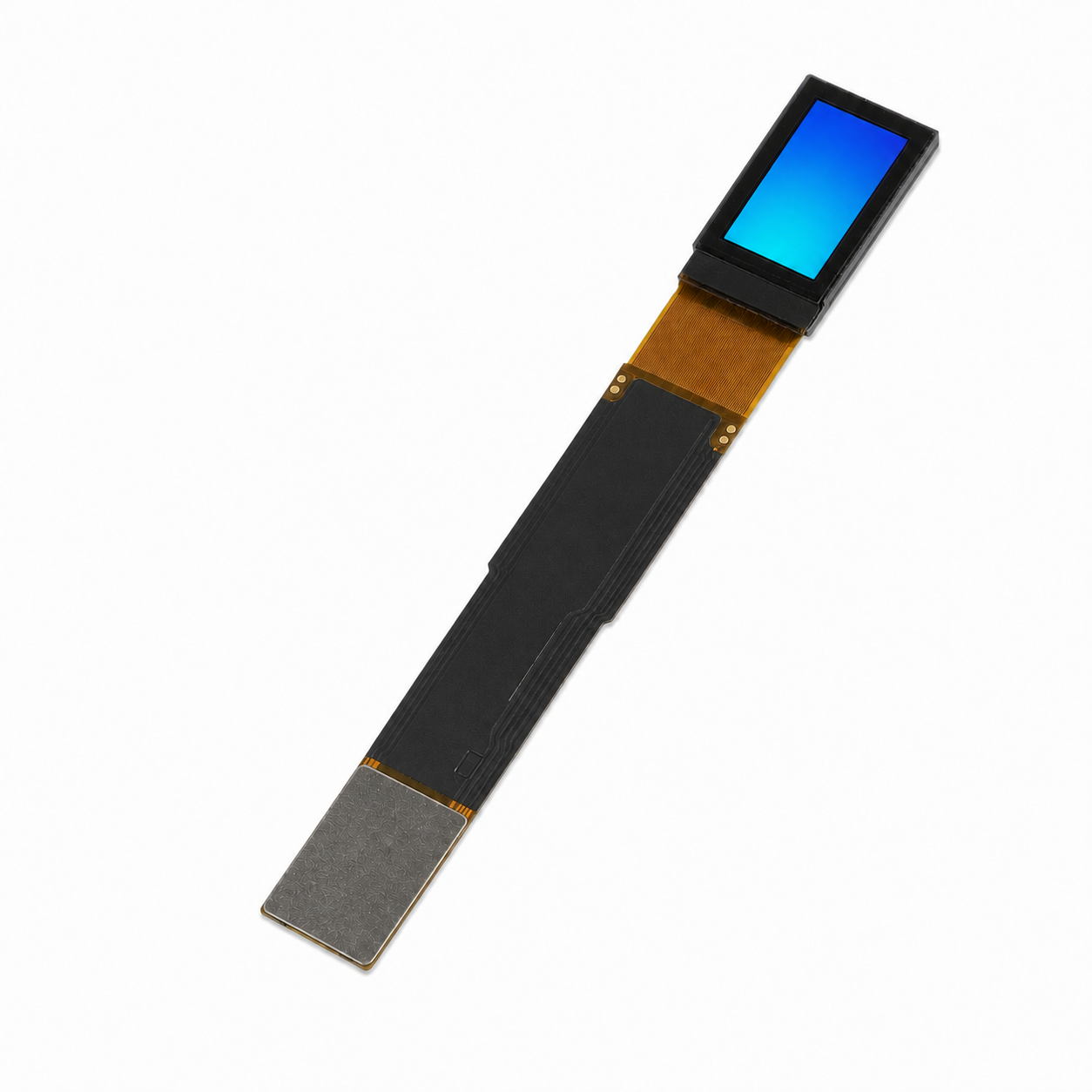
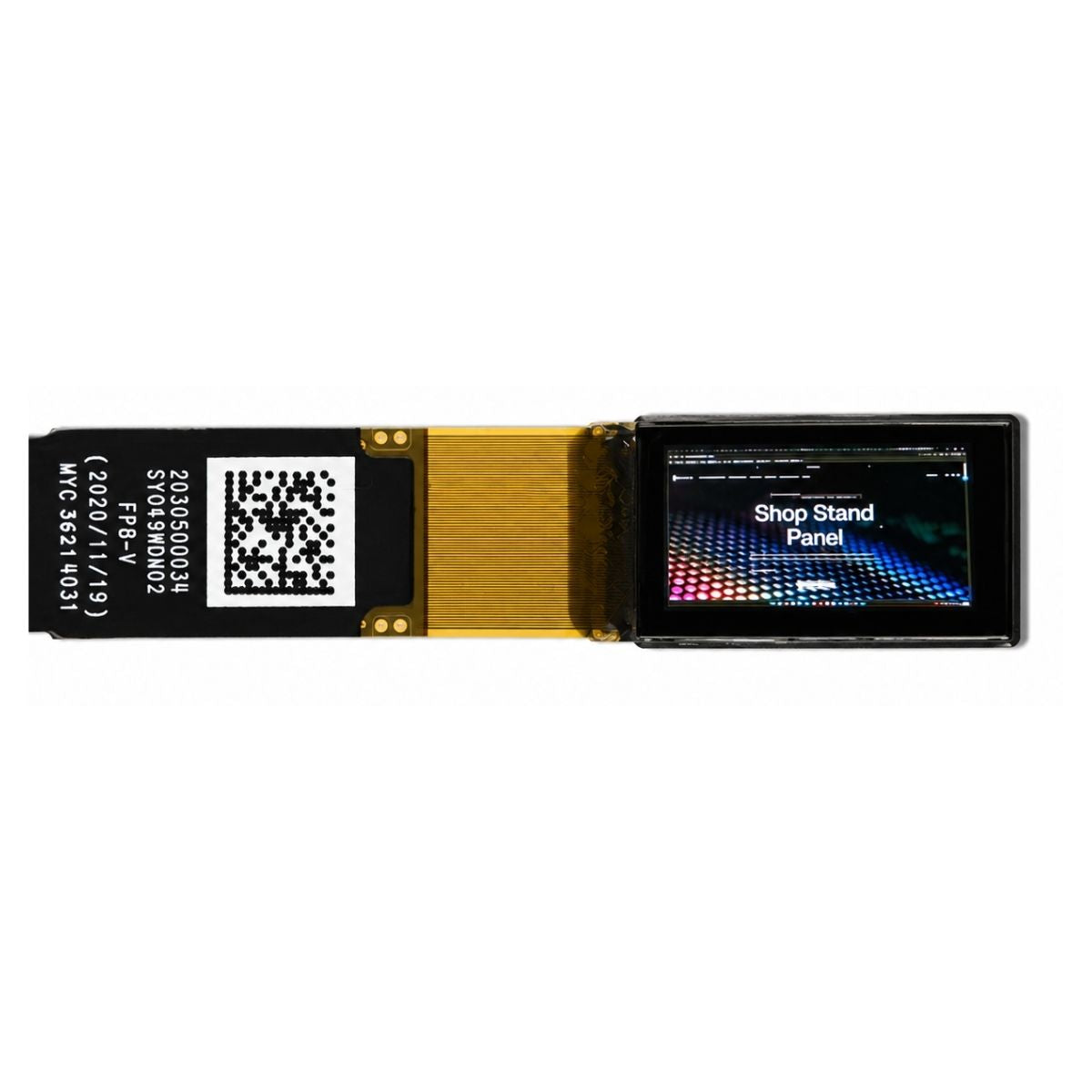
The adapter can be used with selected Micro-OLED displays through suitable converter boards. Confirm the exact panel model, FPC definition, MIPI timing, and firmware setting before integration.


Engineering Validation Checklist

Host Capability

Confirm that the source device supports Type-C DisplayPort Alt Mode and can output the required resolution and refresh rate.

Panel Timing

Check the target Micro-OLED panel timing, MIPI DSI lane configuration, and initialization sequence against the selected adapter configuration.

Mechanical Fit

Confirm FPC direction, connector position, converter board dimensions, mounting clearance, and cable bending space.

Power Stability

Verify 5V input stability through the Type-C connection under the target display brightness, refresh rate, and operating mode.

Thermal Review

Use the official datasheet and project test conditions to confirm the allowed operating temperature range.

Production Confirmation

Before volume purchase, confirm sample availability, lead time, inspection standard, and any configuration or connector customization scope.

Application Scenarios

The module is suitable for engineering teams that need a direct Type-C video input path for Micro-OLED display evaluation or system prototyping.

Use it during early hardware validation, optical engine evaluation, customer demonstration, and secondary development of VR/AR display systems.

VR/AR Development

For binocular micro-display prototypes that require high-resolution MIPI DSI display output from a Type-C source.

Portable Display Systems

For compact display units where single-cable 5V power and video input can simplify the prototype connection path.

Display Demonstration

For Micro-OLED display manufacturers and solution providers presenting panel performance to customers.

Secondary Development

For teams that need display-side adaptation, connector matching, or project configuration review.


OEM and ODM Customization Scope

Customized Shells

Brand-specific enclosure design can be reviewed for material, color, logo, and mechanical protection requirements.

Industrial Design Options

Waterproof, dustproof, and shockproof design requirements should be confirmed against the target enclosure and inspection standard.

Voltage Regulation

Custom power solutions can be reviewed when the project has special voltage, current, or power-sequencing requirements.

Multi-Screen Synchronization

Display array synchronization requirements should be reviewed with the engineering team before hardware selection.

Custom Interface Review

LVDS, eDP, and HDMI interface requirements can be discussed as custom display solution requests, not as the default output of this adapter.

Procurement and Technical Confirmation

Item to Confirm Why It Matters Required Before Production
Sample Availability Engineering teams need physical samples for host, display, and configuration validation. Confirm stock, sample lead time, and target panel model.
Volume Pricing BOM planning depends on order quantity, customization scope, and production schedule. Confirm quantity, forecast, and delivery destination.
Production Lead Time Project schedules require confirmed delivery windows for pilot runs and mass production. Confirm required date, batch size, and inspection standard.
Customization Scope Connector, enclosure, power, or interface changes can affect validation time and cost. Confirm interface drawing, target display, and application environment.
Long-Term Supply OEM and ODM projects require stable supply planning beyond sample testing. Confirm forecast volume, lifecycle requirements, and alternative configuration needs.

Engineering Notes

Use the Datasheet First

Confirm mechanical drawings, absolute maximum ratings, recommended operating conditions, interface timing, and reliability limits before PCB layout or optical engine tooling.

Check Interface Direction

Different Micro-OLED panels may use different FPC orientation and pin definitions. Do not assume that panels with similar resolution share the same connector layout.

Validate Under Real Load

Test the selected host, cable, adapter, converter board, and display together at the intended resolution and refresh rate.

Download Datasheets and Confirm Integration Details

Use the official datasheets to confirm mechanical drawings, electrical characteristics, timing requirements, operating limits, and project-specific compatibility before production design.

For OEM and ODM projects, confirm sample availability, volume pricing, production lead time, customization scope, inspection standards, and long-term supply requirements with the engineering team.

Reviews from our customers