

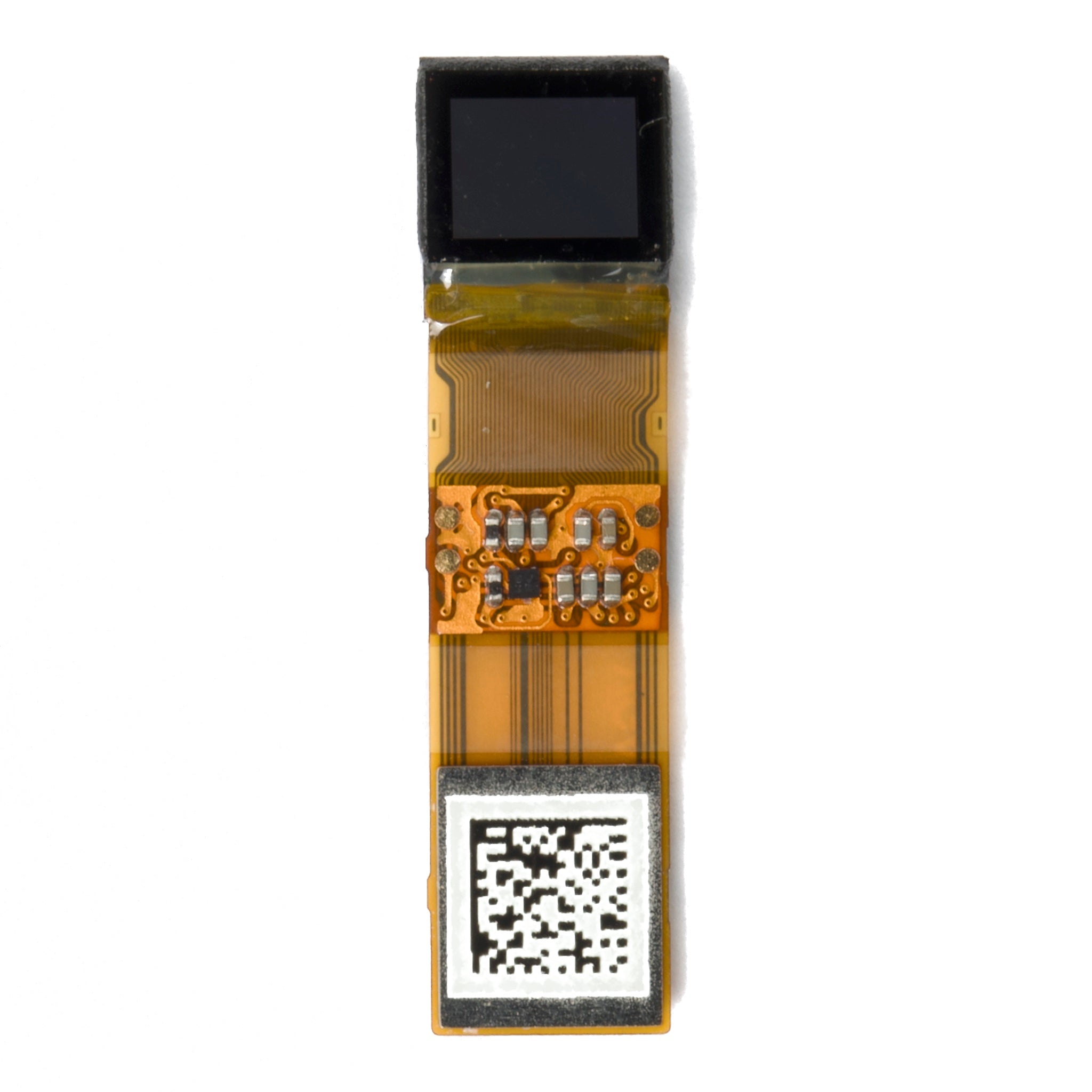
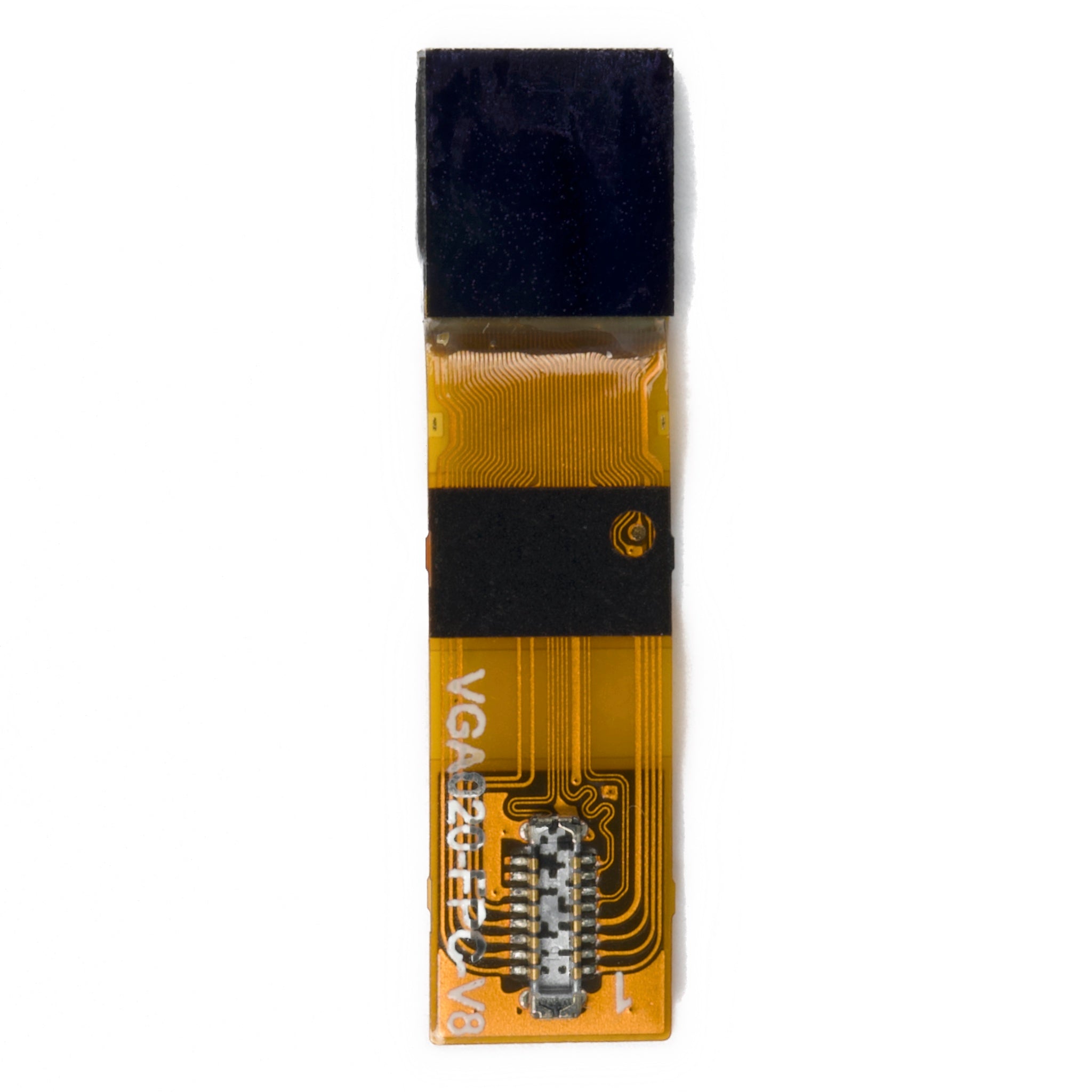
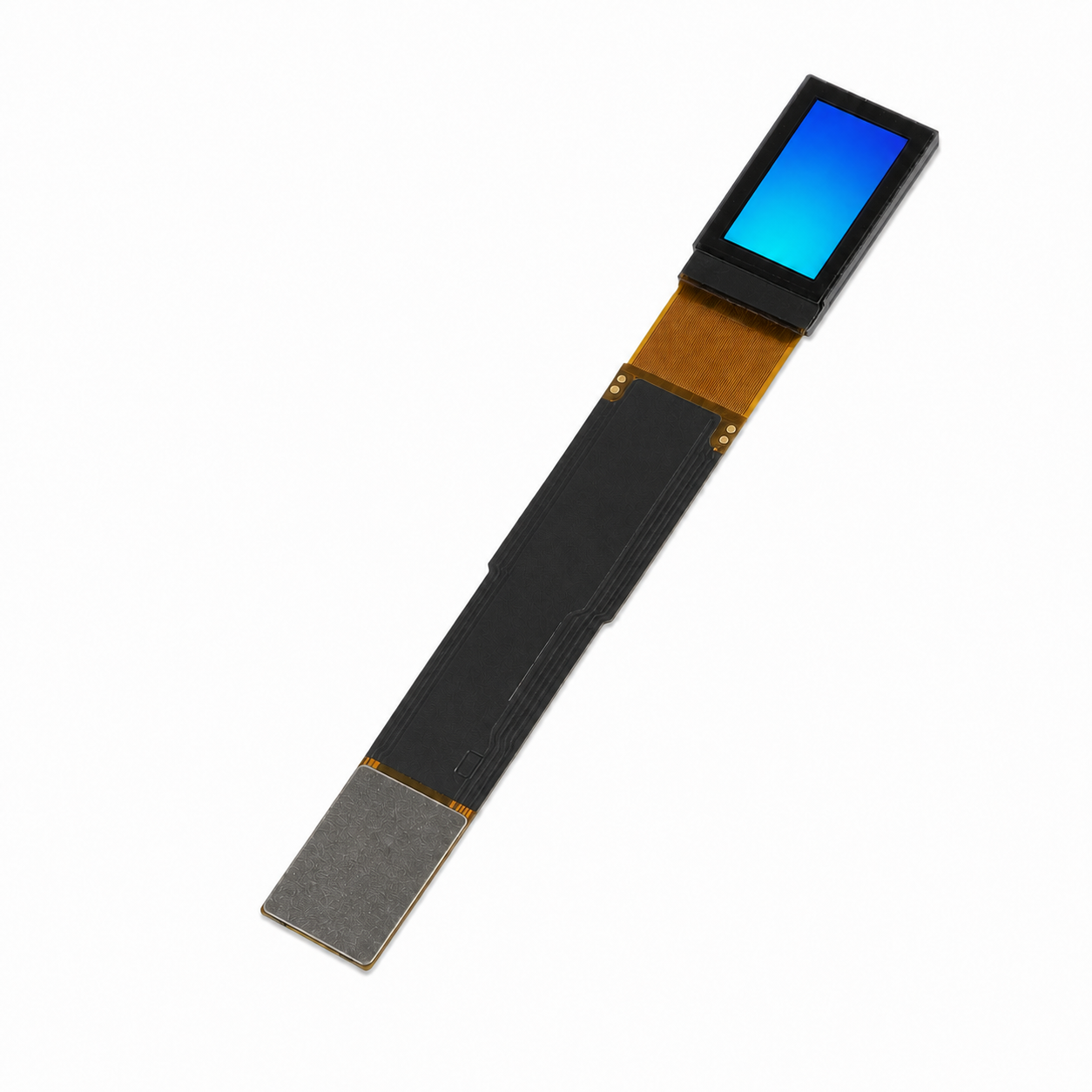
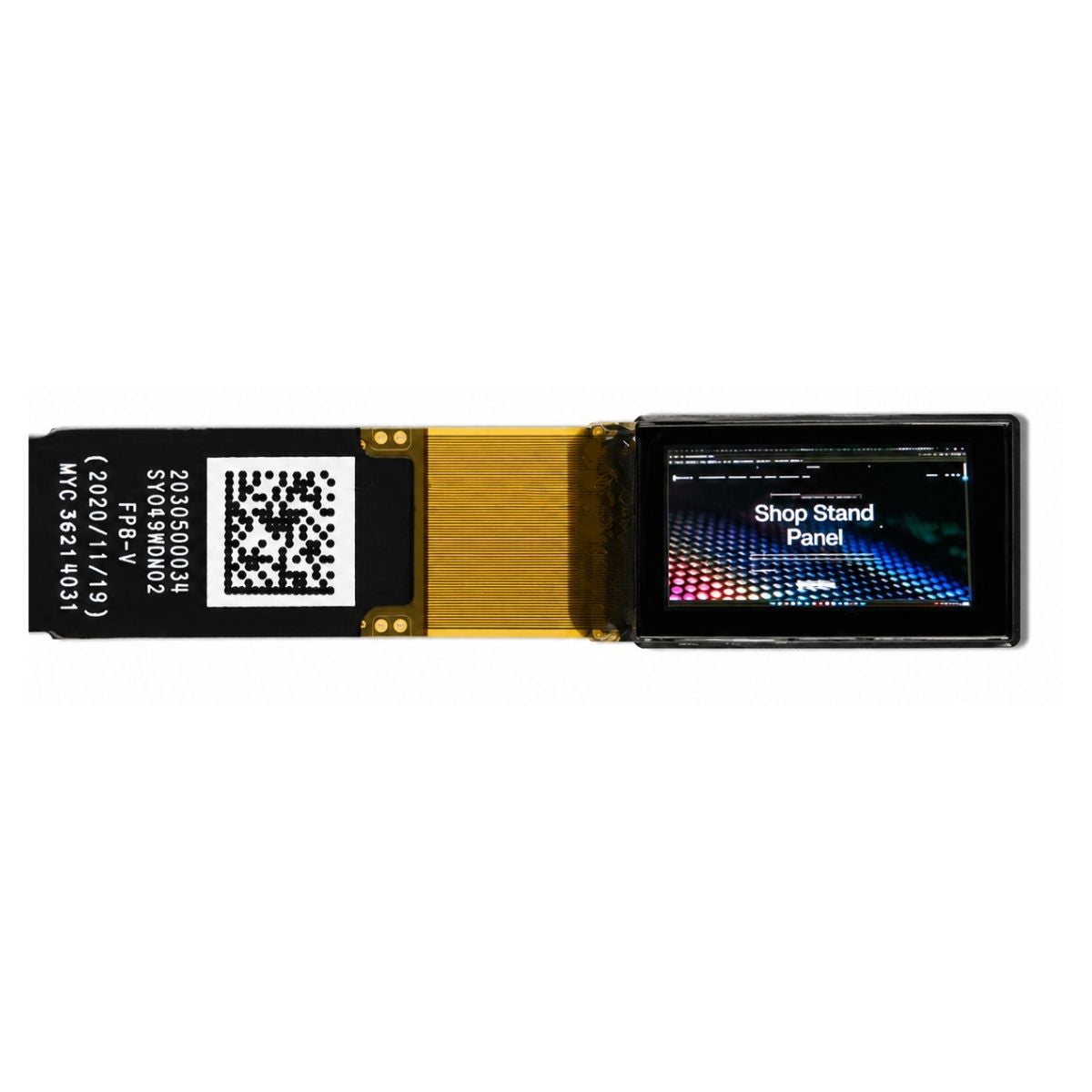
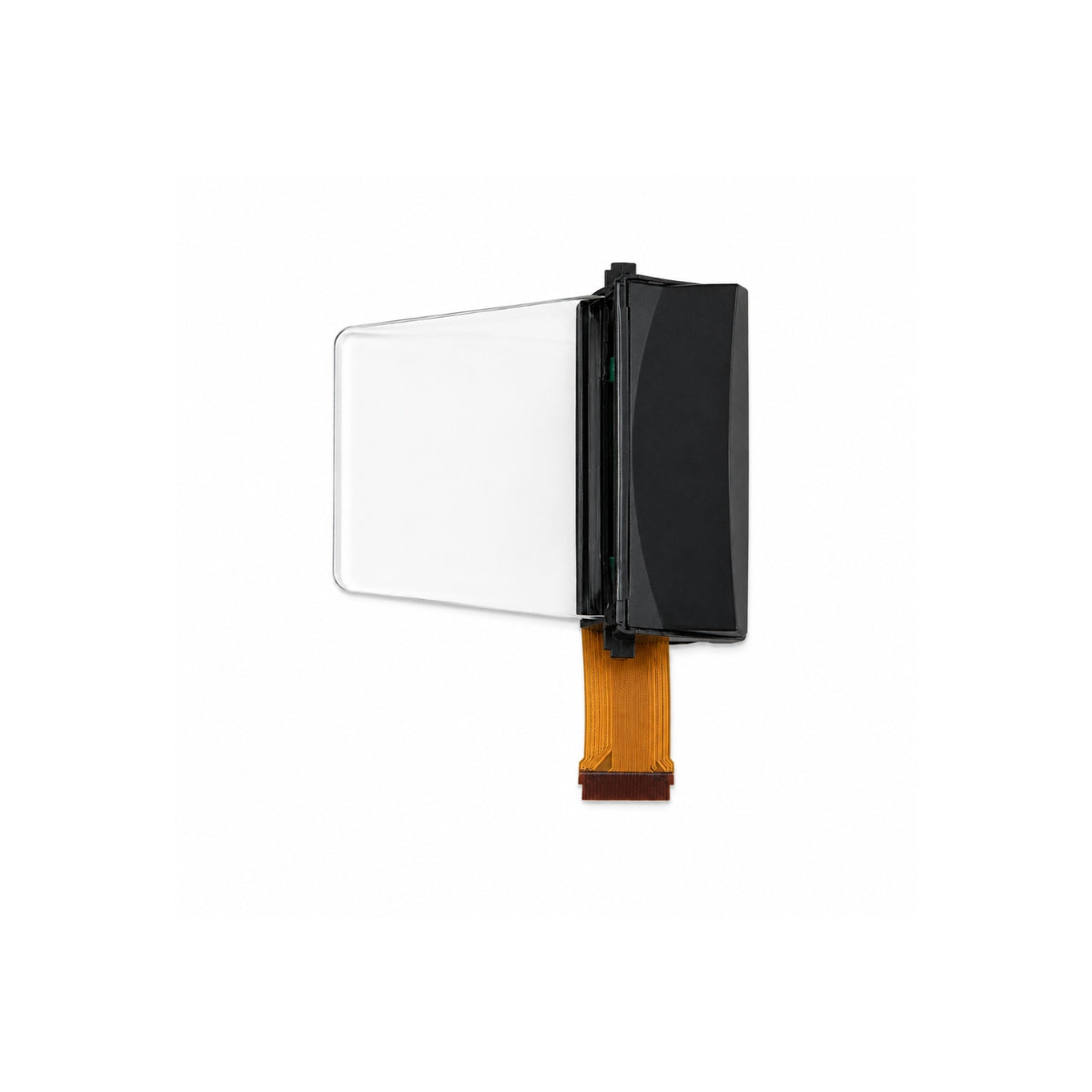
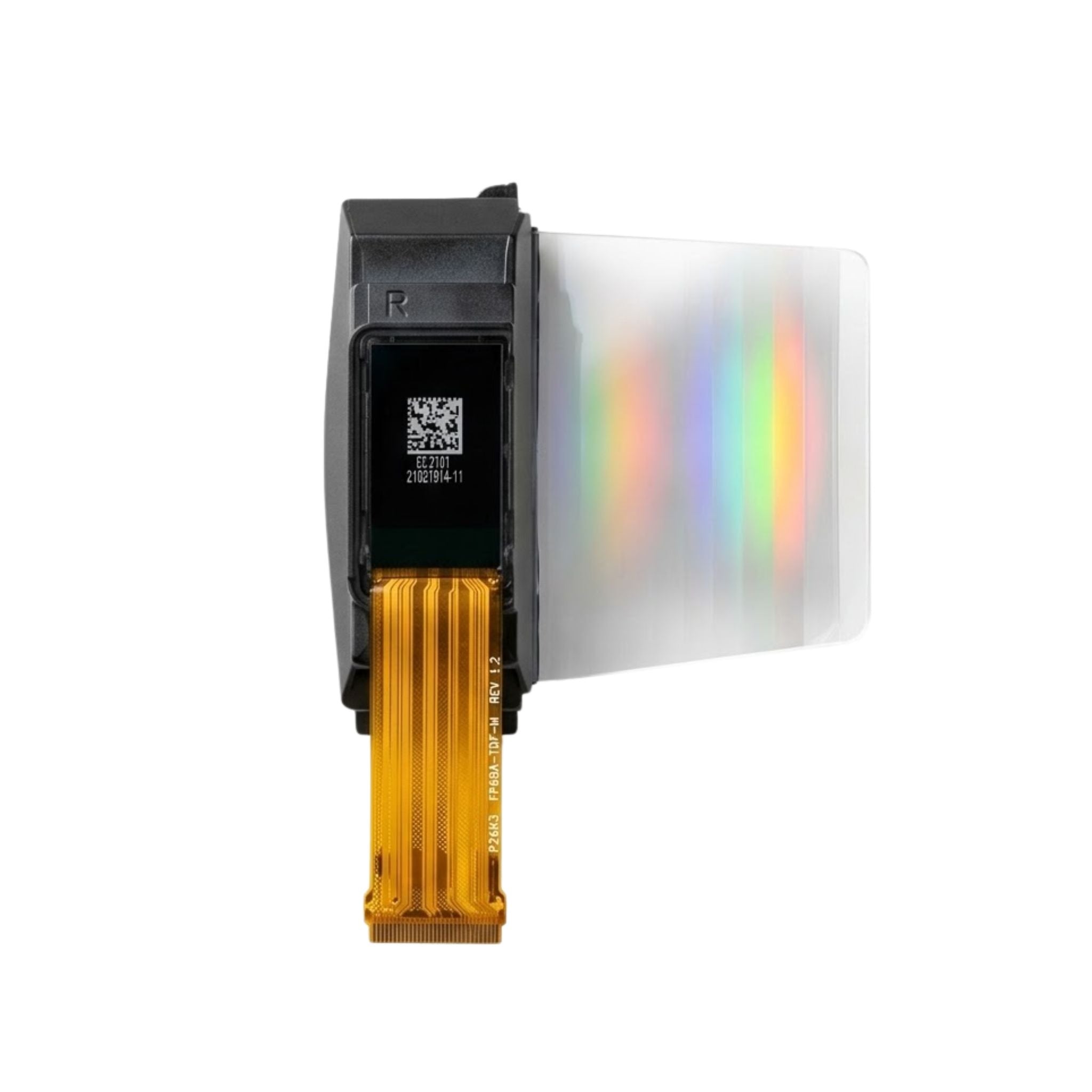


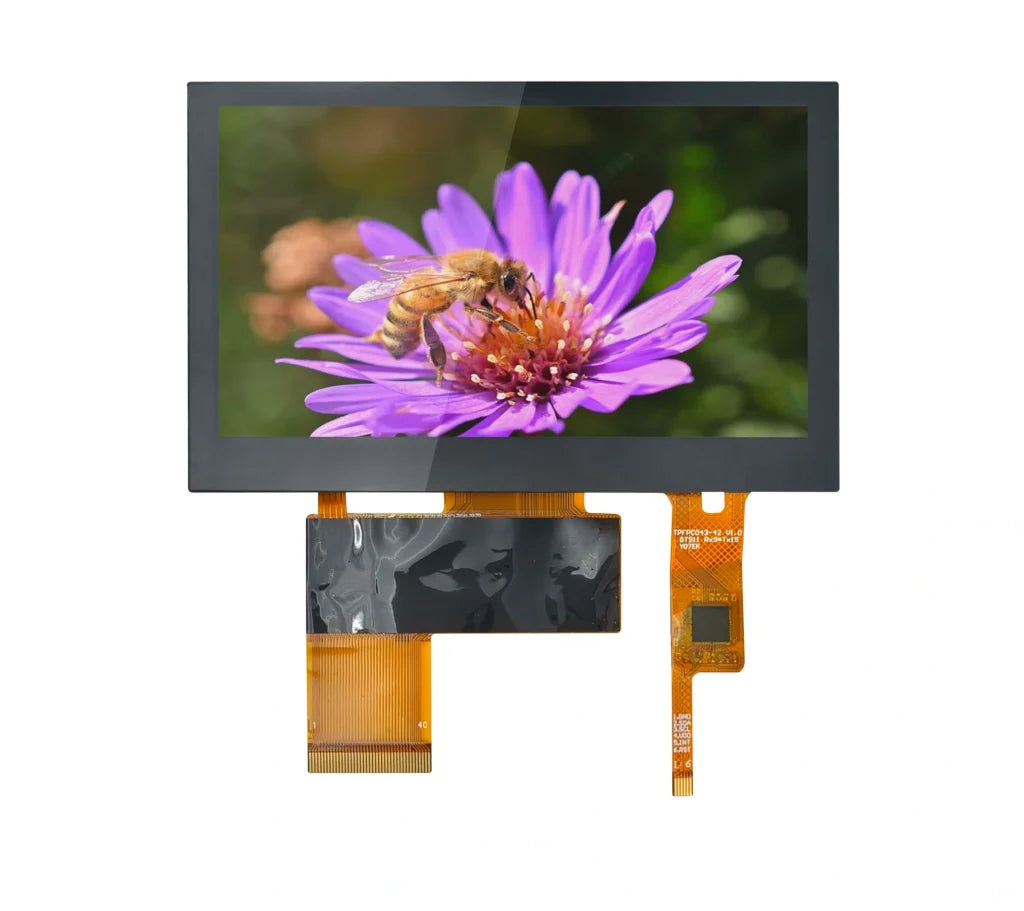
The core advantage of custom OLED lies in image quality. Its self-emitting pixels can achieve infinite contrast ratio and more vivid colors, but the cost.
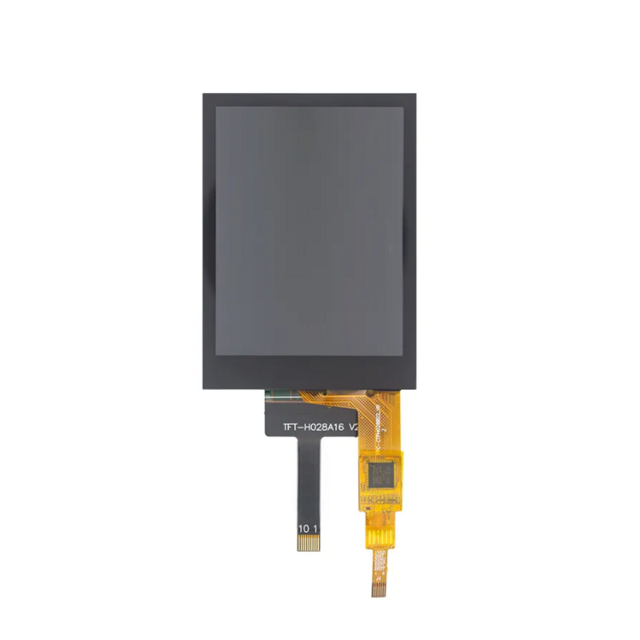
Selecting a TFT module must closely align with specifications and interfaces. Resolution (e.g., 800x480) and brightness (starting at 500 nits) are.
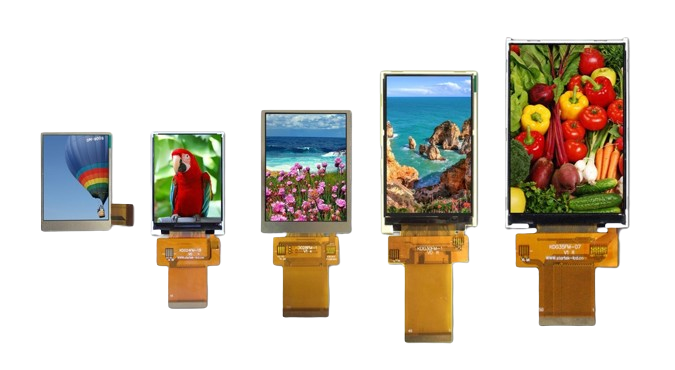
Custom TFT screens can precisely match performance requirements, such as industrial-grade wide temperature range (-30℃ to 80℃) and high brightness (1000.
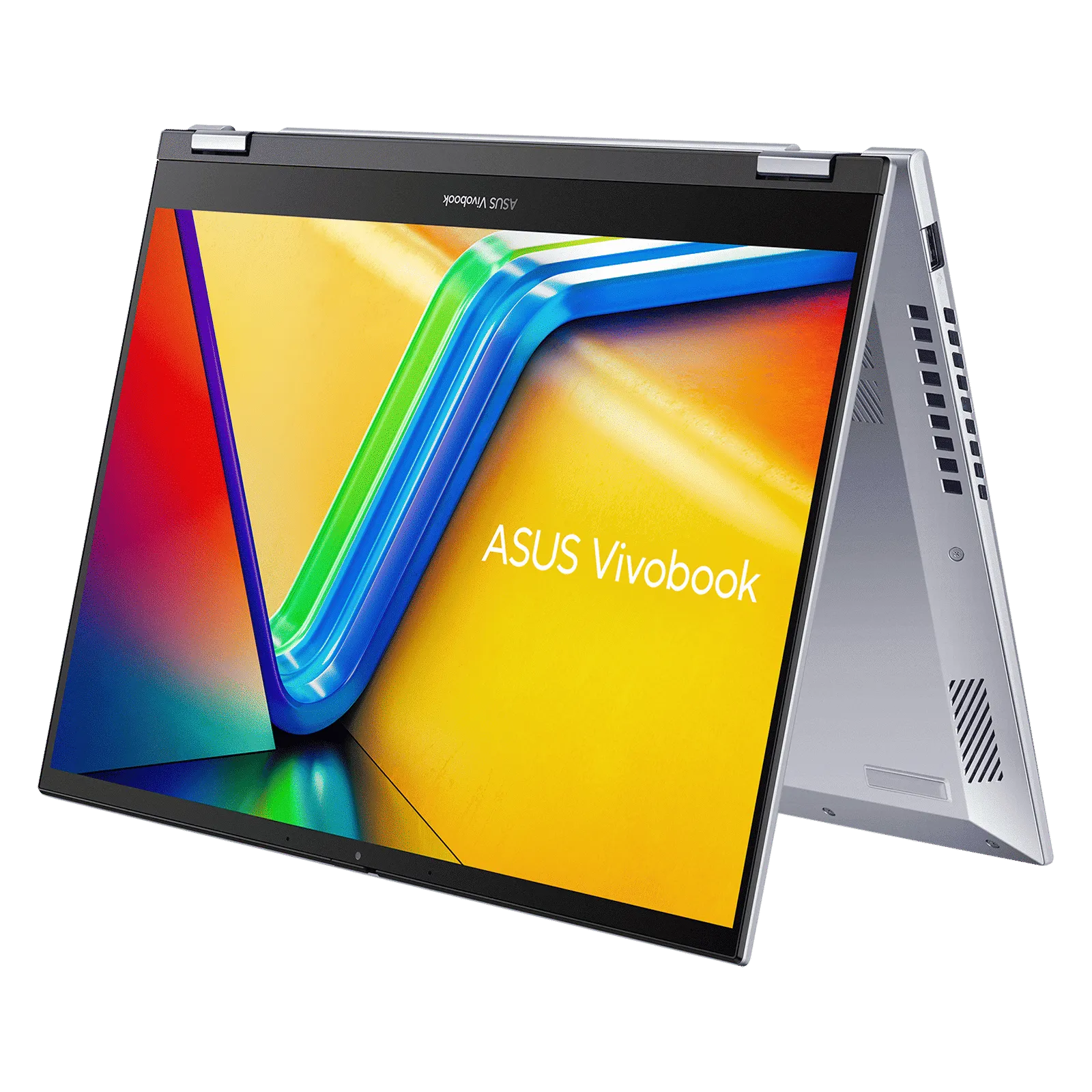
IPS modules extend lifespan via aluminum heatsinks + thermal paste (core ≤45°C, below 50°C industry max) cutting thermal stress, and 12V±0.6V supply.
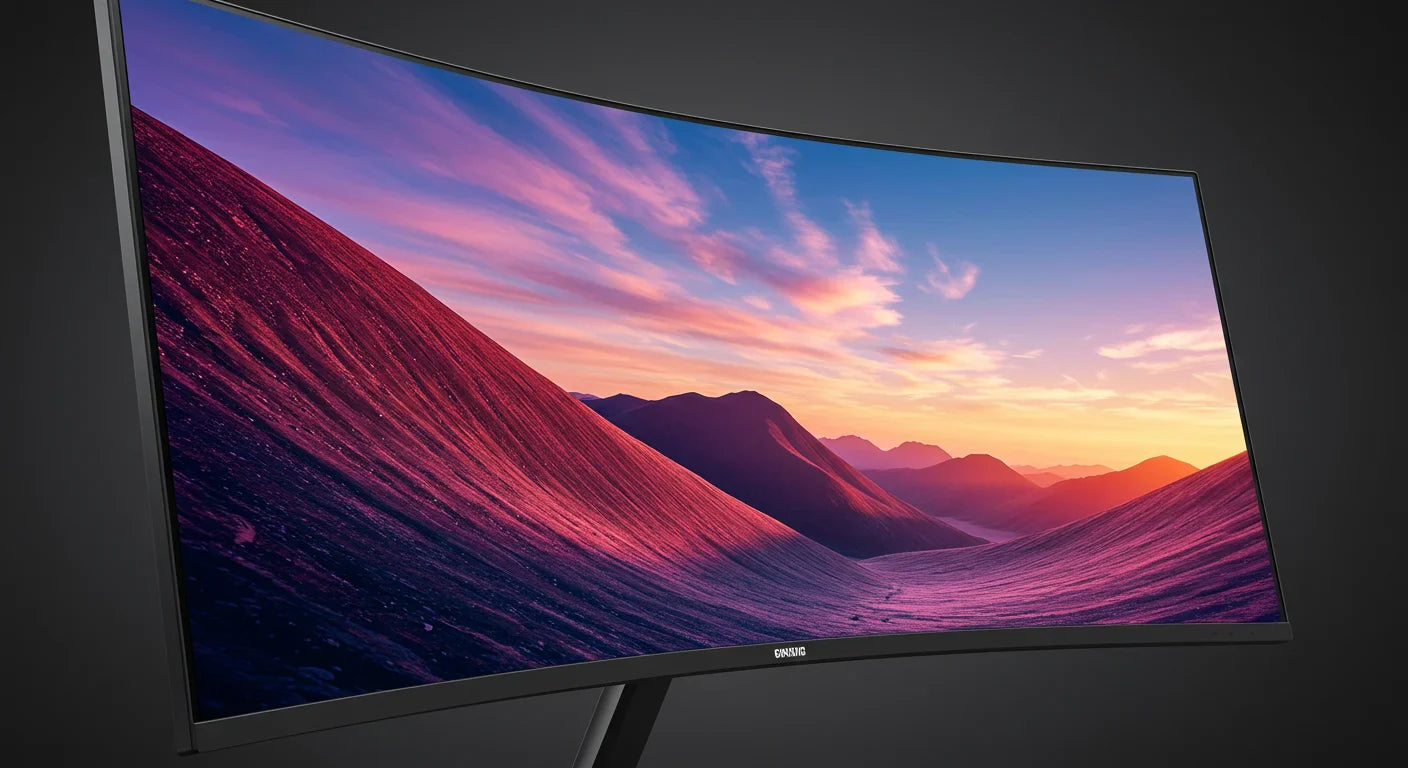
IPS modules ensure stable images with 178° wide viewing angles (minimal distortion) and ΔE < 2 color accuracy (industry benchmarks), minimizing color.
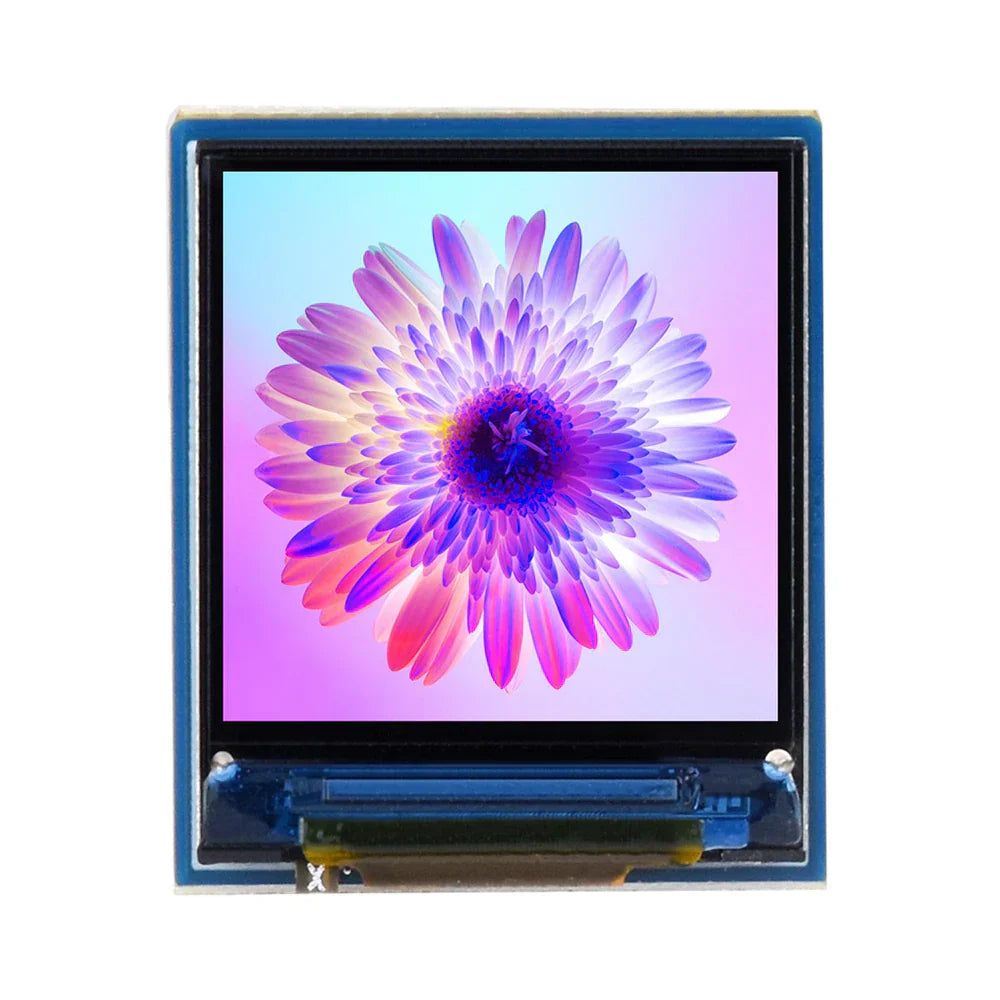
IPS modules: 144Hz refresh (fluid motion), 10-bit color (1.07B hues), <15W draw—VESA-certified lab tests confirm pro smoothness, vibrant tones, low energy.
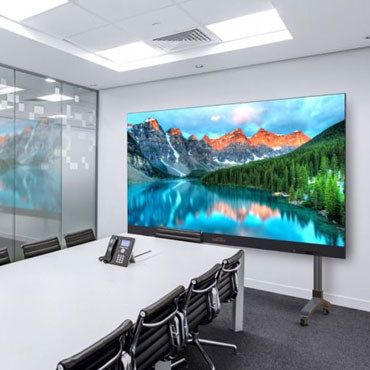
Prioritize IPS brightness by use: 300-500nits indoor, ≥1000nits outdoor (DisplayHDR 600+ cert., avoids glare). Native contrast ~1000:1; opt Mini-LED for.
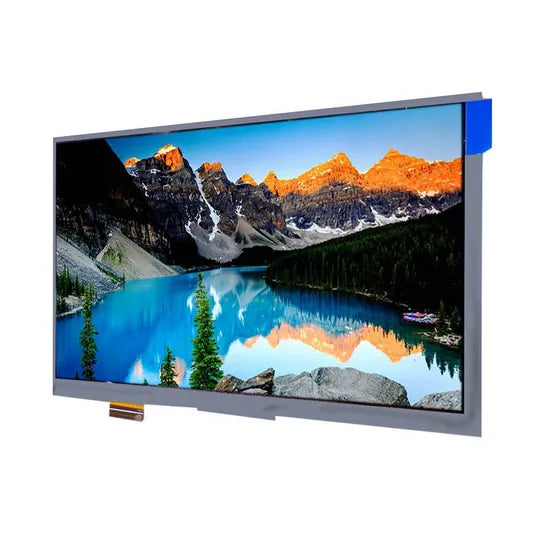
Choose IPS modules by aligning size (7–10” industrial, larger consumer), resolution (≥FHD/1920x1080 for clarity, 4K/3840x2160 pro), and interface.
They shine in low power use, with typical operation at just 0.5W and standby dropping below 0.1W , greatly extending battery life. Their slim form factor.