



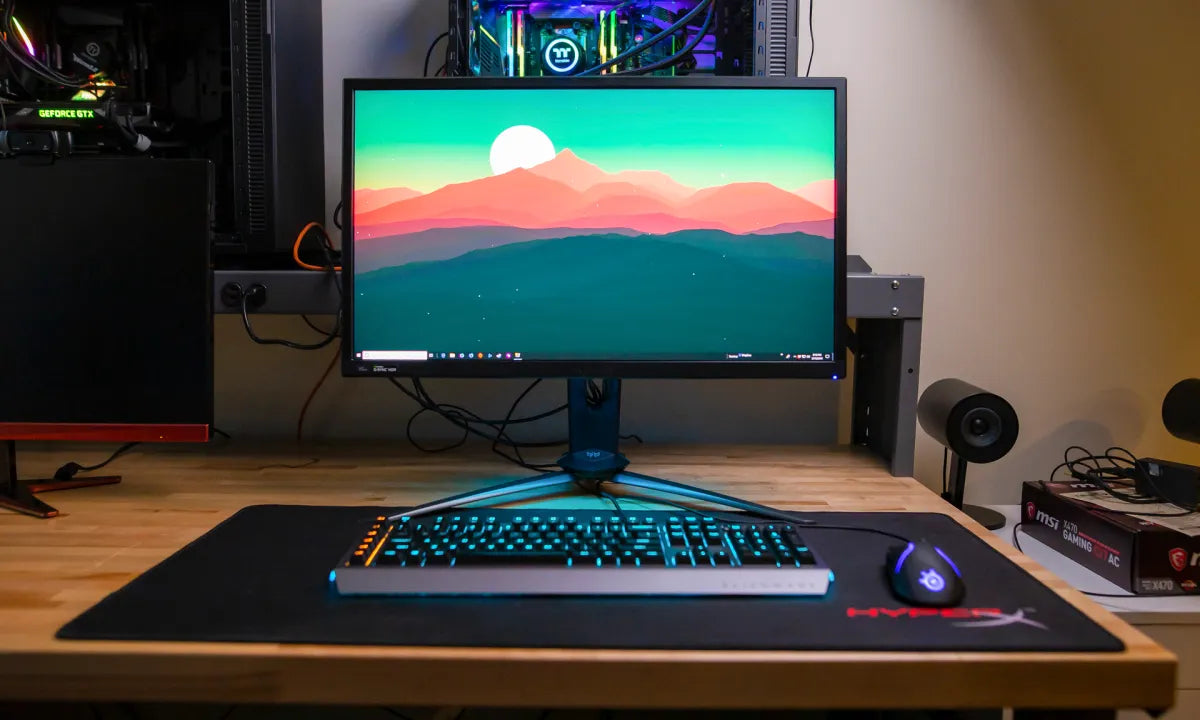
When selecting an IPS monitor, focus on key specs: panel type (IPS offers 178° wide viewing angles, better than TN/VA), response time (aim for ≤5ms GTG for gaming, typical 4-8ms), and brightness—25...

IPS display technology, utilizing liquid crystals aligned horizontally that rotate mainly sideways under voltage, delivers wide 178-degree viewing angles, consistent colors (often ΔE<2 for accur...
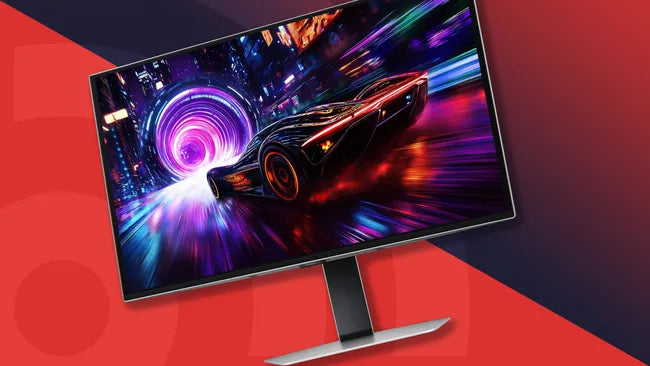
Best IPS displays excel with 27-inch 2560x1440 resolution for sharp, detailed visuals, ΔE≤2 color accuracy (near-flawless for design work), and 144Hz refresh rate ensuring buttery-smooth motion. Re...
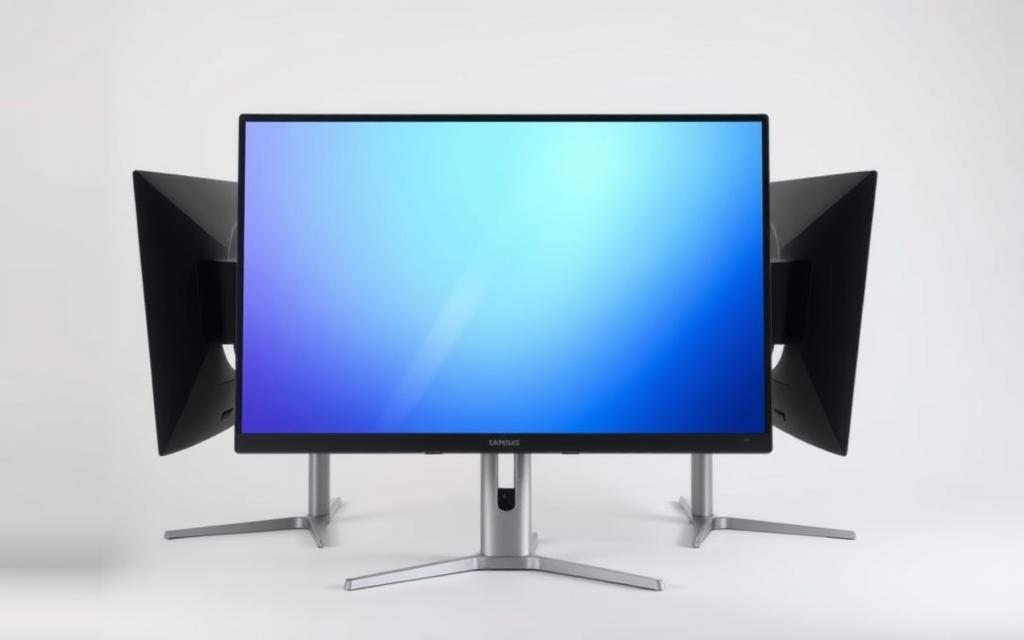
An IPS (In-Plane Switching) display uses horizontally aligned liquid crystals to deliver 178-degree wide viewing angles with minimal color distortion, outperforming TN panels’ ~160-degree range; it...
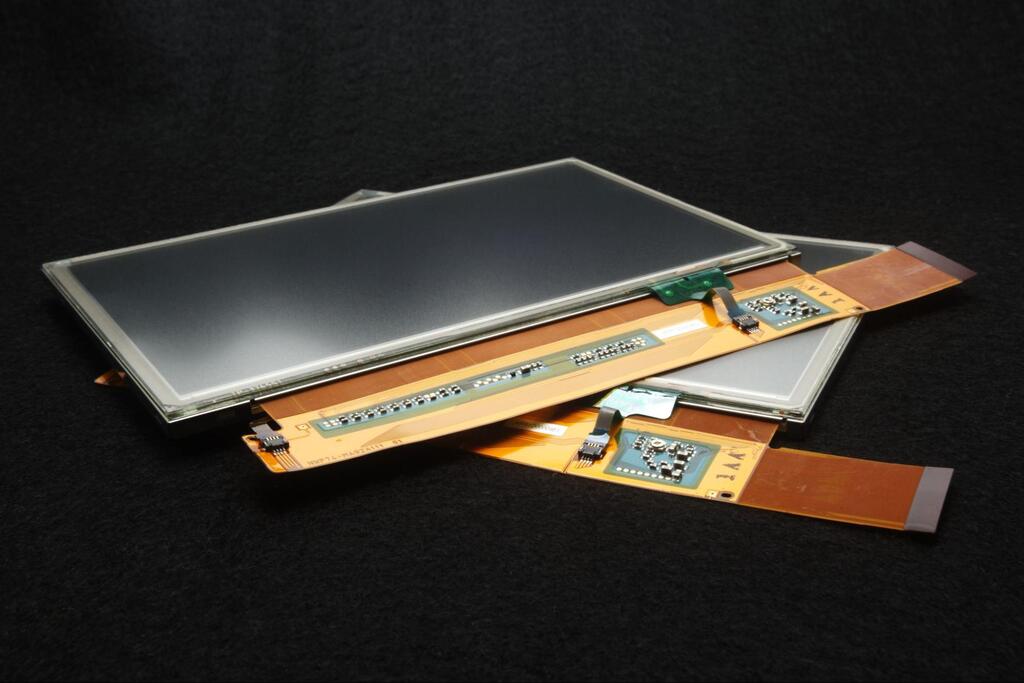
This IPS Display Guide covers types (standard, Nano IPS), pros like 178-degree viewing angles and ΔE<2 color accuracy, and use cases: favored by designers for precise hues, photographers for tru...
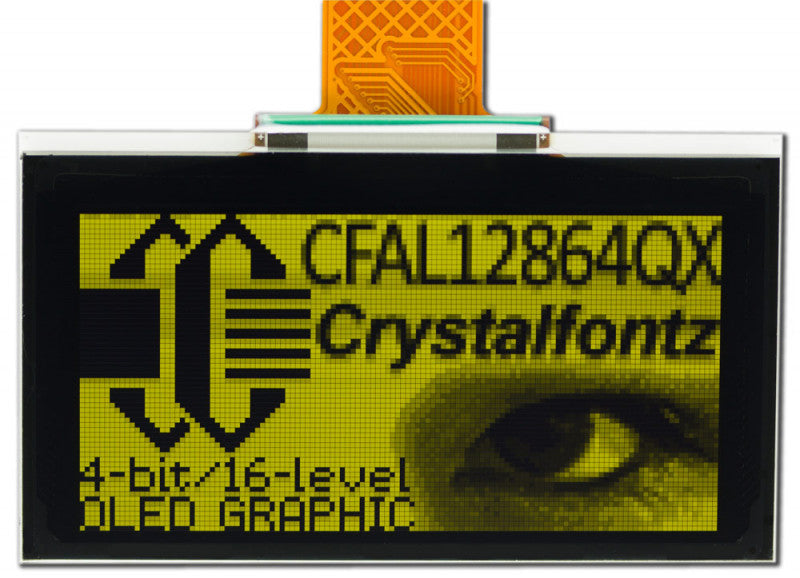
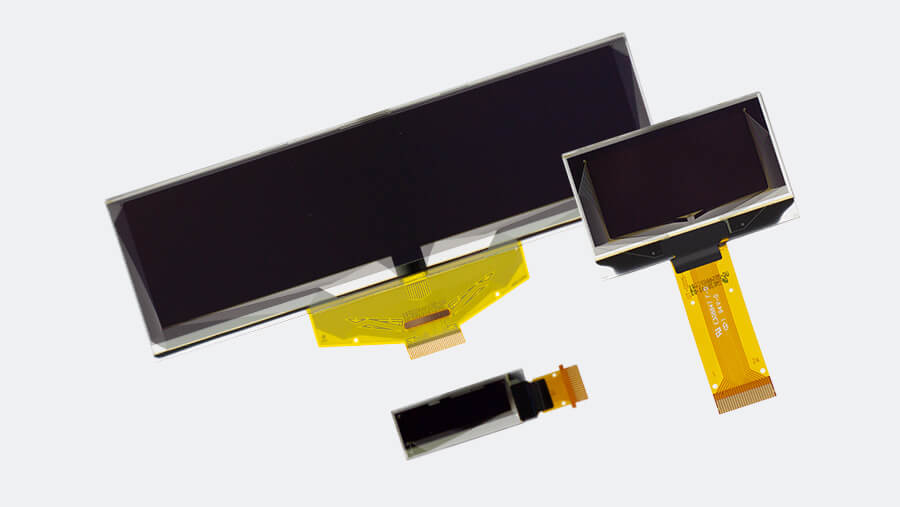
PMOLED and AMOLED are OLED display variants differing in driving technology: PMOLED uses a passive matrix, offering low cost but limited to small applications like wearables with refresh rates arou...
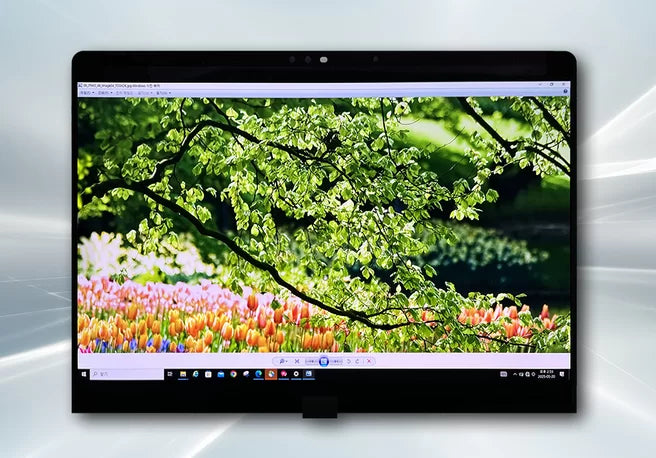
PMOLED, short for Passive Matrix OLED, is a display tech using simple row-column electrode grids to light pixels sequentially, perfect for small screens like smartwatch faces; two standard polymer ...
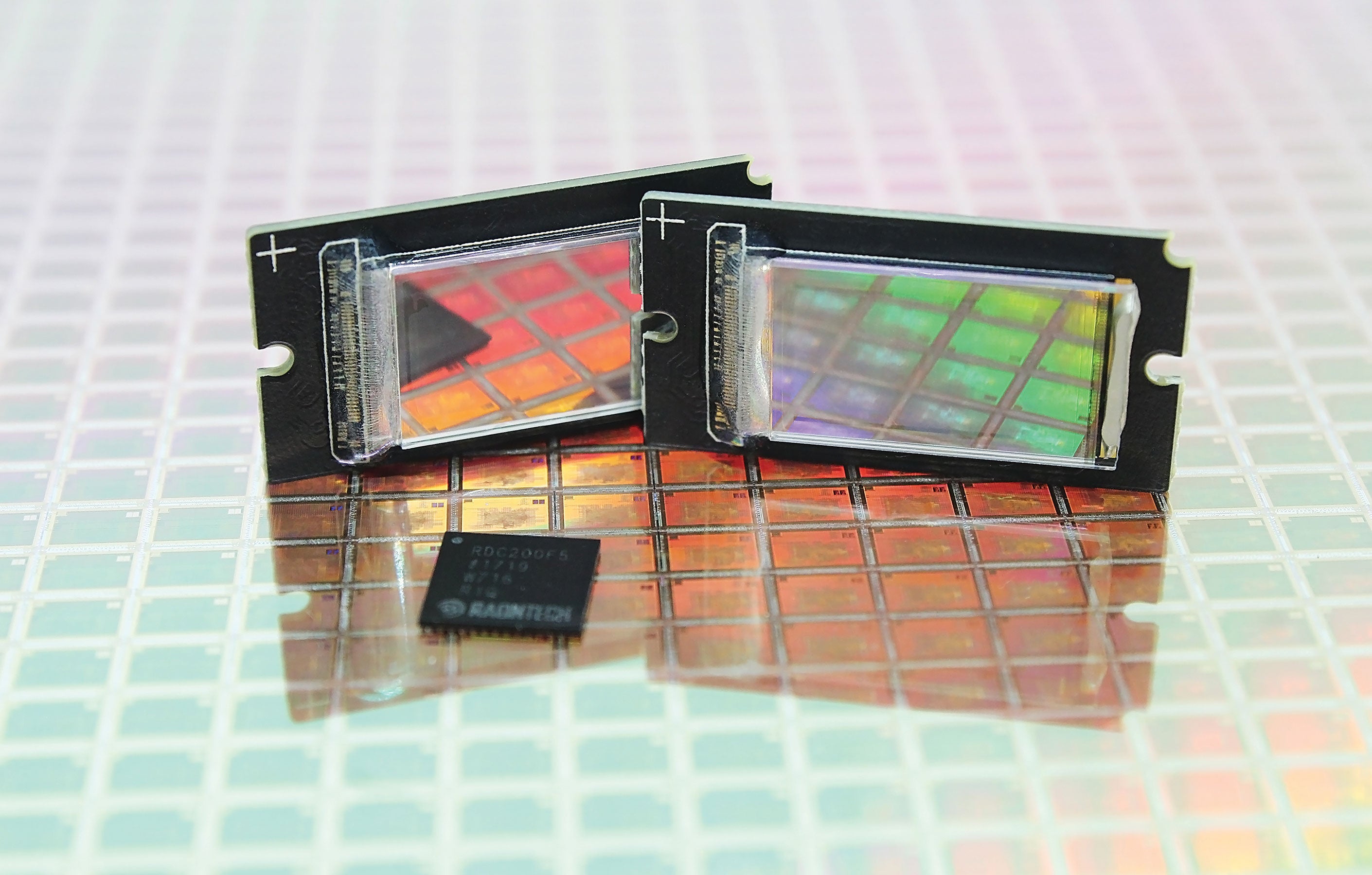
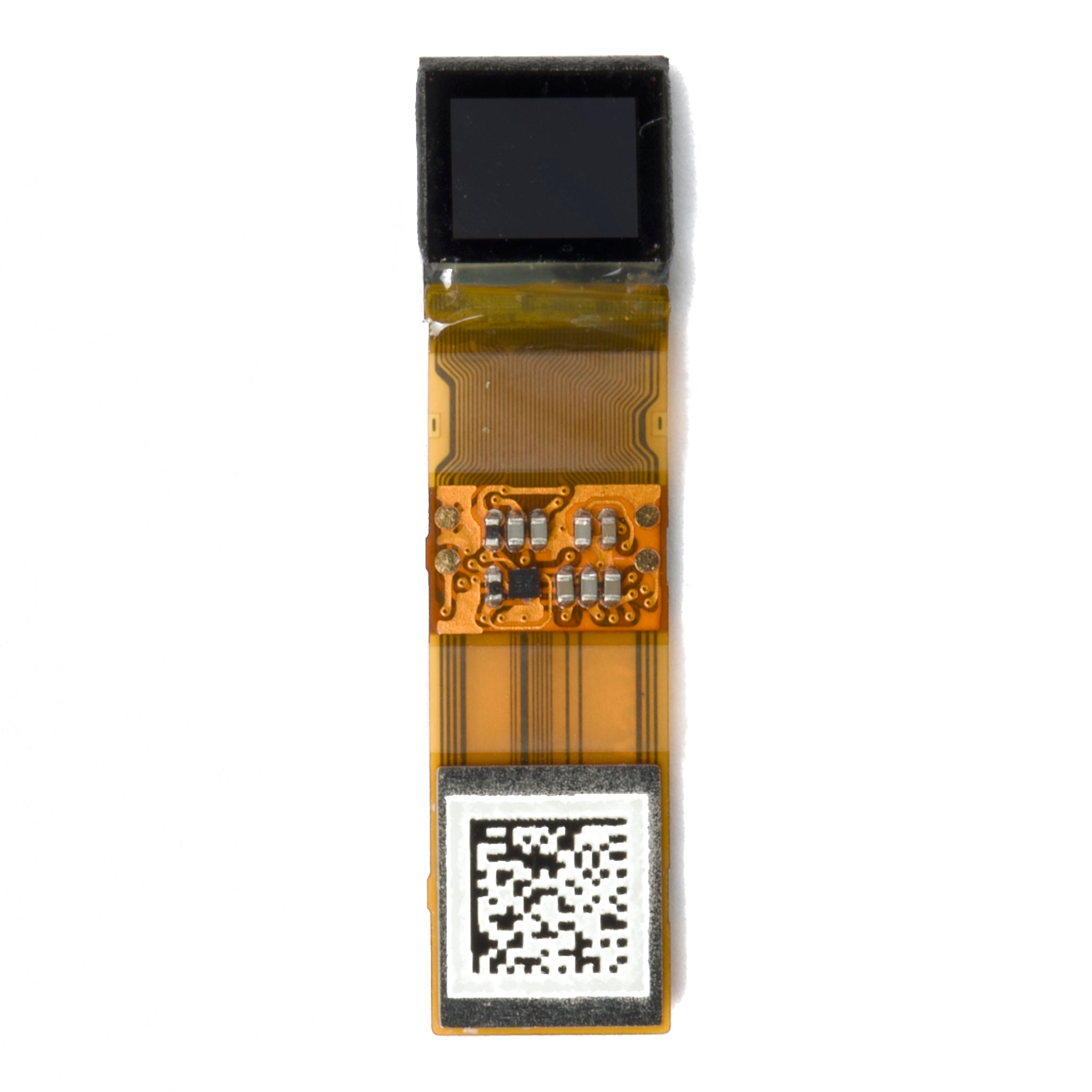
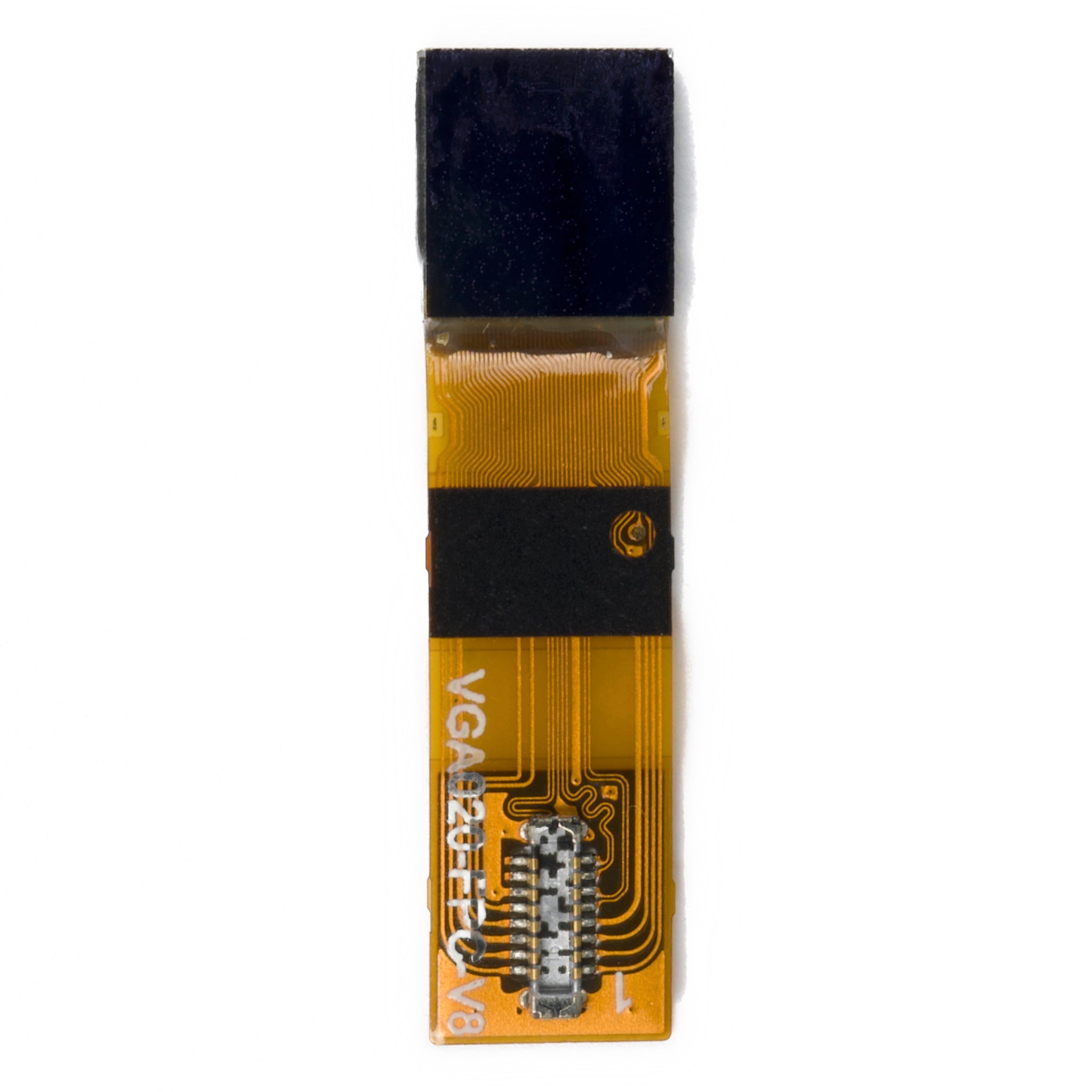
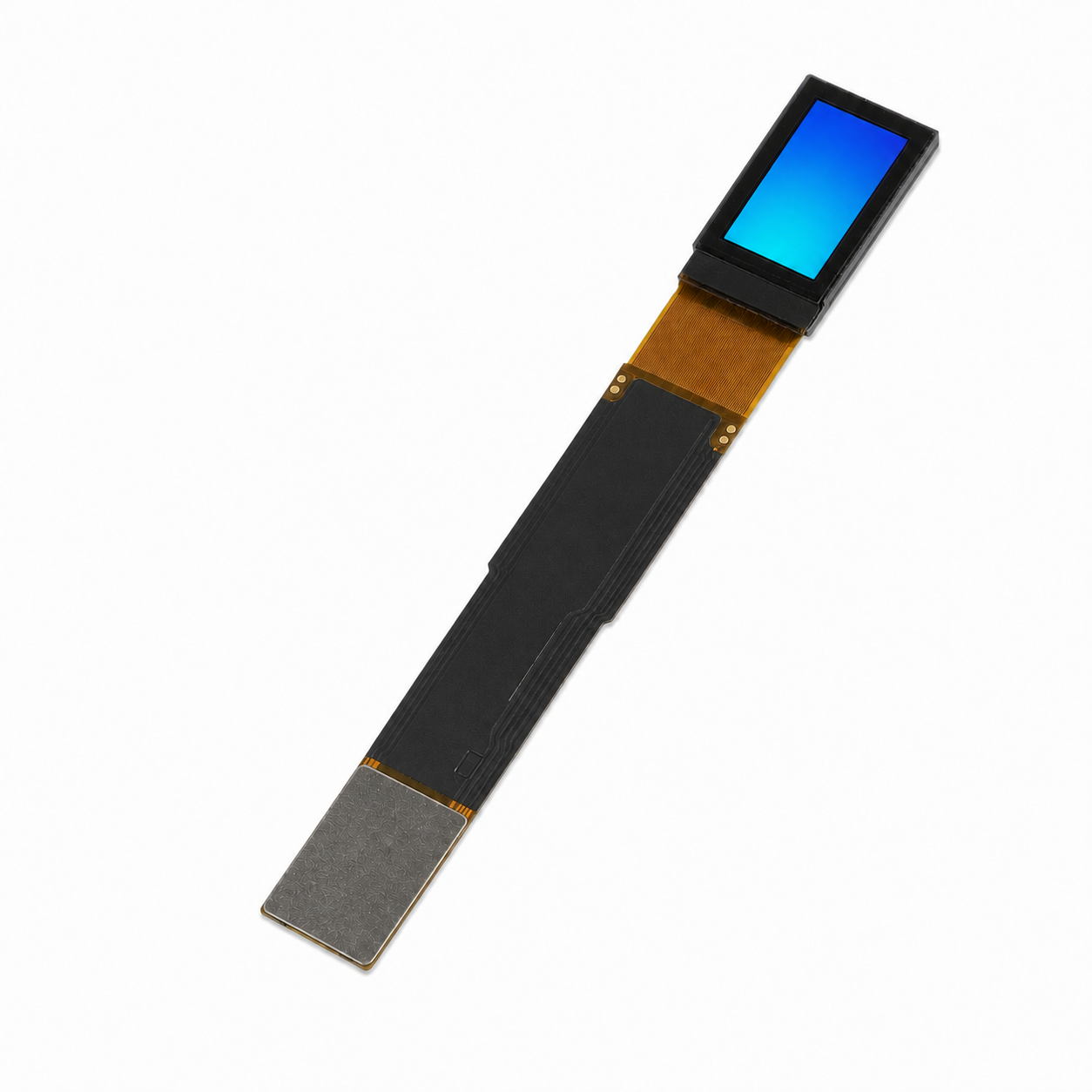
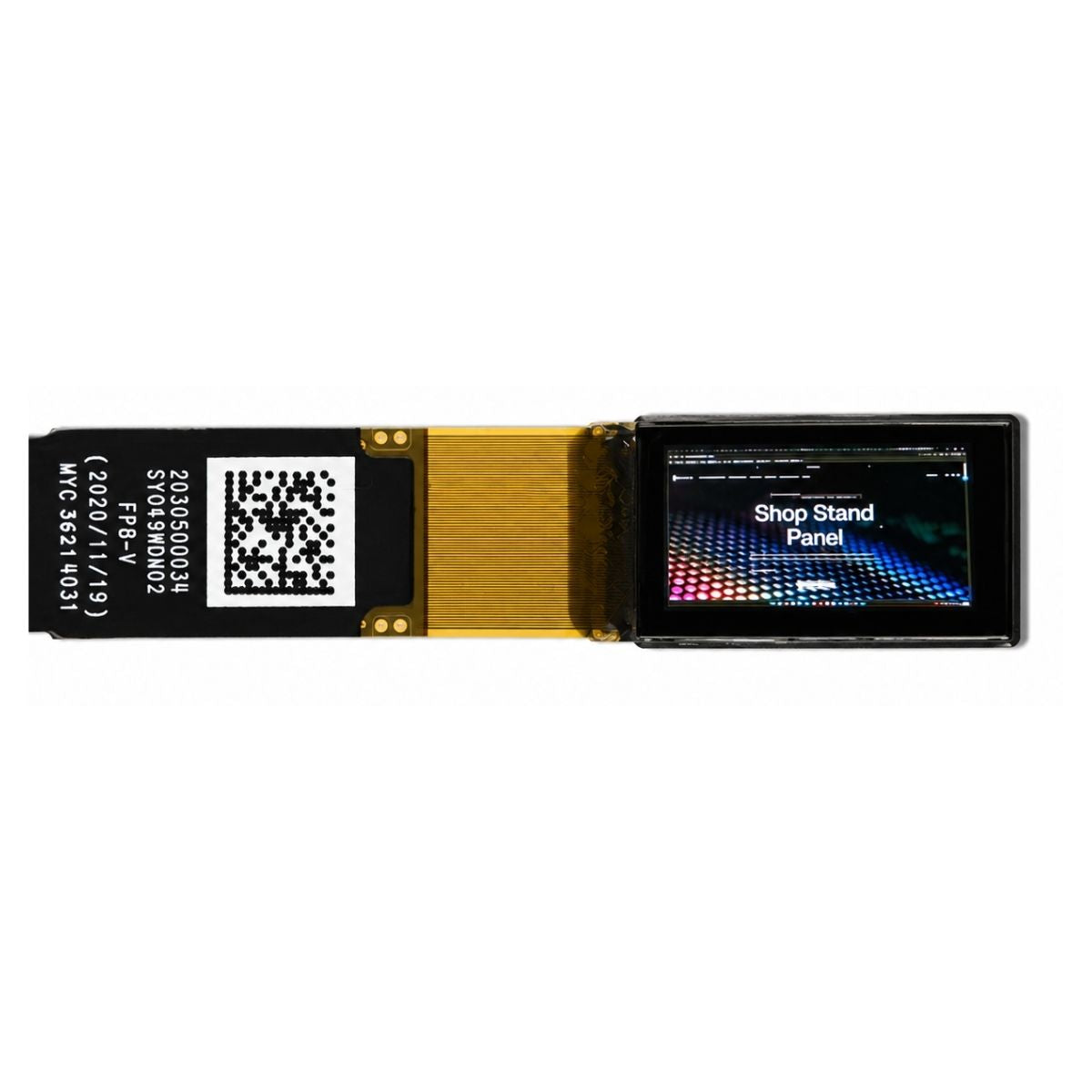
Micro OLED elevates AR/VR with over 3000 PPI to slash screen-door effect, under 10ms latency curbing motion sickness, and AMOLED architecture—boasting self-emissive pixels with 1,000,000:1 contrast...
Micro OLED Display, or OLED-on-Silicon, merges organic LEDs with silicon backplanes, boasting ~5000 PPI pixel density for ultra-sharp output; its structure uses RGB sub-pixels driven by silicon TFT...